Amaraz belongs to the evening side of Fès dining, where the city’s pantry matters as much as the room. With no public chef billing or award trail to lean on, the interest is in how the restaurant fits a local table culture shaped by markets, preserved ingredients, slow-cooked dishes, and a late-night rhythm.
Pearl is the En Primeur Club membership app — saves, bookings, and concierge access live there. Same editors, same standards.
- Address
- Fes 30000, Morocco
- Phone
- +212 5 35 94 03 32
- Website
- hotelsahrai.com
- Directions
- Get directions
 Saves & bookings on Pearl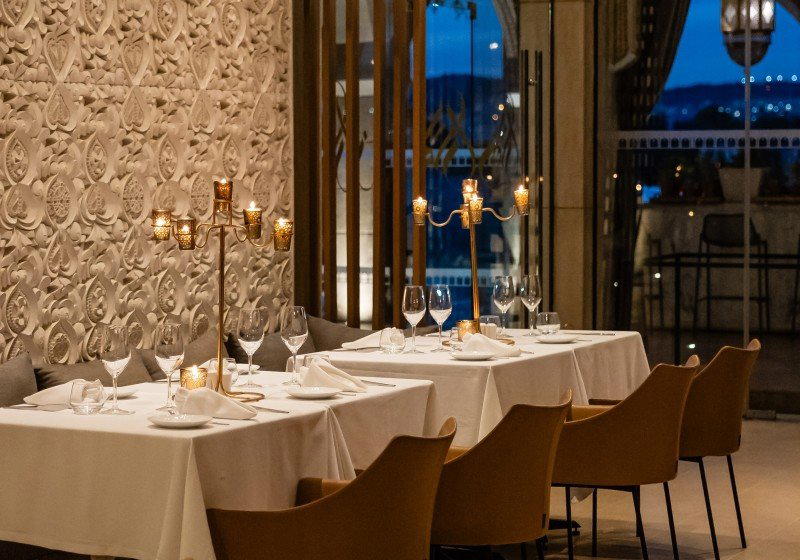
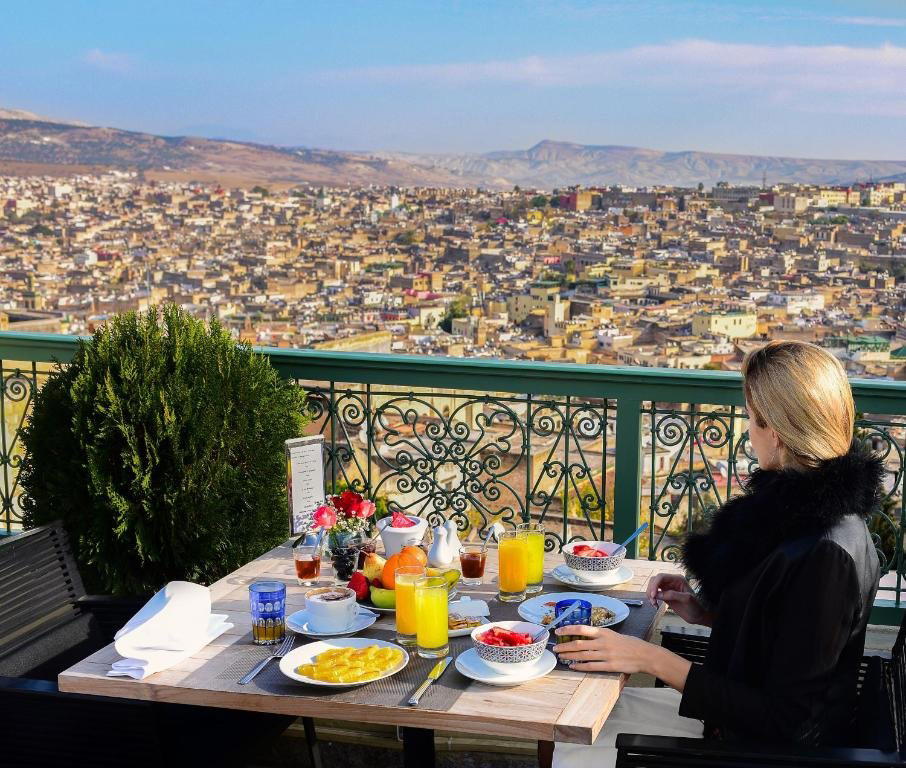
Fès announces dinner through texture before it announces it through menu language: stone lanes cooling after sunset, spice shops folding down their shutters, the scent of charcoal and cumin drifting between riad doors. Amaraz sits inside that evening register rather than the all-day café circuit, which matters in a city where serious eating often begins after the heat has left the medina walls. The more useful way to read a restaurant here is not through spectacle, but through how closely it stays tied to the ingredients that define northern Moroccan cooking.
Fès dining is built on markets, preservation, and patience
The city’s food culture has always been less about novelty than about command of pantry. Preserved lemon, olives, dried fruit, herbs, pulses, semolina, almonds, honey, lamb, chicken, and seasonal vegetables form the backbone of many Fassi tables. Technique does the heavy lifting: braising, steaming, baking, reducing, and balancing sweet with saline rather than relying on luxury ingredients for effect. In that context, Amaraz is better understood as part of a local dining pattern than as a chef-led destination restaurant.
That distinction is useful for travellers. Fès can split between riad dining rooms, medina cafés, and restaurants aiming for a broader international audience. The restaurants worth taking seriously tend to show discipline in sourcing logic: vegetables that taste of the season, preserved elements used with restraint, bread treated as part of the meal rather than filler, and spice blends that support rather than flatten a dish. Without a public awards trail or named chef as the headline, Amaraz’s appeal depends on that more grounded measure: how the kitchen handles the Moroccan pantry.
For comparison inside the city, Bouquet Garni and Chiringuito Tapas & Fun point to a broader Fès spread, from formal dining cues to social, cross-Mediterranean formats. Chiringuito Tapas & Fun sits closer to the casual-sharing end of that spectrum, while Amaraz reads better through the Moroccan dinner lens. The useful question is not whether one format outranks another, but which version of the city a traveller wants that night: a local pantry-led meal, a European-leaning room, or a looser drinking-and-snacking format.
The ingredient question is the real test
Moroccan cooking punishes shortcuts. A tagine-style kitchen cannot hide weak seasoning behind plating tricks; couscous depends on grain handling and broth depth; salads need acid, oil, and herb balance; grilled meats need timing rather than decoration. In Fès, where market supply changes with season and neighbourhood, the better meals tend to feel anchored in produce and preservation rather than imported status signals. Amaraz belongs in that conversation because the restaurant’s public profile does not lean on awards, celebrity biography, or a tasting-menu apparatus. The meal has to justify itself at the table.
This is also where Fès differs from Marrakech. Marrakech has a larger circuit of design-led restaurants built for international dining habits, including places such as +61 in Marrakech. Fès is more conservative and more rewarding when a kitchen respects the structure of the local meal. The city’s interest is not volume or flash; it is the relationship between market, spice cabinet, bread, and hospitality rhythm. That makes restaurants like Amaraz useful for travellers who want a dinner that reads as Fès rather than as generic Moroccan décor.
Within the wider Moroccan map, the contrast becomes sharper. Coastal addresses such as Anaw in Taghazout and Azura in Fnideq operate with different seafood and resort-town pressures. Northern city dining at Andalus in Tangier has its own Spanish-Moroccan current, while mountain-region restaurants such as Asayss Restaurant in Asni draw from a different agricultural setting. Fès asks for another kind of attention: sauces, grains, preserved condiments, and the slow confidence of dishes built from domestic tradition.
How Amaraz fits a Fès itinerary
Amaraz works better as an evening anchor than as a quick logistical stop. The city rewards pacing: a medina walk earlier in the day, tea or coffee in the afternoon, then a proper dinner once the streets settle. Travellers comparing options should use Our full Fès restaurants guide to separate riad dining, casual cafés, and dinner-led rooms. For a different register, Cafe Clock serves the cultural-café side of the city, while Bistro Laaroussa and Berrada help round out the local spread.
The broader trip planning matters because Fès is not a single-note food city. Hotels shape dining decisions more than many visitors expect, especially when riads offer set meals or private courtyards; Our full Fès hotels guide is useful for pairing neighbourhood and dinner plans. Bars and late-night drinking are more limited than in larger global capitals, so Our full Fès bars guide helps set expectations. For travellers building a wider itinerary, Our full Fès experiences guide and Our full Fès wineries guide put the meal in a broader cultural frame.
Amaraz Restaurant in Fez is therefore not a page to read as a trophy address. It is better judged as part of the city’s ingredient-led evening table, where the reward comes from patience, seasoning, and fit with place. Travellers who want a chef biography, published awards, and a formal tasting structure may find clearer signals elsewhere. Those trying to understand how Fès eats after dark should place Amaraz Restaurant in Fez alongside the city’s riad rooms, cafés, and casual restaurants, then choose according to mood rather than status.
For readers extending the itinerary beyond Morocco, the comparison is instructive rather than direct. A sake-led address such as Jōdo Saké Bar in Los Angeles or a focused Japanese casual format like Onigiri Time in Pasadena depends on a narrow product logic. Fès restaurants operate differently: the identity comes from a layered household cuisine translated into a public dining room. Amaraz is strongest when viewed through that lens.
A Quick Peer Check
Side-by-side context: comparable cuisine and price.
| Venue | Cuisine |
|---|---|
| Amaraz | This venue |

At a Glance
- Elegant
- Romantic
- Sophisticated
- Classic
- Date Night
- Business Dinner
- Group Dining
- Special Occasion
- Celebration
- Live Music
- Hotel Restaurant
Current opening hours
- Monday
- 7 PM–12 AM
- Tuesday
- 7 PM–12 AM
- Wednesday
- 7 PM–12 AM
- Thursday
- 7 PM–12 AM
- Friday
- 7 PM–12 AM
- Saturday
- 7 PM–12 AM
- Sunday
- 7 PM–12 AM
Hours can change for holidays and private events. Last verified .
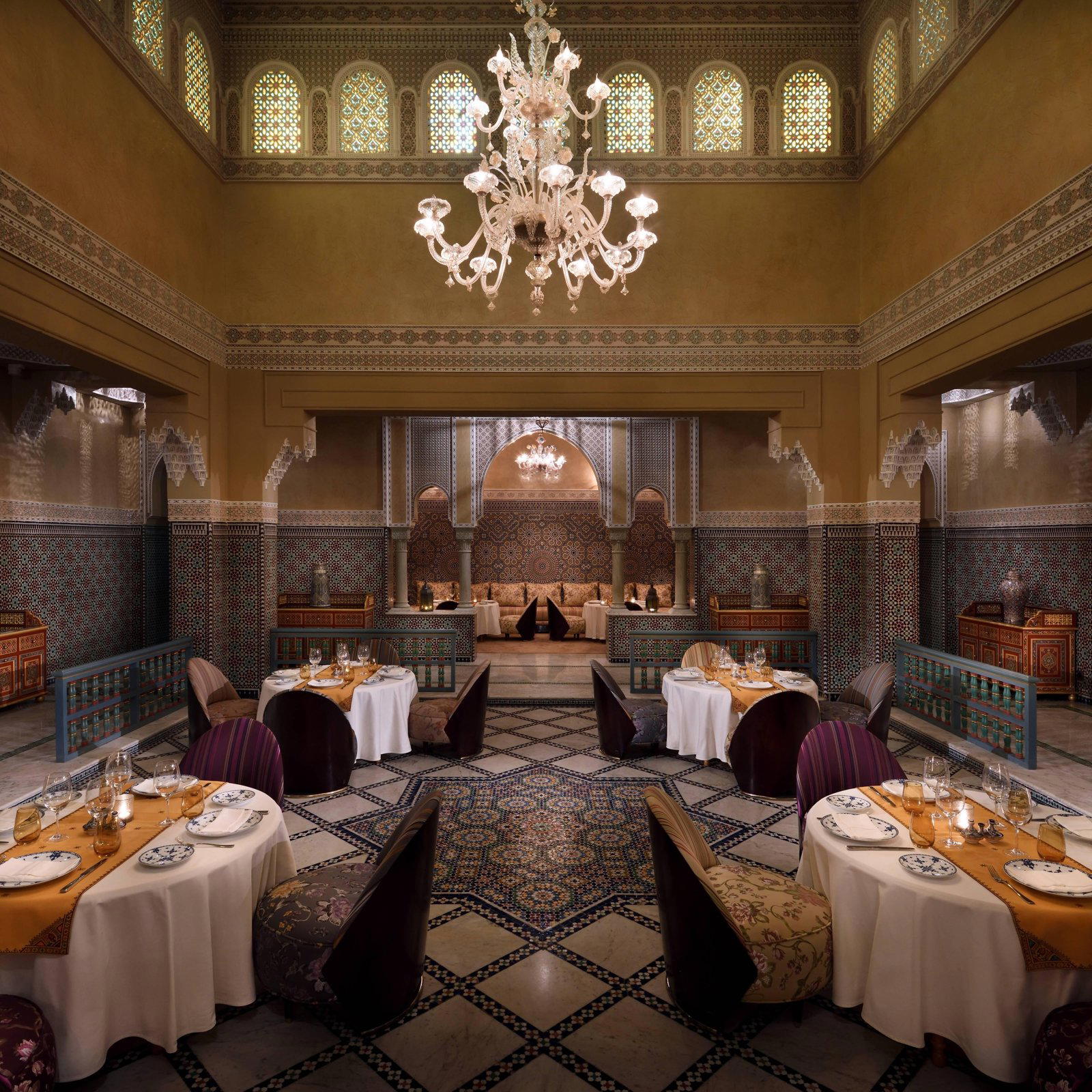
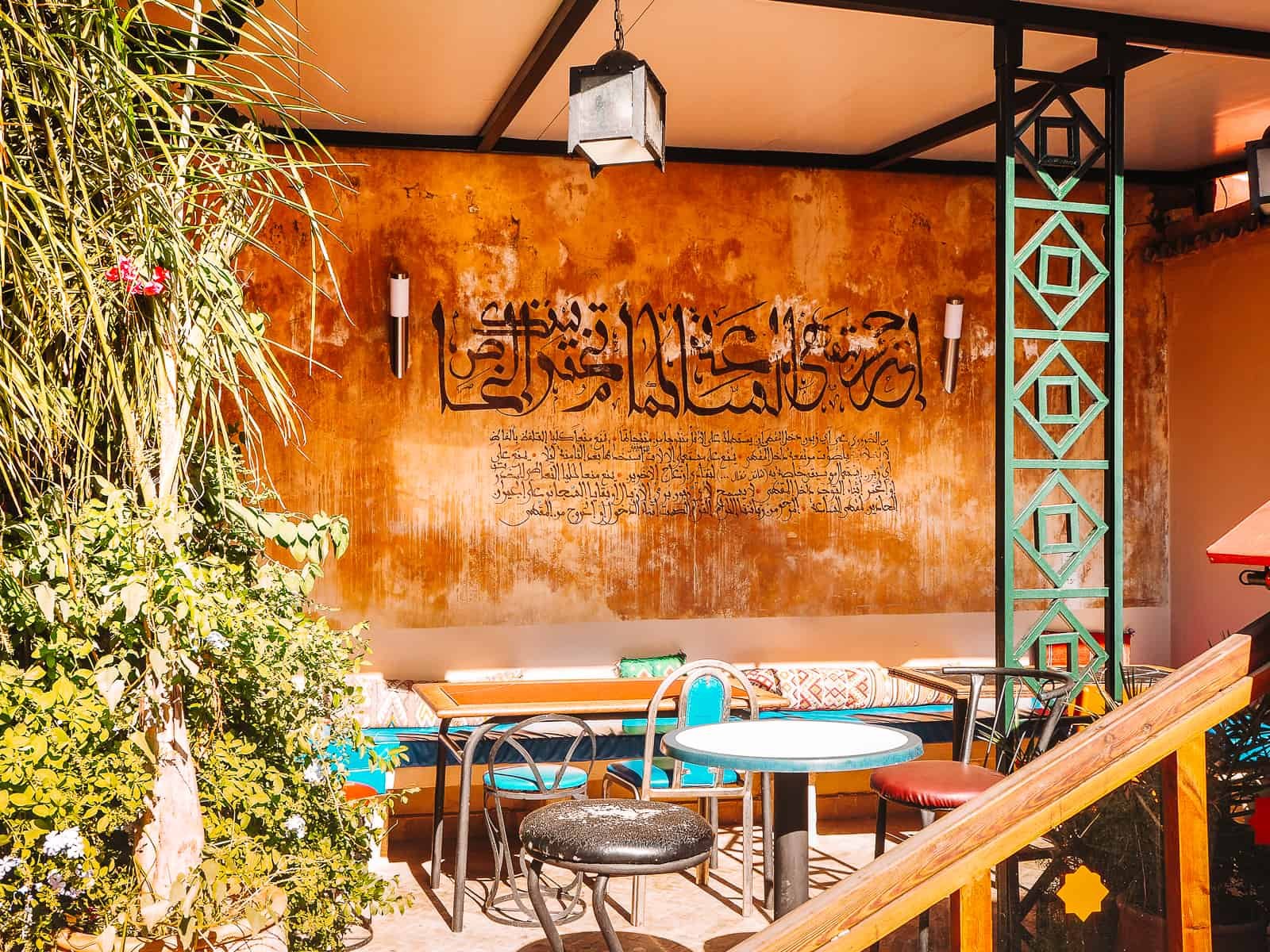
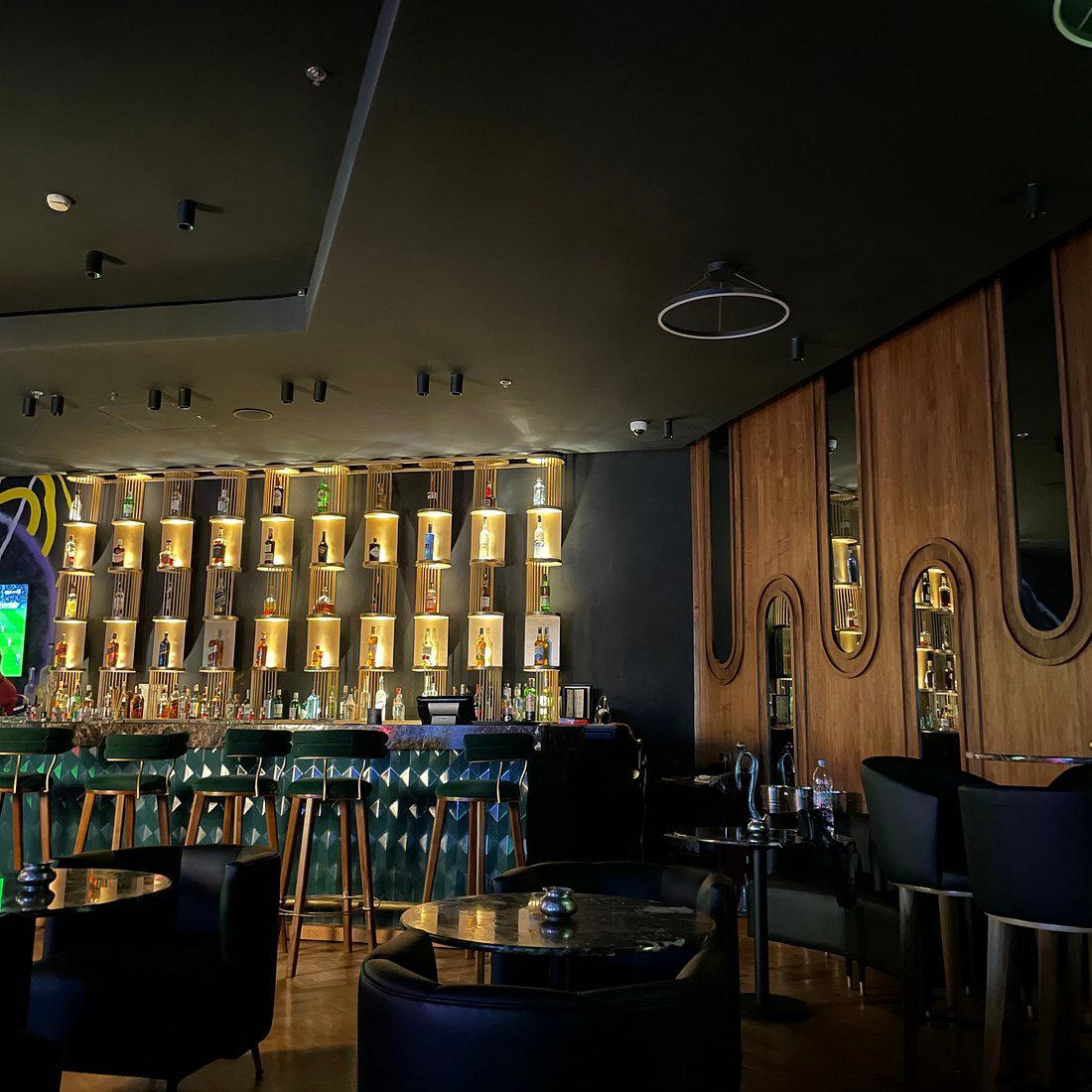
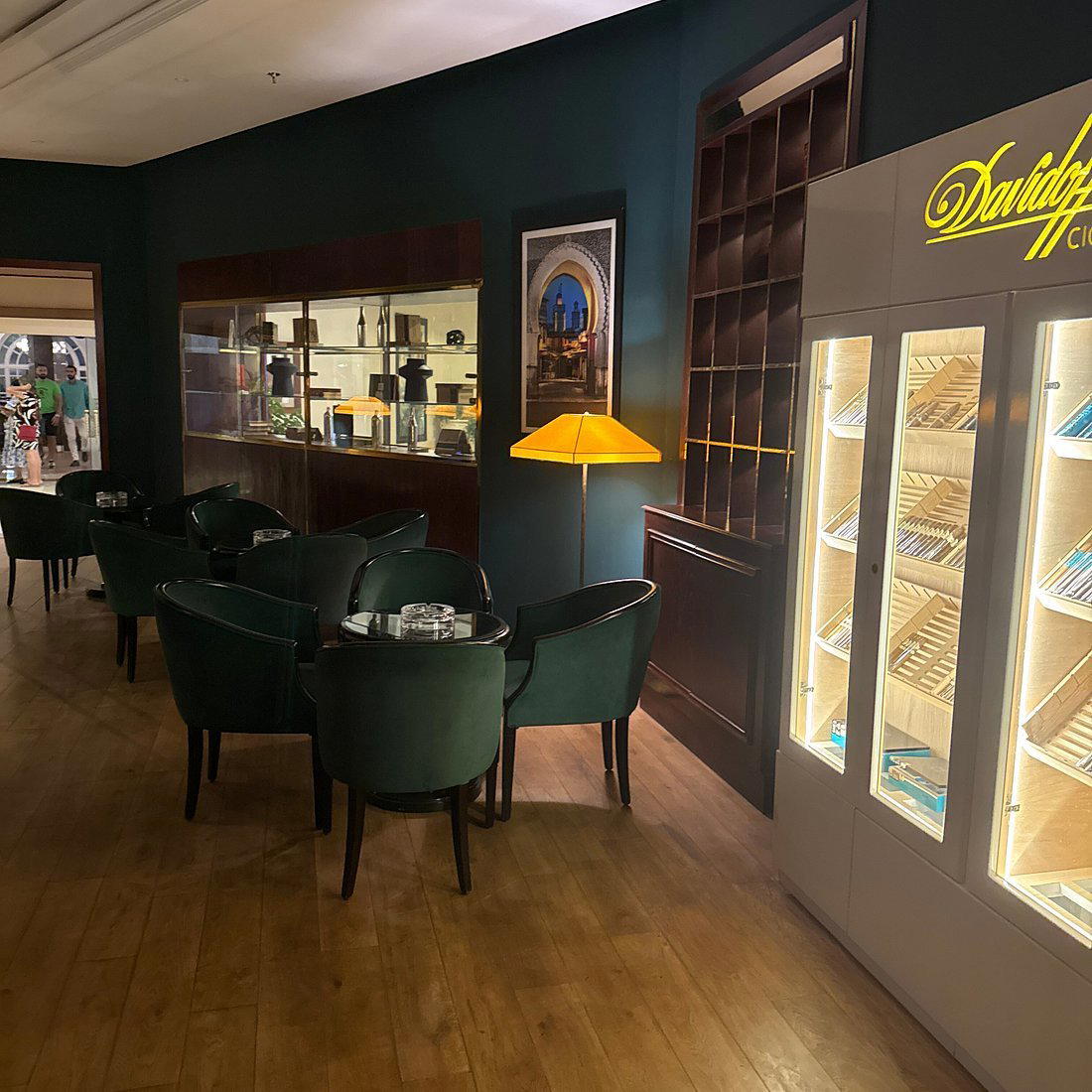
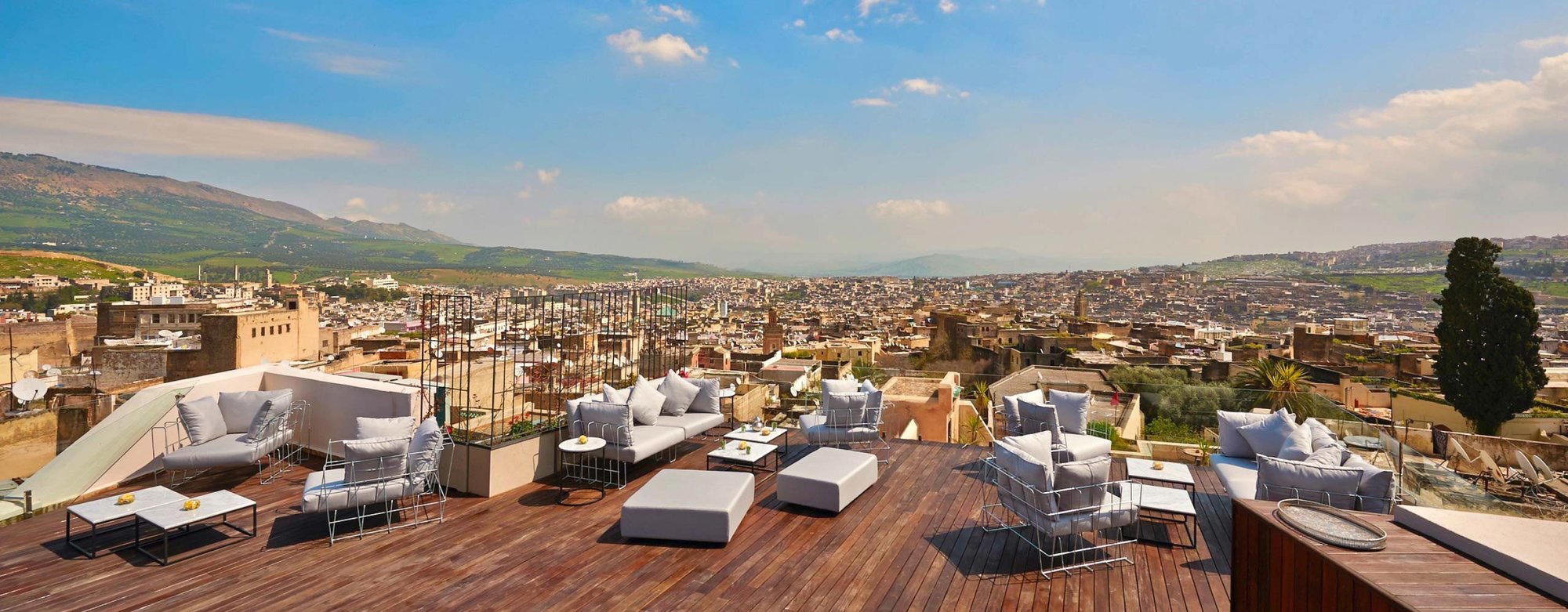
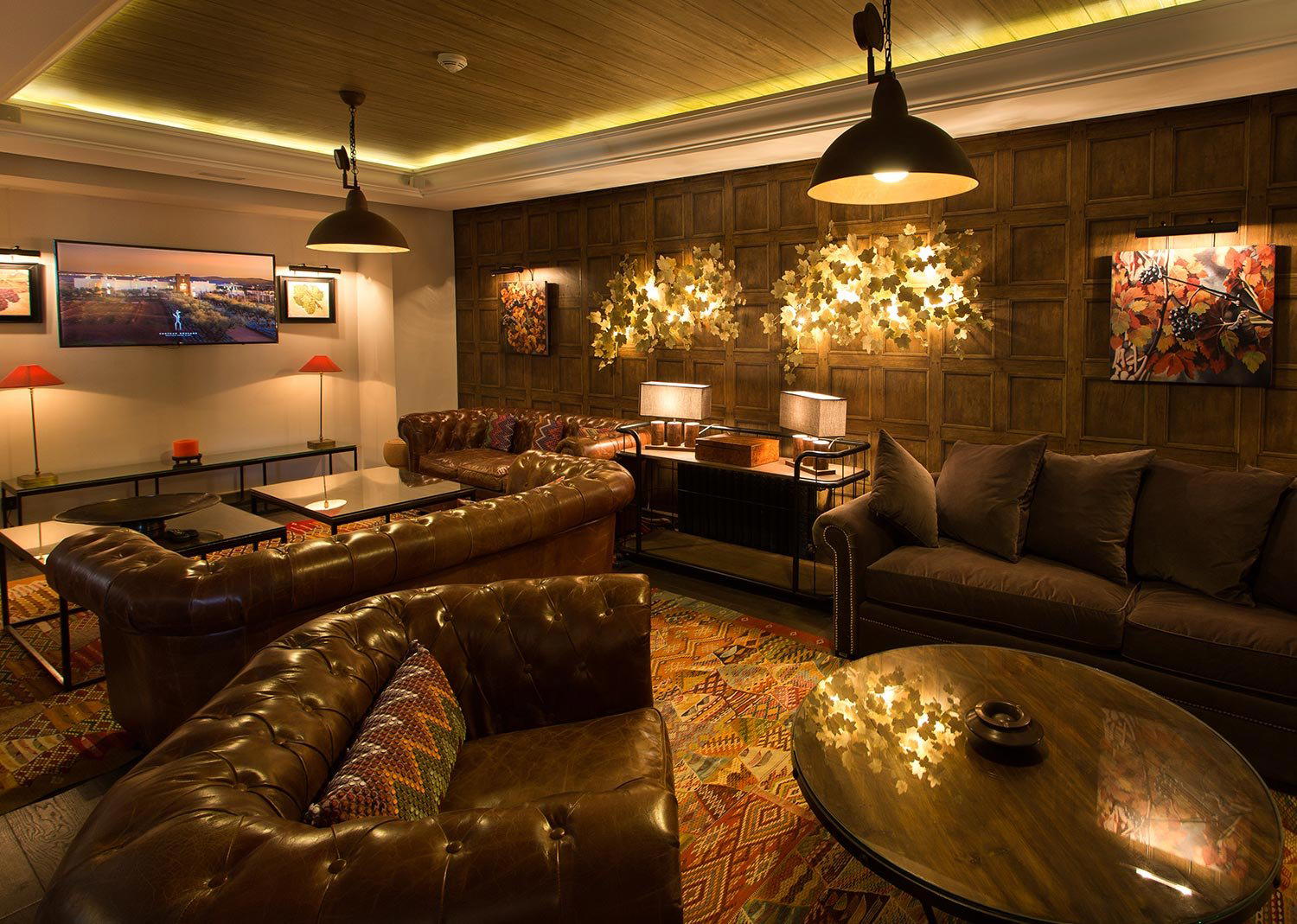
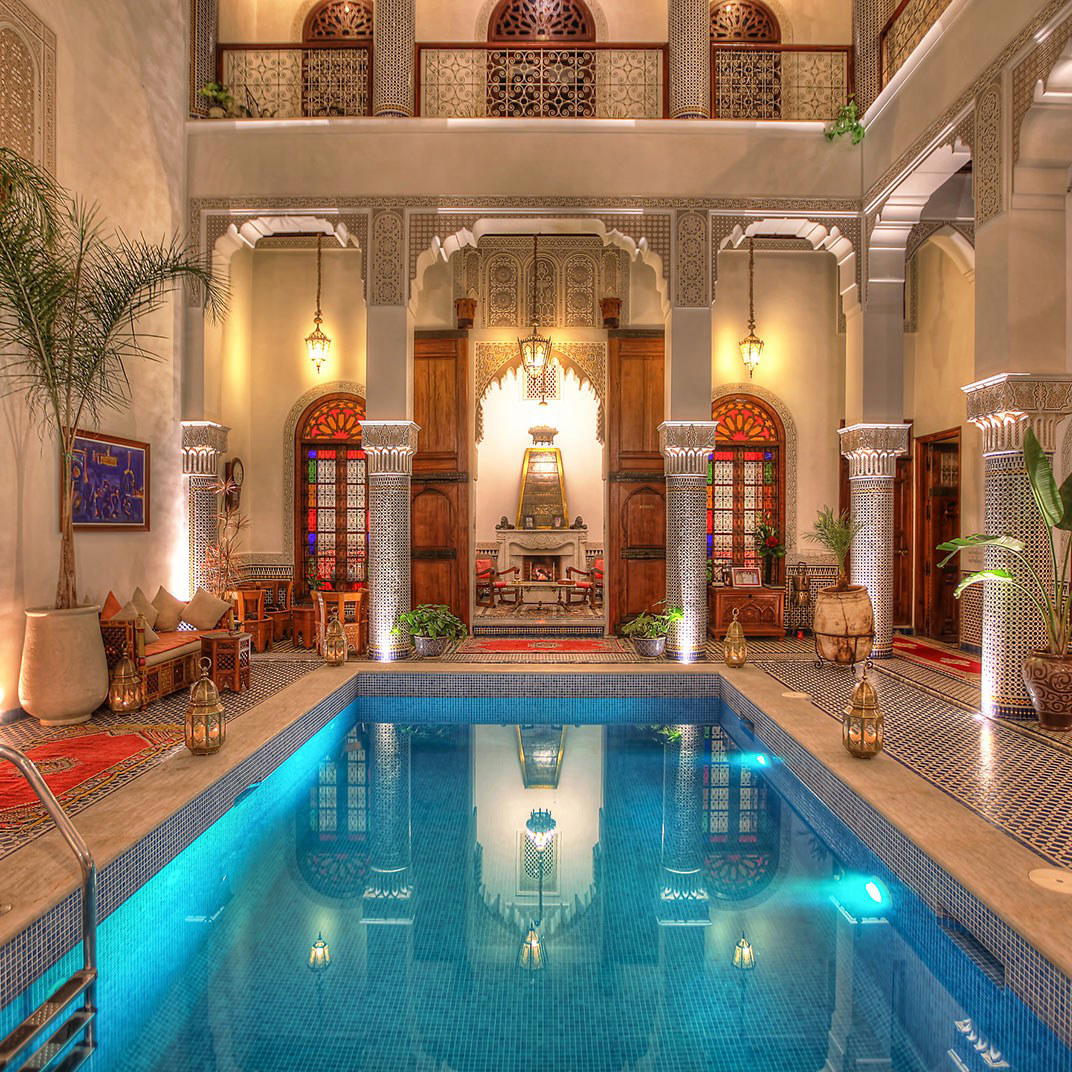
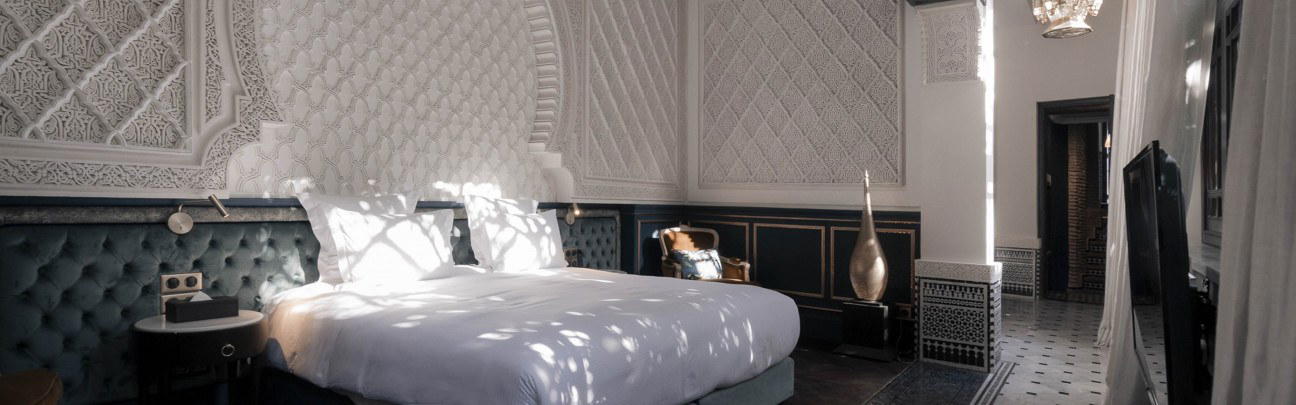
The atmosphere is elegant and quietly romantic, with a vast beamed dining room divided by screens for privacy, soft lighting, and live lute music creating a refined, intimate mood rather than a loud, bustling scene.