Café Sjiek

Michelin Bib Gourmand
Our verdict
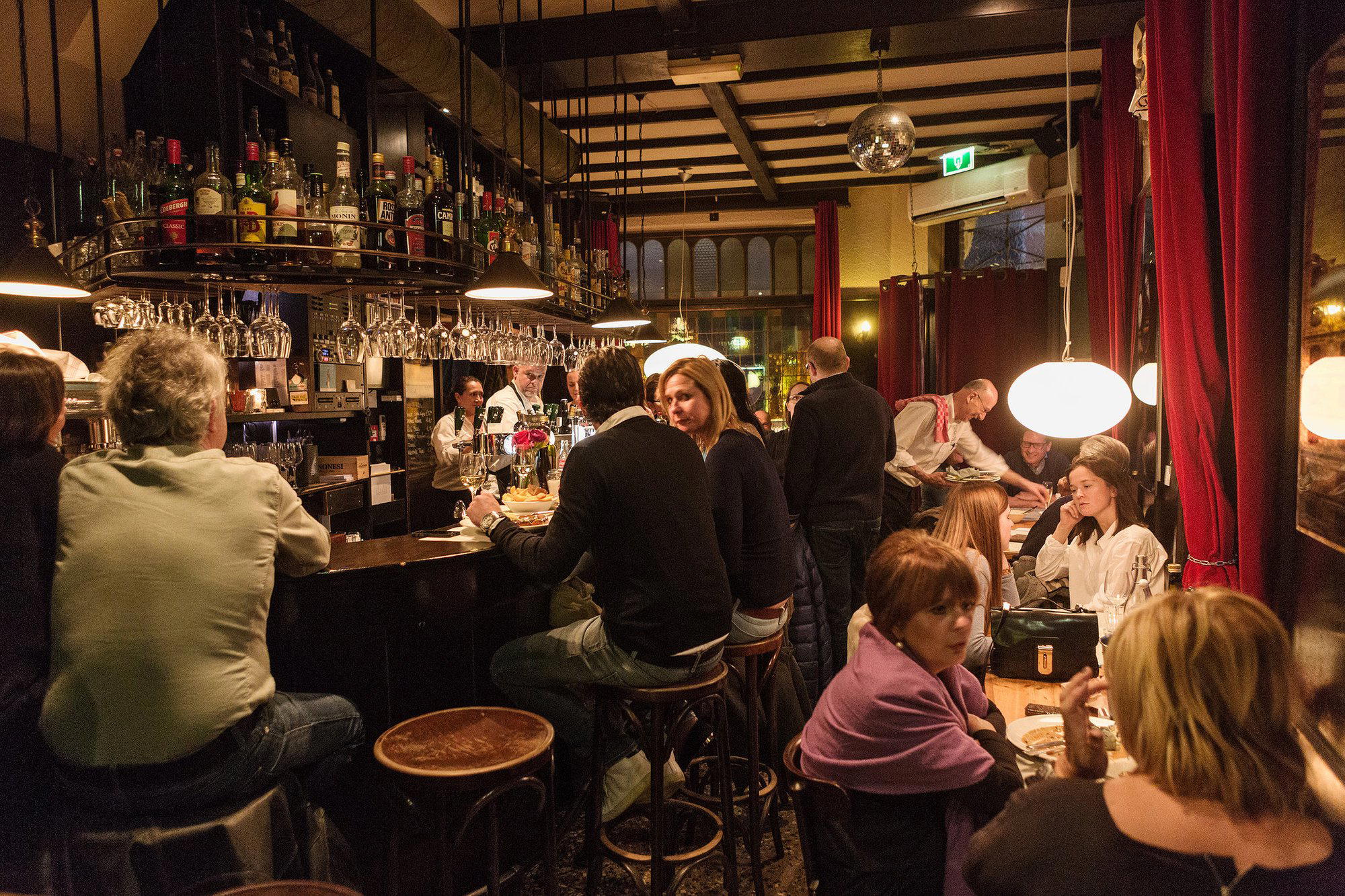
Operating since 1982 from Sint Pieterstraat in Maastricht's oldest quarter, Café Sjiek runs a no-reservations policy that keeps the counter perpetually animated. The kitchen works a French-Limburg register, vol-au-vent with cave-grown mushrooms, crab cocktail with jalapeño foam, at mid-range prices that put it in a different competitive tier from the city's Michelin-starred dining rooms. Arrive early; the terrace fills quickly.

Pearl is the En Primeur Club membership app, where members save venues, book tables and use the concierge.
Sint Pieterstraat and the Logic of the Neighbourhood Café
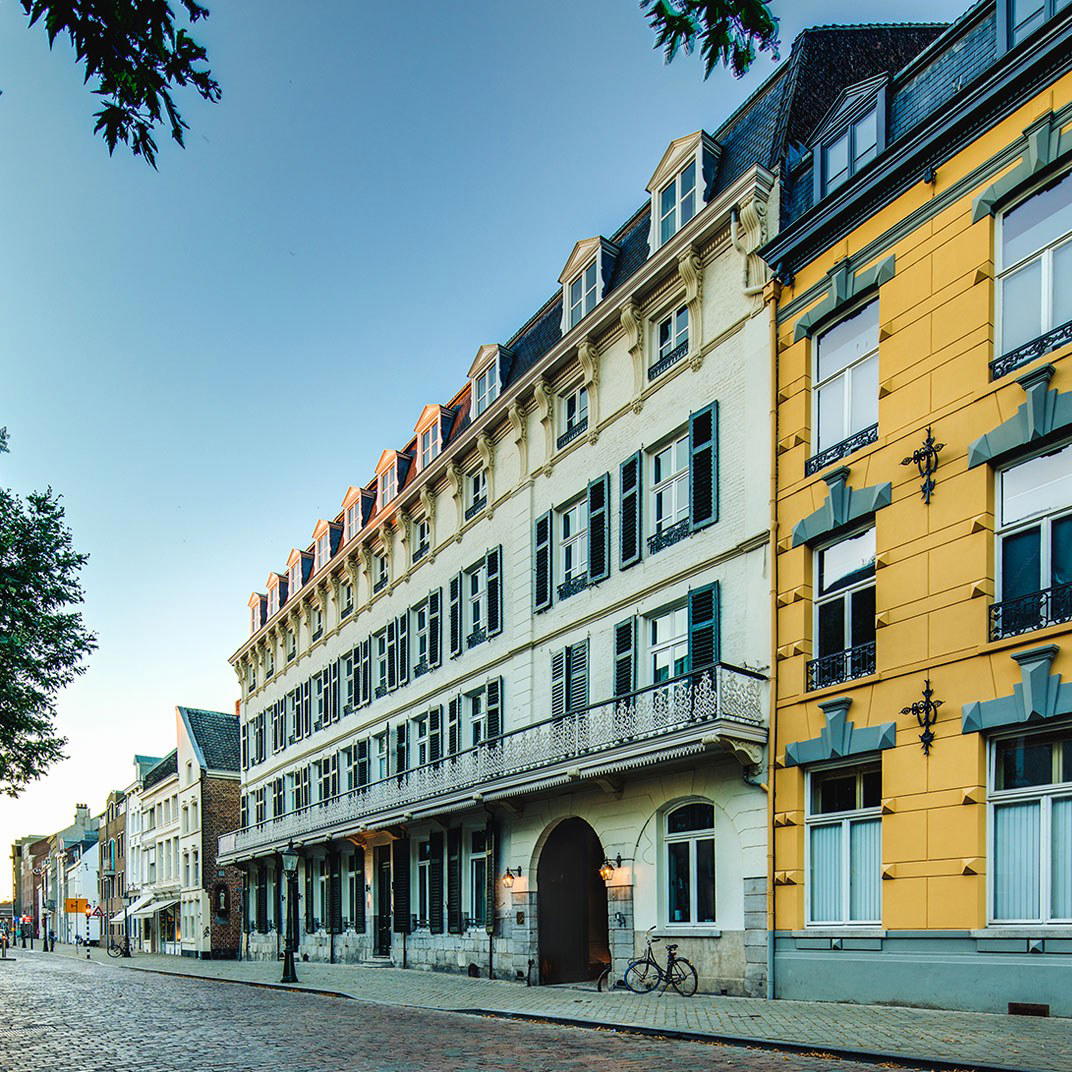
Sint Pieterstraat runs through one of Maastricht's oldest residential quarters, south of the Vrijthof and close to the Saint Peter's Cave network that defines this part of the city's geography. The street sits at a slight remove from the main tourist circuit, which means the cafés and eateries along it tend to attract a more settled, local crowd than the restaurants clustered around the Onze-Lieve-Vrouweplein. In that context, Café Sjiek's four-decade presence on the street reads as neighbourhood infrastructure rather than destination dining, and that distinction shapes everything about the experience, from the no-reservations policy to the menu's tone.
Maastricht occupies an unusual position in the Dutch dining hierarchy. The city's fine-dining tier is genuinely competitive: Beluga Loves You (€€€€ · Creative) and Studio (€€€€ · Asian Influences) both hold Michelin stars, and Au Coin des Bons Enfants (€€€€ · Modern French) and Tout à Fait (€€€€ · Modern French) round out a €€€€ bracket that punches above the city's size. Café Sjiek operates at €€, which places it in a separate tier, closer in spirit to Bar Beurre (€€ · French) than to the tasting-menu rooms. At the €€ level in this city, the competitive reference points are bistro format and Franco-Belgian brasserie tradition, not chef's-table ambition. That is not a limitation; it is a definition.
The French-Limburg Kitchen
The cuisine at Café Sjiek sits at the intersection of classical French bistro cooking and regional Limburg identity. That intersection is a productive one: the southern Dutch province shares a border with both Belgium and Germany, and its culinary character has absorbed influences from all three directions over centuries. The French component here is the technical register, vol-au-vent, mille-feuille, crab cocktail formats that belong to the brasserie canon. The Limburg inflection shows up in ingredient sourcing and in the menu's use of regional dialect, which signals that the kitchen is cooking for an audience that already understands the references, not one that needs them explained.
The cave-grown mushrooms that appear in the vol-au-vent are worth noting as a regional detail. The Saint Peter's Mountain cave network outside Maastricht has historically supported mushroom cultivation, and that ingredient thread connects the kitchen directly to the immediate landscape in a way that a generic brasserie menu would not. Within the French-Limburg register, this kind of sourcing is the equivalent of a Burgundian restaurant using local Bresse chicken, it is not a novelty but an expected expression of place.
Broader menu pattern, crab cocktail with avocado and jalapeño foam, vol-au-vent with cave-grown mushrooms, crispy mille-feuille with crème pâtissière and raspberry, maps onto the comfort-forward, technique-light end of French bistro cooking. These are dishes that reward familiarity rather than analysis. For readers who track the Dutch fine-dining circuit through properties like De Librije in Zwolle, Ciel Bleu in Amsterdam, or Aan de Poel in Amstelveen, Café Sjiek represents a deliberate gear change, a place where the cooking is meant to feel familiar, not forward-looking. That is a different editorial category, not a lower one.
The Counter, the Terrace, and the Atmosphere
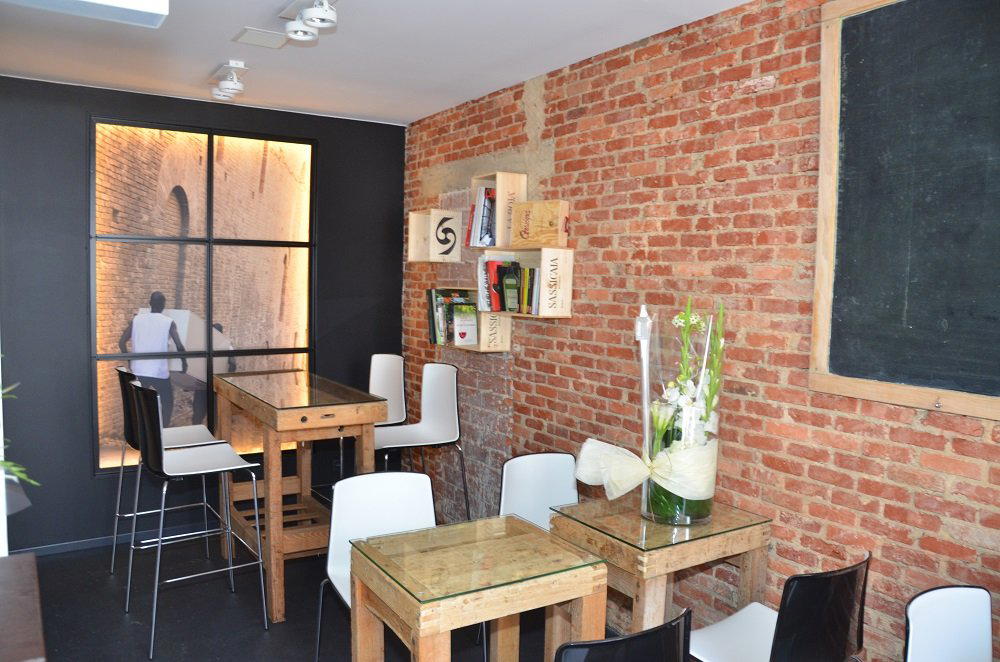
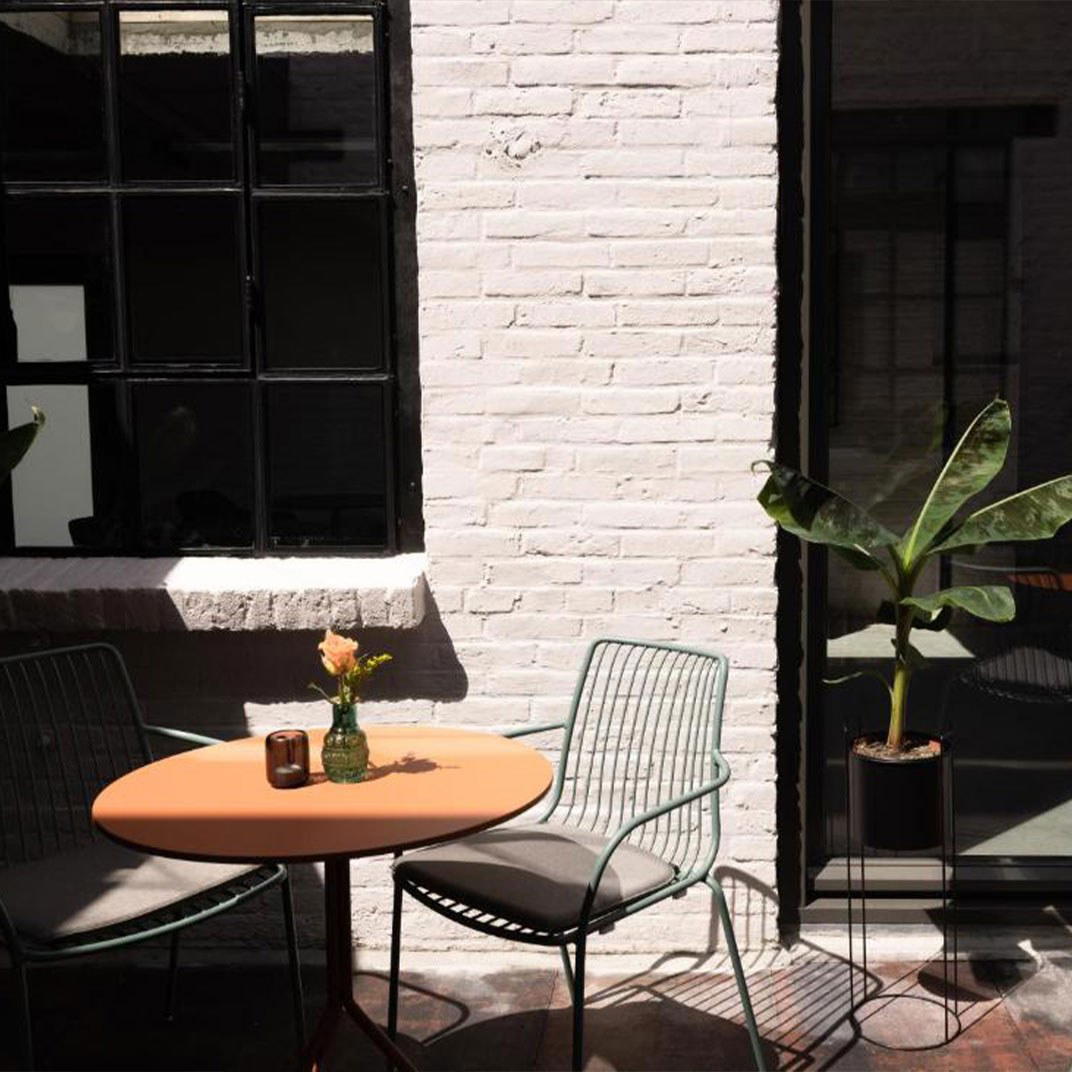
Physical format of Café Sjiek does a great deal of the work. A counter running through the space invites the kind of lateral conversation between strangers that a private table discourages. In French and Belgian café culture, the counter is a social instrument as much as a service point, and its presence here signals that the room is designed for animation rather than intimacy. The terrace, for its part, extends the experience onto Sint Pieterstraat itself, a relatively quiet side street that, in good weather, functions as an outdoor extension of the neighbourhood's rhythm.
Lively atmosphere that has made Café Sjiek a reference point since 1982 is not incidental to the food; it is part of the offer. Venues in this category, neighbourhood cafés with a Franco-Flemish register and a no-reservations policy, derive much of their character from the fact that the room is always at capacity, always in motion. The energy is self-reinforcing: a full house produces noise, noise produces the sense of occasion, and the sense of occasion justifies the food's familiarity. This is the logic of the Paris zinc bar applied to a Dutch-Belgian border town, and it works for the same reasons it works in France.
Planning Your Visit
Café Sjiek has operated from Sint Pieterstraat 13 since 1982, and the no-reservations policy is the single most important logistical fact about it. Walk-in trade means the queue at peak service times, Friday and Saturday evenings, Sunday lunch, can extend outside. Arriving early, before the main dinner wave, is the practical solution. The terrace is the most sought-after seating in warm months; arriving when doors open is the reliable way to secure it.
For readers building a broader Maastricht itinerary, the venue sits within a city that rewards planning across categories. The full Maastricht restaurants guide maps the full price-tier spread from €€ to €€€€ Michelin-starred rooms. For accommodation context, the Maastricht hotels guide covers the city's lodging options, while the bars guide, wineries guide, and experiences guide complete the picture for a multi-day stay.
Readers interested in comparable traditional-format venues elsewhere in the Netherlands can cross-reference Bistro in Noordeloos and De Voetangel in Ouderkerk aan de Amstel, both operating in the €€ traditional-cuisine tier. For the Limburg region specifically, Brut172 in Reijmerstok and De Bokkedoorns in Overveen offer different points on the regional dining spectrum, as does 't Nonnetje in Harderwijk for traditional Dutch cooking in a different register.
Frequently asked questions
Where is Café Sjiek located?
Café Sjiek is located at Sint Pieterstraat 13, 6211 JM Maastricht, Netherlands, Maastricht.
The Short List
Comparable venues nearby, for context on price, style, and recognition.
| Venue | Cuisine | Price | Awards | Notes |
|---|---|---|---|---|
| Café SjiekThis venue (the venue you are viewing) | French Brasserie with Limburg Twists | $30–50 | Michelin Bib Gourmand | Not listed |
| Harry's | Modern French Brasserie | $50–100 | Michelin Plate · Star Wine List | Wyck, Modern French Brasserie |
| L'Auberge | Contemporary French Bistro | $50–100 | Michelin Bib Gourmand · Relais Chateaux Award | Sint Pieter, Contemporary French Bistro |
| Bouchon D'en Face | Classic French Bistro | $50–100 | Not listed | Wyck, Classic French Bistro |
| TUUR | Modern French Bistro | $30–50 | Not listed | Wyck, Modern French Bistro |
| Rantrée | Modern French Fine Dining | Not listed | Michelin Plate · We're Smart World 4 Radishes | Dousberg, Modern French Fine Dining |
Recognition history
Dated appearances from independent guides and award organizations, with the underlying list record or original source where available.
Michelin Bib Gourmand
Michelin
Continue exploring
More in Maastricht
Restaurants in Maastricht
All restaurants in Maastricht →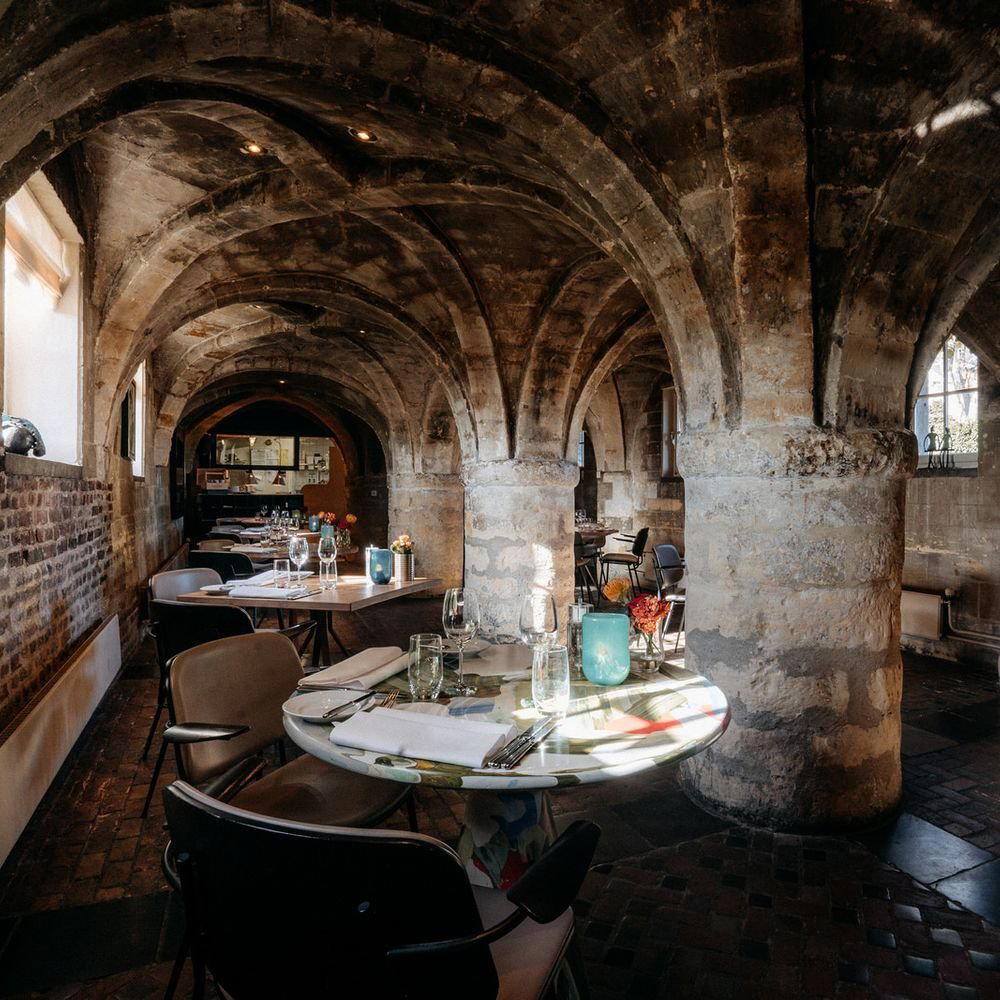
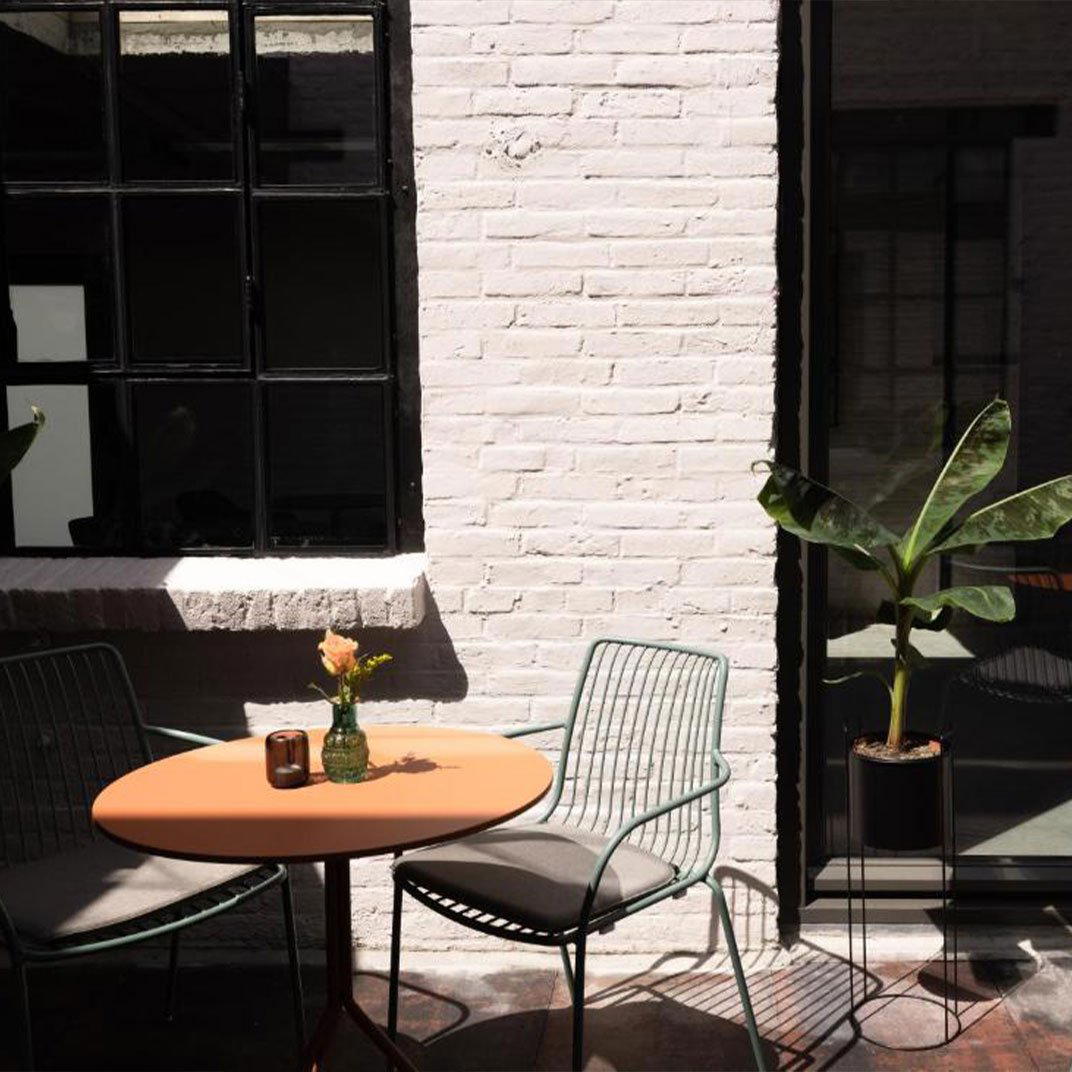
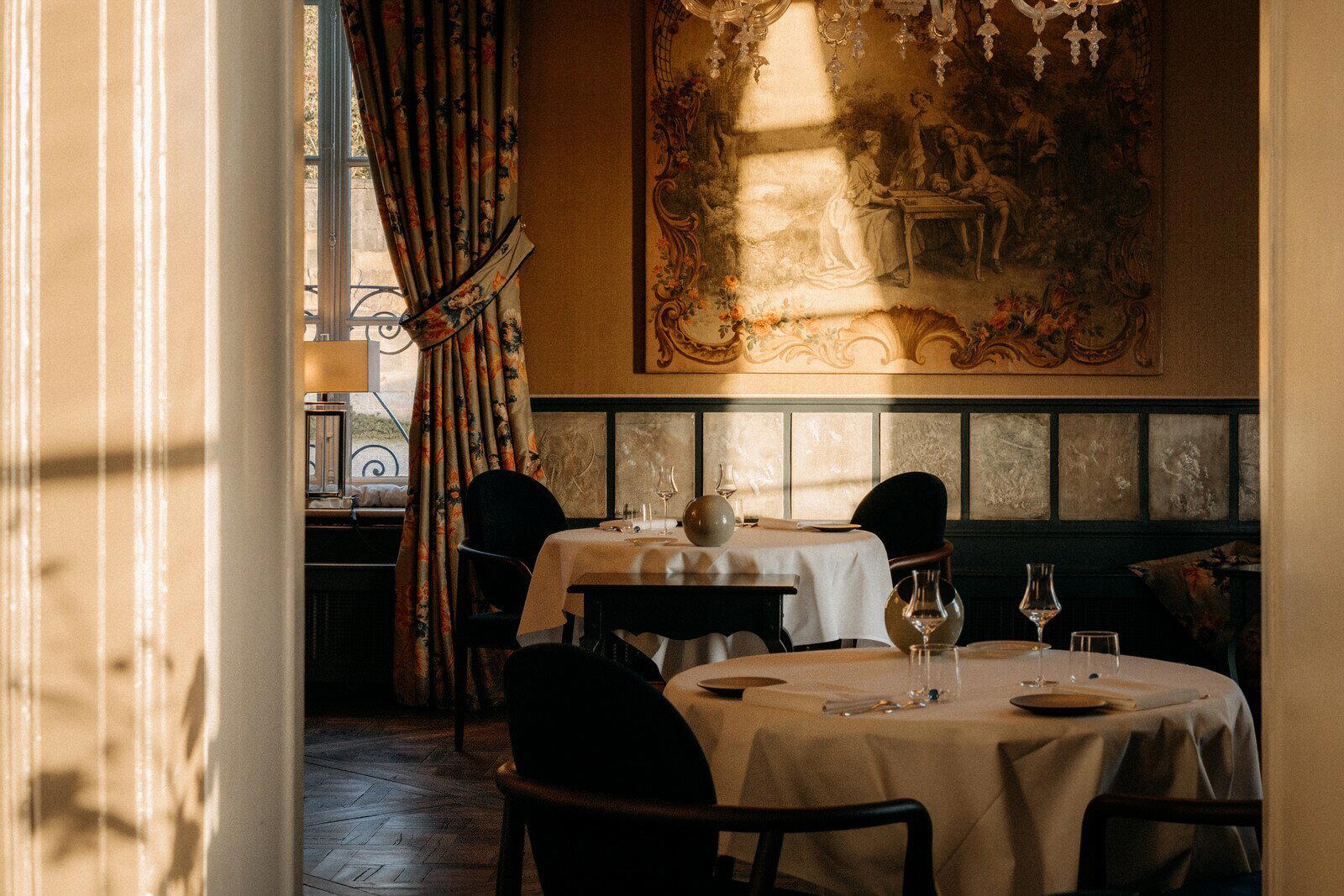
Bars in Maastricht
Browse all →

Details
- Cozy
- Lively
- Intimate
- Casual Hangout
- Date Night
- Terrace
- Extensive Wine List
- Local Sourcing
- Street Scene
- A La Carte
Current opening hours
- Monday
- 4–10 PM
- Tuesday
- 4–10 PM
- Wednesday
- 4–10 PM
- Thursday
- 4–10 PM
- Friday
- 12–10 PM
- Saturday
- 12–10 PM
- Sunday
- 12–10 PM
Hours can change for holidays and private events. Hours as of .
Cozy, home-like setting with a lively buzz, friendly chatter at the bar, and a pleasant terrace.