Boucherie NYC

Our verdict
A West Village French brasserie operating at the casual end of a serious culinary neighborhood, Boucherie NYC holds a ranked position on the Opinionated About Dining Casual North America list and draws a steady crowd across a long daily service window. The format sits squarely in the bistro-brasserie tradition: broad menu, convivial room, and food that references classical French technique without the formality of a tasting-menu counter. It is the kind of place the West Village does well.

Pearl is the En Primeur Club membership app, where members save venues, book tables and use the concierge.
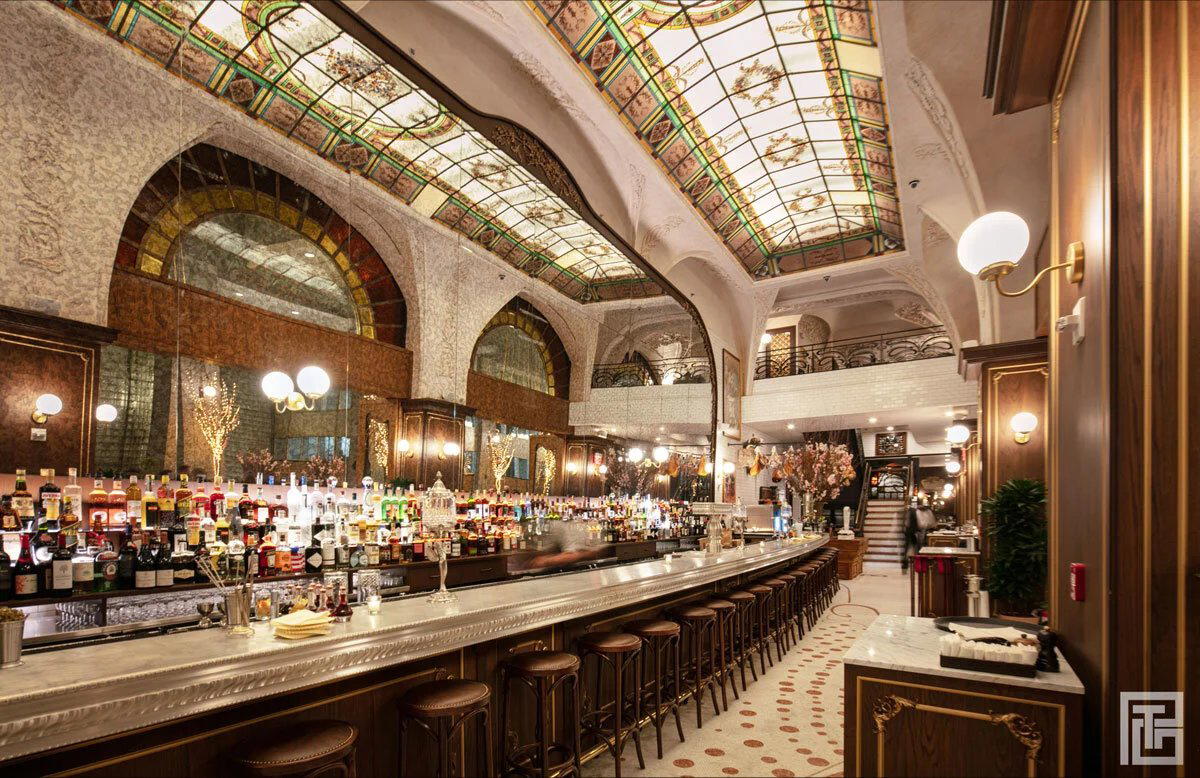
The menu
What to order
- Steak frites
- French onion soup
- Boucherie burger
The Brasserie Format in a Neighborhood That Knows What It Wants
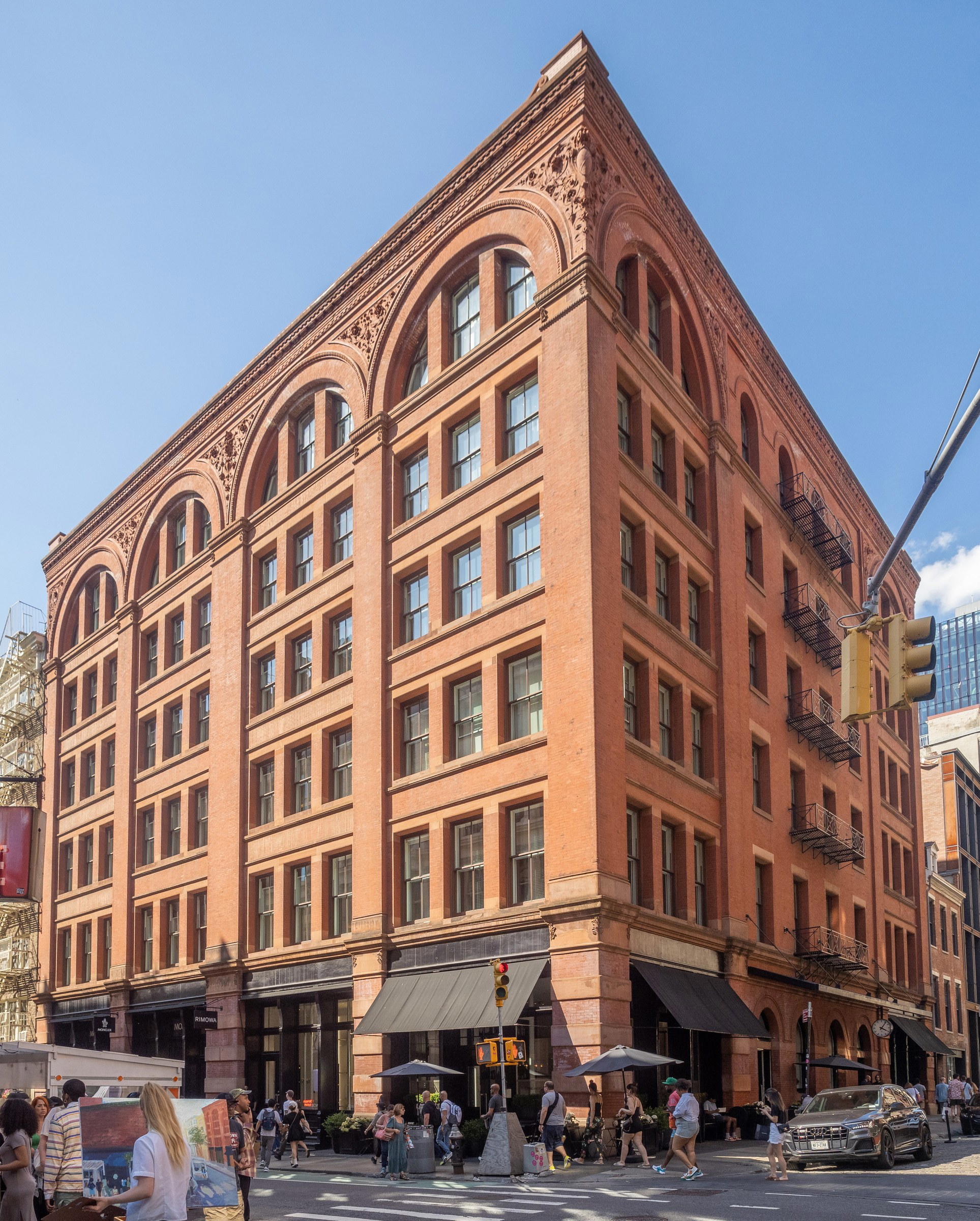
Seventh Avenue South runs through the West Village with the particular self-assurance of a neighborhood that stopped auditioning for relevance some time ago. The stretch around Christopher Street and the blocks feeding into it carry a concentration of independent restaurants that, taken together, form one of the more coherent dining corridors in Manhattan. Walking toward 99 7th Ave S, the register is unmistakably residential-meets-serious: no chain signage, narrow facades, rooms that spill light onto the pavement after dark. It is in this context that Boucherie NYC positions itself, working the French brasserie format in a part of the city where diners arrive with calibrated expectations and a low tolerance for imprecision.
The brasserie as a format occupies a specific and sometimes underappreciated tier in the hierarchy of French-derived dining. It is not the white-tablecloth formality of a grand restaurant, and it is not the corner zinc-bar simplicity of a neighborhood café. The brasserie sits between those poles: it demands culinary seriousness, but delivers it without ceremony. In New York, that distinction matters more than it might in Paris, because the city's French dining scene has historically polarized around extremes. At one end sit rooms like Le Bernardin and Eleven Madison Park, where the architecture of the meal is as deliberate as the food itself. At the other, casual French cafés operate as neighborhood utilities. Boucherie NYC occupies the middle register, and the West Village is one of the few New York neighborhoods where that middle register gets taken seriously.
Casual Recognition in a Competitive Field
The Opinionated About Dining guide, which tracks restaurants through aggregated critic and enthusiast scoring rather than anonymous inspector visits, ranked Boucherie NYC at number 570 in its Casual North America list for 2025, up from number 762 in 2024. That upward movement across a single year in a list that covers the entire continent is a meaningful data point. It suggests the kitchen is executing more consistently or that the room's reputation has broadened beyond its immediate neighborhood. OAD's casual category is also genuinely competitive: it draws on the same pool of informed eaters who track Lazy Bear in San Francisco, Alinea in Chicago, and The French Laundry in Napa at the formal end, and who apply the same rigour to casual formats.
Volume at that scale reduces the distortion of outliers; 6,756 data points across a dining room that operates from 11am to midnight daily reflects genuine, repeated engagement from a broad cross-section of visitors and regulars. The combination of a rising OAD ranking and a high-volume public score points to a restaurant that is performing reliably across different types of occasions, not just flattering a niche audience.
For comparison within the French tradition in New York, the gap between Boucherie and the Michelin-starred French rooms is wide in format and intent, but the OAD ranking places it in legitimate company among casual operations nationally.
French Technique in a New York Register
The editorial angle that applies here is one the West Village has been working through for years: what happens when imported culinary methods meet local expectations and local produce? The French brasserie tradition carries with it a set of technical assumptions, from the handling of proteins to the construction of sauces, that originated in a specific geographic and agricultural context. Transplanted to New York, those techniques interact with a different supply chain, a different service culture, and diners who arrive having eaten widely across the world's most competitive restaurant market.
That interaction produces something distinct from what you would find at a comparable address in Lyon or Strasbourg, and also distinct from what French-trained chefs are doing at the tasting-menu end of New York's dining spectrum. The brasserie format, with its broad menu and high service volume, requires the kitchen to maintain classical technique across a wider range of dishes and a faster pace than a small omakase counter or a destination tasting room. It is, in its way, a harder operational test. The West Village has a near neighbor in the same tradition: Cluny Café operates just a few blocks away and draws from a similar well of French-influenced casual dining. The neighborhood can sustain both because the local appetite for this register is genuine, not fashionable.
For a London comparison in the same format, Brasserie Zédel in Piccadilly demonstrates how a full-scale French brasserie can operate at high volume without compromising on culinary integrity. The New York version of that challenge involves different economics and a different audience, but the underlying task is similar: make classical French cooking accessible without making it sloppy.
Service Hours and Occasion Fit
Boucherie NYC runs a notably long service window: 11am to midnight Monday through Friday, with weekend service starting at 10am. That range accommodates a wider range of dining occasions than most comparable rooms in the neighborhood. Weekend brunch starting at 10am positions it as a morning-to-late-night operation on Saturdays and Sundays, which in the West Village means it catches the after-theatre and post-gallery crowd as reliably as the midday lunch set. The continuity of service across a fourteen-hour daily window also implies a kitchen organized for throughput, not just for the brief intensity of a two-hour dinner service. That operational model favors consistency over spectacle, which aligns with what the OAD casual ranking rewards.
For those building a broader New York itinerary around the restaurant, the EP Club guides to restaurants, bars, hotels, wineries, and experiences in New York City cover the full context. For those whose interest is specifically in farm-to-table precision at scale, Single Thread Farm in Healdsburg represents the outer edge of what local-ingredients-plus-technique can achieve in a formal setting.
Know Before You Go
- Address: 99 7th Ave S, New York, NY 10014
- Cuisine: French Brasserie
- Hours: Mon–Fri 11am–12am; Sat–Sun 10am–12am
- OAD Casual North America Ranking: #570 (2025), up from #762 (2024)
- Neighborhood: West Village, Manhattan
Frequently asked questions
What's Boucherie NYC's location?
Boucherie NYC is located at 99 7th Ave S, New York, NY 10014, New York City.
Does Boucherie NYC have a Michelin star or similar recognition?
Boucherie NYC has received recognition including: Opinionated About Dining Casual in North America Ranked #570 (2025); Opinionated About Dining Casual in North America Ranked #762 (2024).
What's the best thing to order at Boucherie NYC?
Boucherie operates as a French brasserie, a format built around classics: steak frites, onion soup, and charcuterie-led starters are the structural pillars of any serious kitchen in this category. The Opinionated About Dining ranking (#570 in North America for 2025, up from #762 in 2024) reflects aggregated scorer consensus, which for a brasserie typically tracks execution of those foundational dishes. For current menu specifics, checking directly with the restaurant at 99 7th Ave S is the reliable approach.
When is Boucherie NYC open?
Hours at Boucherie NYC: Hours: Monday 11 am–12 am Tuesday 11 am–12 am Wednesday 11 am–12 am Thursday 11 am–12 am Friday 11 am–12 am Saturday 10 am–12 am Sunday 10 am–12 am.
Is Boucherie NYC chef-led?
The chef associated with Boucherie NYC is Various.
Cuisine-First Comparison
| Venue | Cuisine | Price | Awards | Notes |
|---|---|---|---|---|
| Boucherie NYCThis venue (the venue you are viewing) | Classic French Brasserie | $50–100 | Not listed | Not listed |
| Le Bernardin | French Seafood Fine Dining | $300–500 | 3 Michelin Stars · World's 50 Best #13 | French, Seafood |
| Atomix | Modern Korean Tasting Menu | $300–500 | 2 Michelin Stars · World's 50 Best #7 | Modern Korean, Korean |
| Masa | Seasonal Hokkaido Tempura Omakase | $150–200 | Tabelog 100 #34 | Sushi, Japanese |
| Per Se | French Fine Dining Tasting Menu | $300–500 | 3 Michelin Stars · World's 50 Best #40 | French, Contemporary |
| Eleven Madison Park | Contemporary Plant-Based Fine Dining | $300–500 | 3 Michelin Stars · World's 50 Best #4 | French, Vegan |
Recognition history
Dated appearances from independent guides and award organizations, with the underlying list record or original source where available.
Opinionated About Dining Casual in North America Recommended
Opinionated About Dining
Full recognition history (3 entries)
Opinionated About Dining Casual in North America Ranked #570
Opinionated About Dining
Opinionated About Dining Casual in North America Ranked #762
Opinionated About Dining
Continue exploring
More in New York City
More from Chef Various
Browse all →
Restaurants in New York City
All restaurants in New York City →
Bars in New York City
All bars in New York City →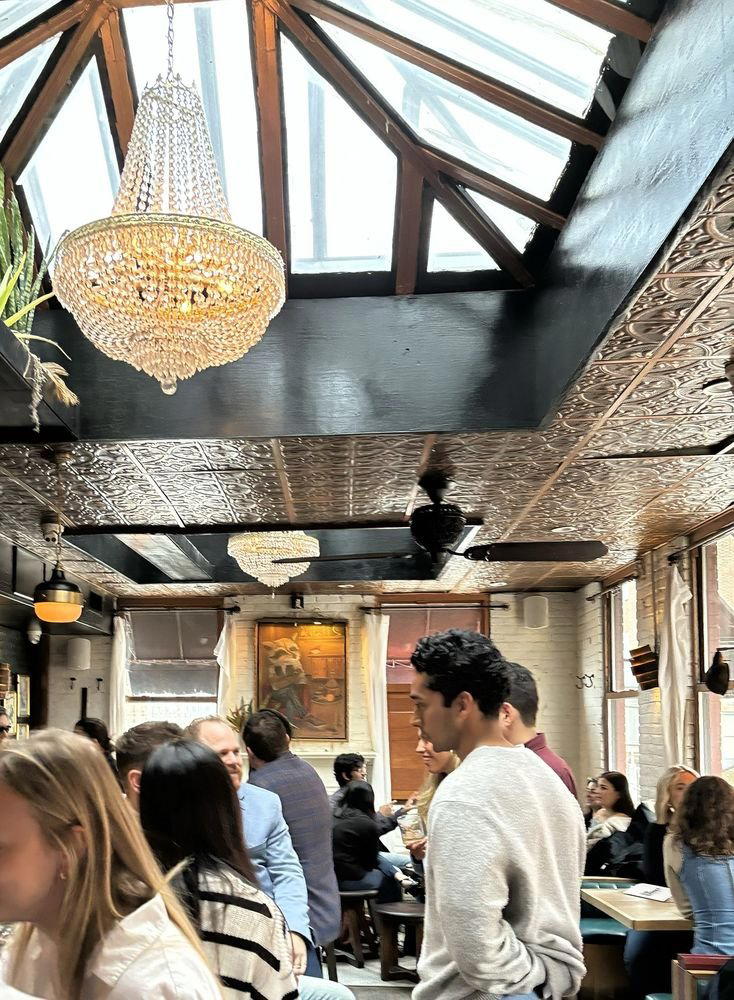





Details
- Elegant
- Classic
- Cozy
- Lively
- Date Night
- Group Dining
- Special Occasion
- Brunch
- Open Kitchen
- Extensive Wine List
- A La Carte
Current opening hours
- Monday
- 11 AM–12 AM
- Tuesday
- 11 AM–12 AM
- Wednesday
- 11 AM–12 AM
- Thursday
- 11 AM–12 AM
- Friday
- 11 AM–12 AM
- Saturday
- 10 AM–12 AM
- Sunday
- 10 AM–12 AM
Hours can change for holidays and private events. Hours as of .
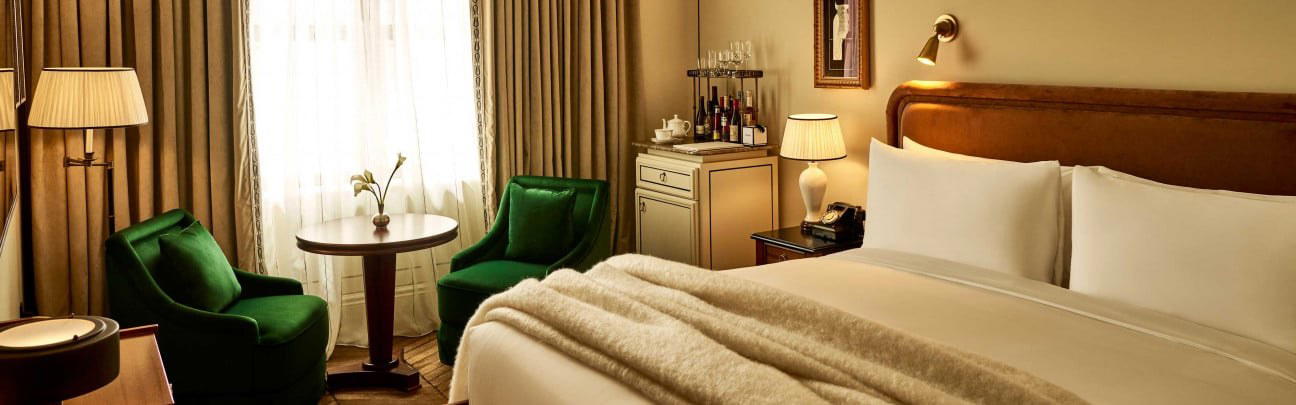
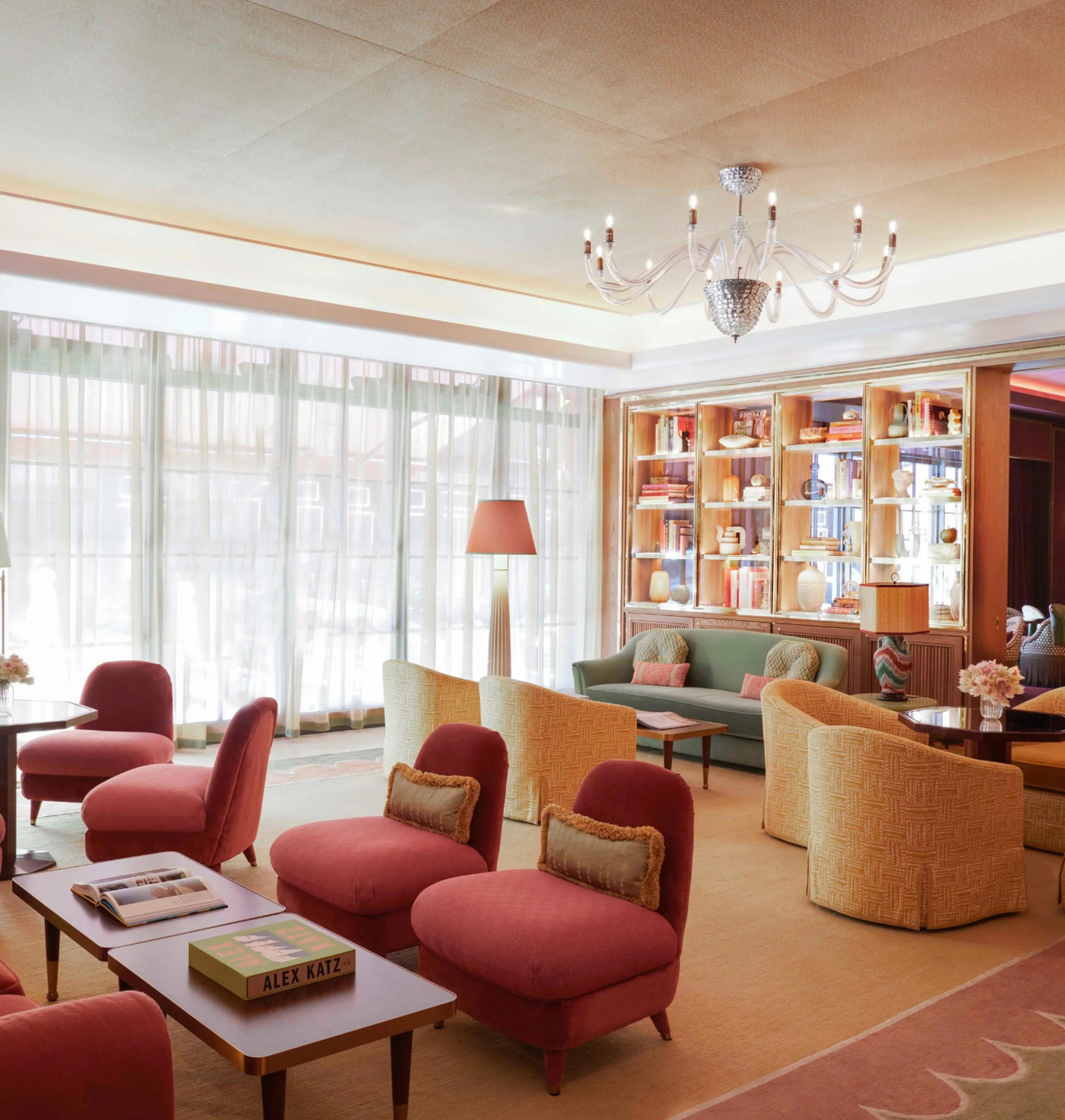
Warm and inviting with elegant vintage Parisian bistro decor, lively energy, and festive atmosphere.