Bottega Estadio
Bottega Estadio occupies a address on Gunnar Nu Hansens Plads in Copenhagen's Østerbro district, where the city's dining culture tends toward considered, unhurried meals rather than spectacle. The venue sits within a Copenhagen scene that has moved well beyond its New Nordic moment into a broader conversation about ritual, pace, and what a restaurant meal is actually for.
Pearl is the En Primeur Club membership app — saves, bookings, and concierge access live there. Same editors, same standards.
- Address
- Gunnar Nu Hansens Pl. 9, 2100 København, Denmark
- Phone
- +4533326060
- Website
- estadio.dk
- Directions
- Get directions
 Saves & bookings on Pearl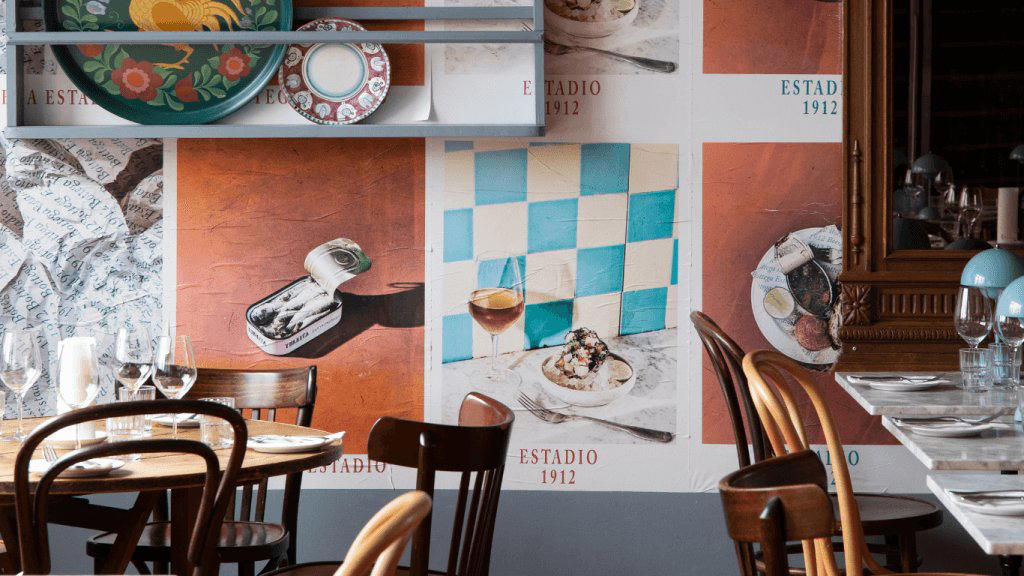
The Address and What It Signals
Gunnar Nu Hansens Plads sits in Østerbro, a neighbourhood that has quietly accumulated some of Copenhagen's more serious dining without the international spotlight that falls on Vesterbro or the inner city. The square itself is residential in character, which means arriving at Bottega Estadio involves a particular kind of recalibration: the city noise drops, the scale contracts, and the expectation of the meal ahead sharpens. In Copenhagen, where the relationship between built environment and table culture is unusually close, that approach matters. The city has spent two decades teaching diners that where you sit and how you arrive are part of the meal's architecture.
Copenhagen's dining scene in the mid-2020s is no longer defined solely by the Noma moment or the New Nordic framework that followed it. Venues like Geranium, Alchemist, and Koan represent the upper end of an increasingly stratified market, each with distinct philosophical anchors and Michelin recognition to match. Below that tier, the more interesting conversation is about what a meal at mid-to-upper price points should actually feel like when the theatre is dialled back and the ritual takes precedence.
Dining Ritual in the Copenhagen Register
Bottega Estadio is a Latin American Fusion with Mediterranean Influences restaurant in Copenhagen's Østerbro, with reservations recommended and an average price of about $50 per person. Copenhagen restaurants at this address category tend to favour a rhythm that is deliberate without being precious: courses arrive with enough interval to allow conversation to reset, wine service follows the food rather than running ahead of it, and the room's ambient volume is held at a level where the table next to you is not part of your evening. This is a city where the hygge concept, however overused in travel writing, does encode something real about how meals are structured. The expectation is a relaxed dinner, with a steady pace and enough room for conversation.
That contrasts meaningfully with the format discipline at stronger examples from the Copenhagen table. Geranium's three-Michelin-star tasting progression and Alchemist's fifty-course theatrical sequence both demand a particular kind of committed attendance from the diner. Bottega Estadio, by address and apparent register, is more likely to sit in the tier where the ritual is present but the diner is not required to submit entirely to it. That is a different and more sociable proposition, and it draws a different kind of return visitor.
Across Denmark, the premium dining conversation has broadened well beyond Copenhagen. Jordnær in Gentofte, Frederikshøj in Aarhus, and Henne Kirkeby Kro each represent serious kitchens operating outside the capital, which has had the effect of raising the baseline expectation for what a considered meal looks like anywhere in the country. The restaurant, as a Copenhagen address, sits within a city that now competes against its own national peers as much as against Stockholm or Oslo.
The Name and Its Reference
The name the restaurant carries two registers simultaneously: the Italian bottega, meaning workshop or artisan's space, and estadio, the Spanish and Portuguese word for stadium. That pairing is unusual in a city whose restaurant naming conventions tend toward either Nordic monosyllables or direct descriptors. Whether the name signals a menu direction, an aesthetic, or simply a proprietorial preference is unclear. What it does do is position the venue outside the expected Copenhagen naming grammar, which in itself is an editorial statement about the kind of diner being addressed. Restaurants that name themselves against type are usually making a point about the experience they intend to deliver.
In the broader international conversation about what restaurants are called and why, the Bottega framing connects to a tradition of workshop-scale venues where the production process is visible or at least implied: the counter, the open kitchen, the small-batch approach. That may apply here. The Østerbro address and the name together suggest a venue that is not trying to operate in the spectacle register occupied by Alchemist or the institutional-prestige register of Geranium.
Copenhagen in a Wider Frame
Placing the restaurant against the full Copenhagen dining scene requires acknowledging how much the city's reputation has been built on a handful of venues that set global terms. Noma's influence on fermentation, foraging, and seasonal specificity reshaped what serious restaurants anywhere felt obliged to engage with. Kadeau's Bornholm-rooted sourcing and Koan's Nordic-kaiseki synthesis are further evidence that Copenhagen's creative range now extends well beyond any single movement. For international visitors with limited time in the city, the question is how much of the budget and calendar goes to marquee names and how much to the less visible tier where much of the city's day-to-day dining lives.
Comparable questions arise in other serious food cities. At Le Bernardin in New York or Lazy Bear in San Francisco, the critical and commercial recognition creates a gravitational pull that can distort how visitors construct an itinerary. The venues that sit one register below the marquee tier, in Copenhagen as in New York or San Francisco, often deliver the more honest reading of a city's dining culture. The restaurant, with its Østerbro address and its Italian-Spanish name in a Danish context, reads as a venue in that in-between register.
For those extending beyond Copenhagen, the Danish dining circuit rewards the effort. Frederiksminde in Præstø, Ti Trin Ned in Fredericia, Dragsholm Slot Gourmet in Hørve, LYST in Vejle, Tri in Agger, Pearl by Paul Proffitt in Kruså, and Syttende in Sønderborg collectively demonstrate that the country's kitchen talent is distributed across the map, not concentrated in the capital.
Know Before You Go
Address: Gunnar Nu Hansens Pl. 9, 2100 København, Denmark
Neighbourhood: Østerbro, Copenhagen
Reservations: recommended.
Price range: about $50 per person.
Hours: Mon: Closed; Tue: 5:30–11 PM; Wed: 5:30–11 PM; Thu: 5:30 PM–12 AM; Fri: 5:30 PM–1 AM; Sat: 5:30 PM–1 AM; Sun: Closed.
Similar Picks
Comparable venues nearby, for context on price, style, and recognition.
| Venue | Cuisine | Price | Notes |
|---|---|---|---|
| Bottega EstadioThis venue — the venue you are viewing | Latin American Fusion with Mediterranean Influences | $$$ | Not listed |
| Keyser Social | Asian-Nordic Fusion Social Dining | $$$ | Indre By |
| Radio Gentofte | Modern Scandinavian | $$$ | Indre By |
| The Christiansborg's Tower | Classic Danish with Seasonal Accents | $$$ | Indre By |
| Frederiks Have | Modern Danish Nordic Fine Dining | $$$ | Frederiksberg |
| Llama | Latin American Fusion | $$$ | Indre By |
Continue exploring
More in Copenhagen
Restaurants in Copenhagen
Browse all →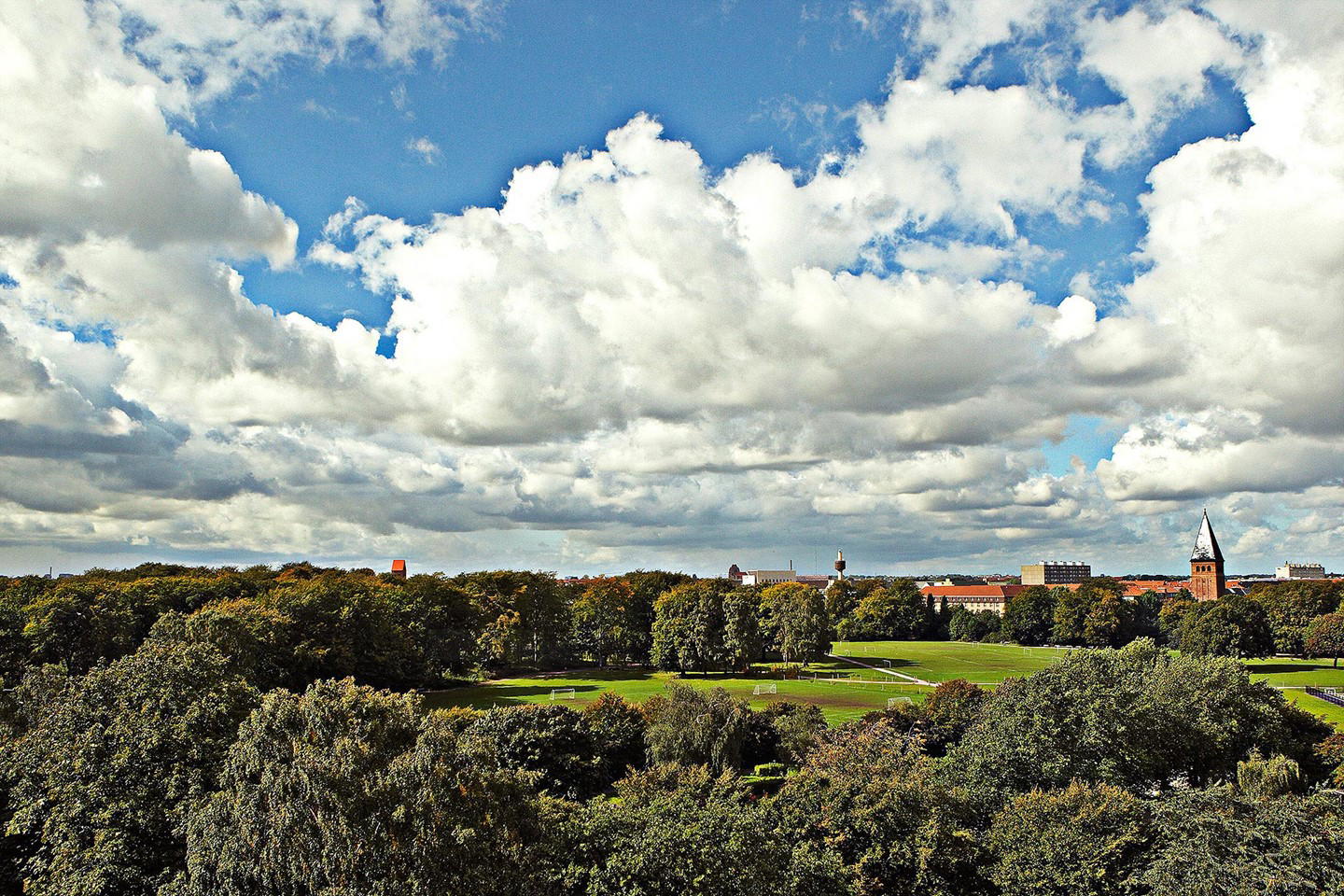
Bars in Copenhagen
Browse all →
At a Glance
- Rustic
- Cozy
- Lively
- Trendy
- Date Night
- Casual Hangout
- Group Dining
- Open Kitchen
- Natural Wine
- Local Sourcing
- Street Scene
Current opening hours
- Monday
- Closed
- Tuesday
- 5:30–11 PM
- Wednesday
- 5:30–11 PM
- Thursday
- 5:30 PM–12 AM
- Friday
- 5:30 PM–1 AM
- Saturday
- 5:30 PM–1 AM
- Sunday
- Closed
Hours can change for holidays and private events. Last verified .
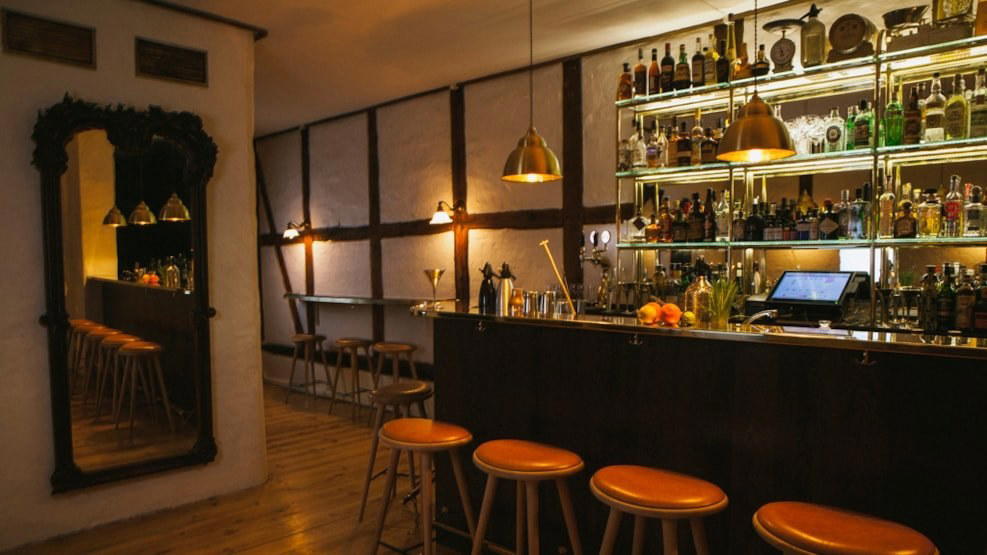
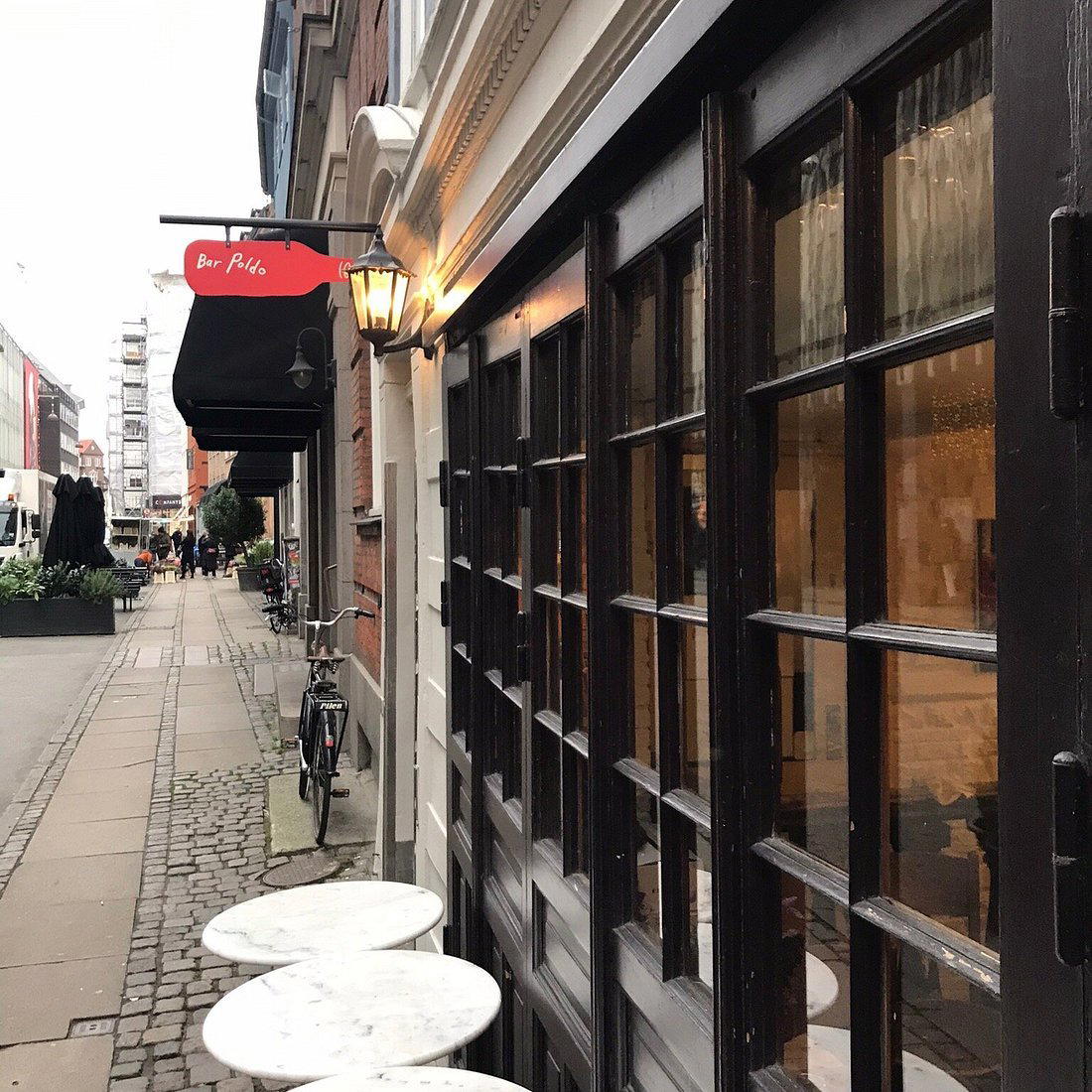
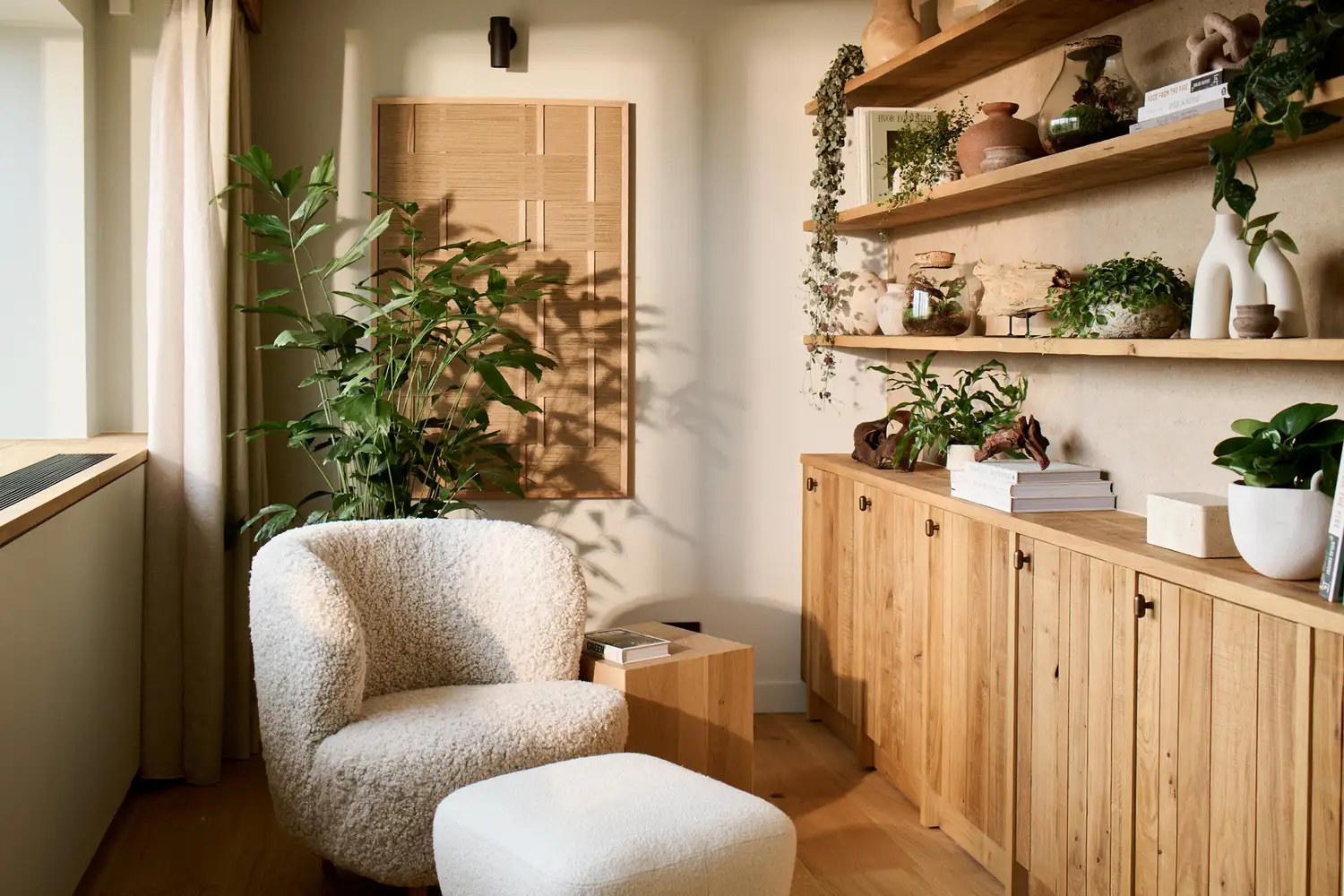
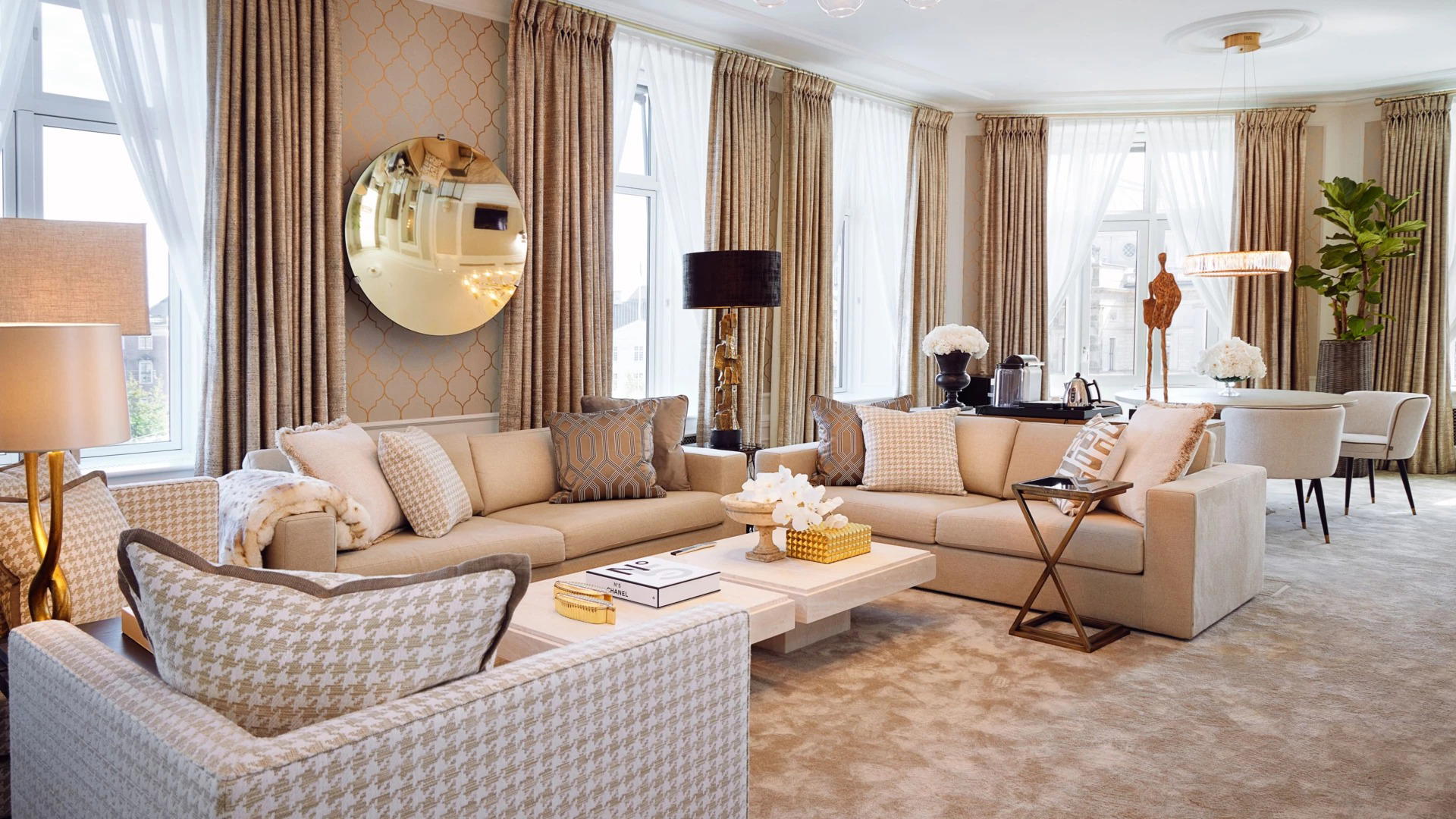
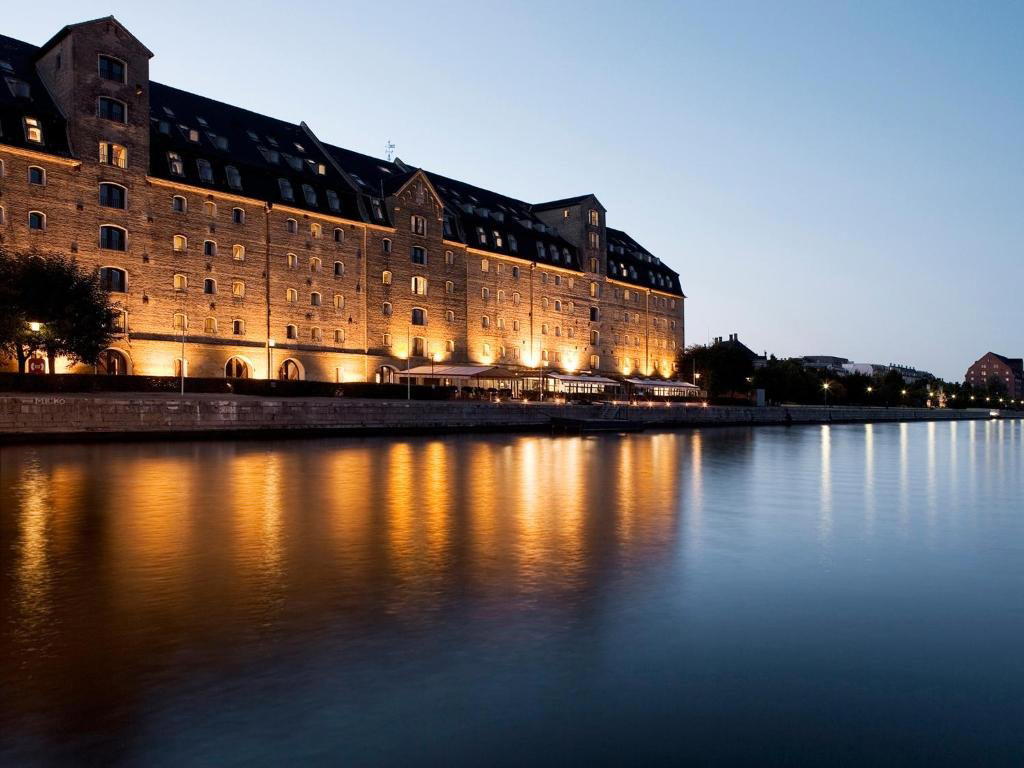
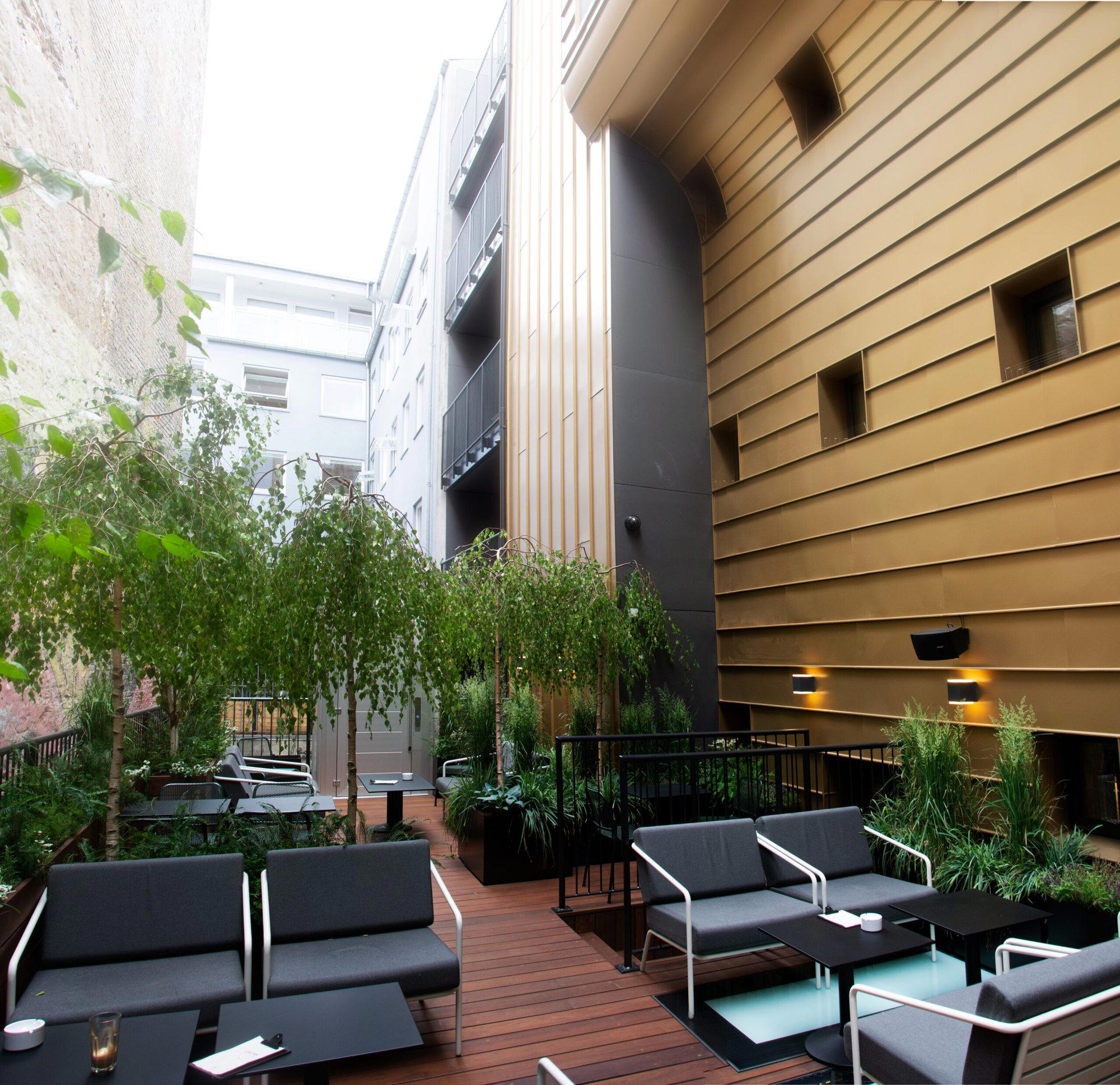
Rustic yet warm and inviting with cozy cobbled corners inside and outside, creating an informal southern coziness.