Bombay Darbar
Bombay Darbar brings Indian cooking into Coconut Grove’s casual dining circuit, where regional cues matter more than generic curry-house shorthand. The draw is the breadth of the Indian category in Miami: North Indian comfort, coastal references, spice structure, and a room suited to families, groups, and weeknight dinners rather than ceremony.
Pearl is the En Primeur Club membership app — saves, bookings, and concierge access live there. Same editors, same standards.
- Address
- 2901 Florida Ave, Miami, FL 33133
- Phone
- (305) 444-7272
- Website
- bombaydarbar.com
- Directions
- Get directions
 Saves & bookings on Pearl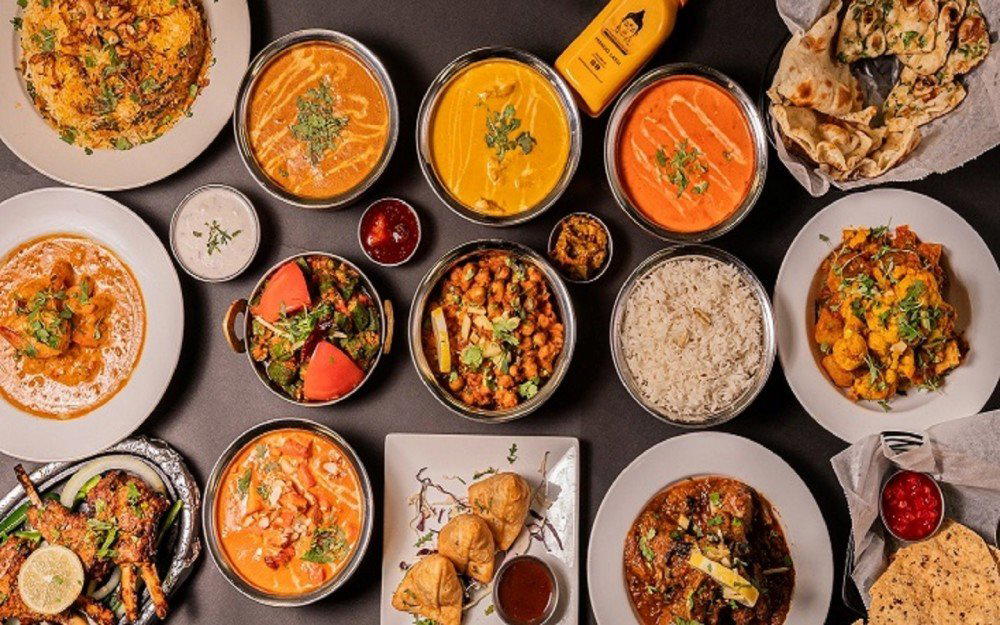
Approaching an Indian restaurant in Coconut Grove means entering a neighborhood better known for shaded sidewalks, patio lunches, and long-running local loyalties than for a dense South Asian dining corridor. That context matters. Bombay Darbar operates in a city where Indian food is not concentrated into a single restaurant district, so the table has to carry more explanatory weight: breads, rice, grilled meats, vegetarian gravies, coastal inflections, and spice levels all become part of how Miami reads the cuisine.
The useful frame is regional India, not a single catchall idea of “Indian food.” Punjabi and broader North Indian cooking tend to dominate American expectations through tandoor items, butter-rich gravies, paneer, dal, and naan. Keralan, Goan, Bengali, and Rajasthani traditions pull the conversation in different directions: coconut, seafood, mustard, dried spices, desert-state preservation, and heat that builds through technique rather than blunt force. A Miami Indian dining room that can speak to several of those registers gives diners a better map of the cuisine than a menu reduced to tikka masala and samosas.
Coconut Grove makes Indian food read differently
Miami’s dining identity is often filtered through Cuban, Peruvian, Argentine, Haitian, and coastal American references. Indian restaurants here occupy a narrower lane, which makes each address more visible to diners seeking spice, vegetarian depth, or a break from the city’s seafood-and-steak default. Bombay Darbar’s Coconut Grove position places it in a leisure neighborhood rather than a destination dining cluster, so the experience leans toward accessible breadth: a table can move from tandoor-led starters to richer northern gravies, rice dishes, and vegetable preparations without treating the meal as a formal tasting format.
That breadth is the point. Indian cooking in the United States is often judged by heat level, but regional literacy is more useful. North Indian dishes frequently use dairy, tomato, browned onions, and the tandoor; coastal Indian traditions may pivot toward coconut, curry leaves, fish, and sharper acidity; Bengali cooking has its own relationship to mustard and freshwater fish; Rajasthani food often reflects scarcity, preservation, and dried spice. A strong order reads across those differences rather than clustering everything into the same sauce profile.
For travelers building a wider Miami itinerary, this is where the city rewards category-hopping. A Grove Indian dinner can sit beside Neapolitan-style cooking at O Munaciello Coral Way, Asian food-hall energy at 1-800-Lucky, Spanish snack-bar habits at 100 Montaditos, downtown slices at 11th Street Pizza (Pizzeria), or beef-focused Argentine dining at 1986 Steak House (Argentine steakhouse). For broader planning, use Our full Miami restaurants guide, then pair the meal with Our full Miami hotels guide, Our full Miami bars guide, Our full Miami wineries guide, and Our full Miami experiences guide.
Order for contrast, not volume
The smarter Indian meal is built through contrast. Start with something from the grill or tandoor if available, then move into a gravy with dairy or tomato weight, a vegetable dish with a different spice base, rice for structure, and bread for texture. That sequence lets the kitchen’s range show without turning the table into repetition. It also helps separate northern richness from the brighter, leaner, or more aromatic strands associated with coastal and eastern Indian traditions.
Vegetarian ordering deserves its own attention. Indian restaurants often give non-meat dishes equal architectural value rather than treating them as sides, which is why paneer, lentils, chickpeas, okra, eggplant, potatoes, and greens can carry a full meal. In Miami, where many mainstream menus still treat vegetables as support acts, that alone makes the category useful for mixed groups.
The absence of a chef-driven public narrative is not a weakness in this context. Many Indian restaurants in American cities are judged less by auteur biography than by consistency, range, and whether a kitchen can manage spice, texture, and heat across a wide menu. Awards are not the defining signal here; the trust signal is format and neighborhood function. This is a full-service Indian restaurant in Coconut Grove with regular lunch and dinner service across the week, which positions it for repeat local use as much as visitor discovery.
How it fits into a wider American Indian dining map
Indian restaurants across North America now split into several lanes: legacy curry houses, regional specialists, modern tasting-menu rooms, fast-casual chaat counters, and ambitious neighborhood restaurants that keep a broad menu while tightening execution. Bombay Darbar belongs to the latter conversation. It is not trying to explain one micro-region with academic precision; it is working in the broader Indian restaurant grammar familiar to American diners while leaving room for regional distinctions to matter at the table.
That makes it a useful Miami stop for readers tracking Indian food beyond one city. Toronto’s downtown Indian dining can be read through Aanch, Indian in Toronto, while Queens offers another lens through Adda Indian Cuisine, Indian in Queens. Outside the Indian category, EP Club’s wider restaurant map shows how regional cooking travels and adapts, from Jōdo Saké Bar in Los Angeles and Onigiri Time in Pasadena to ¿Por Qué No? in Portland, 'Ai Love Nalo in Waimanalo Beach, 'āina in San Francisco, and 'Ama 'Ama in Kapolei.
The verdict is practical rather than theatrical: the restaurant works when the goal is Indian breadth in Coconut Grove, especially for groups that need vegetarian range, familiar northern anchors, and enough regional reach to avoid a flat curry-house reading. The sharper order is not the largest one; it is the one that makes the table move between grill, bread, rice, lentils, vegetables, and sauce styles with intention.
In Context
Comparable venues nearby, for context on price, style, and recognition.
| Venue | Cuisine | Price | Notes |
|---|---|---|---|
| Bombay DarbarThis venue — the venue you are viewing | Coconut Grove, Indian Fine Dining | $$ | Not listed |
| Greenstreet Cafe | Coconut Grove, American Cafe | $$ | Not listed |
| El Cristo Restaurant | Little Havana, Authentic Cuban | $$ | Not listed |
| CalaMillor | Ludlum, Modern Spanish Cuisine | $$ | Not listed |
| American Social - Bar & Kitchen - Miami | Not listed | $$ | Miami Riverwalk, Modern American Gastropub |
| Tanuki River Landing | Miami River, Modern Pan-Asian Fusion | $$ | Not listed |


At a Glance
- Classic
- Elegant
- Cozy
- Sophisticated
- Family
- Group Dining
- Date Night
- Celebration
- Standalone
- Beer Program
- Street Scene
Current opening hours
- Monday
- 11:30 AM–10 PM
- Tuesday
- 11:30 AM–10 PM
- Wednesday
- 11:30 AM–10 PM
- Thursday
- 11:30 AM–10 PM
- Friday
- 11:30 AM–11 PM
- Saturday
- 12–11 PM
- Sunday
- 12–10 PM
Hours can change for holidays and private events. Last verified .
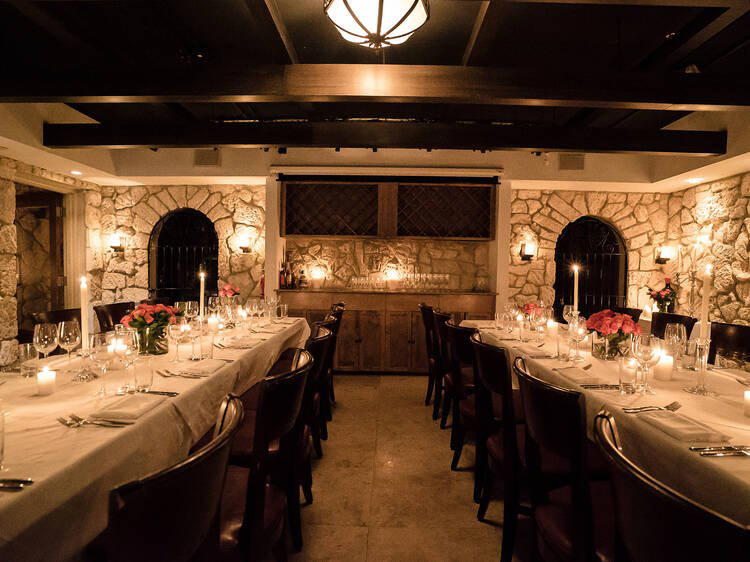
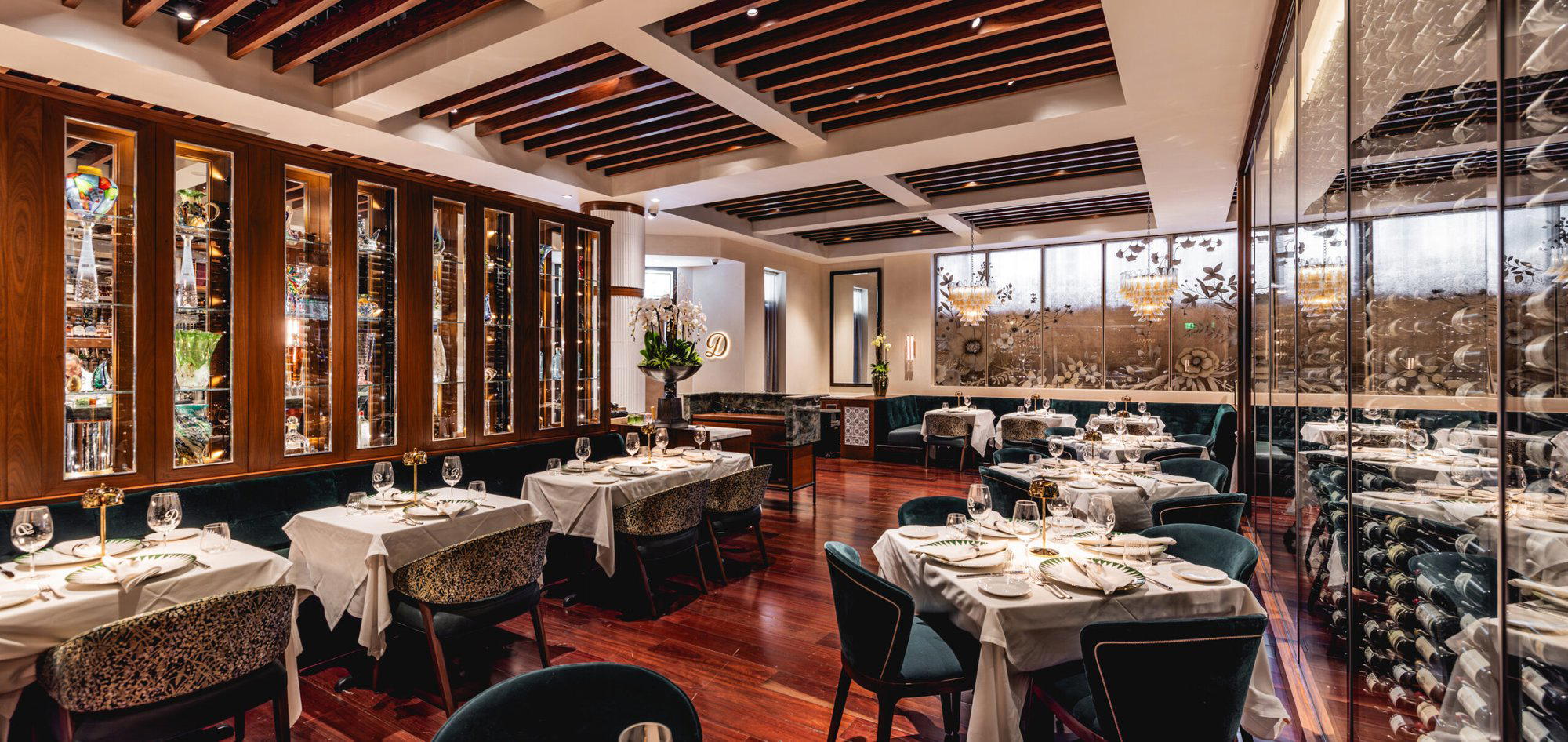
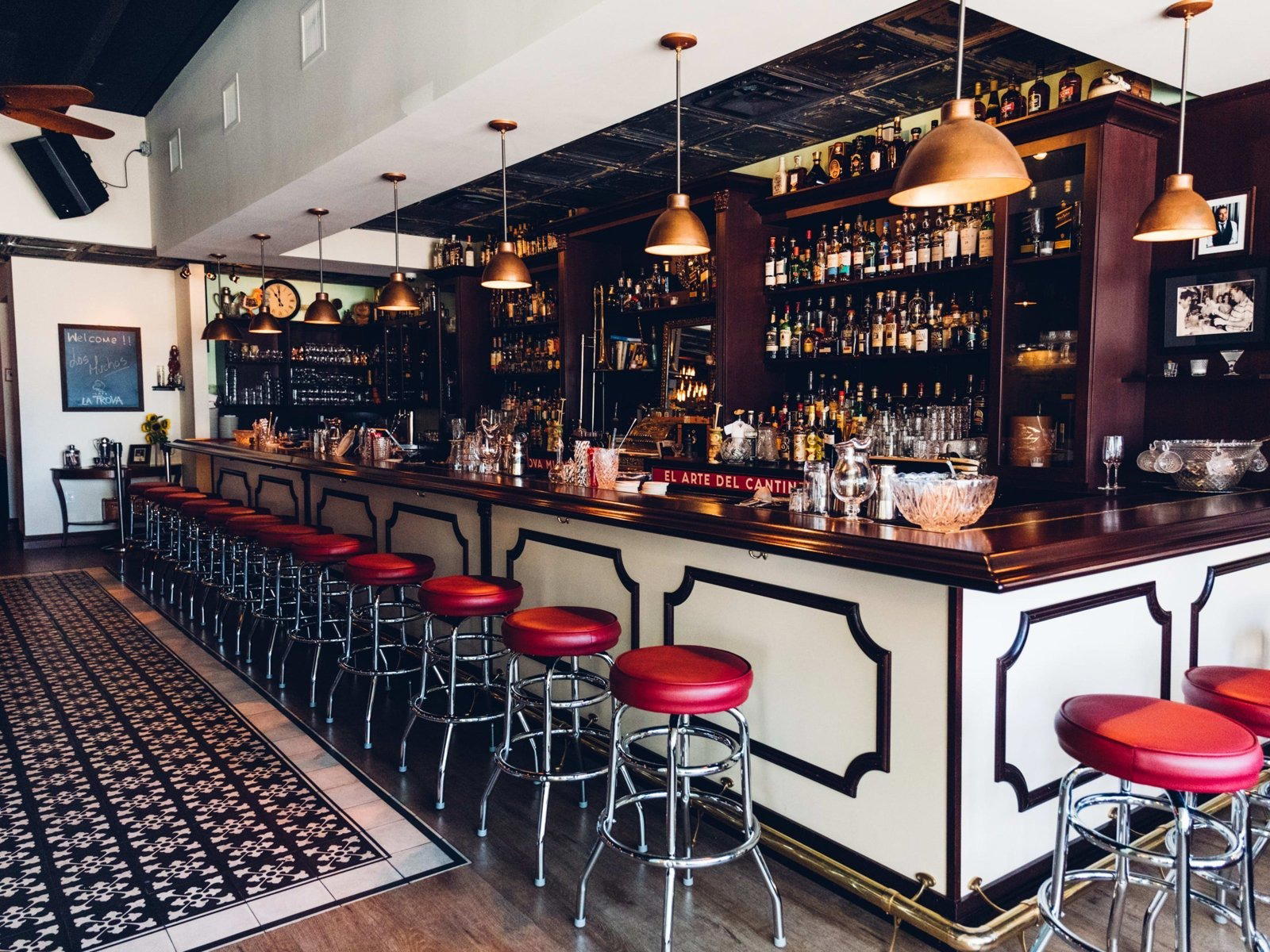
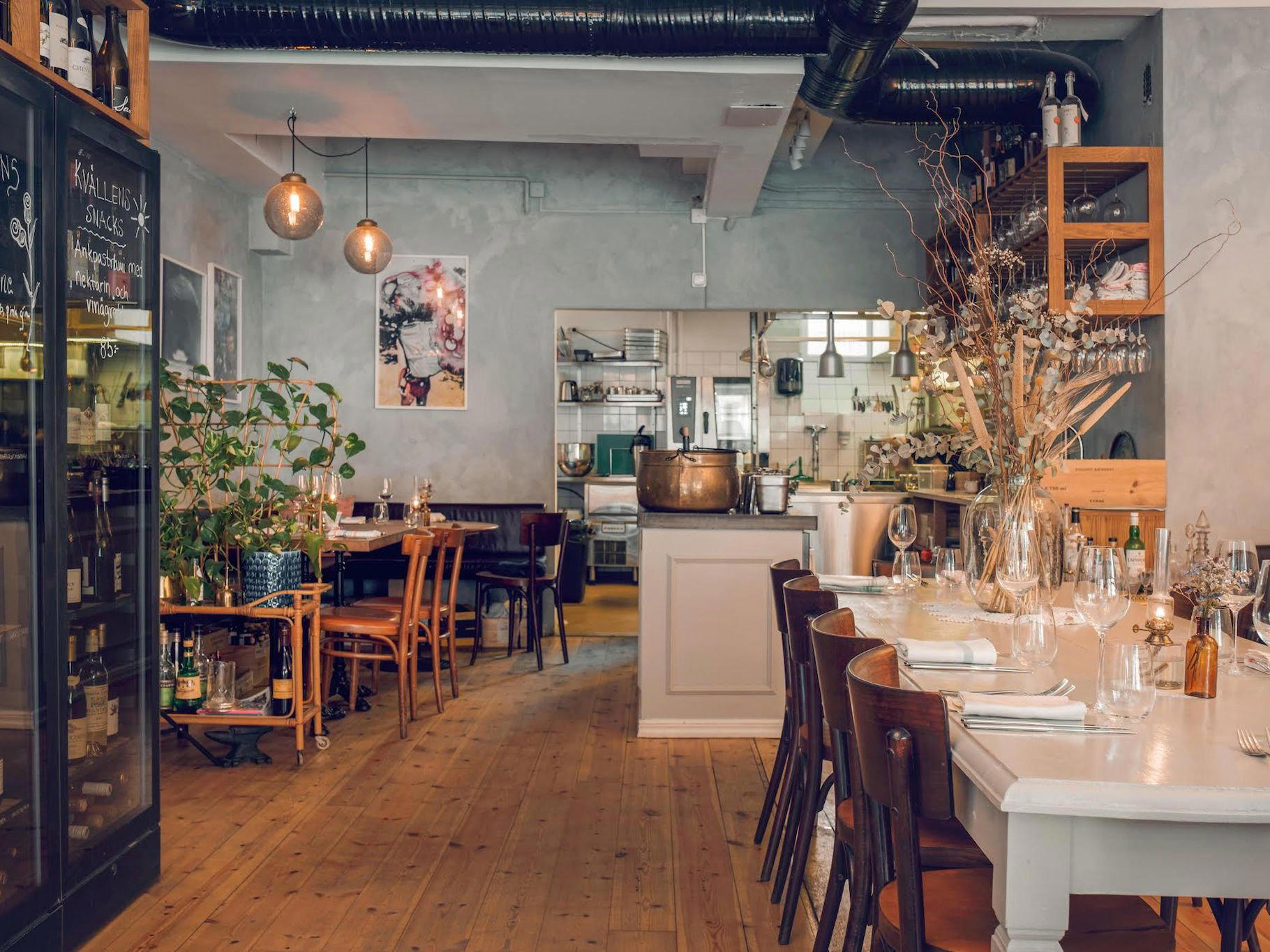
An inviting, polished atmosphere with a mix of cultural and culinary influences, suited to a comfortable fine-dining experience.