Bohemian Spirit


Michelin Bib Gourmand
Our verdict
A Michelin Bib Gourmand Czech beer hall on the Upper East Side, Bohemian Spirit occupies the ground floor of the National Bohemian Hall building on East 73rd Street. Wood paneling, vintage knick-knacks, and a program of pilsners and Central European wines set the register firmly as old-world rather than reinvented. Hearty plates, borscht, grilled kielbasa, and dumpling-forward mains, make it one of the few places in New York where Czech cooking is taken seriously on its own terms.

Pearl is the En Primeur Club membership app, where members save venues, book tables and use the concierge.
The menu
What to order
- Schnitzel
- Goulash
- Svickova
- Dumplings
- Apple strudel
A Czech Beer Hall on the Upper East Side, Taken Seriously
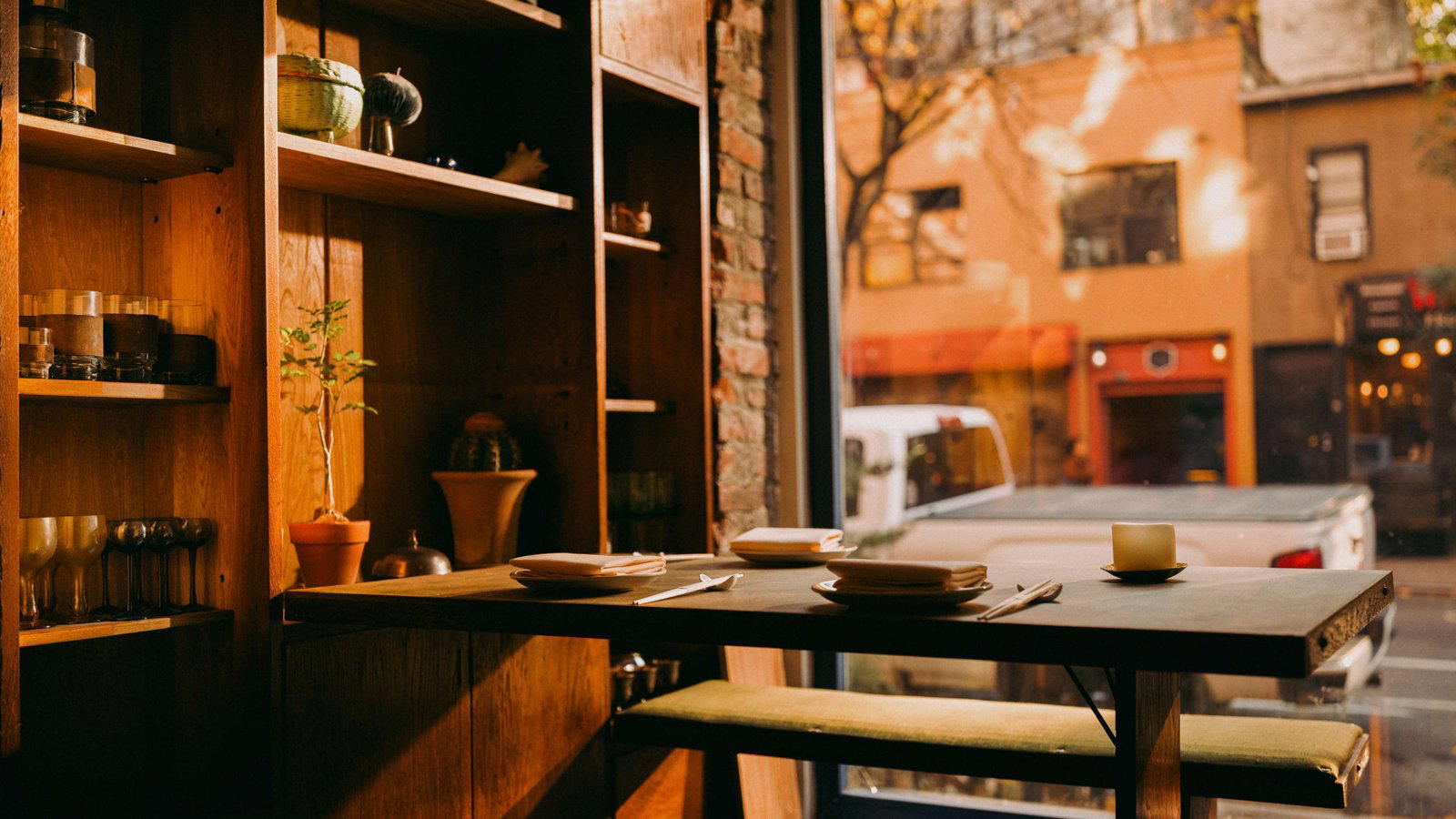
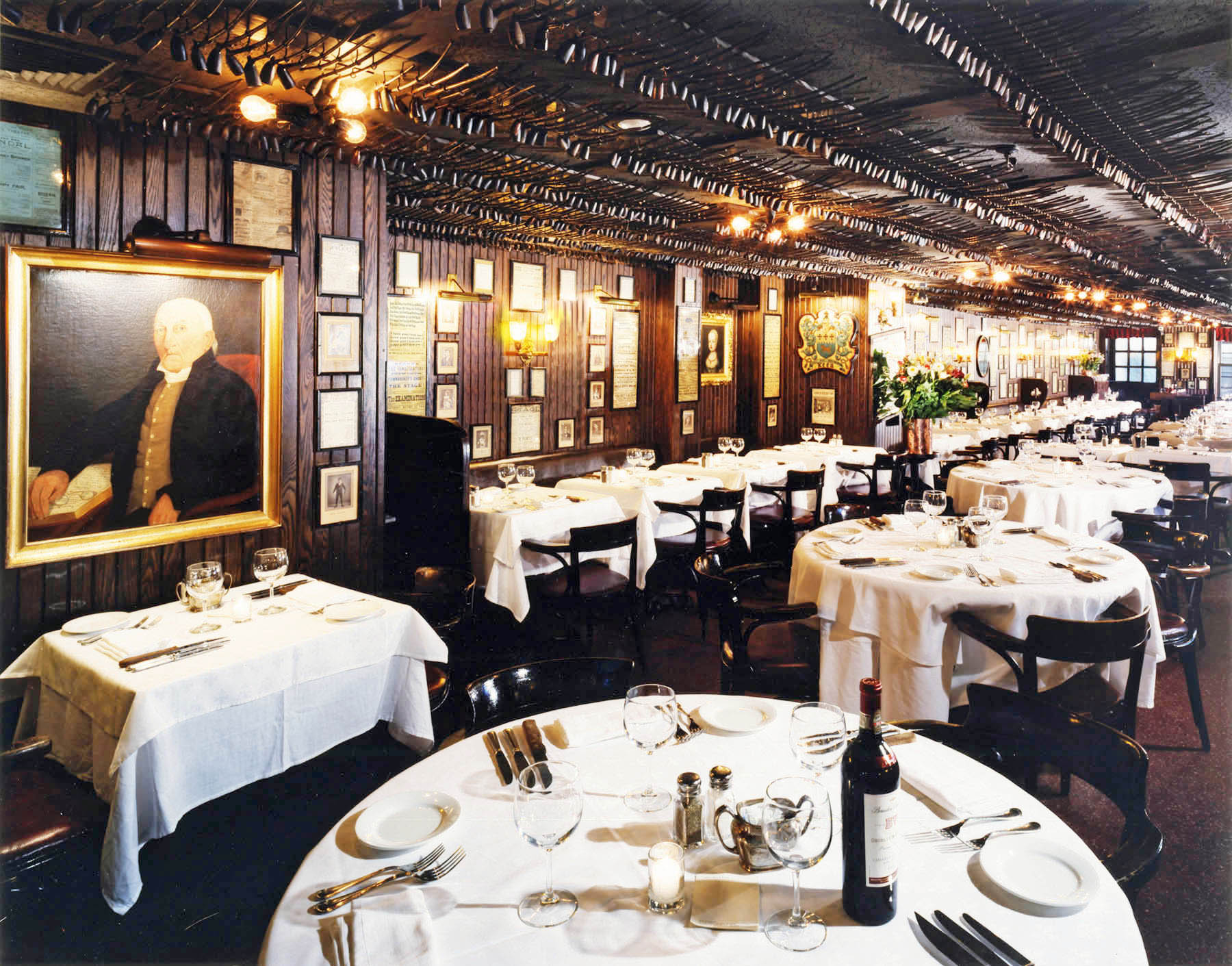
East 73rd Street between First and Second Avenues is not where most visitors expect to find a functioning piece of Central European civic life. Yet the National Bohemian Hall building, a landmark of New York's Czech and Slovak immigrant community, has anchored this block for well over a century. Bohemian Spirit occupies its ground floor, and the setting conditions everything: wood paneling, simple communal tables, and vintage knick-knacks that read less as décor and more as institutional memory. The room does not try to be anything other than what it is, a beer hall in the European tradition, transplanted intact to the Upper East Side.
New York's dining scene is largely defined by restaurants that perform a version of somewhere else: Japanese technique filtered through a New York lens, French classicism recalibrated for American portions, Korean fine dining reframed for a tasting-menu audience at places like Atomix. Bohemian Spirit is the rarer thing, a venue that does not reframe its source culture for a broader audience. Czech cooking appears here on its own terms, and the room enforces that seriousness. There is no mood lighting, no soundtrack, no architectural reveal. The atmosphere arrives from use rather than design.
The Upper East Side as Context
The Upper East Side has historically housed a higher concentration of European immigrant civic institutions than most Manhattan neighbourhoods, a legacy of successive waves of Central and Eastern European settlement through the late nineteenth and early twentieth centuries. The National Bohemian Hall building, within which Bohemian Spirit operates, is a direct product of that history. Where many such buildings have been repurposed or demolished, this one has retained its original social function, which gives Bohemian Spirit a kind of site-specific authenticity that no amount of concept work could manufacture.
For a dining neighbourhood better known today for Upper East Side steakhouses and European-influenced brasseries, a Czech beer hall functioning inside a working cultural institution is a distinct anomaly. The distance from the high-ticket French and contemporary American rooms that define New York's fine-dining circuit, Le Bernardin, Eleven Madison Park, Per Se, Masa, is not just a matter of price. It is a matter of register. Bohemian Spirit belongs to a different tradition of restaurant purpose: the civic gathering space that also happens to feed people well.
What the Kitchen Produces
Czech cooking, as a category, is almost invisible in New York. The city has vast representation across East Asian, South Asian, and Latin American cuisines, but Central European traditions occupy a much narrower slice of the restaurant map. This makes Bohemian Spirit's Michelin Bib Gourmand recognition, awarded in 2024, more meaningful than the same designation might be in a more crowded category. The guide is identifying value and cooking quality in a cuisine that has no real competitive field in the city.
The kitchen leans into the things Czech cooking does well rather than softening them for broader palatability. A large bowl of borscht arrives redolent of dill, tangy and substantial with a buttery finish, the kind of dish that reads as peasant food in the leading possible sense, built for nourishment and depth rather than visual drama. Grilled kielbasa comes smoky and moist, sided by a mustard-forward potato salad that cuts through the fat cleanly. Dumplings run across the menu as a structural motif, appearing at multiple courses including dessert, where strawberry-filled dumplings topped with crumbled gingerbread close the meal with the same logic, simple technique, good ingredients, no apology.
These are not dishes that are trying to be something else. That consistency of intent is part of what Opinionated About Dining recognised in its 2023 Highly Recommended listing for North America, a citation that carries weight specifically because OAD aggregates critical opinion rather than commercial metrics.
Beer and Wine in the Czech Tradition
The drink program reflects the same fidelity to source. Beers and pilsners are the primary offering, which is appropriate: Czech brewing culture, particularly the Bohemian pilsner tradition originating in Plzeň, is among the most influential in the history of lager production globally. A beer hall that treats pilsner as its anchor drink is not making a nostalgic choice, it is making a correct one.
The wine list extends beyond Czech bottles but maintains a European focus throughout. Czech wine, largely produced in the Moravia region in the country's southeast, remains almost entirely absent from New York restaurant lists, making any representation here a genuine point of difference for drinkers interested in less-charted European appellations. For those coming primarily from the wine side of dining culture, it offers a different kind of discovery from what you'd find at the city's standard European wine programs.
Travelers curious to compare Czech food culture in its original context can look at Bockem in Prague and The Eatery in Prague for reference points in how the cuisine operates on home ground. The contrast between those settings and East 73rd Street is itself instructive about how immigrant food cultures translate and persist.
Where It Sits in the New York Picture
New York's restaurant recognition system tends to concentrate its highest-profile awards in a narrow band of high-investment, high-concept rooms. The Bib Gourmand tier of Michelin operates differently, identifying places where the cooking-to-price ratio overperforms and where the kitchen has a clear point of view.
At the $$ price range, it occupies a completely different market position from the city's celebrated fine-dining rooms. This is not a venue where you are paying for the architecture of a tasting menu or the credential weight of a three-star kitchen. You are paying for food that is cooked in a specific tradition with enough skill that two independent critical organisations have said it is worth going out of your way for.
For broader context on eating and drinking across the city, see our full New York City restaurants guide, our full New York City bars guide, our full New York City hotels guide, our full New York City wineries guide, and our full New York City experiences guide. If you are building an itinerary that spans price points and cuisine traditions, it is also worth comparing the ambitions of rooms like Emeril's in New Orleans, Lazy Bear in San Francisco, Alinea in Chicago, Single Thread Farm in Healdsburg, The French Laundry in Napa, and Providence in Los Angeles to understand how different American cities prioritise different ends of the value and ambition spectrum.
Know Before You Go
- Address: 321 E 73rd St, New York, NY 10021
- Price range: $$ (moderate)
- Cuisine: Czech
- Awards: Michelin Bib Gourmand (2024); Opinionated About Dining Highly Recommended, North America (2023)
- Chef: Felipe Schaedler
- Setting: Ground floor of the National Bohemian Hall building; wood-paneled beer hall with European atmosphere
- Drinks: Czech pilsners and beers; European-focused wine list with Czech bottles
Frequently asked questions
What's the must-try dish at Bohemian Spirit?
Based on the awards record and documented menu, the borscht is the most cited starting point: a large bowl with strong dill character, tanginess, and a buttery finish that signals how the kitchen approaches the cuisine overall. The strawberry-filled dumplings topped with crumbled gingerbread at dessert are a logical close, they follow the same logic as the savoury dishes, applying simple technique to good ingredients without overcomplicating the result. The grilled kielbasa with mustard-forward potato salad rounds out the picture of what Czech cooking looks like when it is done straight. Michelin's Bib Gourmand recognition in 2024 and OAD's Highly Recommended citation in 2023 both support these dishes as the core of the kitchen's offering, which is Czech home cooking executed with enough precision to earn sustained critical attention in a city with almost no competition in the category. For more on the Prague context for this cuisine, see Bockem and The Eatery.
Category Peers
A quick peer list to put this venue’s basics in context.
| Venue | Cuisine | Price | Awards | Notes |
|---|---|---|---|---|
| Bohemian SpiritThis venue (the venue you are viewing) | Traditional Czech | $30–50 | Michelin Bib Gourmand | Not listed |
| Le Bernardin | French Seafood Fine Dining | $300–500 | 3 Michelin Stars · World's 50 Best #13 | French, Seafood |
| Atomix | Modern Korean Tasting Menu | $300–500 | 2 Michelin Stars · World's 50 Best #7 | Modern Korean, Korean |
| Masa | Seasonal Hokkaido Tempura Omakase | $150–200 | Tabelog 100 #34 | Sushi, Japanese |
| Per Se | French Fine Dining Tasting Menu | $300–500 | 3 Michelin Stars · World's 50 Best #40 | French, Contemporary |
| Eleven Madison Park | Contemporary Plant-Based Fine Dining | $300–500 | 3 Michelin Stars · World's 50 Best #4 | French, Vegan |
Recognition history
Dated appearances from independent guides and award organizations, with the underlying list record or original source where available.
Michelin Bib Gourmand
Michelin
Opinionated About Dining Top Restaurants in North America Highly Recommended
Opinionated About Dining
Full recognition history (3 entries)
Michelin Bib Gourmand
Michelin
Continue exploring
More in New York City
Restaurants in New York City
All restaurants in New York City →
Bars in New York City
All bars in New York City →





Details
- Cozy
- Classic
- Bohemian
- Casual Hangout
- Date Night
- Group Dining
- Private Dining
- Beer Program
- A La Carte
- Beer Program
Current opening hours
- Monday
- 5–10 PM
- Tuesday
- 5–11 PM
- Wednesday
- 5–11 PM
- Thursday
- 5–11 PM
- Friday
- 5–11 PM
- Saturday
- 11 AM–3 PM, 5–11 PM
- Sunday
- 11 AM–3 PM, 5–10 PM
Hours can change for holidays and private events. Hours as of .
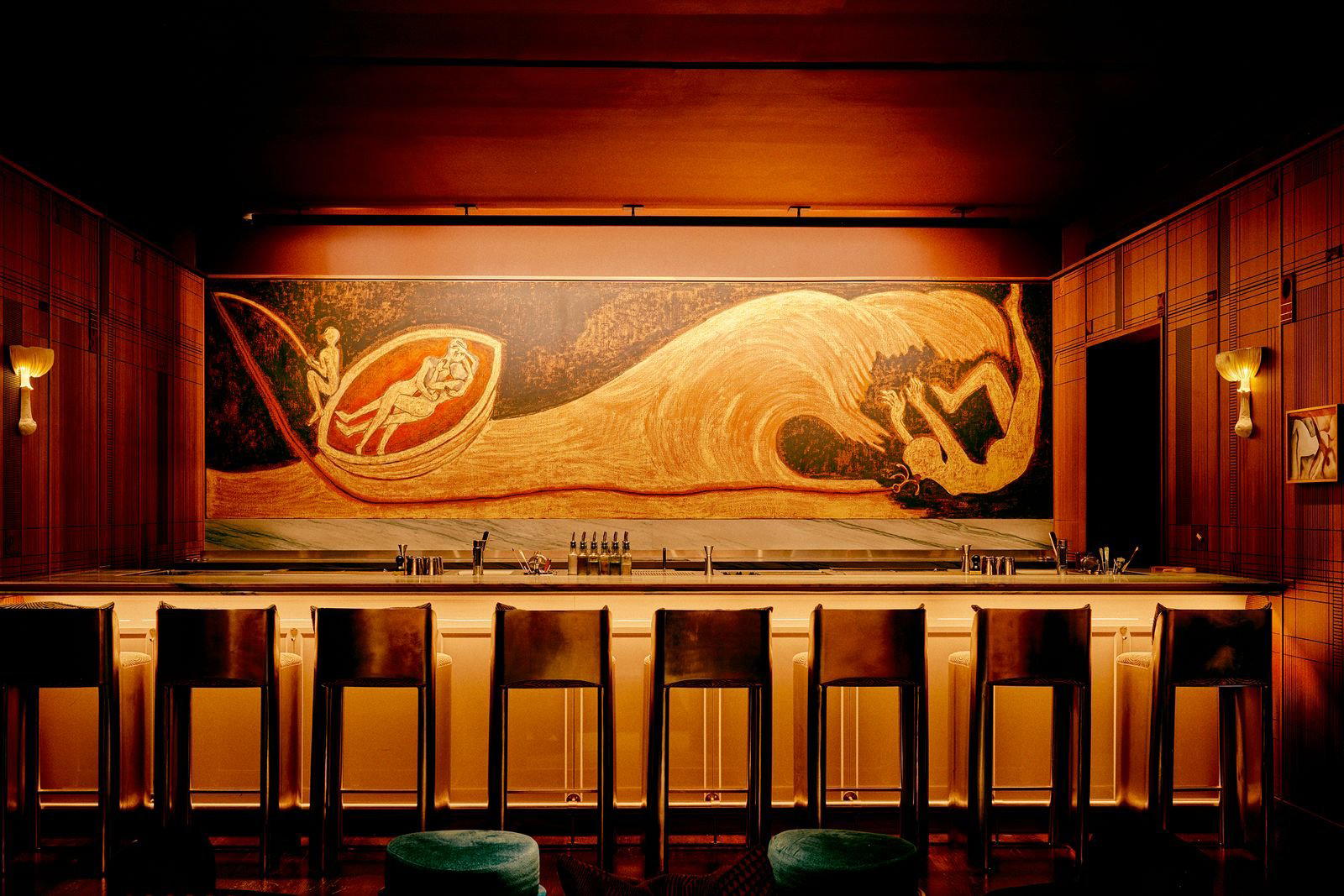
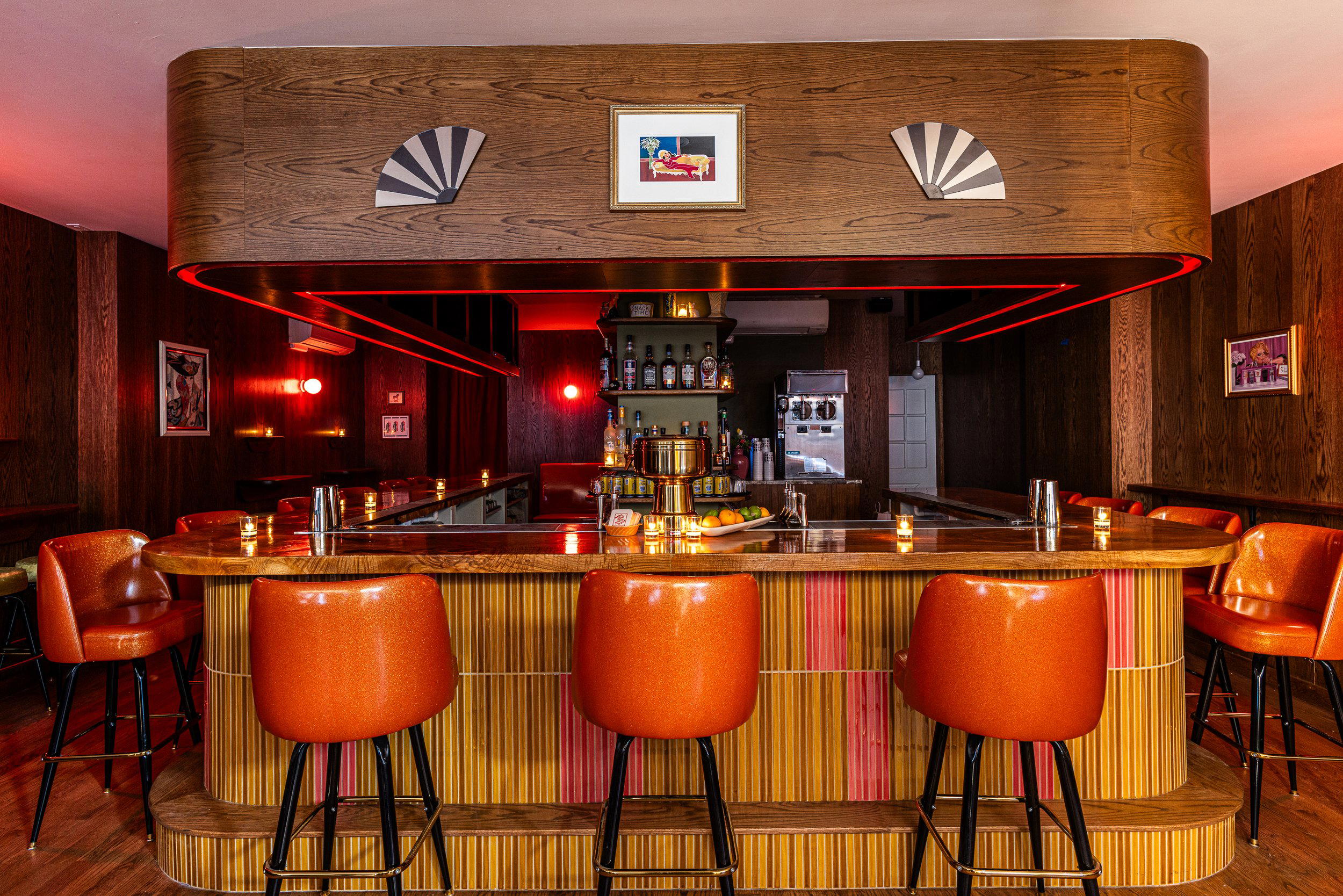
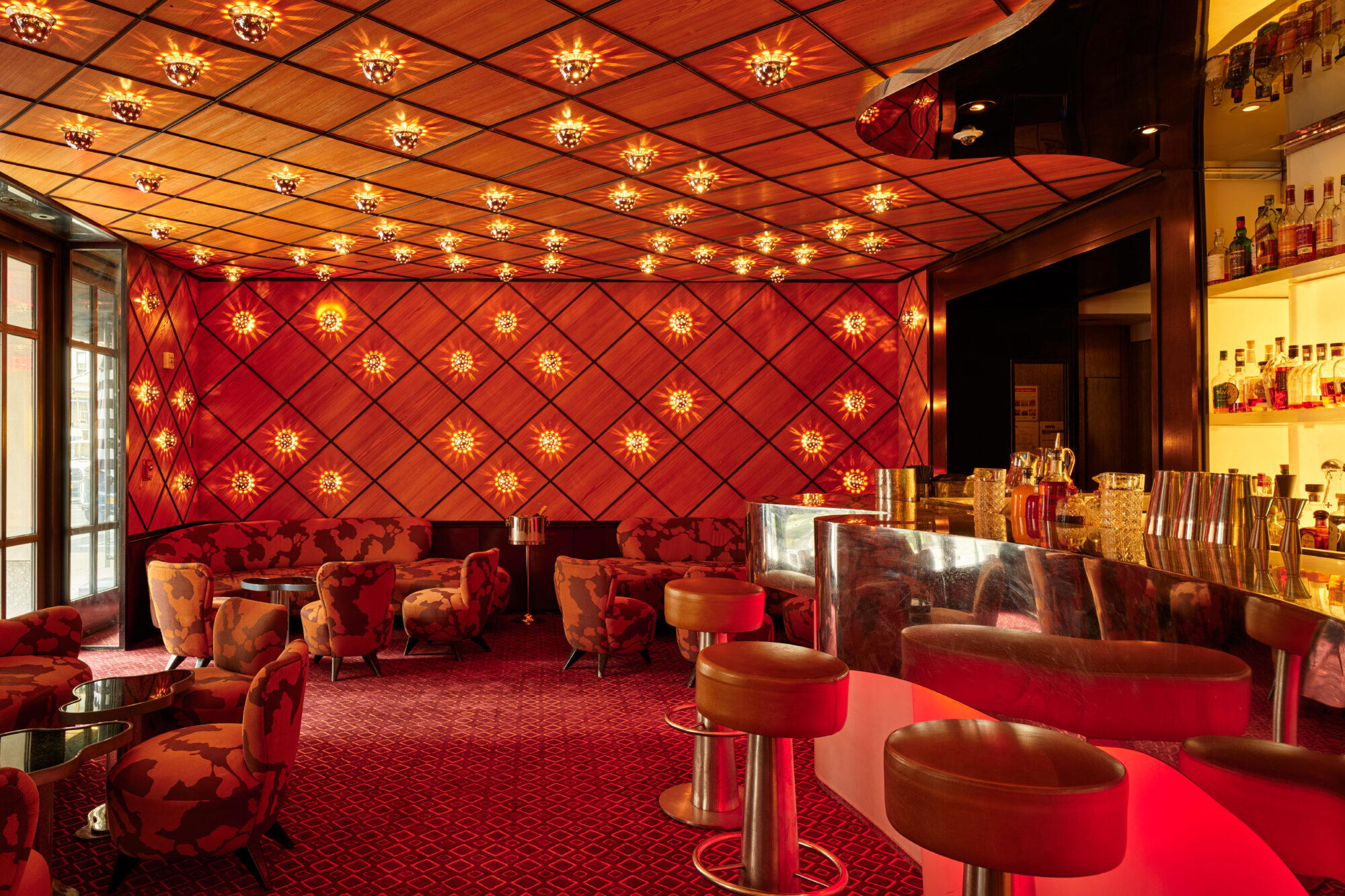
Relaxed and charming with Bohemian retro decor, high ceilings, spacious tables, and a quiet conversational atmosphere.