The Eatery


A Michelin Bib Gourmand holder in Prague's Holešovice district, The Eatery serves contemporary Czech cuisine built around locally sourced ingredients at prices that sit well below comparable award-recognised kitchens. The industrial-style dining room, open kitchen, and a wine program serious enough to draw its own following make it one of the more considered addresses in the city's evolving neighbourhood dining scene.
Pearl is the En Primeur Club membership app — saves, bookings, and concierge access live there. Same editors, same standards.
- Address
- U Uranie 18, 170 00 Praha 7-Holešovice, Czechia
- Phone
- +420 603 945 236
- Website
- theeatery.cz
- Directions
- Get directions
 Saves & bookings on Pearl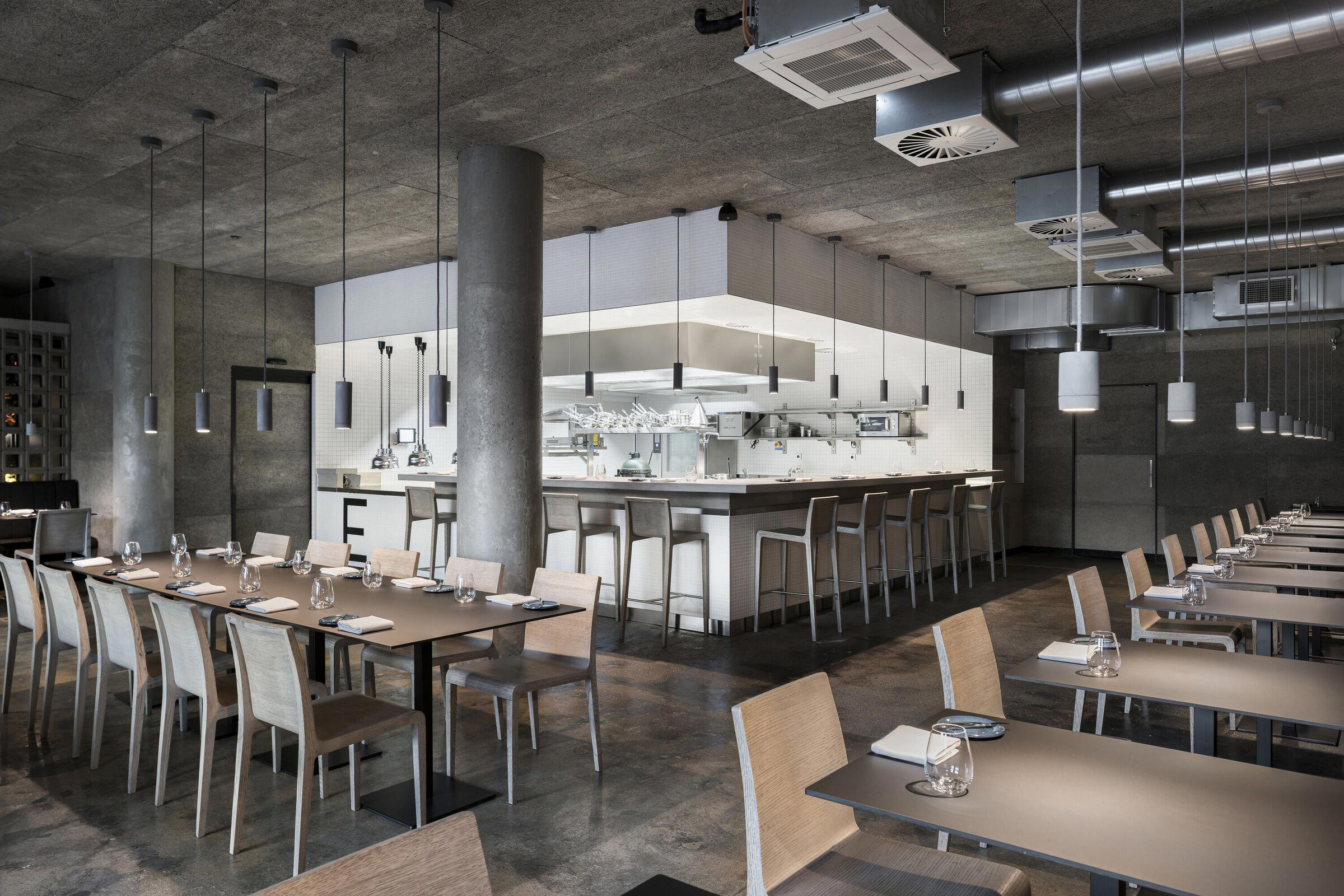
Holešovice and the New Czech Neighbourhood Kitchen
Prague's dining identity spent years anchored to the tourist corridor of the Old Town and Malá Strana, but the creative momentum has been shifting north and west. Holešovice, the former industrial district on the left bank of the Vltava, has become the clearest expression of where the city's restaurant culture is going: lower rents than the centre have allowed chefs to take on smaller, more personal formats, and a younger local clientele has pushed menus away from the svíčková-for-tourists model toward something with more rigour and sourcing intention.
The Room: Industrial Restraint as Editorial Statement
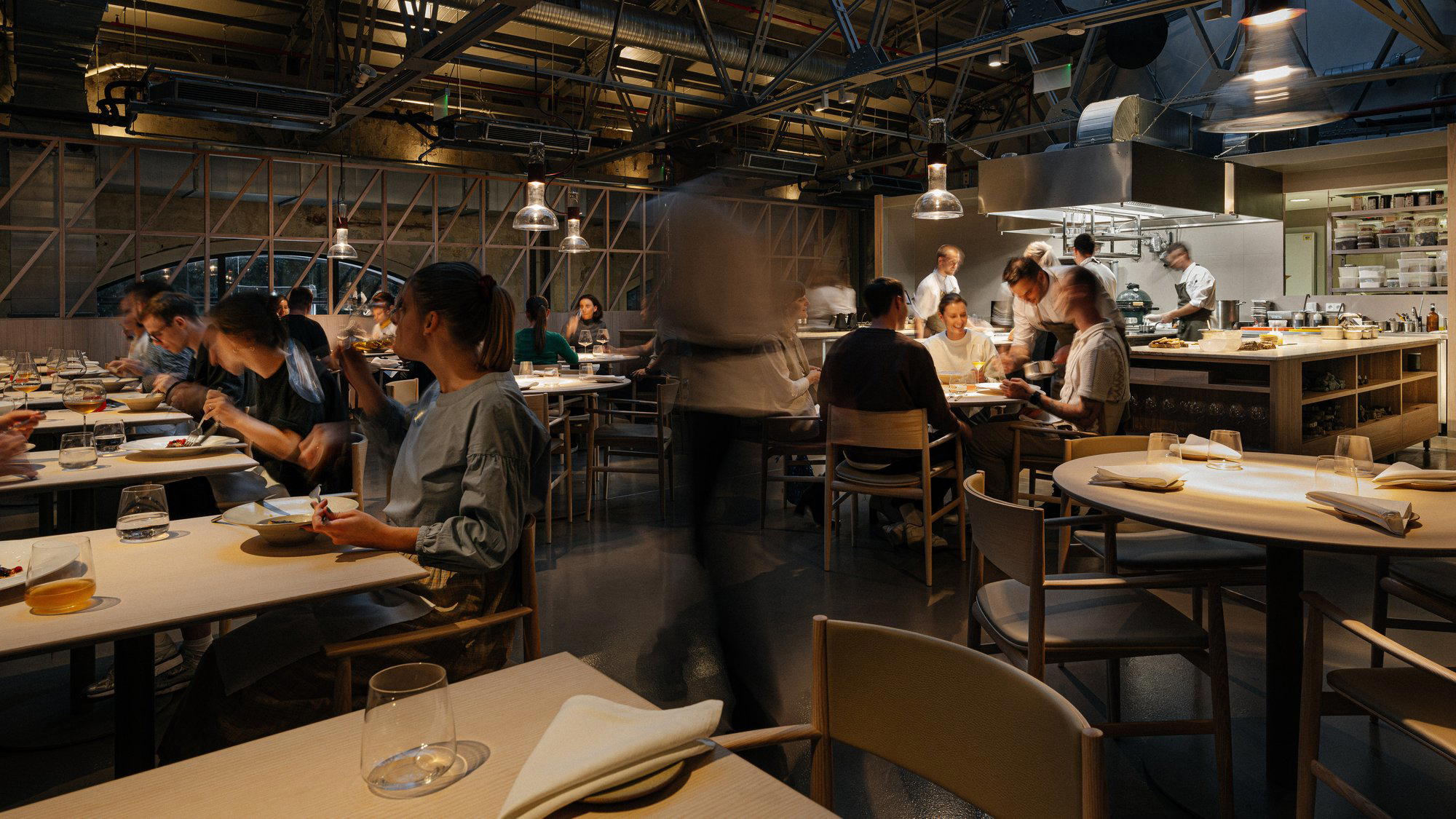
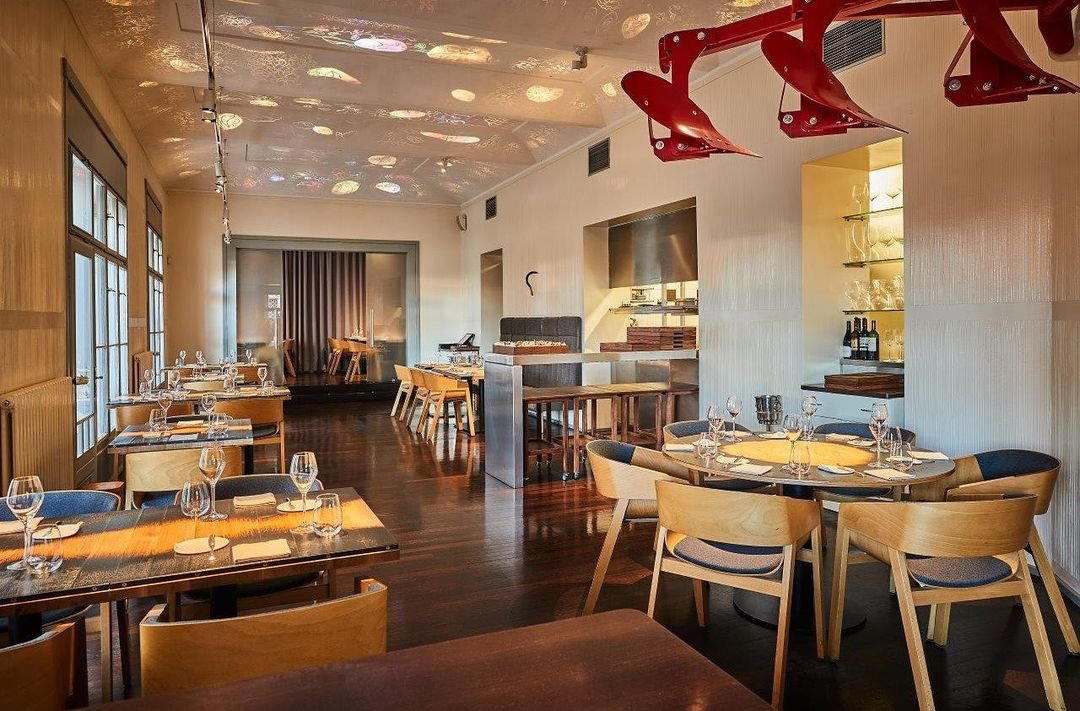
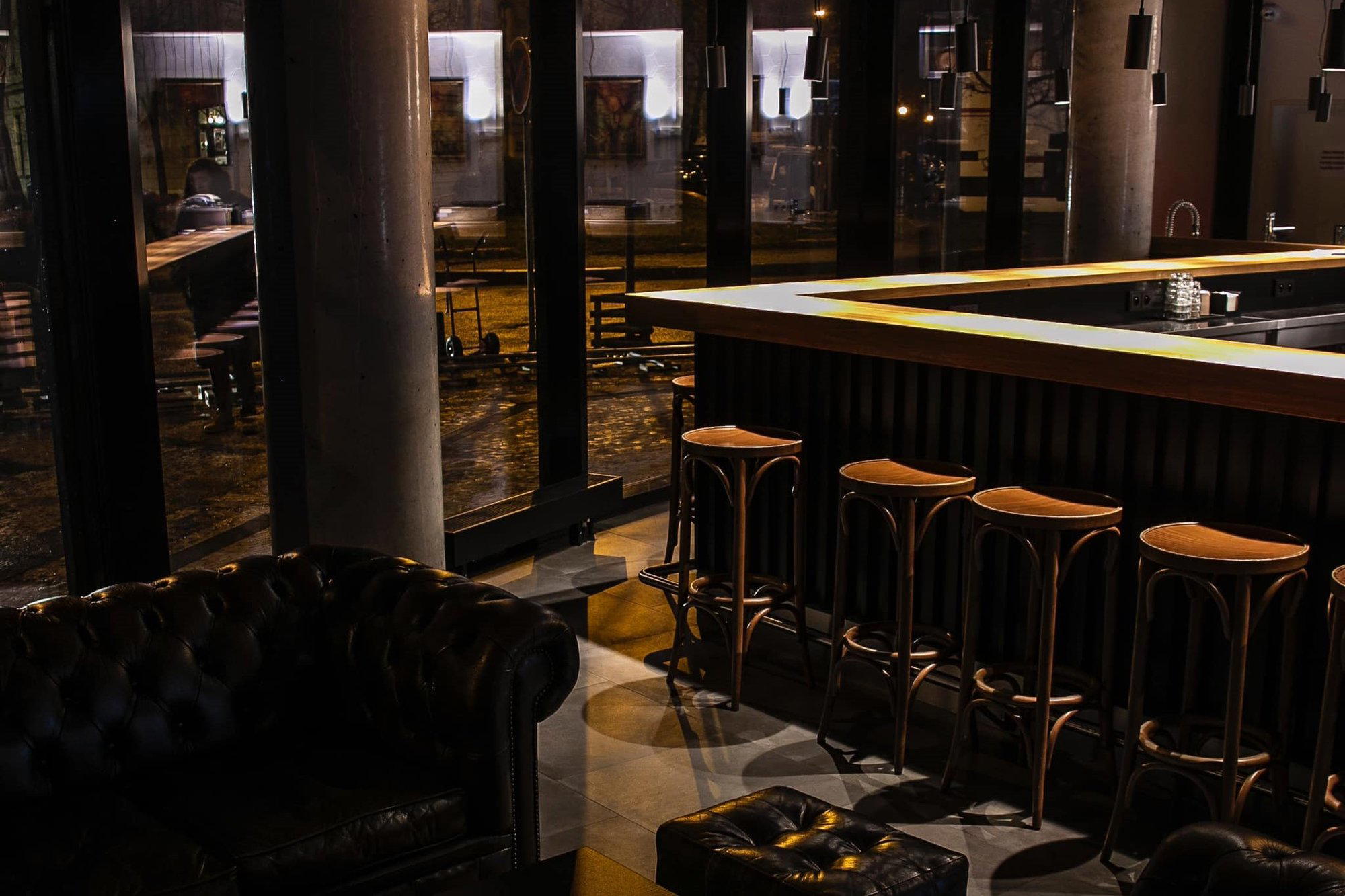
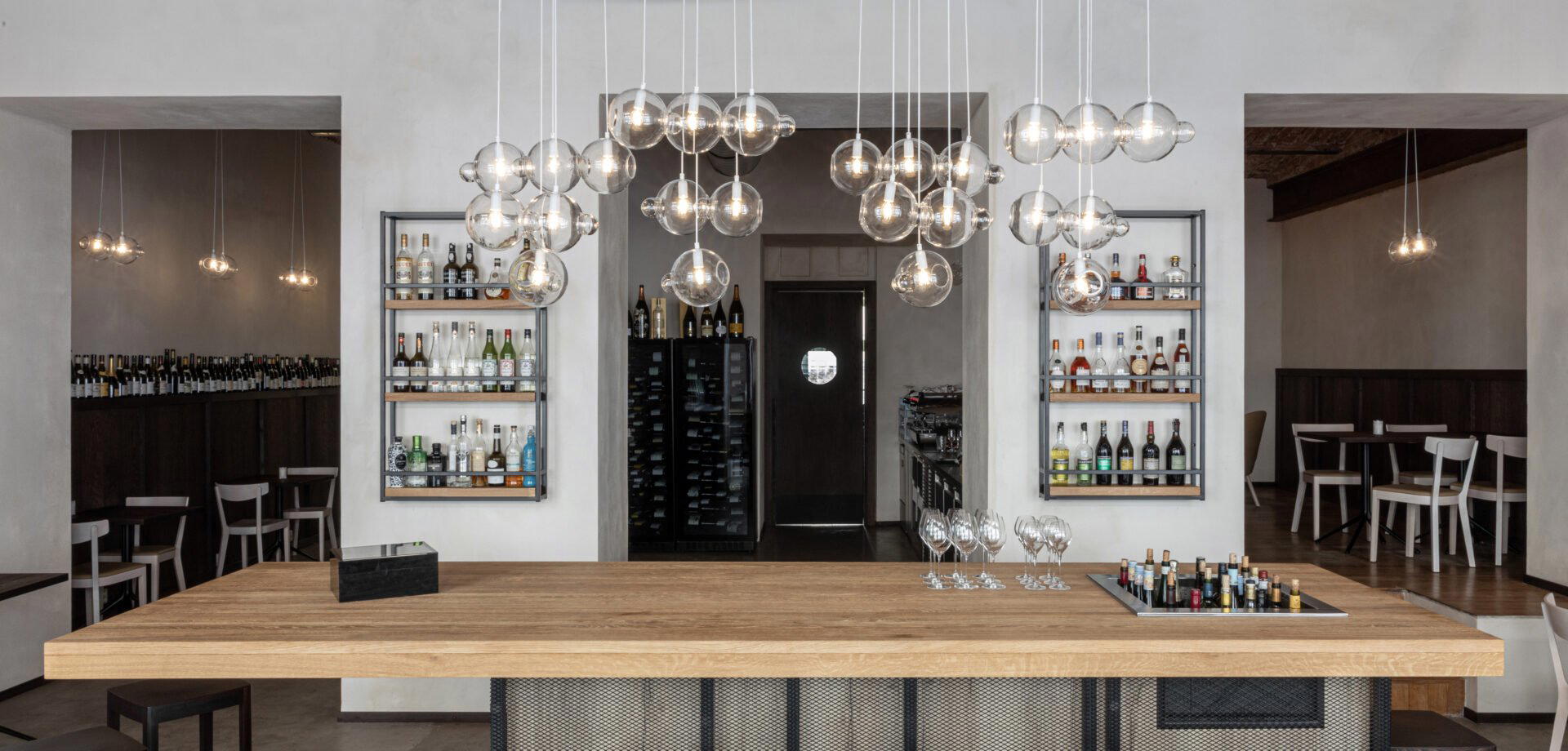
The physical environment at The Eatery reflects a specific set of priorities that have become characteristic of this generation of European neighbourhood restaurants. The industrial styling, exposed surfaces, minimal ornament, an open kitchen that places the cooking in direct view of the dining room, is not décor for its own sake. It functions as a declaration: the money went into the food, not the plasterwork. That open kitchen, specifically, does something important in a Czech context. Czech restaurants have historically operated with a clear division between front and back of house, both spatially and culturally. A visible kitchen here signals transparency, a willingness to be watched, which aligns with the broader sourcing philosophy the menu reflects. For Prague's current dining scene, this kind of interior honesty has become a marker of seriousness, alongside what ends up on the plate.
Contemporary Czech Cuisine and the Sourcing Argument
The wave of Czech restaurants rethinking national cuisine around local and seasonal sourcing has produced a range of approaches, from the high-end ceremonial format at La Degustation Bohême Bourgeoise, where the tasting menu frame places Czech ingredients in a French-classical structure, to the more casual neighbourhood registers. The Eatery operates in the latter category, where the case for local sourcing is made through daily cooking at a moderate price point. The eclectic menu built around locally sourced ingredients represents a specific position: Czech produce deserves the same attention at a mid-range price point as it gets in the tasting-menu format. That argument, played out across the Bib Gourmand tier, is the more democratic and difficult one to sustain. The kitchen runs under chef Sebastian, though the broader significance here is less about individual biography and more about what the Bib Gourmand signal means in this context: Michelin's inspectors are recognising good cooking at prices that match the local economy, which in Prague's €€ tier represents real value for the quality being delivered.
Sourcing approach connects to a wider shift in how Czech restaurants understand their ecological and economic responsibilities. Locally sourced ingredients reduce transportation kilometres, support regional producers, and tend to keep the menu closer to what is actually in season, which in turn reduces the temptation to import out-of-season produce from elsewhere in Europe. It is a relatively quiet form of environmental commitment, less visible than the zero-waste proclamations common in higher-end kitchens, but more reproducible across a price tier where margins are tighter and the choices more constrained. Other Bib Gourmand holders in Prague, such as Bockem and Výčep, operate in related registers, and taken together they suggest a cohort of kitchens making responsible sourcing a practical standard rather than a point of differentiation.
The Wine Program
One of the more specific claims in the available documentation is that The Eatery functions as one of Prague's serious wine destinations. In a city where wine lists have historically defaulted to Moravian house wines or uninspired international selections, a neighbourhood kitchen in Holešovice developing enough of a wine reputation to be separately noted is worth flagging. Czech wine, particularly from Moravia, has been gaining international recognition over the past decade, and restaurants willing to build a serious list around these producers rather than defaulting to French or Italian imports are performing a useful function in the local wine ecosystem.
Positioning in the Prague Dining Hierarchy
The restaurant's price tier places it deliberately apart from Prague's highest-end kitchens. Alcron and 420 Restaurant operate in different registers, where the proposition is a destination dining experience at corresponding price points. The restaurant at €€ is making a different case: that Czech ingredients, handled with contemporary technique and genuine care, don't require a tasting menu format or a city-centre postcode to produce cooking worth two consecutive Michelin Bib Gourmand awards. That is a meaningful distinction. Among comparable Czech restaurants operating beyond Prague, ATELIER bar & bistro in Brno and Bohém in Litomyšl reflect the same broader movement toward regional-produce kitchens in neighbourhood and secondary-city formats. The Czech restaurant conversation no longer belongs entirely to Prague, as addresses like ARRIGŌ in Děčín, Babiččina zahrada in Průhonice, Chapelle in Písek, and Cattaleya in Čeladná demonstrate. For those interested in how Czech cuisine reads when transplanted to an international audience, Bohemian Spirit in New York City offers an interesting comparative reference, and the distance between that kind of transplant and what the restaurant represents in its home context says something about the specificity of place that good neighbourhood restaurants depend on. The contrast with something like Le Bernardin in New York City, operating at the highest international tier, is instructive in a different direction: some propositions only work at scale and budget, while what the restaurant does only works at neighbourhood level.
Planning Your Visit
The restaurant is located at U Uranie 18 in Praha 7-Holešovice. The lunch menu runs from 11:30 AM to 2:30 PM on weekdays, with evening service from 5:30 PM to 10 PM, and Saturday service from 5:30 PM to 10:30 PM. Reservation is essential, particularly for Friday and Saturday evening.
Cuisine and Credentials
Comparable venues nearby, for context on price, style, and recognition.
| Venue | Cuisine | Price | Awards | Notes |
|---|---|---|---|---|
| The EateryThis venue — the venue you are viewing | Contemporary Czech Cuisine | $$ | Bib Gourmand | Not listed |
| U Matěje | Modern Czech Cuisine | $$$ | Bib Gourmand | Lysolaje |
| U Kalendů | Modern Czech | $$ | Bib Gourmand | Nove Mesto |
| Dergi Praha | Authentic Georgian | $$ | Michelin Plate | Pelc Tyrolka |
| Mlýnec | Modern Czech Fine Dining | $$$ | Michelin Plate | Josefov |
| Grand Cru | Modern International Fine Dining | $$$ | Michelin Plate | Pelc Tyrolka |
Recognition history
Dated appearances from independent guides and award organizations, with the underlying list record or original source where available.
Michelin Bib Gourmand
Michelin
Star Wine List
Star Wine List
Michelin Bib Gourmand
Michelin
Michelin Bib Gourmand
Michelin
At a Glance
- Modern
- Industrial
- Minimalist
- Trendy
- Intimate
- Sophisticated
- Date Night
- Group Dining
- Special Occasion
- Open Kitchen
- Chefs Counter
- Extensive Wine List
- Sommelier Led
- Farm To Table
- Local Sourcing
Current opening hours
- Monday
- 11:30 AM–2:30 PM, 5:30–10 PM
- Tuesday
- 11:30 AM–2:30 PM, 5:30–10 PM
- Wednesday
- 11:30 AM–2:30 PM, 5:30–10 PM
- Thursday
- 11:30 AM–2:30 PM, 5:30–10 PM
- Friday
- 11:30 AM–2:30 PM, 5:30–10 PM
- Saturday
- 5:30–10:30 PM
- Sunday
- Closed
Hours can change for holidays and private events. Last verified .
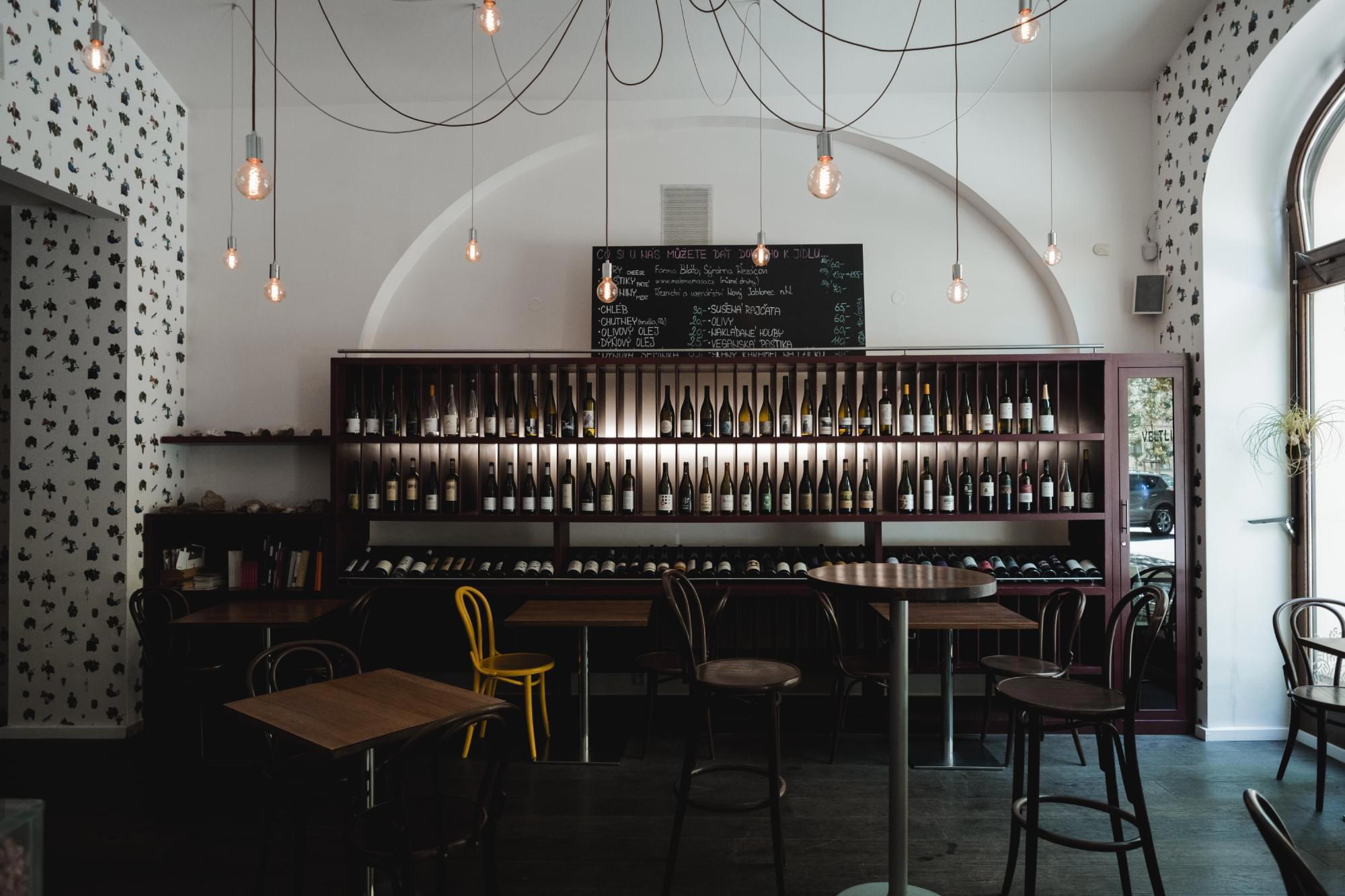
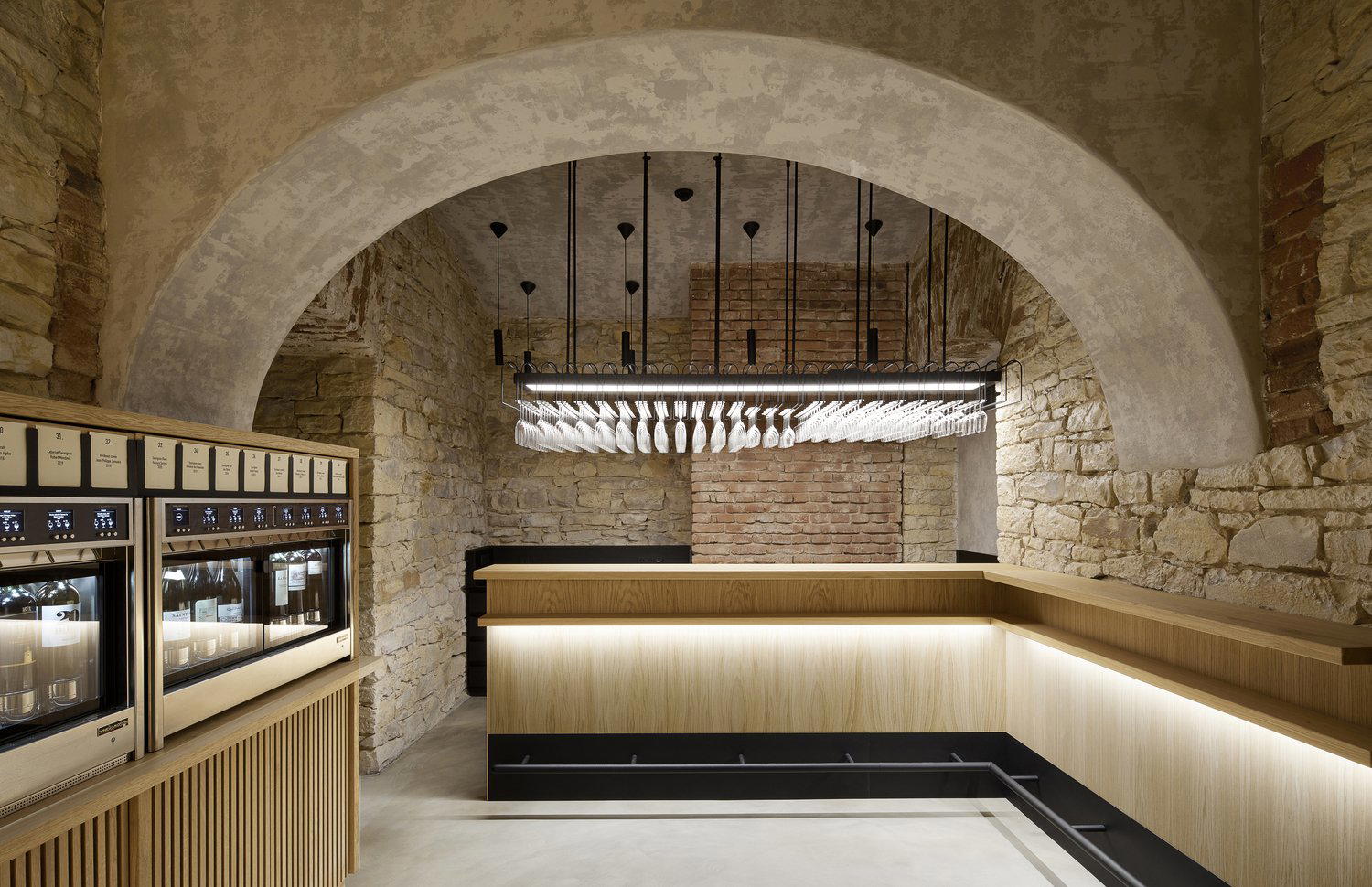
Industrial-minimalist design with concrete accents, raw wood elements, and a semi-transparent wine cellar wall; warm and welcoming despite the austere aesthetic.