Boem
Our verdict
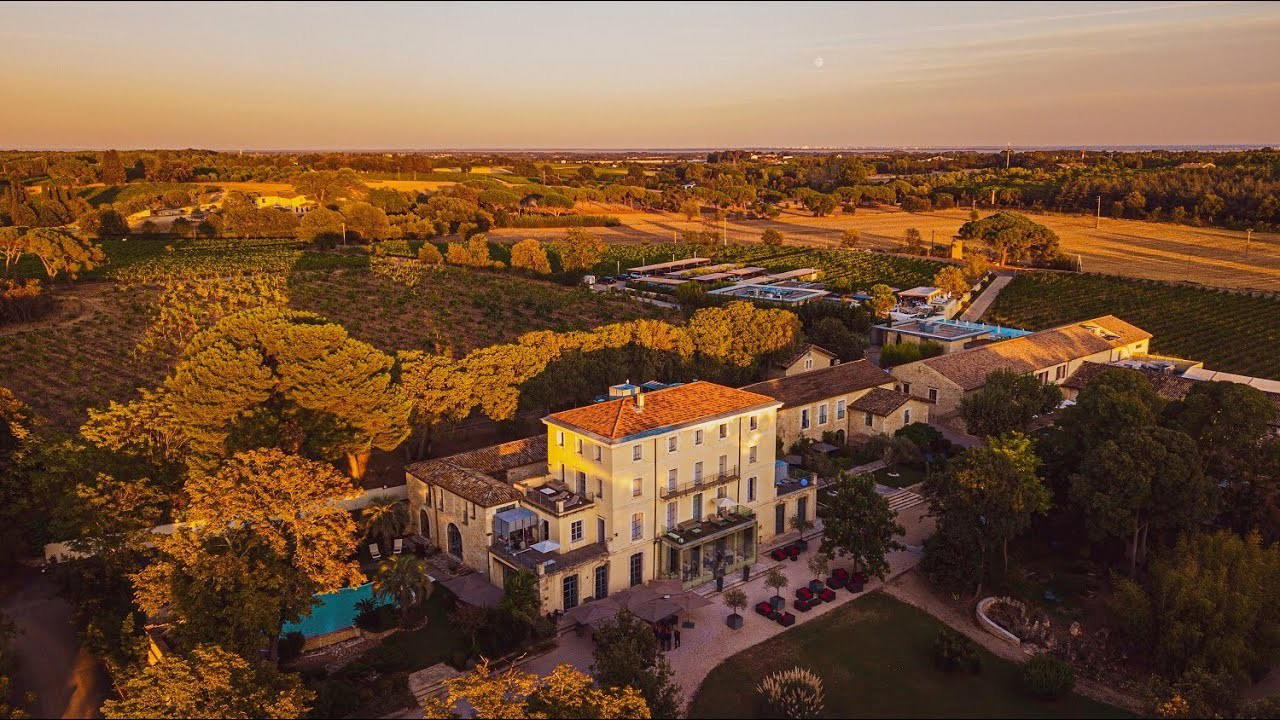
Boem sits along the Avenue du Pont de Provence in Aigues-Mortes, the walled medieval town at the edge of the Camargue wetlands. In a region where the terroir runs from salt-flat to garrigue, the cooking draws on some of southern France's most distinctive raw materials. A practical base for exploring the Languedoc coast, and a table worth planning around in its own right.

Pearl is the En Primeur Club membership app — saves, bookings, and concierge access live there. Same editors, same standards.
- Address
- 253 Av. Pont de Provence, 30220 Aigues-Mortes, France
- Phone
- +33434284230
- Hours
- Mon–Tue ClosedWed–Sat 12–1:30 PM, 7:15–9:30 PMSun 12–1:30 PM
- Website
- instagram.com
- Directions
- Get directions
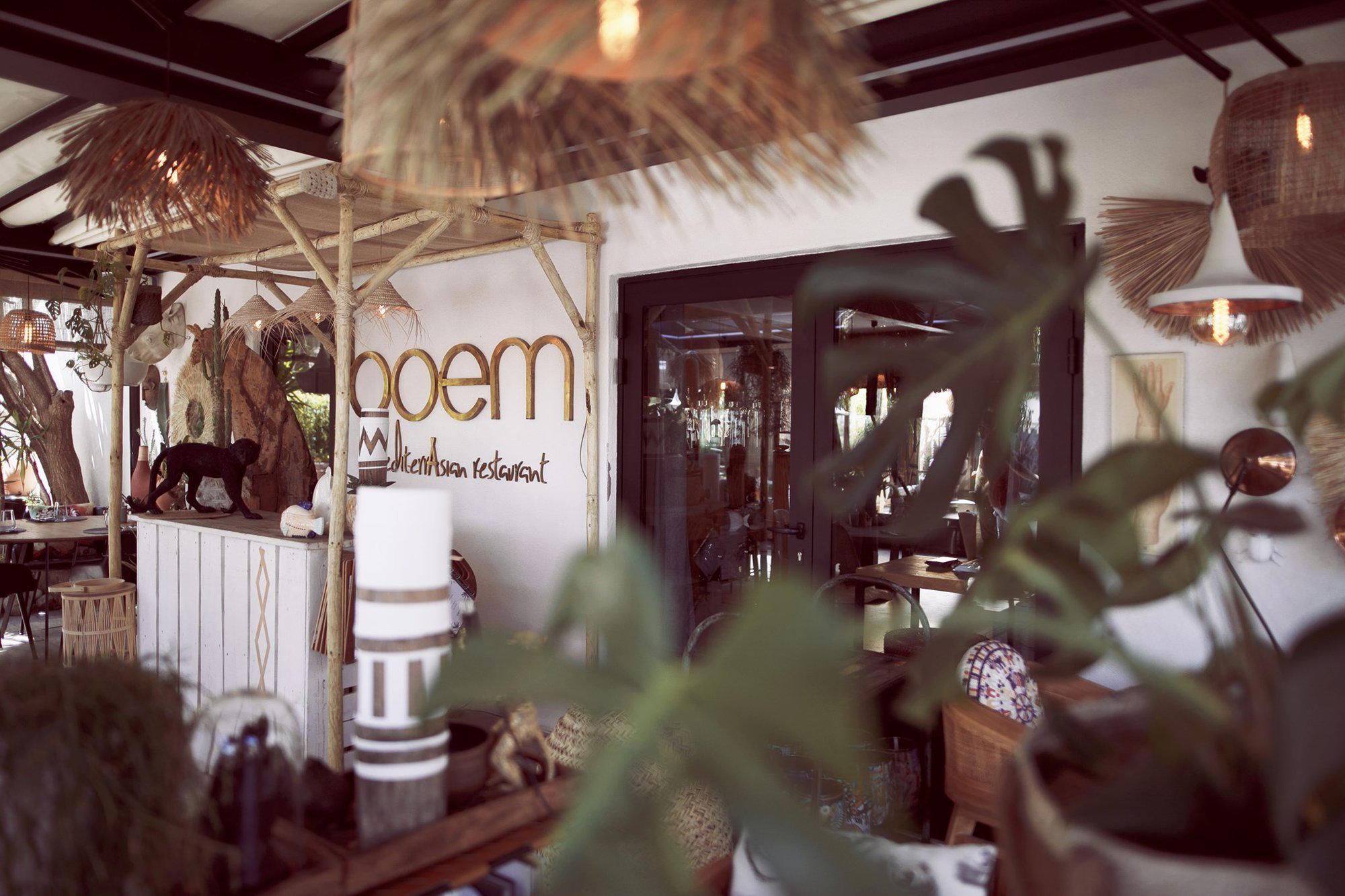
Dining at the Edge of the Camargue
Aigues-Mortes occupies a particular position in the French south. The town sits inside intact thirteenth-century ramparts, surrounded by the Camargue's flat salt marshes, lagoons, and rice paddies. It is not Provence in the postcard sense, and that distinction matters at the table. The ingredients that define this corner of the Languedoc coast — salicorne harvested from the étangs, Camargue red rice, bull meat from the manadiers who still work the marshes, fleur de sel from the Salins du Midi — are specific to this geography and largely absent from kitchens even an hour's drive north or east. Boem, at 253 Avenue du Pont de Provence, is positioned inside that local ingredient story.
The address places it on the approach road rather than inside the historic walls, which means arrivals come with a view of the ramparts ahead rather than the compressed lanes of the old town. That physical context, open sky, flat horizon, the faint salinity that drifts inland from the étangs, sets the register before you sit down. This is southern French cooking shaped by an ecosystem, not a marketing concept.
What the Camargue Puts on the Plate
The Camargue's role as a larder is underappreciated relative to better-publicised French food regions. Burgundy draws visitors to Maison Lameloise in Chagny and the broader Côte d'Or dining tradition. The Rhône valley anchors itself to Troisgros - Le Bois sans Feuilles in Ouches and the legacy of Paul Bocuse - L'Auberge du Pont de Collonges in Collonges-au-Mont-d'Or. The Aubrac plateau draws curious diners to Bras in Laguiole. The Camargue, by contrast, lacks that kind of anchor reputation, which is part of why the raw materials here remain underexploited in the wider dining conversation.
That gap creates an opening for restaurants in and around Aigues-Mortes that are serious about working with what the wetlands and coastline produce. Camargue fleur de sel is among the most recognised artisanal salts in France, harvested by hand in the summer months when the saline concentrations peak. The pink flamingos that feed on the étangs are a visual reminder of the ecosystem's salinity, which translates into the flavour profile of fish, shellfish, and even the reed-fed horses and bulls that graze the marshes. A kitchen that sources within this geography has access to a range of flavours with no close equivalent elsewhere in France.
The Languedoc coastline adds another layer. The fishing ports at Le Grau-du-Roi, immediately south of Aigues-Mortes, land Mediterranean species that rarely appear on menus further inland: tellines (tiny Venus clams cooked in local white wine), sea bass from the étangs, and rouget de roche with a depth of flavour that farmed equivalents cannot match. This is the culinary counterpart to what Mirazur in Menton does with the Ligurian coastline at the other end of the French Mediterranean arc, cuisine shaped tightly by where it sits.
Aigues-Mortes as a Dining Town
The town's dining scene is modest in scale compared to larger Languedoc cities like Montpellier or Nîmes, but it is not undiscriminating. The walled centre concentrates several restaurants within a short radius, with Le Bistrot Paiou representing one of the reference points in the local casual register. The further away you move from the walls, the more the audience shifts from day-trippers to residents and guests staying in the area for longer stretches.
Seasonality governs the rhythm of this town more sharply than it does in year-round city destinations. Summer brings significant visitor volumes through the ramparts, and tables in the most visible spots fill weeks in advance. The shoulder months of April-May and September-October offer access without competition, and in those windows the produce quality is at its highest: spring vegetables from the Camargue plain, autumn tellines, and the beginning of the wild mushroom season further inland.
Those planning time here should treat the dining choices as part of a broader programme that includes walking the ramparts at dusk, boat trips into the étangs, and visits to the salt flats at Salin de Giraud or the Salins du Midi. The food makes more sense with that context. For a broader survey of what Aigues-Mortes offers at the table, our full Aigues-Mortes restaurants guide covers the wider scene with the same editorial approach.
Where Boem Sits in the Regional Picture
France's haute cuisine conversation naturally pulls toward the multi-starred establishments: Alléno Paris au Pavillon Ledoyen in Paris, L'Oustau de Baumanière in Les Baux in the Alpilles, or Auberge du Vieux Puits in Fontjoncouse deep in the Corbières. Les Prés d'Eugénie - Michel Guérard in Eugénie-les-Bains and Auberge de l'Ill in Illhaeusern represent the kind of destination dining that draws travellers across France. Even within the Languedoc-Roussillon region, La Table du Castellet in Le Castellet occupies a higher-profile tier. The restaurants in Georges Blanc in Vonnas and Le 1947 à Cheval Blanc in Courchevel sit at entirely different price and prestige brackets.
Boem, without a published star rating or confirmed price tier, occupies the neighbourhood-scale stratum of this hierarchy, the kind of place that earns its position through proximity to good raw materials and consistent regional cooking rather than international award profiles. In France, this stratum often produces the most honest expression of a place's food culture, in the same way that Flocons de Sel in Megève earns its authority through deep Alpine specificity rather than borrowed metropolitan prestige.
For international reference points, the gap between this kind of locally anchored cooking and destination-scale restaurants is similar to the distance between a neighbourhood-driven San Francisco table and something like Lazy Bear in San Francisco, or between a neighbourhood bistro and Le Bernardin in New York City. Both rungs of the ladder serve a purpose; the neighbourhood rung is often the one that actually teaches you where you are.
Planning a Visit
Aigues-Mortes is accessible by road from Montpellier (roughly 30 kilometres west) and from Nîmes to the north, making it a manageable detour on a Languedoc or Camargue circuit. The Avenue du Pont de Provence address is on the main approach road, close to parking and easy to reach on foot from the main town gates. The shoulder seasons (April-May and September-October) offer the most favourable combination of access and produce quality, as noted above.
Frequently asked questions
Is Boem a family-friendly restaurant?
Contact the restaurant before arriving with young children to confirm seating and menu options.
What kind of setting is Boem?
Boem is positioned on the edge of Aigues-Mortes, a town enclosed by thirteenth-century ramparts and flanked by the salt flats and marshland of the Camargue. The address on Avenue Pont de Provence places it on one of the main routes into the walled centre, giving it a gateway character between the surrounding landscape and the medieval town. The setting alone distinguishes it from comparable tables in Montpellier or Nîmes, both within roughly 30 kilometres.
Is Boem a good stop on a Languedoc road trip between Montpellier and Nîmes?
Aigues-Mortes sits roughly 30 kilometres southwest of Nîmes and a similar distance from Montpellier, making it a logical pause on any route through the Gard or Hérault. Boem's address on Avenue Pont de Provence places it directly on the approach road into town, convenient for drivers rather than requiring a detour into the pedestrianised centre. The town's thirteenth-century walls and Camargue surroundings make the stop worthwhile beyond the meal itself.
What do people recommend at Boem?
Contact Boem directly before visiting for current menu details.
How do I find Boem?
Boem is located at 253 Av. Pont de Provence, 30220 Aigues-Mortes, France, Aigues Mortes.
How It Stacks Up
Comparable venues for context.
| Venue | Cuisine | Price | Awards | Notes |
|---|---|---|---|---|
| BoemThis venue — the venue you are viewing | Mediterranean-Asian Fusion | Not listed | Not listed | Not listed |
| Mirazur | Modern French Fine Dining | $300–500 | 3 Michelin Stars · World's 50 Best #1 | Modern French, Creative |
| Alléno Paris au Pavillon Ledoyen | Modern French Fine Dining | $150–200 | 3 Michelin Stars · World's 50 Best #79 | Creative |
| Kei | Modern French with Japanese Influences | $300–500 | 3 Michelin Stars · World's 50 Best #93 | Contemporary French, Modern Cuisine |
| L'Ambroisie | Classic French Haute Cuisine | $300–500 | 2 Michelin Stars · World's 50 Best #23 | French, Classic Cuisine |
| Le Cinq - Four Seasons Hôtel George V | Modern French Fine Dining | $300–500 | 3 Michelin Stars · World's 50 Best #24 | French, Modern Cuisine |
Continue exploring
More in Aigues-Mortes
Restaurants in Aigues-Mortes
Browse all →
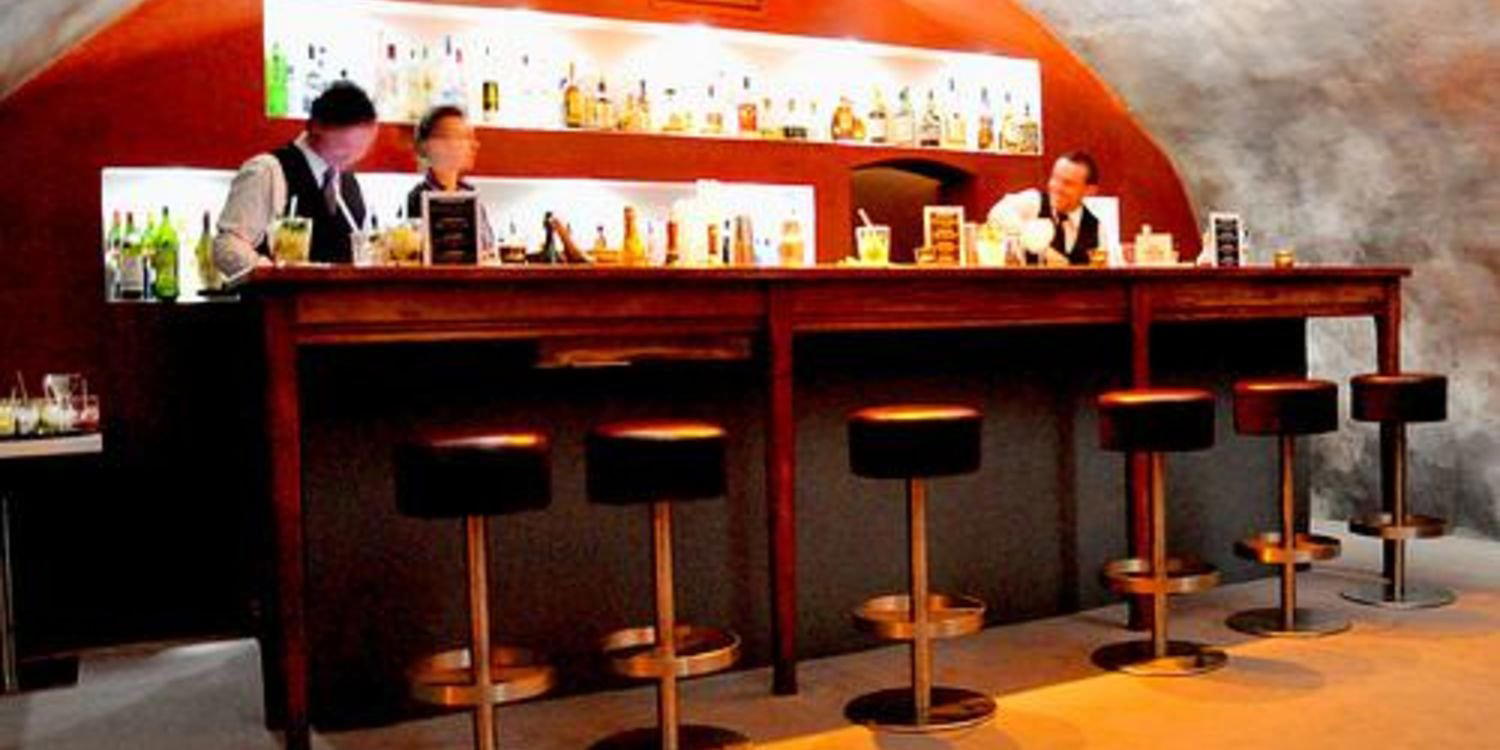
Bars in Aigues-Mortes
Browse all →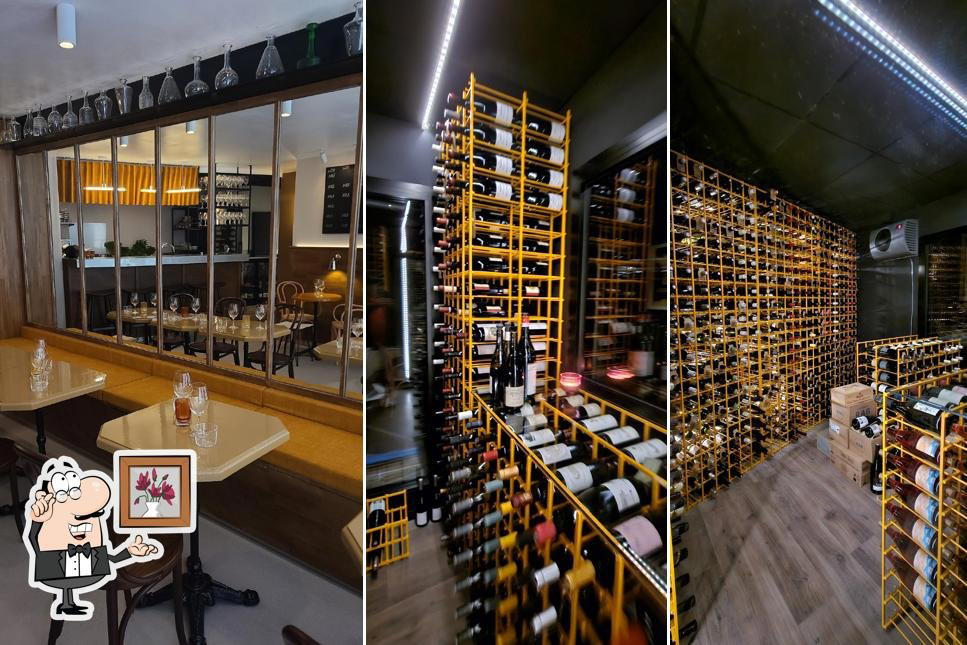
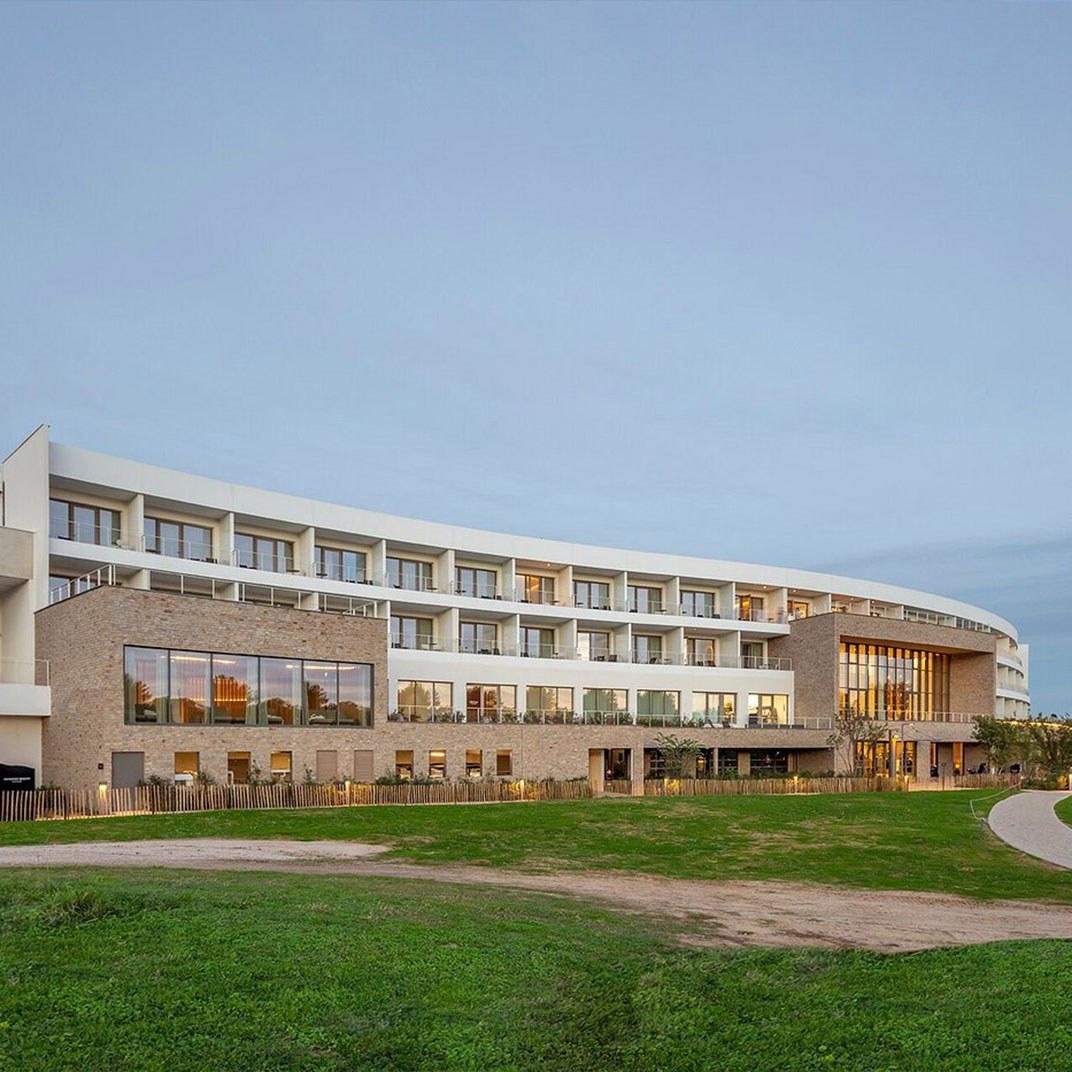
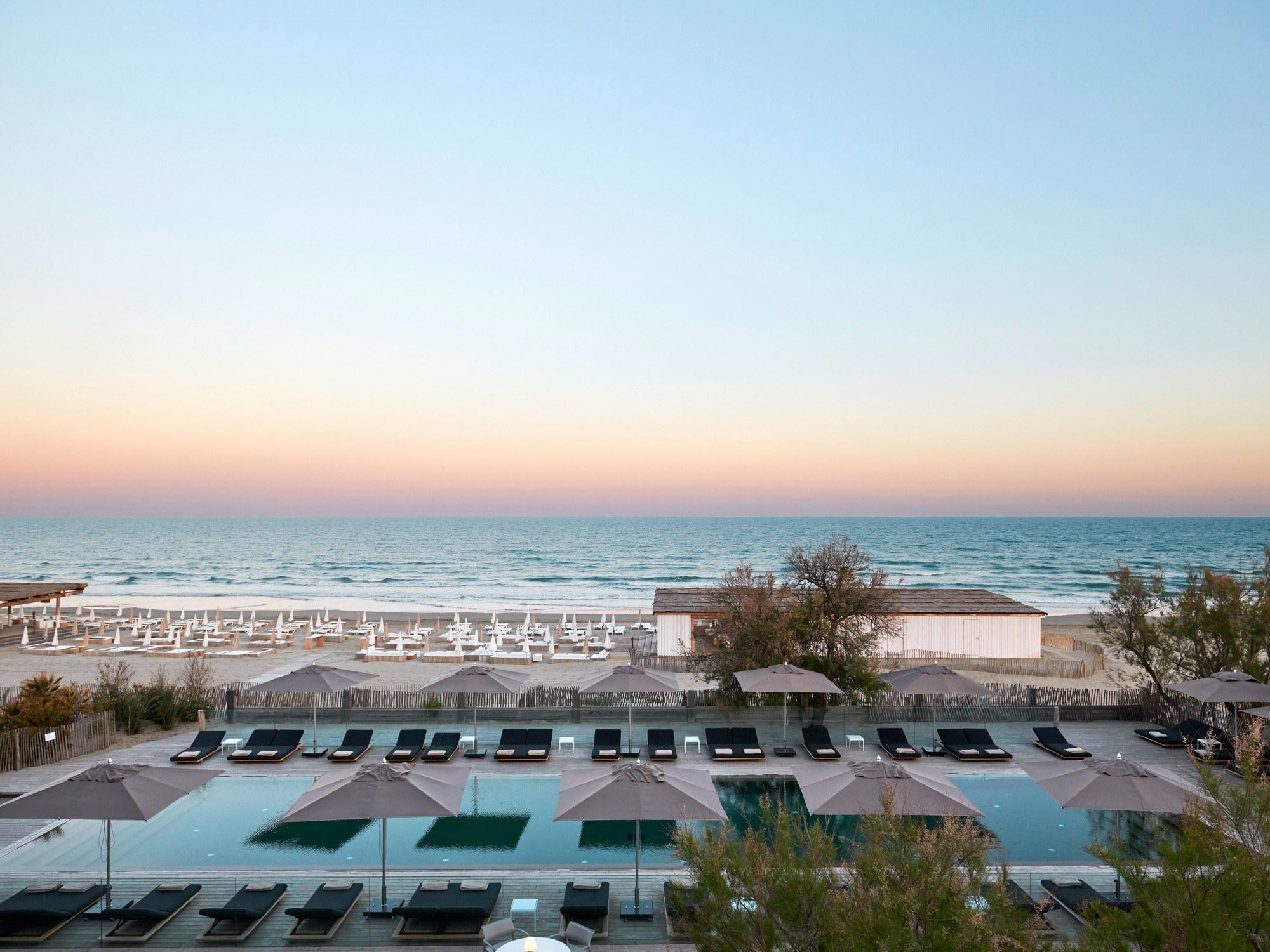
Hotels in Aigues-Mortes
Browse all →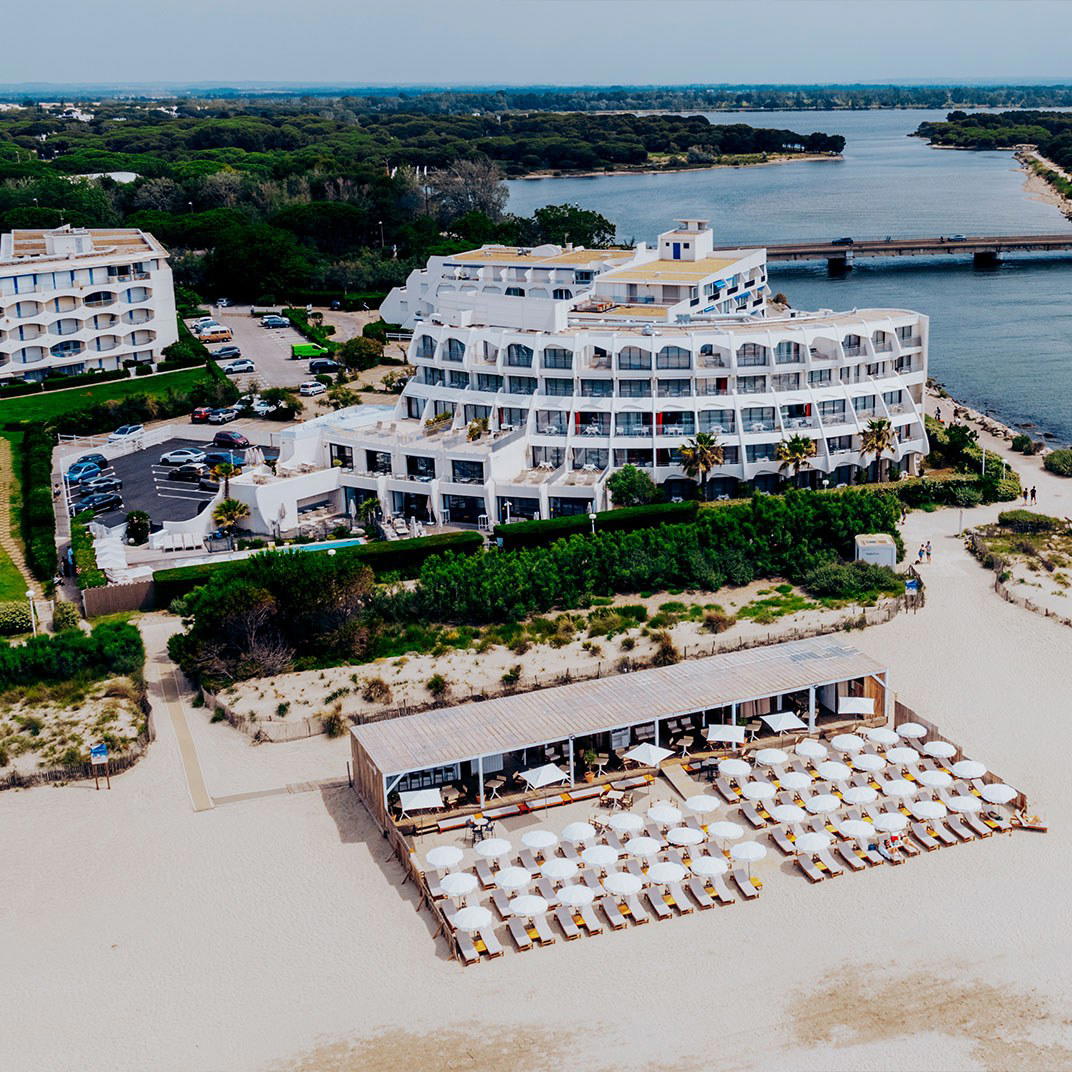

Details
- Bohemian
- Cozy
- Elegant
- Rustic
- Date Night
- Special Occasion
- Waterfront
- Terrace
- Waterfront
- A La Carte
- Vegetarian Friendly
Current opening hours
- Monday
- Closed
- Tuesday
- Closed
- Wednesday
- 12–1:30 PM, 7:15–9:30 PM
- Thursday
- 12–1:30 PM, 7:15–9:30 PM
- Friday
- 12–1:30 PM, 7:15–9:30 PM
- Saturday
- 12–1:30 PM, 7:15–9:30 PM
- Sunday
- 12–1:30 PM
Hours can change for holidays and private events. Last verified .
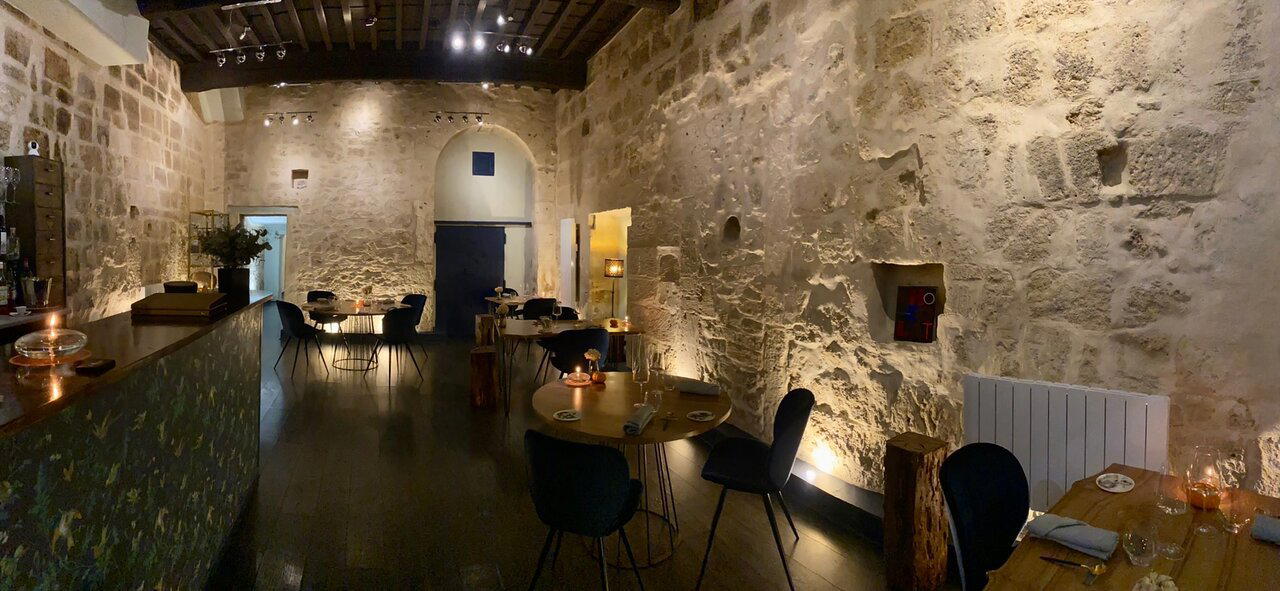
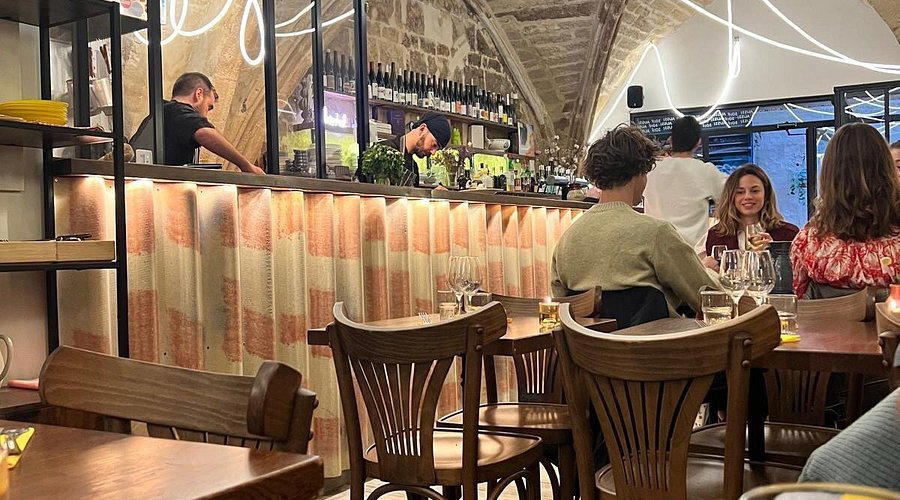
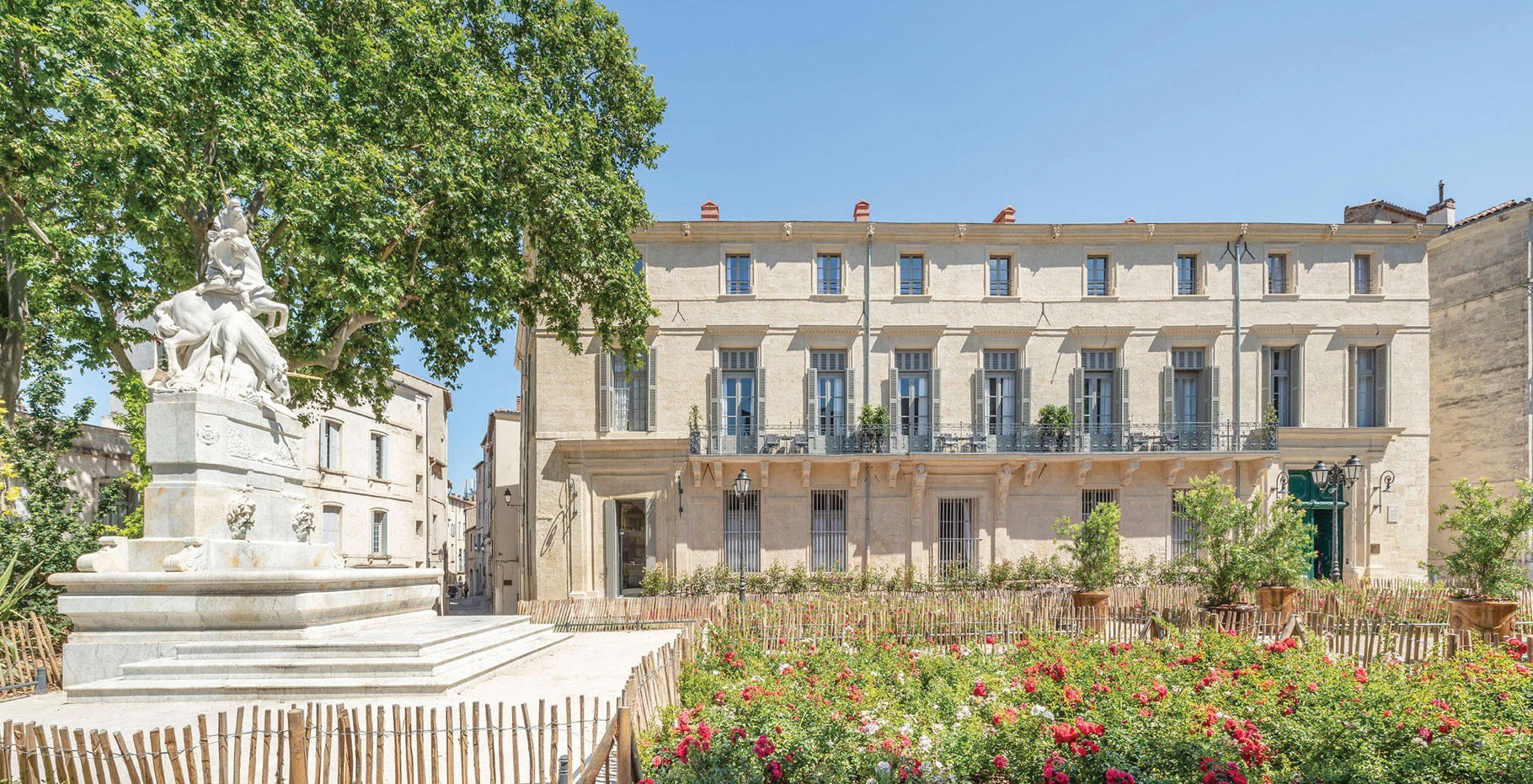
Chic and cozy with natural, soothing decor featuring bamboo, clean lines, and organized vegetation creating an exotic, travel-inspired atmosphere.