BOBOS Hannam

Star Wine List
Our verdict
A multi-format wine and dining destination in Hannam, BOBOS brings together a restaurant, deli, wine bar, and private lounge under one roof, anchored by a collector-grade cellar that shapes everything on the table. In a neighbourhood already dense with international ambition, it occupies a tier where provenance — of wine, produce, and culinary tradition — is the organising principle.

Pearl is the En Primeur Club membership app — saves, bookings, and concierge access live there. Same editors, same standards.
- Address
- 25-12, Daesagwan-ro 31-gil, Yongsan-gu, Seoul
- Directions
- Get directions
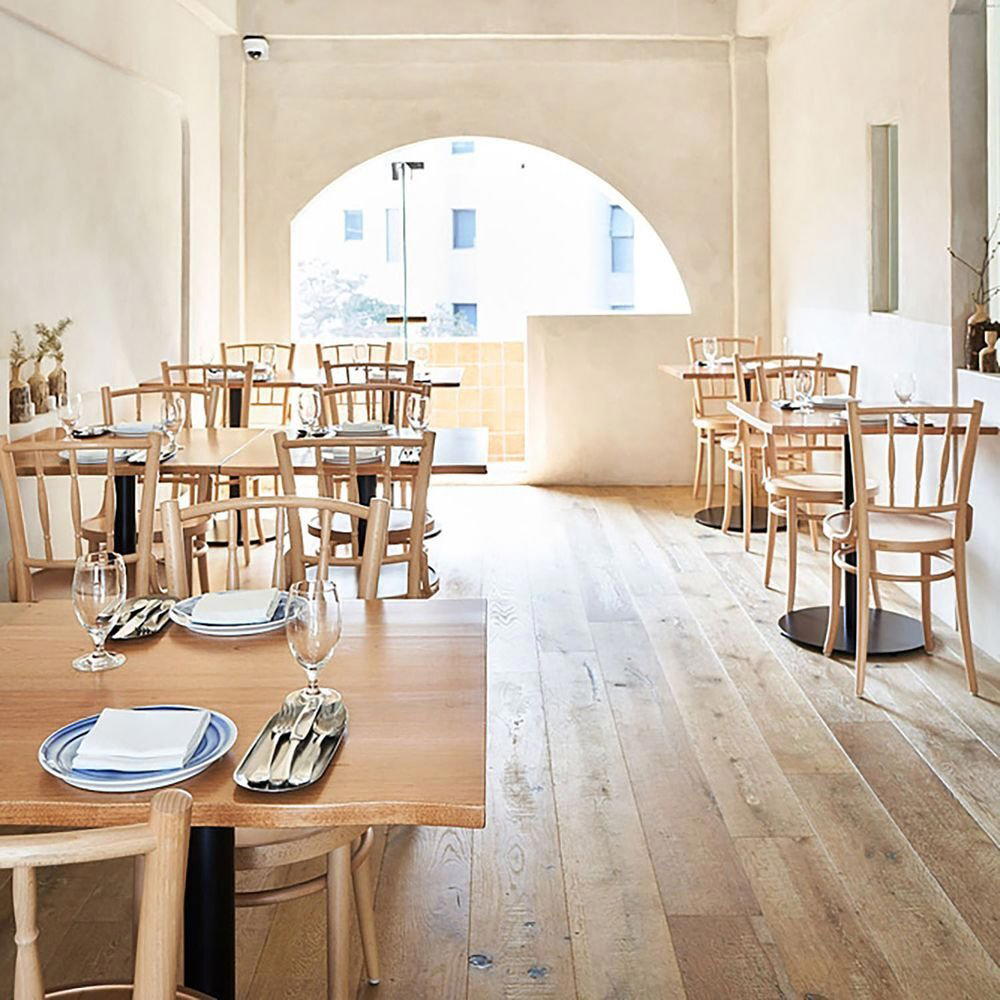
Hannam's Approach to Provenance-Led Dining
Hannam-dong has spent the better part of a decade becoming Seoul's most internationally minded dining corridor. The neighbourhood sits across the Han River from Gangnam's formal restaurant belt, and it has developed a different character: more collector than competitor, more archive than showcase. The streets around Daesagwan-ro attract a clientele that treats a meal as part of a broader cultural practice, which is why venues here tend to build identity around sourcing depth and curatorial point of view rather than theatrical tasting menus alone.
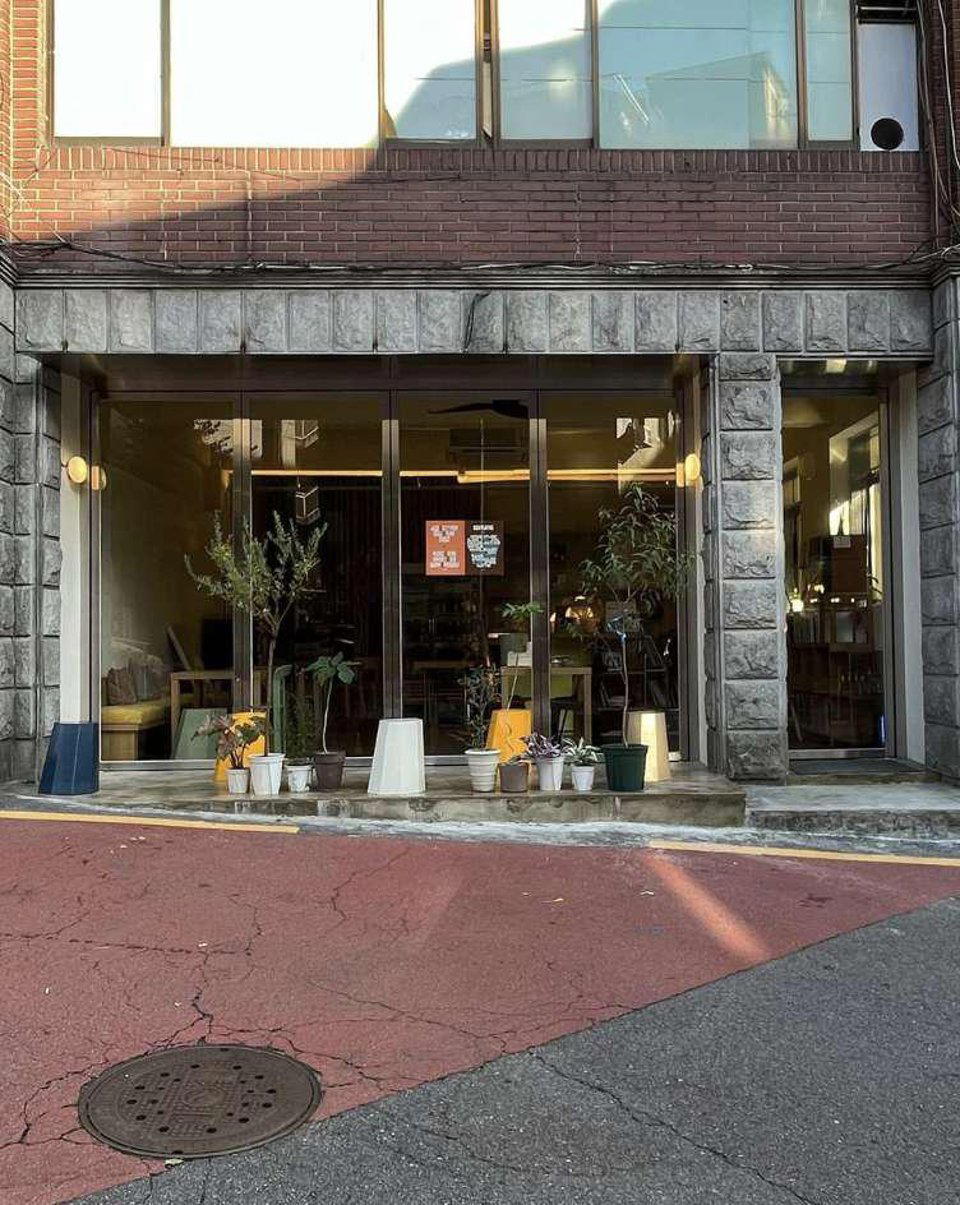
BOBOS Hannam sits inside that logic. The address at 25-12, Daesagwan-ro 31-gil, Yongsan-gu, places it in the residential-commercial pocket that defines this part of Hannam, where buildings are modest from the outside and consistently more considered within. That restraint in facade is a neighbourhood pattern — and it applies here.
What a Collector's Cellar Does to a Menu
Seoul's leading dining tier has bifurcated in the last several years. On one side, a concentration of Michelin-starred tasting rooms — Mingles, Jungsik, Soigné, where the kitchen is the primary curatorial force. On the other, a smaller set of venues where wine and ingredient sourcing carry equal or greater editorial weight than technique alone. BOBOS Hannam belongs to the second group.
The venue is curated by a longtime collector, and that origin matters for understanding what the cellar is doing. Collector-built wine programs differ structurally from sommelier-assembled lists. A collector tends to source around conviction rather than category breadth, which means depth in specific producers and regions rather than horizontal coverage. When that kind of cellar sits behind a restaurant operation, it changes how pairings work, how the kitchen sources to match, and what a guest is effectively buying access to.
This pattern has international precedents, venues like Le Bernardin in New York City have long demonstrated how a program with strong behind-the-scenes conviction reshapes what happens at the table, but in Seoul it remains relatively rare. The more common arrangement at this price and ambition level is a kitchen-first operation with wine as a supporting category. BOBOS inverts that hierarchy, or at least treats both sides as structurally equal.
The Multi-Format Question
Operating a restaurant, deli, wine bar, and private lounge within a single address is a format decision that carries real implications for sourcing. Each channel makes different demands on a supply relationship. A deli requires consistent daily volume from producers. A restaurant counter allows for tighter, more seasonal sourcing that changes with availability. A wine bar supports by-the-glass exploration of the cellar in a lower-commitment format. A private lounge enables the kind of extended, high-context hospitality that a public dining room cannot replicate.
When all four operate under coordinated ownership, sourcing can be consolidated. The same producer relationships that supply the restaurant's kitchen can feed the deli counter. The same cellar that anchors the private lounge can be accessed at more accessible entry points through the wine bar. This integration is precisely what makes the multi-format model more than a diversification strategy, it becomes a way of deepening the provenance chain across every guest interaction. For comparison, consider how alla prima in Seoul operates within a more focused single-format frame; the contrast helps clarify what the broader BOBOS model is attempting.
Seoul has other venues experimenting with format expansion. Kwonsooksoo and its related address 권숙수 in Gangnam-gu operate within the Korean fine-dining tradition across slightly different contexts. Beyond Seoul, regional peers like Mori in Busan and Double T Dining in Gangneung show how format-specific ambition is spreading across South Korean dining more broadly. BOBOS occupies a specific niche within this national conversation: the collector-anchored multi-format model in an urban neighbourhood context.
Ingredient Sourcing as Editorial Point of View
The word provenance gets used loosely in food writing, but it has a specific meaning in practice. It refers to the traceable chain between a producer and a plate, the farm, the region, the handling method, the seasonal moment. Venues that take sourcing seriously as a curatorial act tend to show it in a few ways: shorter menus that change frequently, explicit producer references either on the menu or in conversation, and a kitchen that treats supply relationships as a form of intellectual investment rather than operational logistics.
In the Korean dining context, sourcing often connects to regional agricultural tradition, produce and proteins tied to specific provinces, fermentation methods that rely on local microbial environments, seafood with direct coastal supply chains. How that tradition intersects with a collector-led, internationally oriented wine program is one of the more interesting structural questions a venue like BOBOS poses. The answer isn't always resolved elegantly, but the tension itself is generative: it pushes both the kitchen and the cellar toward specificity rather than generic luxury.
For guests who track where food comes from as part of their dining practice, this is a venue worth approaching with that frame active. The deli format, in particular, offers a lower-stakes entry point for testing sourcing claims, what appears on a counter daily reflects supply relationships more transparently than a composed tasting menu, where technique can obscure ingredient quality.
Where BOBOS Sits in Seoul's Dining Conversation
Seoul's premium dining scene now extends well beyond the traditional Gangnam axis. Hannam, Itaewon, and the streets connecting them have generated a cluster of venues that each occupy distinct positions in the city's broader food conversation. alla prima operates in the innovative register. Soigné pursues a chef-driven contemporary format. Zero Complex and venues like Eatanic Garden work the boundary between Korean identity and international technique. BOBOS sits in a different category: the collector-as-curator model, where the organising intelligence is as much about wine and sourcing as about kitchen output.
The most useful comparisons are not necessarily other Seoul restaurants but venues internationally that have built around collector-grade cellars and multi-format hospitality, operations in London, Paris, and Tokyo where the dining experience functions partly as an access mechanism for a private collection made semi-public. In that global frame, BOBOS represents something genuinely specific to Seoul's current moment: a city confident enough in its dining culture to support venues where the proposition is curatorial rather than purely performative.
Planning a Visit
BOBOS Hannam is located at 25-12, Daesagwan-ro 31-gil, Yongsan-gu, a short distance from Hangangjin station on Line 6, which connects easily to central Seoul. The multi-format structure means arrival time and intended experience type should inform how you approach the booking. The private lounge and restaurant components are likely to require advance planning, particularly for groups. The wine bar and deli offer more spontaneous access points into the same provenance-led proposition.
For broader Seoul dining context, our full Seoul restaurants guide maps the current field across price tiers and cuisine types. For accommodation and broader city planning, our Seoul hotels guide, bars guide, and experiences guide cover the full picture. Regional dining worth pairing with a Seoul trip includes Baegyangsa Temple in Jangseong-gun, The Flying Hog in Seogwipo, and Pool House in Incheon, each representing a different dimension of South Korea's current food moment. For those interested in how New Orleans compares as a multi-format hospitality model, Emeril's in New Orleans provides an instructive international reference point.
Frequently asked questions
Is BOBOS Hannam award-winning?
BOBOS Hannam has received recognition including: BOBOS Hannam is a multi-dimensional dining and wine destination in Seoul, curated by a longtime collector with an enviable cellar. Comprising a restaurant, deli, wine bar and private lounge, the venue....
What part of town is BOBOS Hannam in?
BOBOS Hannam is located at 25-12, Daesagwan-ro 31-gil, Yongsan-gu, Seoul, Seoul.
What do regulars order at BOBOS Hannam?
The cellar is the throughline for most regular visits — the wine bar format means guests can build a meal around bottles rather than courses. The deli component also draws repeat visitors for daytime sourcing, separate from the full restaurant experience. Because BOBOS operates across four formats under one address in Yongsan-gu, regulars tend to move between them depending on the occasion.
How hard is it to get a table at BOBOS Hannam?
Specific booking lead times are not published, but the private lounge component at BOBOS Hannam signals a reservation-dependent model for at least part of the operation. The Hannam-dong corridor has tightened considerably for dinner seatings across the board, so contacting the venue directly ahead of any planned visit is advisable. The multi-format layout does mean the wine bar may offer more walk-in flexibility than the main restaurant.
What is BOBOS Hannam known for?
BOBOS Hannam is a multi-dimensional dining and wine destination in Seoul, built around a cellar curated by a longtime collector. The venue operates a restaurant, deli, wine bar, and private lounge at a single address in Hannam-dong — a format that sets it apart from Seoul's Michelin-starred tasting room circuit. That collector provenance shapes the wine program in ways a purely hospitality-driven operation typically does not.
Can BOBOS Hannam adjust for dietary needs?
No specific dietary accommodation policy is documented for BOBOS Hannam. Venues operating a deli alongside a full restaurant generally maintain enough sourcing flexibility to address common dietary requests, but confirming directly with the team at their Daesagwan-ro 31-gil address before visiting is the reliable approach.
Does BOBOS Hannam's wine program differ from a standard restaurant list?
Yes — the cellar at BOBOS Hannam was assembled by a longtime private collector before becoming the backbone of a public-facing wine destination, which means the selection reflects personal acquisition over years rather than a standard distributor relationship. That distinction matters in Seoul's premium dining scene, where collector-origin cellars remain rare even among the city's top addresses. The wine bar format allows guests to access that cellar outside of a full tasting-menu commitment.
How It Stacks Up
Comparable venues nearby, for context on price, style, and recognition.
| Venue | Cuisine | Price | Awards | Notes |
|---|---|---|---|---|
| BOBOS HannamThis venue — the venue you are viewing | Underground Bar | Not listed | Star Wine List | Not listed |
| 태조감자국 | Traditional Korean Gamjatang | $10–20 | Not listed | Dongseon-dong / Seongbuk-gu |
| MapleTree House | Korean BBQ | $30–50 | Not listed | 이태원동 |
| Wonhalmae Somunnan Wonjo Dakhanmari | Traditional Korean Dakhanmari | $10–20 | Not listed | Dongdaemun |
| Yeongdong Pochana | Authentic Thai Street Food | $30–50 | Star Wine List | 압구정동 |
Recognition history
Dated appearances from independent guides and award organizations, with the underlying list record or original source where available.
Star Wine List
Star Wine List
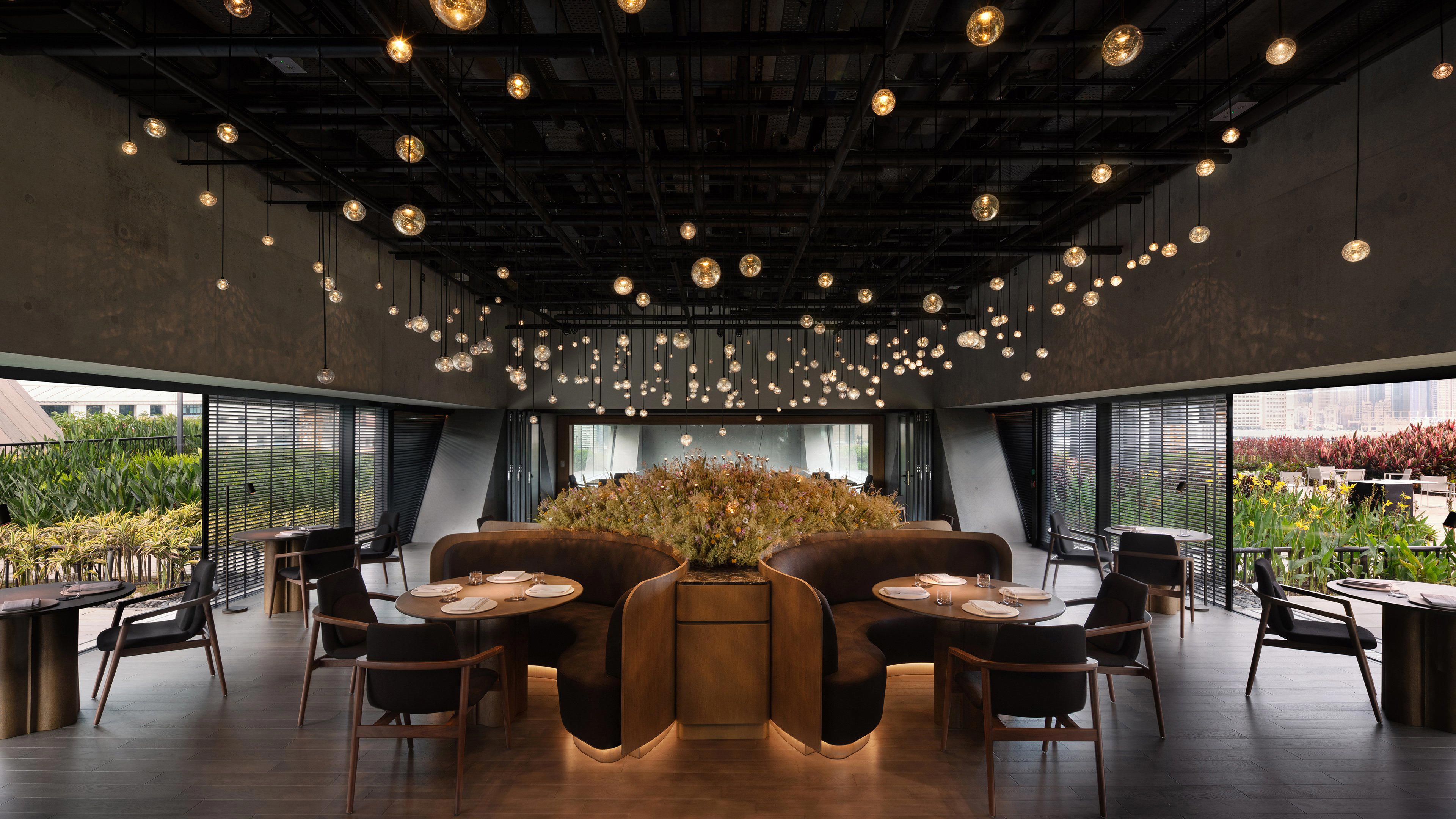
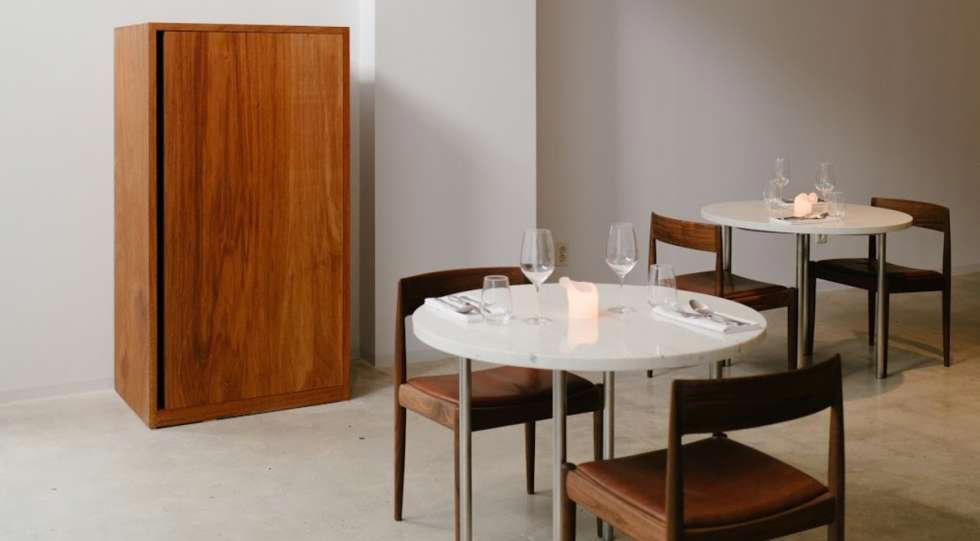
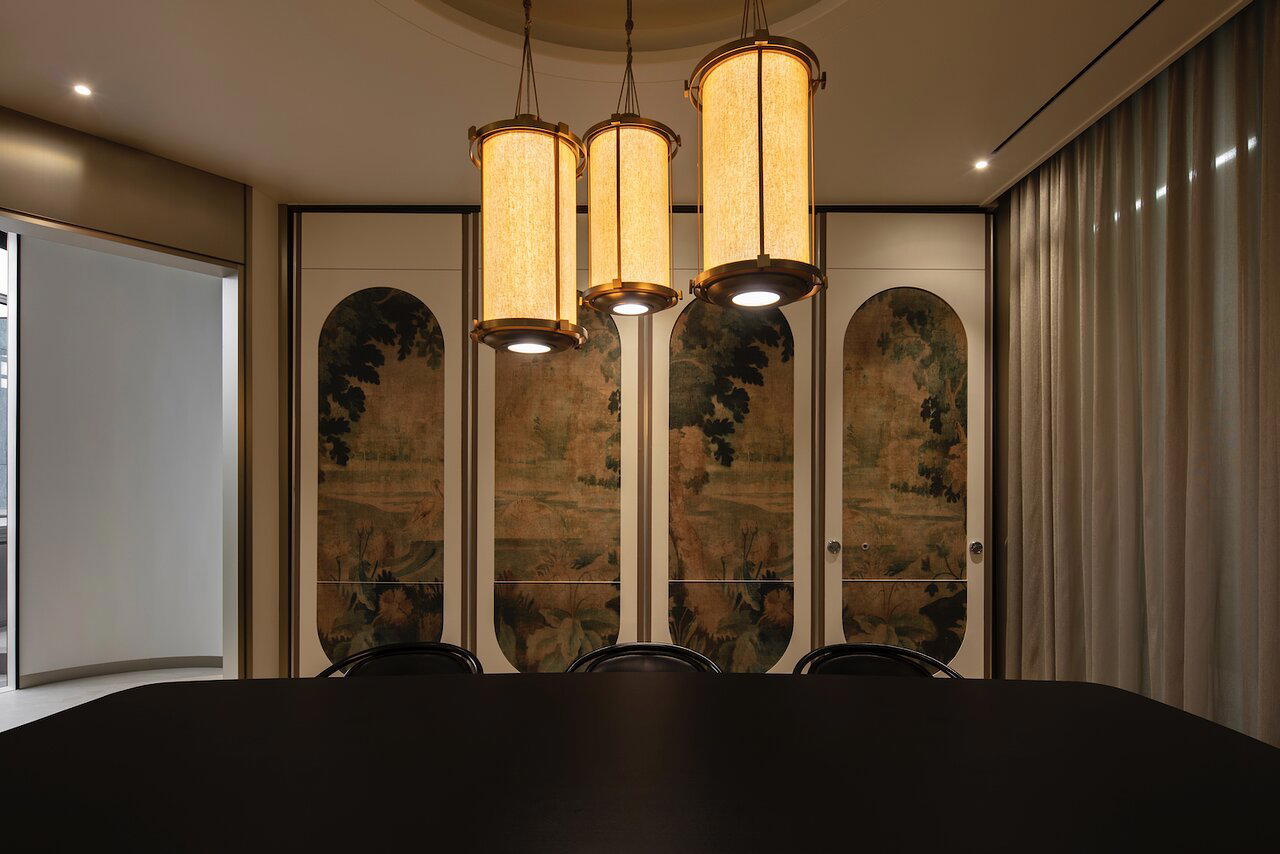
Details
- Cozy
- Intimate
- Classic
- Casual Hangout
- After Work
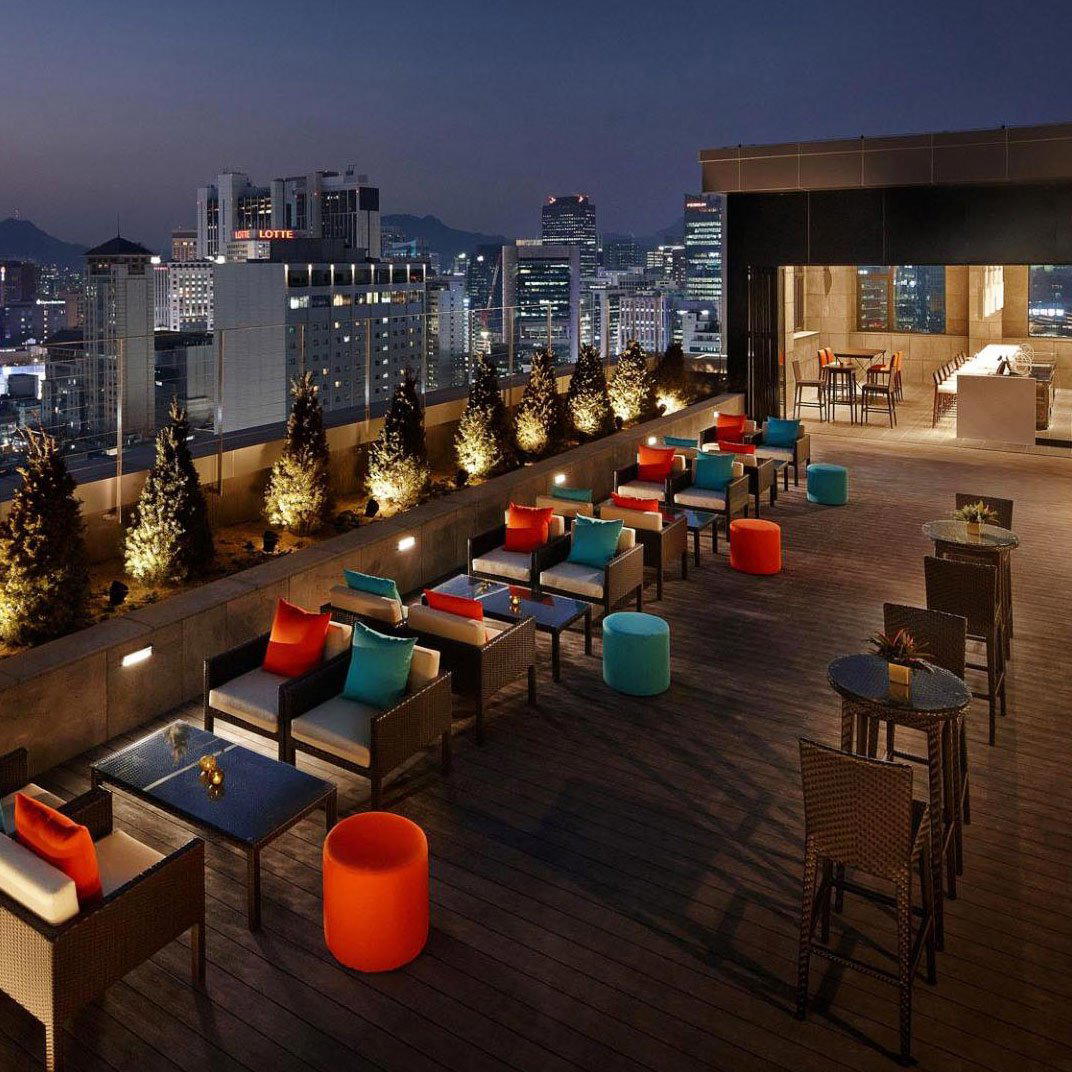
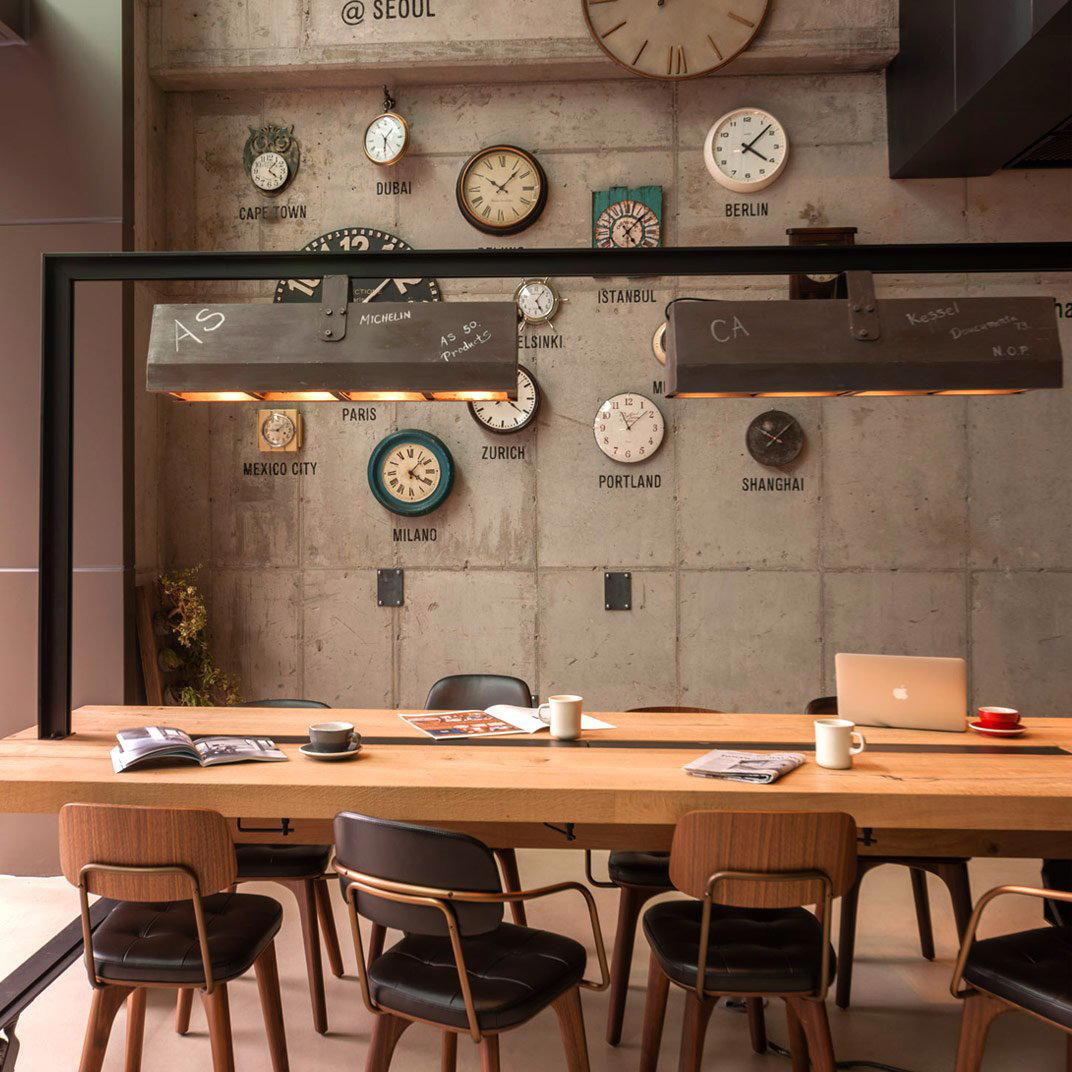
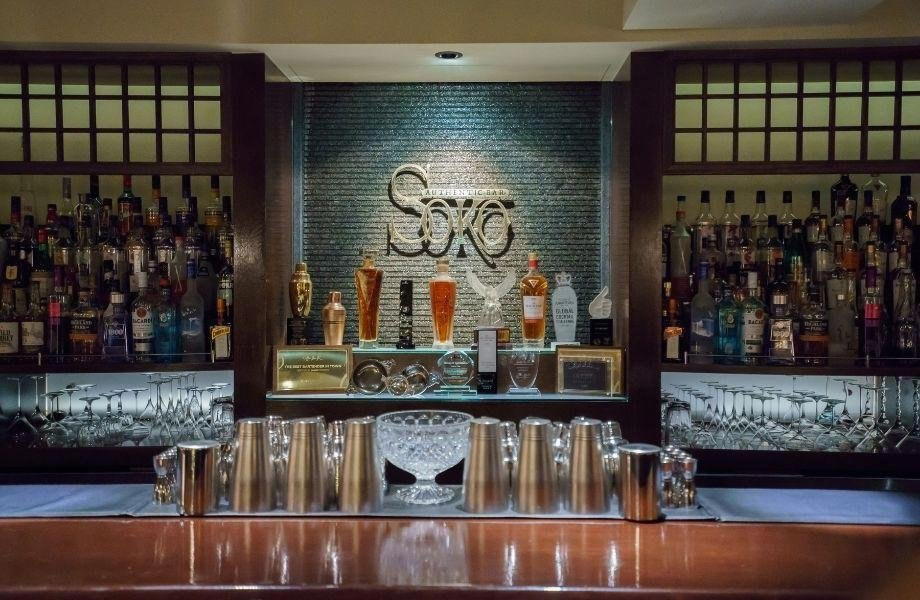
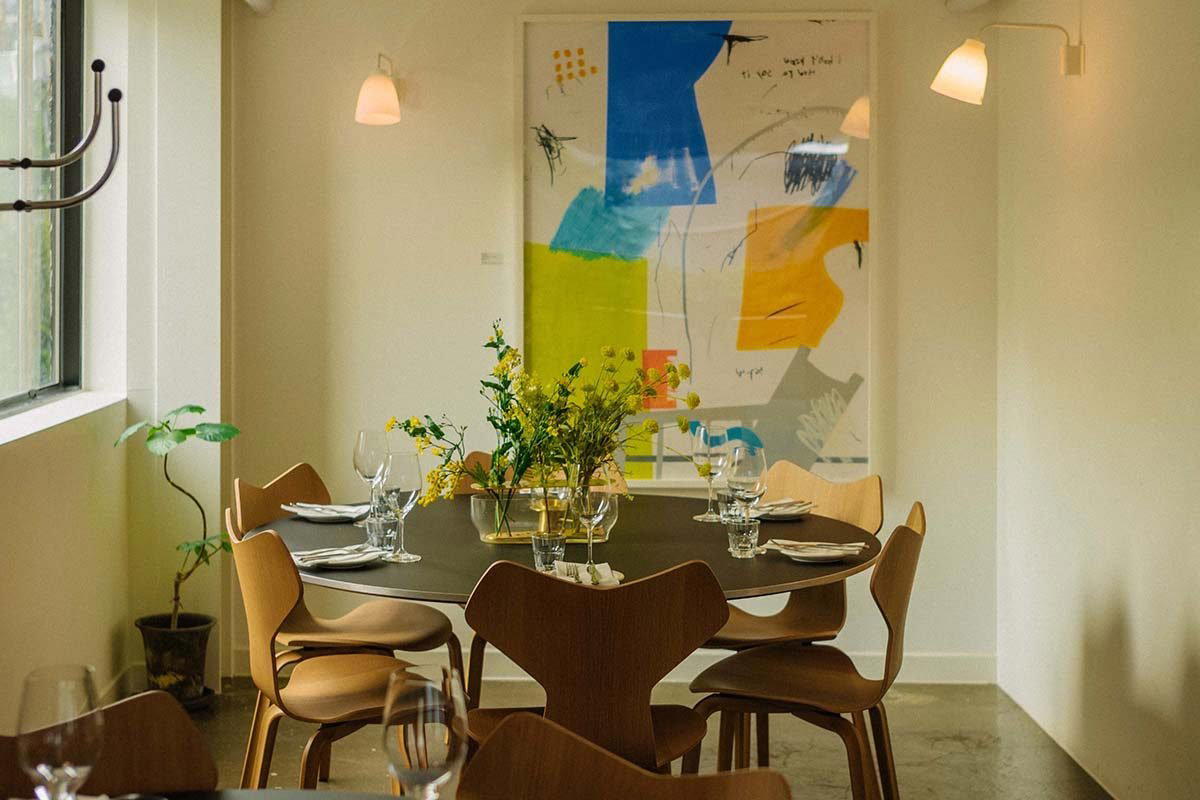
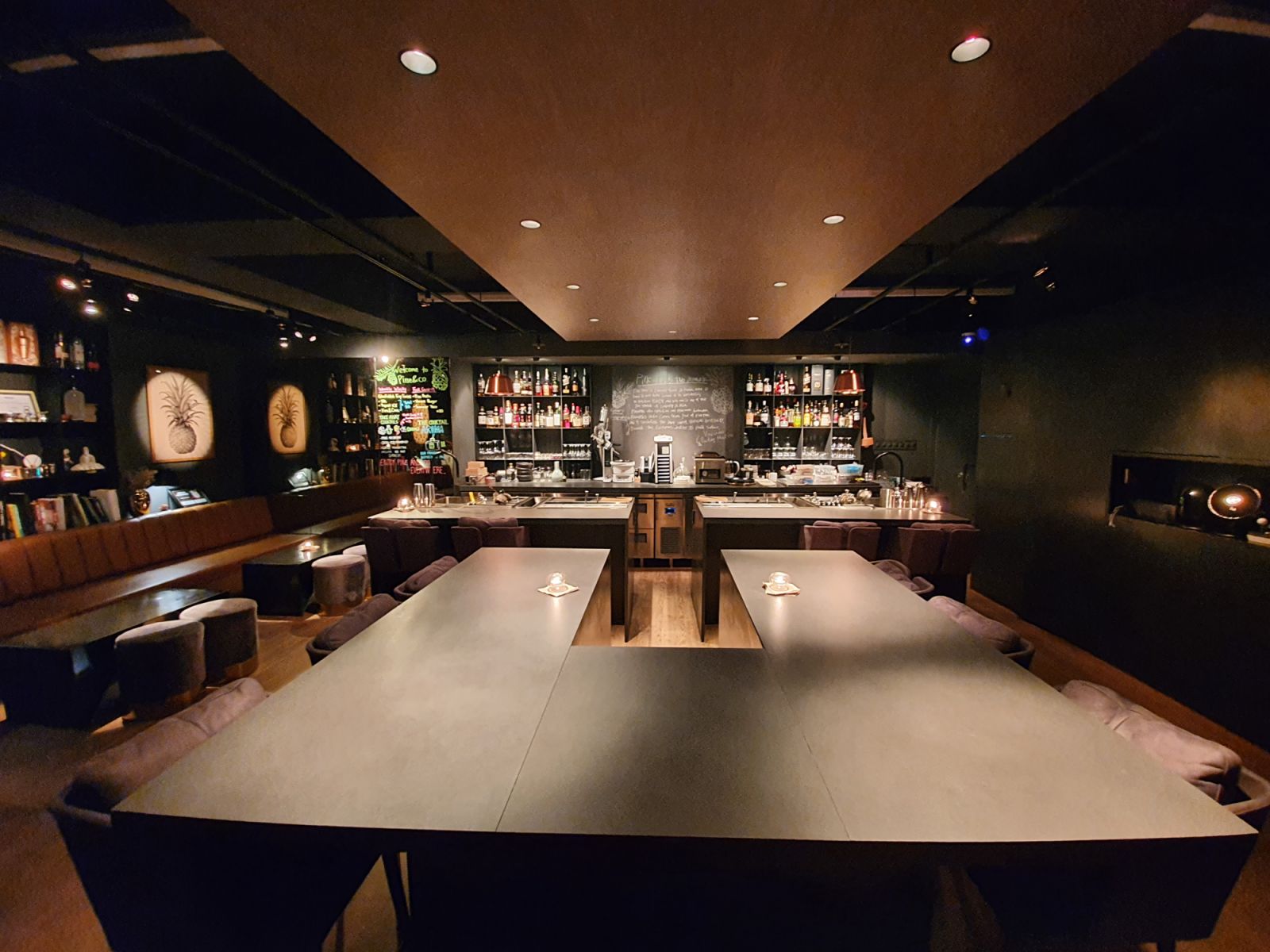
Dimly lit underground setting with a speakeasy aesthetic that creates an uplifted, intoxicating atmosphere.