Blue Dragon
Blue Dragon sits in Jeju-si, a city where restaurant value often begins with the island’s raw materials: seafood from surrounding waters, pork from local farms, and produce shaped by volcanic soil and wind. With no public awards or chef-led tasting format attached, it reads less as a trophy booking than as a Jeju dining stop to judge through sourcing, setting, and fit within the city’s everyday restaurant circuit.
Pearl is the En Primeur Club membership app — saves, bookings, and concierge access live there. Same editors, same standards.
- Address
- South Korea, Jeju-do, Jeju-si, 특별자치도, 12 Noyeon-ro
- Phone
- +82 64-907-1234
- Website
- jejudreamtower.com
- Directions
- Get directions
 Saves & bookings on Pearl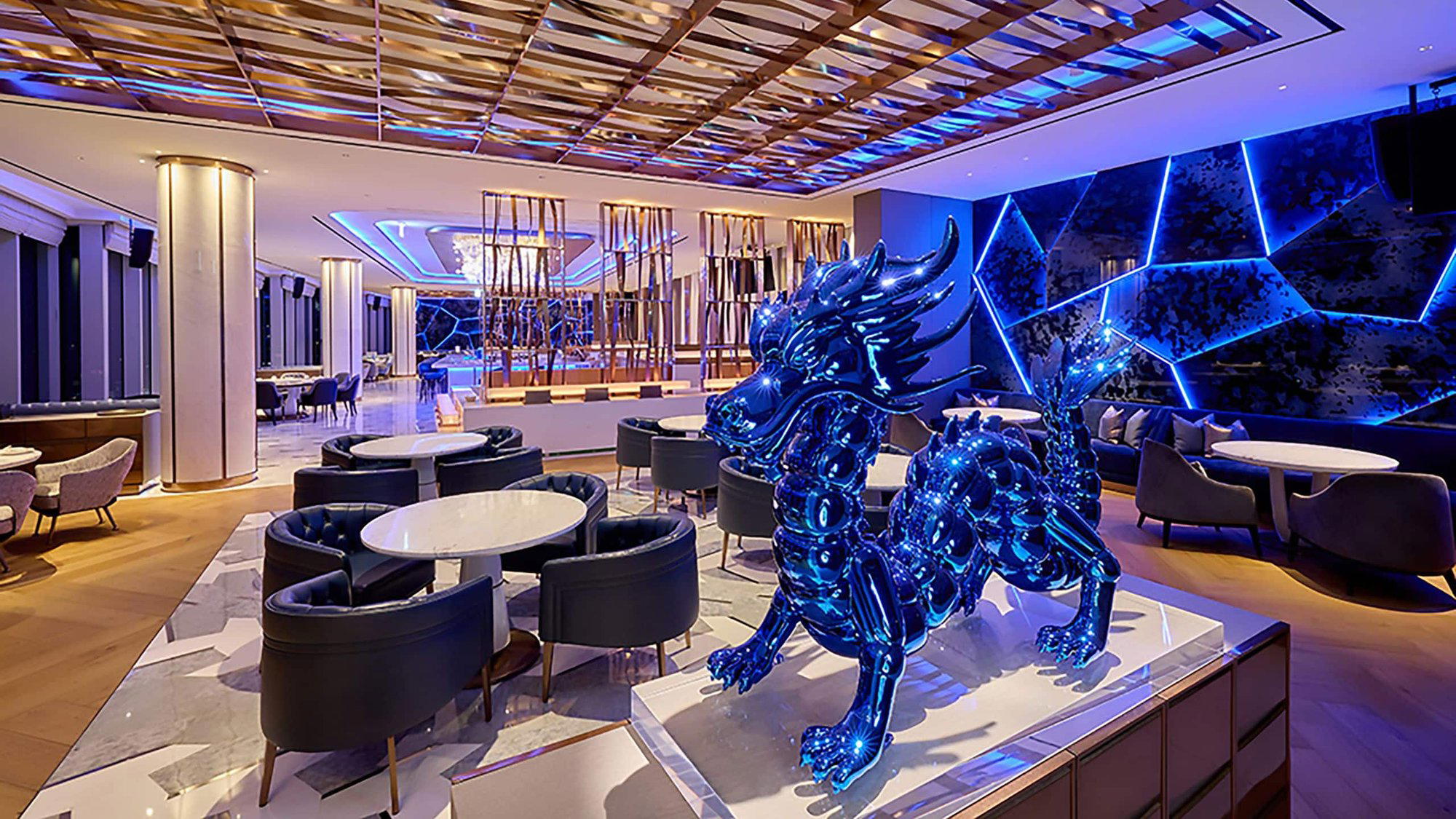
Jeju-si dining starts before the table: sea air, traffic moving between airport hotels and local neighborhoods, and restaurants that draw their identity from the island’s compact supply chain. Blue Dragon belongs to that practical urban side of Jeju, where the question is not ceremony but what the kitchen does with access to seafood, pork, greens, and seasonings that travel shorter distances than they would on the mainland.
Jeju ingredients matter more than restaurant theatre
On Jeju, sourcing is not a decorative claim. The island’s food culture has been shaped by geography: surrounding fishing grounds, black pork as a regional marker, citrus orchards, hardy vegetables, and a habit of direct, unfussy eating. In that context, Blue Dragon is better read through the Jeju-si restaurant pattern than through the language of metropolitan fine dining.
That distinction matters for travelers. Seoul dining can reward advance planning around chef counters, tasting menus, and trophy reservations; Jeju more often rewards knowing which meal should be built around local product and which should simply be convenient within the city. Blue Dragon sits in Jeju-si rather than the resort-heavy south, which places it closer to the island’s transport spine and urban dining rhythm. Readers mapping a broader circuit can compare it against nearby listings such as Korean BBQ Restaurant and Yumeyama, both useful reference points for how Jeju-si splits between Korean grill traditions and more Japan-influenced formats.
Ingredient sourcing also explains why Jeju restaurant choices should be separated by meal type. Black pork has its own gravitational pull, especially for groups who want smoke, soju, and a longer table session; seafood-led meals tend to depend more on freshness and turnover; casual city restaurants often serve as anchors between excursions rather than destination dinners. For black-pork context outside Jeju-si, Black Pork BBQ in Seogwipo and the broader Seogwipo market circuit show how the island’s southern dining energy differs from the capital’s more logistical restaurant map.
How Blue Dragon fits a Jeju-si dining day
The city’s restaurant scene is often shaped by timing. Arrivals and departures compress meals around Jeju International Airport, while longer stays push diners toward coastal drives, market stops, and hotel-zone dinners. The restaurant’s Jeju-si location makes it part of that first category: a city meal that can slot into a tighter itinerary without requiring a cross-island detour. That is a practical advantage in Jeju, where the difference between a short taxi ride and a scenic drive can change the whole evening.
For travelers building a full Jeju plan, the surrounding editorial map matters as much as any single restaurant. The full Jeju-si restaurants guide is the right starting point for comparing formats within the city, while the Jeju-si hotels guide helps decide whether dinner should stay close to lodging or justify a longer transfer. Drinking and after-dinner planning belong in the Jeju-si bars guide; broader island programming sits in the Jeju-si experiences guide. Wine-focused travelers will find the Jeju-si wineries guide more useful for context than for restaurant pairing assumptions.
Within South Korea, Jeju also deserves comparison beyond the island. A cold-noodle specialist such as 100.1. Pyeongnaeng in Busan reflects a mainland tradition built on broth clarity and temperature discipline, while 10G in Seoul speaks to the capital’s denser, more format-driven dining culture. Jeju-si works differently. It is more dependent on movement, weather, and local ingredient cycles, which is why a restaurant like Blue Dragon should be judged by how well it serves the meal in front of the traveler rather than by absent ceremony.
Use it as part of a wider Korean food itinerary
The restaurant is not attached to public Michelin recognition, a named chef, or a documented signature dish, so it should not be approached as a trophy reservation. Its value lies in the way it can support a Jeju food itinerary that also includes pork, seafood, market eating, hotel dining, and coastal stops. That makes it a flexible Jeju-si address rather than a standalone reason to cross the island.
For readers extending the trip, the comparison set can stretch from casual Korean city dining to temple food and overseas Korean-Japanese hybrids. 88돼지 in 제주시 keeps the focus local, while ART CORDELIA in Seogwipo-si and Badang Lounge in Jeju point to other island moods. Further afield, Abbeyroad in Sokcho-si, Baegyangsa Temple in Jangseong-gun, Jōdo Saké Bar in Los Angeles, and Onigiri Time in Pasadena show how Korean and Japanese dining references travel across regions and formats. Confetti adds another point of contrast for readers sorting restaurant style by occasion rather than cuisine label alone.
The clear editorial read is this: the restaurant suits travelers who want a Jeju-si meal grounded in the island’s everyday restaurant geography, not a heavily signposted fine-dining event. In a destination where sourcing, timing, and location often decide the success of dinner, that can be the more useful role.
Snapshot
Comparable venues by cuisine and price in the same metro.
| Venue | Cuisine |
|---|---|
| Blue Dragon | This venue |
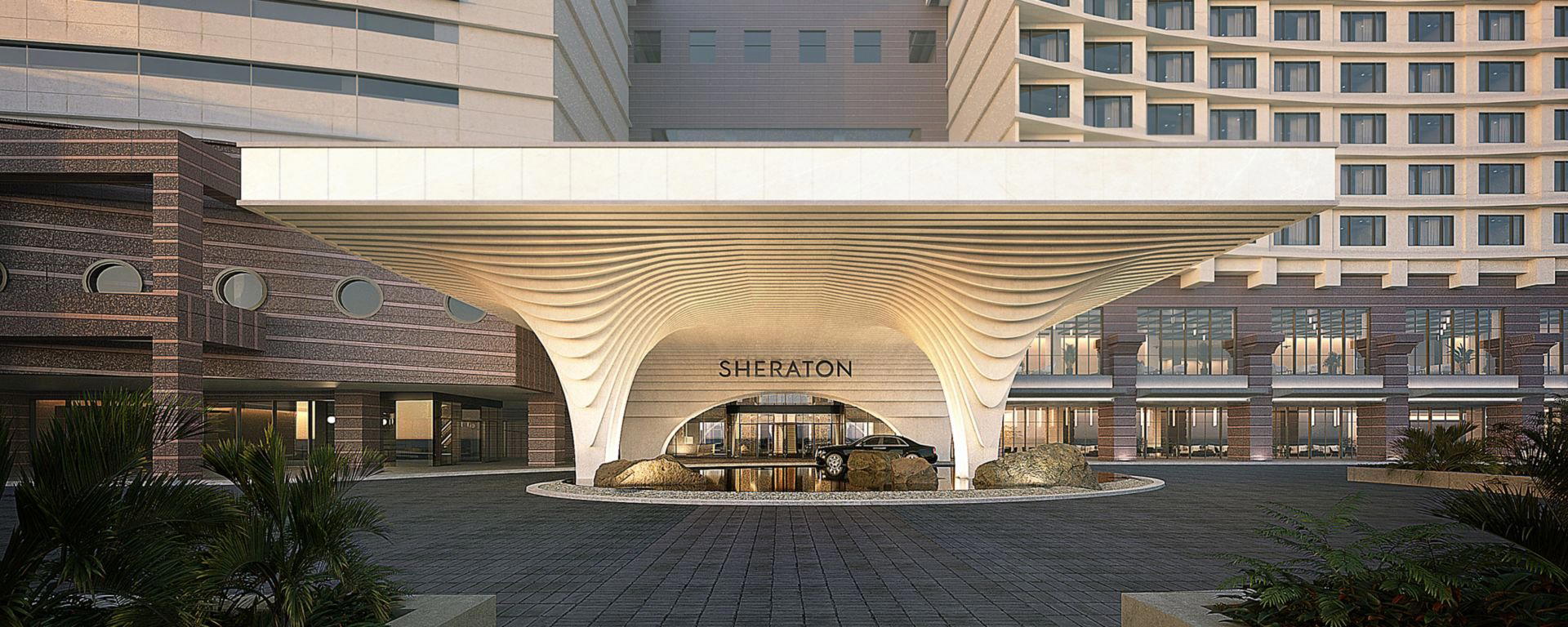
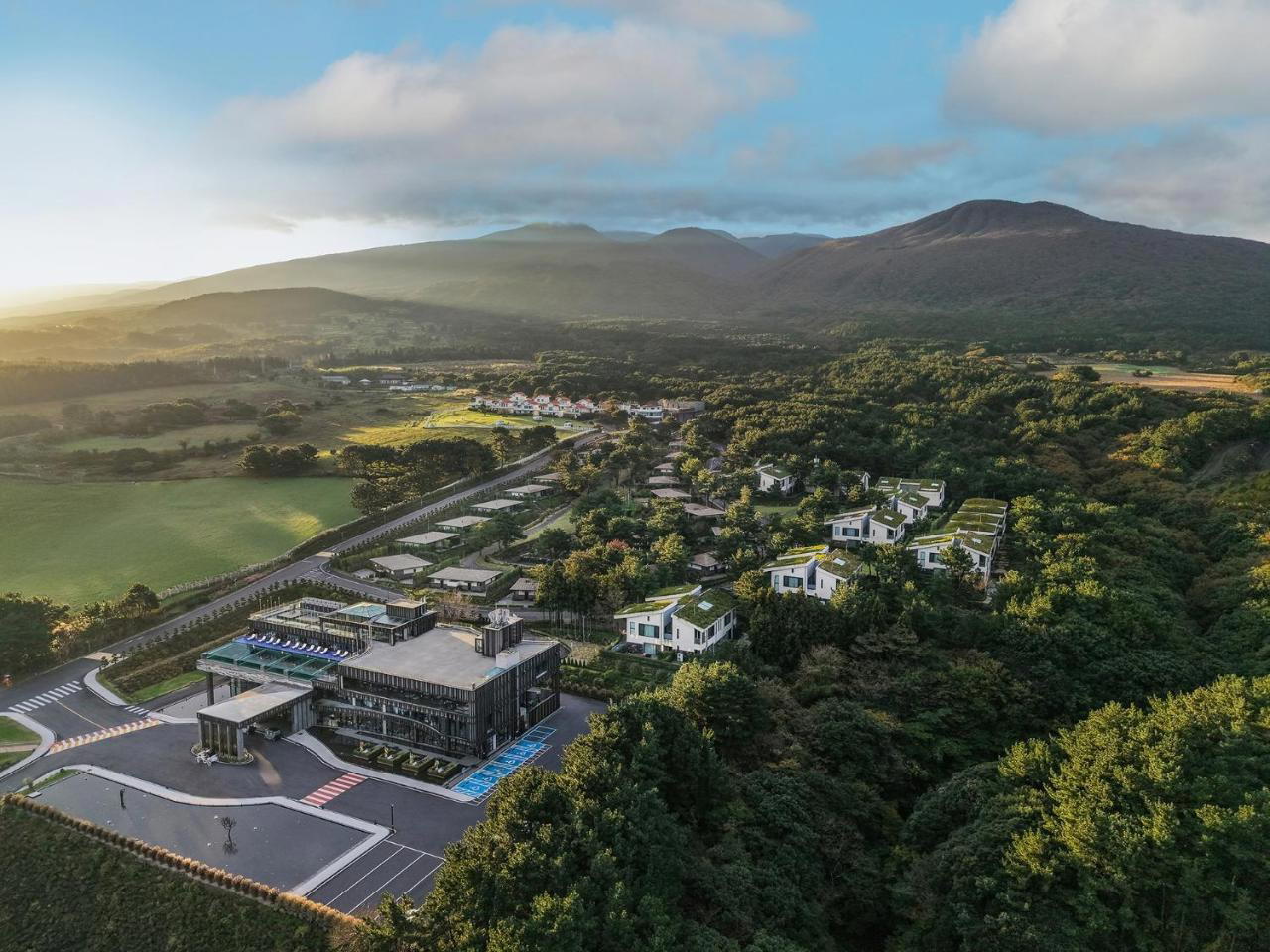
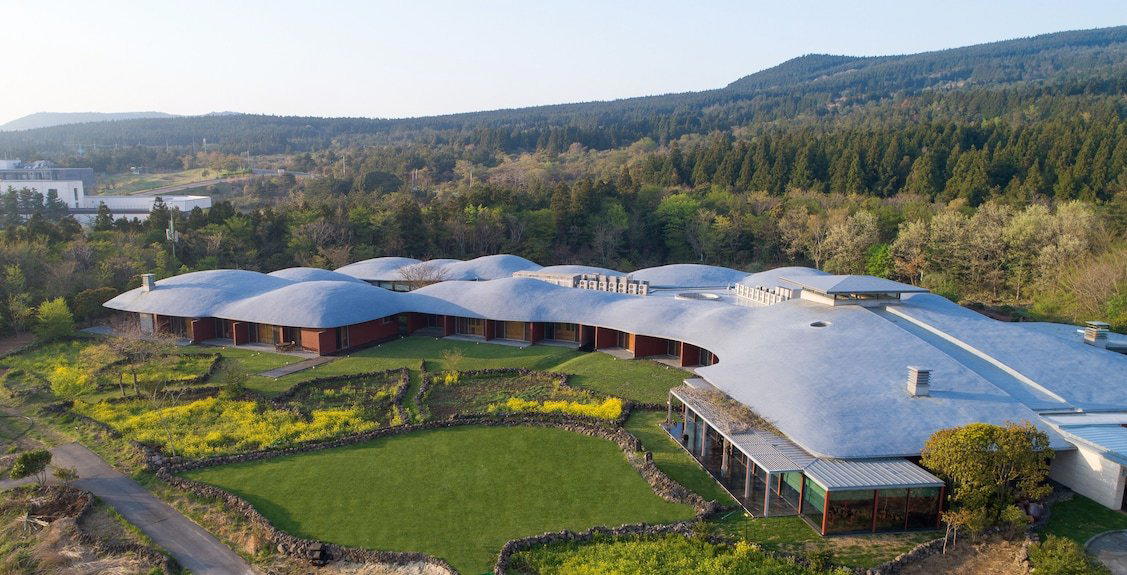
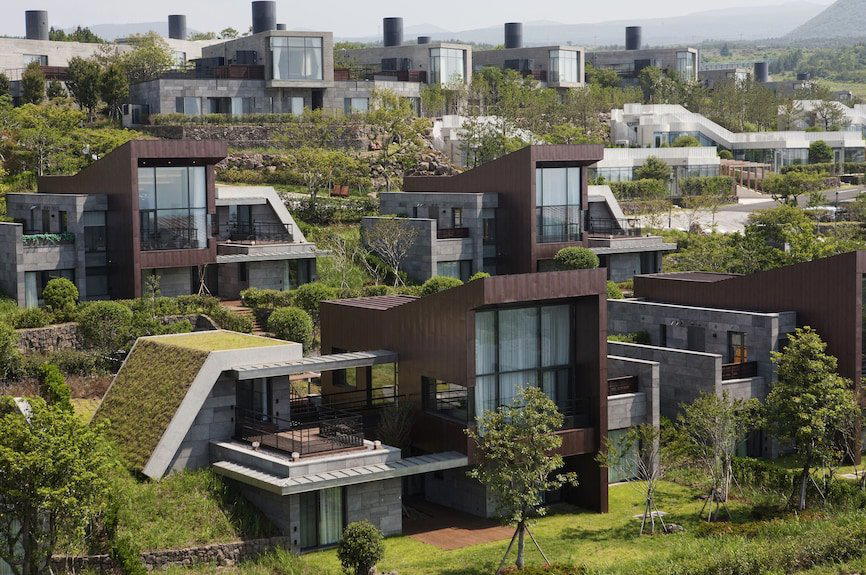
At a Glance
- Modern
- Scenic
- Elegant
- Sophisticated
- Date Night
- Business Dinner
- Group Dining
- Celebration
- Special Occasion
- Panoramic View
- Rooftop
- Hotel Restaurant
- Design Destination
- Local Sourcing
- Skyline
- Mountain
Current opening hours
- Monday
- 5–10 PM
- Tuesday
- Closed
- Wednesday
- Closed
- Thursday
- 5–10 PM
- Friday
- 5–10 PM
- Saturday
- 5–10 PM
- Sunday
- 5–10 PM
Hours can change for holidays and private events. Last verified .
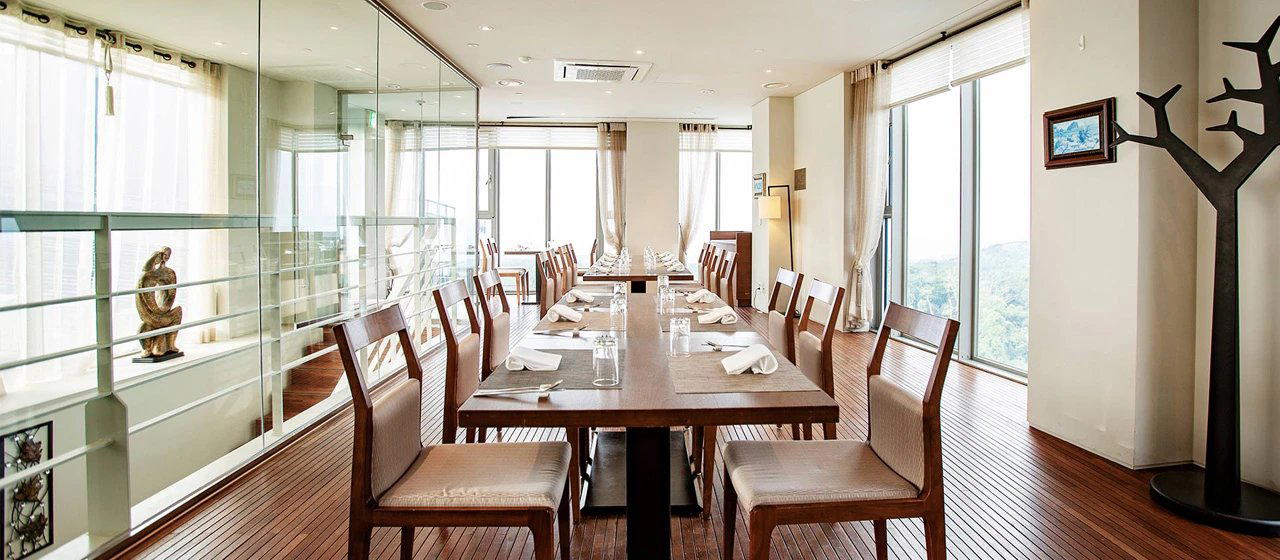
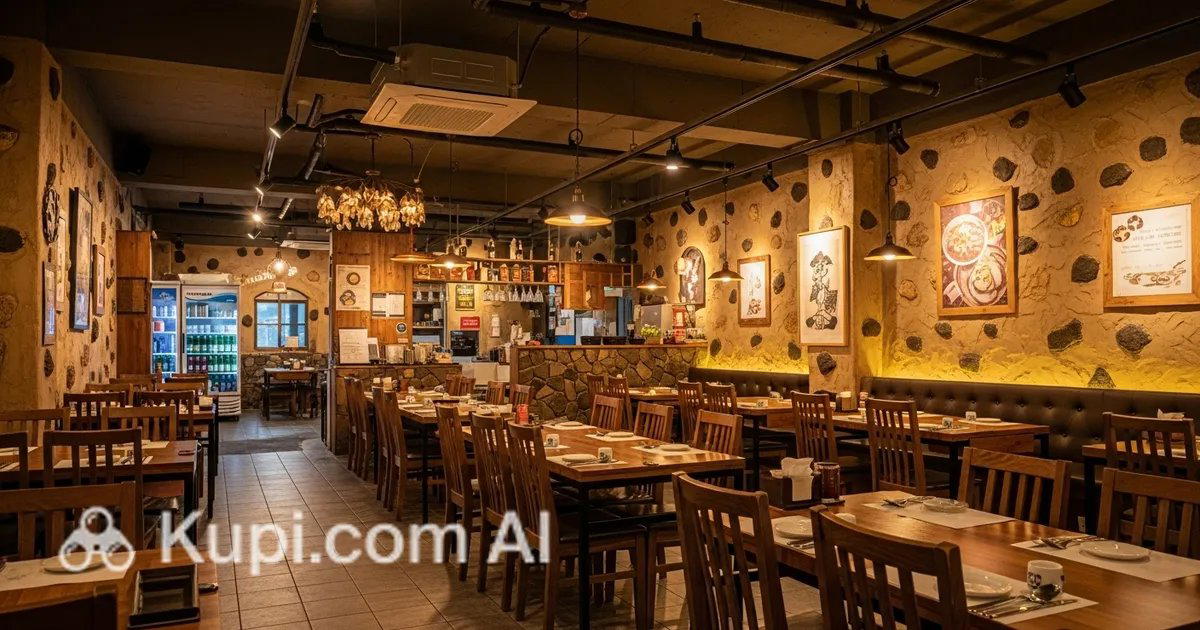
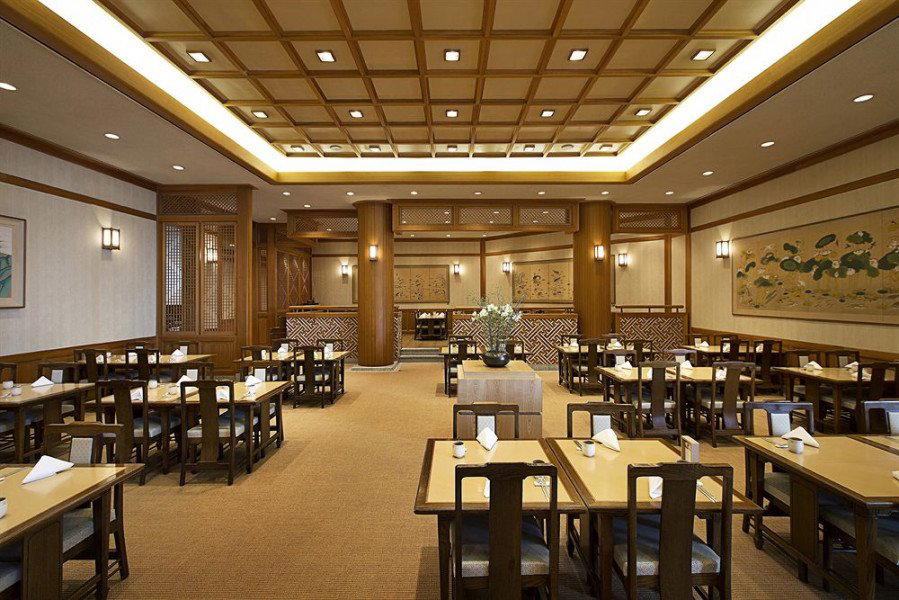
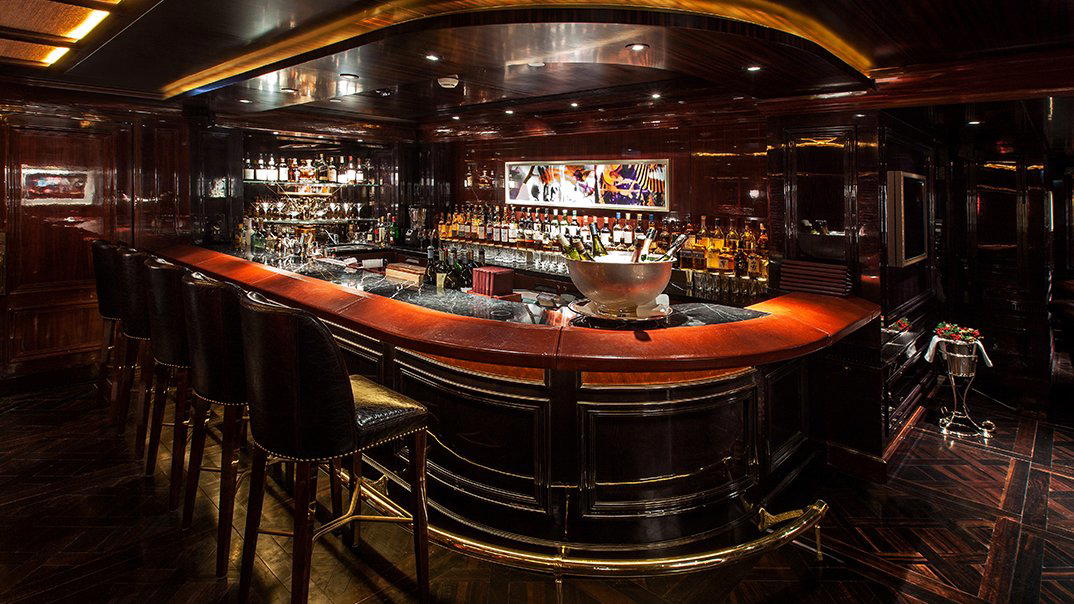
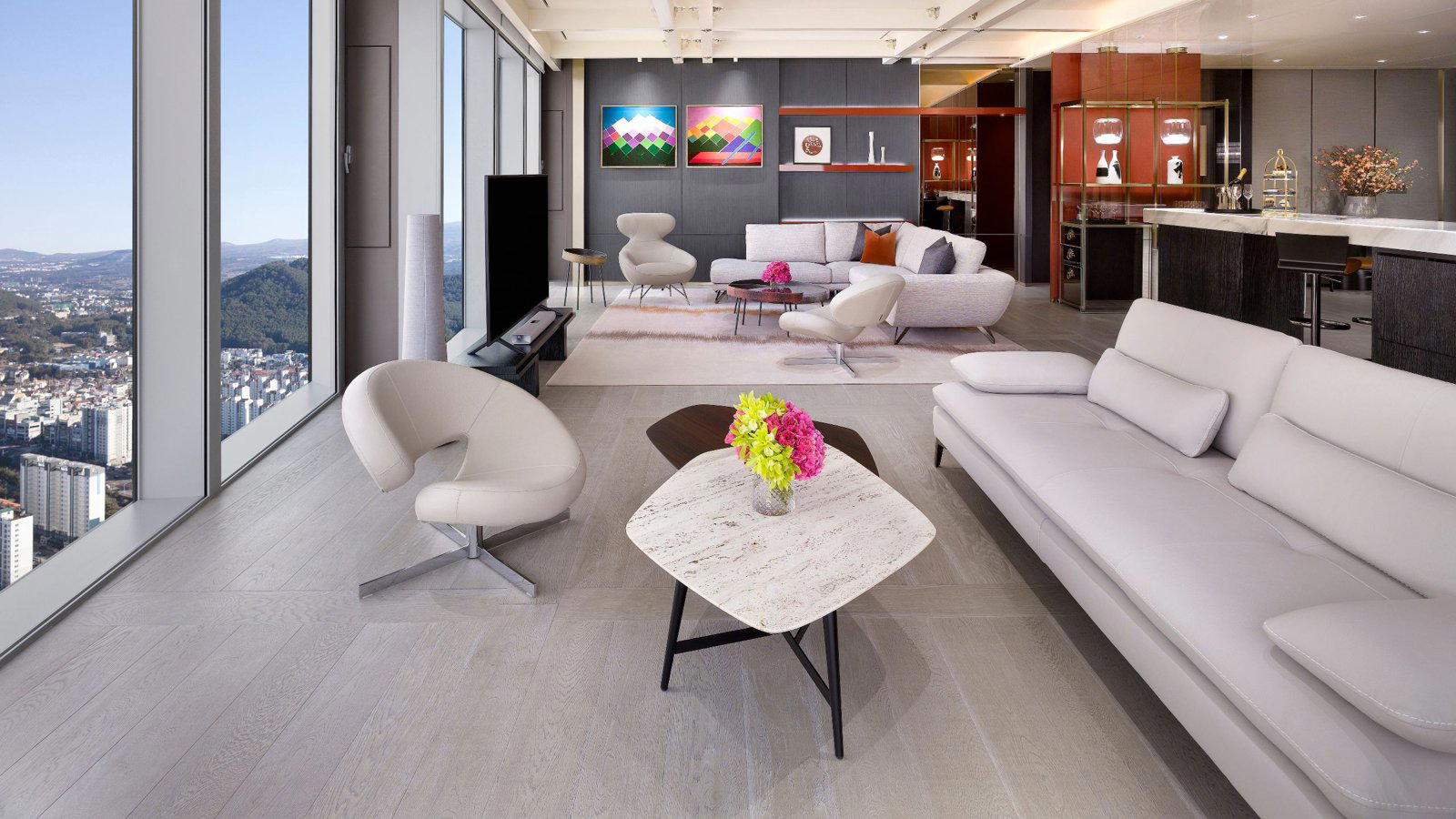
Upscale but approachable Chinese restaurant on a high floor of Jeju Dream Tower, with contemporary design and large windows offering dramatic panoramic views, creating a refined yet relaxed atmosphere suited to leisurely dinners and special occasions.