On King Street West, Blu Ristorante occupies a stretch of Toronto's theatre district where Italian dining has long held a firm footing. The address places it among a cluster of pre-theatre and business-dinner options, and the interior design frames the experience as much as anything on the plate. For context on how it fits within Toronto's broader Italian dining tier, EP Club maps the full picture.
Pearl is the En Primeur Club membership app — saves, bookings, and concierge access live there. Same editors, same standards.
- Address
- 214 King St W, Toronto, ON M5H 1K5, Canada
- Phone
- +14169211471
- Website
- bluristorante.com
- Directions
- Get directions
 Saves & bookings on Pearl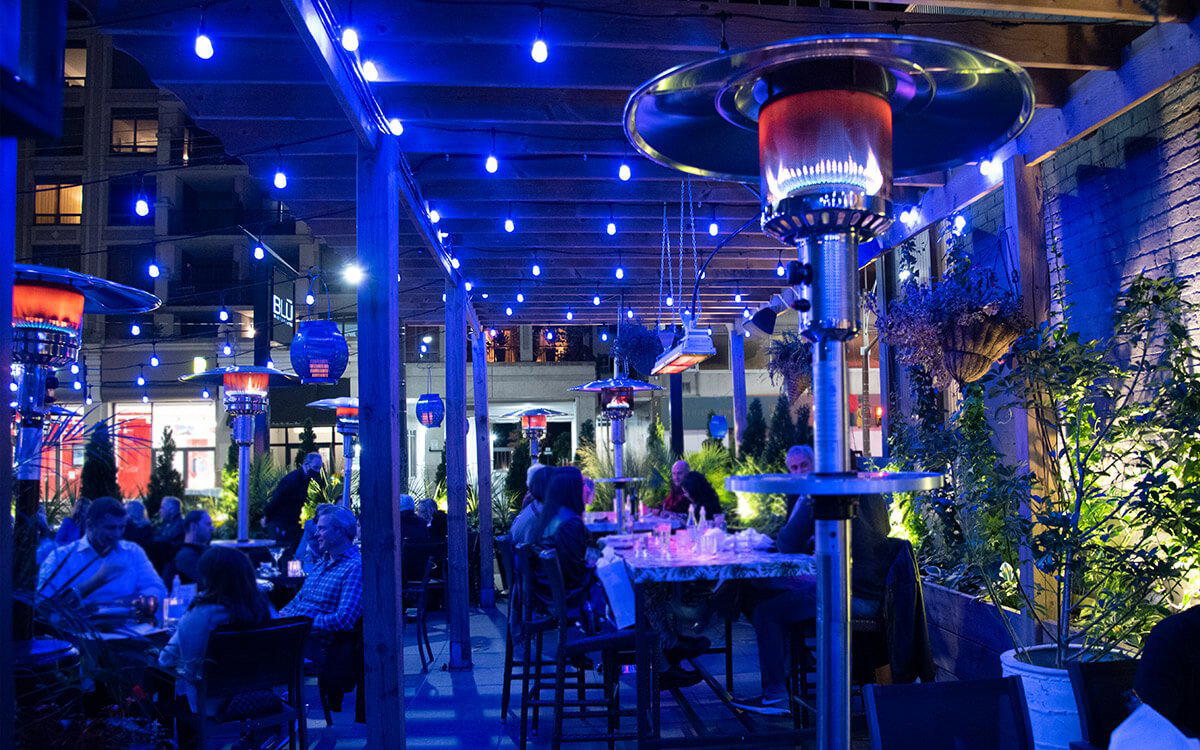
King Street West and the Architecture of the Italian Dining Room
Toronto's King Street West corridor has been reshaping itself for two decades. What began as a theatre-adjacent dining strip has evolved into one of the city's more consequential stretches for mid-to-upper-tier restaurants, with addresses trading on proximity to the entertainment district, the financial core, and a density of hotel guests and pre-show diners that few other Toronto blocks can match. At 214 King Street West, Blu Ristorante sits inside that particular ecosystem.
The design question for any Italian restaurant on King West is what register to occupy. The street has room for the casual red-sauce trattoria, the contemporary Italian format (well-represented at places like DaNico and Don Alfonso 1890), and everything between. A name like Blu, and an address that places it squarely in a business-and-theatre zone, suggests a room built for a specific kind of evening: the kind where the physical container, lighting levels, table spacing, material choices, matters as much as the menu's ambitions.
What the Space Communicates
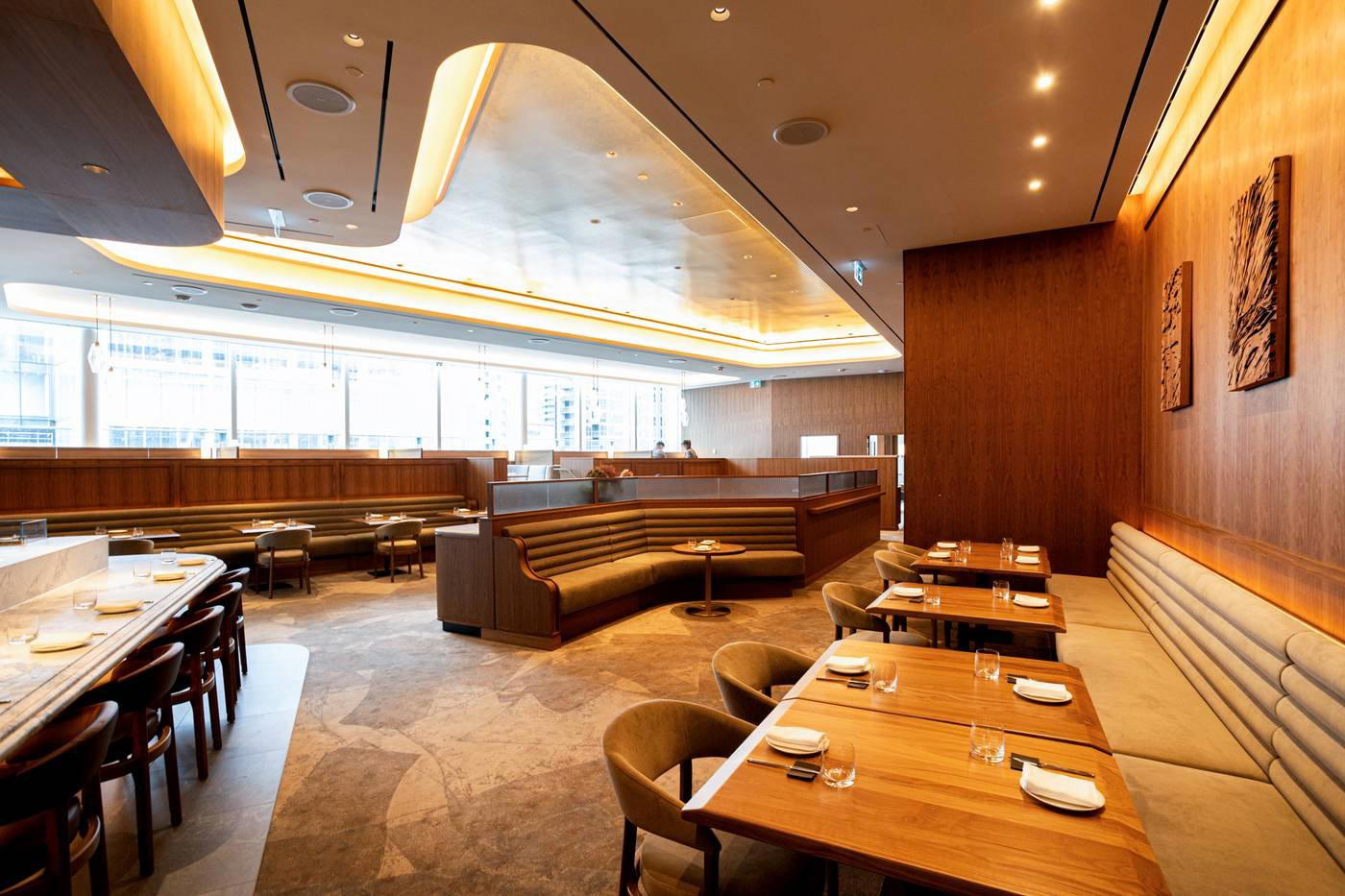
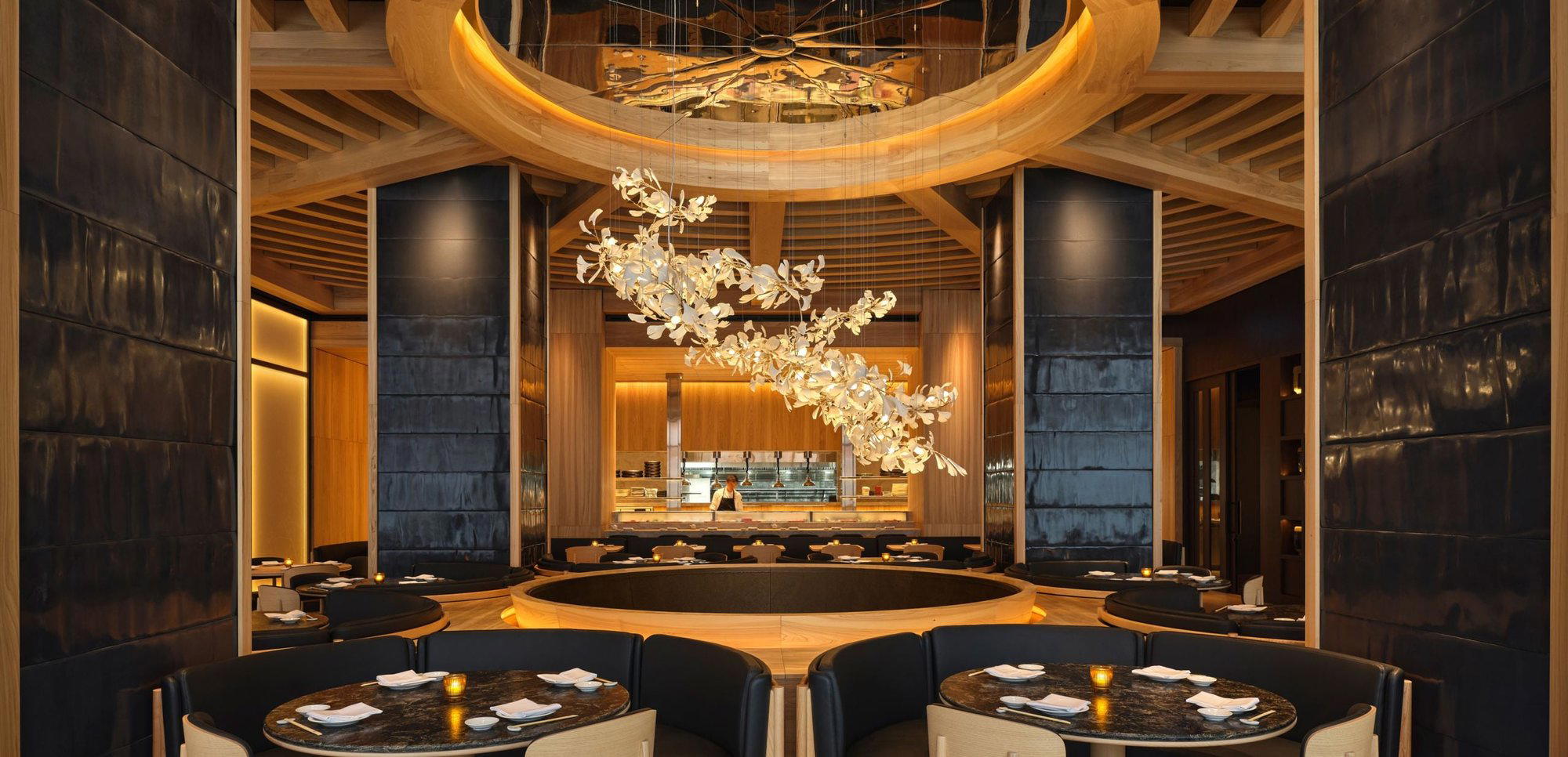
In Toronto's competitive Italian dining tier, interior architecture has become a primary differentiator. The city's upper-end contemporary rooms, from the tasting-menu discipline of Alo to the kaiseki-influenced precision of Aburi Hana, treat the physical room as an argument about what kind of dining experience they intend to deliver. A looser, warmer room argues for conviviality. A spare, designed room argues for focus. The colour reference embedded in Blu's name implies a considered palette, and King Street West addresses of this type have historically skewed toward rooms with some theatrical intent, high ceilings, a bar component visible from the entrance, and enough density in the seating plan to generate atmosphere on a busy night without feeling crowded on a quiet one.
That balance, between energy and comfort, between business-dinner functionality and something more genuinely pleasurable, is the defining challenge for any restaurant at this address type. The leading Italian rooms on this corridor resolve it through material quality: banquettes that absorb sound without deadening the room, lighting rigs that shift in register from lunch to late evening, and enough spatial generosity between tables to hold a conversation at normal volume. Whether Blu's specific interior achieves that resolution is a matter of direct experience, but the address and format position it in a comparable set where those questions are genuinely in play.
Italian Dining in Toronto: The Competitive Frame
Toronto's Italian restaurant category spans more ground than almost any other cuisine in the city. At the leading end, Don Alfonso 1890 imports a Michelin-starred Campanian lineage and prices accordingly. The contemporary Italian format at DaNico takes a different approach, with a room and menu that read more as modern Canadian with Italian inflection than as traditional. Further afield, the broader Canadian dining conversation, from the farmhouse ambition of Eigensinn Farm in Singhampton to the ingredient-led discipline of Restaurant Pearl Morissette in Lincoln, frames what serious cooking looks like in Ontario, and raises the bar for any restaurant that wants to be taken seriously at the upper end of any category.
For Italian specifically, the question in Toronto has always been whether a restaurant is positioning against the Italian diaspora tradition (long-established, loyal, neighbourhood-rooted) or against a more cosmopolitan, technique-conscious comparable set. King Street West addresses tend toward the latter. The clientele expects a wine list with some considered depth, a room that doesn't embarrass on a first date or a corporate dinner, and food that can be discussed afterward rather than simply consumed.
Across Canada, the restaurants that have built lasting reputations in this space, Jérôme Ferrer's Europea in Montreal, Café Brio in Victoria, tend to share a quality of spatial intentionality alongside culinary conviction. The room is never an afterthought. Internationally, the benchmark for how a dining room can function as primary argument is set by places like Le Bernardin in New York City, where decades of consistency have made the physical space as much a part of the reputation as the kitchen. Closer in format, Lazy Bear in San Francisco demonstrates how a considered spatial approach can reframe an entire dining category.
The King West Address: Practical Context
214 King Street West sits within walking distance of the major downtown hotel cluster and Roy Thomson Hall, which makes it a natural candidate for pre-concert and business-dinner traffic. This location type generates a particular rhythm: busy early, with a second wave post-show, and a lunchtime trade that skews toward financial district clients. Restaurants in this position tend to run tighter reservation windows than destination dining rooms outside the core, and walk-in availability on weekends is less predictable than on weekday lunches.
For visitors building a Toronto itinerary, King West Italian sits in a different register from the Japanese counter dining that has become one of the city's signature categories, the omakase precision of Sushi Masaki Saito operates at a different price point and booking cadence entirely. Within the Italian and European-influenced category, Blu's address places it in contention with a set of rooms that compete on design and atmosphere as much as on culinary credentials.
The Pine in Creemore represents a different kind of ambition, and the broader Canadian conversation includes standouts from Tanière³ in Quebec City to Fogo Island Inn Dining Room and AnnaLena in Vancouver, each anchoring a regional dining identity that Toronto's cosmopolitan scene connects to but doesn't replicate. Even outside the fine-dining frame, places like Busters Barbeque in Kenora and Narval in Rimouski demonstrate the geographic spread of Canada's serious restaurant culture.
Planning Your Visit
Side-by-Side Snapshot
Comparable venues nearby, for context on price, style, and recognition.
| Venue | Cuisine | Price | Notes |
|---|---|---|---|
| Blu RistoranteThis venue — the venue you are viewing | Contemporary Italian Fine Dining | $$$$ | Not listed |
| Trattoria Milano | Authentic Northern Italian Milanese | $$$ | Yorkville |
| Cassius | Contemporary Italian | $$$$ | Fashion District |
| Zitto Zitto Taverna | Sicilian-Inspired Italian Taverna | $$$ | Palmerston-Little Italy |
| F'Amelia | Northern Italian | $$$ | Cabbagetown |
| ViBo Restaurant | Authentic Italian | $$$ | Sunnylea |
Continue exploring
More in Toronto
Restaurants in Toronto
Browse all →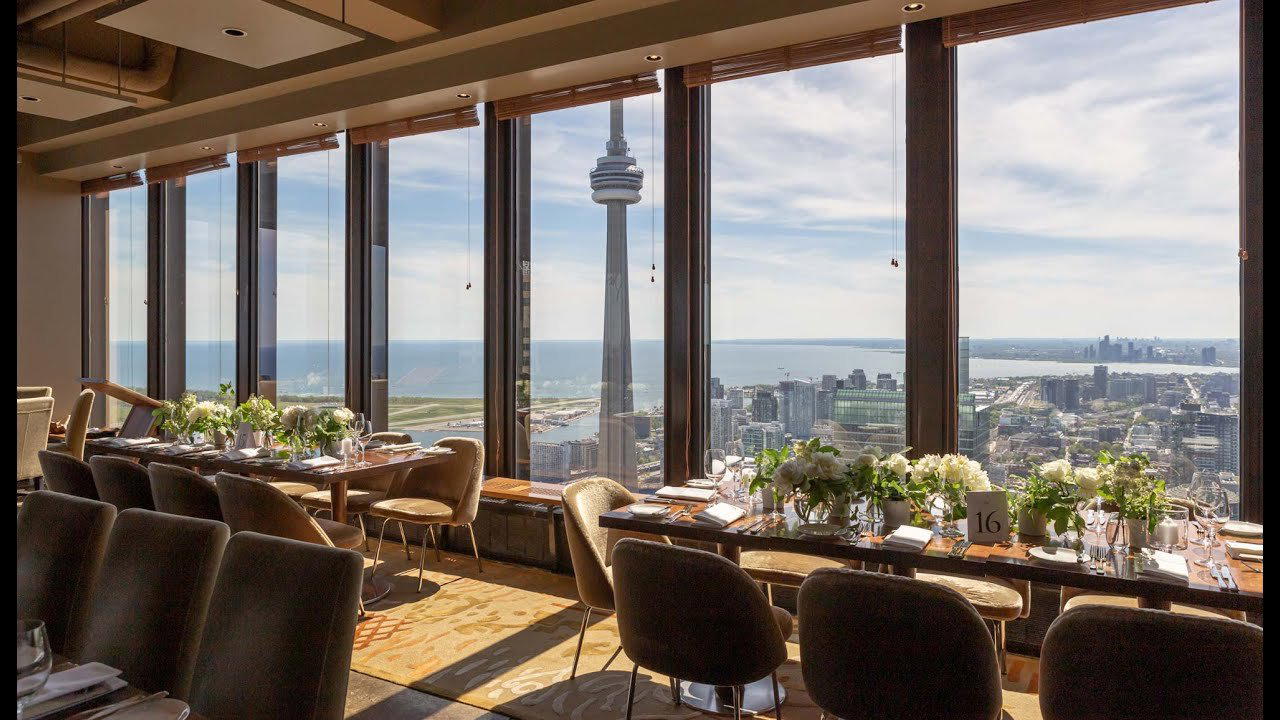

Bars in Toronto
Browse all →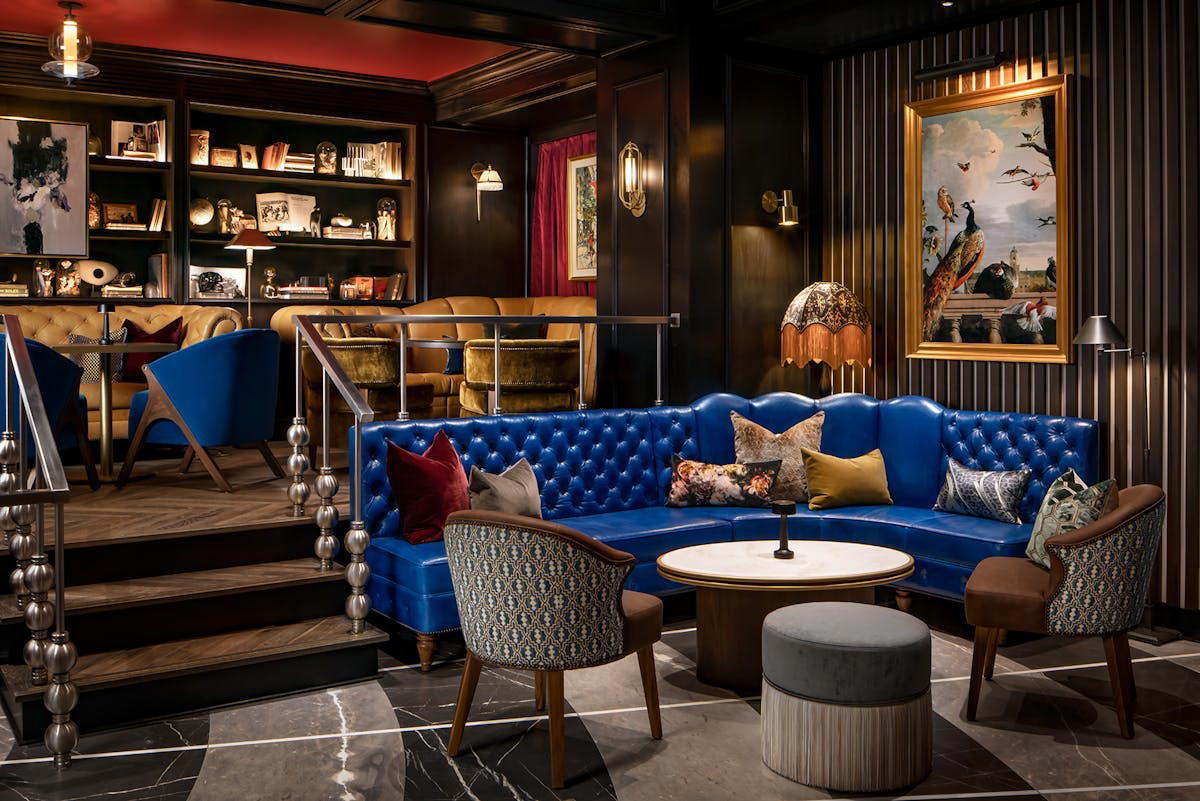
Hotels in Toronto
Browse all →

At a Glance
- Romantic
- Elegant
- Sophisticated
- Cozy
- Intimate
- Date Night
- Special Occasion
- Business Dinner
- Private Event
- Live Music
- Private Dining
- Hotel Restaurant
- Extensive Wine List
- Skyline
Current opening hours
- Monday
- 11:30 AM–10:30 PM
- Tuesday
- 11:30 AM–10:30 PM
- Wednesday
- 11:30 AM–10:30 PM
- Thursday
- 11:30 AM–10:30 PM
- Friday
- 11:30 AM–11 PM
- Saturday
- 11 AM–11 PM
- Sunday
- 11 AM–10:30 PM
Hours can change for holidays and private events. Last verified .
Elegant and cozy with intimate lighting, high ceilings, sleek marble accents, and a sophisticated yet inviting atmosphere.