Our verdict
On Suffolk Street, steps from Trinity College and the bustle of Dublin's retail core, Boeuf & Coq occupies a corner of the city where classical French bistro cooking meets a neighbourhood in constant motion. The name signals the kitchen's focus plainly: beef and chicken, prepared with the kind of direct confidence that the French bistro tradition has always rewarded over elaboration.

Pearl is the En Primeur Club membership app — saves, bookings, and concierge access live there. Same editors, same standards.
- Address
- 20 Suffolk St, Dublin 2, D02 XE93, Ireland
- Phone
- +35316729722
- Hours
- Mon–Wed 11:30 AM–9:30 PMThu 11:30 AM–10 PMFri–Sat 11:30 AM–10:30 PMSun 11:30 AM–9:30 PM
- Website
- boeufandcoq.ie
- Directions
- Get directions
- Booking
- Book on OpenTable
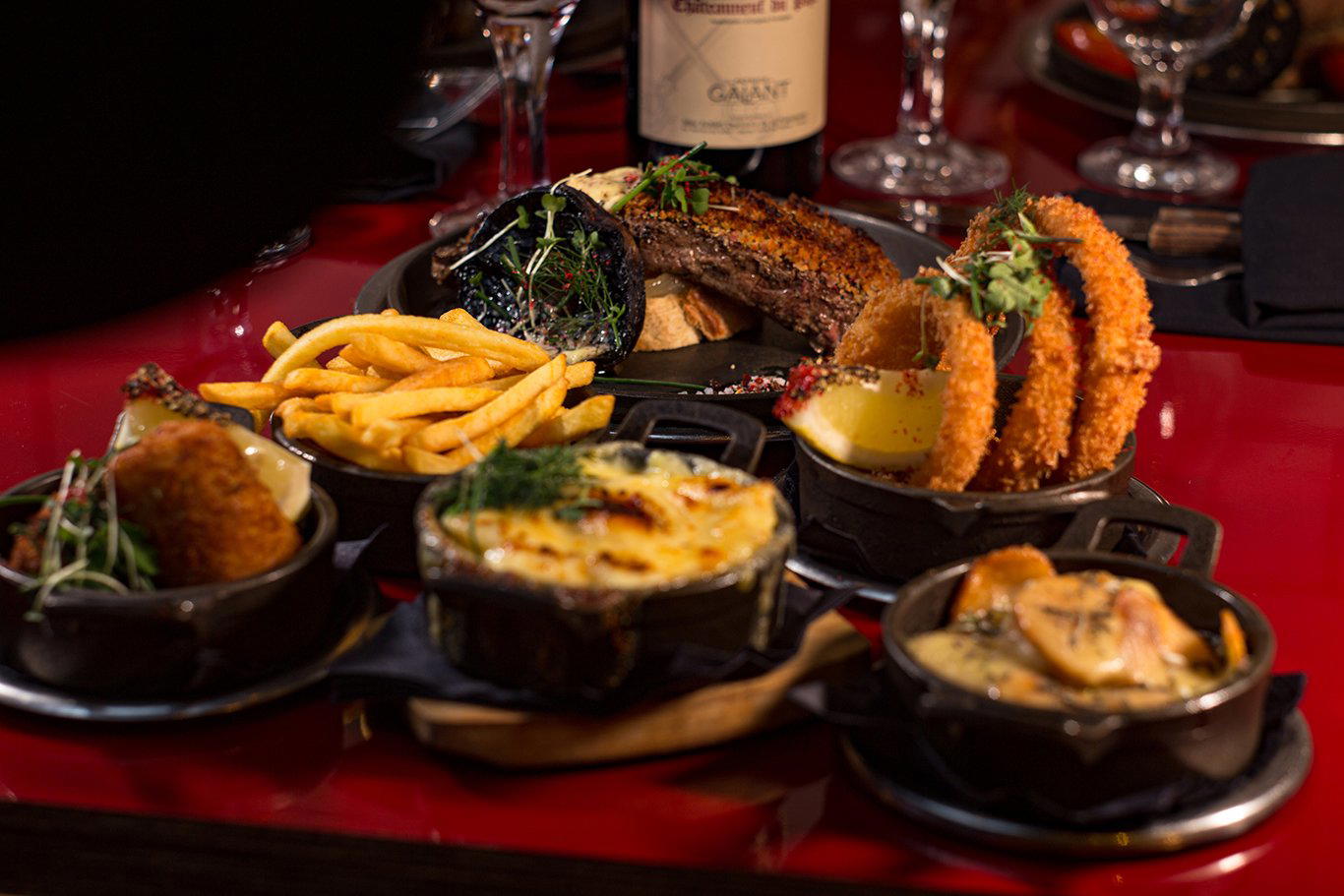
Suffolk Street and the Case for Staying Central
Suffolk Street sits at the seam between Dublin's cultural spine and its commercial centre. Trinity College is a short walk north; Grafton Street feeds foot traffic from the south. It is the kind of address that draws a mixed crowd at any hour: office workers at lunch, theatergoers passing through before curtain, tourists who have made it past the obvious stops and are now looking for something grounded rather than something packaged for them. Restaurants in this corridor have historically leaned toward volume, banking on footfall rather than repeat custom. The ones that last tend to have a clear culinary identity that gives locals a reason to return once the novelty has passed.
Boeuf & Coq addresses that question through its name alone. In a city where Dublin's most decorated kitchens, places like Chapter One by Mickael Viljanen and Patrick Guilbaud, have oriented themselves around tasting menus and formal progression, and where a newer wave represented by Bastible and Glovers Alley works in a more contemporary idiom, Boeuf & Coq plants its flag in the bistro register. That register, less fashionable than it was twenty years ago but no less relevant, centres on a handful of preparations done with care rather than a broad menu done with ambition.
The Bistro Tradition in a City That Has Outgrown Simple Categories
Dublin's dining scene has matured significantly over the past decade and a half. The city now carries Michelin-starred restaurants, a lively natural wine culture, and a generation of chefs who trained across Europe and beyond before returning home. That maturation has made space for specificity. A restaurant that focuses on beef and chicken is making a deliberate edit in a market that could support almost any format, and that specificity is itself an editorial statement about what the kitchen believes it can do well.
The French bistro tradition that Boeuf & Coq references has its own internal logic. It prizes the honest execution of proteins over architectural plating, values a wine list that supports rather than competes with the food, and expects a room that functions as a neighbourhood anchor rather than a destination event. When that tradition travels, it tends to lose something in the crossing. The versions that land well in cities outside France are those that resist the urge to localise too aggressively while still reading as legible to the city around them. Dublin, with its long affinity for French cooking through restaurants like Patrick Guilbaud and the French-trained lineage that runs through Campagne in Kilkenny, is not an unfamiliar host for this kind of proposition.
Across Ireland more broadly, the appetite for cooking with clear provenance has driven some of the country's most interesting recent work. Liath in Blackrock, Aniar in Galway, and dede in Baltimore each anchor their menus in a specific relationship with Irish produce. Boeuf & Coq sits in a different position on that spectrum, closer to the European bistro than to the New Irish tradition, but the underlying commitment to a defined culinary focus places it in the same broader conversation about what a restaurant is for.
What to Expect at the Table
The name Boeuf & Coq communicates the kitchen's priorities without ambiguity. In the classical French bistro context, boeuf means anything from a well-handled entrecôte to a long-braised daube, and coq typically signals the slow-cooked, wine-enriched chicken preparations that the French have never tired of. Both categories reward technique over novelty, and both depend on sourcing: the quality of the beef and the patience applied to the chicken will determine whether the cooking succeeds on its own terms.
For visitors arriving from the broader Irish dining circuit, the contrast with tasting-menu-oriented peers like Terre in Castlemartyr or The Oak Room in Adare is immediate. Boeuf & Coq operates in a shorter format, oriented around decisive choices rather than long progression. That format suits the Suffolk Street address: the neighbourhood does not particularly reward two-hour tables at lunch, and the bistro model is built for a rhythm that can accommodate both.
For those working through Dublin's city-centre options, D'Olier Street occupies a comparable urban position a few minutes away, though in a different register. The choice between them is partly a question of what kind of meal the evening calls for.
Planning Your Visit
Suffolk Street is walkable from the main hotel corridors around St. Stephen's Green and the Grafton Street area, which makes Boeuf & Coq a practical option for visitors staying in Dublin's centre without the need for transport. For diners arriving from farther afield to spend time with Ireland's wider restaurant geography, the address connects easily with a city that now offers genuine range: from the precise Nordic influence at Host to the technically ambitious cooking at Bastible on Leonard's Corner, and extending to county destinations like Bastion in Kinsale or Homestead Cottage in Doolin for those building a broader Irish itinerary.
Booking details, current hours, and pricing are best confirmed directly with the venue, as this information was not available at time of publication. Dublin's better-regarded mid-market restaurants have moved increasingly toward advance reservations over walk-in availability, so planning ahead is advisable regardless of the format. Our full Dublin restaurants guide covers the city's current range in more depth, including newer entries and seasonal changes across price tiers. For international reference points that occupy a comparable bistro-to-brasserie position in their own cities, Le Bernardin in New York City and Lazy Bear in San Francisco illustrate how clearly defined culinary focus anchors a restaurant's identity in competitive urban markets, even when the format differs.
The Chestnut in Ballydehob and The Morrison Room in Maynooth represent the kind of county-level cooking that increasingly draws diners out of Dublin; Boeuf & Coq makes the argument, through its address and its concept, that the city centre still has its own distinct reason to exist on any serious eating itinerary.
Frequently asked questions
What should I eat at Boeuf & Coq?
The name is the most direct signal the kitchen offers: the focus is beef and chicken, prepared in the French bistro tradition. In that register, the expectation is for honest, technique-led cooking rather than complex architectural plates. Order according to what the kitchen has positioned as its core strength, and avoid the temptation to treat the menu as a survey of everything. Bistro cooking rewards commitment to a category. If you are building a broader Dublin itinerary, Chapter One by Mickael Viljanen and Glovers Alley represent the city's more formal end for comparison.
Is Boeuf & Coq reservation-only?
Dublin's mid-market and above restaurants have shifted significantly toward reservations over the past several years, particularly at dinner, and Suffolk Street's central location means walk-in availability can vary considerably depending on the day and time. Contacting the venue directly ahead of your visit is the reliable approach. For context on where Boeuf & Coq sits within Dublin's wider dining range, our full Dublin restaurants guide covers the city's options across price points.
How does Boeuf & Coq fit into the Dublin French bistro scene?
Dublin has a longer relationship with French cooking than many cities outside France, running from the formal French-Irish register at Patrick Guilbaud down through more casual expressions. Boeuf & Coq occupies the bistro end of that range, where the emphasis falls on a defined protein focus rather than tasting-menu progression. On Suffolk Street, within walking distance of Trinity College and the city's main hotel cluster, it addresses a practical gap: French bistro cooking at a central address suited to a working lunch or an unfussy dinner before or after other plans.
Price and Positioning
Comparable venues nearby, for context on price, style, and recognition.
| Venue | Cuisine | Price | Notes |
|---|---|---|---|
| Boeuf & CoqThis venue — the venue you are viewing | French-Inspired Irish Steakhouse | $20–30 | Not listed |
| The Bull & Castle | Irish Steakhouse | $50–100 | Wood Quay A, Irish Steakhouse |
| The Port House | Traditional Spanish Tapas & Pintxos | $30–50 | Royal Exchange A, Traditional Spanish Tapas & Pintxos |
| Smokin Bones Castle Market | American BBQ | $20–30 | Royal Exchange A, American BBQ |
| Beef & Lobster | Irish Beef & Lobster Steakhouse | $50–100 | Royal Exchange A, Irish Beef & Lobster Steakhouse |
| Krewe North | Cajun Creole | Not listed | Rotunda B, Cajun Creole |
Continue exploring
More in Dublin
Restaurants in Dublin
Browse all →
Bars in Dublin
Browse all →

Hotels in Dublin
Browse all →
Wineries in Dublin
Browse all →
Details
- Cozy
- Elegant
- Date Night
- Open Kitchen
- Extensive Wine List
- Local Sourcing
- Street Scene
- A La Carte
Current opening hours
- Monday
- 11:30 AM–9:30 PM
- Tuesday
- 11:30 AM–9:30 PM
- Wednesday
- 11:30 AM–9:30 PM
- Thursday
- 11:30 AM–10 PM
- Friday
- 11:30 AM–10:30 PM
- Saturday
- 11:30 AM–10:30 PM
- Sunday
- 11:30 AM–9:30 PM
Hours can change for holidays and private events. Last verified .
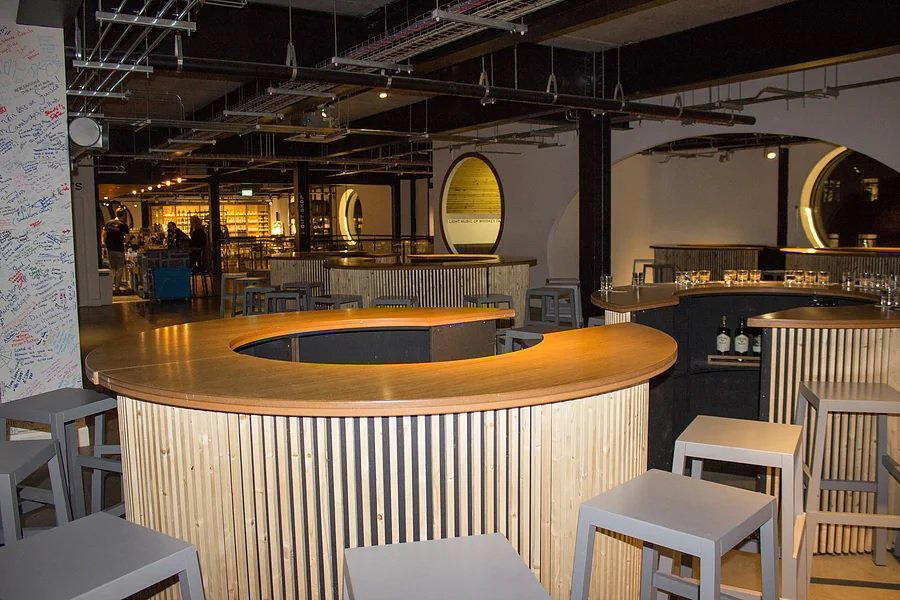
Cozy and charming atmosphere with friendly staff, well-suited for lunch or pre-theatre dining.