Our verdict
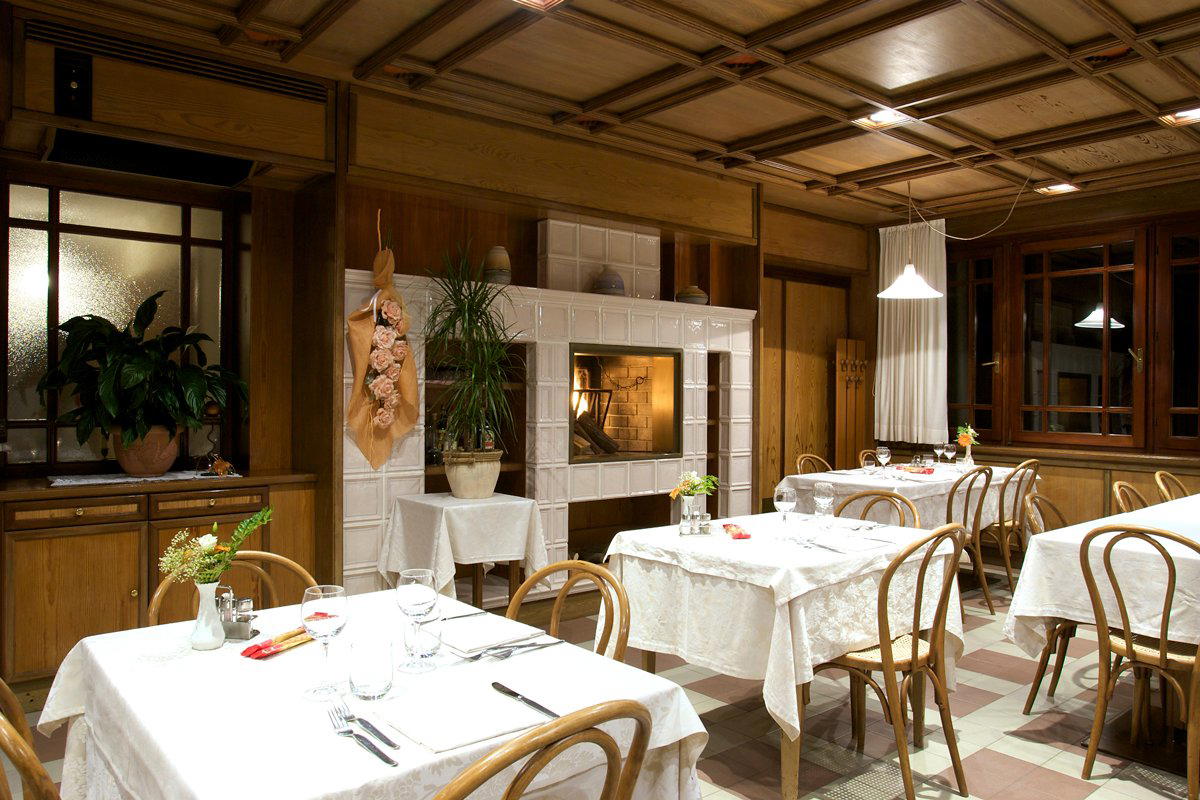
Blanch is a family-owned Traditional Italian Trattoria in Mossa, with garden and courtyard seating, local sourcing, and an extensive wine list for lunch or dinner.

Pearl is the En Primeur Club membership app — saves, bookings, and concierge access live there. Same editors, same standards.
- Address
- Via Blanchis, 35, 34070 Mossa GO, Italy
- Phone
- +393948180020
- Hours
- Mon 12–2:30 PM, 7–9:30 PMTue 12–2:30 PMWed ClosedThu–Sun 12–2:30 PM, 7–9:30 PM
- Website
- trattoriablanch.it
- Directions
- Get directions
The menu
What to order
- Blecs cul gjal
- Potato gnocchi
- Game roasts
Where the Collio Begins
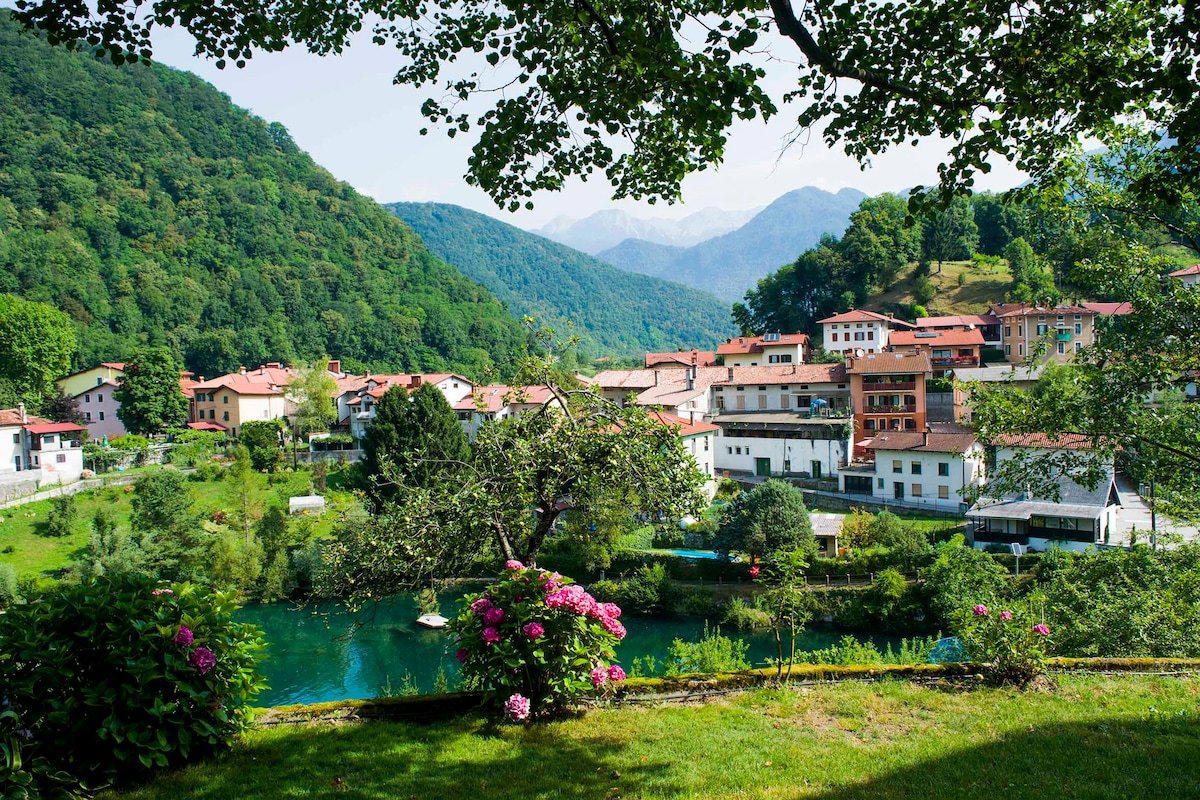
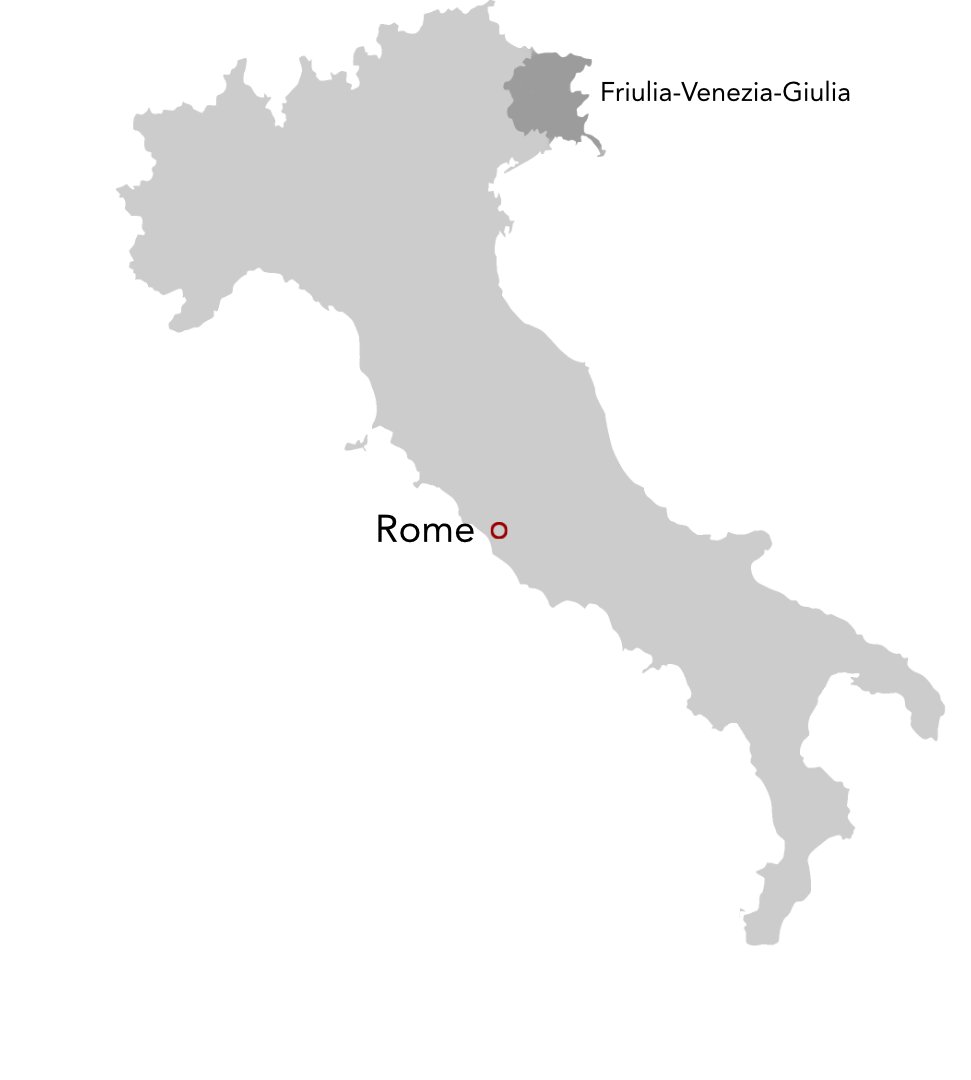
The village of Mossa sits in the Collio Goriziano, one of Italy's most quietly serious wine and food territories, pressed against the Slovenian border in the province of Gorizia. The landscape here is not dramatic in the Alpine sense — it rolls, it softens, it opens onto vineyard-covered hillsides that produce some of the country's most precise white wines. Arriving at Via Blanchis on a weekday afternoon, you pass farmhouses and vine rows before the street itself announces that you have found something worth finding. This is not the Italy of tourist circuits. The Collio draws producers, sommeliers, and food writers who treat the region as a working reference point rather than a destination postcard.
Blanch operates in this context. For a broader picture of where it sits among Mossa's dining options, see our full Mossa restaurants guide.
Ingredient Sourcing as the Organizing Principle
Across northern Italy's most serious kitchens, sourcing has shifted from background detail to central argument. At Atelier Moessmer Norbert Niederkofler in Brunico, the Alpine sourcing philosophy is so dominant that it shapes the entire menu architecture. At Dal Pescatore in Runate, the Po Valley larder has defined the kitchen's identity for decades. In the Collio, the sourcing logic is geographic and seasonal in equal measure: the microclimate that produces Friulano and Ribolla Gialla with unusual aromatic clarity also produces vegetables, herbs, and small-farm proteins with a character specific to this corner of the Friuli-Venezia Giulia.
The Collio's food culture has historically been framed through its wines, but the ingredient story is just as coherent. Proximity to Slovenia and Austria means the culinary vernacular here absorbs central European detail — cured meats, fermented vegetables, game preparations, without fully belonging to any single tradition. That tension between Italian and cross-border influence is not a marketing point; it is the actual condition of cooking in this corridor, and it is what gives a kitchen in Mossa a different set of raw materials than one an hour south in Trieste or an hour west in Udine.
The Collio Table in Context
Italian fine dining, at the level represented by Osteria Francescana in Modena, Enoteca Pinchiorri in Florence, or La Pergola in Rome, operates with national and international supply chains to match national and international ambition. Regional kitchens in the Collio work with a different logic: smaller radius, higher dependence on what the season actually delivers, and a dining room that tends to function as a local institution before it becomes a destination for outsiders.
This regional specificity is what separates the Collio's food culture from the more widely publicized kitchens of, say, the Amalfi coast, where Quattro Passi in Marina del Cantone draws heavily on the Mediterranean seafood tradition, or the Adriatic, where Uliassi in Senigallia has built a three-Michelin-star program around Marche seafood. The Collio's produce identity is inland, herbaceous, and cross-border in a way that rewards attention from diners who read menus carefully rather than those who arrive with preconceptions about what Italian food should look like.
Kitchens working at this scale and in this geography also tend to build supplier relationships that are impossible to replicate at volume. The small wine estates that define the Collio's reputation, some producing fewer than 20,000 bottles annually, share the same ethos as small-plot vegetable growers and artisan cheesemakers in the same hills. The table and the cellar, in this territory, are extensions of the same agricultural argument.
Regional Peers and the Northern Italian Conversation
The broader northern Italian fine dining conversation includes a range of formats and ambitions. Le Calandre in Rubano and Casa Perbellini 12 Apostoli in Verona represent the Veneto's approach to haute cuisine, while Enrico Bartolini in Milan anchors the urban end of the spectrum. Da Vittorio in Brusaporto and Villa Crespi in Orta San Giulio show how the lake and foothills territories around Milan and Bergamo have built destination dining programs of their own.
Friuli-Venezia Giulia sits apart from all of these, less visible on international itineraries but with a dining culture that serious eaters increasingly treat as a reference point rather than an afterthought. The same curiosity that draws wine drinkers to the Collio for its orange wines and skin-contact Friulano is drawing food travelers to its tables. Reale in Castel di Sangro and Piazza Duomo in Alba have shown that off-circuit locations can sustain high-level kitchens when the sourcing argument is strong enough. The Collio has the same underlying conditions.
For international reference, kitchens like Le Bernardin in New York City and Lazy Bear in San Francisco illustrate how sourcing discipline at the kitchen level translates into distinct and legible dining identities regardless of geography. The principle scales down as well as up: a small kitchen in Mossa, working from a tight local supply chain, can produce food with as clear an identity as a large urban destination, if the sourcing logic is consistent. Gambero Rosso in Marina di Gioiosa Ionica demonstrates the same point from the southern end of the Italian peninsula.
Planning Your Visit
Mossa is a small comune in the province of Gorizia, leading reached by car from Gorizia itself (roughly 10 kilometres to the southeast) or from Udine, which lies about 35 kilometres to the northwest. Trieste is accessible in under an hour by road. The Collio is a working agricultural zone rather than a tourist infrastructure, which means advance planning matters more here than in larger cities. Given the venue's address at Via Blanchis, 35, visitors arriving from outside the region should confirm current opening hours and availability directly, as smaller Collio establishments frequently operate on schedules that differ from urban restaurant norms.
The Collio's prime table season runs from late spring through autumn, when local produce is at its most expressive and the vineyard roads are at their most accessible. Winter travel to the area is quieter and requires more preparation, but it offers a different reading of the same territory.
Frequently asked questions
Is Blanch a family-friendly restaurant?
Mossa is a small, quiet comune in the province of Gorizia, and Blanch reflects that village character rather than a busy urban dining room.
Is Blanch formal or casual?
The Collio Goriziano sets the tone for most of its serious dining addresses: considered rather than stiff, with an emphasis on regional produce and wine over ceremony. Blanch sits in Mossa, a village of a few hundred residents pressed against the Slovenian border, which tends to produce a more grounded register than, say, a Florentine or Roman dining room.
Is Blanch worth visiting if you're staying in Gorizia?
Mossa sits roughly 10 kilometres northwest of Gorizia, making it a short drive into the Collio Goriziano wine hills. For anyone already in the province of Gorizia, the journey places you inside one of northern Italy's most coherent food and wine territories, where restaurants at this address level work closely with local producers. Blanch at Via Blanchis, 35 is best reached by car given Mossa's size as a comune.
What's the best thing to order at Blanch?
What is clear from the venue's location on Via Blanchis in Mossa is its proximity to the Collio Goriziano's produce network, a territory where kitchens across the region build their menus around hyper-local sourcing. Contacting the restaurant directly will give you the clearest picture of current offerings.
In Context: Similar Options
| Venue | Cuisine | Price | Awards | Notes |
|---|---|---|---|---|
| BlanchThis venue — the venue you are viewing | Traditional Italian Trattoria | Not listed | Not listed | Not listed |
| Atelier Moessmer Norbert Niederkofler | Modern Alpine Fine Dining | $300–500 | 3 Michelin Stars · World's 50 Best #20 | Italian, Creative |
| Dal Pescatore | Classic Italian Fine Dining | $200–300 | 3 Michelin Stars · World's 50 Best #38 | Italian, Italian Contemporary |
| Quattro Passi | Modern Mediterranean Fine Dining | $300–500 | 3 Michelin Stars · World's 50 Best #38 | Italian, Mediterranean Cuisine |
| Reale | Modern Italian Fine Dining | $200–300 | 3 Michelin Stars · World's 50 Best #18 | Progressive Italian, Modern Cuisine |
| Uliassi | Modern Adriatic Italian Fine Dining | $300–500 | 3 Michelin Stars · World's 50 Best #43 | Italian Seafood - Marche, Creative |
Continue exploring
More in Mossa
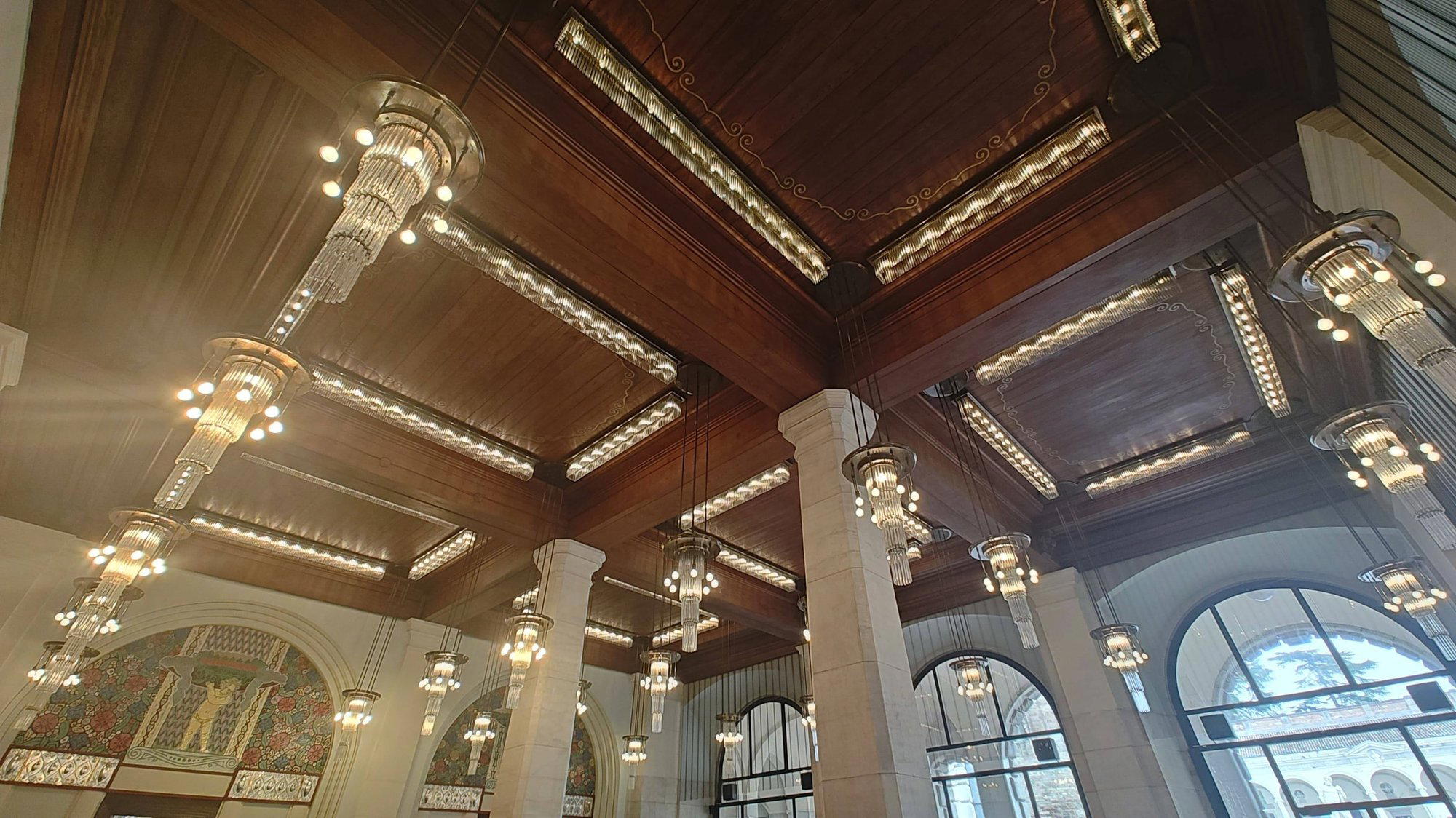
Restaurants in Mossa
Browse all →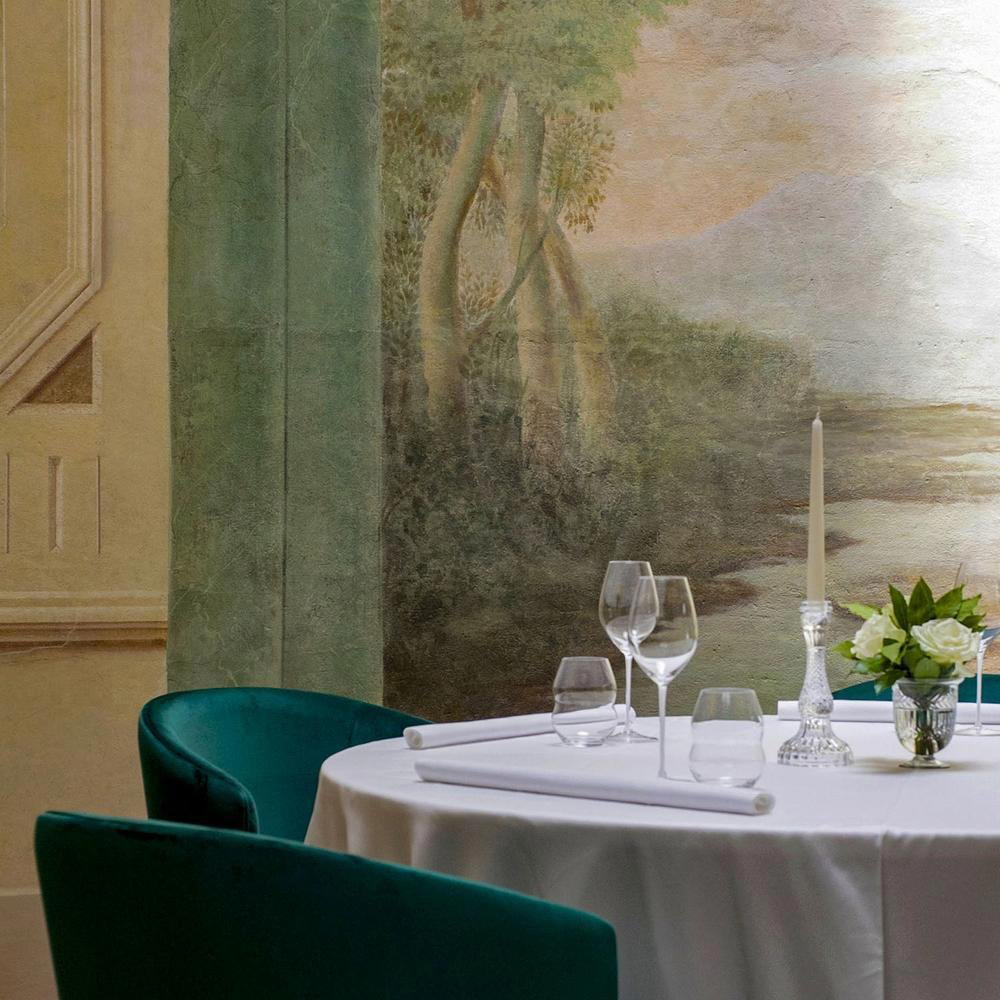
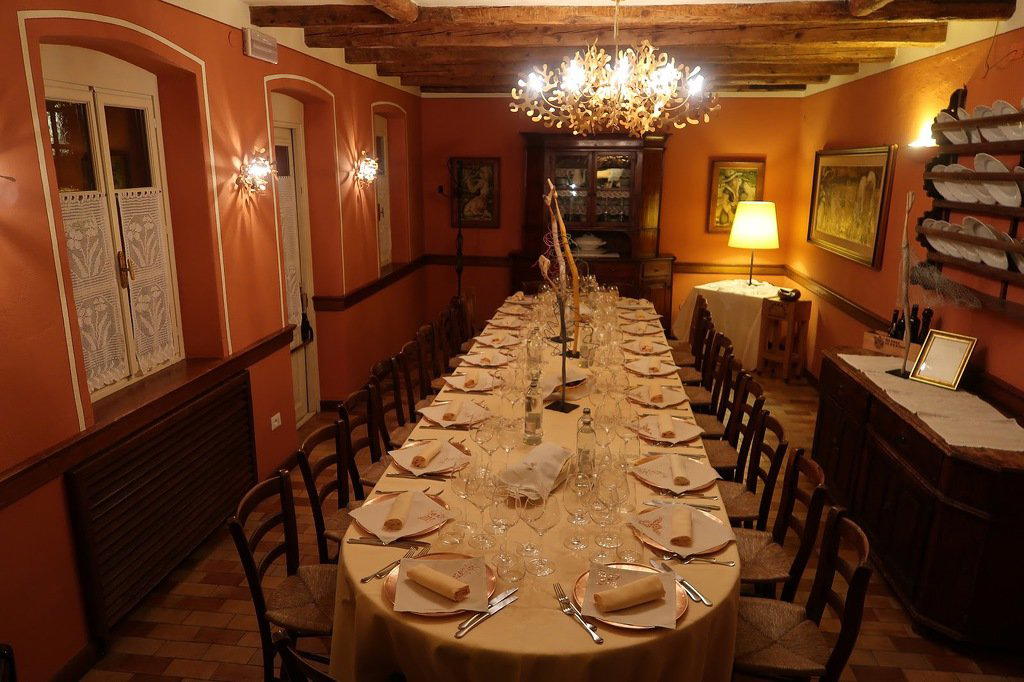
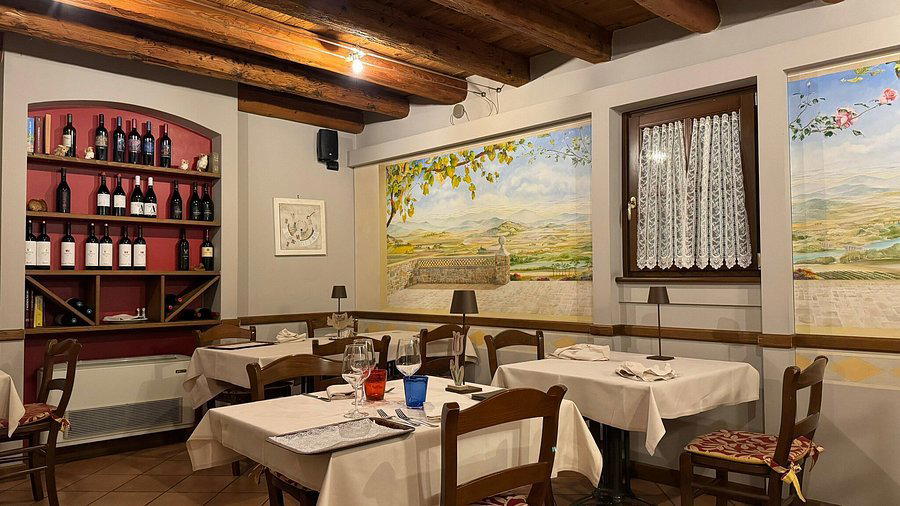
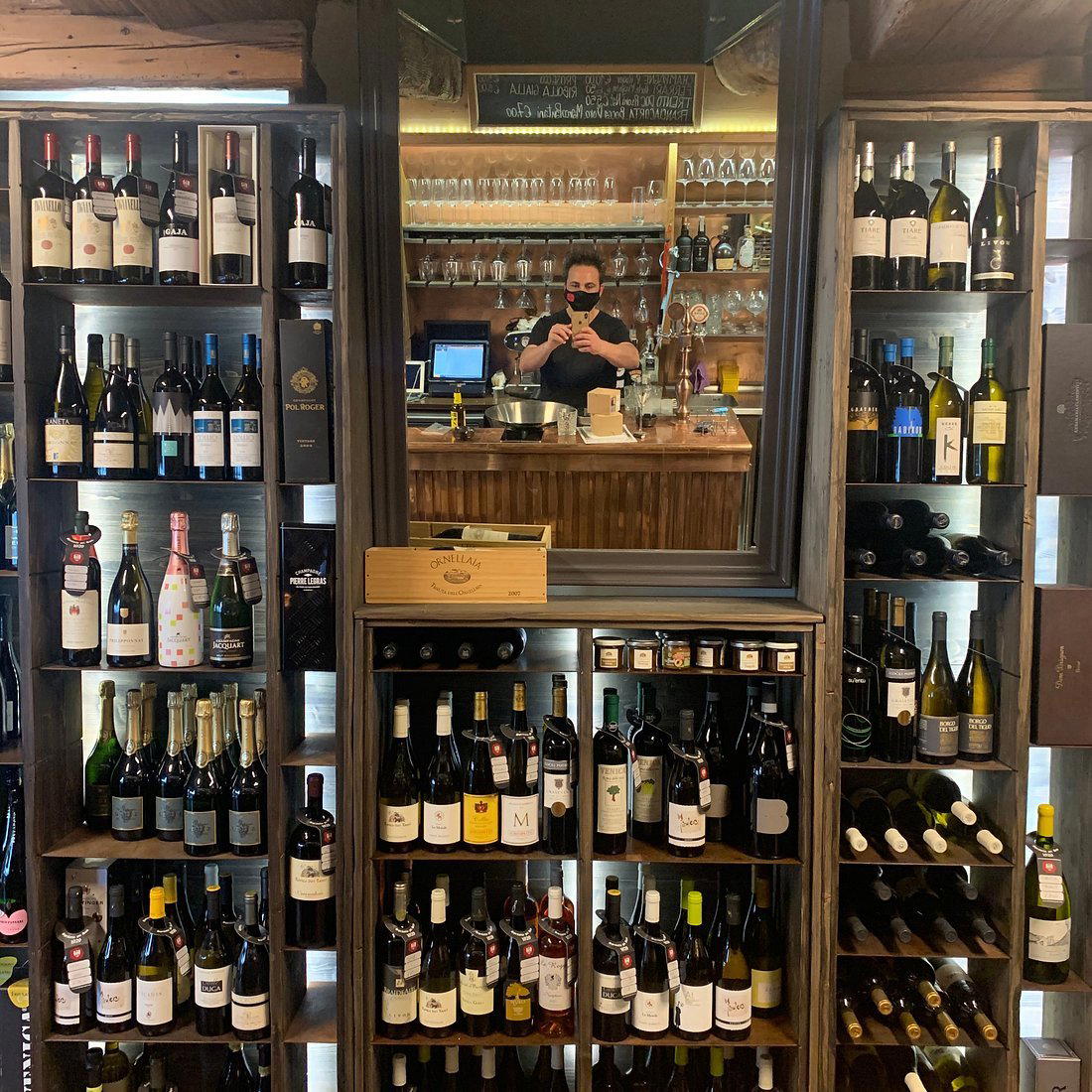
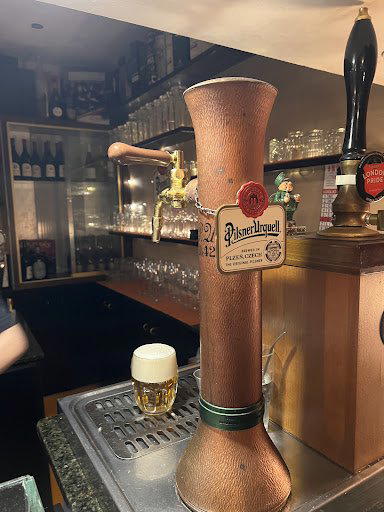
Bars in Mossa
Browse all →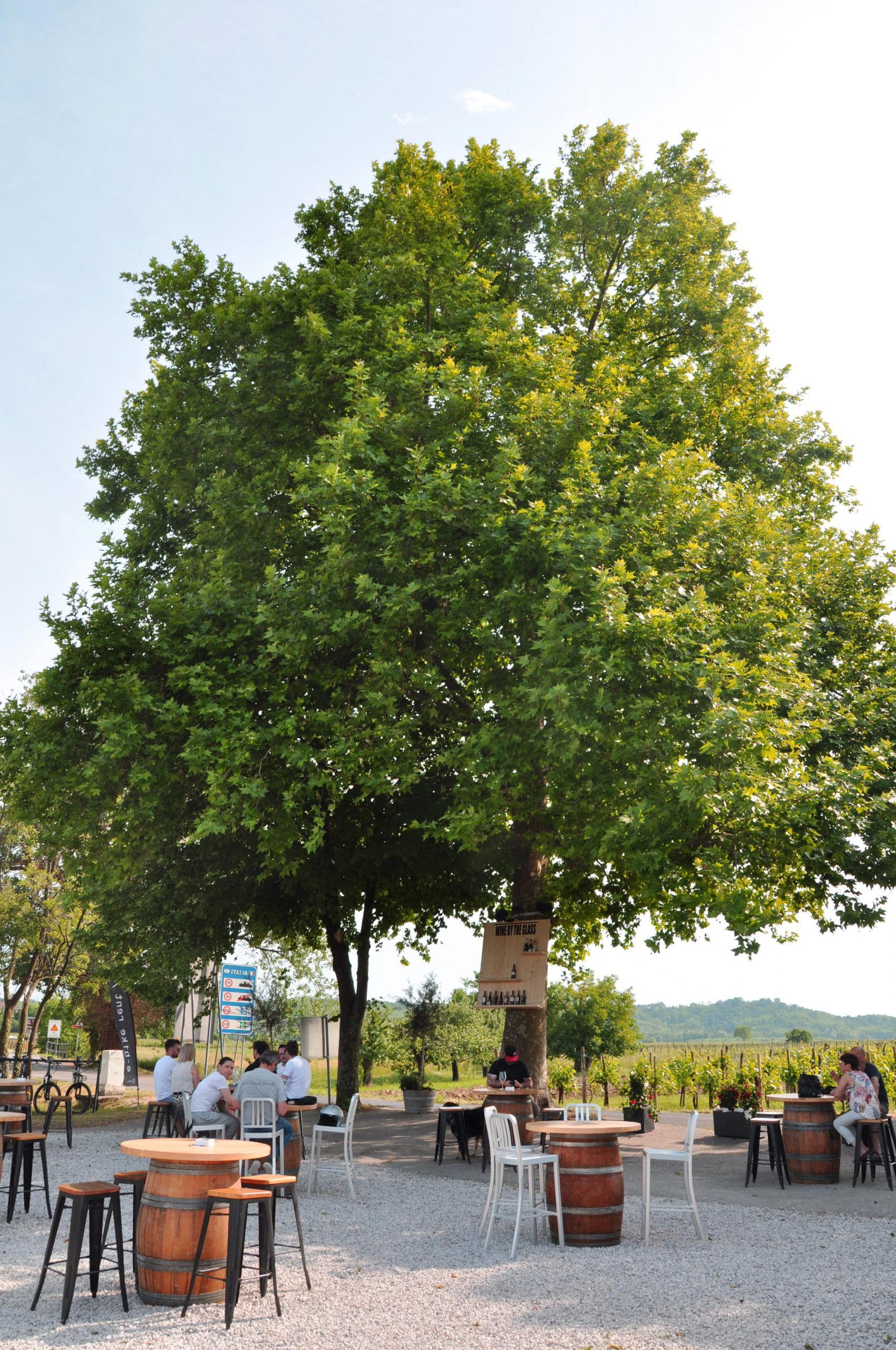
Hotels in Mossa
Browse all →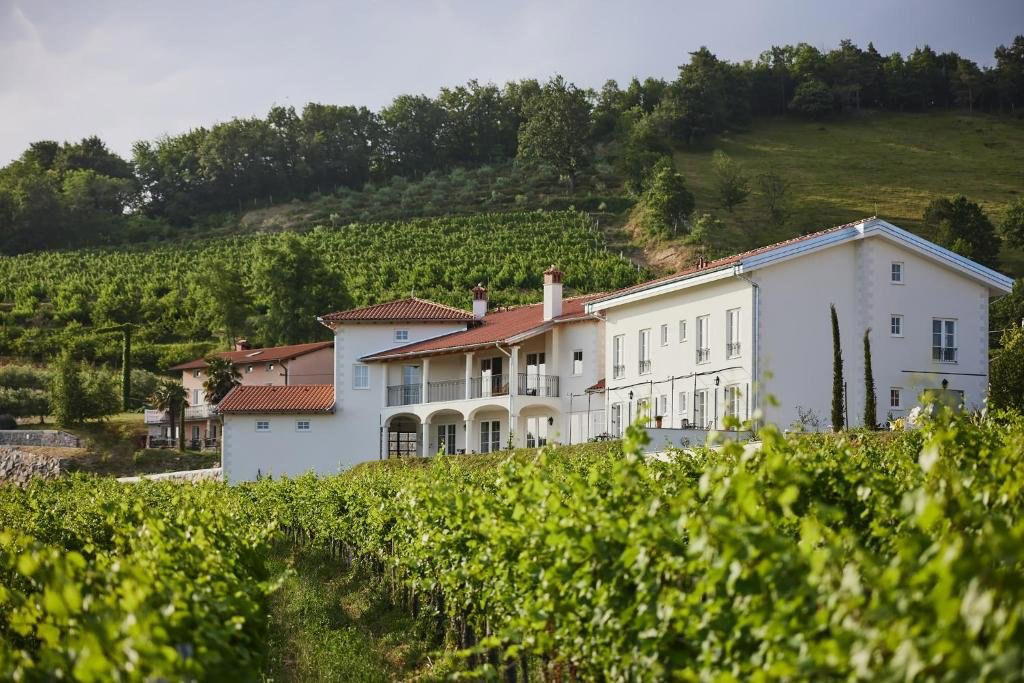
Details
- Classic
- Rustic
- Cozy
- Family
- Casual Hangout
- Garden
- Courtyard
- Extensive Wine List
- Local Sourcing
- Garden
- A La Carte
Current opening hours
- Monday
- 12–2:30 PM, 7–9:30 PM
- Tuesday
- 12–2:30 PM
- Wednesday
- Closed
- Thursday
- 12–2:30 PM, 7–9:30 PM
- Friday
- 12–2:30 PM, 7–9:30 PM
- Saturday
- 12–2:30 PM, 7–9:30 PM
- Sunday
- 12–2:30 PM, 7–9:30 PM
Hours can change for holidays and private events. Last verified .
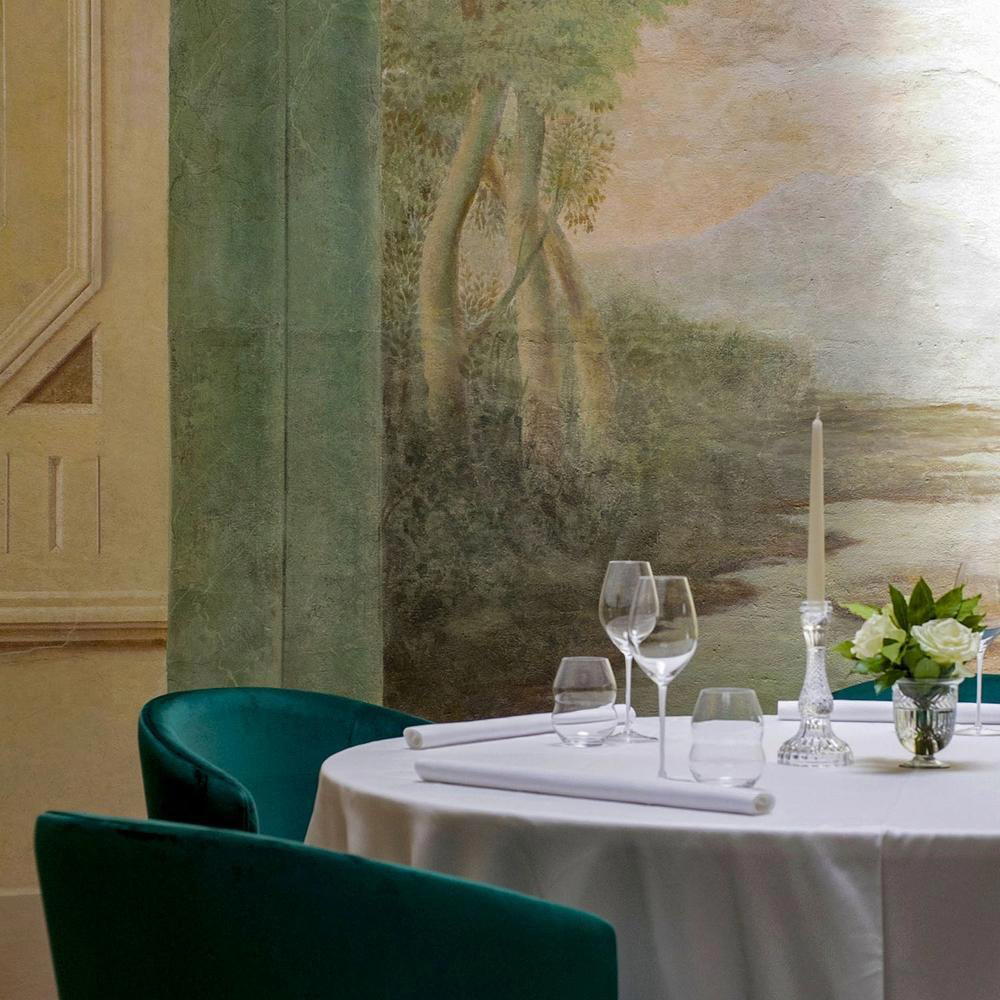
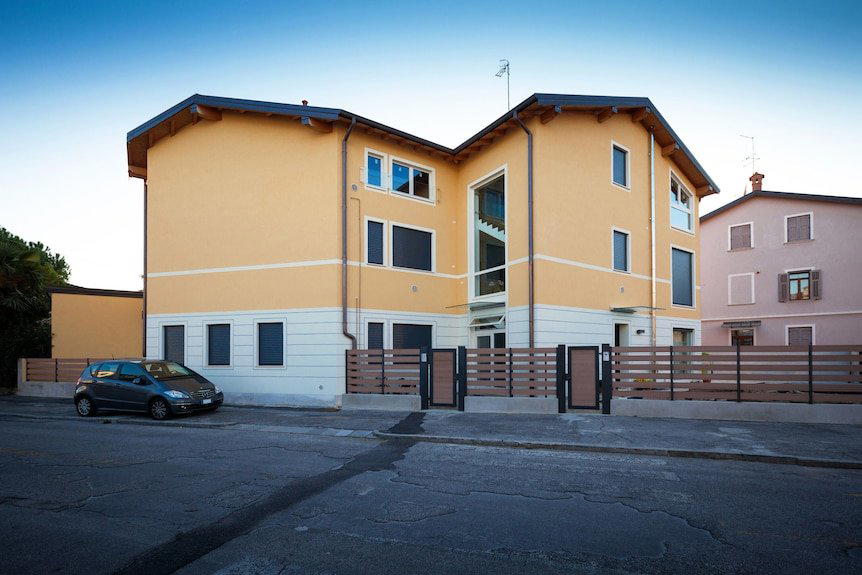
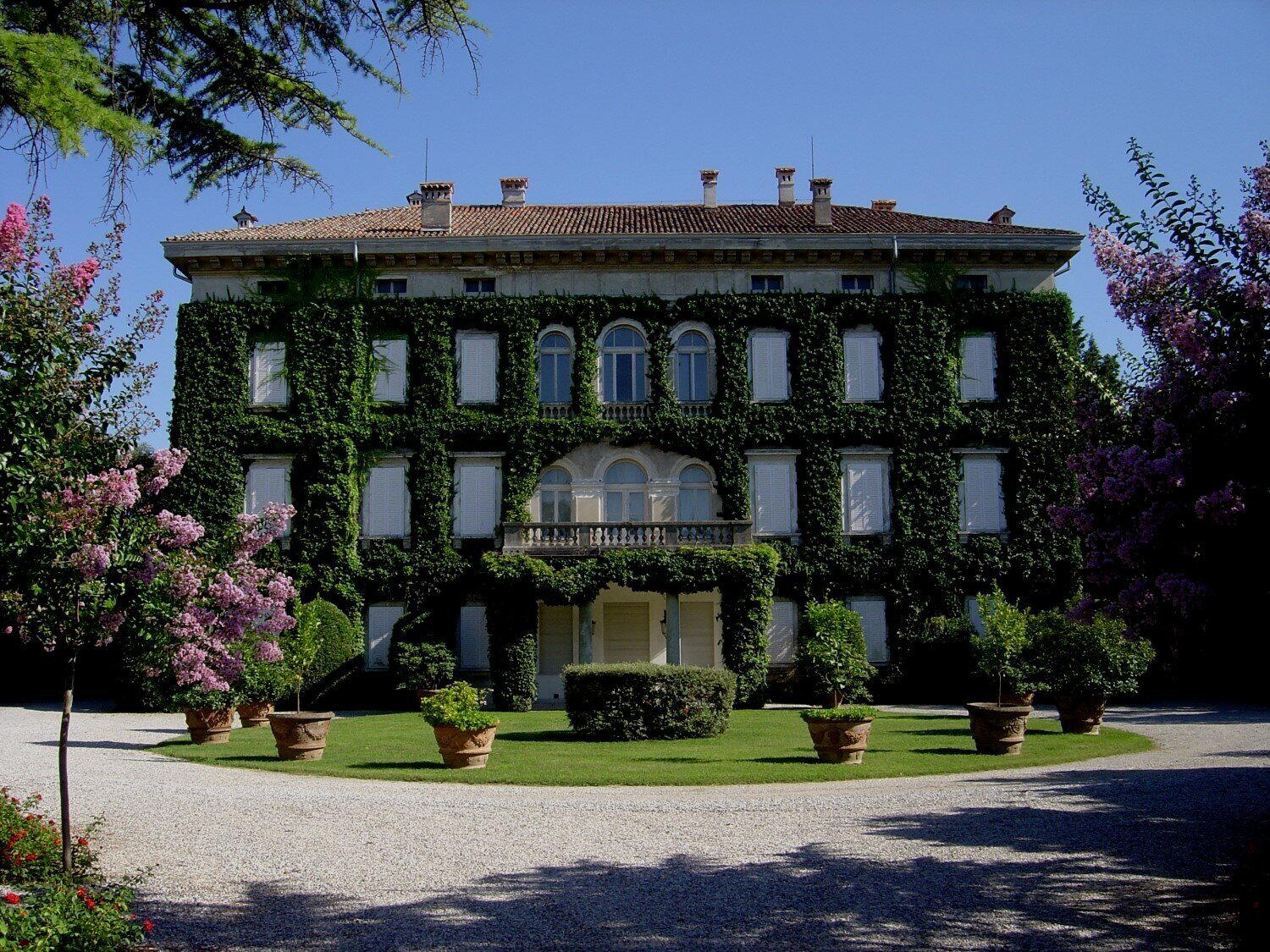
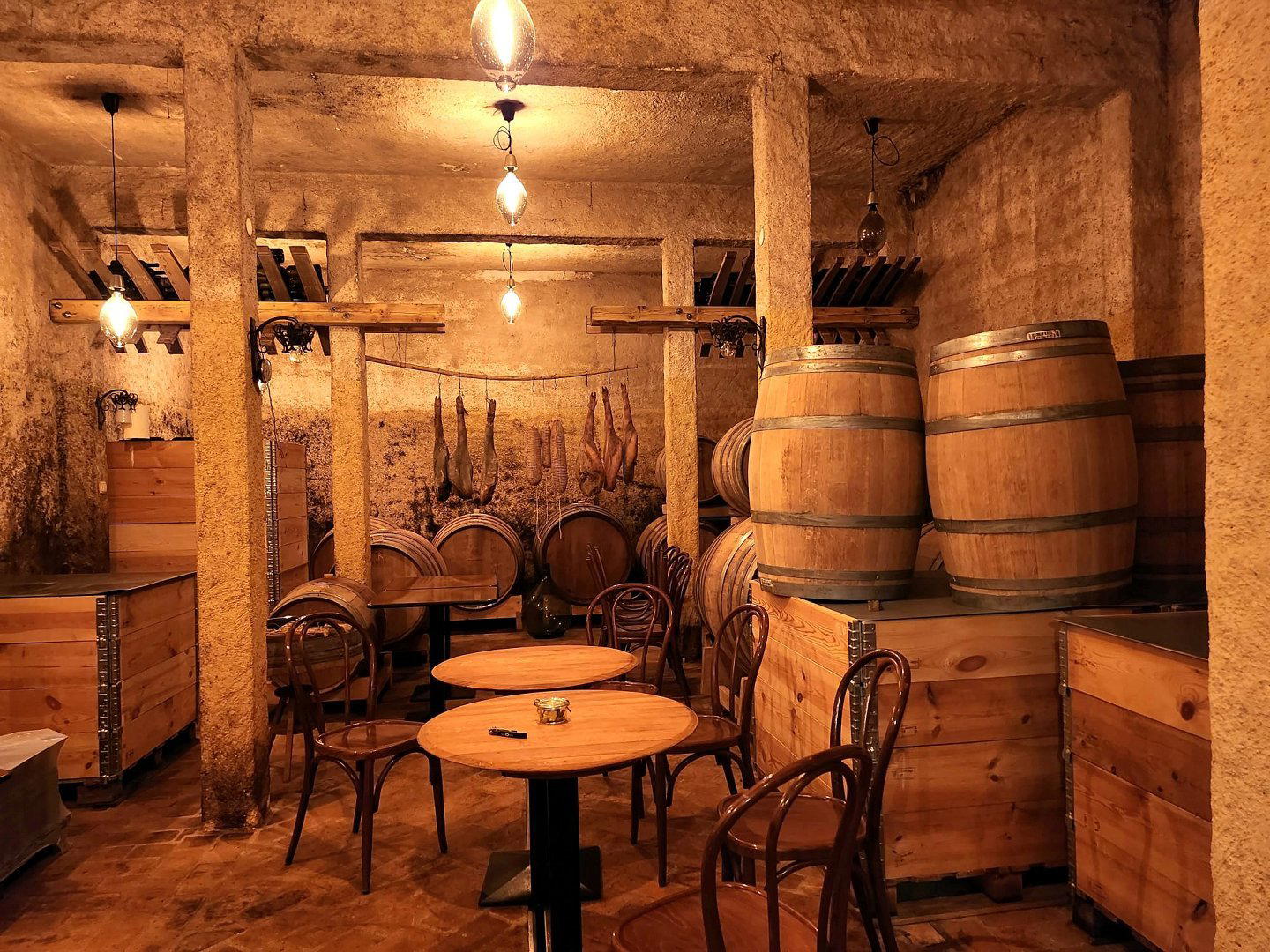
Classic welcoming spaces with soft colors, traditional furnishings, and a pleasant courtyard-garden for outdoor dining in fine weather.