Blackitch
.png)
A 16-seat tasting counter on Nimmanhaemin Soi 7, Blackitch holds consecutive Michelin Plate recognitions (2024 and 2025) for its seasonal menu built from ingredients sourced across Thailand. Chef Phanuphol Bulsuwan ferments and ages core components in-house, drawing on techniques passed through his grandmother. The format is intimate and the cooking is structured around specificity rather than spectacle.
 Discover on Pearl
Pearl is the En Primeur Club membership app — saves, bookings, and concierge access live there. Same editors, same standards.
- Address
- 27/1 Nimmanhemin Soi 7, Suthep, Mueang Chiang Mai District, Chiang Mai 50200, Thailand
- Phone
- +66 83 641 9246
- Website
- blackitch.com
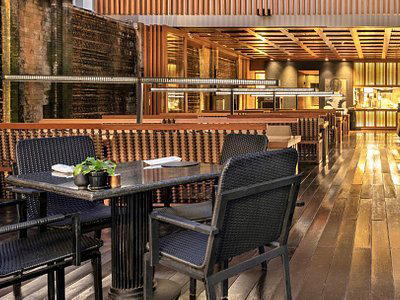
A Counter, a Kitchen, and Ten Courses of Northern Intent
Nimmanhaemin Road in Chiang Mai has, over the past decade, reorganized itself around a particular kind of diner: one who arrives with a reservation rather than a wander. The sois branching off the main strip hold small, considered restaurants that bear little resemblance to the tourist-facing operations on the boulevard itself. Soi 7 sits in that quieter register. At number 27/1, Blackitch occupies a space where the format does most of the communicating before a single dish arrives. A tasting menu of more than ten courses. No à la carte option. The room is small enough that the kitchen's fermentation projects become part of the ambient detail of the meal rather than a back-of-house footnote.
This kind of low-capacity, high-specificity format has become a distinct tier in Chiang Mai's restaurant scene, operating at a different register from the city's street food culture and its mid-market Thai dining rooms. Places like Aunt Aoy Kitchen and Baan Landai anchor the traditional Thai end of the spectrum; Blackitch sits at the other pole, where Thai ingredients are the raw material for a more structured compositional approach. The Michelin Guide has acknowledged this positioning with Plate recognition in both 2024 and 2025.
What Fermentation Does to a Menu
Across Thailand's more ambitious tasting-menu restaurants, fermentation has moved from background technique to defining signature. At Sorn in Bangkok, it anchors a Southern Thai vocabulary. At PRU in Phuket, it connects the kitchen to its farm sourcing. At Blackitch, the practice is rooted in domestic tradition: the in-house fermentation and aging programs run through the menu. Soybean is among the components processed this way, though the broader application extends across the tasting menu's arc.
The practical effect on the dining experience is that the menu has a different kind of depth than kitchens working primarily with market-fresh produce. Fermented elements carry a density and a funk that fresh ingredients cannot replicate, and when they appear inside a composed dish, they anchor the other components rather than simply accompanying them. The menu's sourcing covers ingredients from across Thailand, which means the fermentation program is applied to a national pantry, not just a regional one. This is a meaningful distinction in a city where Northern Thai ingredients often dominate the narrative.
The dish that illustrates how that pantry gets used is the combination of Nan black pig guanciale with pumpkin gnocchi, SyamIsBlue cheese, and a tomato-Sichuan pepper balsamic. Nan province's black pig is a documented regional product, the cheese is a Thai-made blue, and the Sichuan pepper balsamic introduces an acidic-numbing counterpoint. What looks on paper like a European format resolves on the plate into something that would not exist outside a specifically Thai ingredient context. The coherence of the combination is the point: individual components with clear provenance, assembled into something whose logic is tasted rather than explained.
House-Fermented Drinks and the Beverage Program
In the tasting-menu format, the beverage pairing is often where a kitchen's broader philosophy becomes most transparent. At Blackitch, the house-fermented drinks program mirrors the same approach applied to the food: production in-house, ingredients with Thai provenance, a process that prioritises the specificity of the result over ease of execution. The program sits outside standard wine pairing territory and offers a more direct connection to the kitchen's fermentation logic. For a meal structured around more than ten courses, the drinks sequence is not a secondary consideration.
The in-house drinks format at Blackitch operates differently, closer to the Korean makgeolli tradition or the Japanese sake-house model than to a cocktail bar program. For diners curious about how this compares to the broader regional approach to fermented beverages in contemporary Asian dining, Willow in Singapore and Banyan in Istanbul offer instructive Asian Contemporary reference points in different geographic contexts.
Placing Blackitch in the Chiang Mai Tasting Menu Tier
The price range (฿฿฿฿) positions Blackitch above the majority of Chiang Mai's dining options but below the ceiling set by destination tasting menus in Bangkok or Phuket. In a city where a bowl of khao soi at a specialist like Khao Soi Mae Manee costs a fraction of a single course at a tasting counter, the ฿฿฿ tier represents a deliberate choice rather than a casual meal. Comparison restaurants such as Busarin Cuisine at ฿฿ and Ekachan at ฿฿ operate at a different price point and with different format expectations. Blackitch is for the evening when format and intention are the agenda.
For vegetarian-focused tasting experiences in the same city, Aeeen offers an alternative approach to the structured menu format. For those working through Chiang Mai's broader dining range, Baan Suan Mae Rim and Aquila represent different registers of the city's current restaurant culture. Elsewhere in Thailand, AKKEE in Pak Kret, Agave in Ubon Ratchathani, and Angeum in Ayutthaya illustrate how the country's tasting-menu and contemporary dining formats have dispersed well beyond Bangkok.
Planning Your Visit
Blackitch is located at 27/1 Nimmanhemin Soi 7, Suthep, Mueang Chiang Mai. The sixteen-seat capacity means that walk-ins are not a realistic strategy; the restaurant requires advance booking, and given Michelin Plate recognition across consecutive years, demand is consistent. Arriving without a confirmed reservation is inadvisable. The tasting menu format means the kitchen sets the pace and sequence, so the evening should be treated as a two-to-three-hour commitment rather than a quick dinner.
What Should I Eat at Blackitch?
The format is a set tasting menu of more than ten courses, so selection is not the framework here. The kitchen determines the sequence. What the menu returns to consistently is fermentation and in-house aging as structural techniques rather than garnish, combined with Thai ingredients sourced from across the country. The Nan black pig guanciale with pumpkin gnocchi, SyamIsBlue cheese, and tomato-Sichuan pepper balsamic is the dish most frequently cited as representative of the menu's approach: a composition that looks European in structure but reads as Thai in its ingredient logic. The house-fermented drinks deserve specific attention; asking about that selection at the time of booking or on arrival will give the clearest picture of what the beverage program can add to the meal. Two consecutive Michelin Plate awards (2024 and 2025) confirm that the menu's consistency is not incidental.
Comparable Spots, Quickly
Comparable venues nearby, for context on price, style, and recognition.
| Venue | Cuisine | Price | Notes |
|---|---|---|---|
| BlackitchThis venue — the venue you are viewing | Asian Contemporary | ฿฿฿ | |
| Busarin Cuisine | Northern Thai | ฿฿ | ฿฿ |
| Chai | Street Food | ฿฿ | ฿฿ |
| Dan Chicken Rice (San Sai) | Small eats | ฿ | ฿ |
| Ekachan | Thai | ฿฿ | ฿฿ |
| Khao Soi Mae Manee | Noodle Shop |
Continue exploring
More in Chiang Mai
Restaurants in Chiang Mai
Browse all →
Bars in Chiang Mai
Browse all →


At a Glance
- Cozy
- Modern
- Intimate
- Minimalist
- Special Occasion
- Date Night
- Chefs Counter
- Sake Program
- Beer Program
- Local Sourcing
- Sustainable Seafood
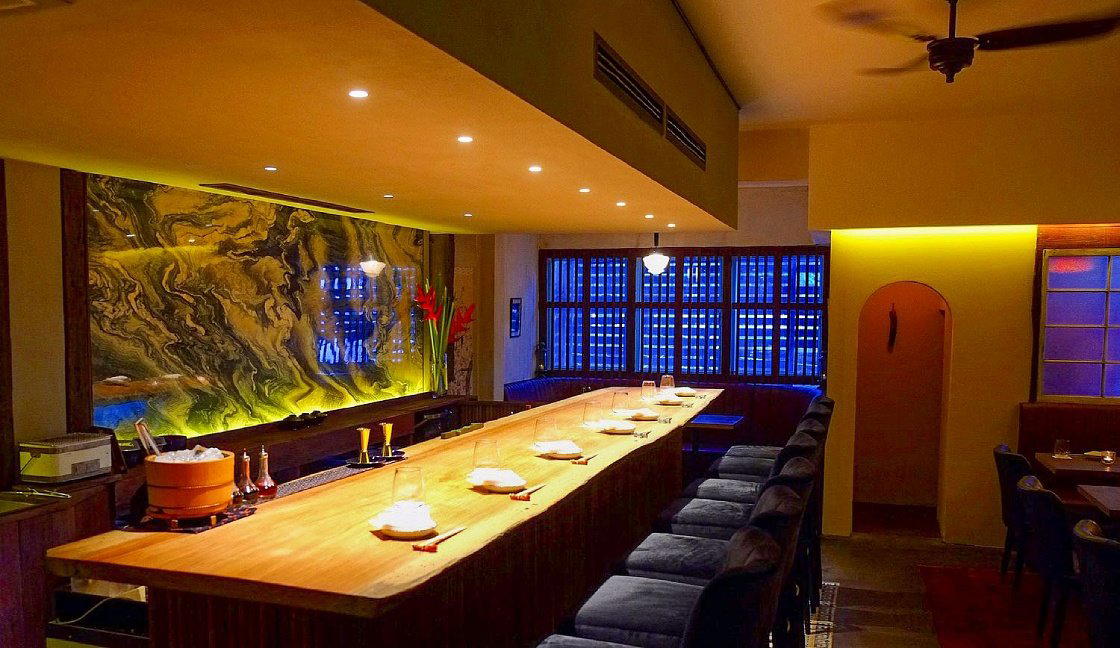
Cozy minimalist space with stone-grey walls, wooden elements, natural light from a single window, and warm spotlights creating an intimate atmosphere.