

1 Michelin Star · Michelin Guide 1 Star
Our verdict
Willow earned its Michelin star in 2024 with a pan-Asian tasting menu that draws on French technique and predominantly Japanese ingredients. Operating from a quiet address on Hongkong Street, the counter seats overlooking the open kitchen sit at the sharper end of the $$$-tier experience. For Singapore's tasting menu circuit, it represents considered value at a price point well below the city's four-star ceiling.

Pearl is the En Primeur Club membership app, where members save venues, book tables and use the concierge.
The menu
What to order
- 2-week Dry Aged Duck
- Tachiuo with Roasted Bone Broth
- Pain au Lait with Nori Butter
- Hotaru Ika BBQ
- Wagyu A5 Tochigi Ribeye
Where Hongkong Street's Tasting Menu Scene Sits in 2024
Singapore's tasting menu circuit has stratified noticeably over the past few years. At the leading sits a cluster of $$$$ houses Zén and Odette among them, where the expectation is a full evening's ceremony and a bill to match. Below that, a more interesting middle tier has opened up: restaurants with verifiable culinary pedigree, Michelin recognition, and a format that doesn't require pre-clearing your Saturday calendar. Willow, at 39 Hongkong Street, belongs to that second cohort, and the 2024 Michelin star confirms it has the kitchen credentials to compete within it.
Hongkong Street has been one of the city's more reliable addresses for serious drinking and eating since the cocktail bar wave of the early 2010s. The street runs short, which means proximity to other well-regarded addresses without the tourist footfall of the Marina Bay corridor. For a debut restaurant, which Willow is, for Chef Nicolas Tam, it is a location that signals intent without theatrical excess.
The Value Arithmetic of a $$$-Tier Michelin Counter
The price conversation matters here. In Singapore, a Michelin-starred tasting menu at the $$$$ level, comparable houses like Les Amis or Zén, typically carries a per-head spend that puts it firmly in the special-occasion-only bracket. Willow prices at the $$$ tier, which in Singapore's starred restaurant context is meaningful. You are paying for a multi-course tasting menu with French-trained kitchen discipline, Japanese-sourced ingredients, and the kind of service architecture where the chefs themselves bring and explain the courses. That combination at this price point represents a clear proposition in the city's dining market.
The comparison is not purely academic. Restaurants like Jaan by Kirk Westaway operate at a similar $$$ register with a European contemporary focus, and the Burnt Ends model has shown that serious culinary credentials don't require maximum-tier pricing. Willow's position in this bracket, now backed by a Michelin star, sharpens the value case considerably.
The Pan-Asian Tasting Menu: Technique and Source
Menu at Willow works along a specific axis: classical French culinary training applied to predominantly Japanese ingredients, framed within a pan-Asian tasting sequence. This is not a novel idea in Singapore, the city has been producing chefs who synthesise European technique with regional produce since at least the early 2000s, but the execution quality is what determines whether the concept holds. The Michelin assessment specifically cites refinement, precision, and balance as the kitchen's distinguishing qualities, and notes that courses build upon each other in a coherent sequence rather than arriving as isolated set pieces.
That internal coherence is harder to achieve than it sounds. Pan-Asian menus can drift toward a parade of unconnected references, where the through-line exists more on paper than on the palate. The fact that Michelin's language here emphasises flow and accumulation suggests a menu with actual editorial logic, which is worth noting for diners who have experienced the looser interpretations elsewhere in the city.
Asian Contemporary as a category has proven its range across markets. From Blackitch in Chiang Mai to Bōl in Kuala Lumpur to Esta in Ho Chi Minh City, the format has moved beyond a fusion catch-all into a serious critical category. Willow sits within that broader shift, with the Japanese-ingredient focus giving it a more precise identity than the category label alone implies.
Counter Seating and the Case for It
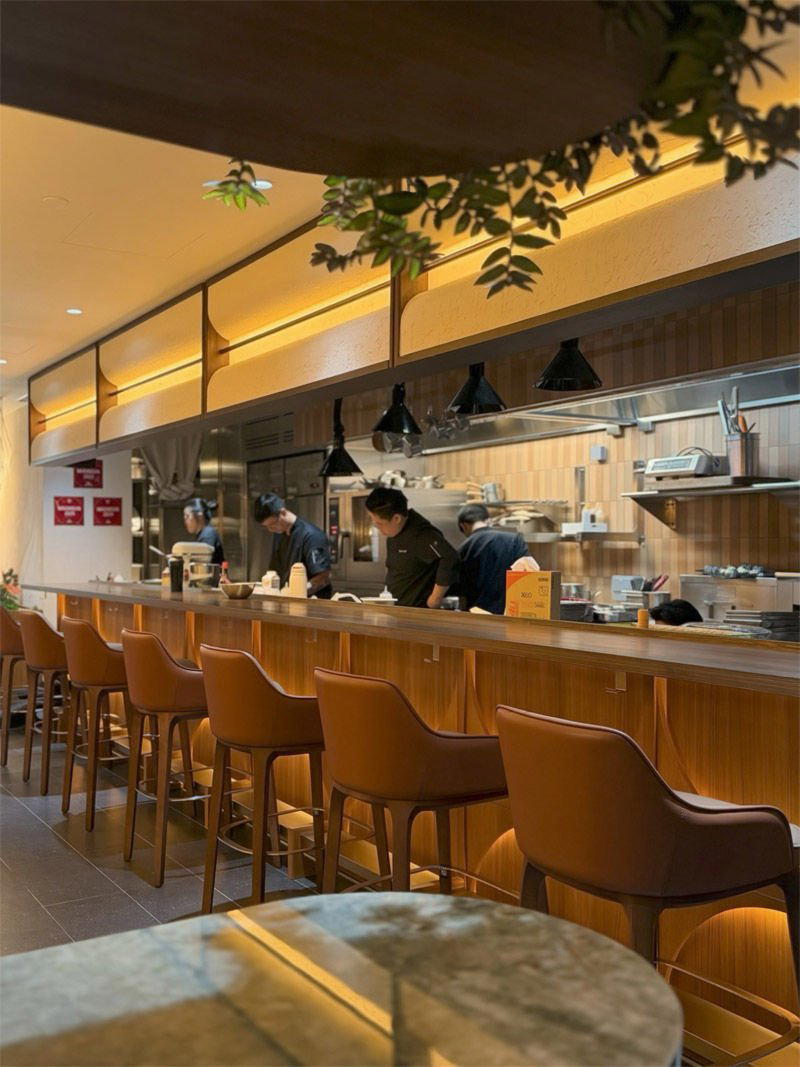
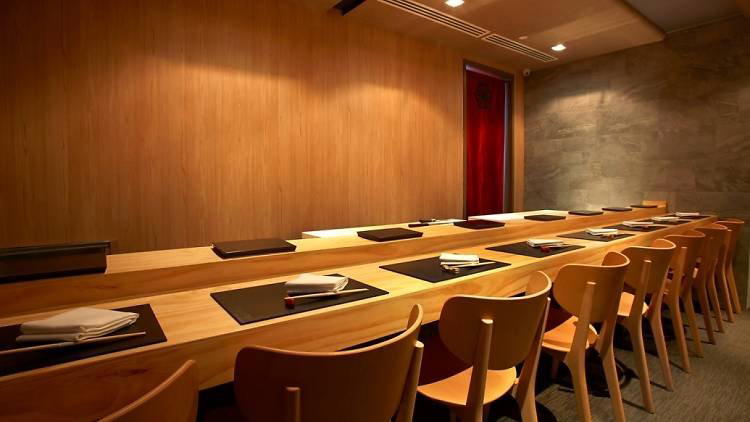
The Michelin guide singles out the counter seats overlooking the kitchen as the positions to request. This is editorially significant because it is relatively rare for a guide of that authority to offer explicit seating advice within an entry. Counter dining at this level of restaurant serves a specific function: it converts service from a relay system, kitchen to floor to table, into a direct exchange where the chefs themselves present each course. At Willow, that presentation format is confirmed as standard practice, meaning the counter seats amplify something that is already built into the experience rather than offering a categorically different one.
The intimacy of the format also aligns with the restaurant's overall register. Willow is described as understated and well-run, which in Singapore's tasting menu context positions it away from the larger-production houses. The closest analogue in format terms, if not in cuisine, would be the more restrained end of Ce Soir's approach to the dining room as a controlled environment.
Nicolas Tam's Debut and What It Signals
Chef Nicolas Tam brings French kitchen training and experience across prestigious restaurants to Willow as his first solo project. In Singapore's culinary market, debut restaurants with European-trained chefs at the helm have a mixed track record, pedigree transfers unevenly into the solo context. The 2024 Michelin star, earned in what appears to be the restaurant's early operational period, suggests the transfer has worked here. The star is for one year, which means the kitchen has demonstrated consistency over a sufficient number of covers to satisfy inspectors who weight repeatability alongside ambition.
The chef-present service model, courses introduced by the kitchen team directly, also points to a deliberate operational philosophy. At this scale, it keeps the communication chain short and the explanation of Japanese-ingredient sourcing accurate. Whether this is sustainable as the restaurant matures depends on factors outside any review, but as a founding model it creates a traceable line between kitchen intent and the diner's experience.
Practical Information for Planning a Visit
Willow operates Tuesday through Saturday, closed Sunday and Monday. Dinner service runs from 6 PM on Tuesday to Thursday, with a slightly later start at 6:30 PM on Friday and Saturday. Weekend lunches are available on Friday and Saturday from noon, which is the less common option for tasting menu restaurants in Singapore and worth noting for those who prefer the midday format or want to reserve evening time for the bar circuit on Hongkong Street afterward. The address at 39 Hongkong Street puts it within the Clarke Quay and Chinatown fringe, accessible from multiple MRT lines. Reservations at a Michelin-starred counter in Singapore at the $$$ tier tend to fill ahead, particularly for weekend dinner; booking in advance is advisable rather than speculative. Check the restaurant's current booking channels for availability, as no direct reservation platform is confirmed in available data.
For the broader Singapore dining context, our full Singapore restaurants guide maps the city's tasting menu tiers in detail. If you are building a longer itinerary, the Singapore hotels guide, bars guide, wineries guide, and experiences guide cover the full picture. The Asian Contemporary format that Willow works within has also produced compelling results in markets as varied as Istanbul, Zurich, Dubai, Brussels, and Florence, which gives some sense of how widely the category has dispersed.
Frequently asked questions
What kind of setting is Willow?
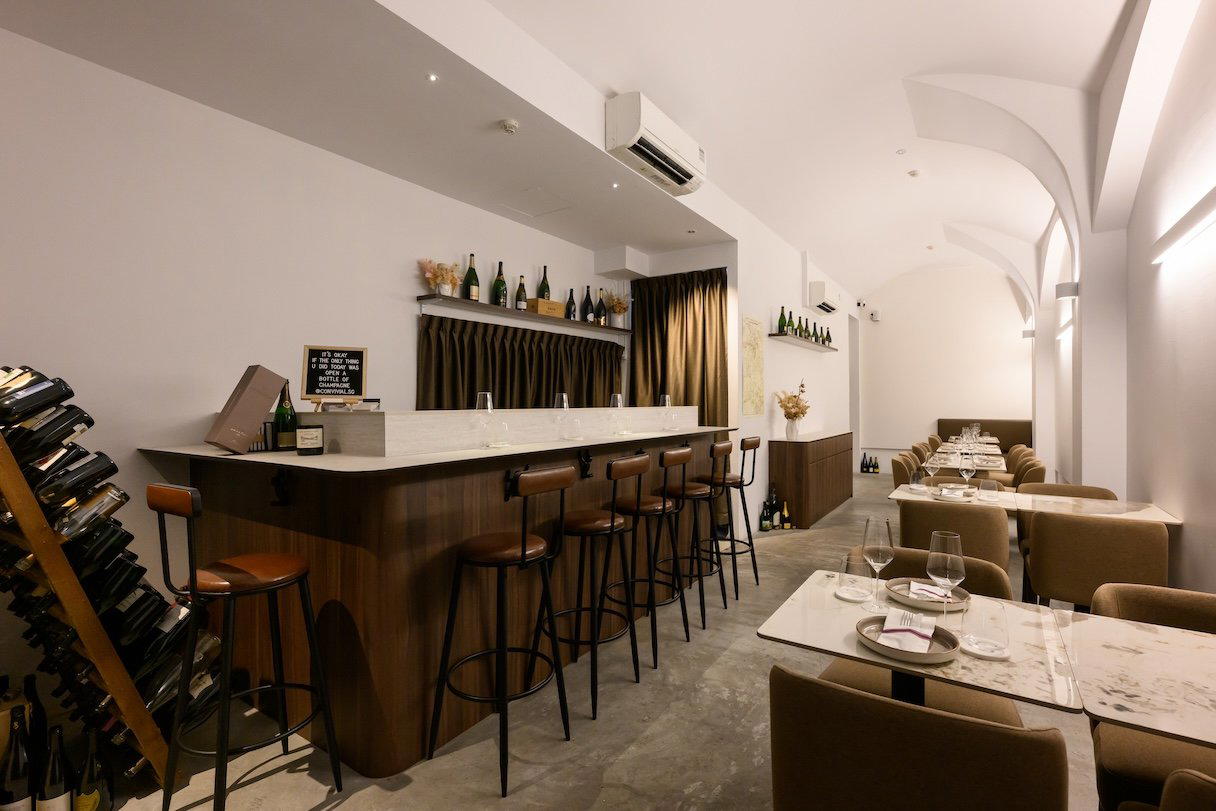
Willow runs as an intimate, counter-forward tasting menu restaurant on Hongkong Street. The format is understated rather than theatrical: a controlled dining room, a focused menu, and a service model where kitchen staff present courses directly. It sits at the $$$ price tier within Singapore's Michelin-starred restaurant bracket, which places it below the city's most expensive fine dining houses while still operating at a level of precision that the 2024 Michelin star confirms. The setting rewards diners who want close kitchen access; the counter seats overlooking the pass are specifically recommended by the guide.
Does Willow work for a family meal?
The format is a structured, multi-course tasting menu with a prix-fixe sequence. Singapore's $$$ tier for Michelin-starred restaurants represents a meaningful spend, and the intimate counter setting is calibrated for focused dining rather than relaxed group conversation. It is a considered choice for adults who want a kitchen-forward experience, but the tasting menu format and counter orientation make it a less natural fit for mixed-age family groups or occasions where flexibility on timing matters.
What do regulars order at Willow?
Willow operates a tasting menu format, which means the selection is fixed rather than a la carte. The kitchen's focus is a pan-Asian sequence built predominantly on Japanese ingredients, with French technique shaping preparation and plating. The Michelin assessors highlight the coherence of the progression, courses that build on each other rather than arriving independently, so the full tasting sequence is the intended way to experience the kitchen's logic. Counter seats are the Michelin-noted preference for regulars who want the most direct engagement with how each course is constructed and presented.
Just the Basics
| Venue | Cuisine | Price | Awards | Notes |
|---|---|---|---|---|
| WillowThis venue (the venue you are viewing) | Contemporary Asian with Japanese Influences | $200–300 | 1 Michelin Star · Michelin Guide 1 Star | Not listed |
| Zén | Yakitori & Japanese Izakaya | $50–100 | Tabelog 100 #92 | European Contemporary |
| Jaan by Kirk Westaway | Modern British Fine Dining | $200–300 | 2 Michelin Stars · Michelin Guide 2 Stars | British Contemporary |
| Burnt Ends | Modern Australian Barbecue | $100–150 | 1 Michelin Star · Michelin Guide 1 Star | Australian Barbecue, Barbecue |
| Summer Pavilion | Michelin-Starred Cantonese | $100–150 | 1 Michelin Star · Michelin Guide 1 Star | Cantonese |
| Born | Contemporary Fusion Fine Dining | $200–300 | 1 Michelin Star · Michelin Guide 1 Star | Creative Cuisine, Innovative |
Recognition history
Dated appearances from independent guides and award organizations, with the underlying list record or original source where available.
Michelin 1 Star
Michelin
Michelin Guide 1 Star
Michelin Guide
Full recognition history (3 entries)
Michelin 1 Star
Michelin
Continue exploring
More in Singapore
Restaurants in Singapore
All restaurants in Singapore →
Bars in Singapore
All bars in Singapore →
Details
- Elegant
- Intimate
- Modern
- Sophisticated
- Date Night
- Celebration
- Special Occasion
- Business Dinner
- Chefs Counter
- Open Kitchen
- Private Dining
- Sake Program
- Sustainable Seafood
- Local Sourcing
- Tasting Menu
- Counter Dining
- Set Menu
- Sake
- Wine
Current opening hours
- Monday
- Closed
- Tuesday
- 6–11 PM
- Wednesday
- 6–11 PM
- Thursday
- 6–11 PM
- Friday
- 12–3 PM, 6:30–11 PM
- Saturday
- 12–3 PM, 6:30–11 PM
- Sunday
- Closed
Hours can change for holidays and private events. Hours as of .
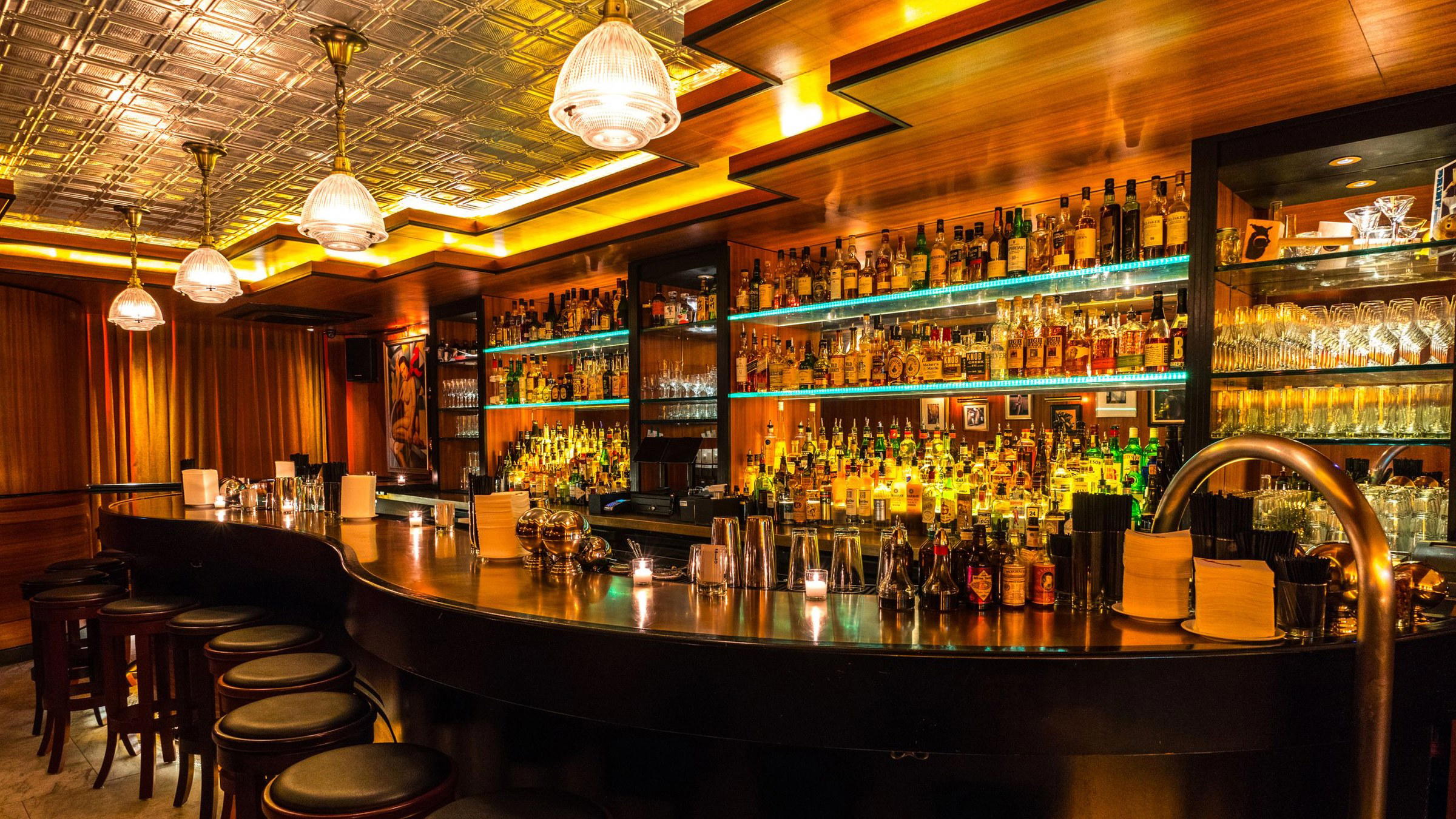
Intimate and elegantly appointed space with warm tones and dark contrasts; open kitchen counter seating provides engaging views of the culinary work; sophisticated yet earnest service creates a refined but approachable atmosphere.