T Room
This listing is retired after a June 2026 status audit found the place inactive at its stored address.
- Address
- 4510 McKinney Ave, Dallas, TX 75205
- Phone
- +1 214 559 2332
- Directions
- Get directions
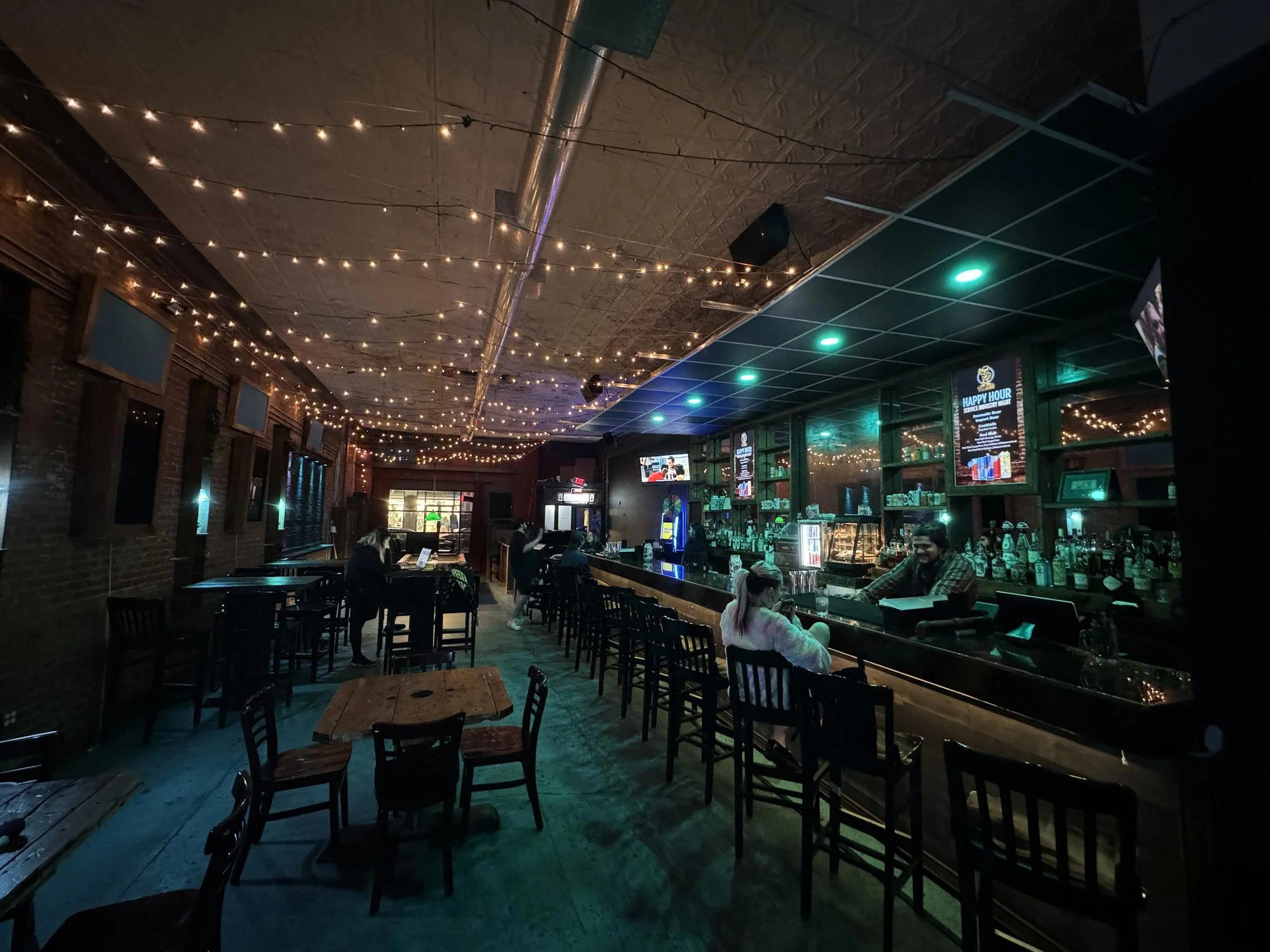
The Uptown Dining Tier T Room Occupies
McKinney Avenue runs through one of Dallas's most commercially dense dining corridors, where the range between fast-casual and white-tablecloth is compressed into walkable blocks. The venues that hold attention in this stretch tend to occupy a middle register: specific enough in format to draw repeat visitors, but without the ceremony that pushes diners toward a special-occasion-only relationship with a room. T Room, at 4510 McKinney Ave, sits in that register. The address places it squarely in Uptown, a neighborhood centered on casual neighborhood dining and easy drop-in meals.
What the Menu Architecture Tells You
In Dallas, one revealing thing about a restaurant is rarely the headline dish. It is the structure of the menu itself: how many sections it carries, whether it moves through a progression or offers lateral choices, and what the price-to-format ratio implies about the kitchen's ambitions. Venues in the Uptown corridor tend to organize menus around broad accessibility, covering enough categories to hold a table of four with competing preferences. That breadth is a commercial decision as much as a culinary one, and it shapes what a kitchen can execute well versus what it is merely obligated to offer.
T Room's position on McKinney Avenue places it in direct comparison with a comparable set that includes venues like Mamani, which operates in a more defined ethnic culinary lane, and 360 Brunch House, which anchors its format around a specific daypart. By contrast, venues without a single defining constraint on their menu architecture are making a different bet: that range itself is the draw. Whether that bet pays off depends on how tightly the kitchen executes across the spread, and on whether the room creates enough of its own atmosphere to make the visit feel deliberate rather than convenient.
Nationally, the restaurants that have resolved this tension most convincingly tend to do so by imposing a structural logic on an otherwise broad menu: a sourcing constraint, a regional focus, or a format rule that gives the diner a reason to read the menu as a coherent argument rather than a list. Single Thread Farm in Healdsburg uses a hyper-seasonal kaiseki-influenced structure to achieve this. Blue Hill at Stone Barns in Tarrytown organizes its menu around what the farm produces on a given day. Smyth in Chicago uses a tasting format where the progression itself is the menu's architecture. These are not models T Room needs to follow, but they illustrate what menu discipline can accomplish at the upper end of the market.
The Dallas Context: Where the Competition Sits
Dallas's dining scene has matured considerably over the past decade, developing enough critical mass in its premium tier to support meaningful comparison across price points and formats.
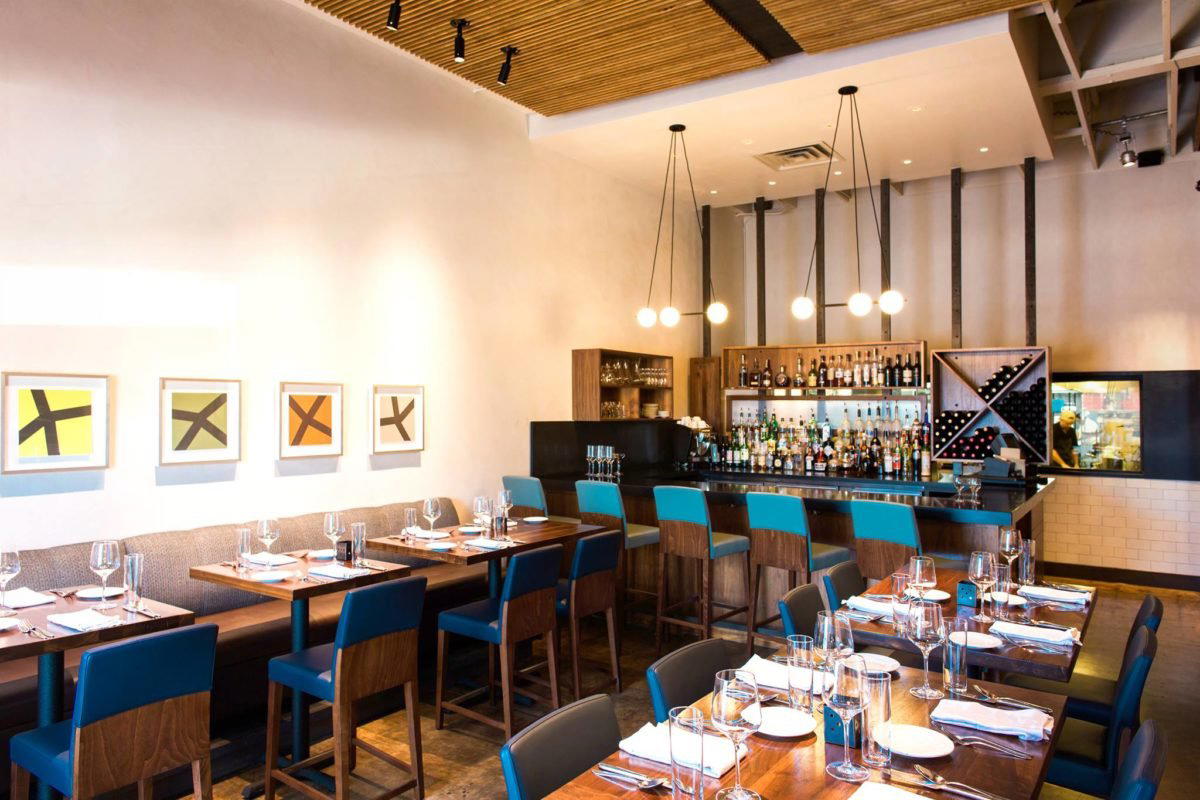
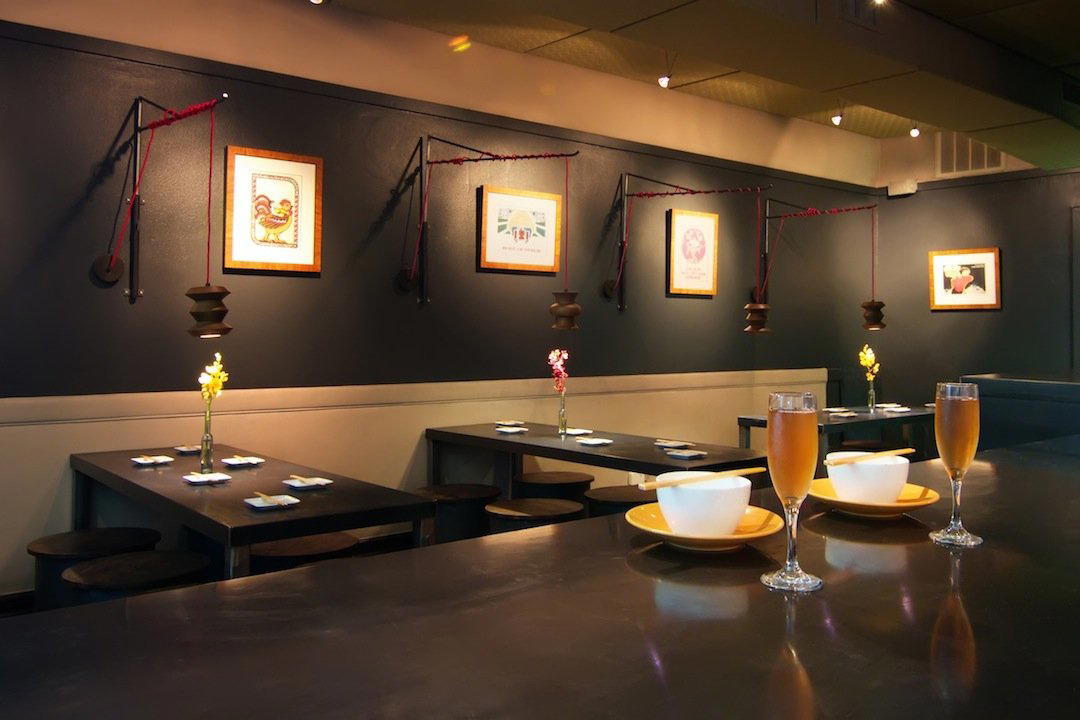
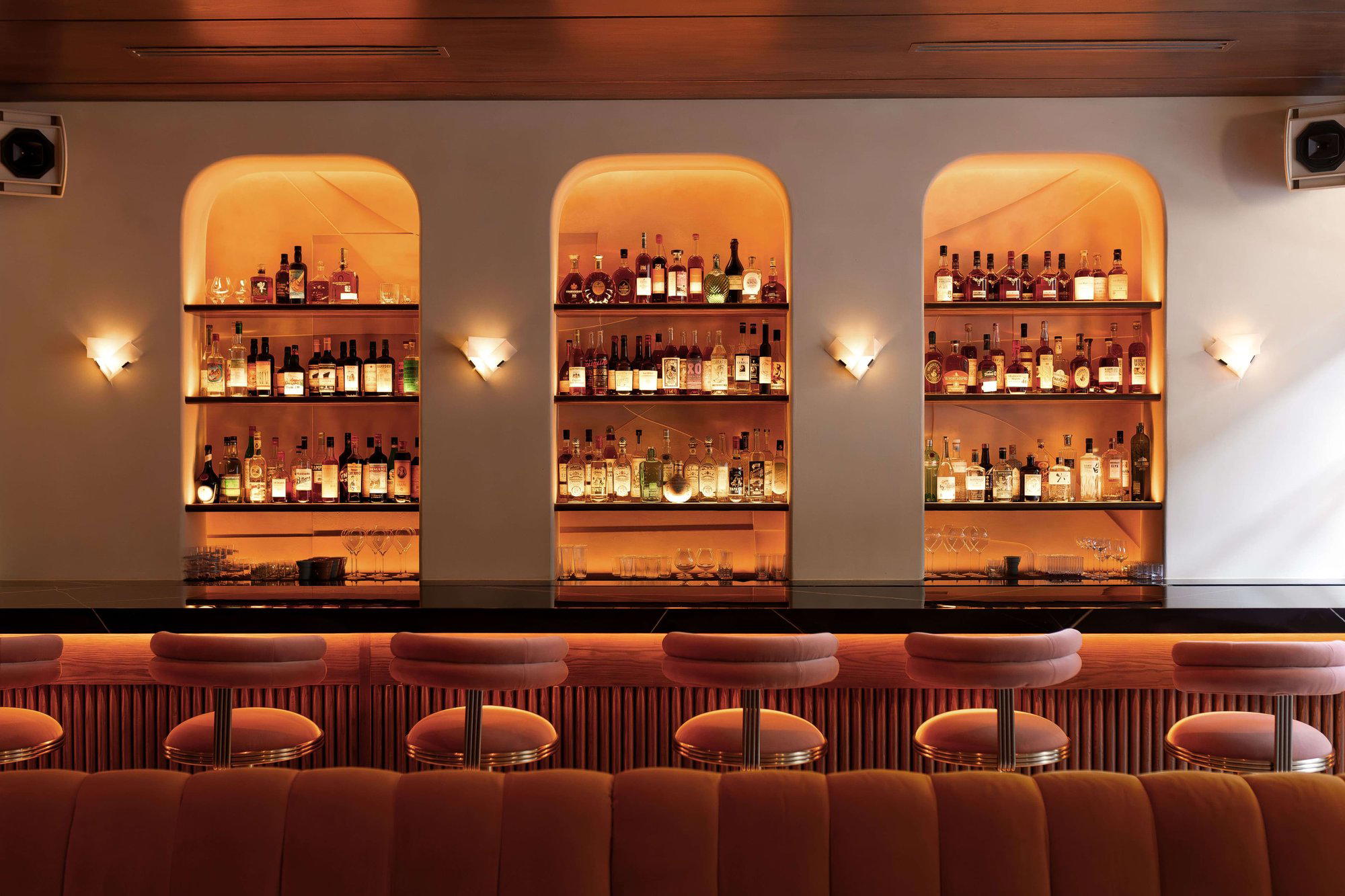
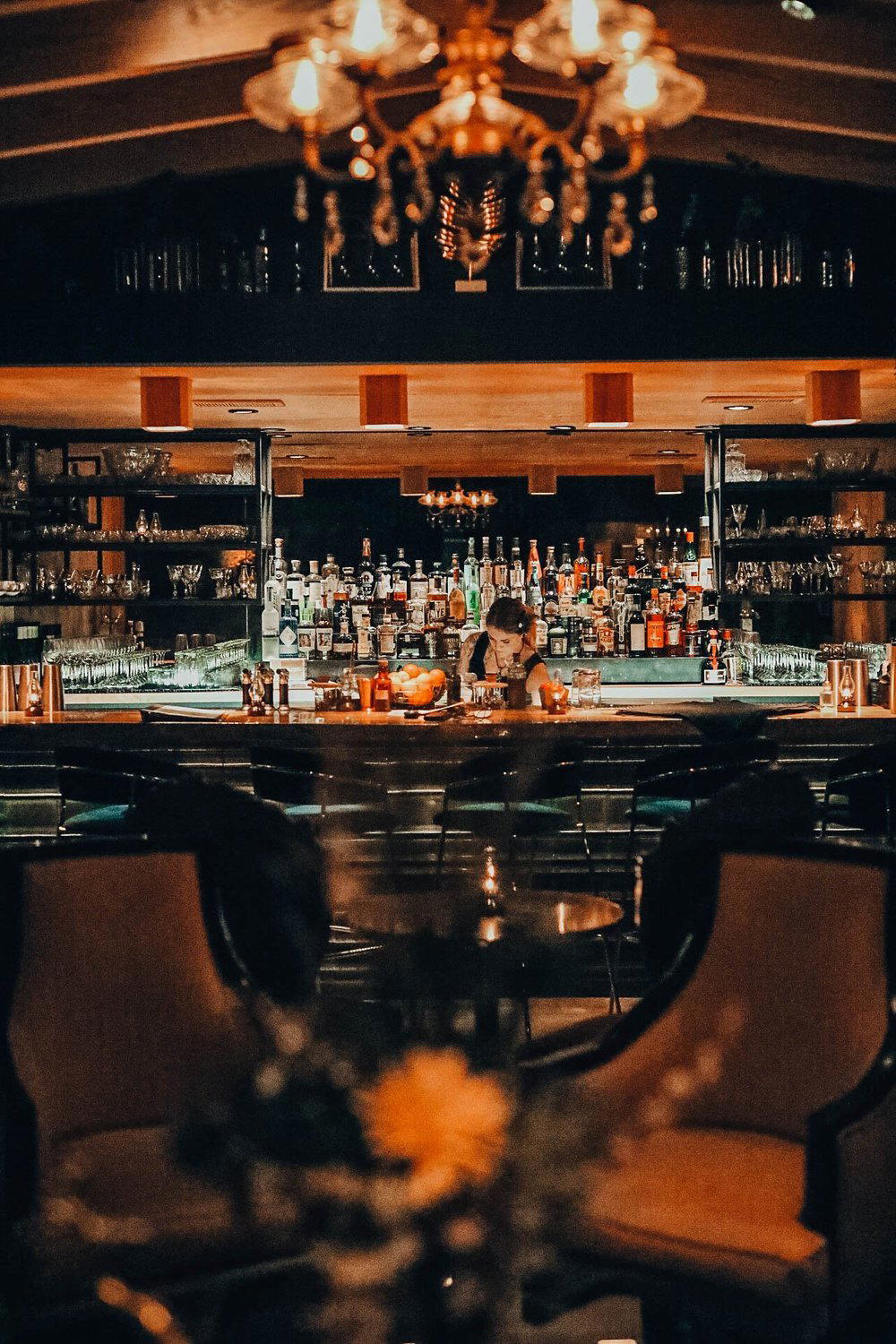
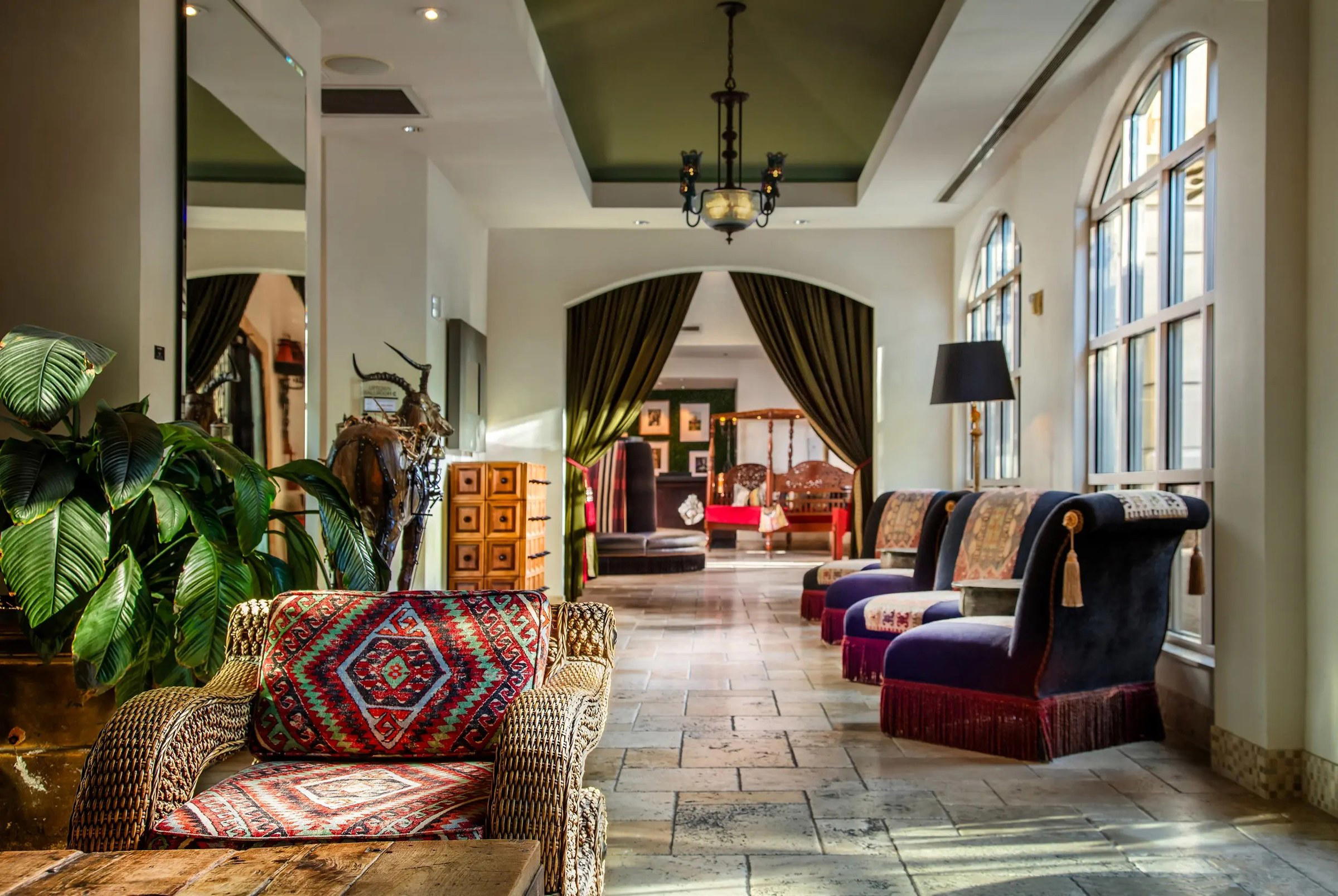
A venue without a published price range or a declared cuisine type is, in effect, asking the diner to trust the room before they trust the menu. That trust is built through atmosphere, through the physical cues of the space, and through the consistency of the service format. On McKinney Avenue, where foot traffic creates a constant stream of first-time visitors, the ability to communicate a venue's register quickly is a practical requirement, not a luxury.
Le Bernardin in New York City built its authority on a singular seafood focus sustained over decades. Providence in Los Angeles holds Michelin recognition in a city where the guide's presence is relatively recent, which makes the credential more pointed. Addison in San Diego operates as the only California restaurant outside the Bay Area to hold three Michelin stars. Atomix in New York City and Atelier Moessmer Norbert Niederkofler in Brunico both anchor their reputations in a declared culinary philosophy that is legible before you sit down. These are the venues that have resolved the trust problem before the diner arrives.
Planning a Visit
T Room is located at 4510 McKinney Ave in Dallas's Uptown neighborhood, Uptown's dining density means that parking is competitive on weekend evenings, and the area is more walkable than most of Dallas from hotels in the Victory Park and Arts District zones. For visitors comparing options across a multi-day stay, venues like Lazy Bear in San Francisco, Emeril's in New Orleans, and The Inn at Little Washington in Washington provide useful reference points for how regional dining destinations build their reputations over time, a frame that helps calibrate expectations when approaching a venue where published data is limited. The French Laundry in Napa sets the national standard for advance booking discipline; in Dallas's Uptown, lead times are typically shorter, but confirming availability before making the trip to McKinney Avenue is advisable regardless.
Style and Standing
Comparable venues nearby, for context on price, style, and recognition.
| Venue | Cuisine | Price | Notes |
|---|---|---|---|
| T RoomThis venue — the venue you are viewing | American Casual | $$$ | Not listed |
| Doughbird | Pizza and Rotisserie Chicken | $$$ | Devonshire |
| Neighborhood Services | Upscale American Steakhouse | $$$ | Lovers Lane |
| Kitchen + Kocktails by Kevin Kelley - Dallas | Polished Soul Food | $$$ | Main Street District |
| Zodiac | Contemporary American Fine Dining | $$$ | Downtown |
| Fond | Modern American Bistro | $$$ | Downtown |
At a Glance
- Casual
- Cozy
- Solo
- Casual Hangout
- Standalone
Know Before You Go
- Getting there
- 4510 McKinney Ave, Dallas, TX 75205