BKK Thai Street Food on Oeder Weg brings the pacing and register of Bangkok's street-side eating culture to Frankfurt's Nordend district. The format sits in a category of its own within the city's international dining scene, informal, direct, and built around dishes that prioritise flavour over presentation. For visitors who want something outside the German bistro circuit, this is a reliable address on a street already worth exploring.
Pearl is the En Primeur Club membership app — saves, bookings, and concierge access live there. Same editors, same standards.
- Address
- Oeder Weg 14, 60318 Frankfurt am Main, Germany
- Phone
- +49 69 21087992
- Website
- bkkthaistreetfood.com
- Directions
- Get directions
 Saves & bookings on Pearl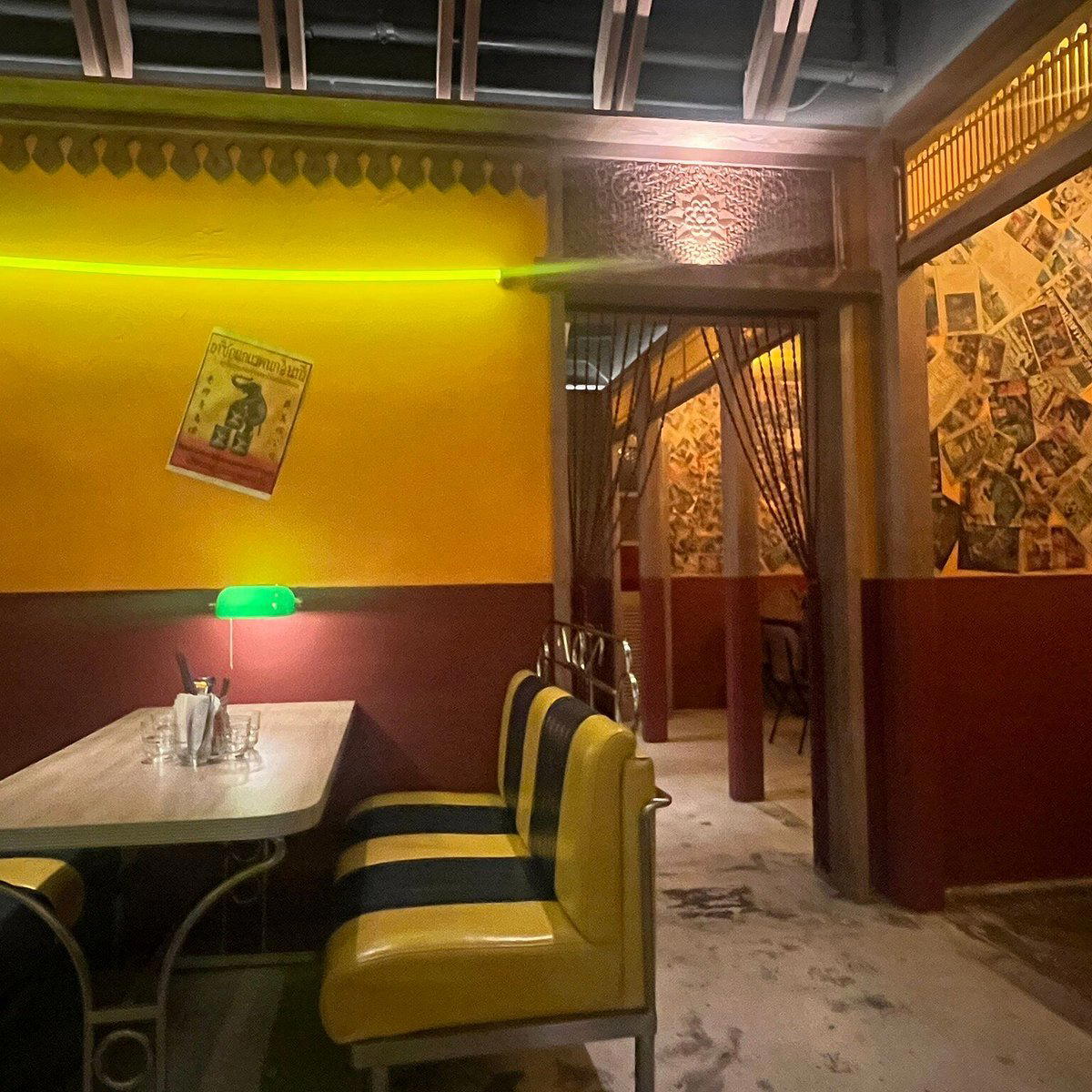
Street Food Ritual, Central European Setting
Frankfurt's Nordend has, over the past decade, become the district where the city's more casual international dining concentrates. Oeder Weg, a long residential-commercial artery running north from the Eschenheimer Turm, gathers the kind of neighbourhood restaurants that serve regulars rather than conference delegates, places where the format is tight and the focus is on the food rather than the room. BKK Thai Street Food sits at number 14 on that stretch, occupying the space that Thai street dining tends to occupy in any city that has absorbed it properly: somewhere between a canteen and a kitchen table, with little ceremony between the order and the plate.
The Bangkok street-food model is, at its core, a ritual built around speed, specificity, and repetition. A single cook runs a single station, produces two or three dishes, and produces them at a volume and consistency that comes only from doing the same thing daily. The leading versions of this format to appear in European cities carry that logic forward, small menus, clear specialisations, a pace that keeps the food arriving hot and the table turning steadily. In Frankfurt, a city whose dining identity leans toward German bistro and international fine dining, this register is relatively rare, which is what makes addresses like BKK worth knowing about.
The Pacing and Logic of the Meal
Eating Thai street food well requires a different set of expectations than a tasting-menu dinner or even a casual European bistro. The meal does not build through courses in a deliberate arc. Dishes arrive when they are ready, often quickly, sometimes simultaneously, and the practice is to share rather than to sequence. Condiment sets matter: a Thai street table without fish sauce, dried chilli, and sugar at the side is already working against its own tradition. The eating is interactive in a way that most European dining formats are not.
Frankfurt diners approaching BKK for the first time benefit from setting aside the instinct to pace the meal deliberately. Ordering two or three dishes between two people and adjusting seasoning as the meal progresses is closer to the intended format than ordering individually and waiting for a structured progression. In this sense, the ritual of the meal is the content, the food is the medium through which a particular eating culture expresses itself, and the register only works when the diner participates on those terms.
This is a category of dining that sits in a different competitive tier from the table-service restaurants clustered elsewhere in Frankfurt. Venues such as ALEJANDRO'S, Allgaiers Restaurant, and Ariston operate in a more formal register and at a different price point. BKK belongs to the informal end of the spectrum, alongside addresses like atm by Deli&Grape and Babam, which share the Nordend and Innenstadt neighbourhoods and offer a similarly unfussy entry to international eating. The comparison is not about quality but about format: these are places where the mode of eating is itself part of what is being offered.
Thai Street Food in the German Context
Germany's relationship with Thai cuisine has historically followed the pattern common across Northern Europe: early adoption through heavily adapted menus, followed by a slow correction toward more accurate regional cooking as the first generation of Thai-run restaurants was joined by a second that had less commercial pressure to simplify. Frankfurt, as a city with a high density of international residents and a transient professional population, has seen this shift move faster than in smaller German cities. The demand for recognisable, unadulterated regional dishes, the sour and salty funk of a properly made som tum, the aromatic heat of a dry-fried larb, the clean broth of a rice soup, now exists at a meaningful volume in the city.
BKK Thai Street Food operates against that backdrop. The address on Oeder Weg places it in a part of the city where the clientele is mixed enough to support both familiar adaptations and more direct cooking. Whether the kitchen leans toward one or the other is something that becomes apparent quickly from the menu, the proportion of dishes that involve tamarind, fresh lime leaf, galangal, and fermented shrimp paste tells you more about a Thai kitchen's intentions than any single descriptor can.
Frankfurt's Broader Dining Frame
For a visitor working through Frankfurt's restaurant scene, it helps to understand the city's dining structure. The fine-dining tier is relatively concentrated, anchored by a small group of Michelin-recognised addresses and a handful of ambitious independents. Germany's wider fine-dining circuit extends well beyond Frankfurt itself, Schwarzwaldstube in Baiersbronn, Aqua in Wolfsburg, JAN in Munich, Vendôme in Bergisch Gladbach, CODA Dessert Dining in Berlin, Victor's Fine Dining by christian bau in Perl, ES:SENZ in Grassau, Schanz in Piesport, Waldhotel Sonnora in Dreis, and Restaurant Haerlin in Hamburg, represent the upper register of the country's kitchen ambition. At the international fine-dining level, addresses like Le Bernardin in New York City and Lazy Bear in San Francisco define a comparison set that Frankfurt's top tier aspires toward.
BKK sits in a different register from all of these, and that is precisely the point. A well-rounded visit to Frankfurt involves moving across formats and price brackets, not spending every meal in the same tier. The casual international end of the market, where BKK operates, fills a gap in the city's dining week that the formal restaurants cannot and do not try to cover.
Planning a Visit
Oeder Weg 14 is in Frankfurt's Nordend, accessible from the city centre on foot in around fifteen to twenty minutes or by U-Bahn to Eschenheimer Tor. The street is busiest in the early evening, and the informal format means that arrival timing is more flexible than at reservation-only restaurants. The neighbourhood itself rewards a longer visit: the stretch of Oeder Weg between Eschenheimer Tor and Glauburgstrasse has enough variety in its restaurant and café selection to structure an afternoon or evening around independently of any single address.
Cost Snapshot
Comparable venues nearby, for context on price, style, and recognition.
| Venue | Cuisine | Price | Notes |
|---|---|---|---|
| BKK Thai Street FoodThis venue — the venue you are viewing | Roemerberg, Authentic Thai Street Food | $$ | Not listed |
| Forno D'Oro | Not listed | $$ | Palmengarten, Authentic Northern Italian Pizza & Pasta |
| La Perla Nera | Enkheim, Authentic Italian Ristorante | $$ | Not listed |
| Góc Phố | Roemerberg, Vietnamese Street Food | $$ | Not listed |
| Ristorante Sardegna | Roemerberg, Authentic Sardinian Italian | $$ | Not listed |
| Lijianger | Not listed | $$ | Roemerberg, Authentic Guilin and Sichuan Chinese |
Continue exploring
More in Frankfurt
Restaurants in Frankfurt
Browse all →
Bars in Frankfurt
Browse all →

Hotels in Frankfurt
Browse all →

At a Glance
- Trendy
- Lively
- Cozy
- Casual Hangout
- Family
- Open Kitchen
- Craft Cocktails
Current opening hours
- Monday
- 12–2:30 PM, 6–10 PM
- Tuesday
- 12–2:30 PM, 6–10 PM
- Wednesday
- 12–2:30 PM, 6–10 PM
- Thursday
- 12–2:30 PM, 6–10 PM
- Friday
- 12–2:30 PM, 6–10 PM
- Saturday
- 12–2:30 PM, 6–10 PM
- Sunday
- Closed
Hours can change for holidays and private events. Last verified .
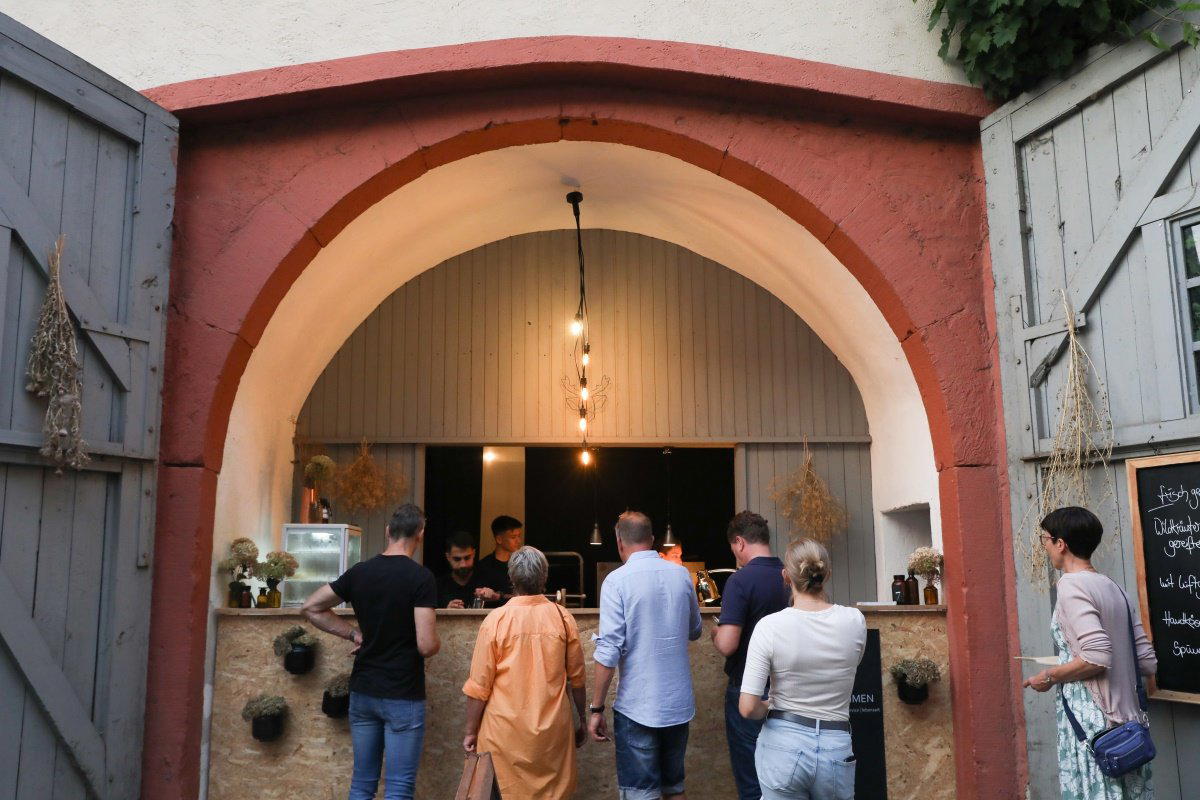
Casual street food atmosphere with small typical Thai chairs, smart new decor, crowded and fun vibe.