Lijianger sits on Porzellanhofstraße in Frankfurt's city centre, representing the quieter end of the city's Chinese restaurant offering, a counter to the louder, more tourist-facing operations that dominate the Zeil corridor. The kitchen works within a format that rewards return visits and familiarity over first-glance spectacle. For Frankfurt's Chinese dining scene, that positioning is worth understanding before you book.
Pearl is the En Primeur Club membership app — saves, bookings, and concierge access live there. Same editors, same standards.
- Address
- Porzellanhofstraße 10, 60313 Frankfurt am Main, Germany
- Phone
- +496913385304
- Directions
- Get directions
 Saves & bookings on Pearl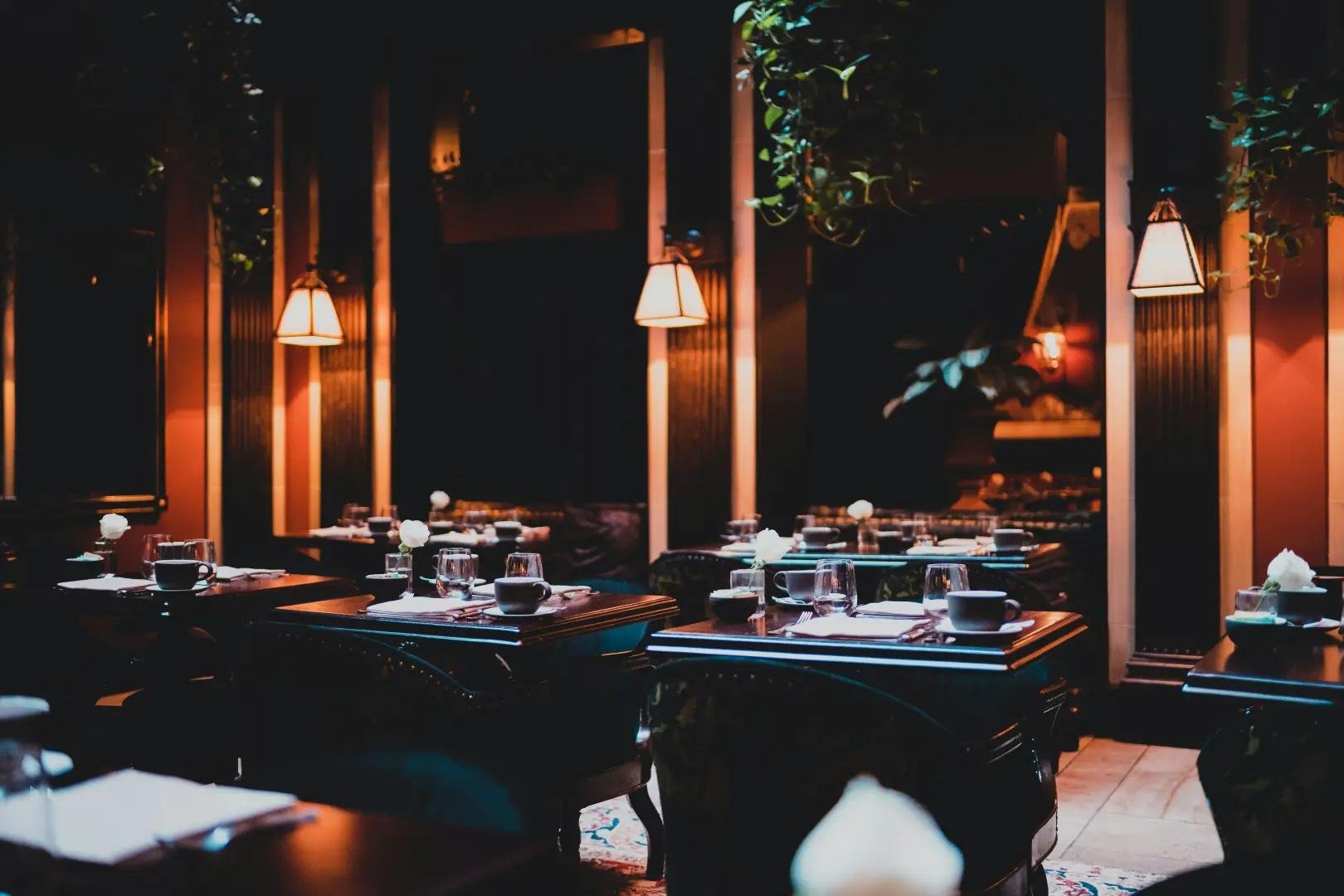
A Different Register on Frankfurt's Chinese Dining Map
Frankfurt's Chinese restaurant sector divides, as it does in most large German cities, between two broad camps. The first is volume-oriented: large dining rooms near transit hubs, fixed-price lunch menus, and a format built around table turnover. The second is quieter and harder to locate, smaller operations where the menu architecture reflects a more specific regional or stylistic commitment. Lijianger is a casual Chinese restaurant at Porzellanhofstraße 10, 60313 Frankfurt am Main, Germany, serving Authentic Guilin and Sichuan Chinese cooking at about $20 per person. It occupies an address that places it within Frankfurt's denser commercial centre, a few minutes from the Hauptwache, but away from the immediate tourist corridor of the Zeil. That geography matters: it signals a kitchen that expects its guests to seek it out rather than stumble upon it.
Frankfurt itself is an underappreciated city for Chinese dining relative to its size. The financial sector draws a significant expatriate community, and that demographic pressure has, over time, produced a tier of restaurants that answer to more exacting standards than the generic German-Chinese canon. Lijianger sits within that context, a city where the audience for more considered Chinese cooking exists, even if the dining press has not always caught up with it.
Reading the Menu Structure
The editorial angle most useful for understanding a restaurant at this address is not the chef biography or the décor, it is the menu itself and what its construction tells you about the kitchen's priorities. Chinese restaurant menus in Europe tend toward one of three logics. The first is the exhaustive catalogue: dozens of categories, broad regional coverage, and a format that functions as a reference document rather than a curated statement. The second is the fixed tasting format, increasingly common in higher-end urban Chinese operations that want to position against European fine dining norms. The third, and the one that rewards the careful reading, is the selective à la carte, where the number of dishes is constrained and the selection implies genuine kitchen confidence in a defined repertoire.
What can be said with reasonable confidence, based on the address tier and the nature of the neighbourhood, is that the operation is not a high-volume catalogue format. The Porzellanhofstraße location, a quieter street compared to the main commercial arteries, does not support the foot traffic economics of a large-format menu. That compression, if it holds, is usually a positive signal: fewer dishes on a menu often means the kitchen is cooking what it knows rather than what it thinks will sell.
For a reader deciding whether to visit, the practical implication is that this is likely a restaurant where the regulars eat differently from first-timers. In Chinese restaurants operating a selective menu, the dishes that reflect the kitchen's actual competence are rarely the ones listed first. They appear in the middle of the menu, or as verbal recommendations from staff who have learned to read which guests will appreciate them. That dynamic, where familiarity unlocks a better meal, is common across Chinese restaurant culture in Europe and is worth keeping in mind when approaching Lijianger for the first time.
Frankfurt's Wider Dining Context
To place Lijianger within Frankfurt's broader restaurant picture: the city has a compact but functional fine dining tier, anchored by a handful of kitchens that hold or have held Michelin recognition. The European scene that surrounds Frankfurt includes some of Germany's most decorated addresses, Aqua in Wolfsburg, Schwarzwaldstube in Baiersbronn, Vendôme in Bergisch Gladbach, Victor's Fine Dining by Christian Bau in Perl, and Waldhotel Sonnora in Dreis. Within the city itself, the contemporary restaurant scene is anchored by addresses like ALEJANDRO'S, Allgaiers Restaurant, Ariston, and atm by Deli&Grape, each occupying a distinct niche in the local market. For international cuisine, addresses like Ambassel show how ethnic dining in Frankfurt can operate at a level of intent that moves beyond comfort-food positioning.
Germany's most interesting restaurant format experimentation tends to happen in Berlin and Munich, CODA Dessert Dining in Berlin and JAN in Munich are useful reference points for what format ambition looks like at the higher end, but Frankfurt's dining scene has matured enough that format-led restaurants can find an audience. Internationally, the benchmark for focused, technically serious menus at the upper tier is set by places like Le Bernardin in New York City and Atomix in New York City, where menu compression is a deliberate statement of ambition. ES:SENZ in Grassau, Restaurant Haerlin in Hamburg, and Schanz in Piesport round out a picture of serious German dining that extends well beyond the major cities. Lijianger does not operate in this tier, but understanding that tier clarifies the scale and ambition of Frankfurt's hospitality market as a whole.
Practical Considerations
Lijianger's address on Porzellanhofstraße places it within walking distance of both the Hauptwache U- and S-Bahn interchange and the Konstablerwache, making it accessible from most parts of Frankfurt without requiring a taxi or car. For guests arriving from outside the city, Frankfurt Hauptbahnhof is reachable within ten to fifteen minutes by U-Bahn, and the restaurant's central postcode means hotel options in all price categories are within a reasonable radius. The absence of a publicly listed phone number or website in current records suggests that discovery may currently happen via third-party platforms or direct walk-in, which is not uncommon for smaller Chinese restaurants operating in Frankfurt's commercial centre.
Recognition Snapshot
Comparable venues nearby, for context on price, style, and recognition.
| Venue | Cuisine | Price | Notes |
|---|---|---|---|
| LijiangerThis venue — the venue you are viewing | Authentic Guilin and Sichuan Chinese | $$ | Not listed |
| Mian Nudelhaus | Chinese Handmade Noodles | $$ | Goethehaus |
| Yung | Authentic Cantonese | $$ | Palmengarten |
| China Haus | Authentic Sichuan Chinese | $$ | Messegelande |
| Höfchen | Authentic Sichuan Chinese | $$ | Roemerberg |
| Duble Meze Grill | Authentic Turkish Meze Grill | $$ | Palmengarten |
Continue exploring
More in Frankfurt
Restaurants in Frankfurt
Browse all →
Bars in Frankfurt
Browse all →

Hotels in Frankfurt
Browse all →

At a Glance
- Cozy
- Casual Hangout
- Group Dining
- Private Dining
Current opening hours
- Monday
- 11:30 AM–3 PM, 5–10 PM
- Tuesday
- 11:30 AM–3 PM, 5–10 PM
- Wednesday
- 11:30 AM–3 PM, 5–10 PM
- Thursday
- 11:30 AM–3 PM, 5–10 PM
- Friday
- 11:30 AM–3 PM, 5–10 PM
- Saturday
- 11:30 AM–3 PM, 5–10 PM
- Sunday
- Closed
Hours can change for holidays and private events. Last verified .
Cozy and unassuming with spacious square tables and soft-cushioned seating, creating a comfortable escape for authentic Chinese flavors.