Our verdict
Forno D'Oro occupies a stretch of Homburger Landstraße in Frankfurt's northern reaches, where the city's dining scene thins out from the dense restaurant corridors of Sachsenhausen and the Innenstadt. The name signals Italian wood-fired tradition, and the address places it among a tier of neighbourhood restaurants that Frankfurt residents treat as regulars rather than occasions. Verify current hours and booking directly before visiting.

Pearl is the En Primeur Club membership app, where members save venues, book tables and use the concierge.

The menu
What to order
- Truffle Tagliatelle in Parmesan Bowl
- Wood-fired Pizza
- Spaghetti alle Vongole
- Seafood Pizza
Northern Frankfurt and the Neighbourhood Restaurant Question
Frankfurt's serious dining is concentrated, as it is in most German financial cities, around a handful of legible corridors: the Fressgass, the Sachsenhausen waterfront, and the increasingly dense strip near the Hauptbahnhof. North of the Nordend, along Homburger Landstraße, the restaurant density drops and the character shifts. What remains tends to serve a local clientele that has chosen proximity and familiarity over the friction of a reservation-heavy table in the city centre. Forno D'Oro, at number 66 on that road, operates in this context. Whether it functions as a fixed point in a visitor's Frankfurt itinerary depends on how seriously it executes against its name, which translates from Italian as golden oven, a phrase that implies wood-fired cooking and the weight of tradition behind it.
That northern address is worth taking seriously as a data point. Frankfurt's fine-dining tier, the rooms that attract recognition from guides and critics, clusters southward and centrally. Venues like ALEJANDRO'S and Allgaiers Restaurant operate in neighbourhoods where foot traffic and visibility reinforce the investment in a formal front-of-house. A restaurant on Homburger Landstraße is making a different calculation: lower visibility, higher dependence on repeat custom, and a dining room atmosphere shaped by regulars rather than tourists or expense-account lunches. That calculation can produce some of the most consistent cooking in a city, because the feedback loop is shorter and less mediated.
Where the Name Leads
Italian wood-fired cooking in Germany has a long and varied history. The category runs from the functional pizza-and-pasta neighbourhood trattoria, which every mid-sized German city supports in multiples, to more focused expressions of regional Italian tradition that attract a different kind of attention. The phrase Forno D'Oro positions the kitchen around the oven as instrument, which in Italian cooking carries specific implications: bread made in-house, proteins and vegetables that pass through high dry heat, and a timing discipline that wood fire demands more strictly than gas.
Frankfurt's Italian restaurant scene is not small. The city's European financial identity has historically attracted a diverse population, and the demand for credible Italian cooking has been present for decades. The competition at the neighbourhood level is real, and a venue that survives and builds a local following in that environment has done something measurable. Neighbouring options along Frankfurt's broader northern residential belt, from Babam to more recent arrivals like atm by Deli&Grape, demonstrate that the city's appetite for neighbourhood dining is broad and genuinely competitive across cuisines.
Team Dynamics in a Neighbourhood Room
The editorial angle that applies most usefully to a restaurant at this tier is not chef biography but front-of-house coherence. In rooms without the scaffolding of a Michelin listing or a named critical endorsement to carry first-time visitors through the door, the team dynamic between kitchen and floor becomes the primary variable. Germany's higher-recognition dining rooms, Schwarzwaldstube in Baiersbronn, Aqua in Wolfsburg, Vendôme in Bergisch Gladbach, operate with deep front-of-house structures, trained sommeliers, and formalized service rhythms. A neighbourhood Italian on Homburger Landstraße operates with leaner resources and correspondingly higher stakes per individual interaction.
What that means in practice is that the quality of a visit to a room like Forno D'Oro is often determined by whether the person taking your order understands the menu well enough to guide it, and whether the kitchen and floor communicate tightly enough to pace a table properly. Those are not small things. The leading neighbourhood restaurants in Germany's financial cities, and Frankfurt produces several, achieve a warmth and attentiveness that more formalised rooms sometimes lose in procedure. The Italian trattoria tradition, at its most functional, encodes exactly that: a small team that knows the menu intimately, delivers it without distance, and reads the table without being asked.
Positioning Against the Frankfurt Field
Frankfurt's restaurant field, considered at the neighbourhood level, includes a range of options that span casual European, Middle Eastern, and Asian cuisines alongside the city's enduring Italian contingent. Ariston represents another strand of the European neighbourhood dining tradition in the city. At the higher end of the Frankfurt spectrum, rooms with named recognition and structured menus pull a different clientele. Internationally, the gap between neighbourhood Italian and fully formed fine dining is illustrated by comparing a room like Forno D'Oro's probable register against something like Le Bernardin in New York City or, domestically, JAN in Munich or ES:SENZ in Grassau. Those comparisons are useful not to diminish the neighbourhood format but to clarify what different tiers deliver and for whom.
Germany's three-star cohort, Victor's Fine Dining by Christian Bau in Perl, Waldhotel Sonnora in Dreis, Schanz in Piesport, operates with a formality and investment that a neighbourhood room on Homburger Landstraße is neither attempting nor equipped to replicate. CODA Dessert Dining in Berlin and Restaurant Haerlin in Hamburg represent the serious end of Germany's mid-tier fine dining. Forno D'Oro's value proposition, if the kitchen and floor deliver on their name, sits in a different register entirely: accessible, repeatable, grounded in a specific culinary tradition, and less dependent on occasion than on consistency. That is a respectable position to occupy, and in Frankfurt's northern residential belt, arguably a more useful one for the majority of meals eaten in the city. For a broader picture of where Forno D'Oro fits within the city's full dining range, our full Frankfurt restaurants guide maps the field across price points and cuisines.
One comparative reference from outside Germany is worth noting: the community-restaurant model that Lazy Bear in San Francisco has built around a specific format and loyal local following demonstrates that neighbourhood-scale ambition, executed with discipline, can generate sustained recognition over time. The formats are not equivalent, but the underlying logic, build a room that the surrounding neighbourhood treats as its own, translates across contexts.
Planning a Visit
Forno D'Oro is at Homburger Landstraße 66, in Frankfurt's northern residential zone. Current hours, booking arrangements, and menu pricing are best confirmed directly with the venue before travelling, as none of those details are available in published data at this time. Given its neighbourhood positioning, walk-ins may be possible on quieter weekday evenings, though a call ahead removes any uncertainty. The address is served by Frankfurt's U-Bahn network, with connections from the city centre running northward along the U5 and U8 corridors, making the journey direct for visitors based centrally.
Frequently asked questions
What do people recommend at Forno D'Oro?
Is Forno D'Oro reservation-only?
How does Forno D'Oro compare to other Italian restaurants in Frankfurt's northern districts?
Comparable Options
Comparable venues nearby, for context on price, style, and recognition.
| Venue | Cuisine | Price | Notes |
|---|---|---|---|
| Forno D'OroThis venue (the venue you are viewing) | Authentic Northern Italian Pizza & Pasta | $20–30 | Not listed |
| Pizzeria Da Cimino | Authentic Italian Pizza | $10–20 | Messegelande |
| Ciro il lattaio | Authentic Italian Pinsa and Pasta | $20–30 | Roemerberg |
| Pizzeria Montana | Authentic Neapolitan Pizza | $10–20 | Roemerberg |
| Ristorante Fontana di Trevi | Authentic Italian Fine Dining | $50–100 | Palmengarten |
| Bistro Salvatore | Authentic Italian Bistro | Not listed | Roemerberg |
Continue exploring
More in Frankfurt
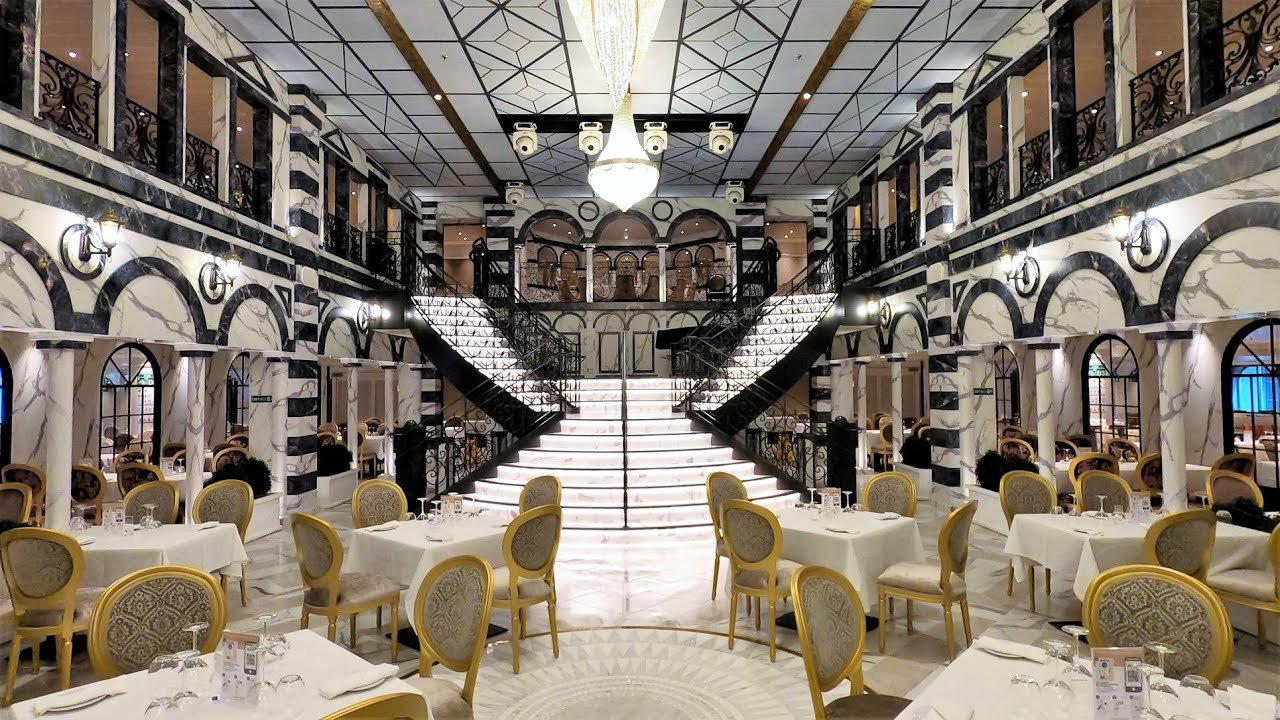
Restaurants in Frankfurt
All restaurants in Frankfurt →
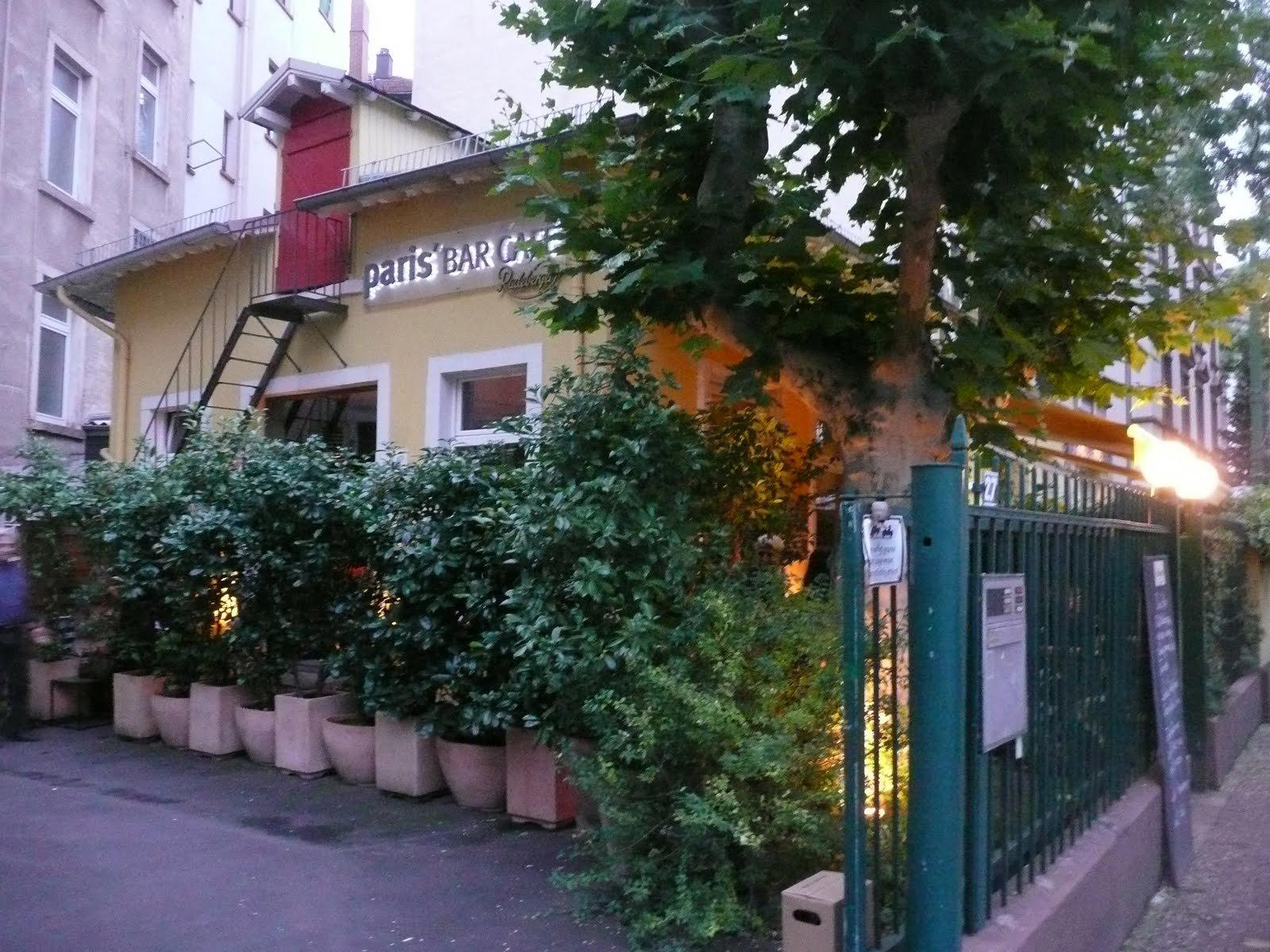
Bars in Frankfurt
All bars in Frankfurt →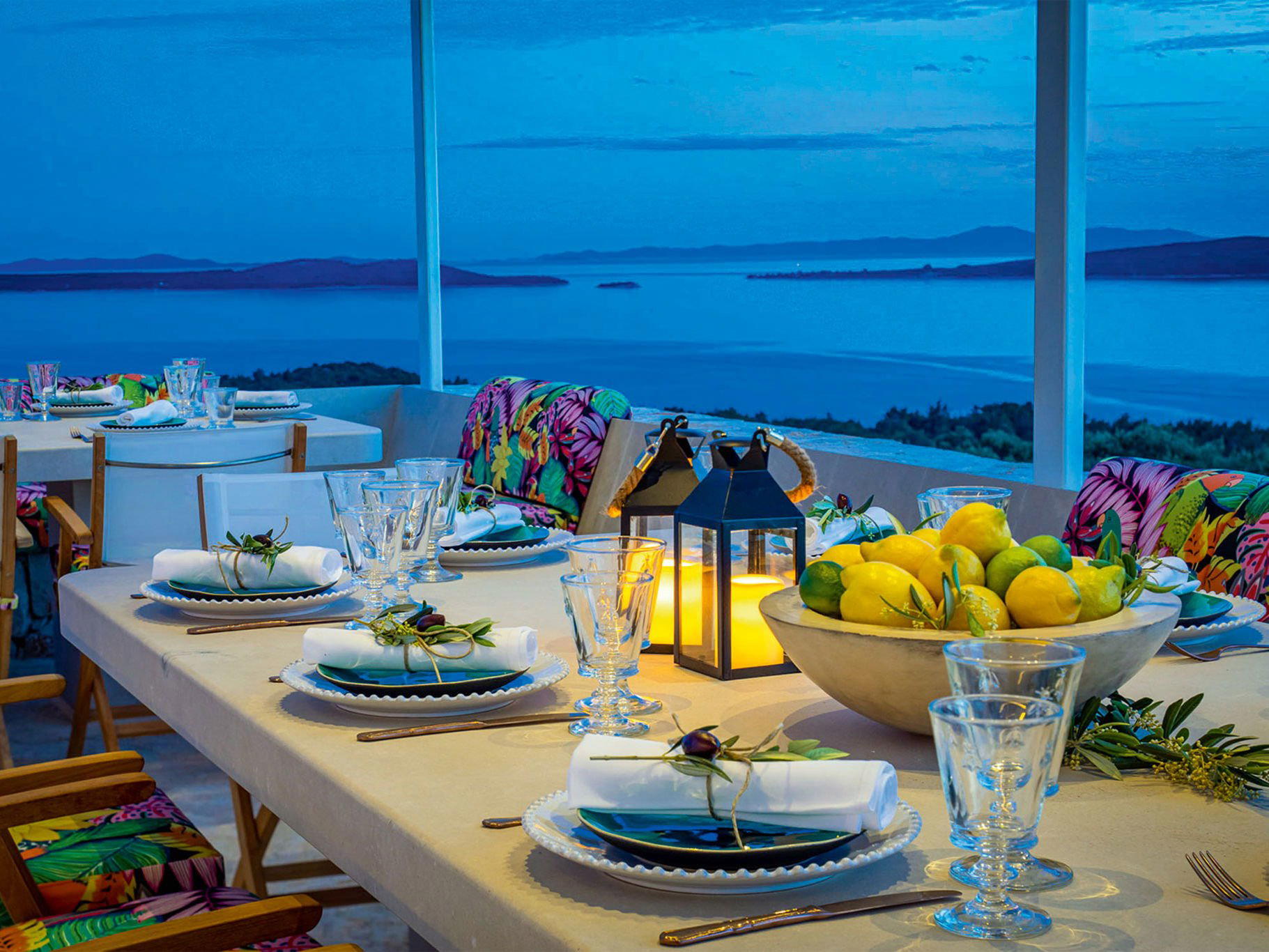
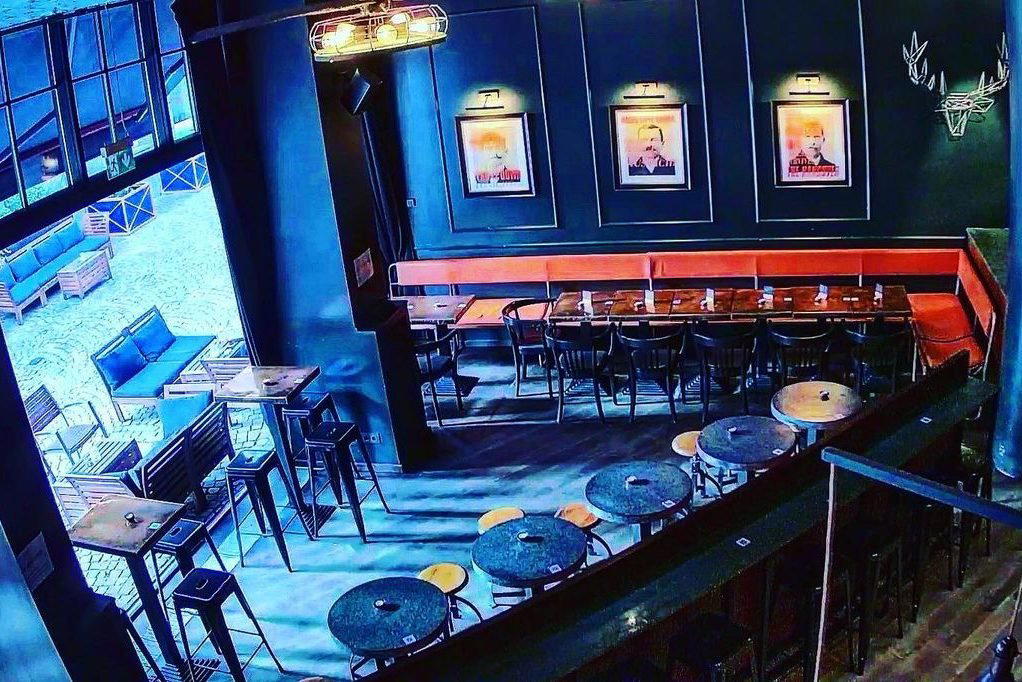
Hotels in Frankfurt
All hotels in Frankfurt →

Details
- Cozy
- Rustic
- Casual Hangout
- Group Dining
- Open Kitchen
- Standalone
- A La Carte
- Family Style
- Vegetarian Friendly
- Vegan Options
Current opening hours
- Monday
- 11 AM–11:30 PM
- Tuesday
- 11 AM–11:30 PM
- Wednesday
- 11 AM–11:30 PM
- Thursday
- 11 AM–11:30 PM
- Friday
- 11 AM–11:30 PM
- Saturday
- 11 AM–11:30 PM
- Sunday
- 11 AM–11:30 PM
Hours can change for holidays and private events. Hours as of .
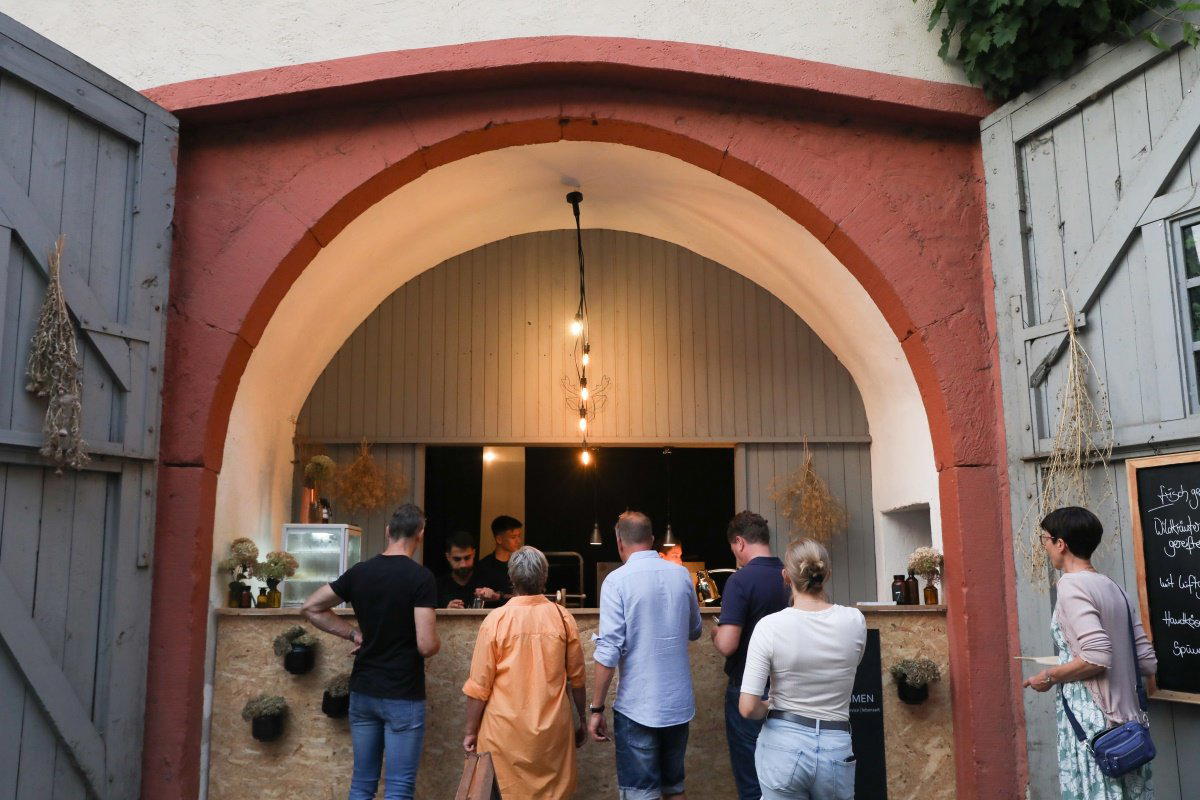
Casual and welcoming neighborhood spot with warm lighting and intimate seating; cozy outdoor dining area with heaters for cooler evenings.