BK Bagels
BK Bagels at 1120 Broadway in Bushwick sits inside Brooklyn's working-class bagel tradition, where the format is spare and the product does the talking. The menu architecture here follows the logic of the New York corner bagel shop: a tight roster of configurations built around the bread itself, not around chef-driven elaboration. For anyone tracking the borough's food scene beyond its tasting-menu tier, this is a useful reference point.
Pearl is the En Primeur Club membership app — saves, bookings, and concierge access live there. Same editors, same standards.
- Address
- 1120 Broadway, Brooklyn, NY 11221
- Phone
- +1 718 443 2323
- Website
- bkbagels.co
- Directions
- Get directions
 Saves & bookings on Pearl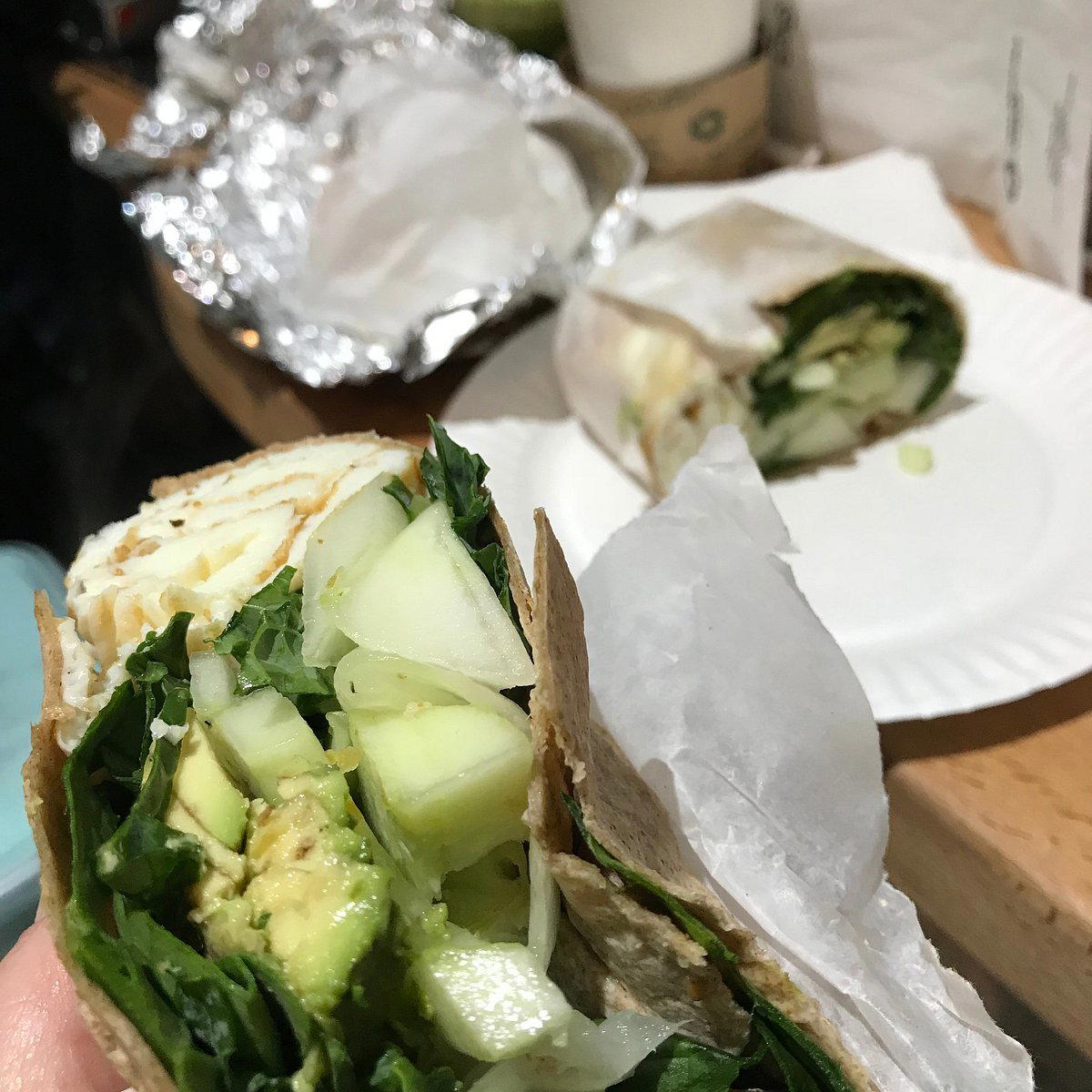
The Bagel as Menu Architecture
New York's bagel culture has always operated on a principle of deliberate constraint. Unlike the tasting-menu tier, where venues like Eleven Madison Park, Atomix, and Per Se build elaborate, sequenced experiences around a philosophy of transformation, the bagel shop works in the opposite direction. BK Bagels is a New York Style Bagels restaurant at 1120 Broadway in Brooklyn, priced around $10 per person. The menu is short because the product demands it. A well-made bagel, boiled, not steamed; seeded or plain; dense and chewy in a way that no supermarket approximation replicates, is not a vehicle for maximalist creativity. It is the point. BK Bagels, at 1120 Broadway in the Bushwick corridor of Brooklyn, operates inside that tradition.
What the menu structure of a shop like this reveals is the same thing any serious food format reveals when you read it honestly: priorities. A tight menu in a bagel shop is not a limitation. It is a signal about where the kitchen's attention goes. The fewer the moving parts, the more exposure each element gets. Cream cheese, lox, a correct ratio of schmear to bread surface area, these are not afterthoughts when they are the only things on offer. The bagel shop's menu architecture is almost the inverse of the prix fixe model, and both formats, at their leading, share the same underlying logic: edit ruthlessly so that what remains carries full weight.
Brooklyn's Bagel Geography
Bushwick and the Broadway corridor that runs through it represent a particular stratum of Brooklyn food culture. This is not the boutique-breakfast zone of Carroll Gardens or the farmer's-market adjacency of Park Slope. The neighbourhood's food identity is more functional, more densely local, and in many respects more honest about what New Yorkers actually eat day to day. A bagel shop on this strip is embedded in that character: it serves the commuter, the local household, the construction worker, and the occasional visitor who has come specifically because the food is good rather than because the room is photogenic.
That geographic and social positioning matters when thinking about what BK Bagels represents in the context of Brooklyn's broader food ecosystem. The borough's premium dining tier draws considerable international attention, with spots in the fine-dining conversation sitting alongside nationally referenced programs at places like Blue Hill at Stone Barns in nearby Tarrytown and coast-to-coast comparisons to Lazy Bear in San Francisco or Smyth in Chicago. But the daily feeding infrastructure of a city like New York runs on formats that are much less visible to that conversation. The bagel shop is one of those formats, and it has a longer history in New York than nearly any tasting-menu tradition.
Reading the Format
The structural logic of a bagel menu is worth taking seriously as a form of culinary editing. Across New York, the shops that hold consistent local reputations tend to share certain characteristics: a limited variety count, a small number of cream cheese options (plain, scallion, lox, occasionally vegetable), and a sandwich menu that does not stray far from the canonical configurations that the format has refined over a century of operation. Pastrami on a bagel is a crossover. Lox and cream cheese is native. The distinction matters to people who care about the format.
What separates a credible bagel operation from a generic one is typically the bread itself: hydration level, boiling time, oven type, and flour quality determine whether the result has the right crust-to-crumb ratio and the characteristic chew that New Yorkers will correct you about if you get wrong. These are not small variables. They are the entire argument. In a format this spare, there is nowhere to hide a mediocre product behind a more elaborate component.
For context on how seriously New York takes its tiered food culture across formats, the city's Michelin-starred dining scene includes Le Bernardin and Masa at its most rarefied end, with nationally distributed fine-dining programs that place New York in conversation with The French Laundry in Napa, Providence in Los Angeles, Addison in San Diego, The Inn at Little Washington, Emeril's in New Orleans, Frasca Food and Wine in Boulder, Single Thread Farm in Healdsburg, and internationally with Atelier Moessmer Norbert Niederkofler in Brunico and Dal Pescatore in Runate. The bagel shop exists at a different coordinate in that map, but it is no less deliberate in what it chooses to do.
Comparable Spots, Quickly
Comparable venues nearby, for context on price, style, and recognition.
| Venue | Cuisine | Price | Notes |
|---|---|---|---|
| BK BagelsThis venue — the venue you are viewing | New York Style Bagels | $ | Not listed |
| Paul's Place | Classic American Burgers | $ | East Village |
| Mike's Coffee and Deli | Classic American Deli | $ | Midtown South-Flatiron-Union Square |
| Potbelly | Toasted American Sandwiches | $ | Midtown South-Flatiron-Union Square |
| 1 or 8 | American Diner | $ | Fort Greene |
| Chimera | Eclectic American Cafe with Vegetarian Focus | $$ | Downtown Tulsa |
Continue exploring
More in New York City
Restaurants in New York City
Browse all →
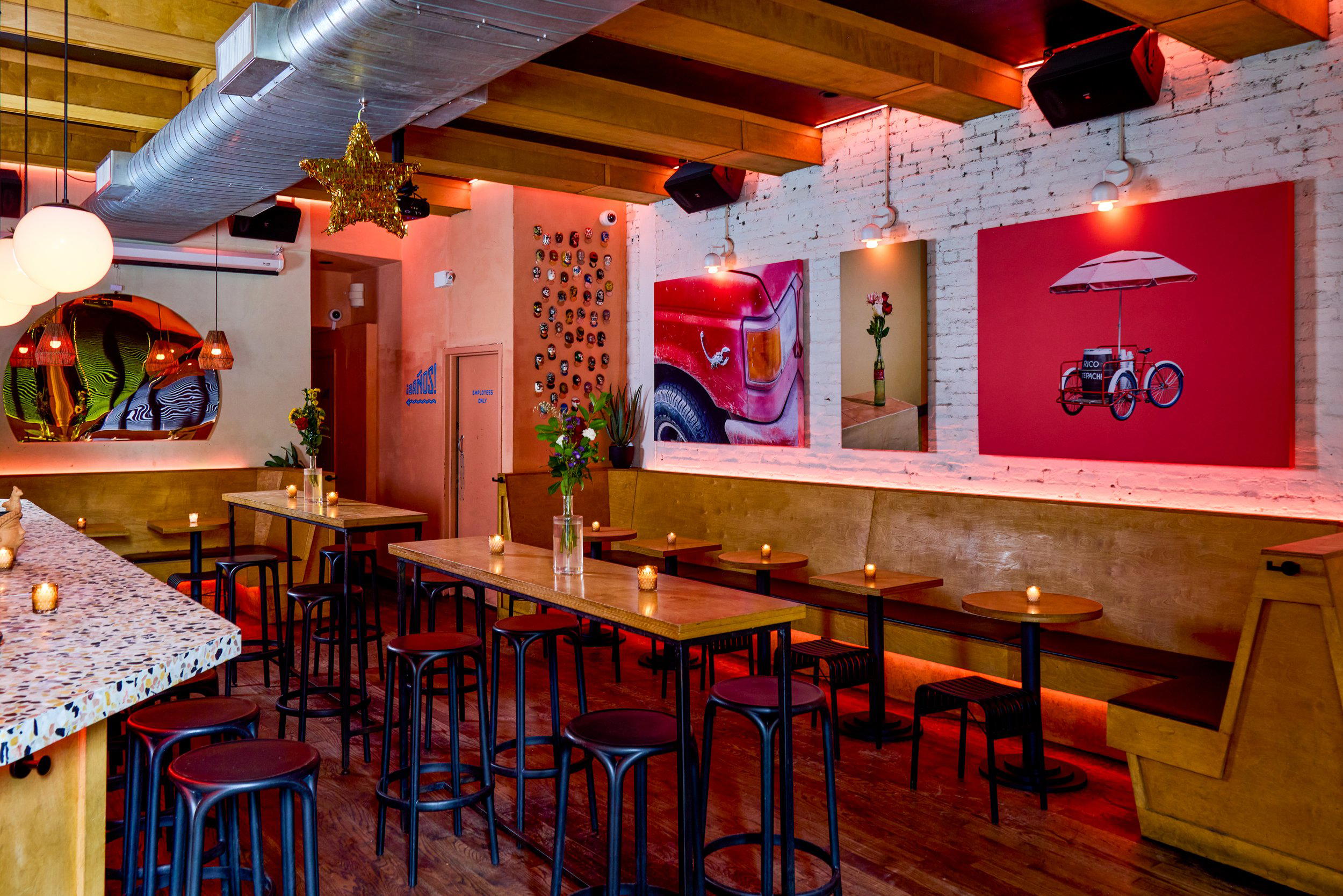
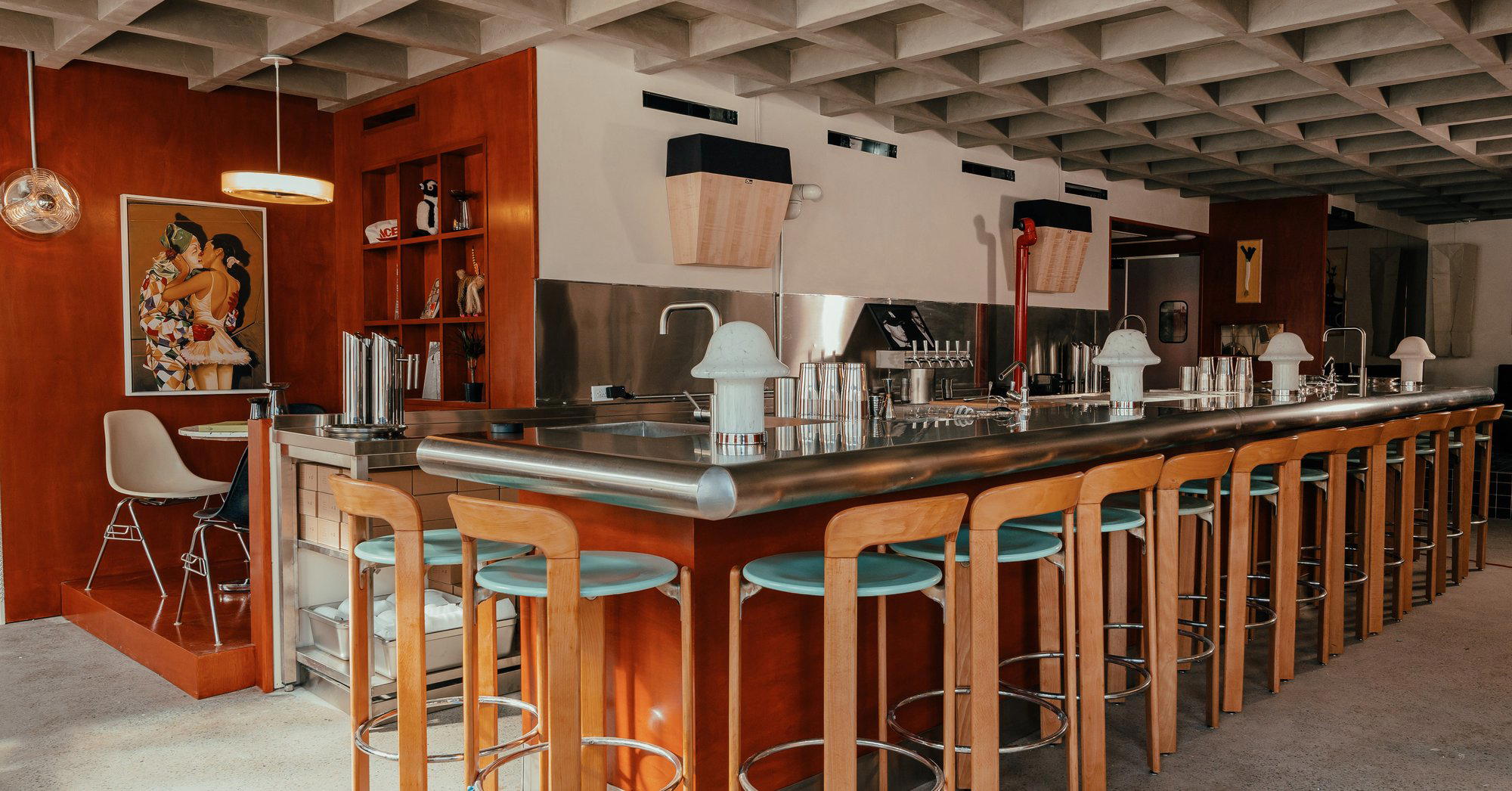
Bars in New York City
Browse all →
Hotels in New York City
Browse all →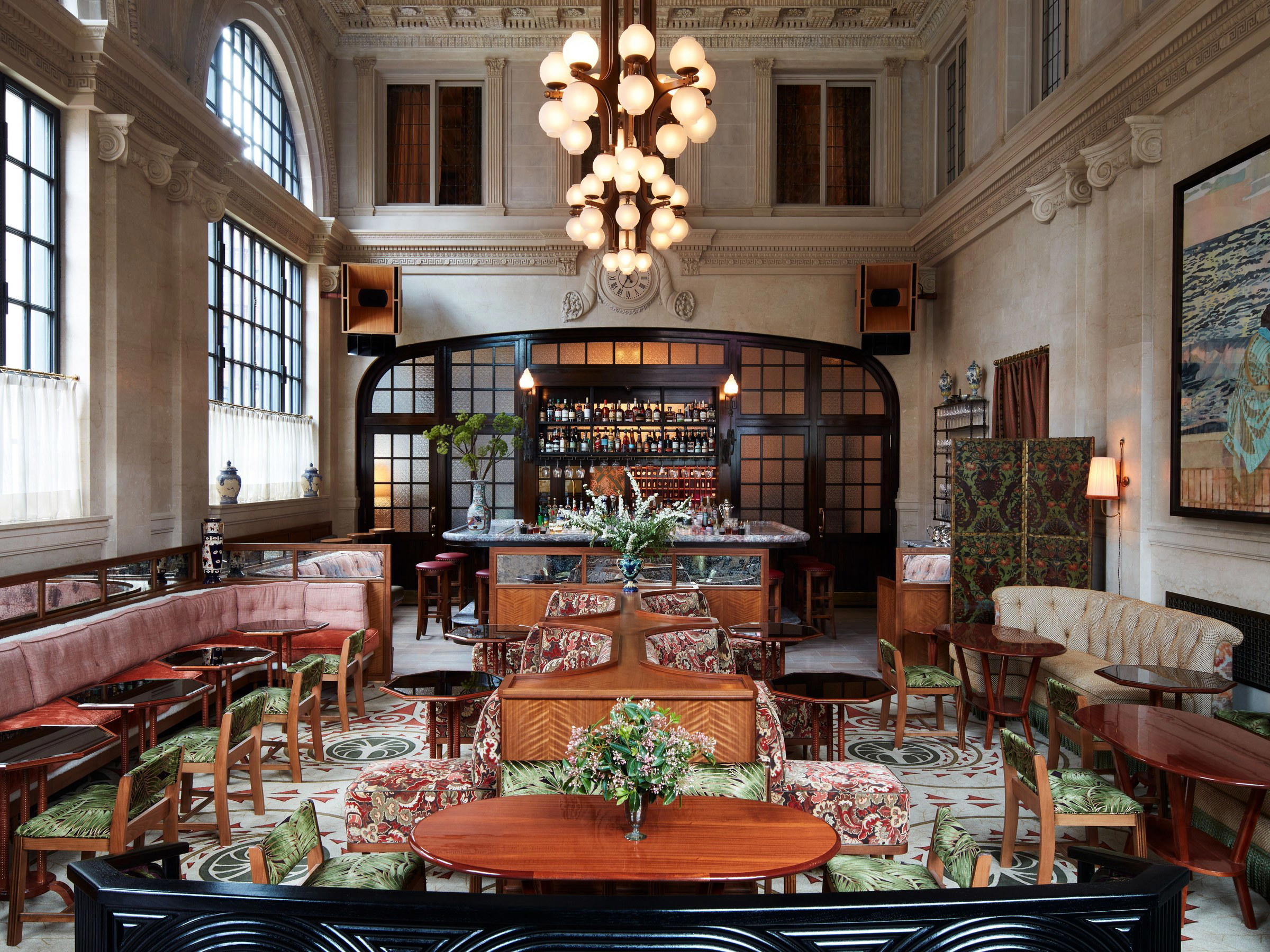

Wineries in New York City
Browse all →


At a Glance
- Cozy
- Casual
- Brunch
- Casual Hangout
- Open Kitchen
Current opening hours
- Monday
- 7 AM–4 PM
- Tuesday
- 7 AM–4 PM
- Wednesday
- 7 AM–4 PM
- Thursday
- 7 AM–4 PM
- Friday
- 7 AM–4 PM
- Saturday
- 7 AM–4 PM
- Sunday
- 7 AM–4 PM
Hours can change for holidays and private events. Last verified .
Casual and welcoming with a small cafe area and backyard patio for relaxed breakfasts.