Chimera

Chimera operates as an all-day bar and restaurant in New York City, occupying a format that suits both casual drop-ins and planned evenings. The all-day structure places it in a tier of its own relative to the city's tasting-menu circuit, offering a different kind of access and pacing. For visitors mapping a broader New York dining itinerary, it represents a considered alternative to the reservation-heavy fine-dining bracket.
Pearl is the En Primeur Club membership app — saves, bookings, and concierge access live there. Same editors, same standards.
- Address
- New York City, United States
- Directions
- Get directions
 Saves & bookings on Pearl
Where Chimera Sits in New York's All-Day Dining Scene
New York's restaurant categories have been consolidating toward two poles for some years now: the high-commitment tasting menu format, where seats at counters like Masa or Per Se require months of forward planning and four-figure budgets, and the all-day casual tier, where the barrier to entry is a walk-in or a same-week booking. Chimera is an Eclectic American Cafe with Vegetarian Focus in New York City, priced at about $18 per person, and it operates in the second category, functioning as an all-day bar and restaurant in a city that has become increasingly stratified between those two poles. The format itself carries its own logic: all-day venues absorb the rhythms of a neighborhood across breakfast, lunch, and late evening in ways that destination tasting rooms simply cannot. That versatility is the point, not a compromise.
Within New York's all-day format specifically, the comparison set shifts away from Le Bernardin and toward a looser, more eclectic peer group of bar-forward spaces that treat serious food and serious drink as equally weighted. It is a format with precedent in cities like San Francisco, where Lazy Bear built a reputation around communal, mood-driven hospitality, and in Chicago, where Alinea demonstrated that format discipline and experiential ambition are not mutually exclusive. The all-day New York version has its own texture, shaped by the city's pace, its density of options, and a dining public that has grown skeptical of unnecessary ceremony.
What the All-Day Bar Format Actually Means for Planning
The practical consequence of an all-day bar and restaurant format is that the planning equation looks different from a conventional tasting-menu booking. At venues like Saga or César, the reservation timeline and the commitment of a specific evening slot are central to how guests engage with the experience. At an all-day operation, the decision-making is more fluid: you may arrive for a midday drink that extends into lunch, or drop in for a late plate after another commitment elsewhere in the city. That flexibility is worth naming explicitly, because it changes how you should structure a New York itinerary around Chimera rather than planning backward from a locked reservation date.
For visitors building a broader food and drink program across the city, the full New York City restaurants guide maps the full range of formats and price points. The New York City bars guide is the more relevant reference for understanding where Chimera's bar program fits relative to the city's current cocktail and wine-bar scene. Both are worth consulting before finalizing a multi-venue itinerary, particularly if you are arriving from outside the city and have limited days to allocate.
Access and the Booking Reality
The editorial angle on booking difficulty matters here because New York has trained its visitors to assume that serious dining requires serious advance planning. The three-month waitlist for omakase counters, the release-day scramble for prix-fixe seats, the secondary market for special-event dinners: these conditions apply at one tier of the market and generate an outsized share of the city's dining conversation. An all-day bar and restaurant format operates under a different set of conditions. The pressure is not concentrated into a single evening slot, and the seat count across the full day absorbs demand more evenly than a one-sitting dinner service.
That said, New York's better all-day venues still draw consistent crowds, particularly for weekend afternoons and prime evening hours. The practical guidance here is to treat Chimera as something you can approach with some spontaneity, while giving yourself more lead time for a Friday or Saturday evening. This is a general pattern across the all-day bar segment in the city, not a venue-specific claim, and it applies whether you are visiting from elsewhere in the United States or arriving from abroad.
New York's All-Day Format in Broader Context
It is worth placing the all-day bar and restaurant category in a wider American dining context, because the format has been maturing for roughly a decade and its leading examples now sit in a genuinely distinct tier from their origins. Early all-day venues in cities like New Orleans, where Emeril's helped define a generation of accessible-but-serious American dining, and in California wine country, where The French Laundry and Single Thread Farm occupy the opposite end of the formality spectrum, established the poles between which the current generation of all-day venues positions itself. In Los Angeles, Providence represents a different approach to the fine-casual divide. The international comparisons are equally instructive: the bar-forward all-day format in European cities, and in Asia at properties like 8½ Otto e Mezzo Bombana in Hong Kong, suggests a global appetite for the model.
New York's version of the format has its own specific pressures: real estate costs that compress the margin on casual formats, a workforce drawn toward higher-ticket operations, and a critical culture that still weights tasting-menu ambition over all-day craft. Against that backdrop, venues that hold the all-day format seriously, treating the bar program and the food program as parallel commitments rather than one subsidizing the other, occupy a genuinely interesting position in the city's dining conversation. The reference point high on French-influenced formality, like Alain Ducasse at Louis XV in Monte Carlo, makes the contrast clear: the all-day New York model is the deliberate inverse of that register, and for a certain kind of visitor, it is exactly the right call.
Planning Your Visit
Chimera operates as an all-day bar and restaurant, which means the visit window is wide rather than narrow. Weekday access is generally more flexible than weekends, and the bar component means you are not committed to a full seated-meal format from the moment you arrive. Build it into a New York itinerary as a venue you can approach with some spontaneity. The combination of a serious all-day format and a bar program with genuine ambition places it in a peer group worth tracking as the city's mid-formality dining conversation continues to develop.
Fast Comparison
Comparable venues nearby, for context on price, style, and recognition.
| Venue | Cuisine | Price | Notes |
|---|---|---|---|
| ChimeraThis venue — the venue you are viewing | Eclectic American Cafe with Vegetarian Focus | $$ | Not listed |
| Westville Chelsea | Market-Driven American with Seasonal Vegetables | $$ | Chelsea-Hudson Yards |
| Bellhop | Modern American | $$ | Chelsea-Hudson Yards |
| Virgil's Real BBQ | Southern-Style Real BBQ | $$ | Midtown-Times Square |
| Café Standard | American Bistro Café | $$ | East Village |
| Yellow Magnolia Café | Modern American Vegetable-Centric | $$ | Prospect Park |
Recognition history
Dated appearances from independent guides and award organizations, with the underlying list record or original source where available.
World Best Burgers World's 101 Best Burgers #24
World Best Burgers
Continue exploring
More in New York City
Restaurants in New York City
Browse all →
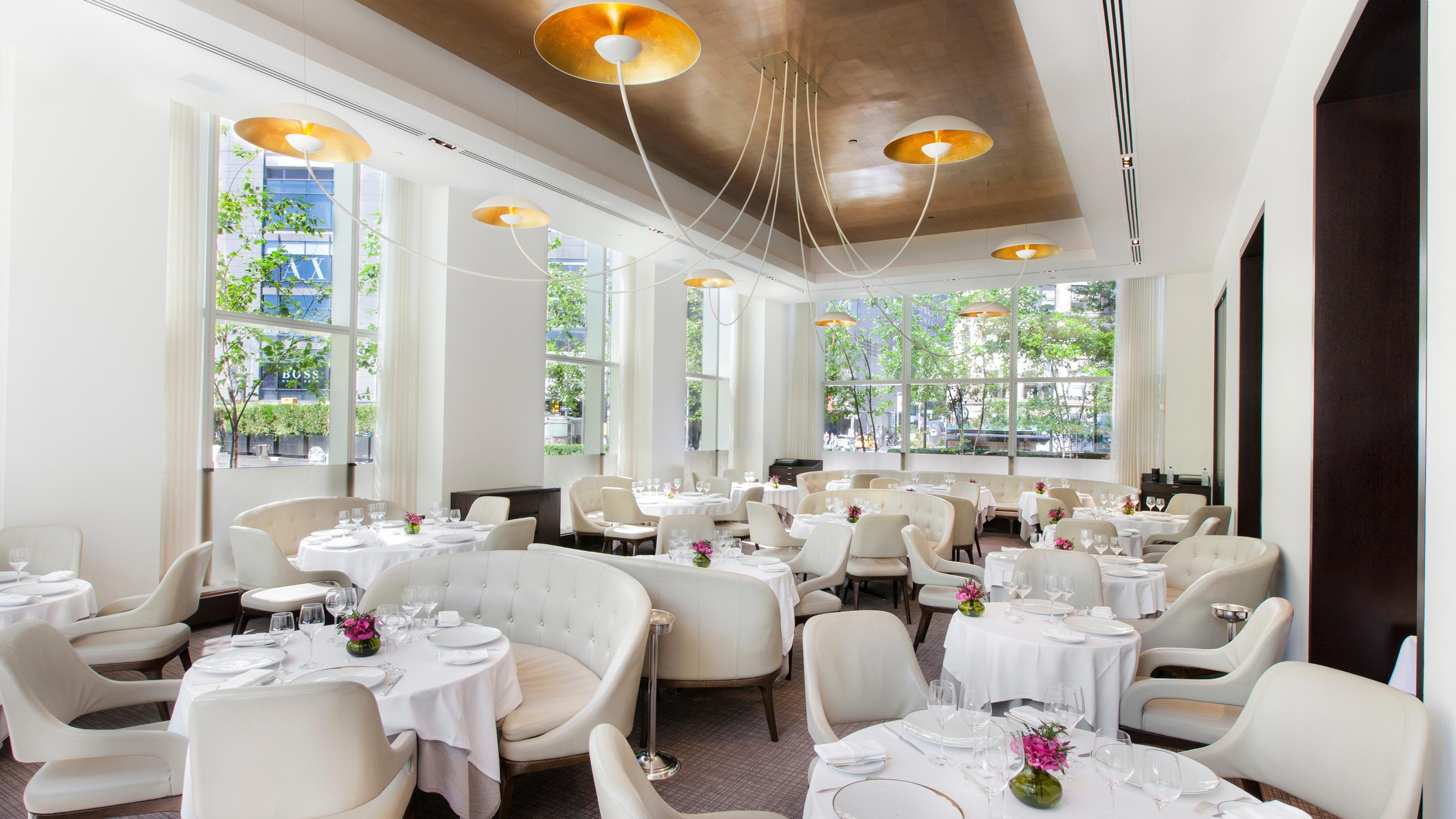
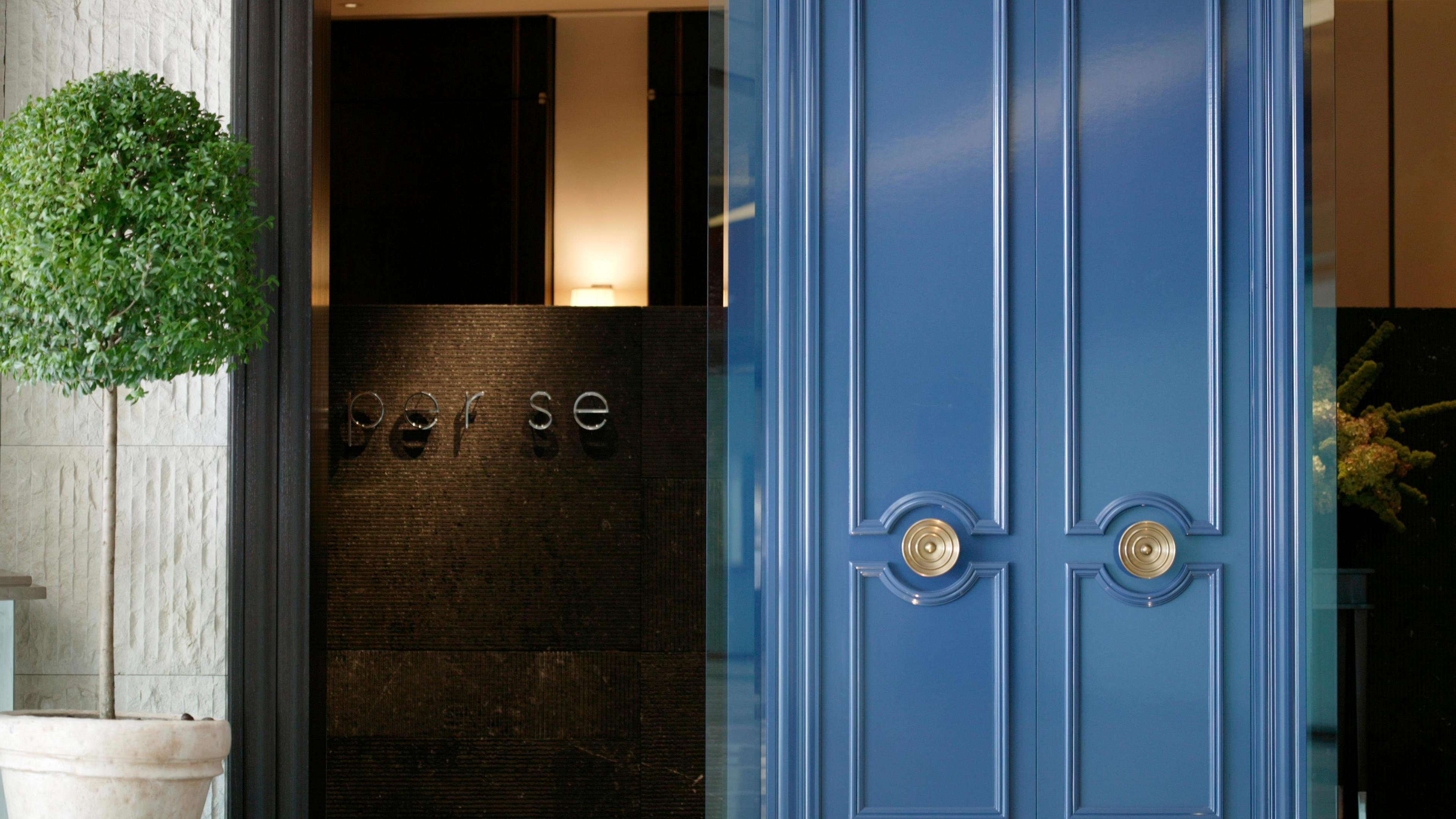
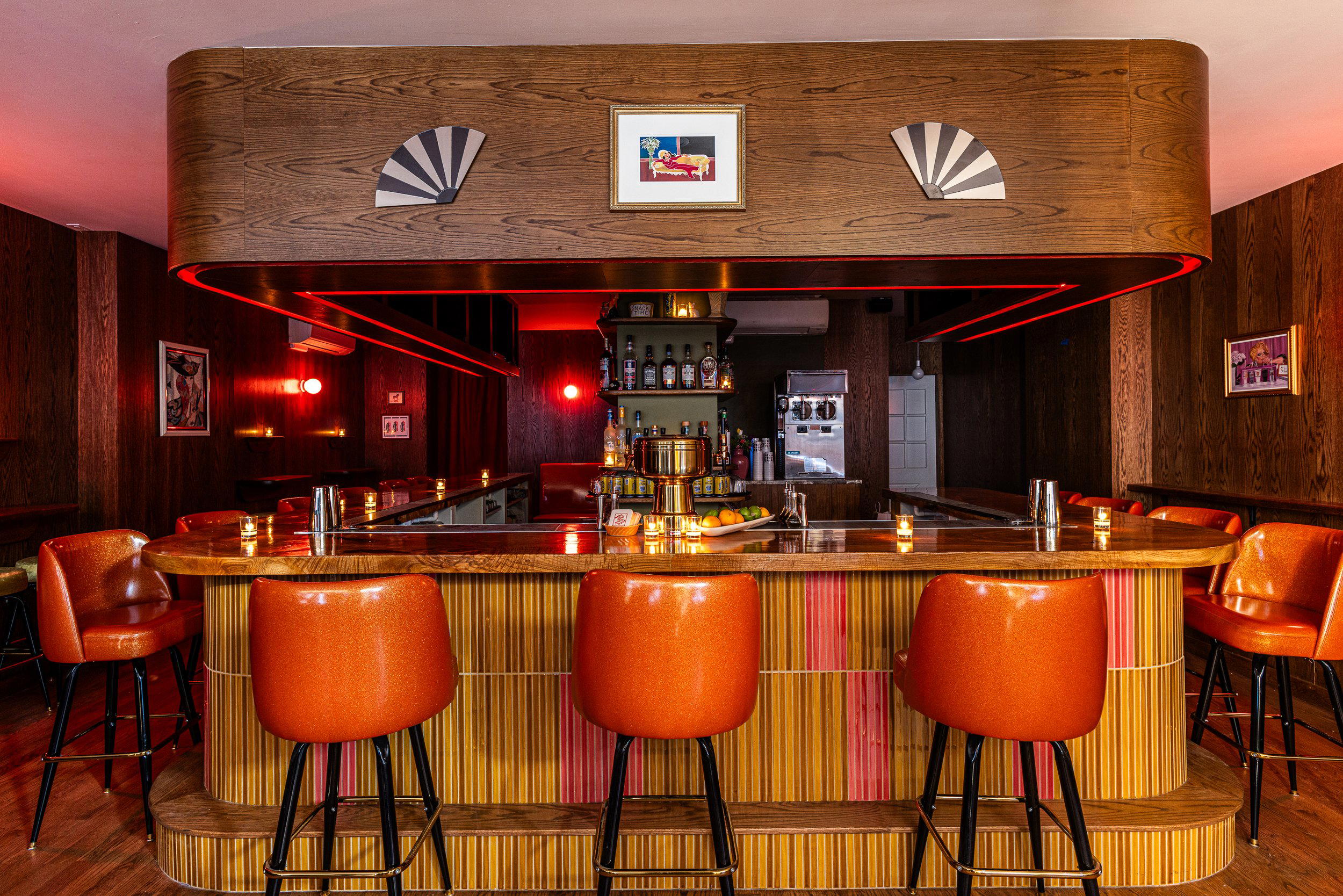
Bars in New York City
Browse all →



Hotels in New York City
Browse all →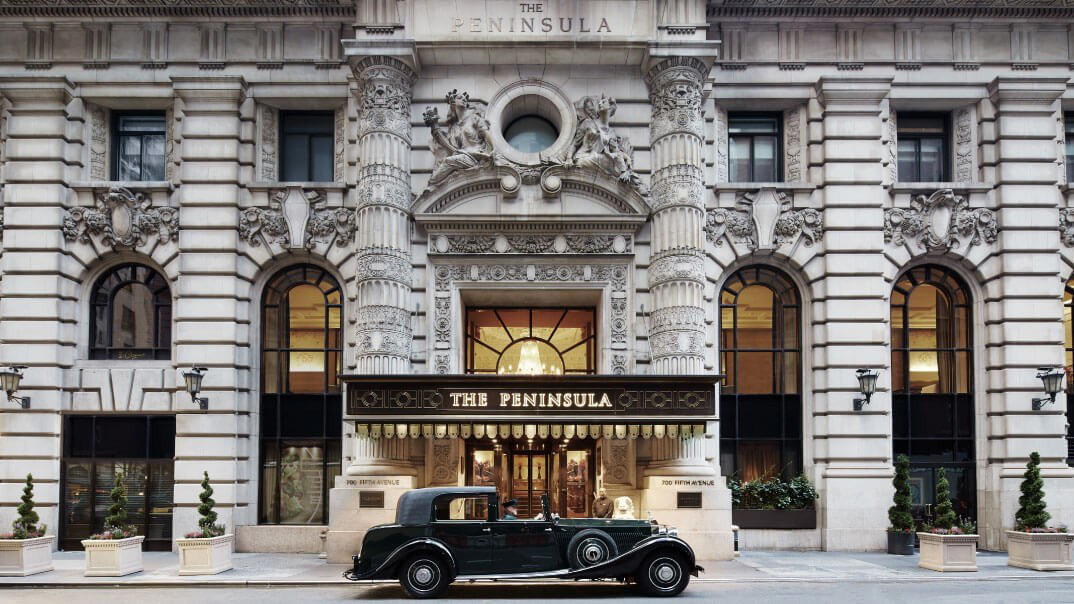







At a Glance
- Trendy
- Bohemian
- Casual Hangout
- Brunch
- Solo
- Group Dining
- Open Kitchen
- Terrace
- Craft Cocktails
- Beer Program
- Farm To Table
- Local Sourcing
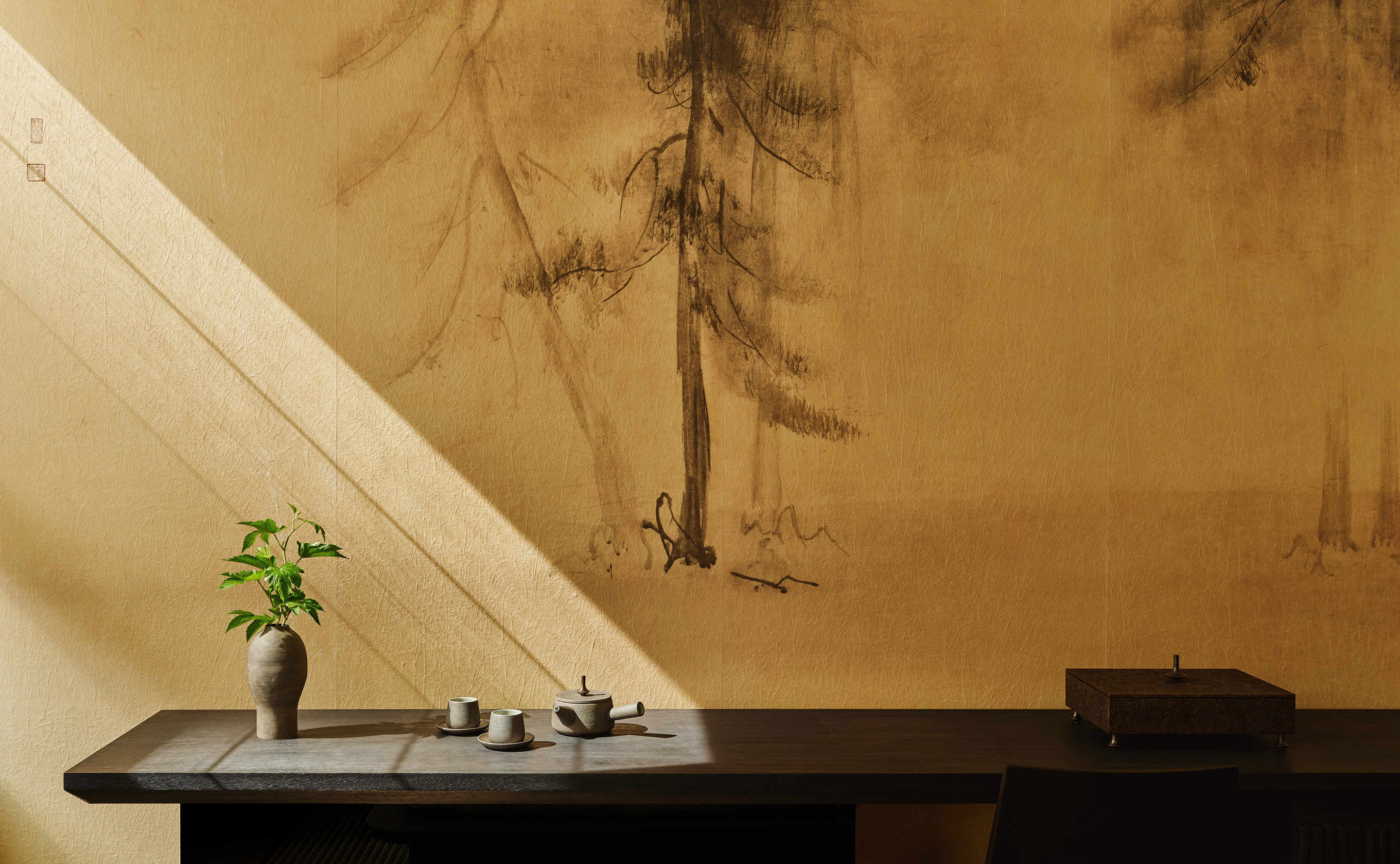
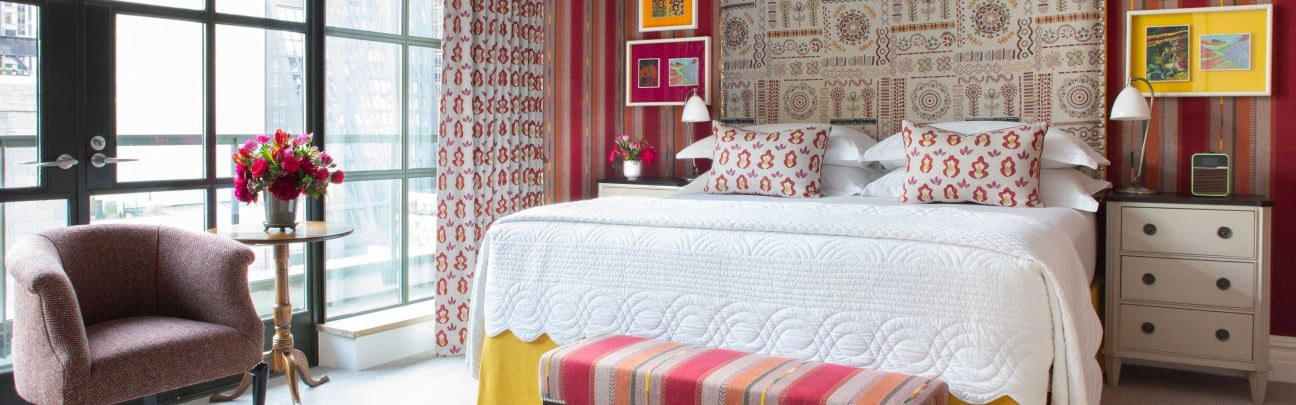
Inviting and tasteful interior with a hipster, eclectic vibe; narrow space with tables spilling into an alley with outdoor seating; relaxing and welcoming atmosphere with both indoor and outdoor areas.