Bitondo Pizzeria on Clinton Street is one of Toronto's most enduring neighbourhood pizza institutions, operating in the Little Italy corridor where casual format and long-standing community presence define the offer. The thin-crust tradition here places it in a different register from the city's tasting-menu circuit, functioning instead as a reliable anchor in a stretch of the city that rewards walking and grazing.
Pearl is the En Primeur Club membership app — saves, bookings, and concierge access live there. Same editors, same standards.
- Address
- 11 Clinton St, Toronto, ON M6J 2N7, Canada
- Phone
- +1 416 533 4101
- Website
- bitondopizzeria.shop
- Directions
- Get directions
 Saves & bookings on Pearl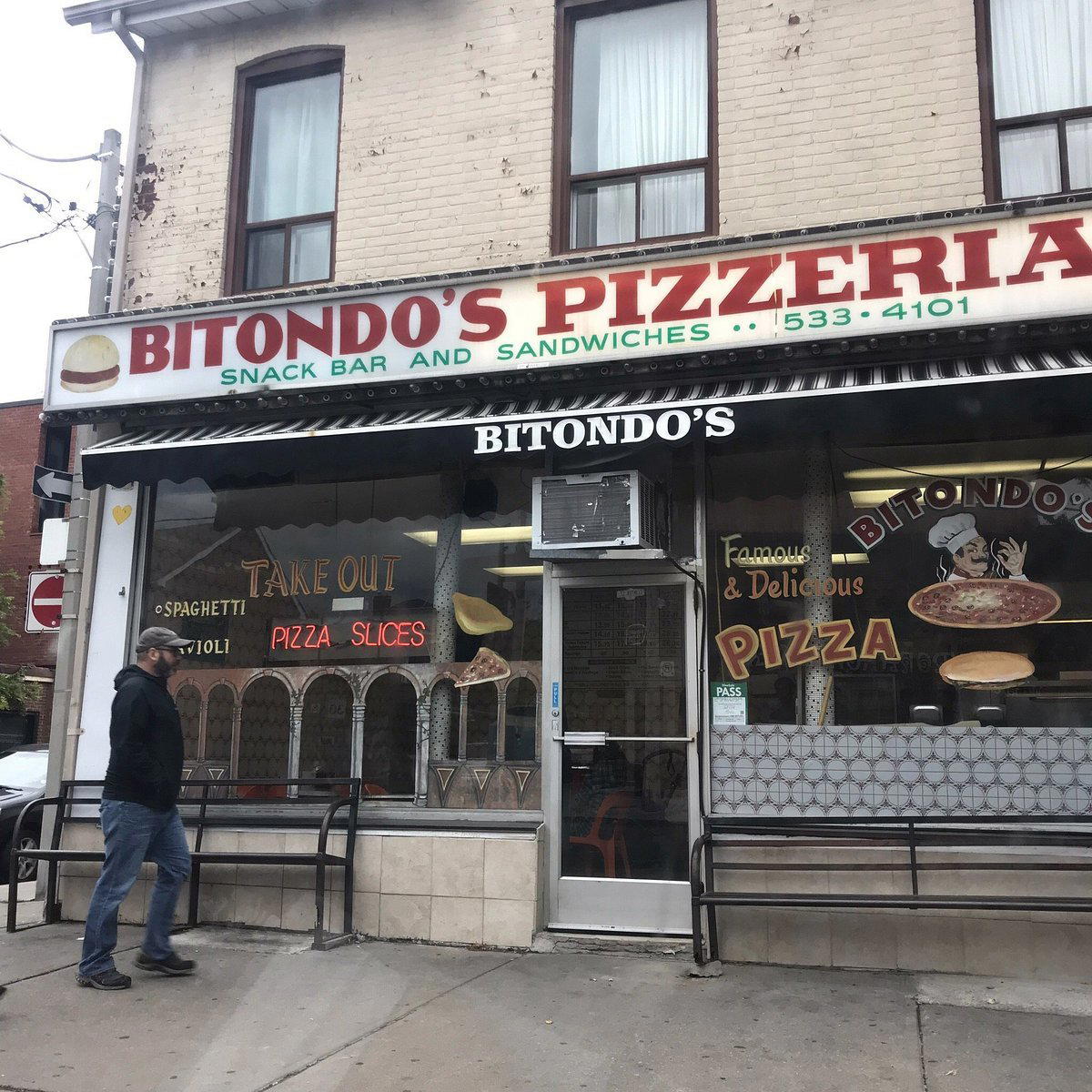
Clinton Street and the Pizza Tradition It Keeps
There is a particular kind of pizzeria that survives not because it reinvents itself but because it refuses to. On Clinton Street in Toronto's Little Italy corridor, Bitondo Pizzeria occupies that role with the confidence of a place that has outlasted trends. The stretch between College and Dundas has seen waves of openings and closures across decades, and the addresses that remain tend to share a common quality: they serve a neighbourhood function that goes beyond the transaction of a meal. Bitondo fits that pattern. The storefront is unassuming in the way that only longevity can produce, worn at the edges, familiar to regulars, and entirely indifferent to the design-forward dining culture that has shaped much of the city's newer restaurant stock.
Toronto's pizza scene sits in an interesting position within the broader North American context. The city has imported Neapolitan conventions, New York-style folding slices, and Detroit-style deep-dish formats with varying degrees of commitment, but its most durable pizza addresses tend to reflect a hybrid identity shaped by the Italian-Canadian communities that settled in the west end. That tradition is less doctrinaire than contemporary Neapolitan orthodoxy and more community-inflected than the slice-shop economy that dominates downtown. Bitondo belongs to that lineage, which places it in a different competitive set than the city's tasting-menu circuit or its current wave of Italian restaurants with fine-dining ambitions.
Where It Sits in Toronto's Italian Dining Range
To understand Bitondo's position, it helps to map the broader range. Toronto's Italian dining offer now spans from neighbourhood trattoria formats through to ambitious contemporary interpretations. At the formal end, venues like DaNico and Don Alfonso 1890 operate at $$$$ price points with tasting menus and serious wine programs. At the opposite end, the Italian-Canadian pizzeria tradition represented by Bitondo operates on volume, familiarity, and value. These are not competing for the same diner on the same evening. They are different categories that happen to share a culinary heritage.
This distinction matters because it shapes how you read Bitondo's offer. The absence of a composed tasting format, a named sommelier, or a headline chef is not a deficiency, it is the point. The editorial angle of collaboration between front-of-house and kitchen that defines higher-end dining is, at a place like this, replaced by a different kind of team dynamic: the kind built over years of repeat custom, where the person taking your order knows your preference and the kitchen is calibrated to consistency rather than creativity. That is a different discipline, and in the context of Toronto's west-end neighbourhood dining, it carries its own credibility.
The Little Italy Corridor in Context
Clinton Street sits within a stretch of Toronto that retains more of its mid-twentieth-century Italian-Canadian character than most comparable city blocks. College Street between Bathurst and Shaw was, for decades, the functional centre of that community, a place of social clubs, pastry shops, and family restaurants. The demographic makeup has shifted substantially, and the strip now reads as a mixed neighbourhood commercial street with a concentration of bars and casual restaurants. But certain addresses have persisted through those transitions, and their persistence is itself a form of authority in a city where the restaurant turnover rate is high.
Bitondo's address at 11 Clinton St places it a short walk from College Street's main activity, in a zone that rewards foot traffic and passing trade rather than destination-driven bookings. That geographic positioning aligns with the format: this is not a place you plan a special occasion around in the way you might plan around a reservation at Alo. It is a place you end up at because it is there, because someone you trust has pointed you toward it, and because the format asks nothing complicated of you.
The broader Canadian dining context includes addresses that operate on a similar logic of community anchoring and long-term presence. Cafe Brio in Victoria and AnnaLena in Vancouver both function as neighbourhood reference points within their respective cities, even if their price tiers and formats differ from Bitondo's. Across Canada, the restaurants with genuine staying power tend to share this quality of being genuinely integrated into a local ecosystem rather than positioned primarily for visitors or critics. Establishments like Eigensinn Farm in Singhampton and Fogo Island Inn Dining Room in Joe Batt's Arm represent the destination-driven end of that same persistence; Bitondo represents the neighbourhood end.
For readers exploring Ontario more widely, Restaurant Pearl Morissette in Lincoln and The Pine in Creemore offer contrasting models of place-rooted dining outside the city. In Quebec, Tanière³ in Quebec City and Jérôme Ferrer - Europea in Montreal anchor the fine-dining end of Canadian culinary geography, while Narval in Rimouski operates in a more regional register. Further afield, Busters Barbeque in Kenora functions with a similar community-anchor logic to Bitondo's west-end positioning. Internationally, the contrast with tasting-menu benchmarks like Le Bernardin in New York City or Lazy Bear in San Francisco is instructive: different categories, different disciplines, different measures of success.
Planning Your Visit
Bitondo Pizzeria is located at 11 Clinton St, Toronto, in the Little Italy neighbourhood, accessible by the College streetcar. The neighbourhood is well served by transit and walkable from the Ossington and College intersection.
Reputation First
Comparable venues nearby, for context on price, style, and recognition.
| Venue | Cuisine | Price | Notes |
|---|---|---|---|
| Bitondo PizzeriaThis venue — the venue you are viewing | Classic Italian Pizza & Panzerotti | $ | Not listed |
| Napoli Centrale | Authentic Neapolitan Pizza | $$ | Annex |
| La Bettola Di Terroni | Traditional Southern Italian Osteria | $$ | Garden District |
| La Bruschetta | Authentic Umbrian Italian | $$ | Earlscourt |
| Carolina | Neapolitan Pizzeria | $$ | Little Italy |
| Little Anthony's | Italian Osteria | $$ | Bay Street Corridor |
Continue exploring
More in Toronto
Restaurants in Toronto
Browse all →



Bars in Toronto
Browse all →


Hotels in Toronto
Browse all →




At a Glance
- Cozy
- Classic
- Casual Hangout
- Standalone
Current opening hours
- Monday
- 10:30 AM–9:30 PM
- Tuesday
- 10:30 AM–9:30 PM
- Wednesday
- 10:30 AM–9:30 PM
- Thursday
- 10:30 AM–9:30 PM
- Friday
- 10:30 AM–11 PM
- Saturday
- 10:30 AM–11 PM
- Sunday
- 10:30 AM–9:30 PM
Hours can change for holidays and private events. Last verified .
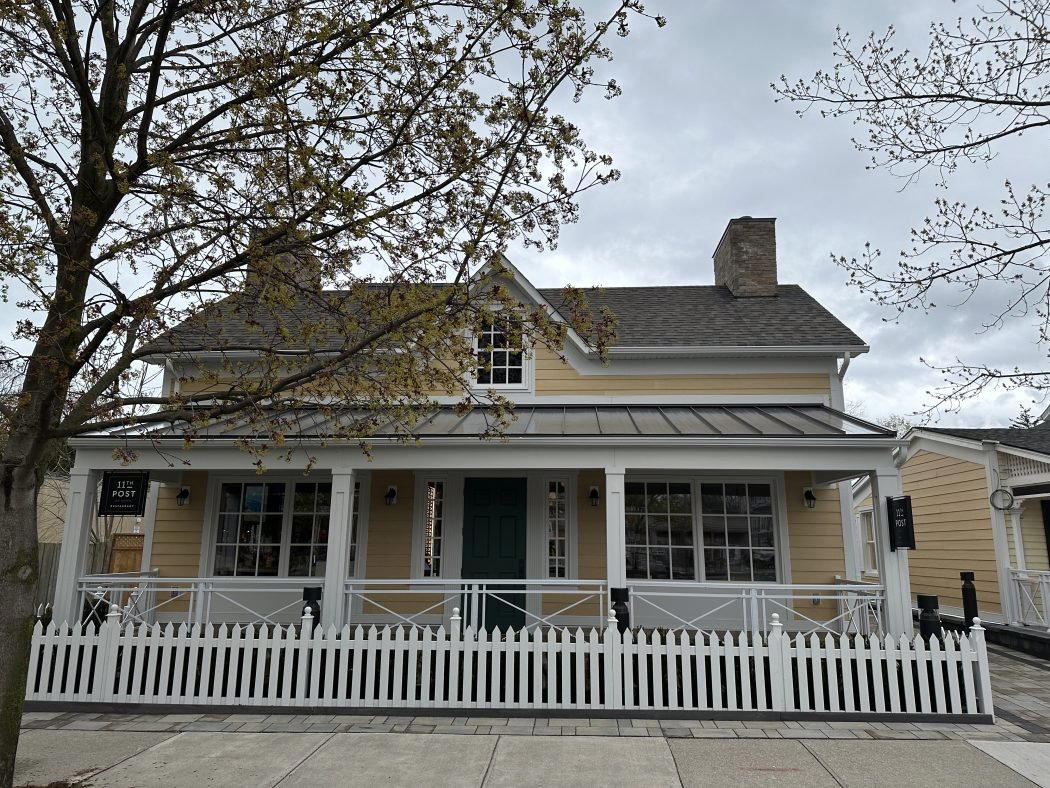
Casual, no-frills old-school pizzeria with limited seating in a cozy residential setting.