In the quiet Gaume village of Habay, Bistro du Châtelet occupies a position that rewards the drive from Luxembourg or Liège: a neighbourhood table where the sourcing logic and French-inflected cooking reflect the agricultural character of Belgian Lorraine rather than the competitive pressures of the city. For travellers moving through the Ardennes corridor, it represents the kind of grounded, place-specific dining that urban bistros increasingly struggle to replicate.
Pearl is the En Primeur Club membership app — saves, bookings, and concierge access live there. Same editors, same standards.
- Address
- Rue du Châtelet 4, 6720 Habay, Belgium
- Phone
- +3263412735
- Website
- bistroduchatelet.be
- Directions
- Get directions
 Saves & bookings on Pearl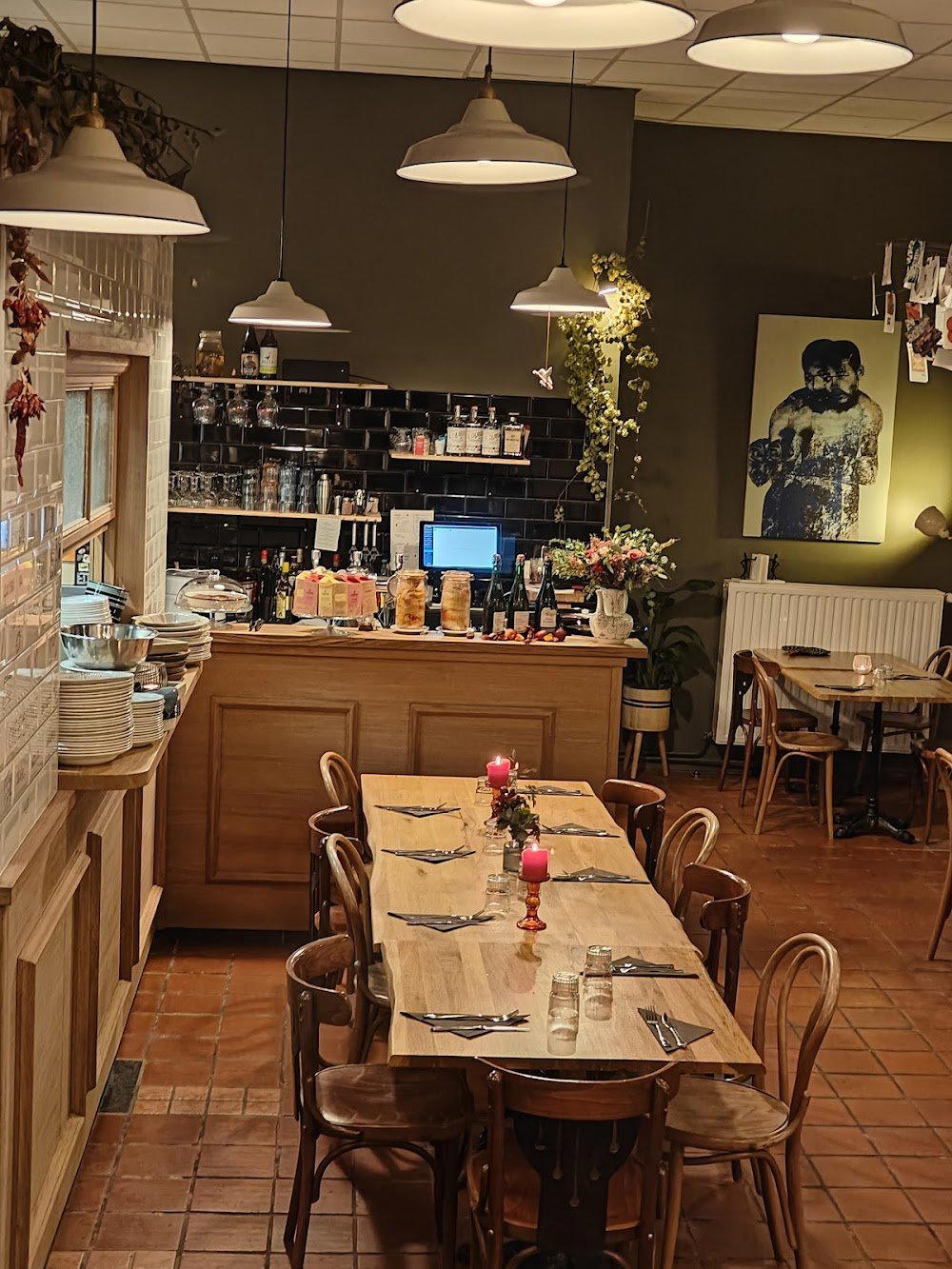
Where Belgian Lorraine Sets the Table
The province of Luxembourg — the Belgian one, not the Grand Duchy — has long occupied an awkward position in the country's dining conversation. The Michelin density clusters in Flanders and Brussels; the food press follows it there. What gets less attention is the Gaume sub-region, a quieter agricultural pocket around Habay where the cooking tradition runs closer to French Lorraine than to either Flemish or Walloon norms. Bistro du Châtelet, at Rue du Châtelet 4 in central Habay, sits inside that tradition. The address is direct, the village is not large, and the bistro format signals something deliberate: an anchoring in local rather than a bid for metropolitan recognition.
Arriving on foot or by car through Habay's low-scale centre, the physical context does most of the framing before you reach the door. The Gaume is farming country, cereal crops, dairy, game, and that agricultural surround is not incidental to what ends up on the plate in restaurants like this one. The ingredient sourcing argument for cooking in this part of Belgium is, if anything, stronger than in the city: proximity to producers is structural rather than aspirational, a condition of geography rather than a positioning choice made by a marketing team.
The Sourcing Logic of the Gaume
Across Belgium's premium dining tier, represented by tables such as Hof van Cleve in Kruishoutem, Boury in Roeselare, and Zilte in Antwerp, the sourcing conversation has become increasingly formalised: named farms, seasonal rotations, producer relationships documented on menus. At a village bistro level, the same principle operates differently. The supply chain is shorter not because it has been engineered to be shorter, but because the alternatives are fewer. In Habay and the surrounding Gaume communes, that means direct relationships with local producers are the default condition, not a competitive differentiator.
Belgian Lorraine's agricultural profile favours game in autumn and winter, wild boar, venison, pheasant, alongside lamb, dairy products, and foraged woodland ingredients from the Ardennes edge. The broader Walloon tradition also draws on river fish, particularly trout from the Semois and its tributaries. A bistro operating in this geography has access to that supply matrix in a way that, say, a comparable operation in Liège or Namur would need to consciously build. For the travelling diner, that matters: what arrives at the table at a restaurant like Bistro du Châtelet reflects what the Gaume actually produces at that moment in the season, rather than what a central distributor is moving that week.
Belgium's bistro format, distinct from the French original in its tolerance for longer menus and its absorption of Flemish and Walloon regional ingredients, operates at a price point and formality level below the starred tier represented by Vrijmoed in Gent or La Durée in Izegem. That gap is where Bistro du Châtelet operates: accessible enough for a regular weekday visit, considered enough to reward an out-of-town detour.
Context in Belgium's Wider Dining Map
Belgium's restaurant culture is unusually dense for a country of its size. The Michelin guide treats it seriously, more starred restaurants per capita than most European nations, and the critical conversation around tables like Bozar in Brussels, De Jonkman in Sint-Kruis, or Le Chalet de la Forêt in Uccle reflects genuine depth of culinary ambition across the country. But that concentration in the Flemish cities and Brussels can obscure what is happening in the Walloon provinces, where a quieter, more territory-rooted dining tradition persists.
For reference points closer in geography and register, La Table de Maxime in Our and d'Eugénie à Emilie in Baudour represent the kind of French-Walloon cooking that operates in a similar register to what the Gaume produces. Further afield in ambition, Ralf Berendsen in Neerharen and Cuchara in Lommel show how Belgian cooking at the creative end is shifting toward technical ambition while retaining regional grounding. Bistro du Châtelet sits at a different point on that axis: less technically demonstrative, more rooted in the Gaume's agricultural calendar. See our full Habay restaurants guide for the broader local context.
Internationally, the bistro-as-serious-sourcing-vehicle format has parallels in places like Lazy Bear in San Francisco, where the format is deliberately casual but the ingredient logic is rigorous, or the produce-driven discipline visible at Le Bernardin in New York City at the fine-dining end. The point is not that Bistro du Châtelet operates at those levels of ambition or recognition, but that the sourcing seriousness the bistro format can carry is not a function of price point or award count.
Planning a Visit
Habay is roughly 25 kilometres southwest of Arlon and sits on the road network connecting Belgian Luxembourg to the Grand Duchy. Visitors arriving by car from Luxembourg City have a drive of under an hour; from Liège, allow around 90 minutes. Habay itself has limited accommodation, so most travellers either base themselves in Arlon or treat the Gaume as a day route from the Grand Duchy. Given that the venue database carries no confirmed hours or booking contact for Bistro du Châtelet at this time, verifying service times directly before travel is advisable, particularly outside the summer season when smaller Gaume establishments sometimes reduce covers. Nearby, Jean le Chocolatier in Habay and Castor in Beveren are worth adding to the same day's plan if your route allows. Willem Hiele in Oudenburg is further afield but demonstrates what the Belgian countryside bistro-to-serious-table spectrum looks like at its highest expression.
How Bistro du Châtelet Habay compares with similar nearby venues.
| Venue | Cuisine | Price |
|---|---|---|
| Les Plats Canailles de la Bleue Maison | French | €€€ |
| La Régalade | Bistro Basquaise, Farm to table | €€€ |
| De la terre à l'assiette | Modern French | €€ |

At a Glance
- Cozy
- Rustic
- Lively
- Elegant
- Family
- Casual Hangout
- Date Night
- Terrace
- Open Kitchen
- Beer Program
- Local Sourcing
- Garden
- Street Scene
Current opening hours
- Monday
- 11:30 AM–1:30 PM, 6:30–10:30 PM
- Tuesday
- Closed
- Wednesday
- Closed
- Thursday
- 11:30 AM–1:30 PM, 6:30–10:30 PM
- Friday
- 11:30 AM–1:30 PM, 6:30–10:30 PM
- Saturday
- 6:30–10:30 PM
- Sunday
- 11:30 AM–5 PM
Hours can change for holidays and private events. Last verified .
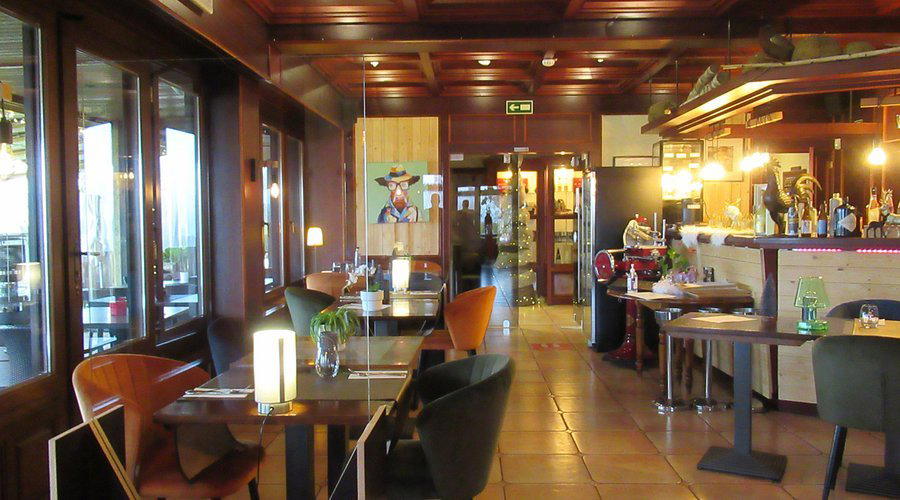
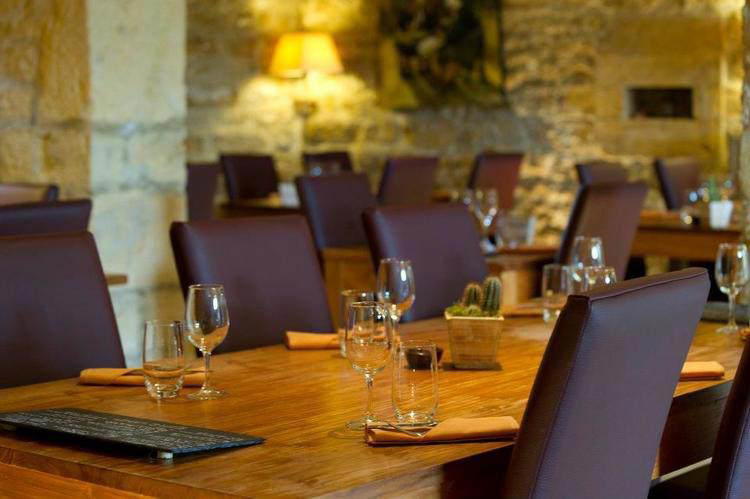
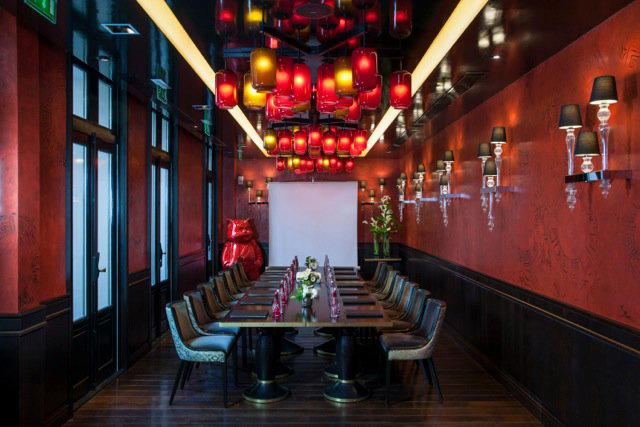
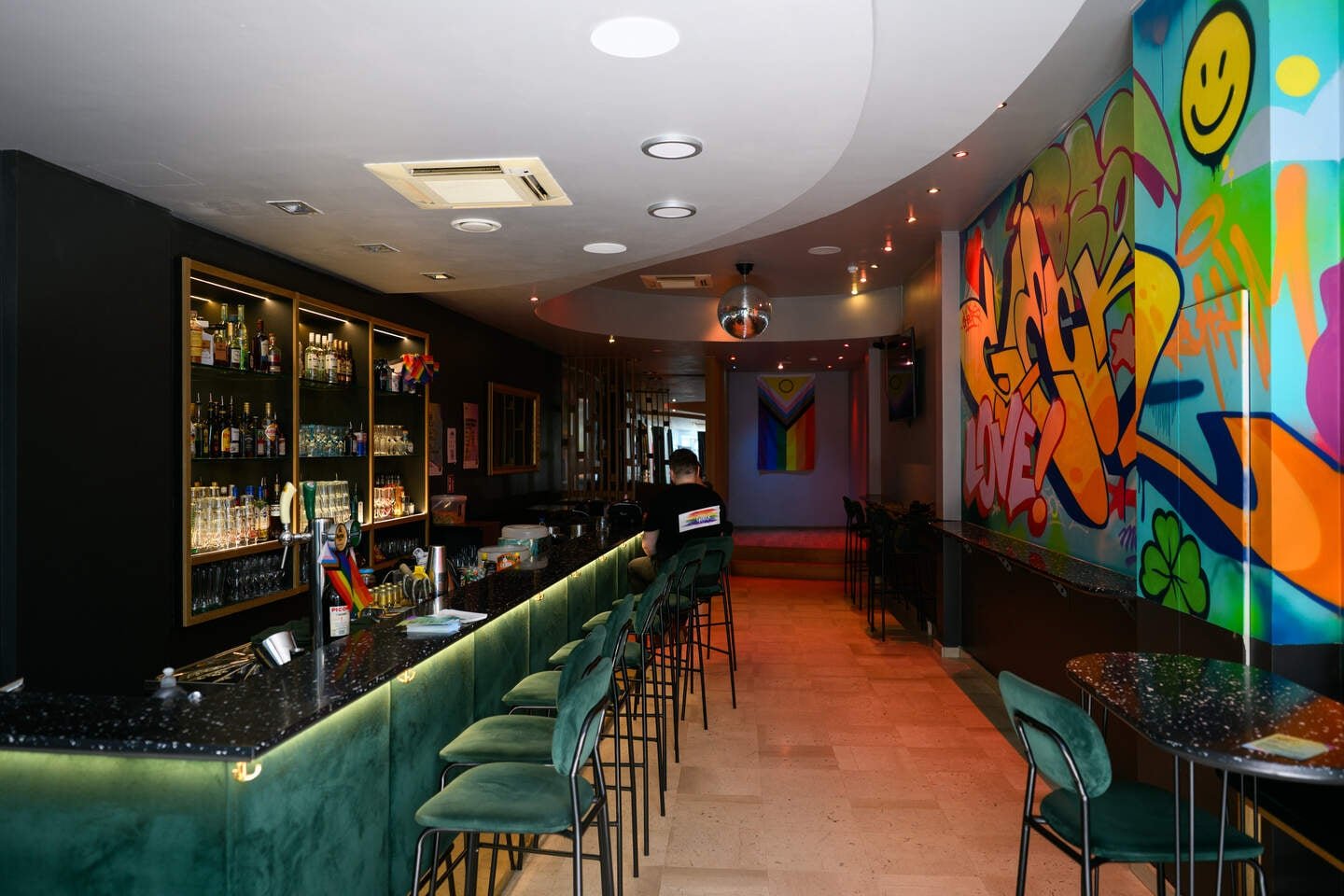
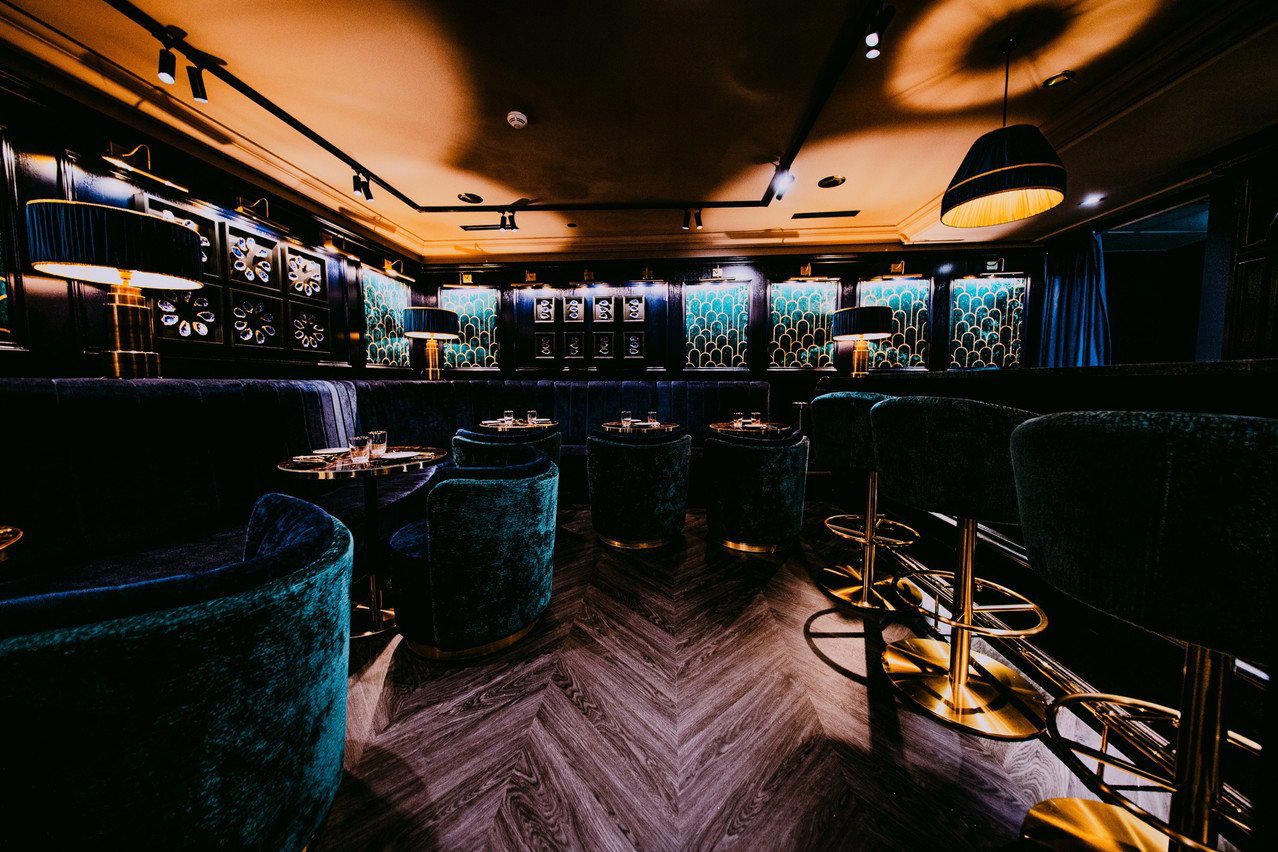
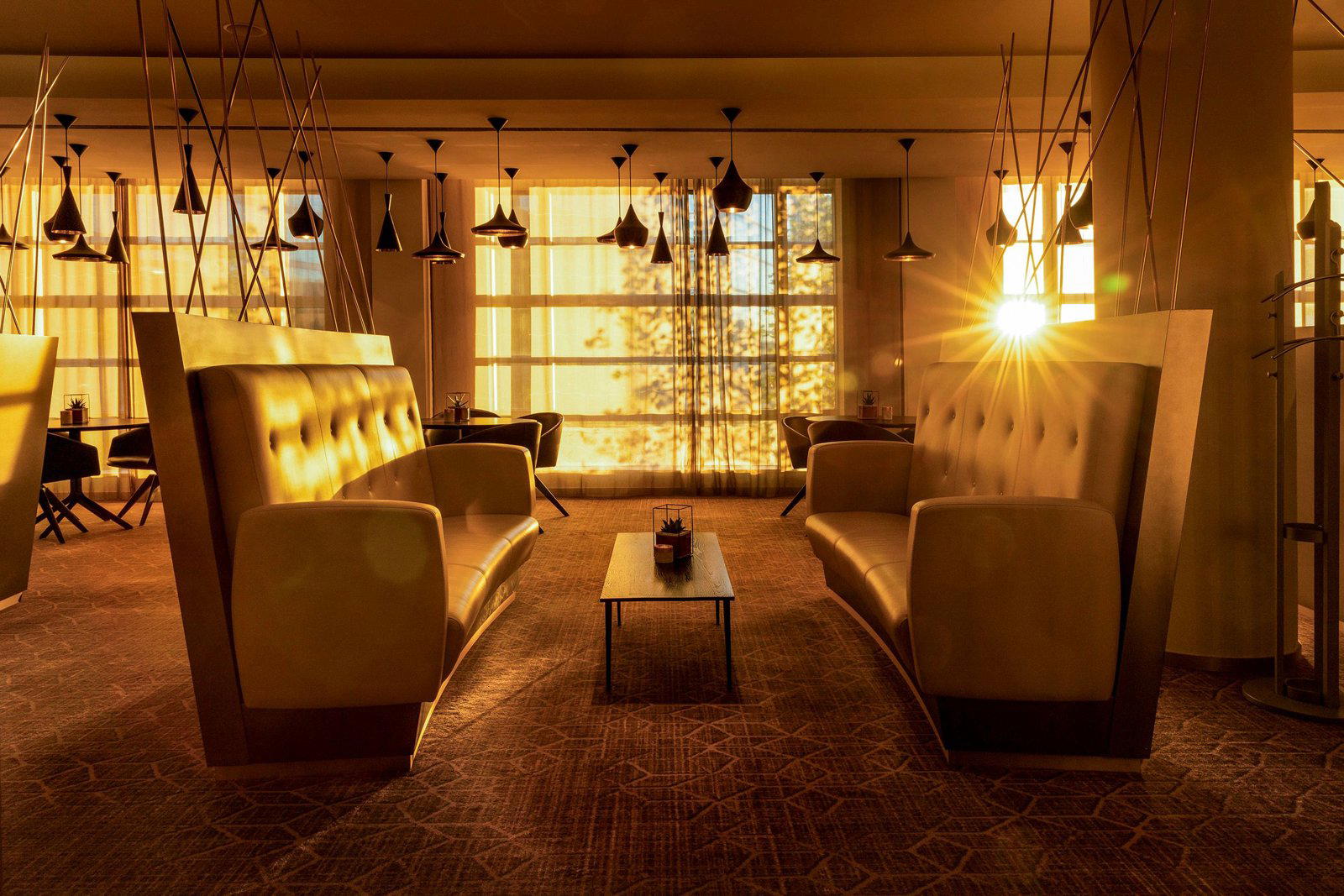
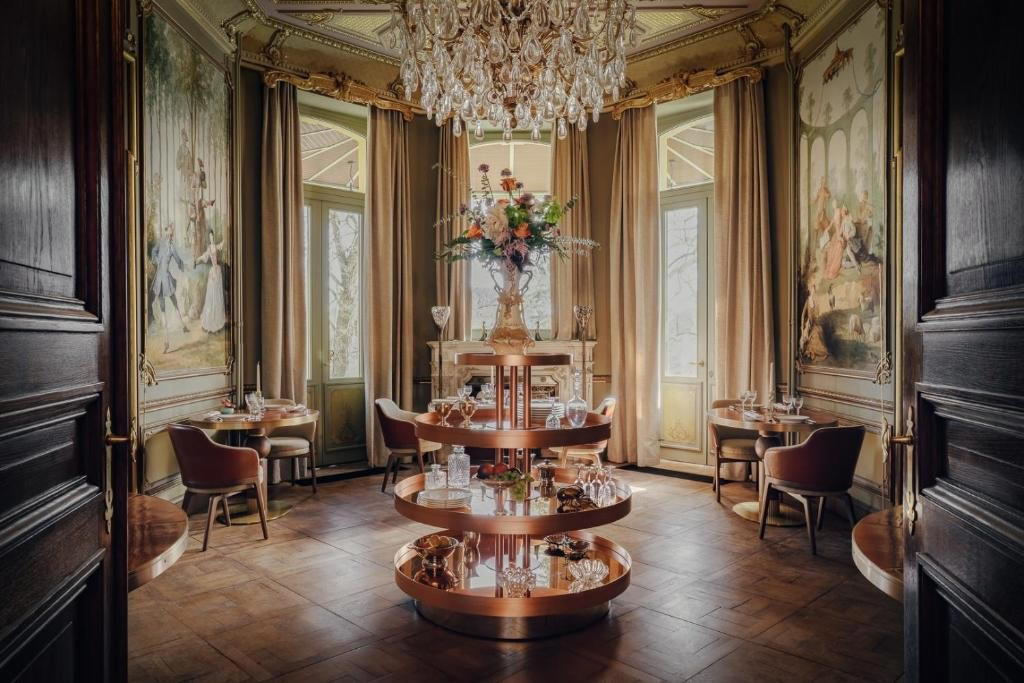
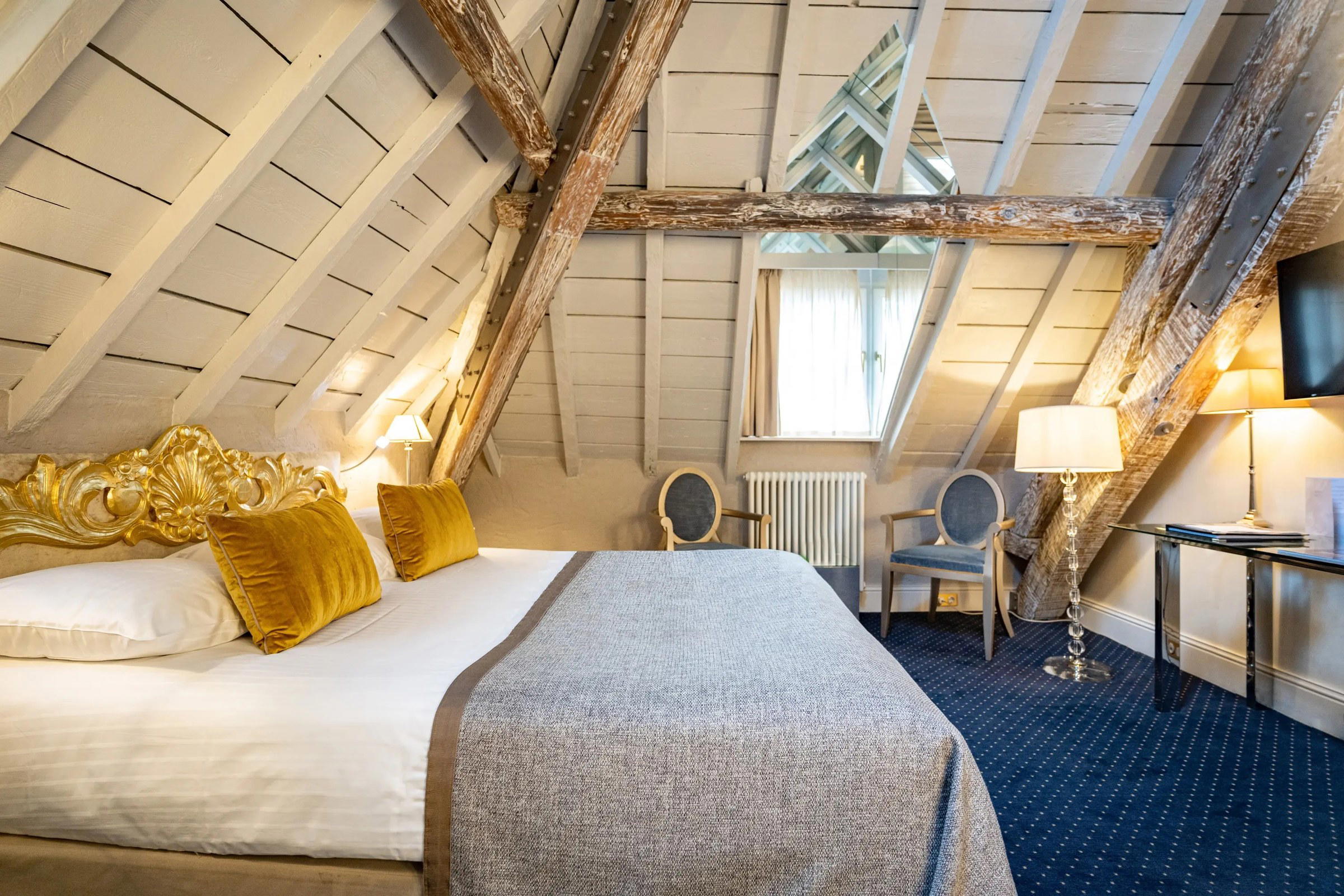
Cozy and relaxed with rustic-modern decor, bright lighting, comfortable seating, convivial at lunch and festive in the evening.
Know Before You Go
- Getting there
- Rue du Châtelet 4, 6720 Habay, Belgium