
Tabelog 100 #35
Our verdict
Binchotan Steak Ro Sakai places Nagoya steak dining in a higher-spend bracket than the Osu area’s casual food crawl suggests. The draw is a compact steak format with counter seating, private rooms, English support, wine and sake depth, and Tabelog 100 Steak / Teppanyaki EAST selection in 2025, 2024, and 2022.

Pearl is the En Primeur Club membership app, where members save venues, book tables and use the concierge.
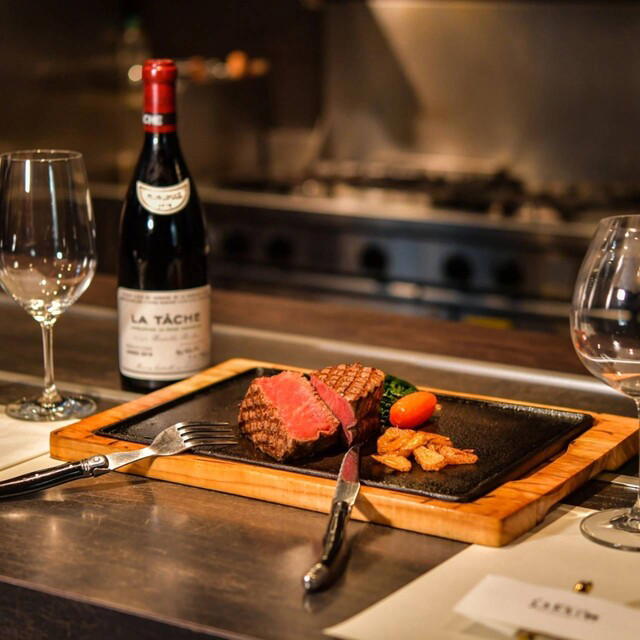
The menu
What to order
- A5 Kuroge Wagyu steak course
- Special Premium Chateaubriand Tataki
- Charcoal-grilled seasonal vegetables and seafood
- Wagyu fillet lean-meat charcoal grill lunch
Osu changes register quickly: temple approaches, arcade snacks, bakeries, pizza counters, then a quieter steak room built around charcoal, counter seating, and the economics of Japanese beef. Nagoya is often read through miso katsu, hitsumabushi, kishimen, and station-area convenience, but its premium tier also has a steak and teppanyaki lane where spend is justified less by ceremony than by ingredient cost, heat control, and pacing.
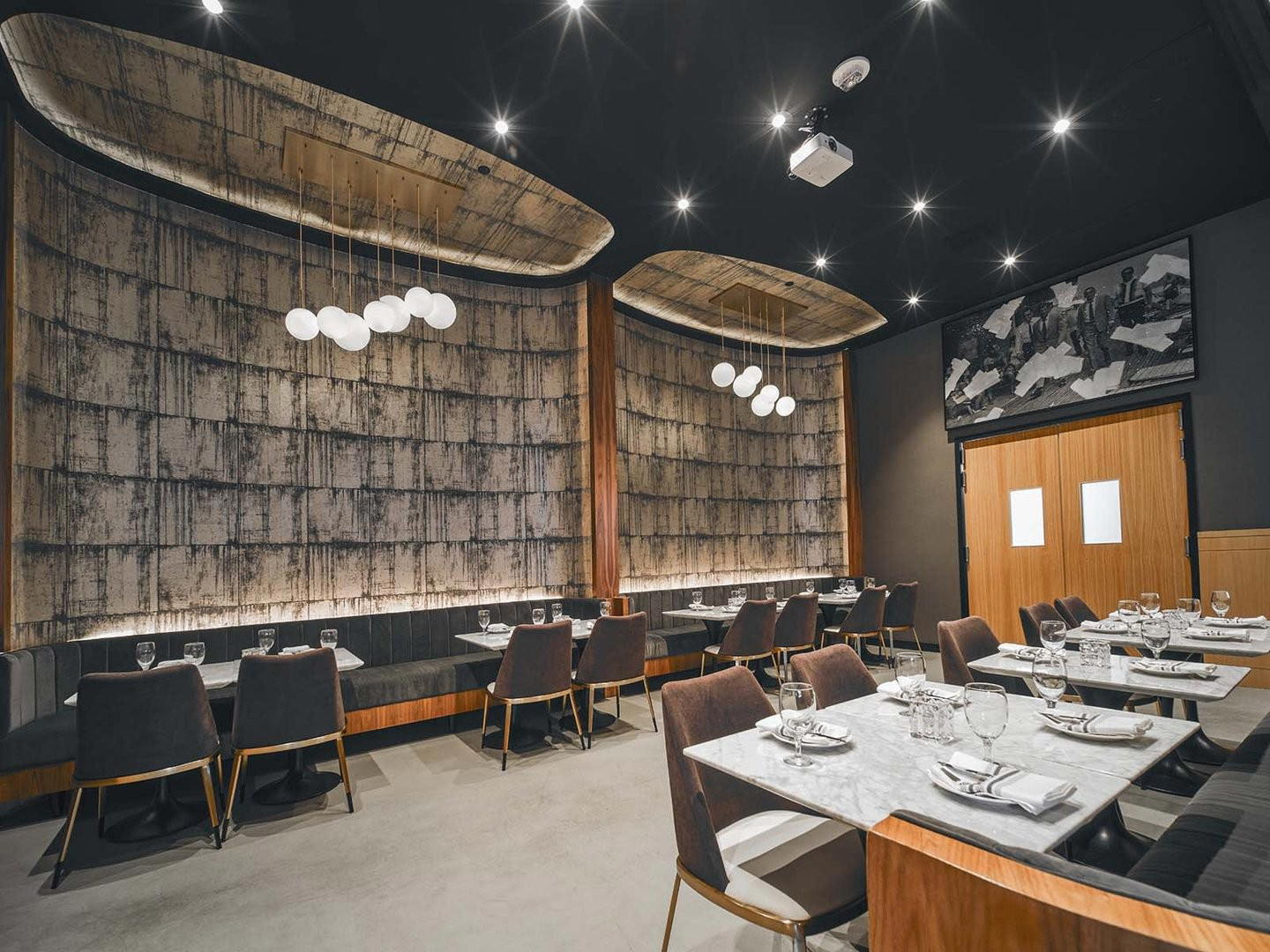
Binchotan Steak Ro Sakai belongs to that lane. Its Tabelog 100 Steak / Teppanyaki EAST selections in 2025, 2024, and 2022 place it inside a recognized eastern Japan steak cohort, not the everyday Osu circuit. The contained room has 36 seats, counter seating, and private rooms for small groups through larger parties, so it feels like a purpose-built steak appointment even before the bill reaches premium territory.
Charcoal steak in a neighbourhood better known for casual grazing
Osu’s public identity is democratic: shopping streets, shrine traffic, quick snacks, and low-friction lunch options. Nearby comparisons show the spread. Shin Suzume Honten and Oosu Bakery sit in the sub-¥1,000 casual bracket, while Su Zu Ya Akamon ten is modest local dining. Solo Pizza and Pizzeria Braceria CESARI!! show the area’s international, easygoing side. Against that backdrop, a charcoal steak restaurant charging high lunch and dinner prices is not competing for the same occasion.
The value proposition is narrow but clear. This is not where a visitor samples Osu broadly; it is where a steak-focused diner spends more for a composed format, deeper drinks setup, and seating that supports both counter dining and private-room meals. Steak in Japan can become theatre, especially in teppanyaki settings. Here the signal is more controlled: charcoal heat, steak as the category, serious wine and sake pairings, and infrastructure for celebrations or business meals without hotel-dining anonymity.
For travellers comparing Nagoya dining categories, the distinction helps. Miso katsu buys local identity at a lower tariff. Hitsumabushi buys regional specificity and ritual. Premium steak buys ingredient concentration and service pacing. Binchotan Steak Ro Sakai makes sense once the Nagoya staples are covered, or when a private-room steak meal fits better than a counter-only sushi or kappo reservation.
What the spend buys: format, privacy, and drink flexibility
Japanese steak pricing is often misread by visitors comparing it with Western steakhouse portions. The bill is not only protein; it reflects beef sourcing, trimming loss, charcoal or teppan technique, multiple courses or side dishes depending on format, and beverage expectations. Here, public details point to a meal built for duration rather than speed: parties can run over 2.5 hours, and the drinks list covers sake, shochu, wine, and cocktails, with particular attention to sake and wine.
That breadth changes the meal. Sake with beef is not a novelty in Japan; richer junmai styles and matured expressions can work with fat and char, while wine remains steak’s expected high-spend pairing language. Having both lets the table calibrate the evening, especially when guests want different pairings. English menus, photo menus, and English-speaking staff also reduce friction in a category where cuts, doneness, and supplements are easy to misunderstand.
The 36-seat count is another clue. It is larger than a jewel-box counter, but not a volume steakhouse. Private rooms for two, four, six, eight, and ten to twenty people broaden the use case: couples can make it a focused dinner, while families or work groups can spend into privacy. Children are accepted, kids’ menus are available, and strollers are welcome, an unusual but meaningful note in Japan’s premium dining context, where high-spend restaurants can be quietly adult-coded.
The restaurant is also selected in Tabelog’s Steak / Teppanyaki EAST 100, recognition that matters in a category with many technically competent rooms across a large geography. It does not make the restaurant a universal answer for every Nagoya itinerary. It does make it a credible steak choice for diners who value third-party recognition, structured service, and a drinks program beyond a token wine list.
How to place it within a Nagoya itinerary
Decision is not whether Nagoya has cheaper, more local meals. It does. The better question is whether the itinerary needs a high-spend steak slot in Osu rather than another regional classic near Nagoya Station or Sakae. On a first short visit, the city’s defining dishes may take priority. On a second pass, or a trip anchored by business, family, or celebration, this becomes sharper: premium beef, private-room flexibility, and a location that pairs with Osu’s daytime browsing.
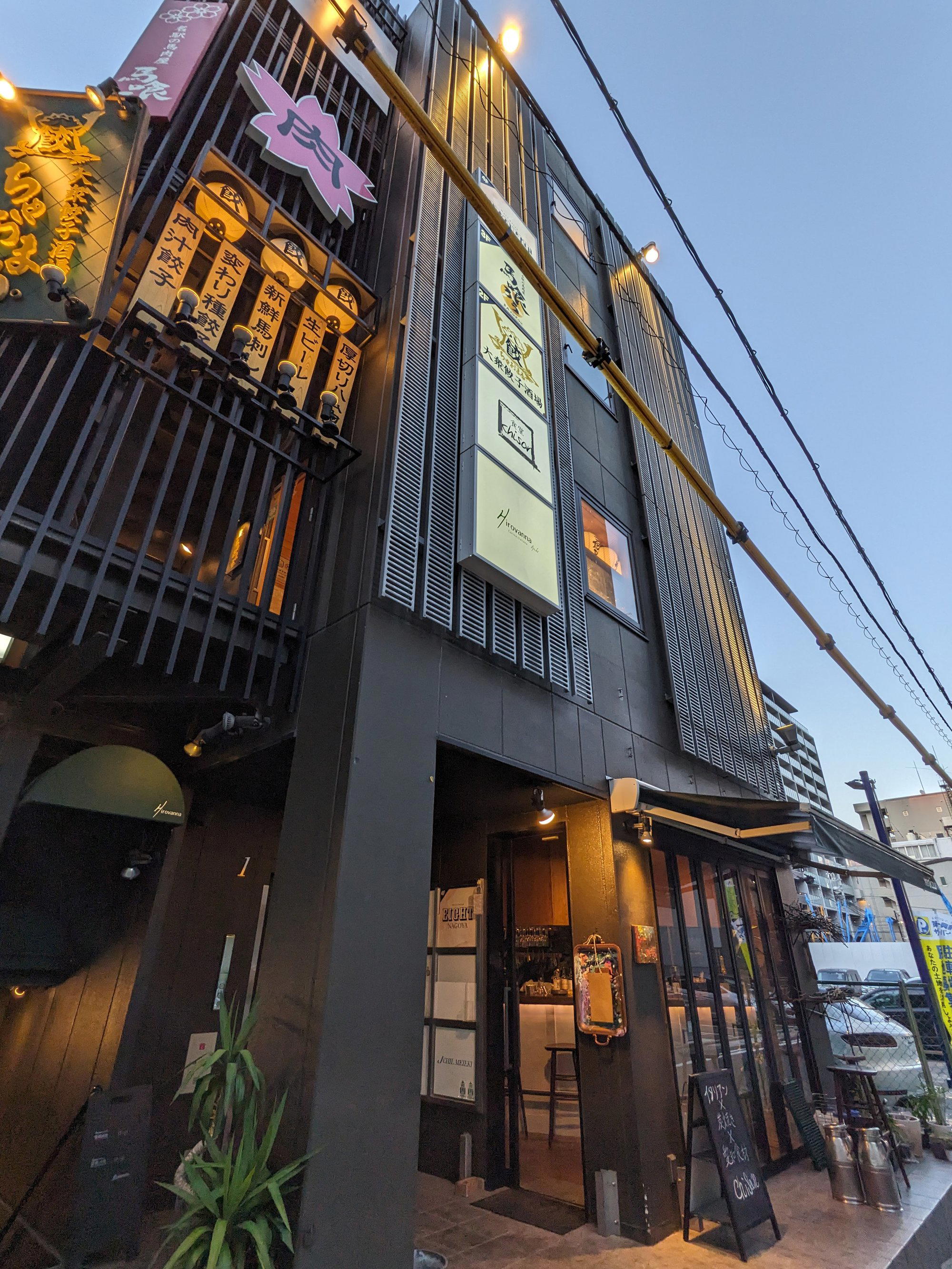
Its neighbourhood position is tactically useful. Osu Kannon places the meal outside the station-hotel axis, giving visitors a more textured read of central Nagoya. The surrounding area can absorb pre-dinner time without a transfer-heavy plan, important in a city where premium meals often feel detached from street life in towers or hotel districts.
Readers mapping the wider city should start with Our full Nagoya restaurants guide, then cross-check sleep, drinking, and day-planning through Our full Nagoya hotels guide, Our full Nagoya bars guide, Our full Nagoya wineries guide, and Our full Nagoya experiences guide. For broader Japan and overseas dining context, compare the range of formats in 1022, 451, Aaron, Alan., All Day Dining Montmartre, -Grilled beef Sukiyaki- KAMAKURA TANUKIAN 鎌倉 たぬき庵 in Kamakura. 鮪と炭火焼き うお炭 秋葉原店 in Tokyo.cafe in Osaka.know in Kumamoto, (Shoku) Vietnam in Kawasaki, [Curry Senmon Ten] Maruyama Kyoju. in Sapporo, Jōdo Saké Bar in Los Angeles, and Onigiri Time in Pasadena.
The editorial call is simple: choose Binchotan Steak Ro Sakai when the meal should be anchored by steak, not grazing, novelty, or a checklist of Nagoya specialties. Its recognition, seating mix, and beverage range make the spend clearer than a generic luxury steak dinner. The restaurant is strongest for diners wanting a controlled beef-focused evening in Osu with enough structure for visitors, families, and private-room occasions.
Frequently asked questions
What's the address for Binchotan Steak Ro Sakai?
Binchotan Steak Ro Sakai is located in Nagoya.
What's the price range at Binchotan Steak Ro Sakai?
Pricing at Binchotan Steak Ro Sakai is listed as JPY 20,000 - JPY 29,999 JPY 10,000 - JPY 14,999.
What are Binchotan Steak Ro Sakai's hours?
Hours at Binchotan Steak Ro Sakai: Mon: 11:30 AM–2 PM, 5–10 PM; Tue: 11:30 AM–2 PM, 5–10 PM; Wed: 11:30 AM–2 PM, 5–10 PM; Thu: 11:30 AM–2 PM, 5–10 PM; Fri: 11:30 AM–2 PM, 5–10 PM; Sat: 11:30 AM–2 PM, 5–10 PM; Sun: 11:30 AM–2 PM, 5–10 PM.
What is Binchotan Steak Ro Sakai known for?
Binchotan Steak Ro Sakai is primarily known for its core concept and execution in Nagoya.
Reputation First
Comparable venues to calibrate price, style, and recognition.
| Venue | Cuisine | Price | Awards | Notes |
|---|---|---|---|---|
| Binchotan Steak Ro SakaiThis venue (the venue you are viewing) | Binchotan-charcoal Wagyu Steakhouse | $100–150 | Tabelog 100 #35 | Not listed |
| Ciotto Giotto | Charcoal-Grilled Steak & Wine Bar | $100–150 | Tabelog 100 #83 | Higashi |
| 寿し道 桜田 | Edomae Sushi Omakase | $100–150 | Tabelog Bronze | Naka |
| Hanamaru Kichijitsu | Seasonal Kuzushi Kaiseki / Omakase Japanese | $200–300 | Tabelog 100 #63 | Naka |
| kibi | Wood-fire Modern Italian & Fusion | $100–150 | Tabelog 100 #86 | Naka |
| ことわりをはかるみせばんどう | Modern Japanese Fine Dining | $200–300 | Not listed | Chikusa |
Recognition history
Dated appearances from independent guides and award organizations, with the underlying list record or original source where available.
Tabelog 100 #35 · No. 35
Tabelog · Tabelog 100 - Steak / Teppanyaki - EAST - 2025
Continue exploring
More in Nagoya
Restaurants in Nagoya
All restaurants in Nagoya →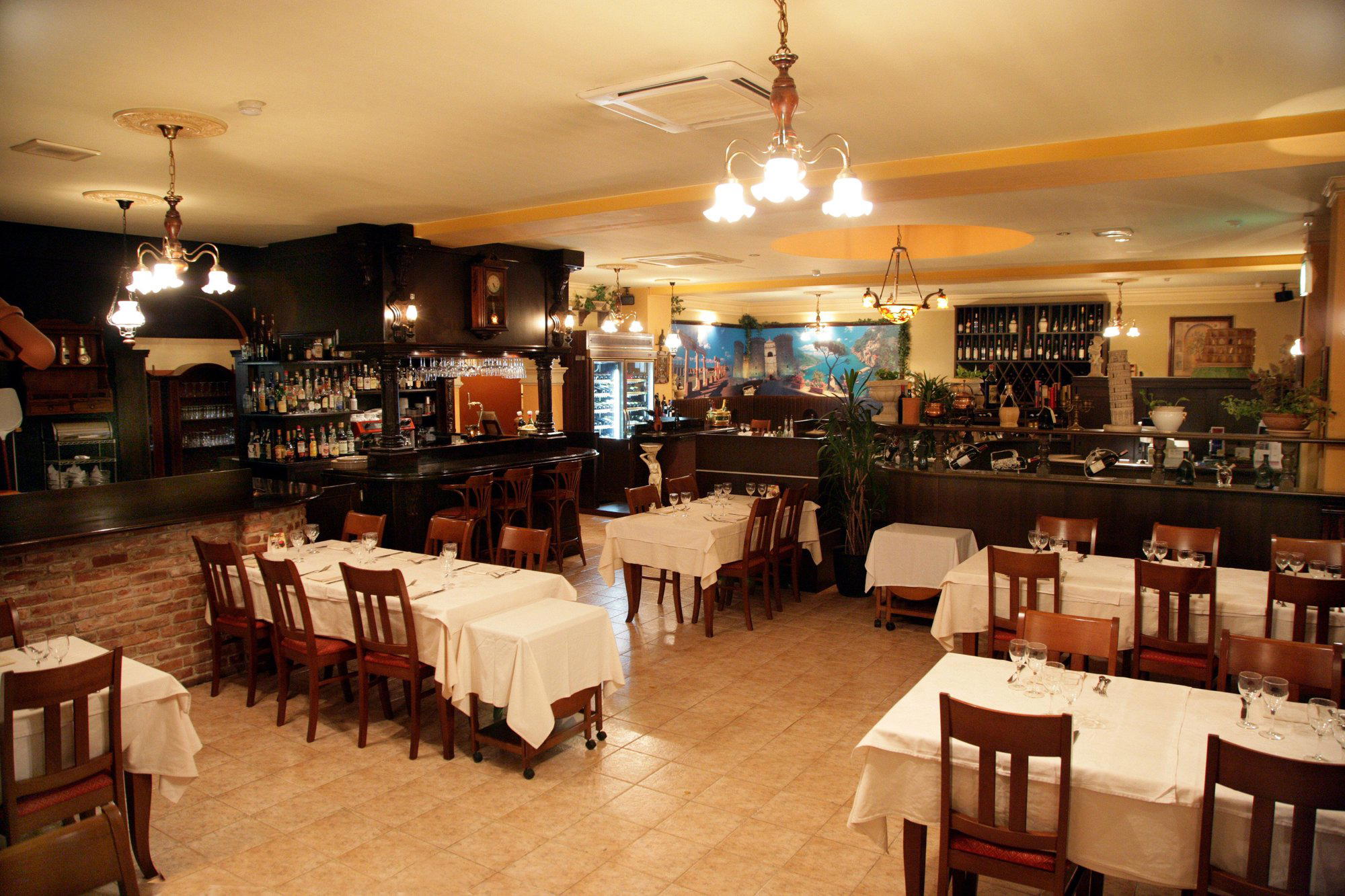
Details
- Romantic
- Elegant
- Cozy
- Intimate
- Sophisticated
- Date Night
- Business Dinner
- Celebration
- Special Occasion
- Group Dining
- Chefs Counter
- Open Kitchen
- Private Dining
- Standalone
- Design Destination
- Extensive Wine List
- Sake Program
- Local Sourcing
- Set Menu
- A La Carte
- Counter Dining
- Wine
- Sake
- Allergy Accommodating
Current opening hours
- Monday
- 11:30 AM–2 PM, 5–10 PM
- Tuesday
- 11:30 AM–2 PM, 5–10 PM
- Wednesday
- 11:30 AM–2 PM, 5–10 PM
- Thursday
- 11:30 AM–2 PM, 5–10 PM
- Friday
- 11:30 AM–2 PM, 5–10 PM
- Saturday
- 11:30 AM–2 PM, 5–10 PM
- Sunday
- 11:30 AM–2 PM, 5–10 PM
Hours can change for holidays and private events. Hours as of .
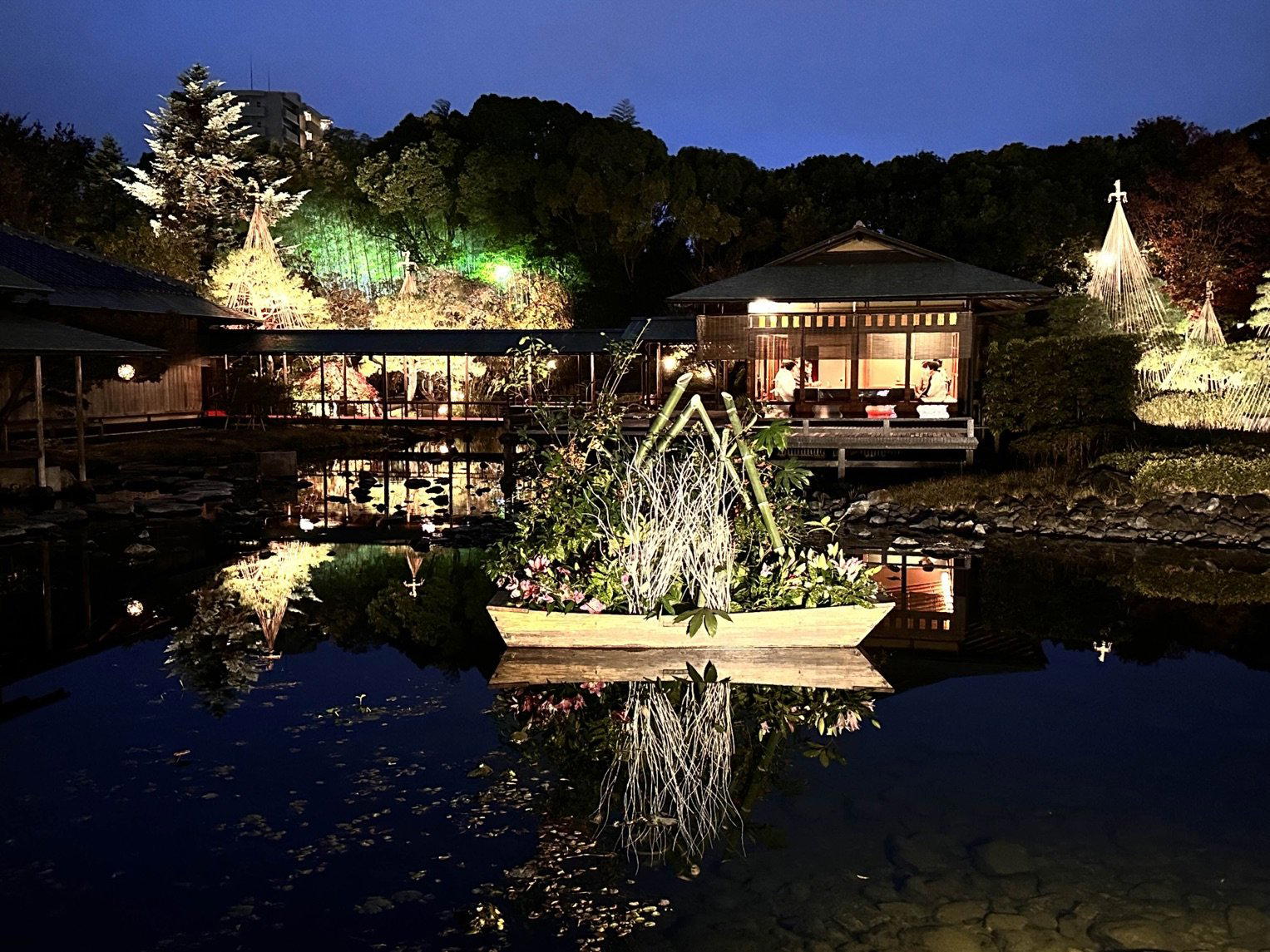
A quiet, wood-focused machiya-style space that feels like a hidden retreat from lively Osu, with the aroma and theater of binchotan charcoal grilling at the counter and calm, refined private rooms for unhurried special-occasion dining.