
Tabelog 100 #63
Our verdict
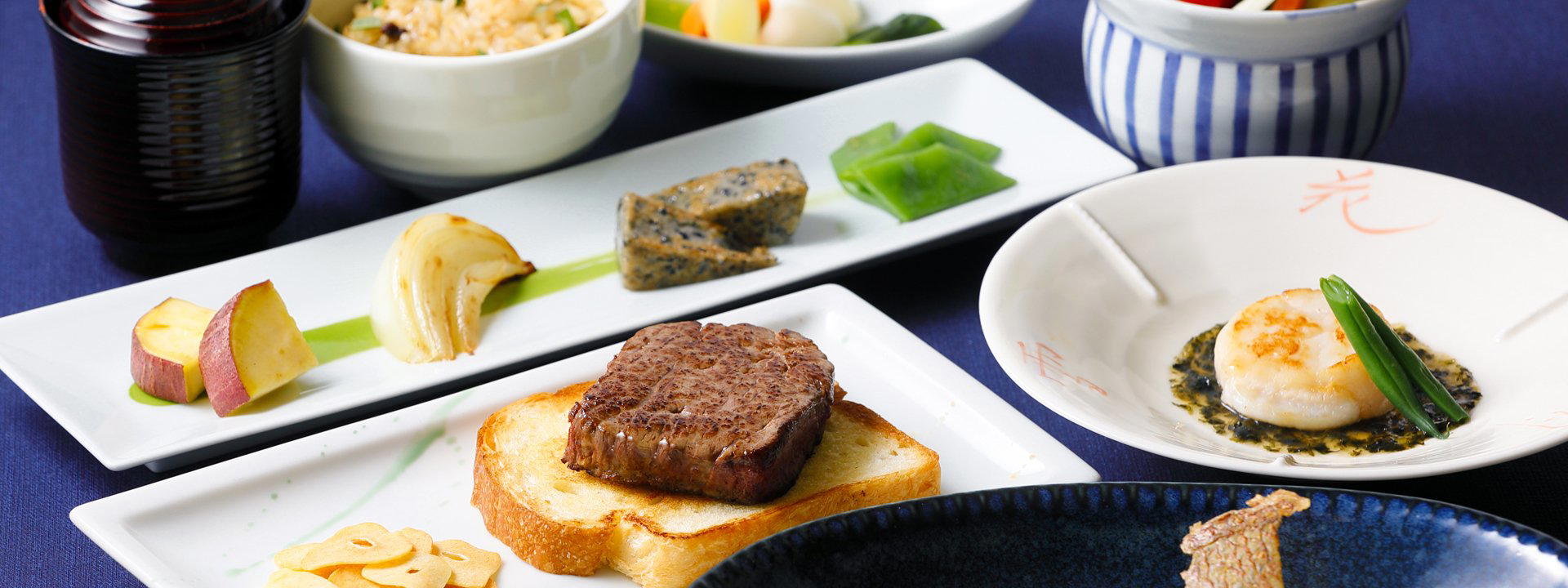
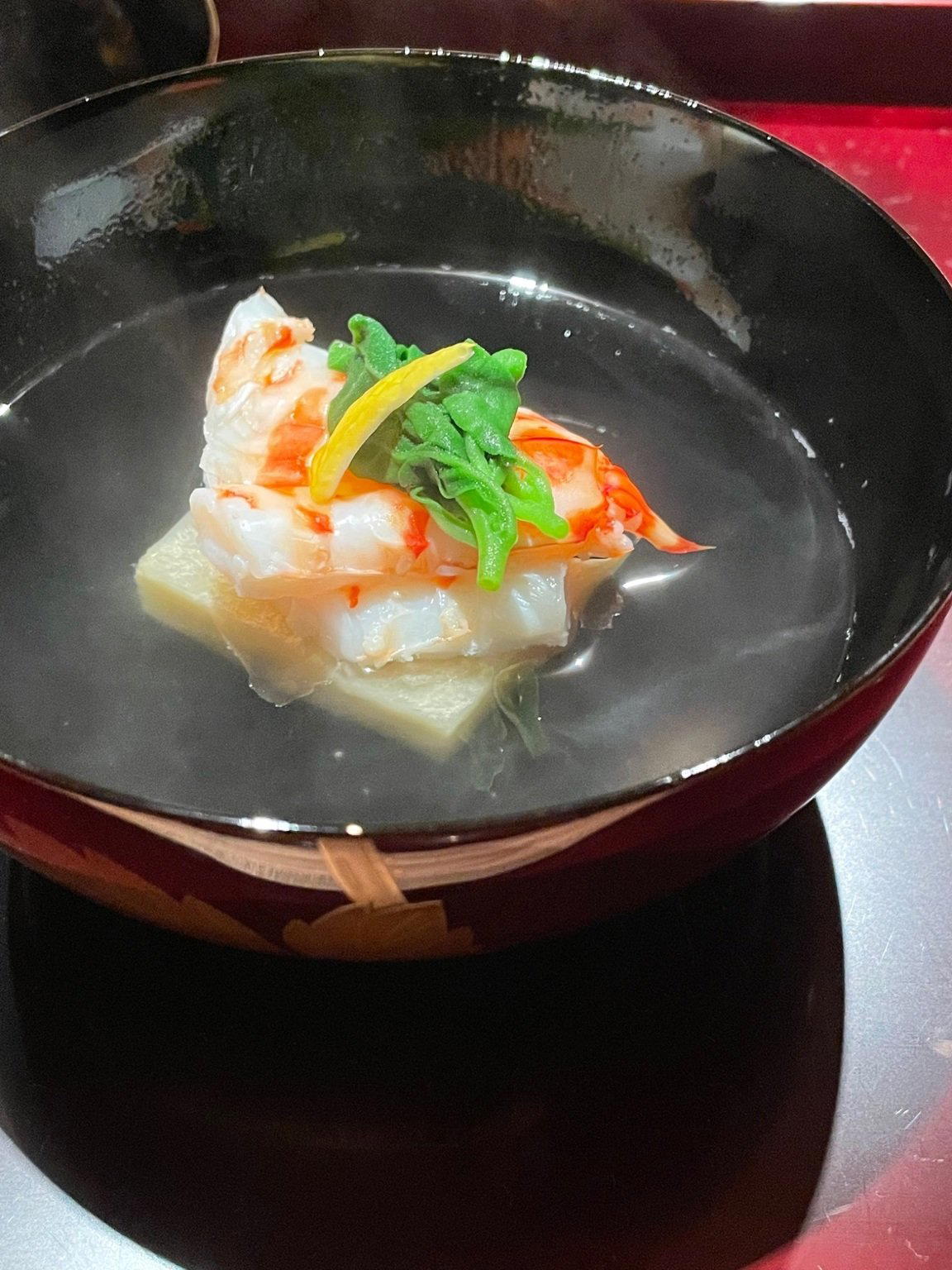
Hanamaru Kichijitsu sits in Sakae’s Yaba-cho pocket, where Nagoya’s polished Japanese dining feels less ceremonial than Tokyo’s counter culture and more rooted in local evening rhythm. The draw is Japanese cuisine with seafood and creative leanings, backed by Tabelog Japanese Cuisine EAST 100 selections in 2023 and 2025.

Pearl is the En Primeur Club membership app, where members save venues, book tables and use the concierge.
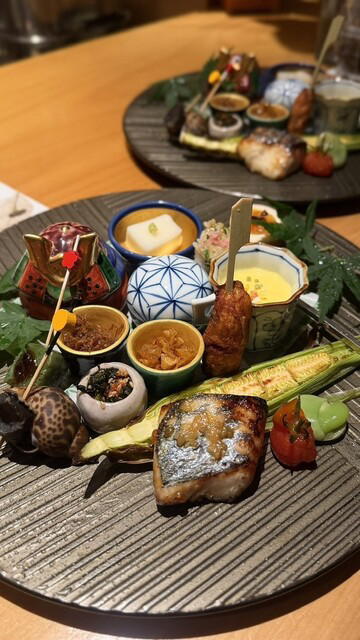
The menu
What to order
- Seasonal small-plate course menu
- Assorted otsuzai eight kinds
- Live kegani (hairy crab) course
- Winter matsuba crab course
- Lunch kaiseki set
Nagoya gives Japanese dining a different pulse from the most familiar hotel restaurants and department-store floors. The city’s evening scene includes bars, small Japanese counters, and restaurants that make sense after offices empty and before the last subway becomes a calculation. In that setting, Hanamaru Kichijitsu reads less as a destination staged for travellers and more as part of Nagoya’s grown-up dinner circuit, where seafood, Japanese cooking, and composed pacing carry more weight than spectacle.
Nagoya’s serious Japanese restaurants occupy a useful middle ground in Japan’s dining map. Tokyo sets the auction-house standard for high-price sushi and kaiseki scarcity; Kyoto owns the formal grammar of seasonality; Osaka prizes speed and appetite. Nagoya is quieter, but not casual. The better rooms here often reward diners who care about product and pacing rather than social proof. This is where a place listed under Japanese cuisine, seafood, and creative categories can make sense: not as fusion theatre, but as a local answer to the question of how formal a modern Japanese dinner needs to be.
Nagoya's evening circuit suits a fish-led Japanese restaurant
The useful context is price tier and format. In Nagoya, dinner around the JPY 15,000 to JPY 19,999 bracket puts a Japanese restaurant into a serious but not stratospheric category, above everyday izakaya spending and below the rarified counters that compete directly with Tokyo’s hardest reservations. Hanamaru Kichijitsu sits in that tier, while lunch is listed at JPY 5,000 to JPY 5,999, giving the restaurant a clear place in the city’s higher-end but still legible dining landscape.
The format matters because it changes the expectation. In a larger dining room, creative Japanese cooking can drift into decorative plating and diffuse service. In a more focused room, the cooking has less room to hide. Seafood handling, temperature, sequence, and portion rhythm become the experience. The available category note is broad rather than menu-specific, but it tells the reader where to place the restaurant: closer to fish-led Japanese dining than to beef-led Nagoya comfort food or casual drinking food.
That distinction is useful for travellers comparing Nagoya options. Koran occupies a similarly serious Japanese-dining conversation, while kawaramachi hisaya ukiyo banare and Sumiyaki Chicken Kababu point diners toward different evening decisions. Those are not interchangeable choices. The choice here is for a more composed Japanese meal where seafood and a Japanese-cuisine framework are central, not for a quick local specialty crawl.
Tabelog recognition places it inside Japan's peer-reviewed hierarchy
Japan’s award culture is fragmented: Michelin covers only selected regions and categories, while local diners often treat Tabelog as a hard-edged reputational instrument. A score in the high threes carries more weight in Japan than many international travellers assume, because the platform’s scoring culture is conservative. Hanamaru Kichijitsu has a Tabelog score of 3.77 and was selected for Tabelog’s Japanese Cuisine recognition in 2025. That is the trust signal here, and it is more relevant than importing a Michelin vocabulary that does not belong to the listing.
The Tabelog recognition also clarifies competitive set. This is not a general “Nagoya dining” flourish; it places the restaurant within a Japanese-cuisine field where diner evaluation and category fit matter. For a city often reduced by visitors to miso katsu, hitsumabushi, and station ramen, that matters. Nagoya’s higher-end Japanese dining is less exported as a brand than its comfort dishes, so recognition through a Japanese-cuisine frame helps separate serious local restaurants from places that simply happen to be convenient during a trip.
There is another quiet signal in the way the listing reads. The restaurant is not being sold through a celebrity-chef story, a landmark address, or a theatrical ranking claim. Instead, the public facts are more restrained: Japanese cuisine, seafood, creative, a 3.77 Tabelog score, and 2025 Tabelog recognition. In a category where reputation often depends on consistency rather than novelty, that restraint is part of the appeal. The point is not hype for its own sake; it is that the room registers through the kind of signals Japanese diners actually use.
How to place it within a Nagoya itinerary
For visitors, Nagoya works because it concentrates dinner, drinks, shopping, and late-evening movement without the sterility of a purely terminal district. The city is practical, but the reward is the texture: smaller dining rooms, local routines, and a restaurant scene that becomes more interesting after dark. A seafood-forward Japanese meal here pairs naturally with a night kept in Nagoya rather than a cross-city restaurant chase.
The better strategy is to treat this as the anchor meal, then build the rest of the evening around proximity and appetite. Travellers comparing broader options can use Our full Nagoya restaurants guide for restaurant context, Our full Nagoya bars guide for later drinking, and Our full Nagoya hotels guide if staying in the city. Wider planning pages for Nagoya wineries and Nagoya experiences help when the trip extends beyond dinner.
Within EP Club’s Japan restaurant coverage, the comparison is less about cuisine matching than decision style. Diners weighing Nagoya against other Japanese cities can cross-reference other Nagoya dining rooms, other Japanese restaurants, and broader city guides for how different formats read in the city. For a broader national and overseas Japanese-food lens, look generically at Japanese counters, seafood-led rooms, casual grill formats, curry specialists, sake bars, and casual rice-focused shops rather than treating any one comparison as a direct substitute for Hanamaru Kichijitsu.
The editorial read is clear: choose Hanamaru Kichijitsu when the Nagoya meal should feel rooted in the city rather than engineered for sightseeing. Its strongest signals are not theatrical claims but category discipline, fish-led Japanese cooking, a serious dinner price tier, and Tabelog recognition in a conservative national evaluation culture. That combination makes it a sharper choice for travellers who want Nagoya’s serious dining side without forcing the city into a Tokyo or Kyoto template.
Frequently asked questions
What's the price range at Hanamaru Kichijitsu?
Pricing at Hanamaru Kichijitsu is listed as Dinner: JPY 15,000 - JPY 19,999; Lunch: JPY 5,000 - JPY 5,999.
What are the operating hours at Hanamaru Kichijitsu?
Specific operating hours are not included in the provided listing details. Check the venue's official channels for the latest schedule before visiting.
Where do I go for Hanamaru Kichijitsu?
Nagoya.
What's the signature at Hanamaru Kichijitsu?
The clearest anchor is its fish-led Japanese cooking, which Tabelog lists under Japanese cuisine, seafood, and creative. The restaurant also has a Tabelog score of 3.77 and 2025 Tabelog recognition, which is the strongest public signal here.
Do they accommodate allergies at Hanamaru Kichijitsu?
Those details are not published. That matters here because the restaurant is listed under Japanese cuisine, seafood, and creative, and the dinner price sits at JPY 15,000–JPY 19,999. Check the venue's official channels for the latest details.
Is Hanamaru Kichijitsu suitable for children?
The listing gives no children policy, so this is not something to assume. Treat it as a serious Nagoya dining choice and check the venue's official channels for the latest details before booking with children.
A Lean Comparison
Comparable venues for context, by category and price tier.
| Venue | Cuisine | Price | Awards | Notes |
|---|---|---|---|---|
| Hanamaru KichijitsuThis venue (the venue you are viewing) | Seasonal Kuzushi Kaiseki / Omakase Japanese | $200–300 | Tabelog 100 #63 | Not listed |
| Koran | Seasonal Chinese Counter Dining | $100–150 | Tabelog 100 #48 | JPY 15,000 - JPY 19,999 JPY 1,000 - JPY 1,999 |
| kawaramachi hisaya ukiyo banare | Modern Japanese Izakaya & Meat Kappo | $50–100 | Tabelog 100 #21 | JPY 6,000 - JPY 7,999 |
| Sumiyaki Chicken Kababu | Nagoya Cochin Yakitori Omakase Counter | $50–100 | Tabelog 100 #57 | JPY 10,000 - JPY 14,999 |
| SHUHARI | Seasonal Japanese Omakase Kaiseki | $150–200 | Not listed | Not listed |
| Table For Tomorrow | Contemporary French All-Day Dining | Not listed | Not listed | Not listed |
Recognition history
Dated appearances from independent guides and award organizations, with the underlying list record or original source where available.
Tabelog 100 #63 · No. 63
Tabelog · Tabelog 100 - Japanese cuisine - EAST - 2025
Continue exploring
More in Nagoya
Restaurants in Nagoya
All restaurants in Nagoya →





Details
- Intimate
- Cozy
- Elegant
- Sophisticated
- Business Dinner
- Date Night
- Special Occasion
- Celebration
- Solo
- Chefs Counter
- Standalone
- Design Destination
- Sake Program
- Local Sourcing
- Sustainable Seafood
- Tasting Menu
- Omakase
- Counter Dining
- Set Menu
- Sake
- Beer
- Wine
- Pescatarian Friendly
- Allergy Accommodating
Current opening hours
- Monday
- Closed
- Tuesday
- 6–11 PM
- Wednesday
- 6–11 PM
- Thursday
- 6–11 PM
- Friday
- 6–11 PM
- Saturday
- 12–2 PM, 6–11 PM
- Sunday
- 12–2 PM, 6–11 PM
Hours can change for holidays and private events. Hours as of .
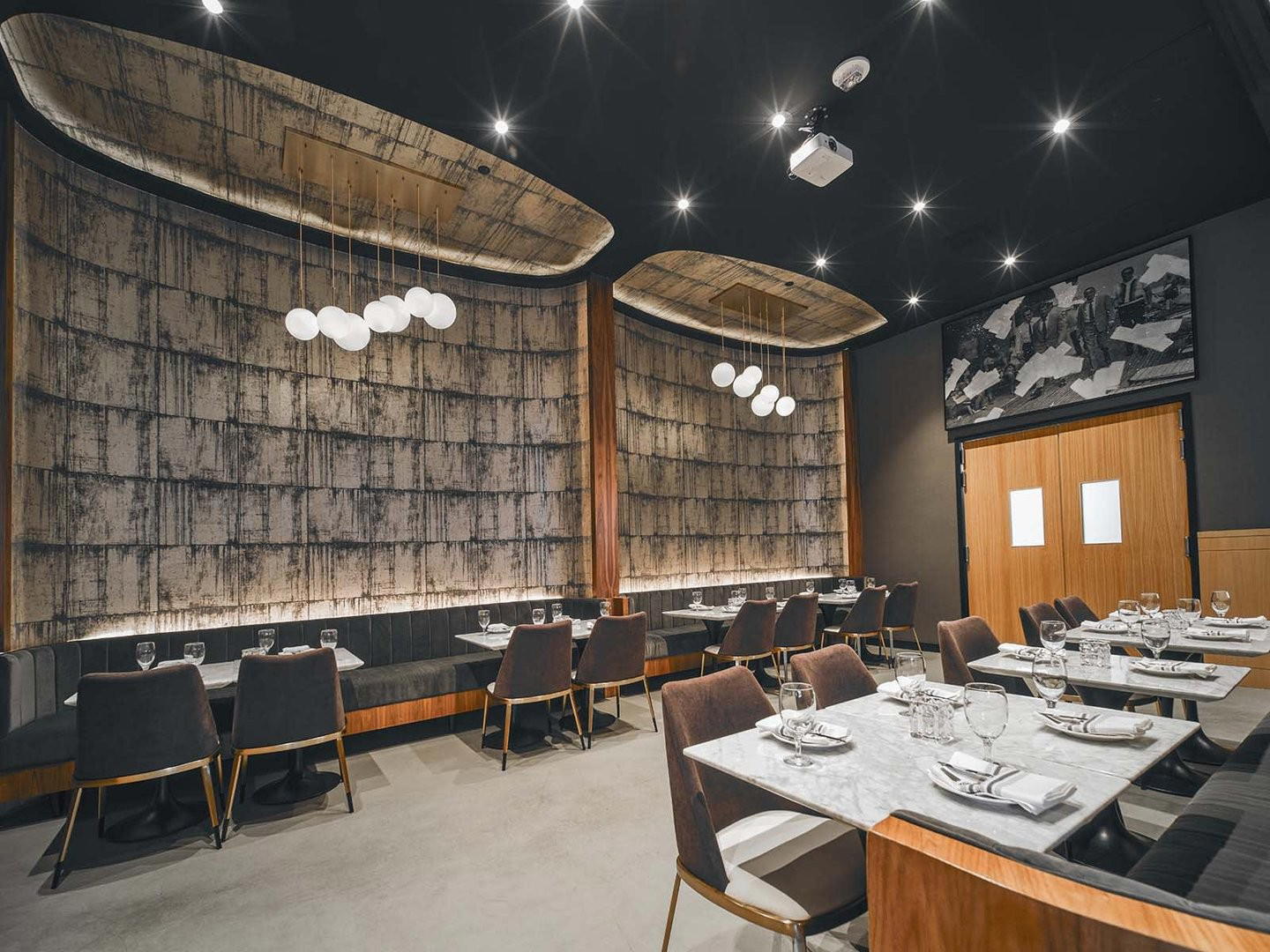
A softly lit, quietly elegant Japanese space with a warm counter-focused layout, limited seating, and a calm, refined atmosphere suited to business entertaining and special occasions rather than casual or noisy dining.