Oudeland

Michelin Plate
Our verdict
Oudeland holds a Michelin Plate for 2024 and 2025, placing it among the small tier of recognised seasonal kitchens operating outside the Netherlands' major cities. Set on Texel island's main village strip in De Koog, it works from an ingredient-led approach that makes the surrounding North Sea landscape and agricultural land directly legible on the plate. It carries consistent guest confidence rare at this price point.

Pearl is the En Primeur Club membership app, where members save venues, book tables and use the concierge.
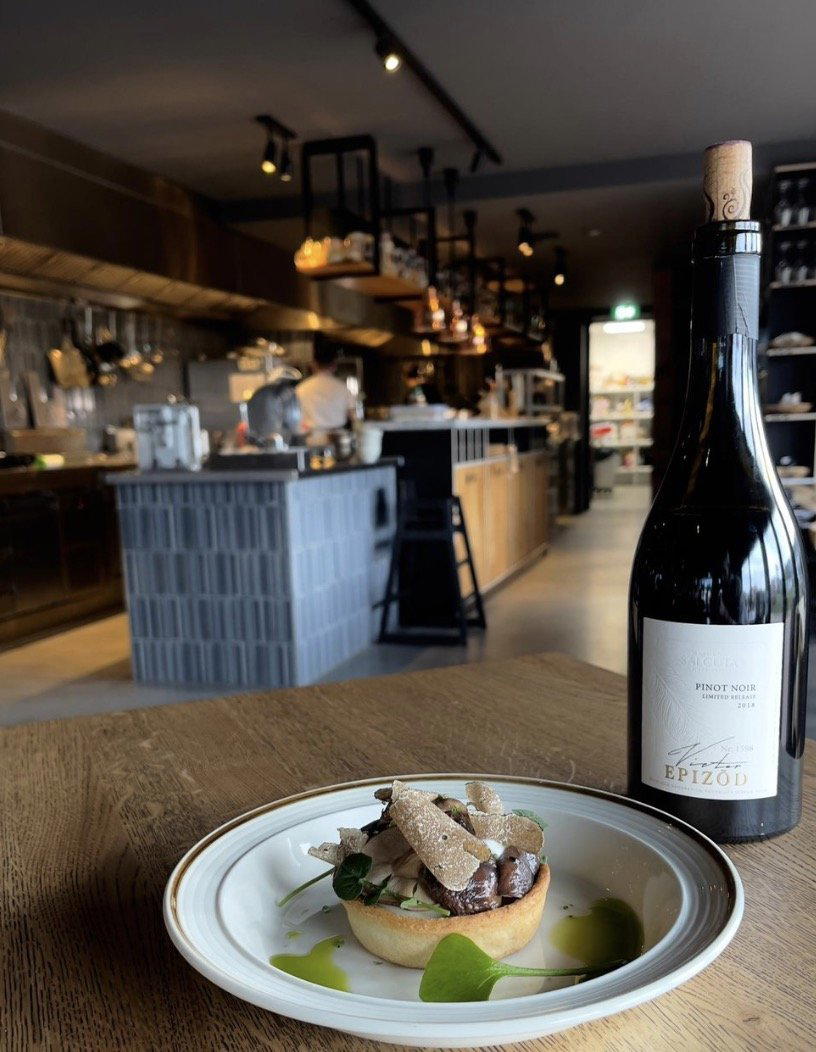
Where the North Sea Meets the Plate
De Koog sits on the western edge of Texel, the largest of the Frisian Islands, where the dunes push hard against the North Sea and the interior polders carry some of the most productive agricultural land in the Netherlands. Dorpsstraat, the village's main street, is lined with the kind of low-rise hospitality that exists primarily to serve the island's seasonal tourist economy, which makes the presence of a twice-Michelin-Plate-recognised kitchen at number 175 all the more worth noting. Oudeland doesn't announce itself like a destination restaurant in Amsterdam or Zwolle. It reads, from the outside, as part of the village fabric. That restraint is part of what defines the dining category it occupies.
The island of Texel produces lamb that is genuinely distinct: the animals graze on salt-marsh grasses and sea lavender along the tidal flats, and that coastal diet produces meat with a mineral undertow that is difficult to source anywhere else in the country. Texel lamb has enough regional identity that it functions almost like a controlled designation in the minds of Dutch chefs who know where to look. A seasonal kitchen operating directly on the island has the kind of proximity to that ingredient that Amsterdam restaurants, regardless of budget or ambition, simply cannot replicate through a supply chain. The same logic applies to Texel's coastal fish, its local dairy, and the vegetable cultivation that runs through the island's interior.
The Seasonal Kitchen Tier in the Netherlands
The Michelin Plate, awarded to Oudeland in both 2024 and 2025, sits below the star tiers but represents a formal recognition that the kitchen is cooking at a standard the Guide considers worth tracking. In the context of the Netherlands, that matters: the country's Michelin-recognised restaurants cluster heavily in the urban triangle of Amsterdam, The Hague, and Rotterdam, with a secondary concentration in provincial cities like Nijmegen and Zwolle. A Plate-recognised address on a North Sea island is a genuine outlier in the distribution of that recognition.
€€ price positioning places Oudeland in a different competitive conversation than the starred Dutch restaurants that readers might use as reference points. De Librije in Zwolle, Aan de Poel in Amstelveen, De Bokkedoorns in Overveen, and Fred in Rotterdam all operate at the €€€€ tier, where tasting menus and extensive wine programs structure the evening. Oudeland's mid-market pricing suggests a different proposition: ingredient-focused seasonal cooking at a pitch accessible to the island's broader visitor base, not only the segment travelling specifically for a fine dining occasion.
Within the €€ seasonal cuisine category, closer comparisons are Alma Bodega in Oisterwijk and Basaal in The Hague, both of which share the format of ingredient-led cooking at moderate prices. What differentiates Oudeland within that peer group is geography: the sourcing argument is not a positioning statement but a structural reality. The kitchen is on the island; the primary ingredients are on the island.
Ingredient Logic on Texel
The case for ingredient-driven cooking is made most convincingly when the distance between source and plate is genuinely short. Texel's agricultural calendar runs from the early lamb season in spring through summer vegetables and North Sea fish available year-round to autumn game and preserved goods. A kitchen anchored to that rhythm doesn't need to construct a seasonal menu as a concept, the seasonal menu is the only menu that makes logistical and culinary sense. The restaurants that work this way most credibly, from De Nieuwe Winkel in Nijmegen with its organic designation to Inter Scaldes in Kruiningen on the Zeeland coast, share a commitment to letting regional ingredients define the structure of the menu rather than the reverse.
At the €€ tier on a tourist island, the guest base is broad: families, couples on weekend breaks, walkers coming off the dunes, cyclists stopping along the Dorpsstraat. It also suggests the kitchen manages the gap between Michelin recognition and accessible pricing without the quality dropping noticeably at the mid-market end.
Getting There and Planning Your Visit
Texel is reached by ferry from Den Helder, a roughly 20-minute crossing that runs frequently throughout the day. De Koog is on the island's western side, about 7 kilometres from the ferry terminal at 't Horntje, and Oudeland sits on Dorpsstraat, the village's central street, at number 175. The island has a functional bus network, but most visitors arrive by car or bicycle, both of which make reaching De Koog from the ferry direct. Texel's visitor numbers peak through July and August, and the island's better restaurants fill quickly during those months; planning ahead in high season is sensible. Spring visits, when the salt-marsh lamb is at its youngest and the dune flowers are in bloom, offer the most direct alignment between what's on the plate and what the island looks like outside. For a fuller sense of what else the island offers beyond the table, our full De Koog restaurants guide covers the broader dining picture, while our De Koog hotels guide, bars guide, wineries guide, and experiences guide map the wider stay.
For those building a Dutch food itinerary around Michelin-tracked addresses in less obvious locations, Oudeland sits alongside a small group of kitchens that make the case for leaving the urban circuit. De Groene Lantaarn in Staphorst, De Lindehof in Nuenen, De Lindenhof in Giethoorn, Brut172 in Reijmerstok, and Ciel Bleu in Amsterdam each represent a different register of Dutch fine dining, but the provincial addresses share a quality that urban kitchens struggle to deliver: sourcing that is defined by place rather than by preference.
Frequently asked questions
What does dinner at Oudeland typically cost?
Pricing at Oudeland is listed as €€.
How It Stacks Up
| Venue | Cuisine | Price | Awards | Notes |
|---|---|---|---|---|
| OudelandThis venue (the venue you are viewing) | French-Dutch Seasonal Fine Dining | Not listed | Michelin Plate | Not listed |
| De Librije | Modern Dutch Fine Dining | $200–300 | 3 Michelin Stars · World's 50 Best #46 | Modern Cuisine |
| Aan de Poel | Modern French Fine Dining | $150–200 | 2 Michelin Stars · La Liste Top Restaurants | Creative |
| De Lindehof | Contemporary Dutch, Creative | Not listed | Michelin 2 Star | Not listed |
| Fred | Modern French Fine Dining | $200–300 | 2 Michelin Stars · La Liste Top Restaurants | Creative French |
| De Nieuwe Winkel | Botanical Fine Dining | $300–500 | 2 Michelin Stars · La Liste Top Restaurants | Organic |
Recognition history
Dated appearances from independent guides and award organizations, with the underlying list record or original source where available.
Michelin Plate
Michelin
Full recognition history (2 entries)
Michelin Plate
Michelin
Continue exploring
More in De Koog
Restaurants in De Koog
All restaurants in De Koog →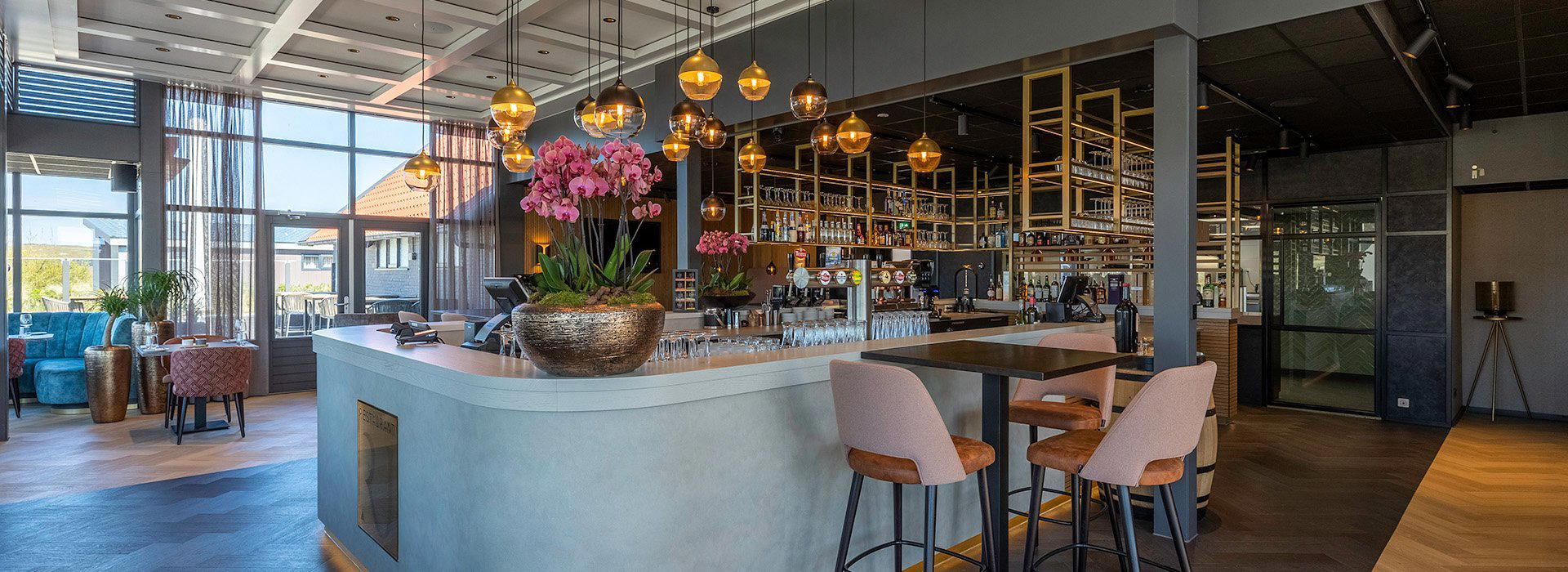
Hotels in De Koog
Browse all →
Details
- Cozy
- Elegant
- Trendy
- Intimate
- Date Night
- Special Occasion
- Wine Cellar
- Extensive Wine List
- Local Sourcing
- Zero Waste
- A La Carte
- Wine
- Vegetarian Friendly
- Vegan Options
Current opening hours
- Monday
- Closed
- Tuesday
- Closed
- Wednesday
- Closed
- Thursday
- 3–11 PM
- Friday
- 3–11 PM
- Saturday
- 3–11 PM
- Sunday
- 3–11 PM
Hours can change for holidays and private events. Hours as of .
Warm, inviting, and cozy atmosphere with good background music and personal service.