Kook Atelier op Oost


Michelin Plate · We're Smart World Top 100 #76
Our verdict
Kook Atelier op Oost serves Nordic & Botanical Dutch Fine Dining at Op Oost, with Michelin Plate recognition in 2024 and 2025 and an extensive wine list for extended dinners.

Pearl is the En Primeur Club membership app, where members save venues, book tables and use the concierge.
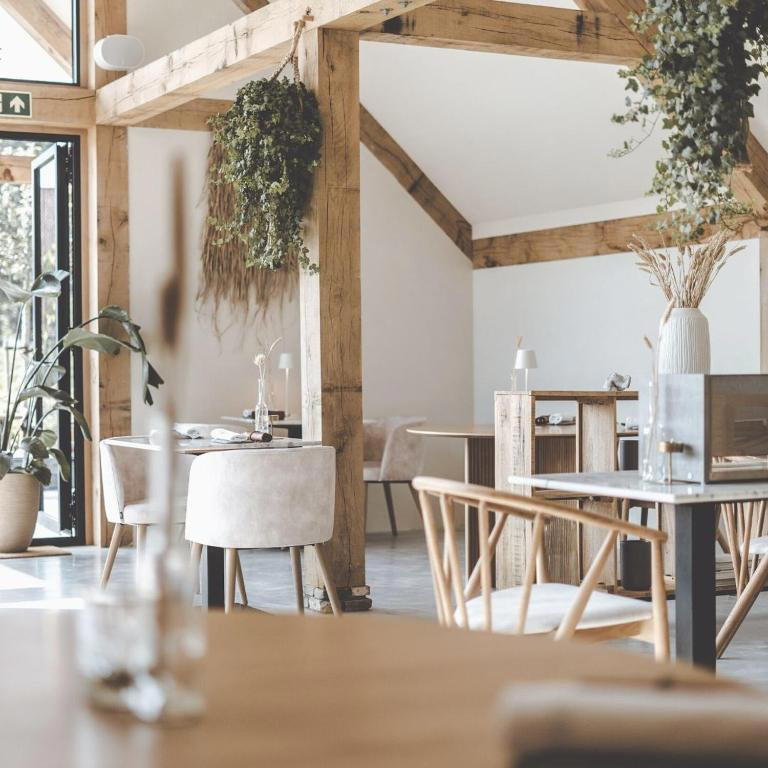
A Farm Table at the Edge of the North Sea
Approaching Kook Atelier op Oost along the flat, windswept roads of Texel's interior, the setting establishes its terms before you reach the door. The island, the largest of the Dutch Wadden Islands, separated from the North Holland coast by a narrow strait, has a particular quality of light that shifts with the tidal flats: grey-silver in winter, sharp and clarifying in summer. The farm building at Oost 76 belongs to this environment rather than contrasting with it. What you find inside is a dining room that draws its logic from the land and water immediately outside, making the sourcing philosophy not a marketing position but an architectural one.
Texel has its own agricultural identity: salt-marsh lamb raised on the island's polders, seasonal vegetables from the protected dune fields, North Sea fish and shellfish from the Waddenzee. Kook Atelier op Oost organises its menu around these ecosystems rather than around classical French structure or contemporary Nordic convention. The "Served by Nature" tasting format moves through the island's distinct ecological zones, coast, polder, dune, sea, with each course anchored to what that zone produces at the time of the meal. Ingredients are either grown on-site, foraged from Texel's dunes and shoreline, or sourced from local suppliers selected for ethical and ecological criteria. De Nieuwe Winkel in Nijmegen holds Michelin recognition for its plant-forward approach. Kaatje bij de Sluis in Blokzijl occupies a similar position at the €€€€ tier in a rural Dutch setting. Kook Atelier op Oost sits inside this peer group, though its island context adds a layer that mainland organic restaurants cannot replicate: genuine geographic isolation that makes total sourcing locality a practical reality rather than an aspiration. When a restaurant is on an island with its own distinct ecology, "local" means something more specific than a 50-kilometre supply radius.
The Michelin Plate recognition in both 2024 and 2025 confirms the kitchen's technical consistency. A Plate designation in the Michelin system signals cooking that is consistently good without yet reaching the star tier occupied by Dutch peers such as De Librije in Zwolle, Aan de Poel in Amstelveen, or Ciel Bleu in Amsterdam. At the €€€ price point, Kook Atelier positions itself below the leading Dutch starred tier but well above casual island dining, which on Texel tends toward traditional Wadden fish preparations and tourist-facing menus. The gap between those two categories is exactly the space this kitchen occupies.
For context on how ingredient sourcing at this level compares across European cooking traditions, the discipline applied here shares more with approaches at Inter Scaldes in Kruiningen or Brut172 in Reijmerstok than with the produce-agnostic luxury menus at, say, Le Bernardin in New York City. The distinction matters: this is a kitchen built around the constraint of place, not around the freedom of global supply chains.
The Menu as Ecosystem Map
The "Served by Nature" format is not a seasonal menu in the conventional sense. Where a typical tasting menu rotates produce with the calendar, the Texel ecosystem approach moves laterally across habitat types within a single meal. A course rooted in the salt-marsh polder will read differently from one drawn from the Waddenzee tidal zone or the dune system that runs along the island's western edge. That lateral movement through ecosystems rather than through classical French courses gives the meal a structural coherence that depends entirely on the sourcing being genuine. If the ingredients were sourced conventionally, the menu's organising logic would dissolve.
The storytelling element noted in the Michelin recognition is not incidental. On an island where many visitors arrive without prior knowledge of the Wadden ecosystem, contextualising each course within its ecological origin functions as both education and authentication. It signals that the kitchen's relationship to its ingredients is understood rather than decorative. Restaurants at a similar philosophical register, such as De Lindehof in Nuenen or De Lindenhof in Giethoorn, also invest in narrative around provenance, reflecting a broader Dutch trend toward transparency in fine-dining sourcing. Kook Atelier takes that further by making the island's specific geography the actual menu architecture.
Texel as Dining Destination
Texel receives substantial Dutch domestic tourism year-round but is not typically positioned as a food destination on the level of, say, the Zeeland coast or the restaurant corridors of North Brabant. That asymmetry is worth noting: the island's agricultural and marine resources are comparable in quality to regions that carry stronger gastronomic reputations.
Seasonality is a material consideration on Texel. The island's hospitality infrastructure is weighted toward summer, and the most intensely local ingredients, certain foraged coastal plants, specific shellfish from the Waddenzee, are at peak availability across different windows of the year. Visiting in shoulder season (April-May or September-October) often means better access to the island's quieter character and more attentive service conditions, while still catching meaningful seasonal produce. The island is reached by ferry from Den Helder on the North Holland mainland; the crossing takes approximately 20 minutes, and ferries run frequently through the day. Arriving by bicycle from Den Burg, a common approach among visitors, takes roughly 15-20 minutes across flat island roads. The restaurant operates at €€€ pricing, placing a meal here at a meaningful commitment by Dutch island standards without reaching the €€€€ tier of mainland starred dining. Given the 4.9 rating and the structured tasting format, advance booking is advisable, particularly in summer when Texel accommodation fills early and tables at the few restaurants of this level become the constraint on a trip rather than the rooms.enprimeurclub.
Other Dutch restaurants operating at the intersection of terroir, seasonality, and technical ambition include Fred in Rotterdam, De Groene Lantaarn in Staphorst, and De Bokkedoorns in Overveen, each approaching the question of Dutch produce from a different regional angle.
Frequently asked questions
What price level is Kook Atelier op Oost?
Pricing at Kook Atelier op Oost is listed as €€€.
Side-by-Side Snapshot
| Venue | Cuisine | Price | Awards | Notes |
|---|---|---|---|---|
| Kook Atelier op OostThis venue (the venue you are viewing) | Nordic & Botanical Dutch Fine Dining | $100–150 | Michelin Plate · We're Smart World Top 100 #76 | Not listed |
| De Librije | Modern Dutch Fine Dining | $200–300 | 3 Michelin Stars · World's 50 Best #46 | Modern Cuisine |
| Aan de Poel | Modern French Fine Dining | $150–200 | 2 Michelin Stars · La Liste Top Restaurants | Creative |
| De Lindehof | Contemporary Dutch, Creative | Not listed | Michelin 2 Star | Not listed |
| Fred | Modern French Fine Dining | $200–300 | 2 Michelin Stars · La Liste Top Restaurants | Creative French |
| De Nieuwe Winkel | Botanical Fine Dining | $300–500 | 2 Michelin Stars · La Liste Top Restaurants | Organic |
Recognition history
Dated appearances from independent guides and award organizations, with the underlying list record or original source where available.
Michelin Plate
Michelin
We're Smart World Top 100 #76
We're Smart World
Full recognition history (4 entries)
We're Smart World 5 Radishes
We're Smart World
Michelin Plate
Michelin
Continue exploring
More in Oosterend
Restaurants in Oosterend
All restaurants in Oosterend →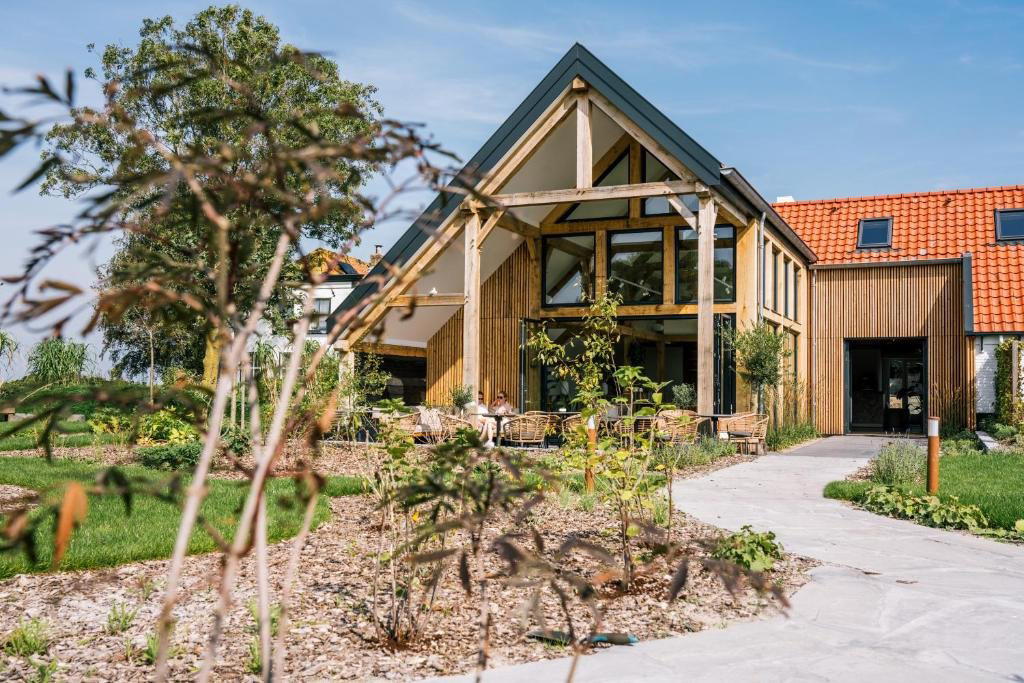
Hotels in Oosterend
All hotels in Oosterend →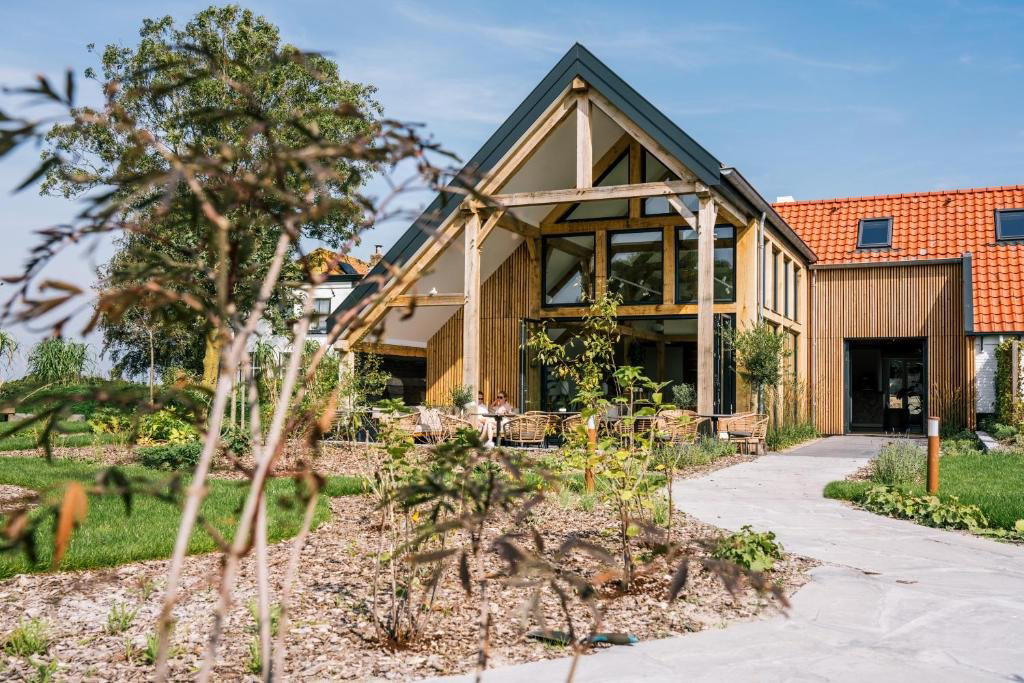
Details
- Intimate
- Cozy
- Elegant
- Modern
- Sophisticated
- Special Occasion
- Date Night
- Open Kitchen
- Extensive Wine List
- Farm To Table
- Local Sourcing
- Tasting Menu
- Vegetarian Friendly
- Vegan Options
Current opening hours
- Monday
- Closed
- Tuesday
- 6–11 PM
- Wednesday
- Closed
- Thursday
- Closed
- Friday
- 6–11 PM
- Saturday
- 6–11 PM
- Sunday
- 6–11 PM
Hours can change for holidays and private events. Hours as of .
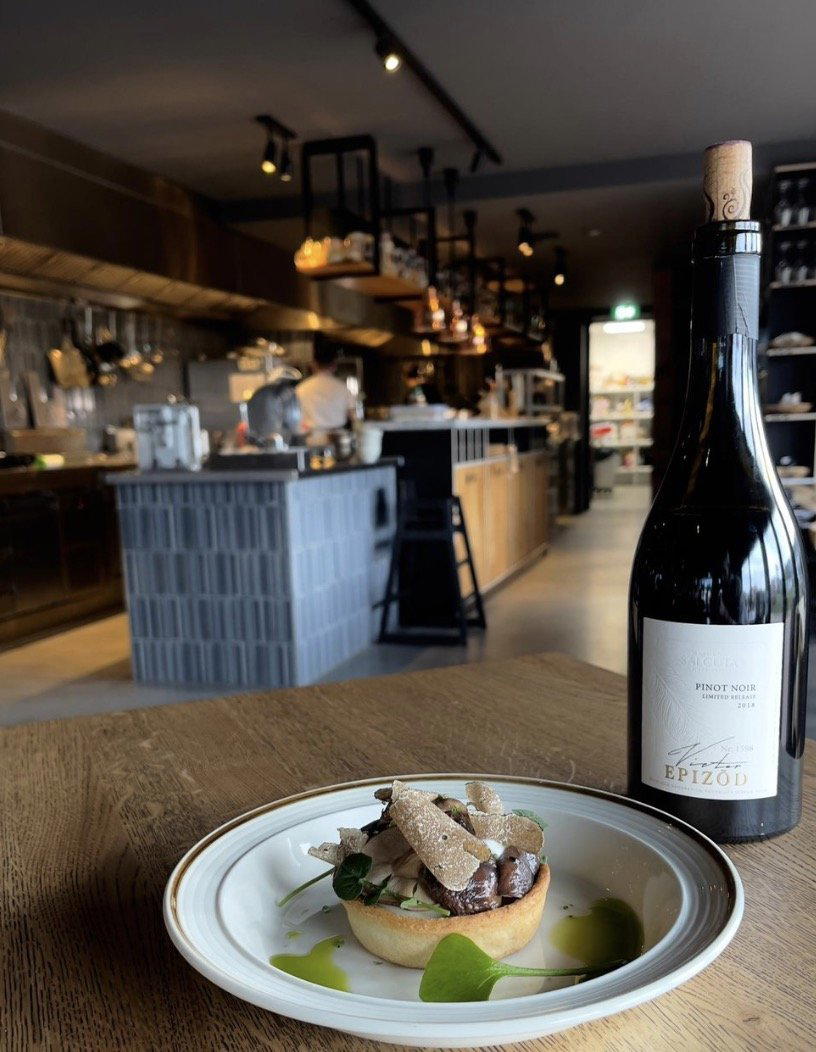
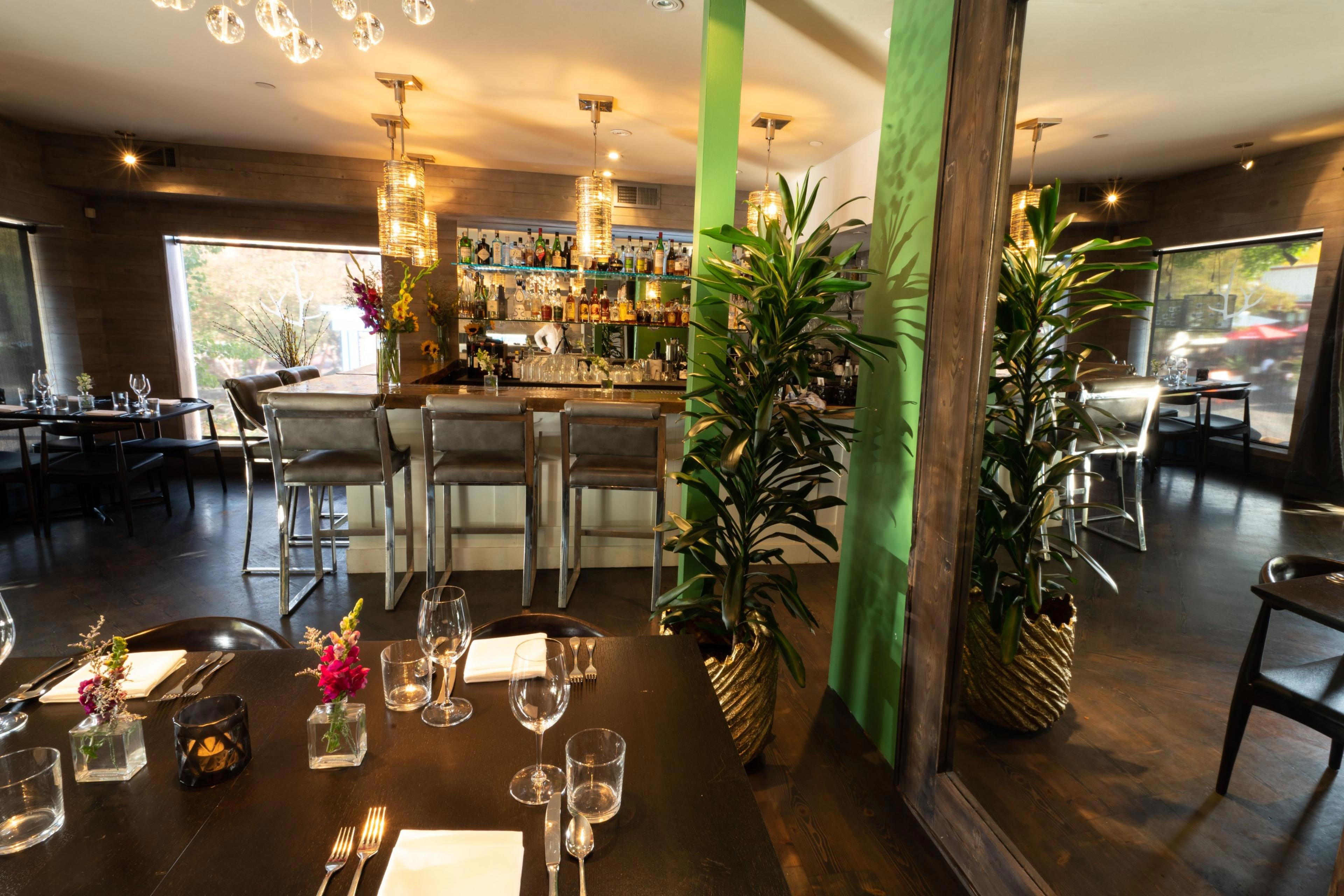
Cozy, natural ambiance in a converted farmhouse with open kitchen, warm lighting, and connection to the outdoors via large windows.