Bij de Jongens
Bij de Jongens occupies a market-square address in Hattem, one of the smallest fortified towns in the Gelderse IJssel valley. The restaurant draws on the agricultural hinterland of Overijssel and Gelderland for its sourcing, placing it in a tradition of Dutch provincial dining that takes the land seriously. For Hattem, it is a significant local address.
 Discover on Pearl
Pearl is the En Primeur Club membership app — saves, bookings, and concierge access live there. Same editors, same standards.
- Address
- Markt 9, 8051 EZ Hattem, Netherlands
- Phone
- +31387370076
- Website
- bijdejongenshattem.nl
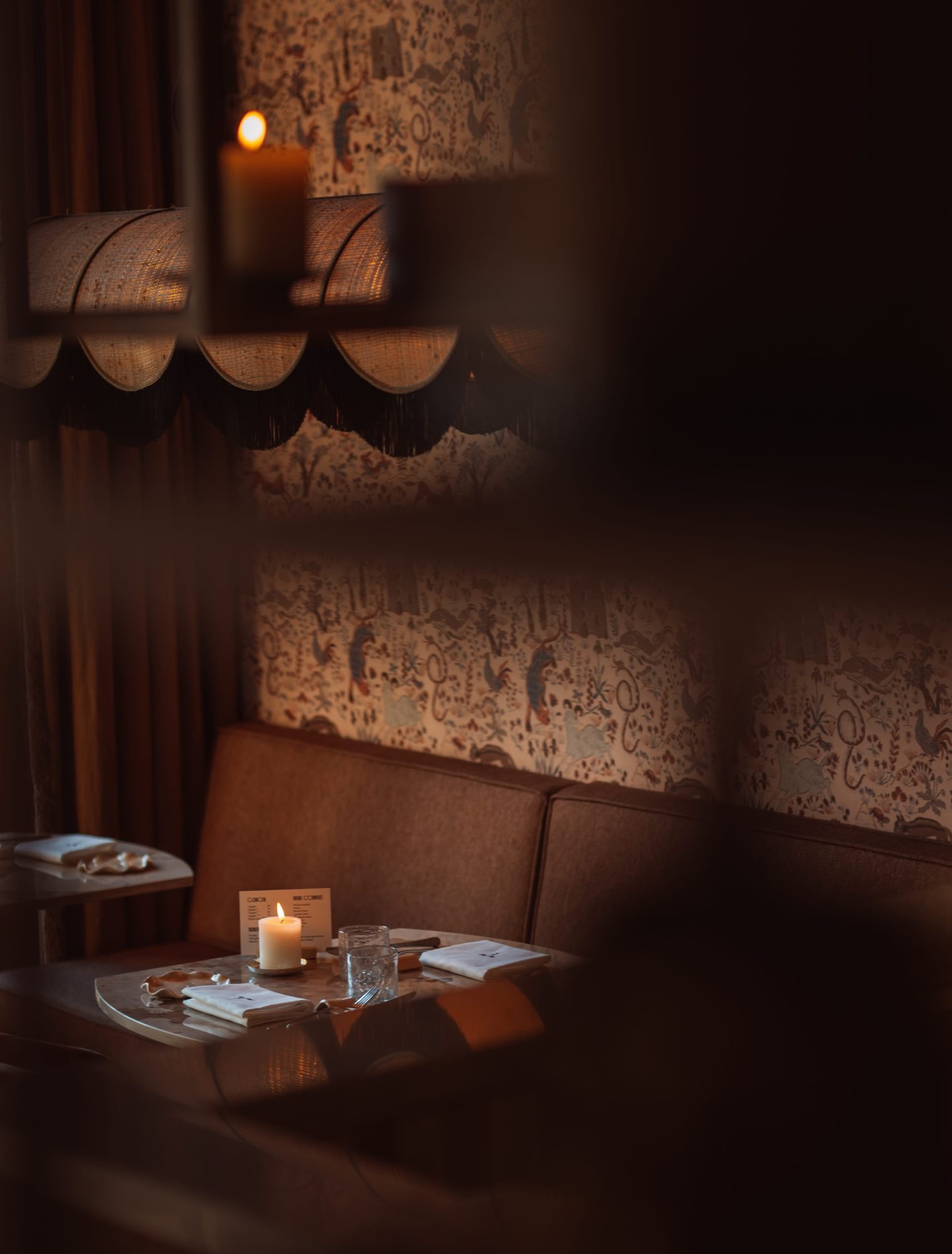
A Market Square in a Fortified Town
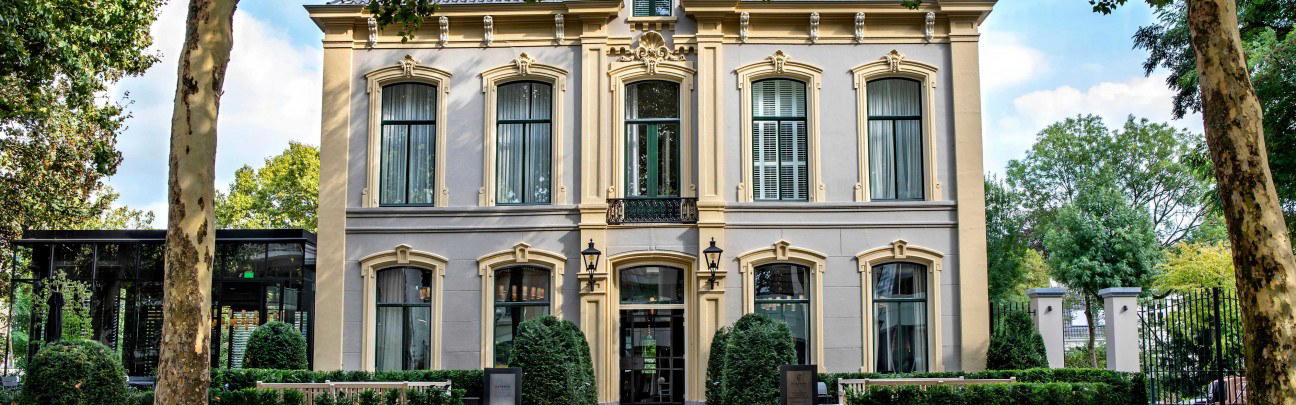
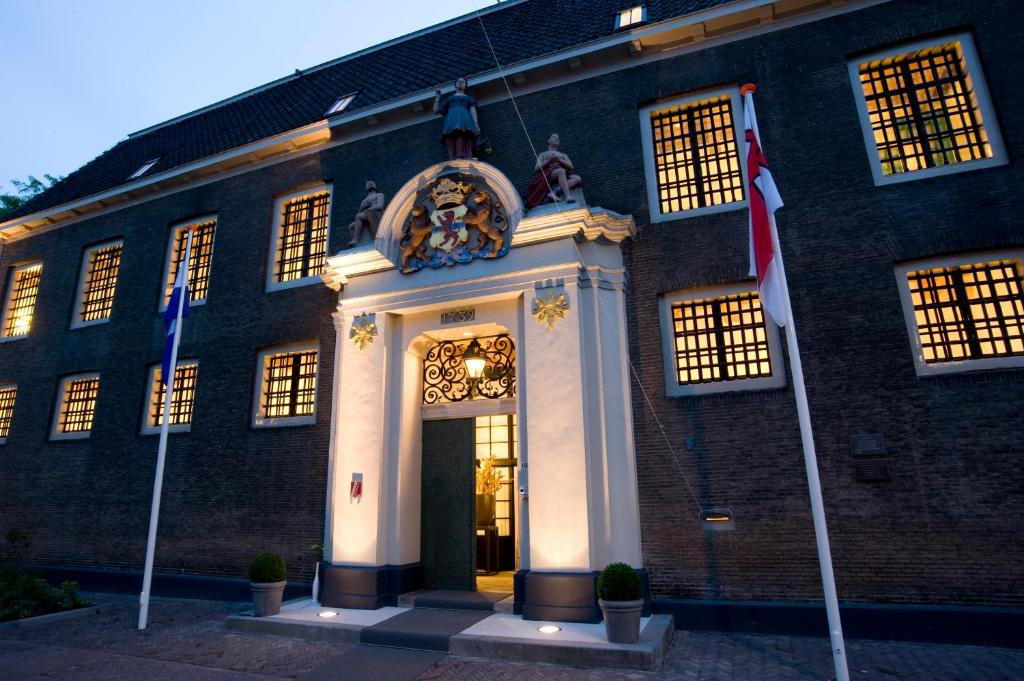
Hattem is easy to underestimate. The town sits at the edge of the Veluwe, where the IJssel river marks the boundary between Gelderland and Overijssel, and its medieval walls and compact market square have kept the centre largely intact. Markt 9 puts Bij de Jongens at the geographical and social heart of that square, the kind of address that, in a small Dutch town, carries weight simply by where it stands. Approaching along the cobbled streets, the building reads as part of the historic fabric rather than set apart from it, which is characteristic of how serious provincial restaurants in the Netherlands tend to situate themselves. They do not announce ambition loudly; they let the setting do the framing.
The broader Hattem dining scene occupies a smaller, more intimate tier than the Michelin-recognised kitchens of nearby Zwolle or the destination restaurants of the wider Overijssel corridor. Our full Hattem restaurants guide maps the town's options in detail, but the scale matters here: a town of this size sustains only a handful of serious tables, which means each carries disproportionate civic significance. For context on the regional upper end, De Librije in Zwolle, three Michelin stars, just over twenty kilometres away, defines the ceiling of what this part of the Netherlands can produce. Bij de Jongens operates in a different register, closer in spirit to the provincial, land-connected dining that characterises the towns and villages between Zwolle and Arnhem.
What the Surrounding Land Puts on the Table
The agricultural geography around Hattem is not incidental to how restaurants here cook. Overijssel and Gelderland together produce a broad range of Dutch staples: cattle on the IJssel floodplains, arable crops on the sandy soils of the Veluwe, and small-scale horticulture throughout the region's polderlands. This is precisely the kind of hinterland that has anchored the sourcing philosophy of serious Dutch provincial kitchens over the past decade, a shift away from imported luxury produce and toward regional supply chains that reflect where a restaurant actually is.
That shift has been most visible at the top of the Dutch dining tier. De Nieuwe Winkel in Nijmegen has made organic, plant-forward sourcing the explicit subject of its cooking. De Lindenhof in Giethoorn works within a similarly tight regional frame. The underlying logic is the same across both: the closer the supply chain, the more the kitchen can respond to seasonal condition rather than market availability. At Bij de Jongens, the market-square location in a town this size suggests a restaurant embedded in its local economy in the same way, where sourcing decisions are shaped by geography as much as by culinary ambition.
Comparing this to the comparable set in other Dutch small-town contexts is instructive. De Groene Lantaarn in Staphorst and Brut172 in Reijmerstok both demonstrate how villages and small towns in the Netherlands have produced kitchens with serious regional sourcing credentials, operating outside the major urban dining circuits. The pattern holds: provincial location correlates with a tighter relationship to local producers, because the kitchen's identity depends on it in a way that a city restaurant's does not.
Hattem in the Wider Regional Context
Understanding Bij de Jongens requires placing it against the full spectrum of serious Dutch provincial dining. At the Michelin-starred end, the competition in this part of the country is genuine. De Lindehof in Nuenen, Tribeca in Heeze, and De Treeswijkhoeve in Waalre all show what the Dutch provinces can sustain at the top of the category. De Bokkedoorns in Overveen and Aan de Poel in Amstelveen anchor the northern and western ends of that provincial tier. Internationally, the sourcing-as-subject approach finds parallels at places like Lazy Bear in San Francisco, where regional provenance drives the menu's editorial logic.
Within Hattem itself, De Voorburcht (Creative French, €€) offers an alternative angle on the town's dining character, French-influenced technique applied to the same regional ingredients. The presence of two serious addresses in a town this small is notable; it signals a dining culture with more depth than the population alone would suggest.
Nearby, 't Nonnetje in Harderwijk represents the kind of mid-size town restaurant that anchors the IJssel region's culinary identity between the provincial and the destination. For those travelling further into the Dutch fine-dining network, Ciel Bleu in Amsterdam, FG in Rotterdam, and Inter Scaldes in Kruiningen represent the national upper tier. At the international level, ingredient sourcing as a primary editorial frame reaches its most elaborate expression at places like Le Bernardin in New York, where the supply chain is treated as a public statement of culinary values.
Planning a Visit
Hattem is accessible by car from Zwolle in under fifteen minutes, and the town's compact centre means the market square is a short walk from any parking. The address at Markt 9 places the restaurant in the main square, which is the practical and social centre of the town. For visitors combining Bij de Jongens with a broader IJssel-region itinerary, Zwolle makes a logical base, with direct rail connections and a wider range of accommodation. Direct contact through local listings or the town's visitor information is the most reliable way to confirm current hours, booking arrangements, and menu format before travelling.
A Quick Peer Check
Comparable venues nearby, for context on price, style, and recognition.
| Venue | Cuisine | Price | Awards | Notes |
|---|---|---|---|---|
| Bij de JongensThis venue — the venue you are viewing | Dutch & International Seafood | $$ | , | |
| De Voorburcht | Modern French with Local Influences | $$$ | Bib Gourmand | historical centrum |
| Vishandel Centrum | Traditional Dutch Seafood | $ | , | Haarlemerbuurt |
| Het Spijshuys | Modern Dutch Seafood Bistro | $$$ | , | Boornbergum |
| Beryl's Fish&Chips&Veggies - The best fish in town | British Fish & Chips with Vegan Options | $$ | , | Grote Kerkhof |
| Natuurlijk | Organic Dutch Seafood & Grill | $$ | 1 recognition | Egmond aan Zee |
At a Glance
- Cozy
- Scenic
- Classic
- Lively
- Date Night
- Casual Hangout
- Group Dining
- Business Dinner
- Terrace
- Standalone
- Craft Cocktails
- Local Sourcing
- Street Scene
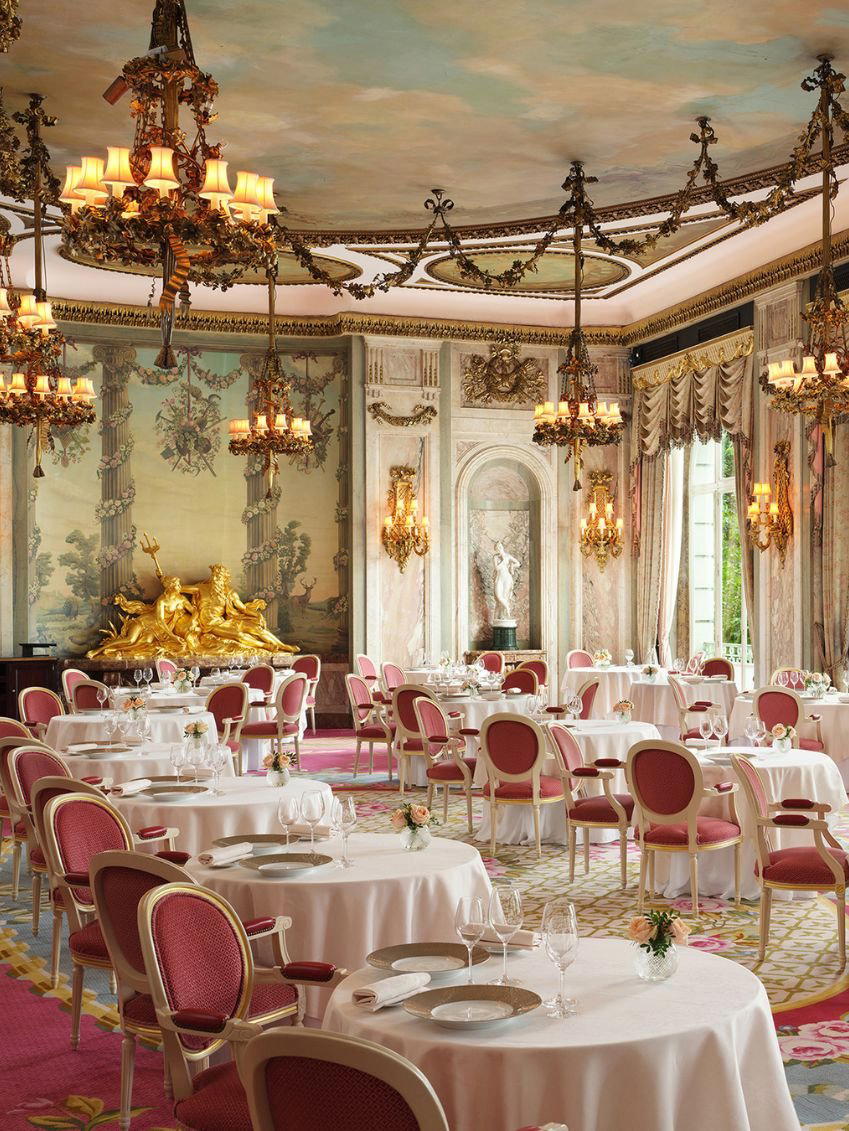
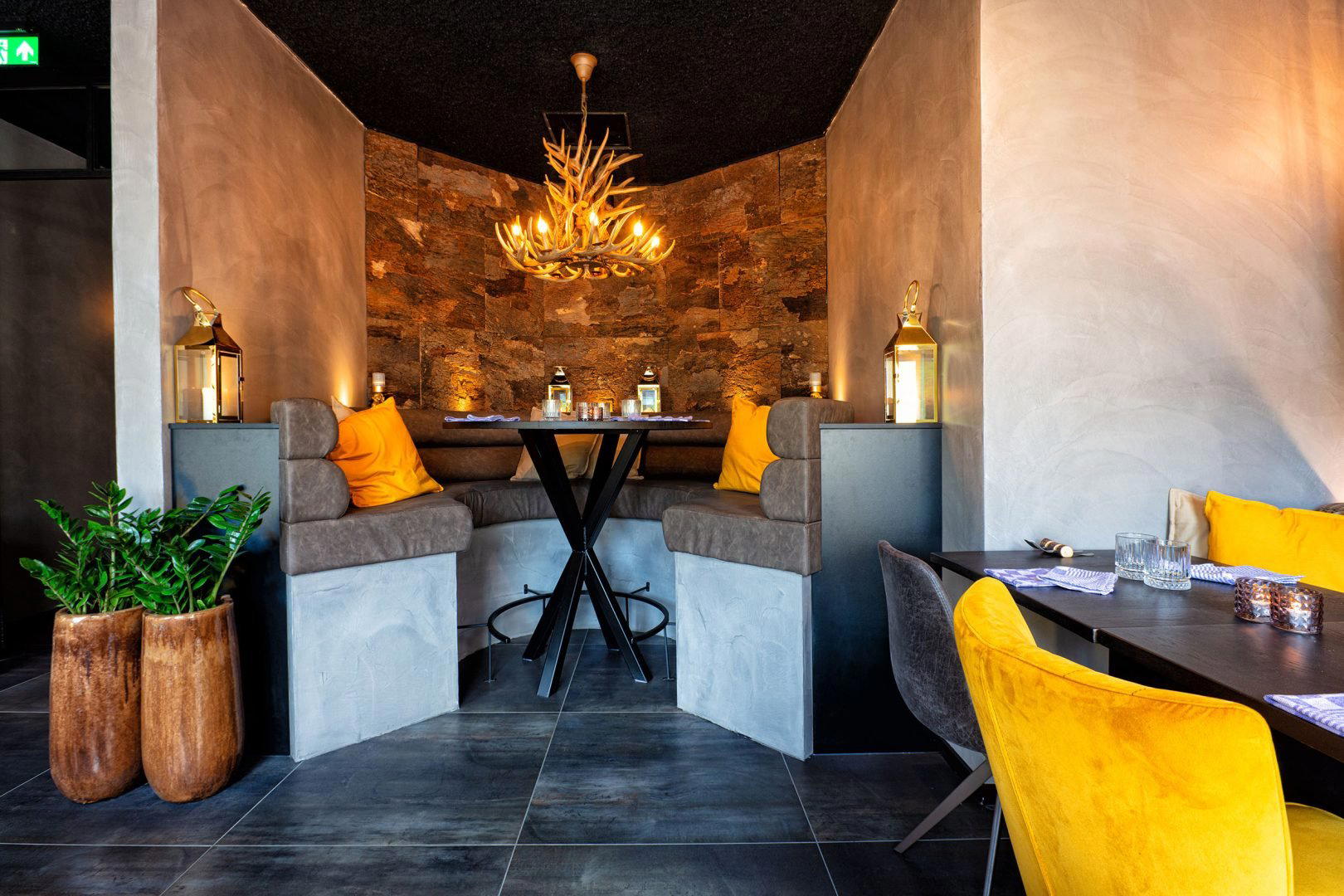
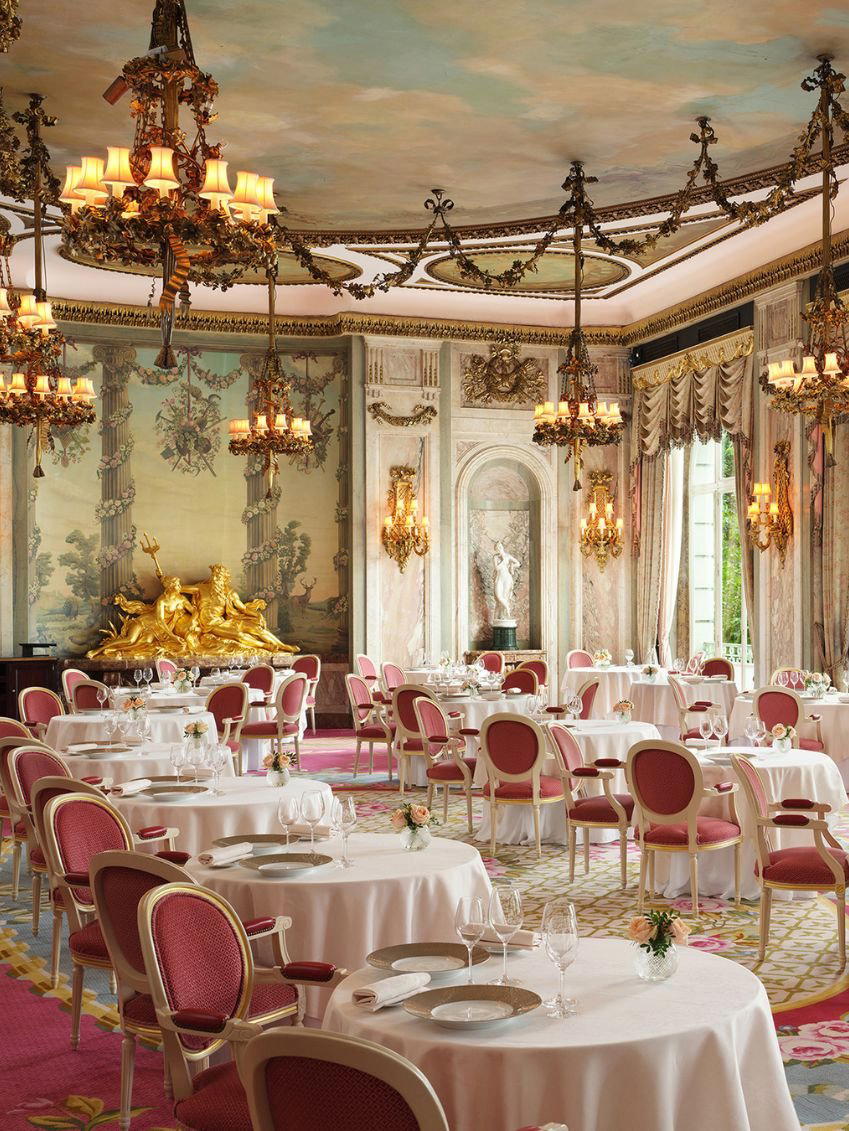
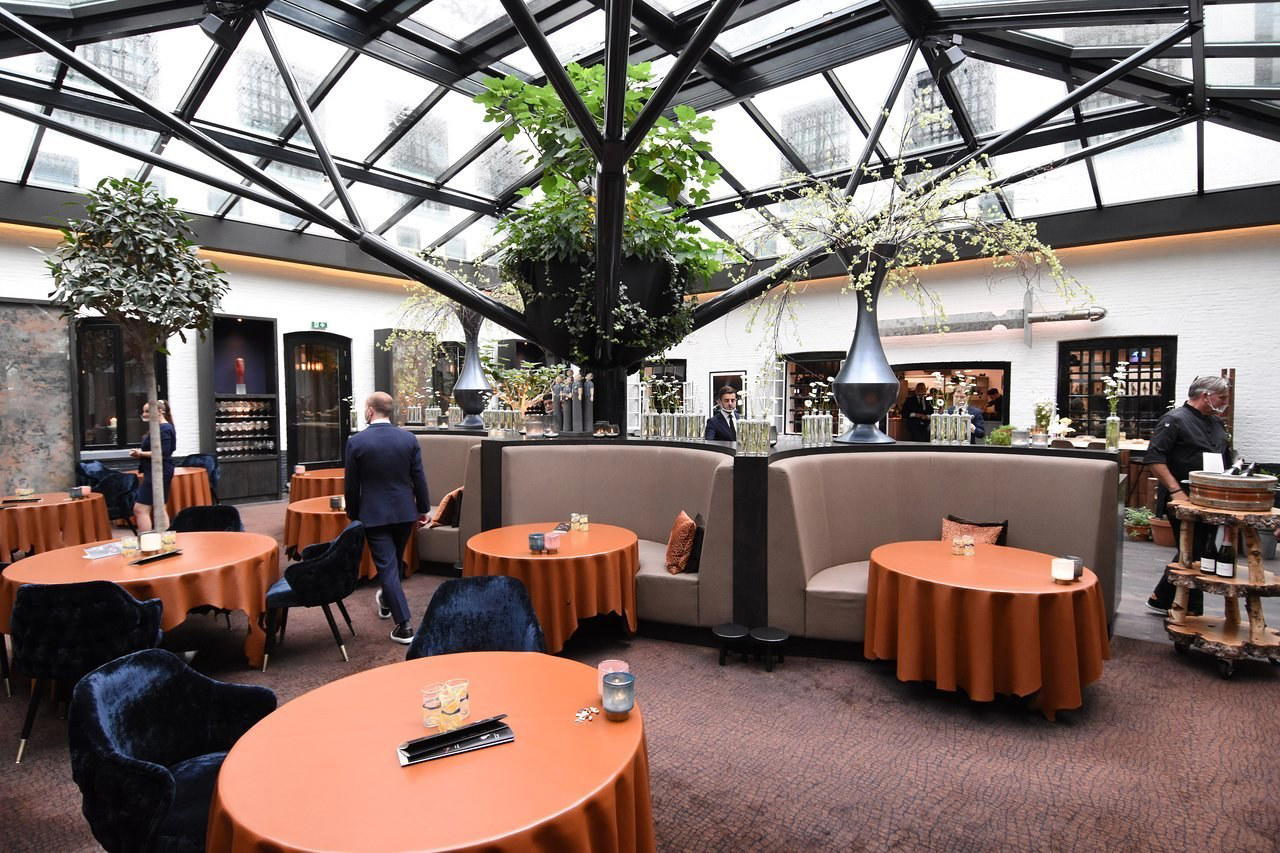
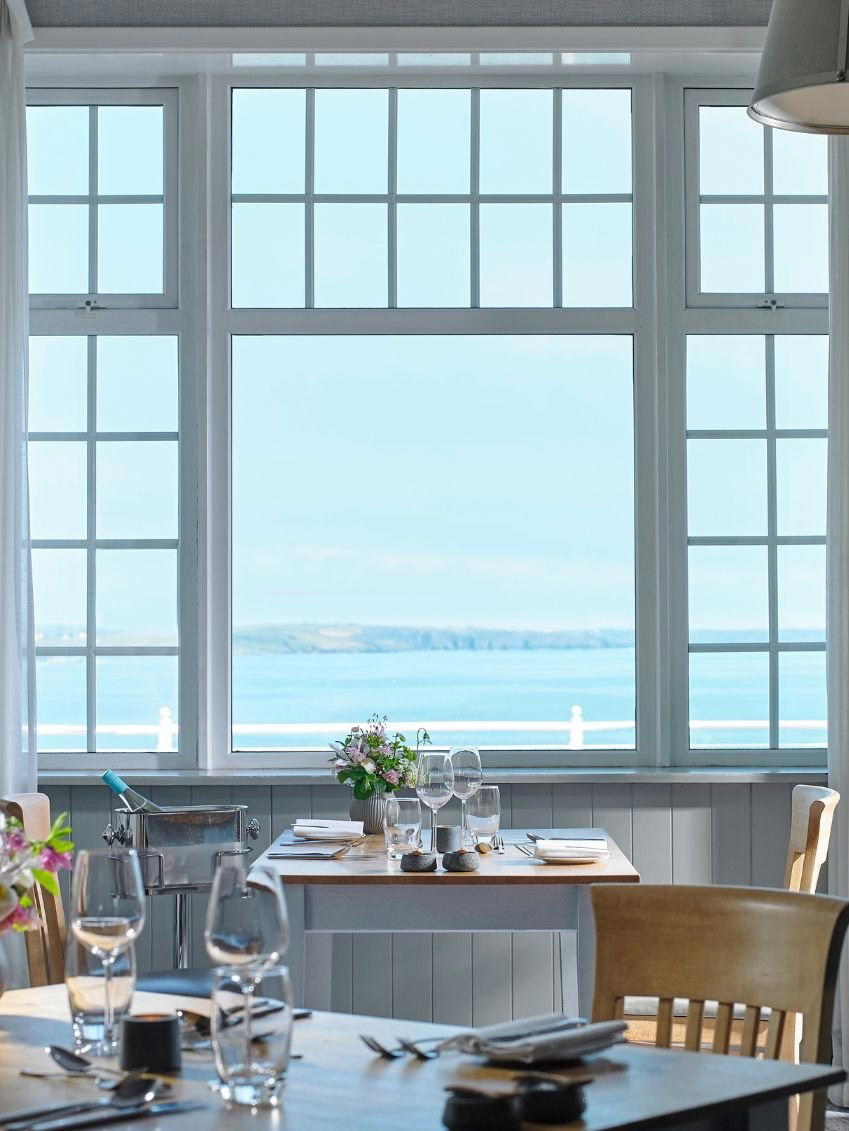
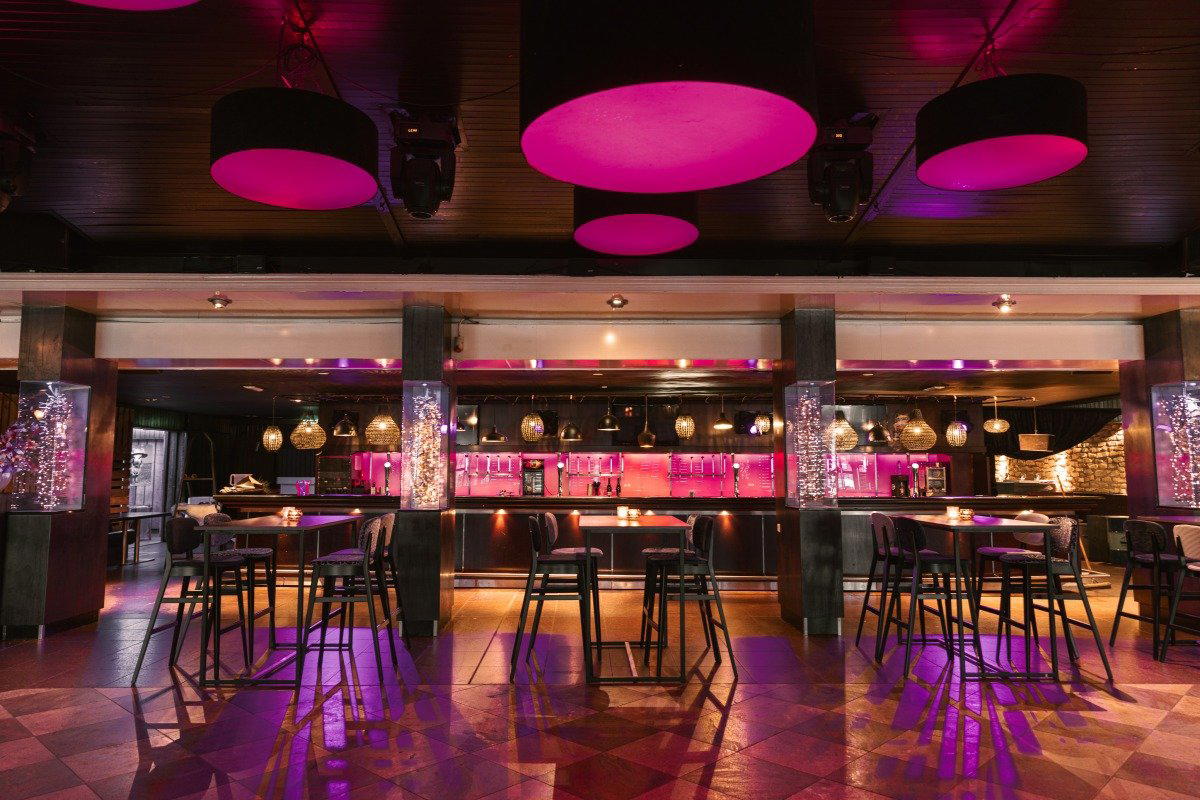
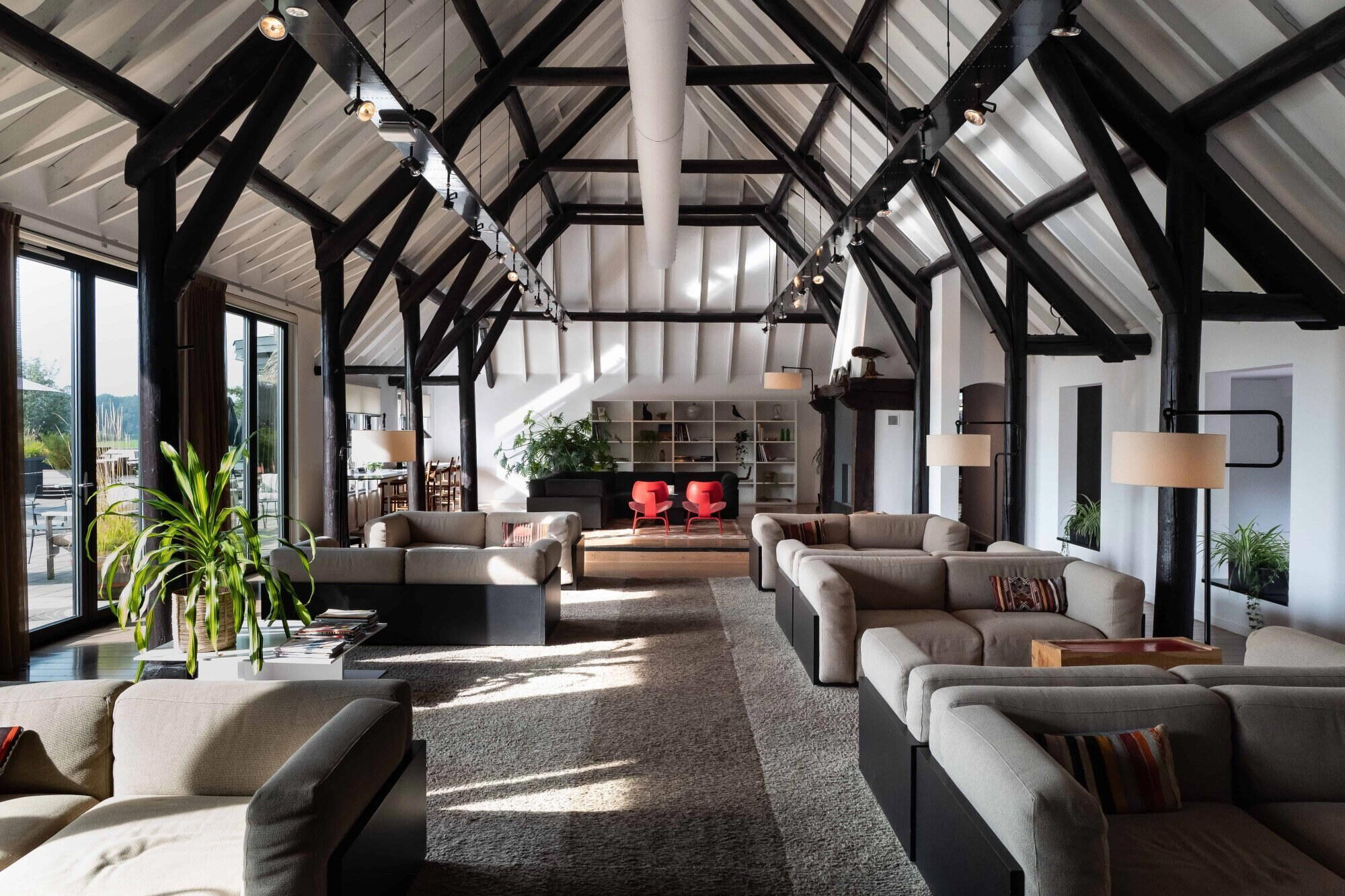
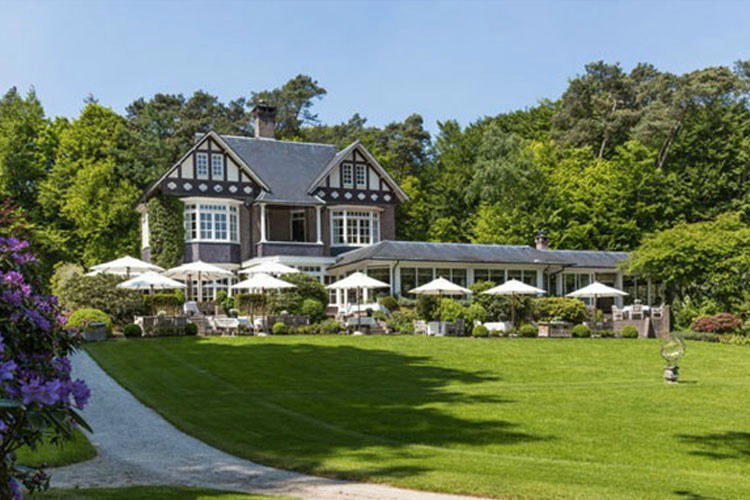
Warm and inviting with colorful décor, natural light from the market square location, and a relaxed yet refined atmosphere enhanced by attentive service.