On King Street East in Toronto's St. Lawrence corridor, Biagio Ristorante occupies a position that Italian dining in this city has long needed: a room where the pacing of the meal matters as much as what arrives on the plate. The address places it among the neighbourhood's heritage-building stock, and its reputation rests on a classical approach to Italian hospitality that the broader downtown scene has largely traded away for faster formats.
Pearl is the En Primeur Club membership app — saves, bookings, and concierge access live there. Same editors, same standards.
- Address
- 155 King St E, Toronto, ON M5C 1G9, Canada
- Phone
- +14163664040
- Website
- biagioristorante.com
- Directions
- Get directions
 Saves & bookings on Pearl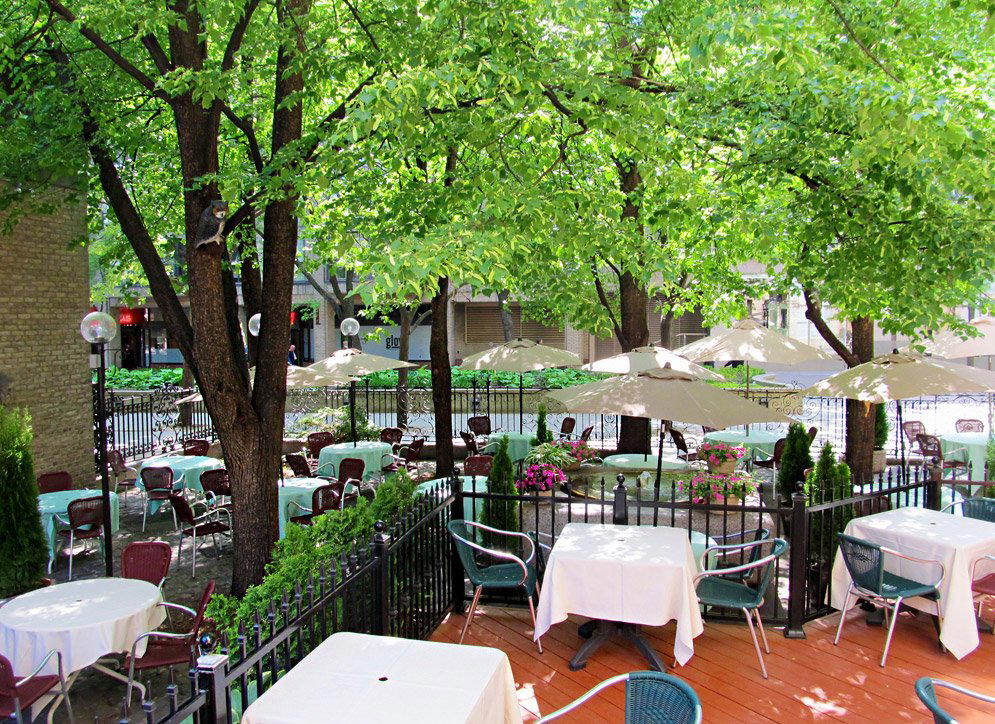
The Room Before the First Course
King Street East, east of the downtown financial cluster, runs through one of Toronto's older commercial corridors. The St. Lawrence neighbourhood carries more architectural weight than most of the city's dining districts: masonry facades, higher ceilings, a street rhythm that hasn't been entirely absorbed by the glass-tower density pressing in from the west. Biagio Ristorante, at 155 King St E, sits within that grain. Before any dish arrives, the physical context does a specific kind of work. Biagio Ristorante is a classic Italian fine dining restaurant in Toronto, located at 155 King St E. Dining rooms in heritage buildings in this part of Toronto tend to signal a particular contract with the guest: slower service, more formal structure, a meal that unfolds over time rather than turning tables on a ninety-minute clock.
That contract is increasingly rare in the city's Italian category. Toronto's Italian dining scene has fractured in recent years between high-casual neighbourhood trattorias and a smaller tier of more formal, higher-spend rooms. The formal tier, which includes addresses like Don Alfonso 1890 and, on the contemporary Italian side, DaNico, prices itself against the city's broader fine-dining market rather than against casual pasta spots. Biagio occupies a position within that formal tier, where the dining ritual itself is part of what's on offer.
The Structure of the Meal
Classical Italian service follows a grammar that most North American dining has abandoned or compressed. The distinction between antipasto, primo, secondo, and dolce is not merely organizational; it sets a pace that changes how a guest experiences the table. When that structure is respected, courses arrive with enough interval to allow conversation to reset, wine to be assessed between pours, and appetite to recalibrate. Toronto's contemporary dining rooms, including celebrated contemporary addresses like Alo, have largely replaced classical Italian sequencing with tasting-menu formats and modernist plating logic. The rooms that maintain traditional Italian course structure are a smaller cohort.
Biagio's reputation in this regard is rooted in that continuity. The King Street East address has been a reference point in Toronto's Italian dining conversation for long enough that it registers differently from newer entrants. Longevity in a specific dining category, when not accompanied by stagnation, functions as a form of editorial authority: the restaurant has survived enough market shifts to confirm it is serving something the city's guests still want, at a price point and formality level the market has not made obsolete.
For comparison, the Japanese dining tier on the opposite end of Toronto's fine-dining spectrum, represented by omakase rooms like Sushi Masaki Saito and kaiseki formats like Aburi Hana, also depends heavily on ritual sequencing. The logic is different, but the underlying argument is the same: the order in which food arrives, and the pace at which it does, shapes the experience as much as any individual dish. Italian fine dining and Japanese omakase occupy different cultural registers but share that structural commitment.
What the King Street East Address Implies
Location in Toronto's dining market carries specific signals. The Entertainment District and King West corridor trends toward high-volume, high-energy formats. Yorkville trends toward expense-account and hotel-adjacent dining. The St. Lawrence area, by contrast, has long supported a quieter, more neighbourhood-rooted dining culture, anchored by the St. Lawrence Market and the older residential and commercial stock around it. A formal Italian room in this corridor is a deliberate positioning choice, not an accident of real estate availability.
The guest arriving at 155 King St E is not coming from a pre-concert sprint through the Entertainment District. The area's energy supports a longer evening, a walk before or after dinner, a meal that is the event rather than a bracket around one. That contextual alignment between neighbourhood character and dining format matters in ways that aren't always articulated in reviews but are felt in the room.
For readers building a broader Ontario dining itinerary, Biagio's formal Italian positioning sits in useful contrast to destination restaurants further outside the city: the farm-driven model at Eigensinn Farm in Singhampton, the wine-country format at Restaurant Pearl Morissette in Lincoln, or the lakeside informality of The Pine in Creemore. Toronto proper, and King Street East specifically, offers a different density of formal options within a walkable radius.
Italian Fine Dining in Toronto's Current Context
The city's fine-dining Italian category is not oversaturated. Compared to cities like New York, where formal Italian rooms at the level of Le Bernardin-adjacent price points exist across multiple neighbourhoods, Toronto's supply of classically formal Italian dining is limited. That scarcity gives established addresses a stickier position in the market. Guests looking for white-tablecloth Italian pacing, classical course structure, and a room where the meal takes two hours by design have fewer options than in comparable North American cities of similar size.
That gap is part of why Biagio's King Street East address has remained a relevant reference point. In cities where formal Italian is scarce, longevity matters more. The room doesn't need to compete on novelty; it competes on reliability and on delivering a dining ritual that the market's newer entrants are not positioned to replicate.
For Canadian dining context beyond Toronto, the formal European-influenced tradition also appears at Jérôme Ferrer - Europea in Montreal and in a more contemporary register at Tanière³ in Quebec City. West-coast readers may draw comparisons to AnnaLena in Vancouver, though the formats differ substantially. Our full Toronto restaurants guide maps the broader fine-dining scene across neighbourhoods and price tiers.
Planning Your Visit
Address: 155 King St E, Toronto, ON M5C 1G9. Neighbourhood: St. Lawrence corridor, east of the financial district, walkable from Union Station. Reservations: essential. Timing: The formal Italian format suits weekday business-dinner pacing or an unhurried weekend evening; budget two to two-and-a-half hours for the full meal structure. Dress: The room's formality level and heritage setting imply smart-casual at minimum; business dress is consistent with the neighbourhood's weekday clientele. Comparison tier: classic Italian fine dining in Toronto.
Peers Worth Knowing
Comparable venues nearby, for context on price, style, and recognition.
| Venue | Cuisine | Price | Notes |
|---|---|---|---|
| Biagio RistoranteThis venue — the venue you are viewing | Classic Italian Fine Dining | $$$$ | Not listed |
| Trattoria Milano | Authentic Northern Italian Milanese | $$$ | Yorkville |
| Piano Piano Restaurant | Polished Italian Pizza and Pasta | $$$ | Leslieville |
| Donatello | Authentic Italian Fine Dining | $$$ | Downtown Yonge |
| ViBo Restaurant | Authentic Italian | $$$ | Sunnylea |
| TONO by Akira Back | Modern Nikkei (Japanese-Peruvian Fusion) | $$$$ | Rosedale |
Continue exploring
More in Toronto
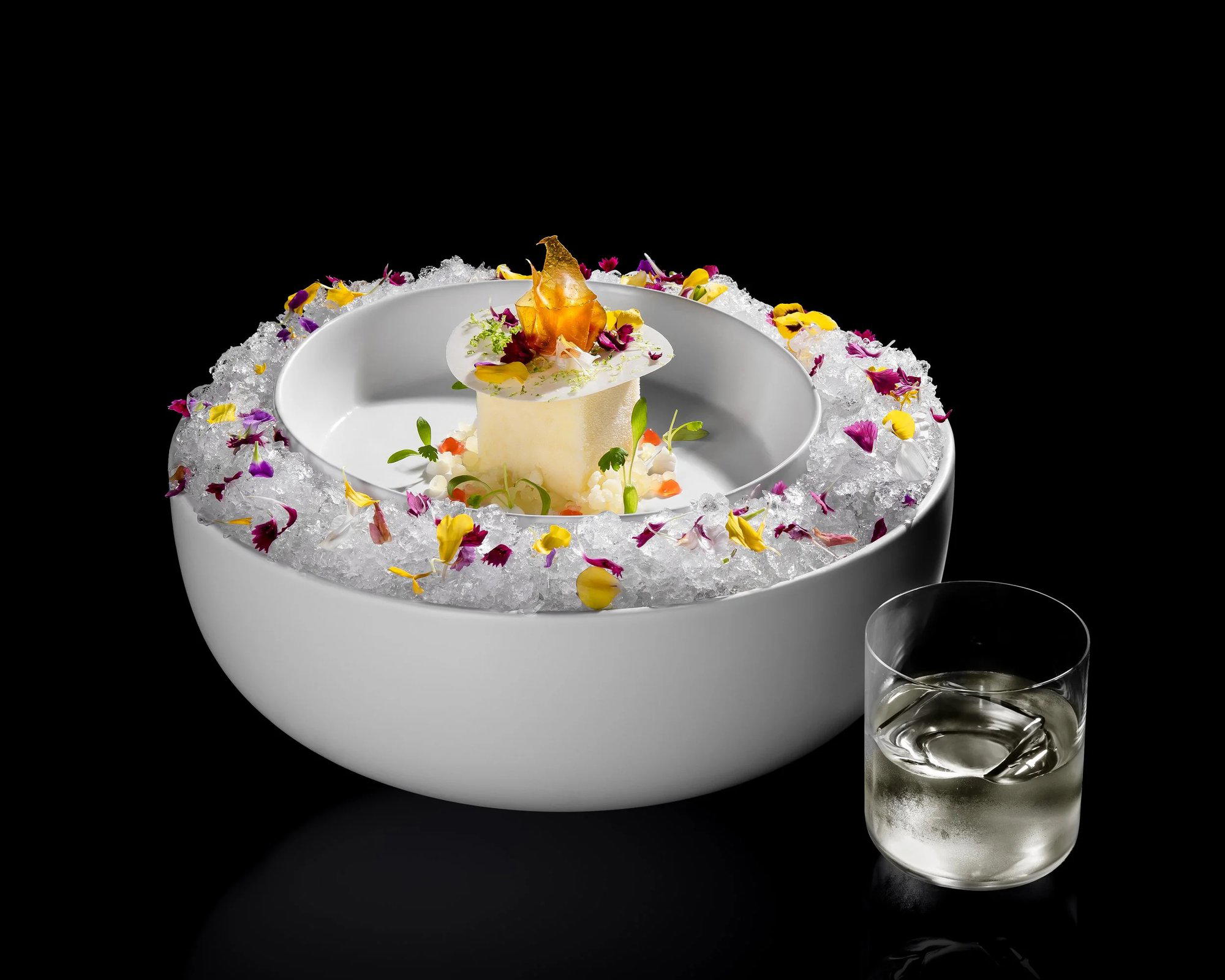
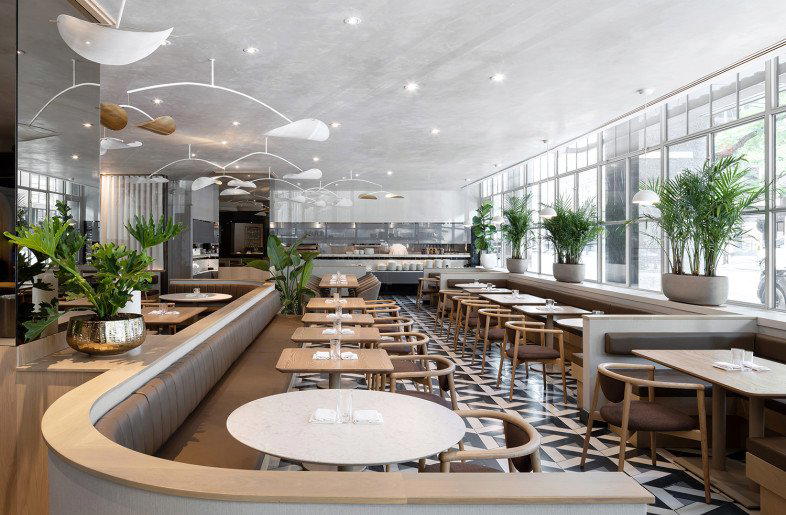
Restaurants in Toronto
Browse all →
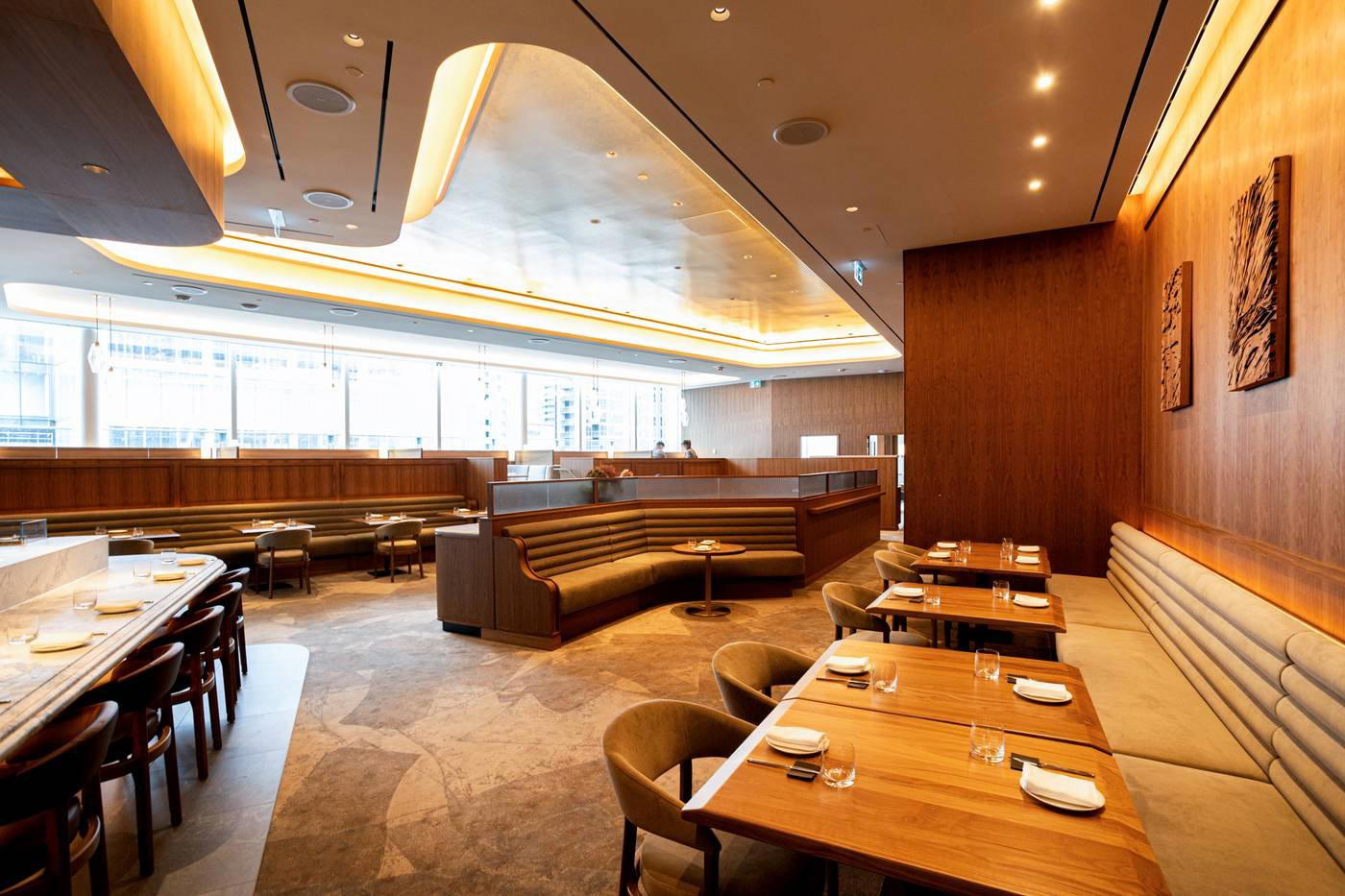
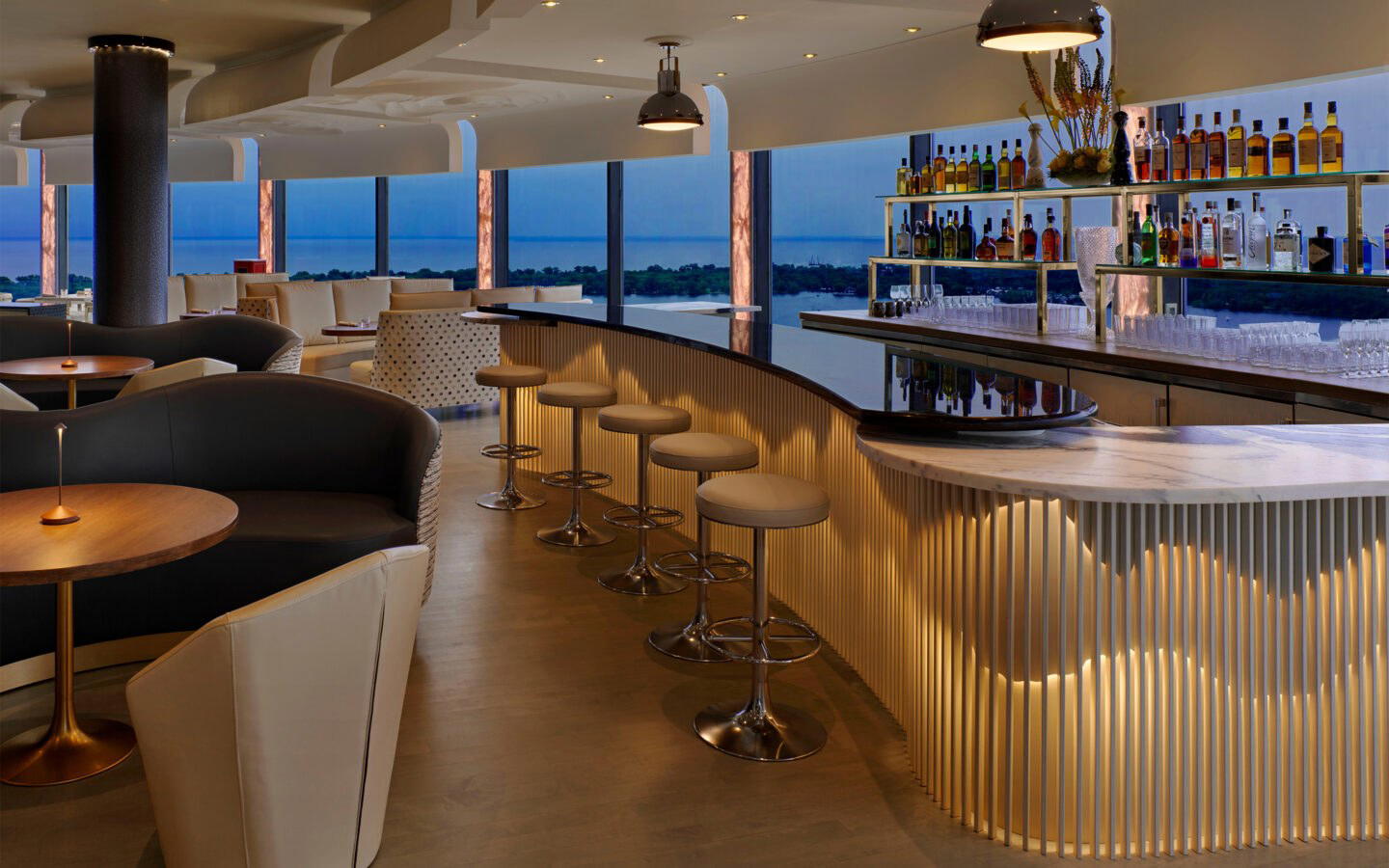
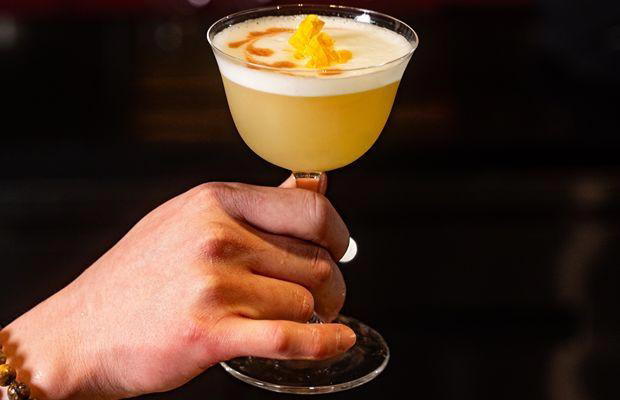
Bars in Toronto
Browse all →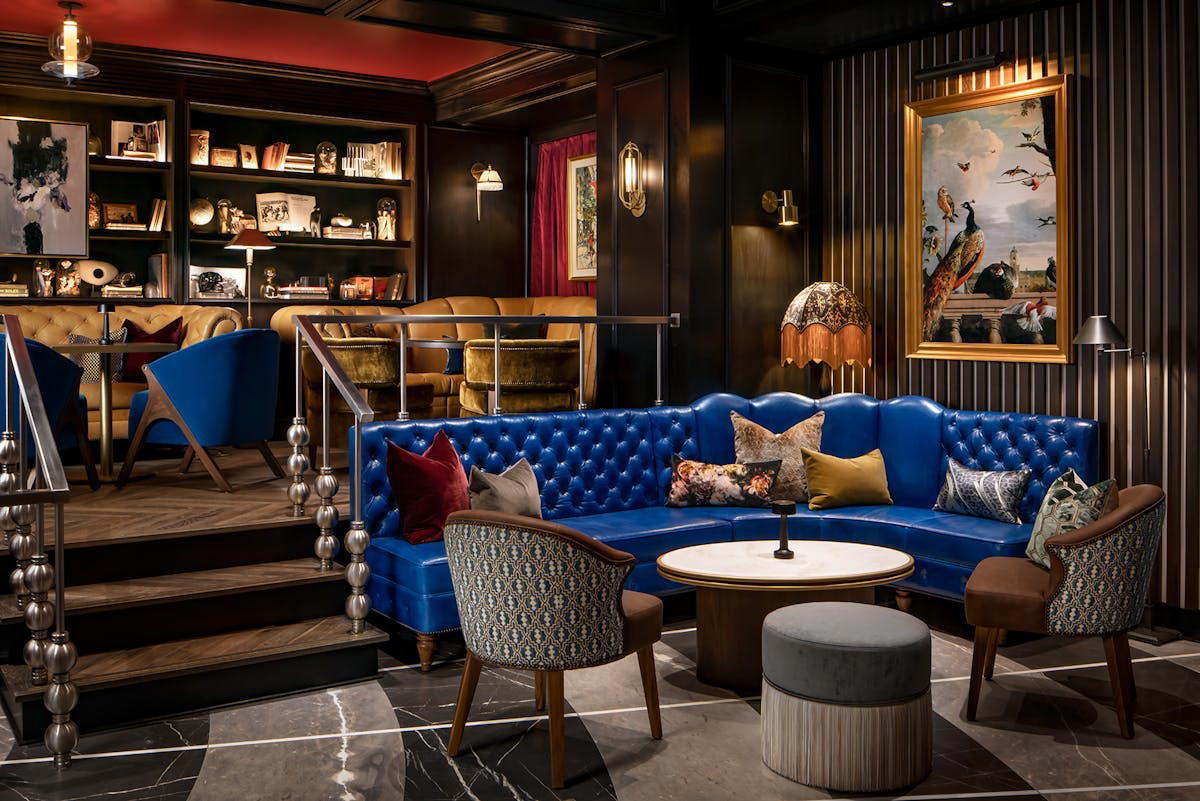
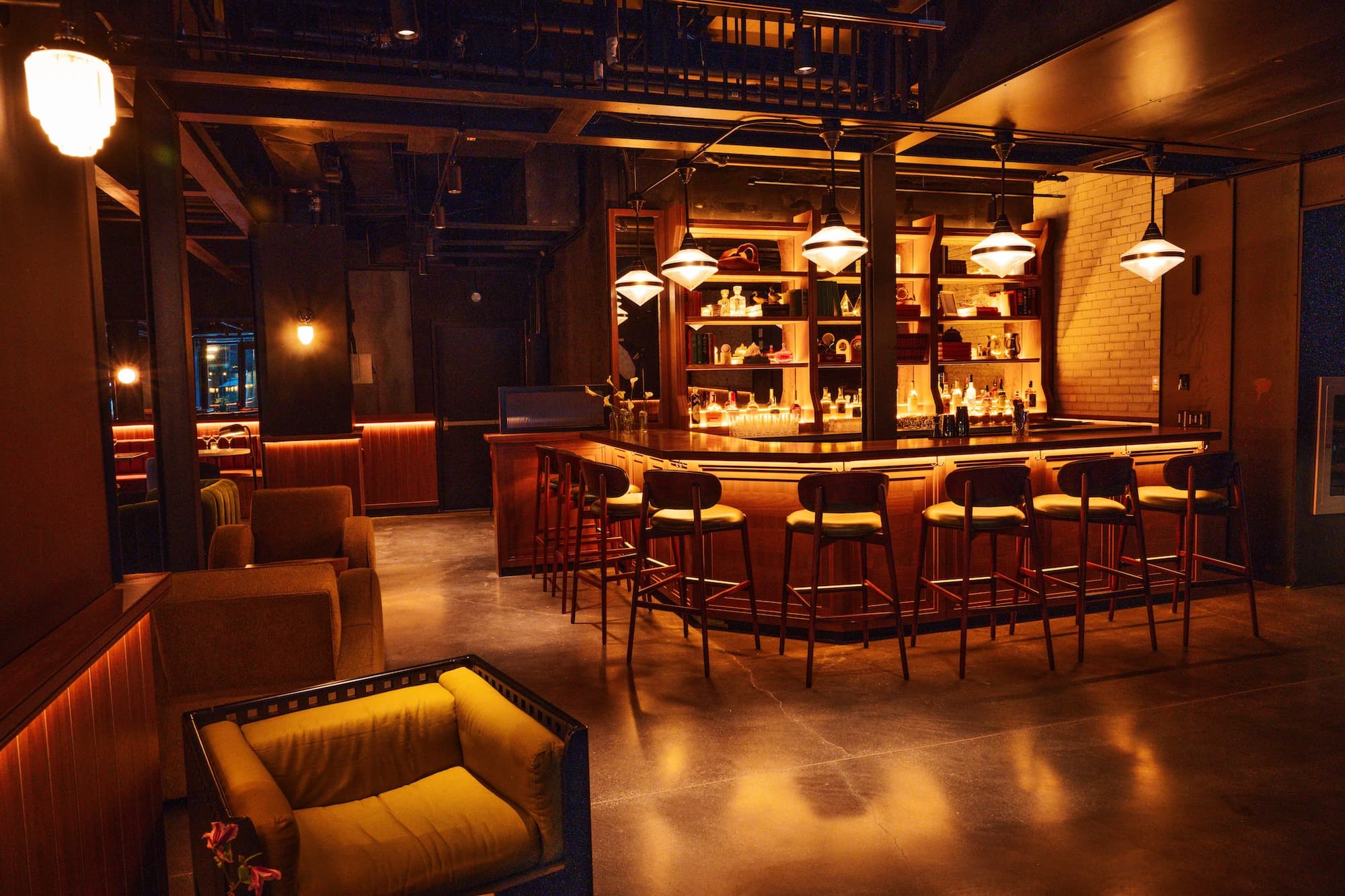
Hotels in Toronto
Browse all →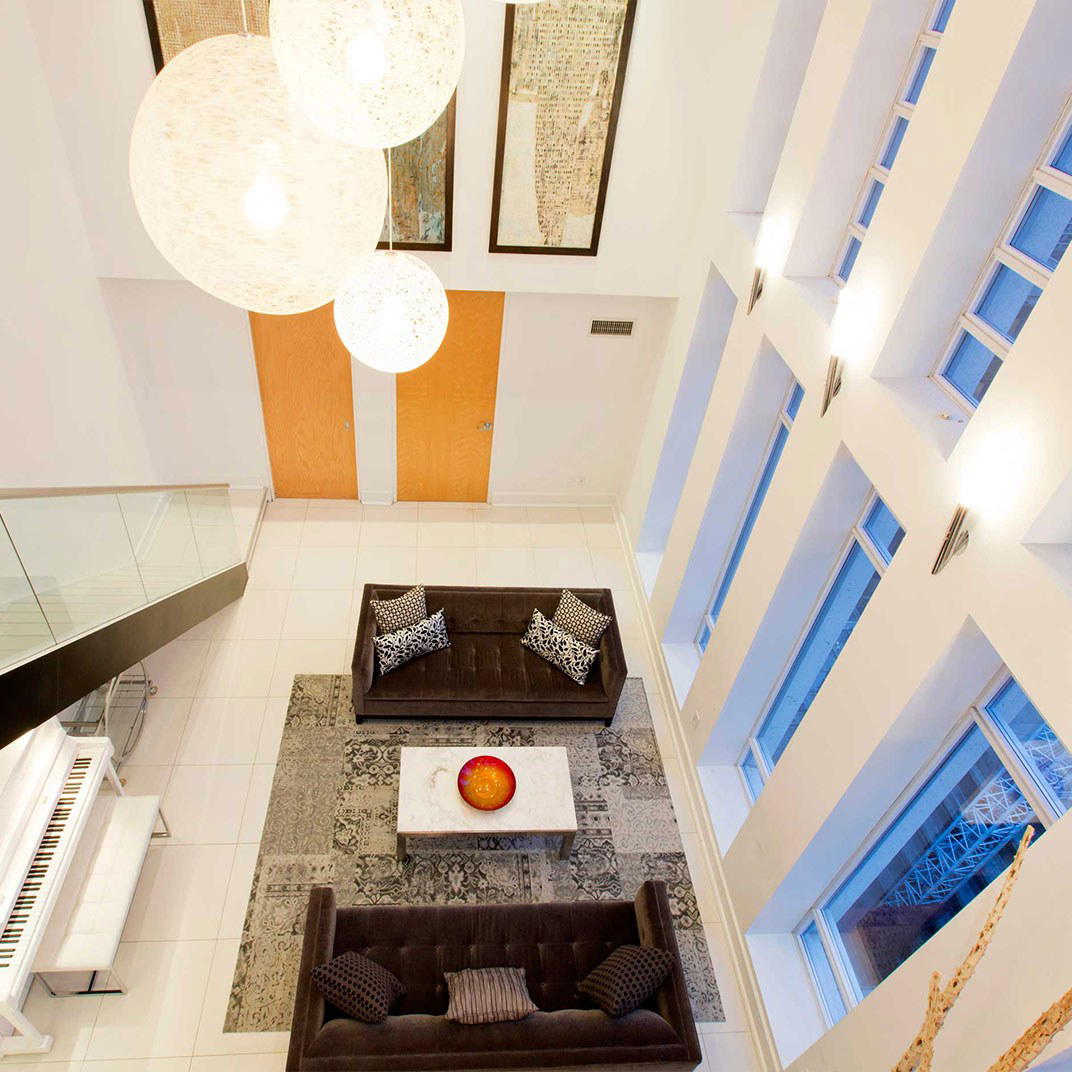

At a Glance
- Elegant
- Romantic
- Classic
- Sophisticated
- Date Night
- Business Dinner
- Special Occasion
- Celebration
- Private Dining
- Garden
- Historic Building
- Standalone
- Extensive Wine List
- Sommelier Led
- Garden
Current opening hours
- Monday
- 12–2:30 PM, 5–10 PM
- Tuesday
- 12–2:30 PM, 5–10 PM
- Wednesday
- 12–2:30 PM, 5–10 PM
- Thursday
- 12–2:30 PM, 5–10 PM
- Friday
- 12–2:30 PM, 5–10 PM
- Saturday
- 5–9:30 PM
- Sunday
- Closed
Hours can change for holidays and private events. Last verified .
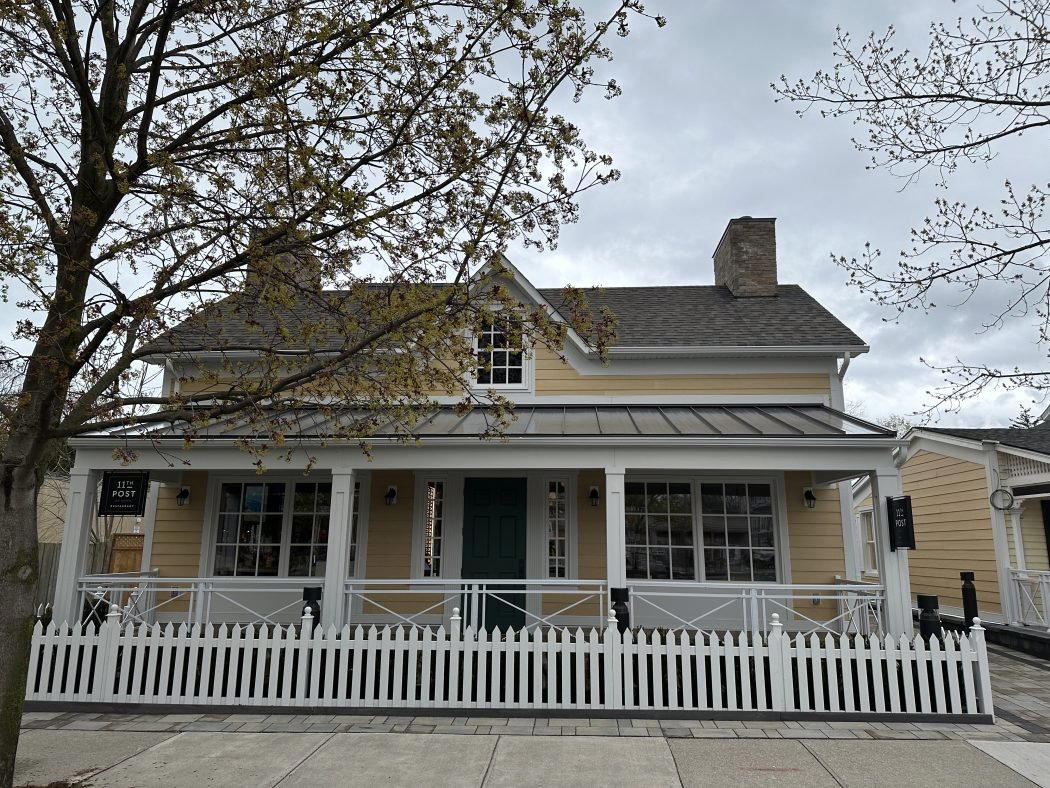
Upscale and warm with white linen tablecloths, heavy cutlery, and an impressive wine collection displayed throughout; intimate dining rooms with soft lighting and old-world charm.