Bhatti Indian Grill
Bhatti Indian Grill on Lexington Avenue sits in the Murray Hill corridor that has served as New York's most concentrated stretch of Indian cooking for decades. The kitchen focuses on grill-forward preparations rooted in the tandoor tradition, placing it in a different tier from the curry-house format that once defined the neighbourhood. For visitors cross-referencing the broader Manhattan dining scene, it represents the more technique-specific end of South Asian cooking in the city.
Pearl is the En Primeur Club membership app — saves, bookings, and concierge access live there. Same editors, same standards.
- Address
- 100 Lexington Ave Apt 3B, New York, NY 10016
- Phone
- +12126834228
- Website
- bhattinyc.com
- Directions
- Get directions
 Saves & bookings on Pearl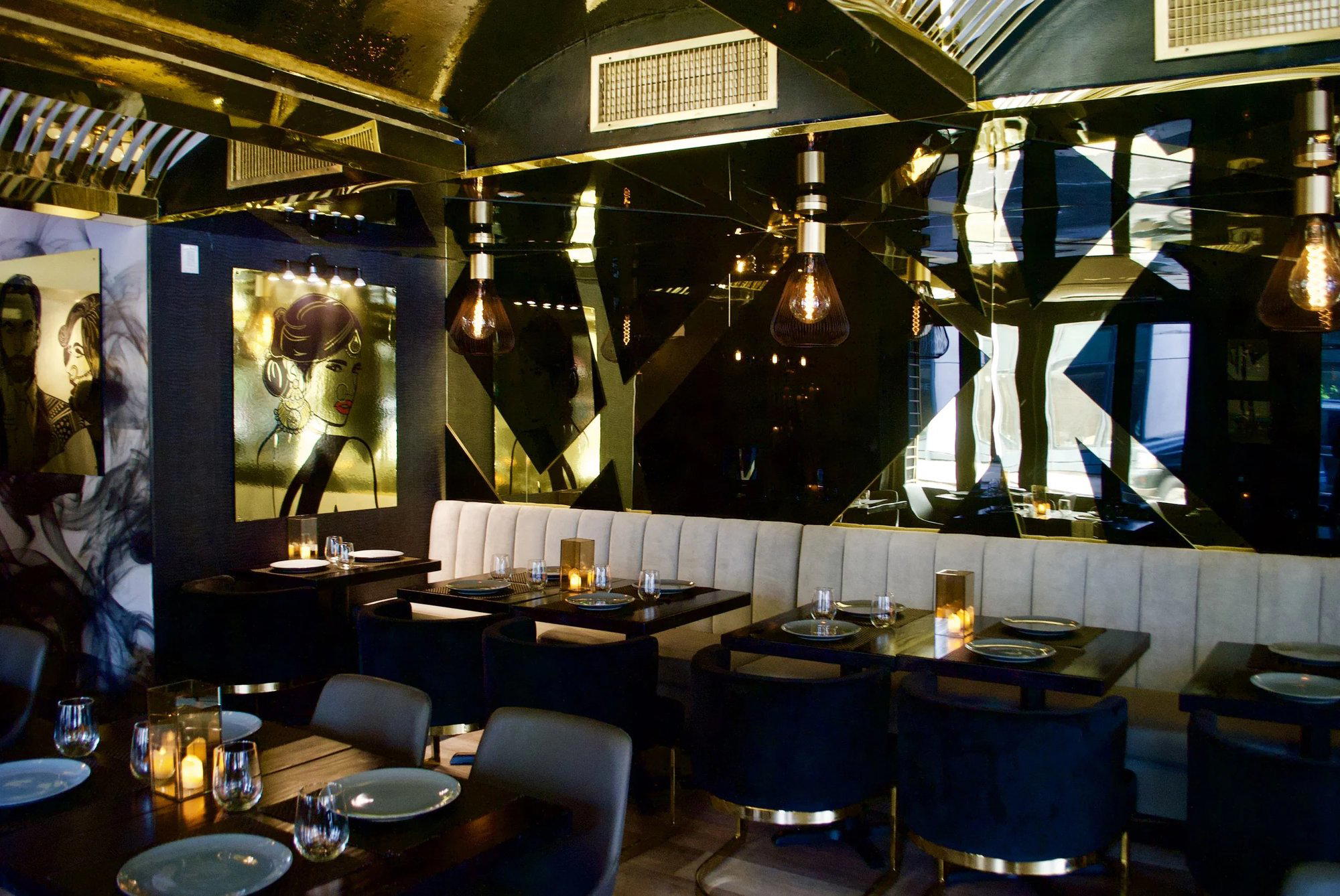
Murray Hill and the Long Arc of Indian Cooking in New York
Lexington Avenue between 27th and 29th Streets has carried the informal designation "Curry Row" since at least the 1970s, when a wave of South Asian immigration reshaped the neighbourhood's retail and restaurant character. That original corridor was defined largely by low-price curry houses competing on volume and familiarity. Over the following decades, a second and third generation of operators began separating from that format, building kitchens around specific regional traditions, specialist equipment, and more deliberate sourcing of spices and proteins. Bhatti Indian Grill sits within that longer arc, with an identity built around the tandoor grill and the char-forward cooking style it enables, rather than the sauce-led formats that made the street famous.
The tandoor tradition itself predates restaurant culture by centuries, rooted in the clay-oven techniques of Punjab and the North Indian subcontinent, where dry heat at extreme temperatures produces a distinct crust on bread and meat that no stovetop or conventional oven replicates. In New York, this technique became shorthand for "Indian restaurant" through the widespread adoption of chicken tikka and naan, but at its more specific end, tandoor cooking demands sourcing discipline: marination times, protein quality, and the control of moisture all affect the result in ways that a sauce can mask but an open grill cannot. Venues that commit to grill-forward menus are, in effect, committing to a higher degree of sourcing accountability.
The Ingredient Logic Behind Grill-Forward South Asian Cooking
In the broader context of New York's restaurant scene, ingredient sourcing has become a sorting mechanism between tiers. At the upper end of the Manhattan market, sourcing specificity is a near-universal signal: Le Bernardin built its reputation on the provenance and handling of seafood; Eleven Madison Park has restructured its entire menu philosophy around what can be verified and traced. The same logic, applied to South Asian cooking, means knowing where the spice blends are sourced, whether the yogurt used in marinades is cultured in-house or purchased, and what cut specifications govern the lamb and chicken that go into the tandoor.
For a grill-focused kitchen, the marinade is the primary vehicle through which sourcing decisions become visible on the plate. A bhatti-style preparation, which gives the restaurant its name, refers specifically to the coal-fire and clay-oven methods associated with the street-side grills of Delhi and Amritsar. The technique is less forgiving than a curry: there is nowhere for an inferior protein to hide when the only transformation happening is the application of extreme dry heat and aromatic spice. This is why restaurants that genuinely commit to the bhatti format tend to operate with tighter, more disciplined menus rather than the encyclopaedic lists that characterize the curry-house tradition.
This also positions Bhatti differently from the neighbourhood's more generalist competitors. Rather than breadth, the signal is depth: a shorter menu with higher internal consistency, where the quality of a seekh kebab or a tandoori preparation reflects the sourcing choices made before service begins. Within the Murray Hill corridor, that represents a meaningful separation from the volume-first model that the street built its reputation on.
Where Bhatti Sits in the Wider New York Dining Conversation
New York's South Asian dining scene has expanded well beyond the Murray Hill corridor in recent years, with newer operations in the East Village, Hell's Kitchen, and Jackson Heights offering regional specificity from Kerala, Tamil Nadu, and coastal Maharashtra. Against that broader fragmentation, a Murray Hill address still carries the weight of established infrastructure: suppliers who know the neighbourhood, a customer base with genuine baseline knowledge of the cuisine, and the density of peer venues that raises the competitive floor. For visitors using our full New York City restaurants guide, Bhatti represents the more technique-specific, grill-forward tier of that established corridor.
By contrast, the tasting-menu format that defines stronger examples from Manhattan's dining hierarchy, represented by venues like Per Se, Atomix, and Masa, operates in a different register entirely, with price points that start where most neighbourhood restaurants finish. Bhatti's format is not that, and it does not compete in that tier. It competes within the accessible, à la carte, cuisine-specific segment where consistency, sourcing, and technique are the relevant criteria rather than ceremony or length of meal.
For travellers who have eaten at ingredient-traceability-focused restaurants elsewhere in the United States, whether Blue Hill at Stone Barns in Tarrytown, Single Thread Farm in Healdsburg, or Smyth in Chicago, the sourcing-first framing at Bhatti will read as familiar even if the cuisine is entirely different. The logic of knowing where your protein comes from and building the cooking around that knowledge rather than compensating for its absence is not exclusive to any cuisine tradition. It is simply good cooking discipline.
Planning Your Visit
Bhatti Indian Grill is located at 100 Lexington Avenue in Manhattan's Murray Hill neighbourhood, placing it within walking distance of the 6 train at 28th Street and a short distance from Gramercy and Midtown South. The Murray Hill Indian corridor is a practical lunch and dinner option for visitors staying in Midtown, with a density of South Asian restaurants that makes comparison dining direct. For those building a wider New York itinerary that includes higher-price-point venues such as Le Bernardin or Eleven Madison Park, Bhatti functions well as a neighbourhood counterpoint earlier in the week. Specific hours and reservation availability should be confirmed directly with the restaurant.
The Essentials
Comparable venues nearby, for context on price, style, and recognition.
| Venue | Cuisine | Price | Notes |
|---|---|---|---|
| Bhatti Indian GrillThis venue — the venue you are viewing | Not listed | $$ | Not listed |
| Diwali Indian Cuisine | Not listed | $$ | Bedford-Stuyvesant (West), Traditional Indian Tandoori |
| Sahib | Not listed | $$ | Murray Hill-Kips Bay, Authentic Mughlai Indian |
| Mughlai Indian Cuisine | Gramercy, Authentic Mughlai Indian | $$ | Not listed |
| Ahimsa | Not listed | $$ | Murray Hill-Kips Bay, Authentic Indian Vegetarian |
| Bukhara Grill | Not listed | $$ | East Midtown-Turtle Bay, North Indian Tandoori & Curry |
Continue exploring
More in New York City
Restaurants in New York City
Browse all →
Bars in New York City
Browse all →


Hotels in New York City
Browse all →







At a Glance
- Modern
- Lively
- Group Dining
- Late Night
- Open Kitchen
Current opening hours
- Monday
- 12–4 PM, 5–10:30 PM
- Tuesday
- 12–4 PM, 5–10:30 PM
- Wednesday
- 12–4 PM, 5–10:30 PM
- Thursday
- 12–4 PM, 5–10:30 PM
- Friday
- 12–4 PM, 5–10:30 PM
- Saturday
- 12–4 PM, 5–10:30 PM
- Sunday
- 12–4 PM, 5–10:30 PM
Hours can change for holidays and private events. Last verified .
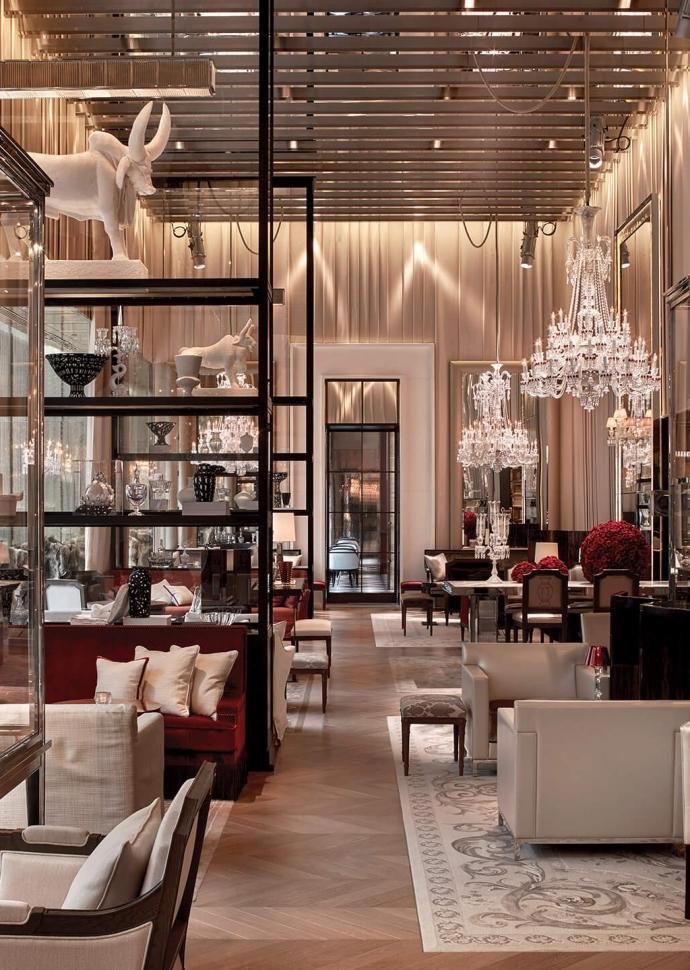
Refined yet comfortable upscale modern atmosphere with open kitchen where master chefs grill kebabs.