Our verdict
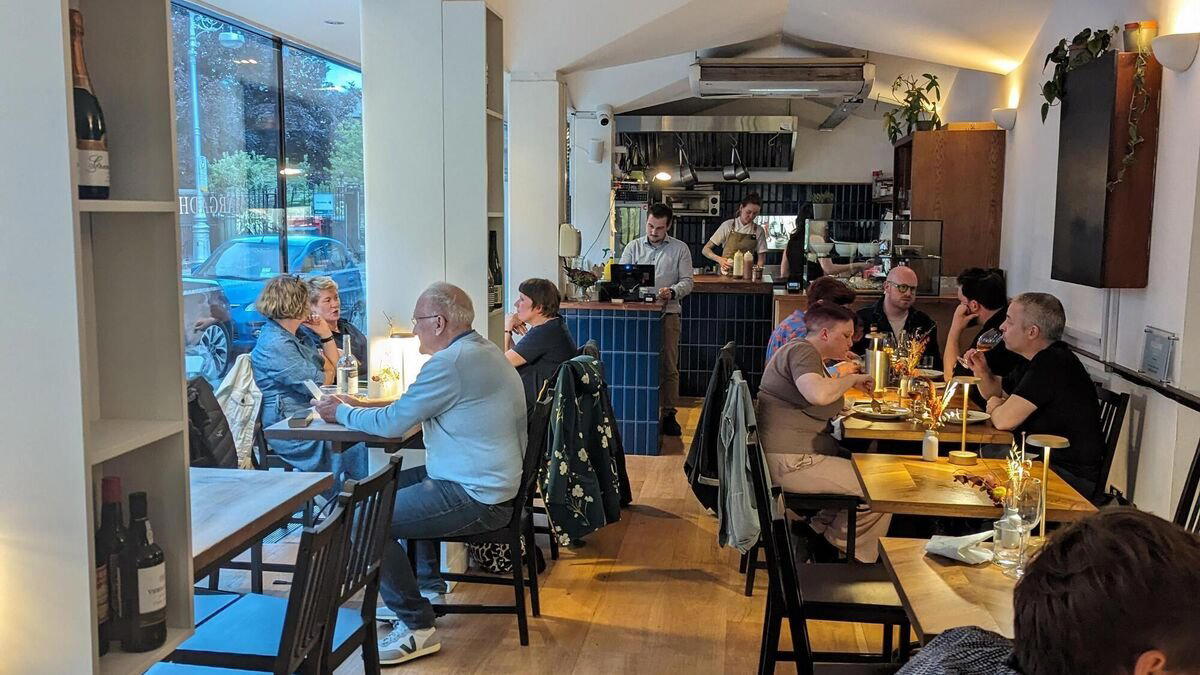
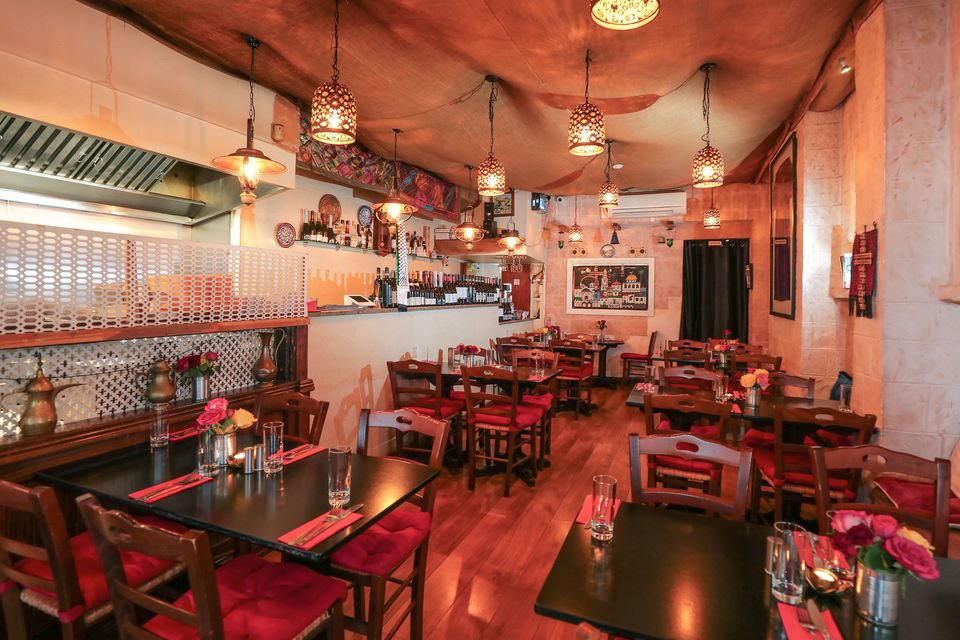
Bethlehem Restaurant occupies a residential stretch of Rathmines, one of Dublin's more quietly confident southside neighbourhoods. In a city where the premium dining conversation centres on Michelin-tracked addresses in the city core, Rathmines operates at a different register — closer to the kind of neighbourhood dining that sustains a local scene rather than chasing a destination audience. What that means in practice, and how Bethlehem fits the pattern, is worth understanding before you go.

Pearl is the En Primeur Club membership app — saves, bookings, and concierge access live there. Same editors, same standards.
- Address
- 3 Wynnefield Rd, Rathmines, Dublin, D06 F2Y2, Ireland
- Phone
- +35314978805
- Hours
- Mon ClosedTue–Sun 11 AM–10 PM
- Website
- bethlehemrestaurant.net
- Directions
- Get directions
- Booking
- Book on OpenTable
The menu
What to order
- Bethlehem mazza
- Musahab
- Makloubeh
- Arayes
Rathmines and the Southside Neighbourhood Dining Shift
Dublin's restaurant conversation has, for most of the past decade, been anchored in the city centre and the canal-side corridors that feed it. The addresses that draw the most sustained critical attention — from Chapter One by Mickael Viljanen to Patrick Guilbaud — operate in a tier defined by formal tasting menus, advance booking windows measured in weeks, and price points that signal occasion dining rather than regular use. But the southside suburbs have, in parallel, developed their own dining character: less ceremonial, more embedded in the rhythms of the neighbourhoods they serve, and increasingly interesting for it.
Rathmines sits roughly two kilometres south of St Stephen's Green, close enough to the city to absorb its culinary influences but far enough that its restaurants answer to a residential audience first. Wynnefield Road, where Bethlehem Restaurant is addressed, is a residential street rather than a commercial strip, which places the restaurant in the tradition of neighbourhood spots that earn loyalty through consistency rather than through the kind of destination positioning that drives first-time visitor traffic. That distinction matters when you are deciding whether to make the trip.
The Evolution of a Neighbourhood Address
The broader pattern across Dublin's southside suburbs over the past several years has been one of gradual formalisation. Restaurants that might once have operated as direct local options have sharpened their offer, better sourcing, more considered wine lists, tighter menus, without necessarily migrating toward the tasting-menu format that dominates the city's higher-profile tier. This is the same arc visible in comparable neighbourhood addresses across European cities: the local restaurant becomes something worth travelling to without losing the quality that makes it local in the first place.
Bethlehem Restaurant sits within that broader evolution. The Rathmines address on Wynnefield Road places it in a residential context where the dining room's relationship with its immediate community is the primary story, and where changes over time tend to be incremental rather than dramatic. That positioning is not a deficit, it locates Bethlehem in a different part of the Dublin dining map, one where the transaction between restaurant and diner is less mediated by external validation.
For context on how this fits the wider Irish scene, the contrast with formally recognised addresses is instructive. Liath in Blackrock and Aniar in Galway both occupy positions where critical recognition and a defined culinary identity have become part of the restaurant's public profile. Bethlehem's comparative quietness suggests a different operating model, one where the local audience is sufficient and the ambition, if it exists, is expressed through the dining room experience rather than through awards strategy.
What the Rathmines Setting Signals
Approaching a restaurant on a residential road in Dublin's southside, the physical cues are different from what you encounter at a city-centre address. There is no queue management, no branding visible from a distance, no foot traffic from adjacent retail. The neighbourhood itself, Georgian conversions, tree-lined roads, the kind of density that implies a permanent resident population rather than a transient one, sets an expectation of a certain kind of dining: reliable, probably unpretentious, oriented toward the returning guest rather than the first-time visitor seeking a talking point.
This is a pattern recognisable across comparable European neighbourhood restaurants. The physical environment makes a promise about the register of the experience, and the most successful neighbourhood spots in cities like Dublin, London, or Copenhagen have learned to fulfil that promise rather than fight it. The ambition at such addresses tends to show in the detail, sourcing decisions, kitchen discipline, the quality of a house wine, rather than in the theatrical elements that distinguish destination-tier restaurants.
For visitors to Dublin who have already covered the D'Olier Street tier or are looking for something outside the formal dining circuit, the southside neighbourhood addresses represent a different kind of engagement with the city's food culture. See our full Dublin restaurants guide for a broader map of where the city's dining sits by neighbourhood and price tier.
Placing Bethlehem in the Irish Context
Ireland's restaurant scene outside Dublin has developed considerably, and understanding the capital's neighbourhood tier is easier when set against the national picture. Addresses like dede in Baltimore, Bastion in Kinsale, and Chestnut in Ballydehob have demonstrated that serious cooking is no longer confined to the capital or to formal hotel dining rooms. In the midlands and the west, The Morrison Room in Maynooth and Campagne in Kilkenny occupy the serious-neighbourhood-restaurant position in their own cities. Homestead Cottage in Doolin and Terre in Castlemartyr represent the hotel and rural fine-dining axis. The Oak Room in Adare anchors the country-house end of the spectrum.
Against that national map, Dublin's Rathmines, and Bethlehem's position within it, reads as part of an expanding middle tier: not destination fine dining, not casual-chain volume, but the kind of neighbourhood restaurant that a city's residents rely on and that a visitor, if they know where to look, can use to access a more authentic version of how a place actually eats. The comparison with international equivalents is useful here: neighbourhood restaurants in the inner suburbs of cities like San Francisco (where Lazy Bear represents one kind of evolution) or New York (where Le Bernardin anchors the formal end) reveal how wide the spectrum runs and how much the neighbourhood tier serves a function that formal destination dining cannot.
Planning a Visit
Bethlehem Restaurant is located at 3 Wynnefield Road, Rathmines, Dublin, a residential address that is most practically reached by bus from the city centre, with several southside routes stopping on Rathmines Road within a short walk. Given the absence of publicly available booking information, phone numbers, or listed hours, the most reliable approach is to visit in person during daytime hours to confirm current opening times and reservation availability, or to search for the restaurant's current contact details through local listing services before planning a specific evening. This is consistent with how smaller neighbourhood restaurants in Dublin tend to operate: less reliant on digital infrastructure, more responsive to direct inquiry.
For diners building a broader Dublin itinerary, Rathmines is a logical southside base, and pairing a visit to Bethlehem with exploration of the neighbourhood's other food and drink options is a reasonable approach to an afternoon and evening in the area.
Frequently asked questions
Where do I go for Bethlehem Restaurant?
Bethlehem Restaurant is located at 3 Wynnefield Rd, Rathmines, Dublin, D06 F2Y2, Ireland, Dublin.
Is Bethlehem Restaurant a good option for a quiet dinner away from Dublin city centre?
Bethlehem Restaurant's address at 3 Wynnefield Road places it on a residential street in Rathmines, one of Dublin's established southside suburbs roughly 3 kilometres from the city centre. That location alone separates it from the noise and foot traffic of the canal-side and city-core dining corridors. For diners coming from central Dublin, the southside bus network serves Rathmines directly, making the journey straightforward without requiring a taxi.
What do people recommend at Bethlehem Restaurant?
Bethlehem sits on Wynnefield Road in Rathmines, a residential address that typically signals a tighter, focused menu rather than a broad all-things-to-all-diners offering. Visiting with an open mind and asking the floor staff what is running well that day is the practical approach at addresses like this.
What's the defining dish or idea at Bethlehem Restaurant?
What the address itself signals is worth noting: a residential road in Rathmines places this firmly in the southside neighbourhood-dining tier, where the proposition tends to be locality and consistency over theatrical tasting menus. The specifics of the kitchen's identity would need to come from the restaurant directly.
Is Bethlehem Restaurant allergy-friendly?
No allergy or dietary accommodation policy is recorded for Bethlehem Restaurant in Dublin. Under Irish food safety regulations, restaurants are required to declare the 14 major allergens on request, so staff should be able to advise when asked. Contacting the restaurant ahead of your visit remains the most reliable way to confirm what can be accommodated.
Does Bethlehem Restaurant justify its prices?
In Dublin's southside neighbourhood tier, price points at smaller residential-address rooms tend to sit below city-centre comparables, though the trade-off is fewer covers and, often, a more limited menu. Confirming current pricing directly with the restaurant before booking is the practical step.
A Tight Comparison
Comparable venues nearby, for context on price, style, and recognition.
| Venue | Cuisine | Price | Notes |
|---|---|---|---|
| Bethlehem RestaurantThis venue — the venue you are viewing | Authentic Palestinian | $20–30 | Not listed |
| Rotana City | Authentic Lebanese | $20–30 | Rotunda B, Authentic Lebanese |
| Brother Hubbard (North) | Modern Middle Eastern Brunch | $20–30 | North City, Modern Middle Eastern Brunch |
| Fayrouz Restaurant | Modern Lebanese | $20–30 | Merchants Quay C, Modern Lebanese |
| Asahi Asian Street Food | Pan-Asian Street Food | $20–30 | Saint Kevin'S, Pan-Asian Street Food |
| Mehek Indian Restaurant | Authentic Indian with Irish Produce | $20–30 | Rathmines West E, Authentic Indian with Irish Produce |