

Tabelog 100 #77
Our verdict
A Peruvian restaurant in Shibuya's Jingumae neighbourhood, Bepocah sits at an address more associated with Japanese and French fine dining than ceviche or tiradito. Ranked #100 on the 2024 Opinionated About Dining Casual Japan list and holding, it represents a specific and serious strand of Latin cooking that has found a foothold in Tokyo's most competitive dining corridor.

Pearl is the En Primeur Club membership app, where members save venues, book tables and use the concierge.
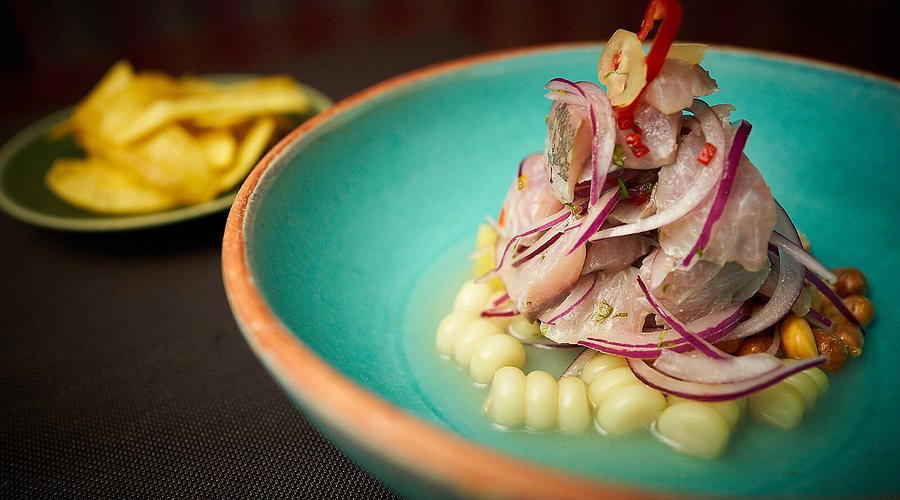
The menu
What to order
- Ceviche
- Lomo Saltado
- Pisco Sour
- Tiraditos
- Causas
- Anticuchos
Where Nikkei Cooking Meets One of Tokyo's Most Demanding Dining Postcodes
Jingumae, the stretch of Shibuya that runs between Harajuku and Omotesando, is a postcode that selects for seriousness. The blocks around 2-chome host a concentration of restaurants that benchmark themselves against the city's most demanding audiences: long-standing counter omakase rooms, tasting-menu kitchens from chefs with European pedigree, and neighbourhood spots that have quietly accumulated critical recognition over years of consistent service. Bepocah occupies a specific position within that environment, a Peruvian restaurant, run by chef Bruno Nakandakari, operating in an area where the competition is not other Latin kitchens but the full range of Tokyo fine and casual dining.
Peru's culinary relationship with Japan is structural, not incidental. The Nikkei diaspora, which traces back to the late 19th century, produced a cooking tradition that fused Japanese technique, product sensitivity, and precision with Peruvian ingredients, acid balance, and spice. That fusion is now taught in culinary schools, documented by food historians, and practiced by chefs across Lima, Tokyo, and beyond. Bepocah operates within that tradition, which positions it differently from the broader wave of South American restaurants that have opened in Tokyo without the same lineage. The context matters here: Nikkei cuisine is not fusion in the commercial sense. It is a distinct culinary grammar that happens to share DNA with both its host city and its country of origin.
What the Rankings Tell You
Bepocah's placement at #100 on the 2024 Opinionated About Dining Casual Japan list is the most precise external signal available about where it sits in the Tokyo dining hierarchy. OAD's casual category is selected by a network of serious eaters rather than a single publication's critics, which makes its rankings a form of collective professional opinion rather than institutional award. Reaching the top 100 in Japan, a country with more Michelin-starred restaurants than France, in the casual tier means the restaurant has sustained a standard that survives repeated scrutiny from people who eat across the full range of the country's dining options.
The alignment between specialist critical recognition and general audience response is not guaranteed in Tokyo, where the gap between insider consensus and popular visibility can be wide. When both measures point in the same direction, it suggests a restaurant that is neither performing for a narrow in-group nor trading on novelty. For a Peruvian kitchen in Jingumae, that combination of signals is a meaningful indicator of consistency.
For broader context on where Bepocah fits within Tokyo's restaurant ecosystem, the city's finest dining rooms include three-Michelin-star counters like Harutaka and RyuGin, and French kitchens such as L'Effervescence and Sézanne. Bepocah's OAD casual ranking places it in a different tier from those rooms, but the fact that it earns specialist recognition in the same city says something about the depth of Tokyo's dining culture, and the specificity with which that culture rewards technically grounded, non-Japanese cooking. Innovatively minded French kitchens like Crony occupy a similar category-crossing space in Tokyo's critical conversation.
The Booking Logic
Bepocah opens Tuesday through Friday from 6 to 11 pm, Saturday from 5 to 10 pm, and is closed on Sunday. The absence of a Monday service is common among single-chef or small-team restaurants in Tokyo, where kitchen rest schedules follow a tighter pattern than larger brigade operations. The Saturday start time of 5 pm is an earlier window that works well for travellers managing onward plans or those who prefer the first seating of an evening service.
For visitors travelling from outside Japan, this means researching the current reservation channel before departure. Tokyo restaurants at this level of critical recognition, OAD top 100, strong specialist word-of-mouth, often operate with limited covers and booking windows that reward planning. At equivalent-tier casual restaurants in Tokyo's most competitive neighbourhoods, walk-in availability on weekend evenings is typically low, and the safest approach is to confirm a table before arriving in the city rather than on the night. Contacting the restaurant directly via its listed address at 2 Chome-17-6 Jingumae, or through a concierge service that operates in Tokyo, is the most reliable path to securing a seat.
Chef Bruno Nakandakari and the Broader Nikkei Wave
The presence of a chef with a Japanese surname running a Peruvian restaurant in Tokyo is not coincidental. Chef Bruno Nakandakari is a figure within the Nikkei cooking tradition, a culinary movement that has been reshaping how Lima and Tokyo cross-reference each other in professional kitchens for the past two decades. What Bepocah represents, within Tokyo's broader restaurant culture, is the return leg of that exchange: Nikkei technique and flavour, read through a chef who belongs to both traditions, served in a city where both reference points are understood at a native level by the dining public.
For those building a broader itinerary around Japan's serious dining culture, the country's regional depth extends well beyond Tokyo. HAJIME in Osaka, Gion Sasaki in Kyoto, akordu in Nara, Goh in Fukuoka, 1000 in Yokohama, and 6 in Okinawa each represent the calibre of cooking available outside the capital. For those following the Nikkei and Latin-Japanese thread across other cities and countries, Causa in Washington, D.C. and ITAMAE in Miami offer useful comparison points for how the same culinary tradition translates in different dining environments.
Planning Your Visit
Bepocah's Jingumae address puts it within easy reach of Harajuku and Omotesando stations, both served by the Tokyo Metro and JR lines, making it accessible without complex navigation from most central Tokyo hotels. The evening-only schedule means it functions as a dinner destination rather than an all-day option, and the Tuesday-to-Saturday window is narrow enough that visitors on short Tokyo itineraries should check availability early in their trip planning.
For those building a fuller Tokyo programme, EP Club's guides cover the city's dining, drinking, and accommodation options in depth: our full Tokyo restaurants guide, Tokyo hotels guide, Tokyo bars guide, Tokyo wineries guide, and Tokyo experiences guide each provide the editorial context needed to sequence a visit properly.
Frequently asked questions
What is the signature dish at Bepocah?
Bepocah's cuisine centres on Peruvian cooking as practised within the Nikkei tradition, the culinary lineage that developed from Japanese immigration to Peru over more than a century. The kitchen's output reflects that framework, expect the structural markers of Peruvian cooking (acid-forward preparations, Andean ingredients, ceviche and tiradito formats) executed with the product precision and technical discipline that Tokyo's dining public applies as a baseline expectation. Chef Bruno Nakandakari's standing within that tradition is the clearest guide to what the kitchen prioritises.
What is the standout thing about Bepocah?
The standout quality, from a critical perspective, is the specificity of Bepocah's position. In a market where serious Peruvian cooking has no structural home the way sushi or ramen does, that combination of credentials signals a kitchen that has found its footing on terms the city's most demanding eaters accept.
Recognition, Side-by-Side
Comparable venues nearby, for context on price, style, and recognition.
| Venue | Cuisine | Price | Awards | Notes |
|---|---|---|---|---|
| BepocahThis venue (the venue you are viewing) | Authentic Peruvian | $50–100 | Tabelog 100 #77 | Not listed |
| Cusavilla | Modern Vegetable-Focused Italian | Not listed | Tabelog 100 #76 · We're Smart World 4 Radishes | Minato |
| Epicure Low | High-end French with dietary accommodations | $100–150 | We're Smart World 3 Radishes | Minato |
| Akasaka Tan-tei | Okinawan Kaiseki | $100–150 | Not listed | Akasaka |
| Imakatsu (六本木 イマカツ) | Premium Tonkatsu | $20–30 | Not listed | Roppongi |
| Jambo Shinozaki Honten | Classic Tokyo Yakiniku | $500+ | Tabelog 100 #41 | Edogawa |
Recognition history
Dated appearances from independent guides and award organizations, with the underlying list record or original source where available.
Opinionated About Dining Casual in Japan Highly Recommended
Opinionated About Dining
Tabelog 100 #77 · No. 77
Tabelog · Tabelog 100 - Asian cuisine / Ethnic cuisine - TOKYO - 2024
Full recognition history (3 entries)
Opinionated About Dining Casual in Japan Ranked #100
Opinionated About Dining
Continue exploring
More in Tokyo
Restaurants in Tokyo
All restaurants in Tokyo →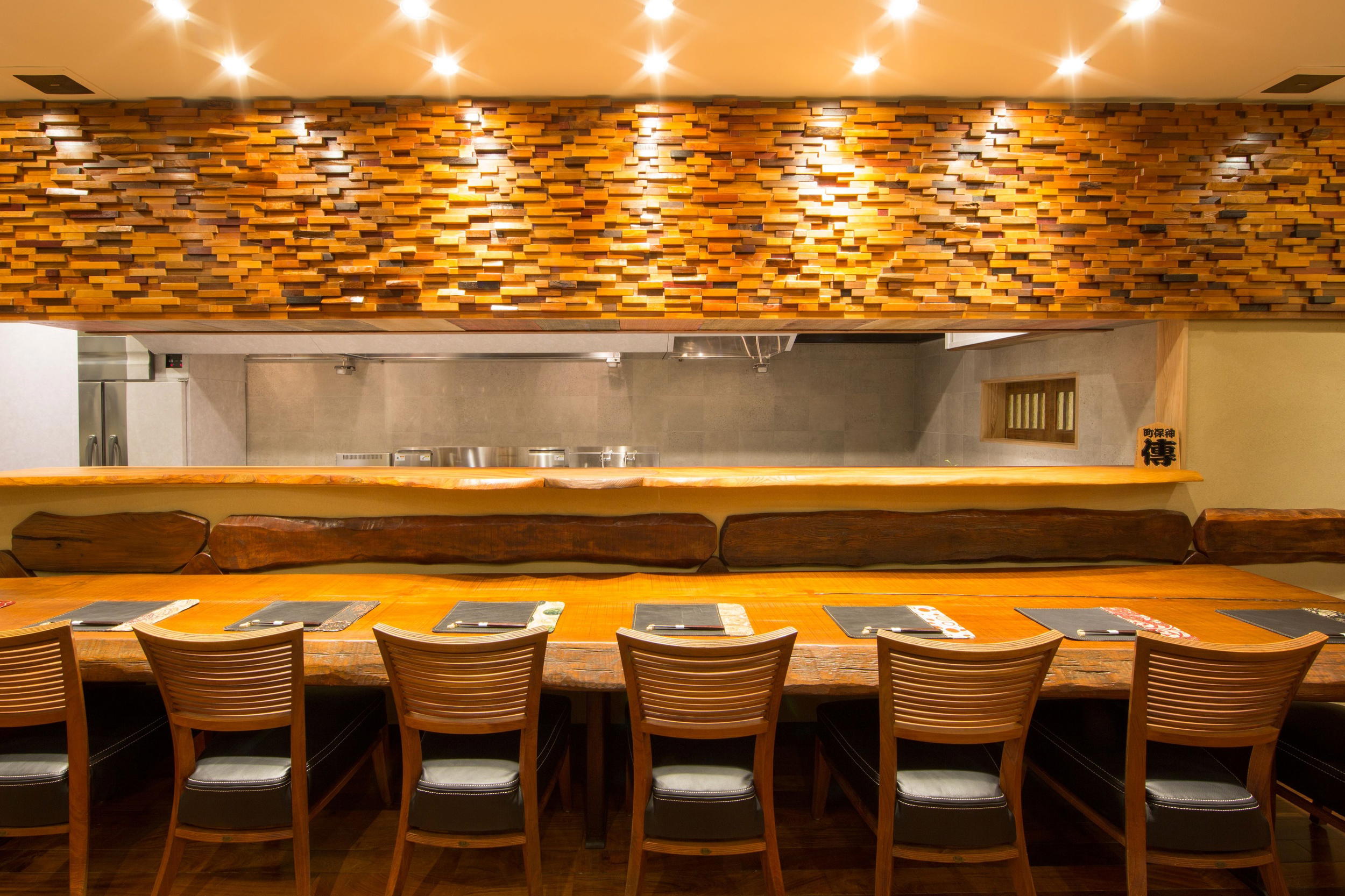
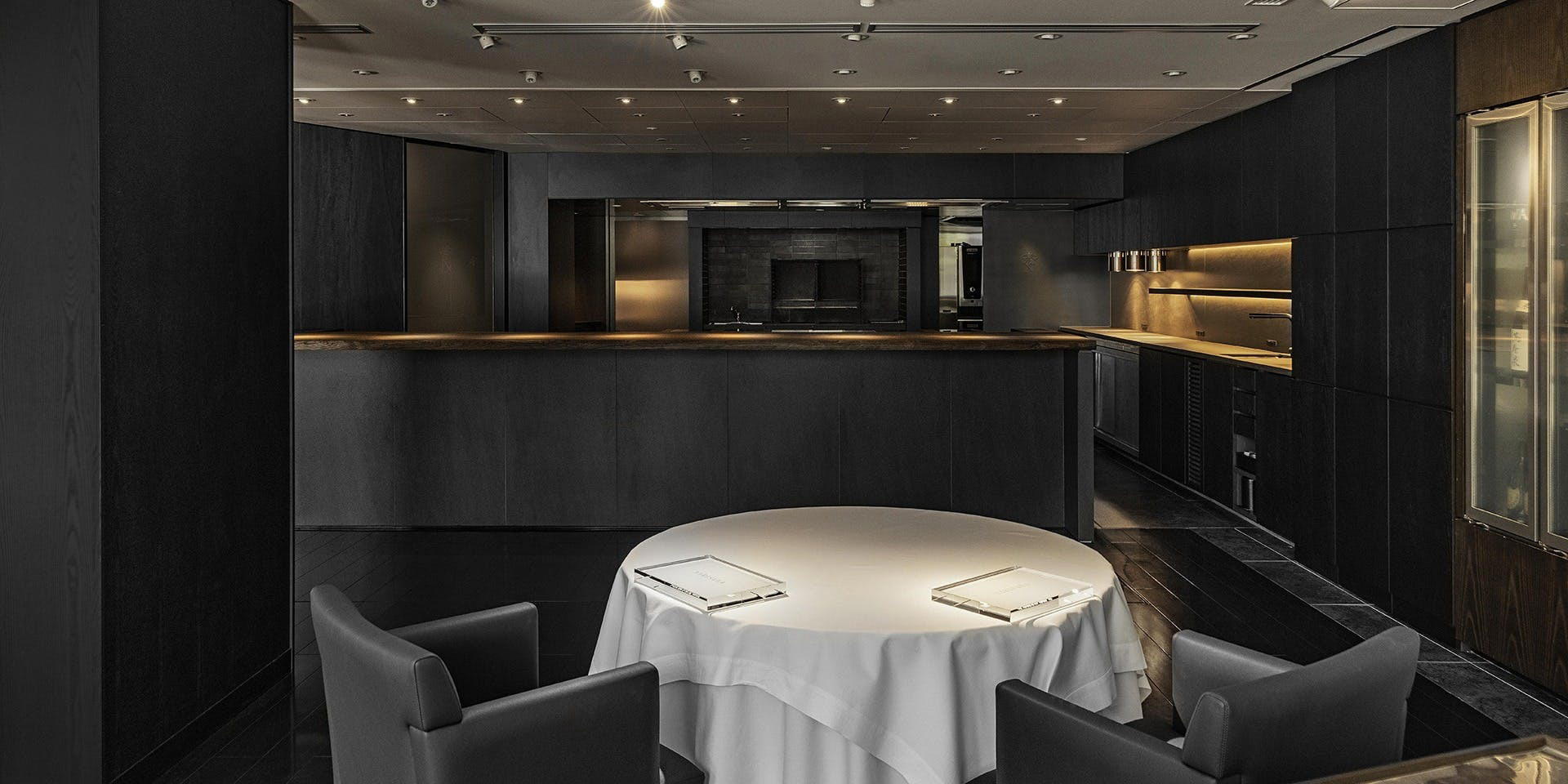
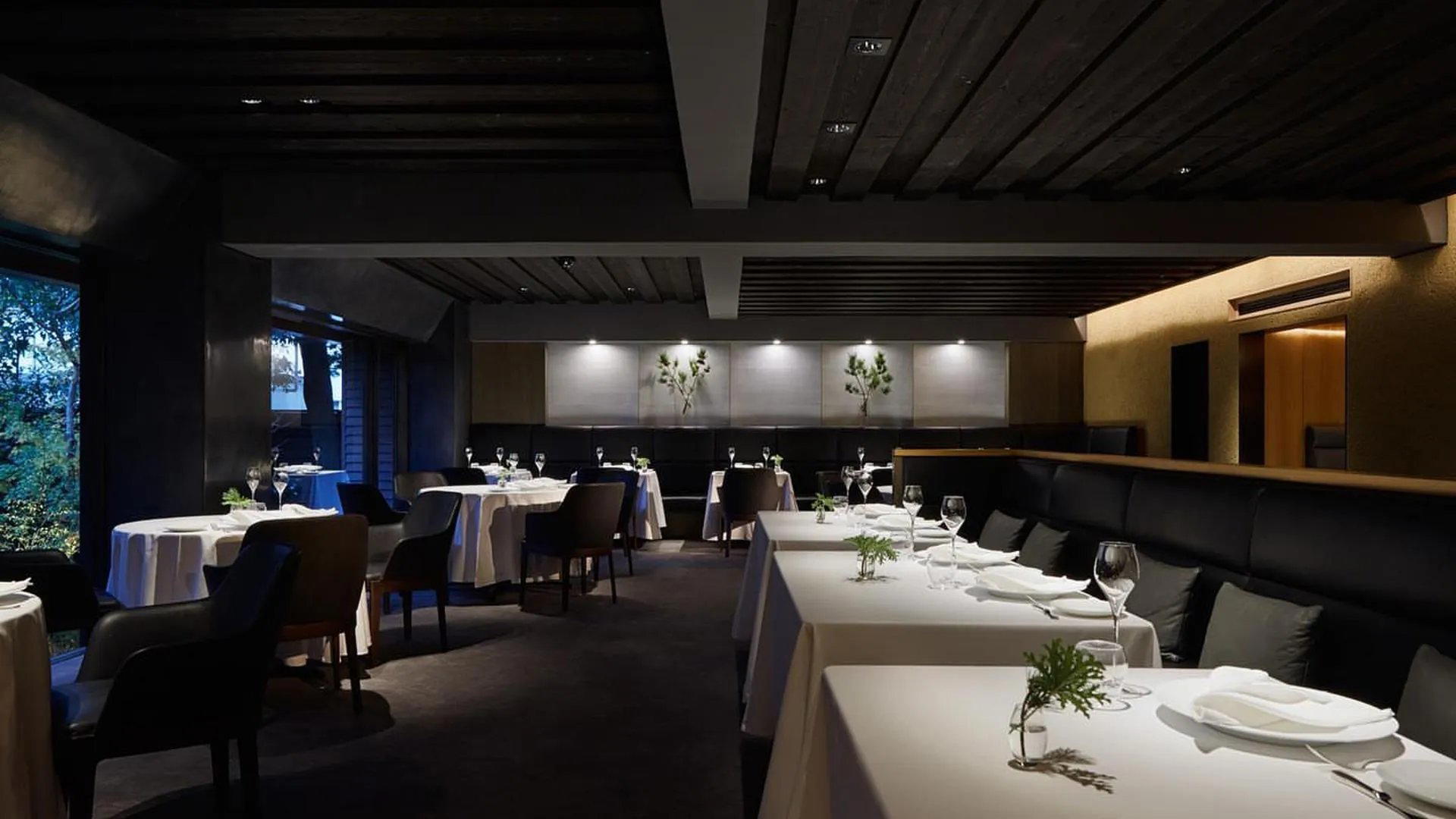
Bars in Tokyo
All bars in Tokyo →
Details
- Elegant
- Trendy
- Intimate
- Modern
- Date Night
- Special Occasion
- Celebration
- Group Dining
- Standalone
- Open Kitchen
- Craft Cocktails
- Beer Program
- Local Sourcing
- Farm To Table
- Tasting Menu
- A La Carte
- Pisco Sour
- Peruvian Cocktails
- Vegetarian Friendly
- Pescatarian Friendly
- Allergy Accommodating
Current opening hours
- Monday
- 6–11 PM
- Tuesday
- 6–11 PM
- Wednesday
- 6–11 PM
- Thursday
- 6–11 PM
- Friday
- 6–11 PM
- Saturday
- 5–10 PM
- Sunday
- Closed
Hours can change for holidays and private events. Hours as of .
Warm and inviting atmosphere blending contemporary design with traditional Peruvian elements; stylish and trendy with meticulous presentation.