Bengal Village - Best of Brick Lane
Bengal Village on Brick Lane sits at the centre of London's most concentrated strip of Bangladeshi restaurants, where the dining ritual matters as much as the food. The room draws on the street's decades-long identity as the heartland of British-Bangladeshi cooking, making it a reference point for anyone tracing that tradition through East London.
Pearl is the En Primeur Club membership app — saves, bookings, and concierge access live there. Same editors, same standards.
- Address
- 75 Brick Ln, London E1 6QL, United Kingdom
- Phone
- +442073664868
- Website
- bengalvillagebricklane.co.uk
- Directions
- Get directions
 Saves & bookings on Pearl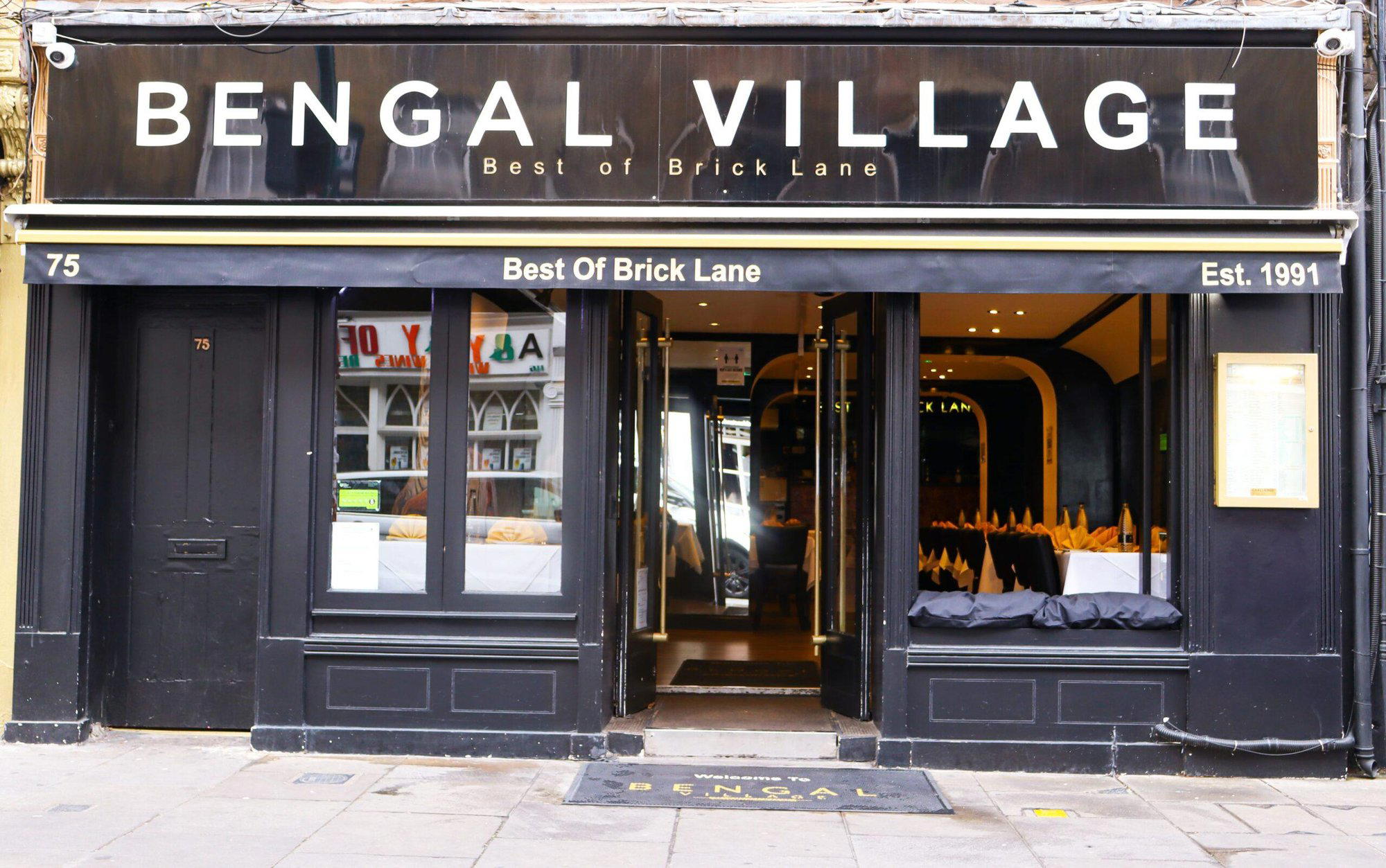
Brick Lane and the Bangladeshi Dining Tradition
Brick Lane is a historic East London address for Bangladeshi cooking, and Bengal Village at 75 Brick Lane, London E1 6QL, United Kingdom serves Authentic Indian & Bangladeshi Curry House dining there. The street has functioned as the primary address for British-Bangladeshi cooking since the 1970s, when the first wave of restaurants from the Sylhet region began converting what had been a Jewish bakery district into something altogether different. What you find at 75 Brick Lane, where Bengal Village operates, is a product of that accumulated history rather than a single proprietorial vision.
The broader context matters here. British-Bangladeshi cuisine occupies a specific and often misunderstood position in the country's food culture. It shaped the national palate more than any other immigrant cooking tradition, but rarely receives the critical attention directed at, say, the Modern British work happening at CORE by Clare Smyth or the Contemporary European precision at Restaurant Gordon Ramsay.
The Ritual of the Brick Lane Meal
Eating on Brick Lane follows a rhythm distinct from the city's more formal dining rooms. There is no tasting menu pacing, no sommelier intervention, no choreographed amuse-bouche sequence. The meal unfolds differently: shared dishes arrive at the table in stages loosely governed by the kitchen rather than a rigid service protocol, bread comes warm and early, and the expectation is that the table will fill incrementally rather than all at once.
This approach to pacing reflects the communal eating customs of the Sylheti tradition that underpins most of the cooking on this street. Dishes are sized for sharing, spicing is calibrated to be adjusted at table with condiments, and the sequence of a meal is understood as a conversation between diners rather than a performance directed at them. Contrast this with the structured progression at Sketch, The Lecture Room and Library or the course-by-course formality at The Ledbury, and you understand that these are not simply different price points but different philosophies of what a meal is for.
Bengal Village operates within this tradition. The name positions it as a kind of distillation of the street's character, and the address at 75 Brick Lane places it among the restaurants that have traded through multiple decades of the strip's commercial evolution. For a diner approaching the street for the first time, this lineage matters: the restaurants that have survived here have done so through repeat local custom, not through destination dining marketing.
East London's Food Geography
Brick Lane itself is a short walk from Spitalfields Market, and the surrounding neighbourhood has shifted considerably in the past decade. Tech workers, creative agencies, and a new tier of wine bars and coffee roasters have moved into the streets immediately surrounding the Bangladeshi restaurant strip. This has not displaced the core of the strip so much as created an odd adjacency: you can eat a £6 curry on Brick Lane and pay £14 for a natural wine fifty metres away.
That tension is part of what makes the area interesting as a dining destination. For visitors arriving from central London, Aldgate East and Shoreditch High Street stations both serve the area, with Brick Lane accessible on foot from either. The street is walkable end to end in under ten minutes, which means any serious visit should involve a comparison pass before committing to a table. The restaurants are concentrated enough that the differences between them become apparent quickly.
For those building a wider London restaurant itinerary, the contrast with the city's Michelin-registered dining, whether at Dinner by Heston Blumenthal or any of the UK's destination rooms such as Waterside Inn in Bray or L'Enclume in Cartmel, is instructive. British dining at the highest price tier has moved toward restraint, reduction, and technique as spectacle. Brick Lane operates on an entirely different axis: generosity over precision, familiarity over novelty, and the accumulated knowledge of a cooking tradition rather than the individual expression of a named chef.
Planning Your Visit
The street is busiest on weekend evenings, when the combination of tourist traffic and local custom creates a competitive environment for tables. Midweek visits, particularly early evening, offer a quieter experience that allows for more attention to the food itself. The Bangladeshi restaurants on the strip generally do not require the advance booking windows associated with London's formal dining tier, where tables at places like Moor Hall in Aughton or Midsummer House in Cambridge require planning weeks or months ahead.
For those planning a broader UK dining tour, the Indian subcontinent cooking tradition within the UK now extends beyond Brick Lane to Michelin-recognised addresses such as Opheem in Birmingham, which demonstrates the range between street-level tradition and fine dining interpretation. The two ends of that spectrum are complementary rather than competitive.
Venue Comparison: Brick Lane vs. London Fine Dining Tier
| Factor | Bengal Village / Brick Lane | London Fine Dining Tier |
|---|---|---|
| Booking window | Walk-in or short notice | Weeks to months ahead |
| Dress code | Casual | Smart casual to formal |
| Service format | Shared dishes, communal pacing | Set courses, structured progression |
| Price tier | Budget to mid-range | ££££ |
| Nearest tube | Aldgate East / Shoreditch High St | Varies by venue |
Those building a longer UK itinerary may also find value in the contrast offered by Gidleigh Park in Chagford, Hand and Flowers in Marlow, hide and fox in Saltwood, Ynyshir Hall in Machynlleth, and Restaurant Andrew Fairlie in Auchterarder, all of which represent the formal end of British regional dining. For international reference points at a similar standard, Le Bernardin in New York City and Lazy Bear in San Francisco offer comparative context on what destination dining looks like in other major cities.
Price and Positioning
Comparable venues nearby, for context on price, style, and recognition.
| Venue | Cuisine | Price | Notes |
|---|---|---|---|
| Bengal Village - Best of Brick LaneThis venue — the venue you are viewing | Not listed | $$ | Not listed |
| Dishoom Shoreditch | Shoreditch, Bombay Comfort Food | $$ | Not listed |
| Patri | Not listed | $$ | Hammersmith Broadway, Modern Indian Street Food |
| Annapurna | Not listed | $$ | Turnham Green, Indian & Nepalese Curry House |
| Tayyab | Whitechapel, Punjabi Curry House | $$ | Not listed |
| Kadiri | Not listed | $$ | Dudden Hill, Traditional Indian with East African Kokni Influence |
Continue exploring
More in London
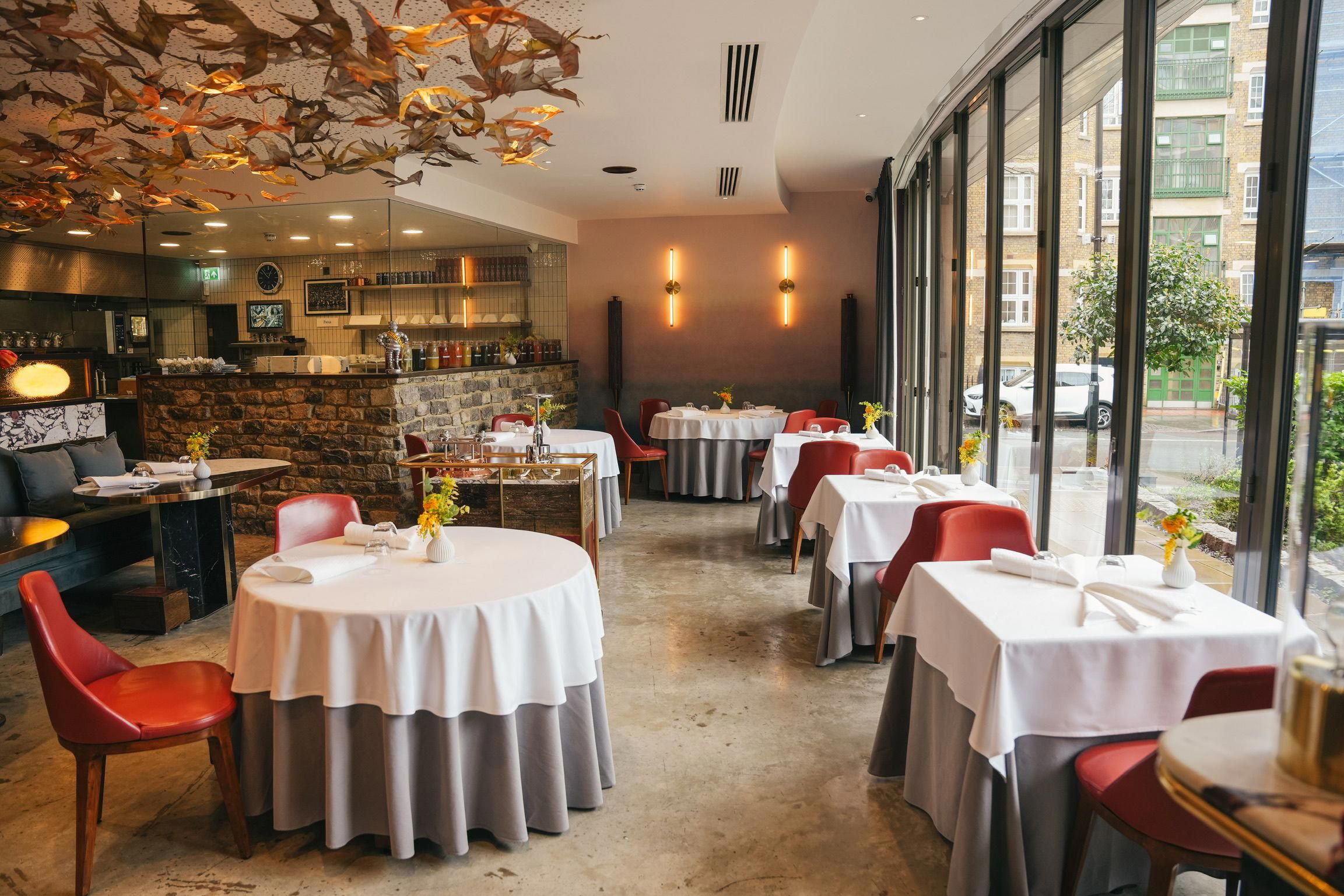
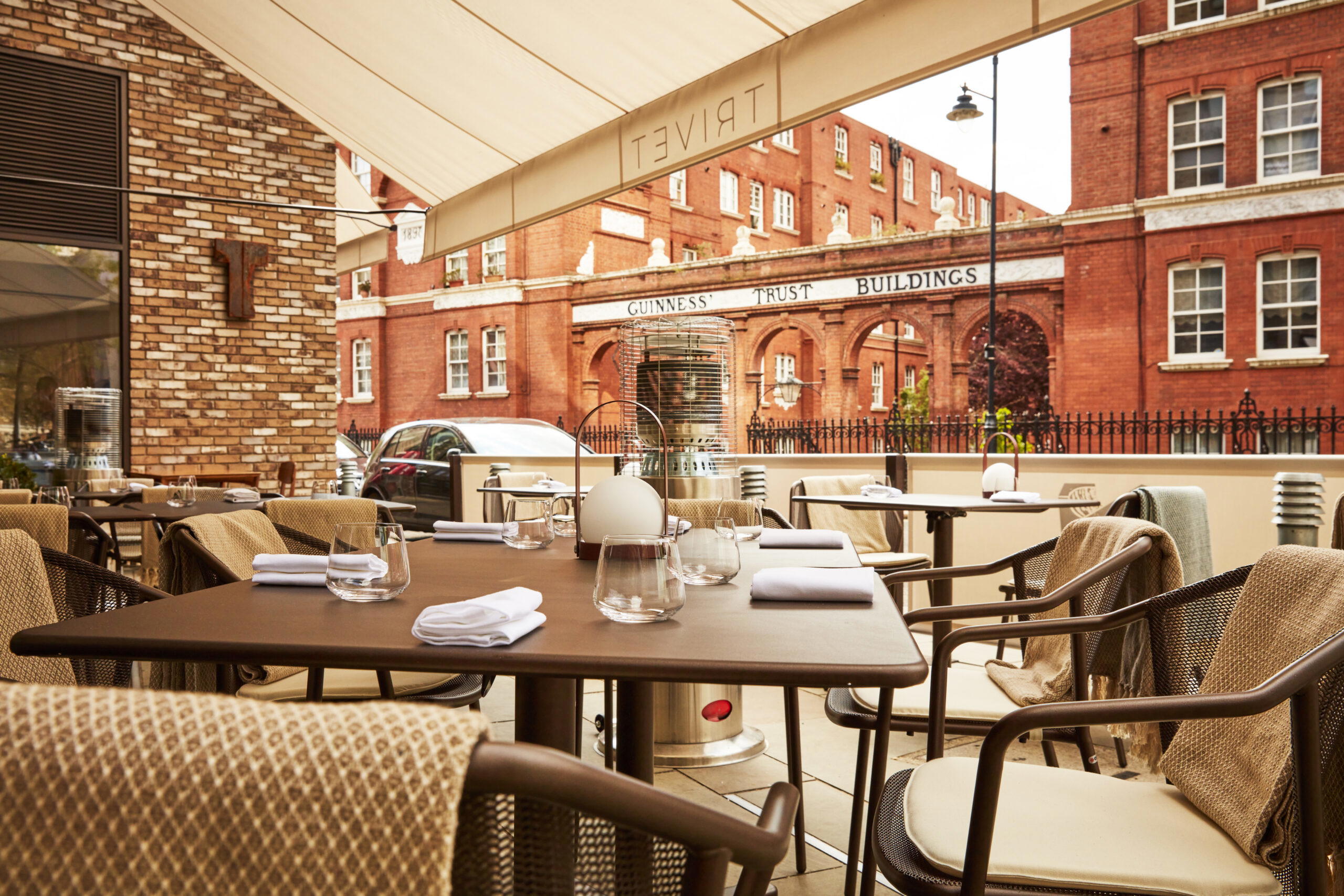
Restaurants in London
Browse all →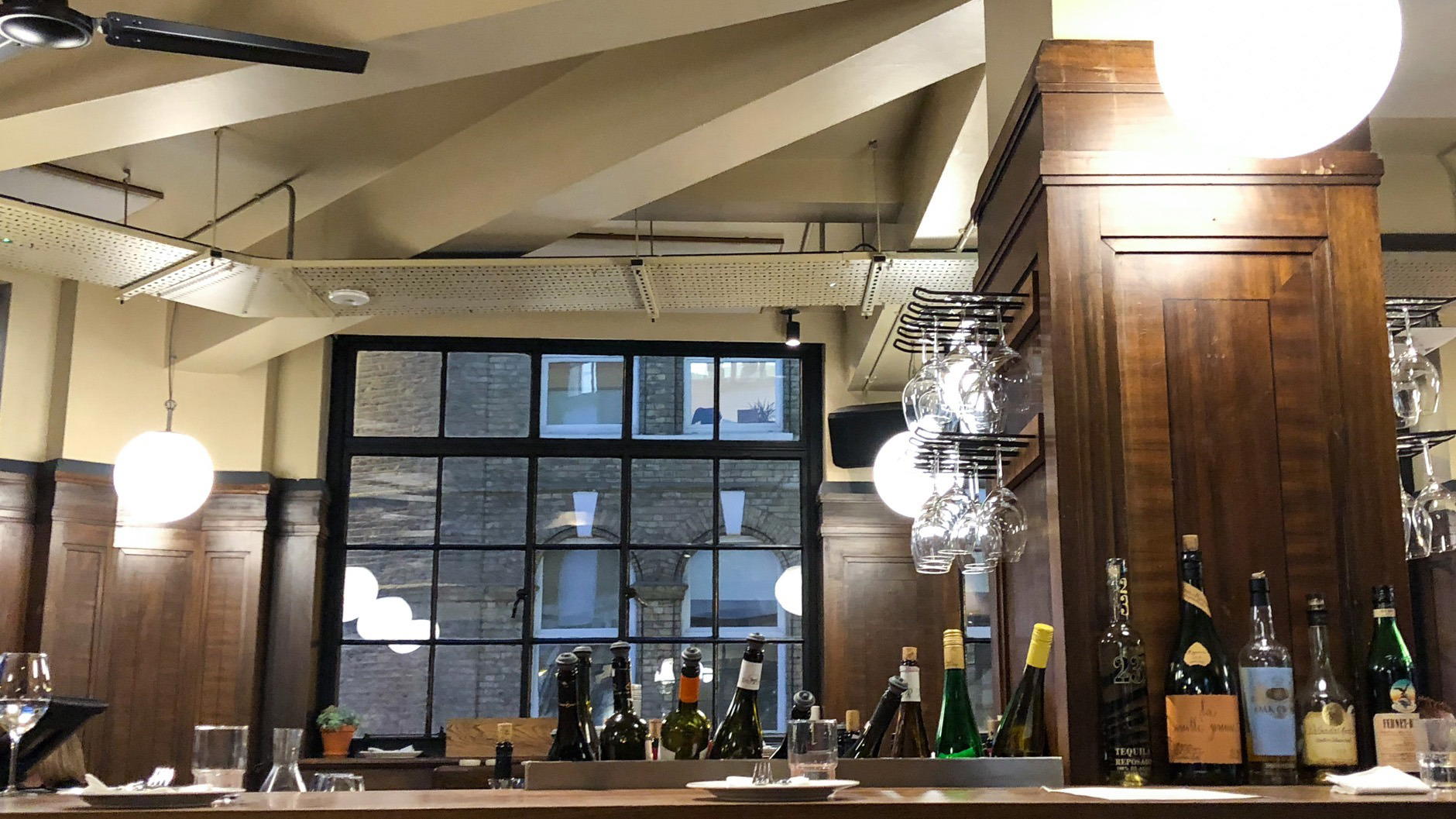
Bars in London
Browse all →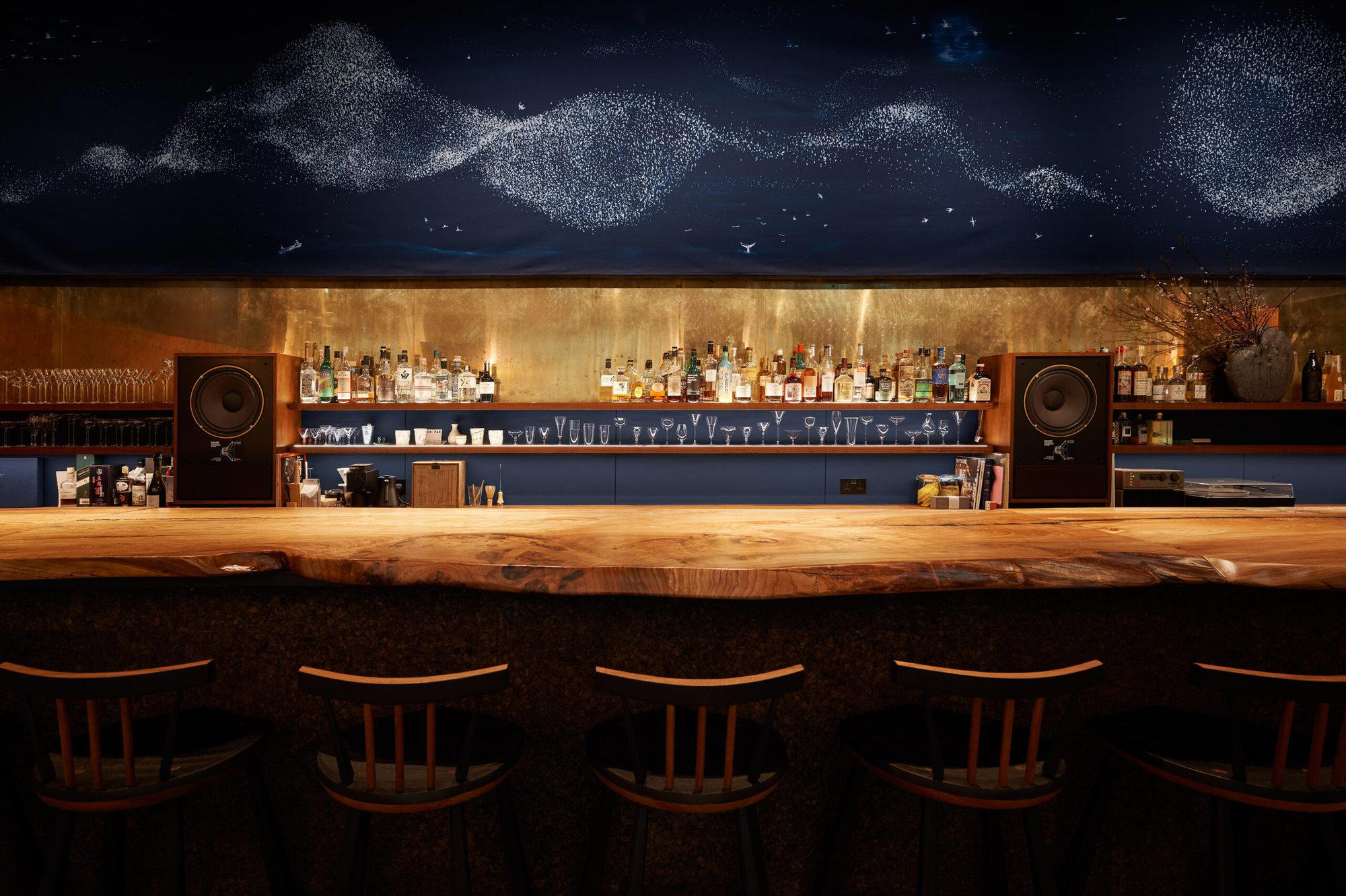
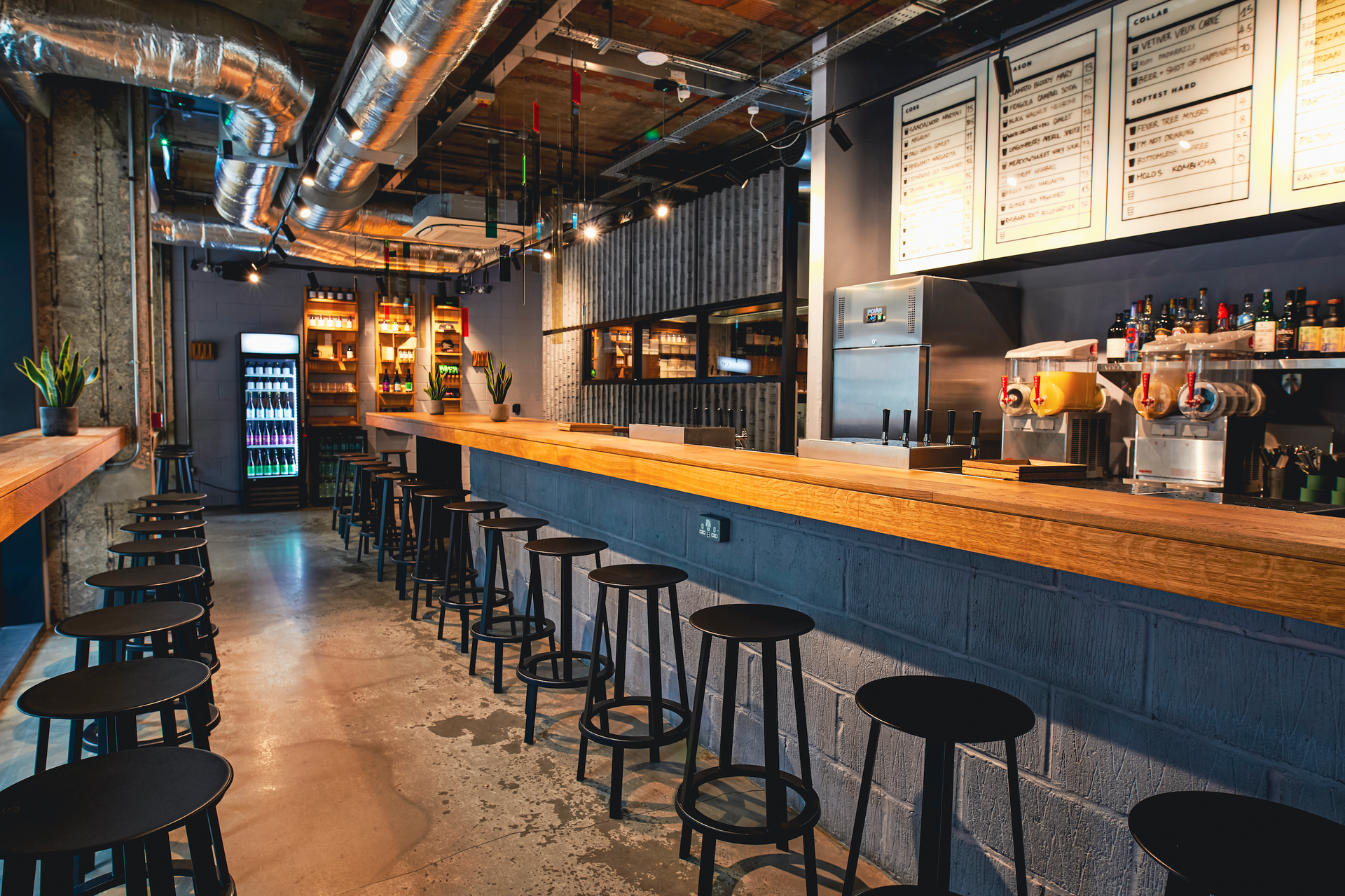
Hotels in London
Browse all →



At a Glance
- Lively
- Cozy
- Classic
- Casual Hangout
- Group Dining
- Family
- Historic Building
Current opening hours
- Monday
- 12–11:30 PM
- Tuesday
- 12–11:30 PM
- Wednesday
- 12–11:30 PM
- Thursday
- 12–11:30 PM
- Friday
- 12–11:30 PM
- Saturday
- 12–11:30 PM
- Sunday
- 12–11:30 PM
Hours can change for holidays and private events. Last verified .
Warm, inviting and lively atmosphere balancing elegance with relaxed family-run charm, tasteful decor, welcoming staff, buzzy on weekends and calmer on weekdays.