Kadiri
On High Road in Willesden Green, Kadiri has built the kind of local loyalty that central London restaurants spend fortunes trying to manufacture. The neighbourhood regulars who fill its room are one reliable guide to what it does right. Address: 26 High Rd, London NW10 2QD.
Pearl is the En Primeur Club membership app — saves, bookings, and concierge access live there. Same editors, same standards.
- Address
- 26 High Rd, London NW10 2QD, United Kingdom
- Phone
- +44 20 8459 0936
- Website
- kadiris.com
- Directions
- Get directions
 Saves & bookings on Pearl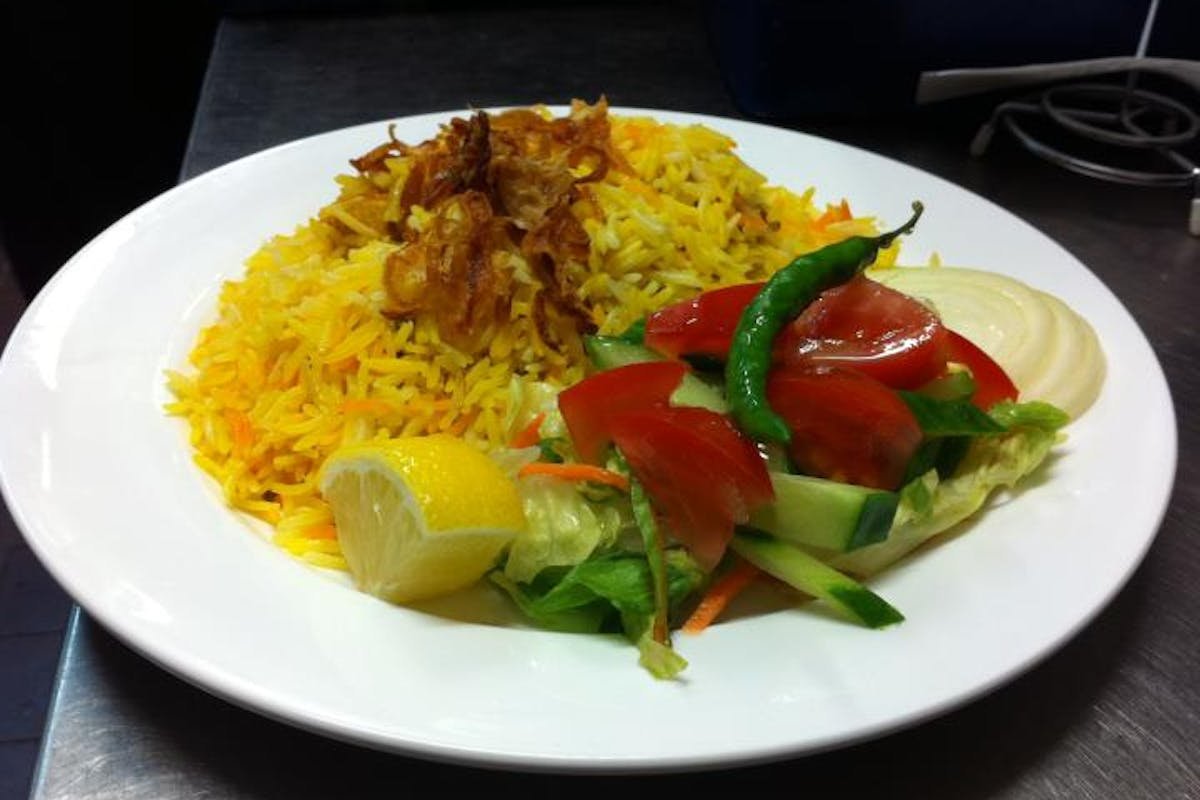
The Neighbourhood Logic of NW10
London's most interesting dining rarely announces itself from a Mayfair postcode. Willesden Green and the broader NW10 corridor have long operated as a proving ground for the kind of cooking that earns its following through repetition and word of mouth rather than PR campaigns or award cycles. The area's demographic mix, drawing from West African, South Asian, Caribbean, and Irish communities that have layered over one another across decades, has produced a restaurant culture that skews practical and honest over theatrical. Kadiri, at 26 High Road, sits squarely inside that tradition.
To understand what Kadiri represents, it helps to map where it sits relative to the broader London dining spectrum. At one end, you have the Michelin-tracked rooms of central London: CORE by Clare Smyth, Restaurant Gordon Ramsay, Sketch, The Lecture Room and Library, and The Ledbury operating at £££+ price points with tasting menus calibrated to occasion dining. At the other, neighbourhood restaurants earning their keep from the same postcode, week after week, with a clientele that has no tolerance for slippage. Kadiri belongs to the latter category, and in many ways that makes the standard harder to meet.
What Keeps the Regulars Returning
One reliable measure of a neighbourhood restaurant is whether its regulars look comfortable or merely habitual. A room full of people who know the menu by memory, who have a preferred table, who greet staff by name, is a room that has cleared a meaningful bar. That is the atmosphere that defines Kadiri's High Road address.
In NW10, where West African culinary traditions have deep roots, the cooking vocabulary that sustains repeat visits tends to centre on flavour depth built through slow processes: braised proteins, layered spice work, stocks and sauces developed over time rather than assembled quickly. These are dishes that reward familiarity. The first visit gives you the outline; subsequent visits reveal the consistency that either holds or slips. Regulars at this kind of establishment are, in effect, the quality control mechanism that formal review systems cannot replicate at the same frequency.
The High Road location also matters logistically. NW10 is reachable from a wide arc of northwest London without requiring a journey into Zone 1. That accessibility shapes who the regulars are: residents from Willesden Green, Harlesden, Neasden, and the surrounding postcodes who can integrate a visit into an ordinary evening rather than building a special trip around it. This is the structural advantage that neighbourhood restaurants hold over destination dining, and Kadiri's address makes full use of it.
Placing Kadiri in the London Context
London's dining conversation defaults to Zone 1 and Zone 2 anchors: the Knightsbridge and Chelsea rooms where Dinner by Heston Blumenthal operates at two Michelin stars, the tasting-menu format establishments that draw international visitors. Further out, across the UK, the destination-dining model finds expression in places like The Fat Duck in Bray, L'Enclume in Cartmel, and Moor Hall in Aughton. These are properties built around pilgrimage. Kadiri is built around something else entirely: the return visit, the standing order, the Tuesday-night reliability that destination restaurants cannot provide by definition.
That distinction is not a consolation prize. In cities with London's density and competition, the restaurants that sustain a loyal neighbourhood following over years are doing something structurally difficult. Overheads in NW10 differ from those in Mayfair, but so do the expectations: a regular who lives five minutes away will notice inconsistency in a way that an annual visitor to a tasting-menu room will not. The feedback loop is tighter and less forgiving.
Internationally, the parallel is with the kind of neighbourhood anchor that cities like New York sustain outside their fine-dining corridors. Le Bernardin and Atomix occupy the destination tier in New York; the restaurants that sustain a borough-level following year after year occupy a different and equally demanding position. Kadiri's High Road address places it in that second category for London.
The Unwritten Menu
Every neighbourhood restaurant that builds genuine regulars develops what might be called an unwritten menu: the requests that never appear on the printed version but that staff field without confusion, the off-menu combinations that loyal customers have worked out across visits, the adjustments made without being asked for returning faces. This informal layer of service is impossible to manufacture and takes years to develop. It is also the clearest signal of whether a restaurant has genuinely embedded itself in a community or is merely located within one.
Whether Kadiri has developed this layer to the same degree as particularly established NW10 institutions is a question that the regulars themselves would answer differently depending on how long they have been coming. What the High Road location and the neighbourhood's dining culture suggest is that the structural conditions for it are in place: a local customer base with consistent habits, a postcode with dining loyalty built over decades, and the kind of foot traffic that creates opportunity for that familiarity to develop.
For broader context on London's dining scene across all price tiers and neighbourhoods, see our full London restaurants guide. For hotels, bars, and experiences in the city, EP Club also maintains guides to London hotels, London bars, and London experiences. Regional UK dining is covered across properties including Gidleigh Park in Chagford, Hand and Flowers in Marlow, and hide and fox in Saltwood. Wine exploration around London is covered in our London wineries guide.
Quick Comparison
Comparable venues nearby, for context on price, style, and recognition.
| Venue | Cuisine | Price | Notes |
|---|---|---|---|
| KadiriThis venue — the venue you are viewing | Traditional Indian with East African Kokni Influence | $$ | Not listed |
| Indian Moment | Authentic Indian Curry House | $$ | Battersea |
| Tayyab | Punjabi Curry House | $$ | Whitechapel |
| Himalayan Kitchen | Nepalese & Indian Curry House | $$ | Penge East |
| Regency Club | Indian-Kenyan Fusion Grill | $$ | Queensbury |
| Tokri | North Indian Street Food & Curries | $$ | South Acton |
Continue exploring
More in London
Restaurants in London
Browse all →
Bars in London
Browse all →
Hotels in London
Browse all →

At a Glance
- Classic
- Family
- Group Dining
- Standalone
Current opening hours
- Monday
- Closed
- Tuesday
- 5–10 PM
- Wednesday
- 5–10 PM
- Thursday
- 5–10 PM
- Friday
- 1–10 PM
- Saturday
- 12–10 PM
- Sunday
- 1–10 PM
Hours can change for holidays and private events. Last verified .
No thrills, small space with dull and unimaginative decor, focus on food over atmosphere.