
Belle de Mars brings the Rouet district into Marseille’s ingredient conversation, away from the postcard line of the Vieux-Port and toward a more residential reading of the city. Chef Michel Marini’s presence gives the restaurant a defined culinary hand, but the stronger story is Marseille itself: markets, coast, inland Provence, and a dining culture that rewards clarity over theatre.
Pearl is the En Primeur Club membership app — saves, bookings, and concierge access live there. Same editors, same standards.
- Address
- 180 rue du Rouet, Marseille, Provence-Alpes-Côte d'Azur, 13008, FRA
- Phone
- +33 4 86 68 13 42
- Website
- guide.michelin.com
- Directions
- Get directions
 Saves & bookings on Pearl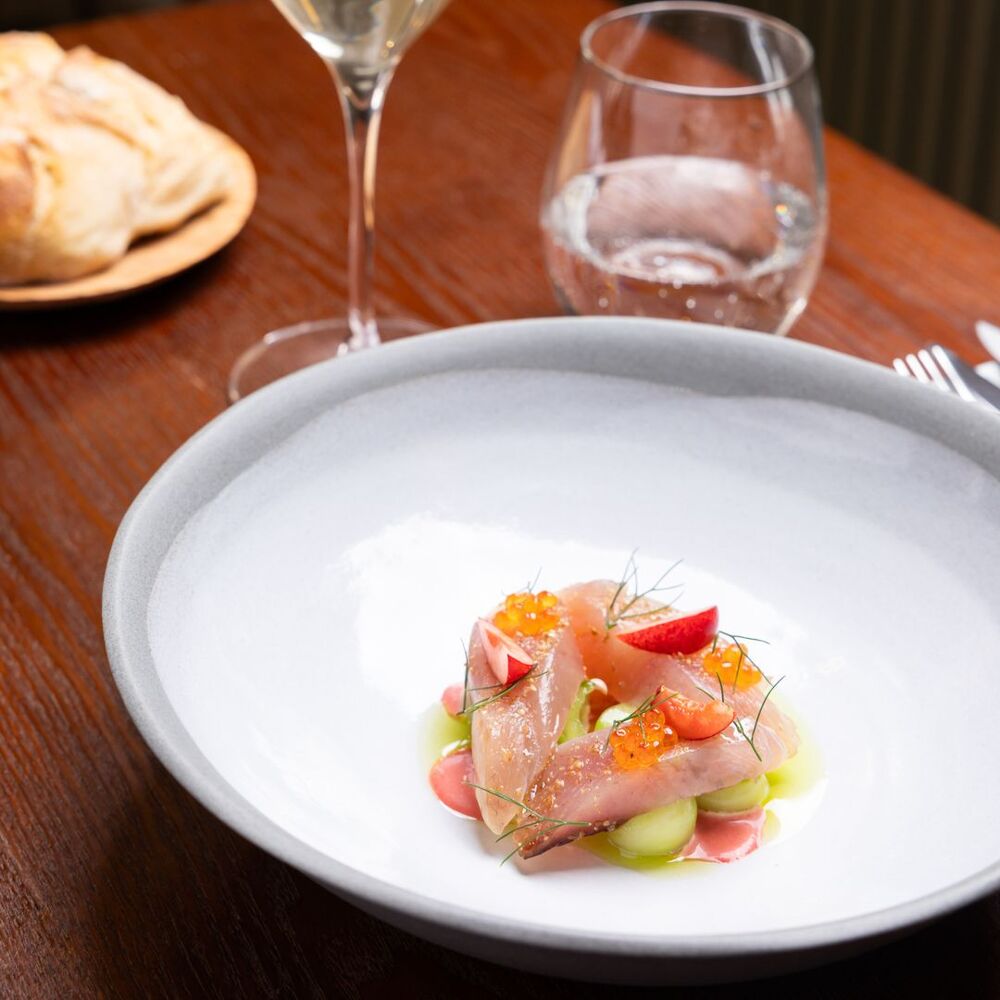
Rue du Rouet gives Marseille in a different register: traffic, apartments, offices, and the everyday rhythm of the 8th arrondissement rather than the harbour-front performance visitors often meet first. That setting matters for Belle de Mars. The restaurant belongs to a city where serious cooking does not need to sit on the water to speak fluently about the Mediterranean. In Marseille, provenance is not a decorative claim; it is the grammar of the table, shaped by fishmongers, Provençal vegetables, olive oil, citrus, herbs, and the inland larder that begins just beyond the city’s edges.
The useful way to read Belle de Mars is through sourcing rather than spectacle. Marseille restaurants often divide into two camps: places that lean into the port-city image, and places that use local material with less theatre. This address sits closer to the second camp. The Rouet location places it outside the densest tourist circuit, which changes the expectations in the room. The cooking has to carry the argument without a sea view doing the work.
Rouet gives Marseille cooking a residential frame
The 8th arrondissement is not a single dining mood. It runs from Prado-side polish to quieter residential streets, with restaurants that serve locals who know the city’s habits and visitors willing to leave the obvious route. Belle de Mars fits that Marseille pattern: a neighbourhood table where the value lies in how the kitchen reads nearby produce and the broader Provençal pantry, not in borrowed glamour.
That matters because Marseille’s food culture is often flattened into bouillabaisse shorthand. The city’s stronger contemporary tables are more varied than that: North African influence, Corsican references, Italian proximity, Provençal seasonality, and a young creative tier all pull at the same coastline. For a broader scan of the city, Our full Marseille restaurants guide gives the wider map, while Our full Marseille bars guide, Our full Marseille hotels guide, Our full Marseille wineries guide, and Our full Marseille experiences guide place the meal in a larger city itinerary.
Within Marseille, comparison is useful only when it clarifies category. AM par Alexandre Mazzia (French, Creative) represents the city’s high-concept creative pole, with a €€€€ positioning that puts it in a different decision bracket. The restaurant reads more quietly: less about Marseille as international stage, more about the discipline of a chef-led neighbourhood restaurant. Nearby names such as Emile 1933, Otto, Le Relais Corse, and Frangine show how crowded the city’s mid-to-serious dining conversation has become, but the useful distinction here is ingredient logic over format drama.
Chef Michel Marini and the case for restraint
Chef Michel Marini is the named culinary reference point here, and that is enough. The stronger editorial point is not biography; it is how Marseille rewards chefs who understand that local sourcing can become heavy-handed if every dish announces the coast at full volume. The better move is calibration: fish when it earns its place, vegetables when the season is doing the talking, acidity where the southern palate needs lift, and enough structure to keep the plate from drifting into rustic nostalgia.
That sourcing-first lens also explains why the restaurant belongs in a Marseille list rather than a generic French dining roundup. A restaurant in Lyon or Paris can build authority through cellar depth, sauce lineage, or service choreography. In Marseille, credibility often begins earlier, with the market basket and the kitchen’s ability to avoid cliché. The city’s raw materials are persuasive, but they punish lazy repetition. Rouget, fennel, courgette flowers, anchovy, shellfish, lamb, chickpeas, and herbs de Provence all carry strong regional associations; the skill is in using that vocabulary without turning the meal into a postcard.
For readers comparing across France, the contrast is instructive. 114, Faubourg in Paris sits inside a capital-city luxury framework; 1217 in Bagnols suggests a château-country register; 1387 in Strasbourg brings another regional vocabulary entirely. Coastal Provence asks different questions: how cleanly the kitchen handles seasonality, how much weight it gives to fish and vegetables, and whether the room can feel serious without becoming stiff.
How to place Belle de Mars in a Marseille itinerary
The restaurant is better matched to travellers who want a Marseille meal with neighbourhood grounding than to those chasing a landmark dining room. That does not make it casual by default; it makes the decision more specific. The address in Rouet suits an itinerary that already moves beyond the Vieux-Port and Corniche, especially if the day includes the Prado side of the city, the southern beaches, or residential Marseille rather than only the old-centre circuit.
The wider Marseille roster gives useful alternatives. 1860 Le Palais, 19-17, Alivetu (Mediterranean Cuisine), and Auffo each point to another reading of the city, from Mediterranean idioms to more formal restaurant structures. The restaurant is the choice when the appeal is a chef-led room in a working neighbourhood, with Marseille’s sourcing culture doing the quiet work underneath.
That frame also helps set expectations for atmosphere. This is not the city as cinematic backdrop; it is Marseille as lived-in dining territory. The stronger comparison may even be outside Marseille:.... Et la Fourmi in Nantes for regional-city scale, [S] Corner in Courchevel for the way context changes a meal, or 14 Avenue in La Baule for another coastal French setting with a different social code. For a sharper contrast beyond France, Jōdo Saké Bar in Los Angeles and Onigiri Time in Pasadena show how ingredient specificity travels in cities with entirely different food systems.
The verdict is simple: the restaurant is for readers who want Marseille without the obvious framing. Its appeal rests on Rouet’s local texture, Michel Marini’s chef-led authorship, and a Provençal ingredient base that gives the restaurant its reason to exist. Choose it when the goal is not a trophy meal, but a grounded Marseille table with enough culinary intent to justify leaving the waterfront behind.
How It Stacks Up
Comparable venues by cuisine and price in the same metro.
| Venue | Cuisine | Price | Awards |
|---|---|---|---|
| Belle de Mars | Dans son restaurant du Rouet, le chef Michel Marini façonne une délicate... | This venue | Not listed |
| AM par Alexandre Mazzia | French, Creative | €€€€ | French, Creative, €€€€ |
Recognition history
Dated appearances from independent guides and award organizations, with the underlying list record or original source where available.
Michelin 1 Star
Michelin
Continue exploring
More in Marseille
Restaurants in Marseille
Browse all →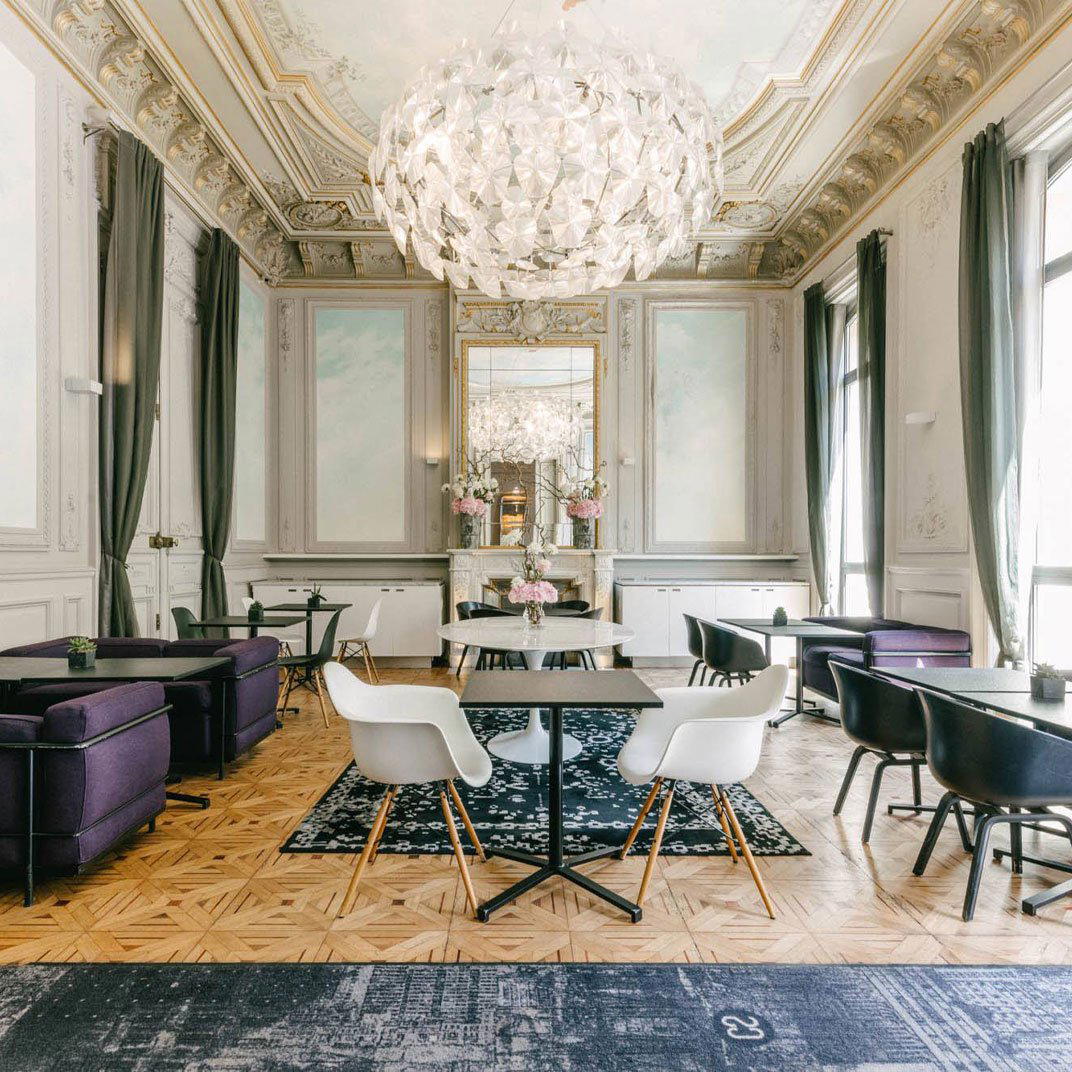
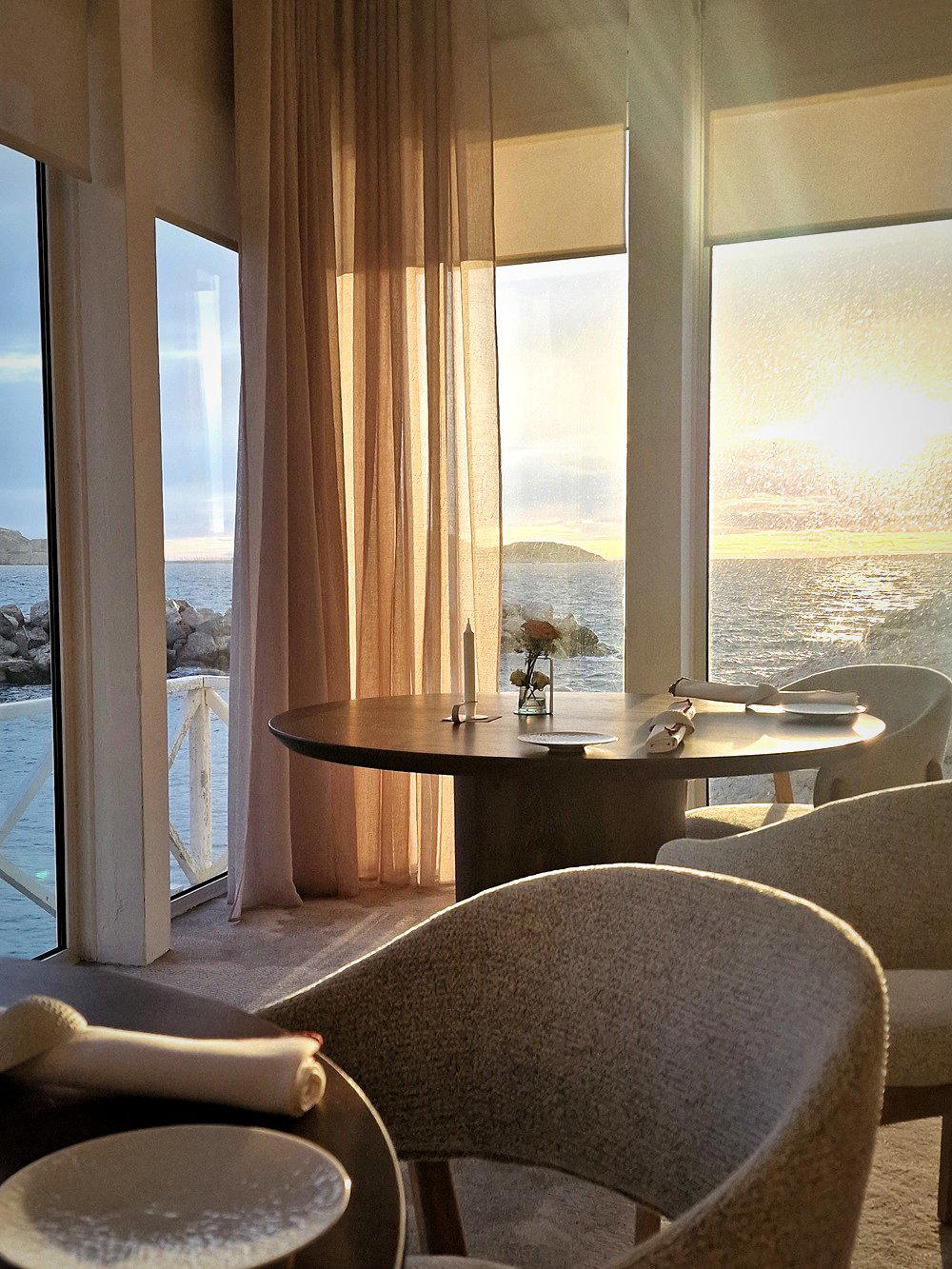
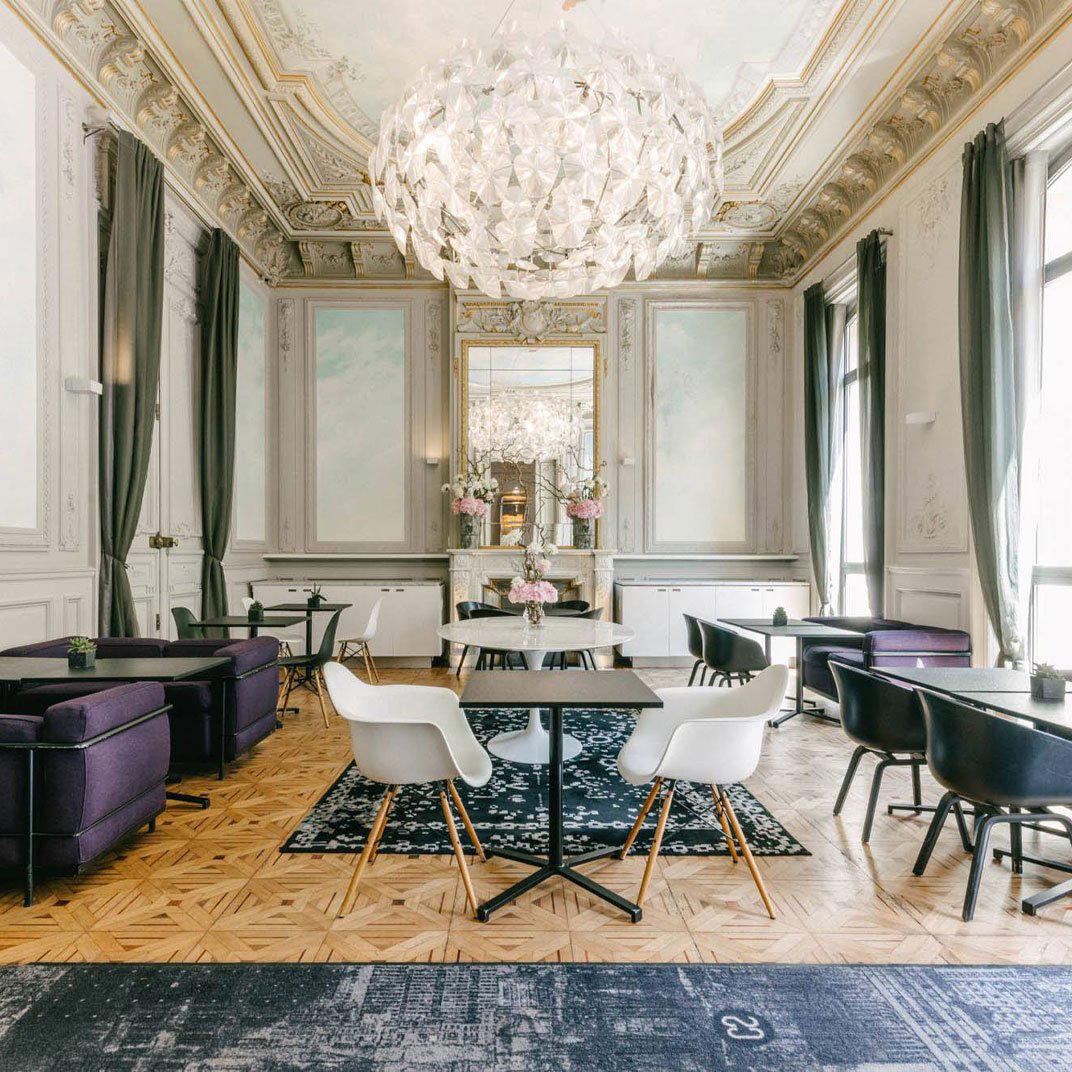
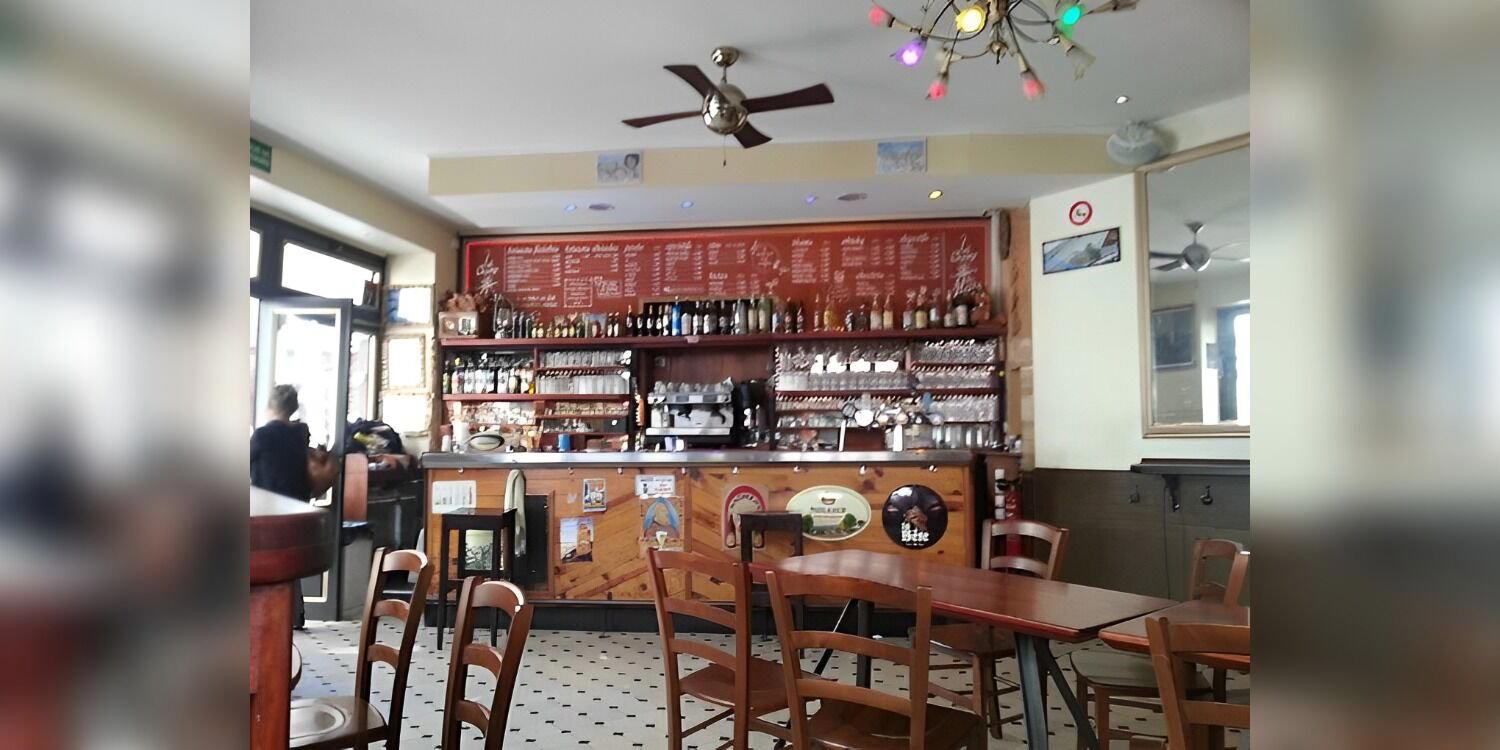
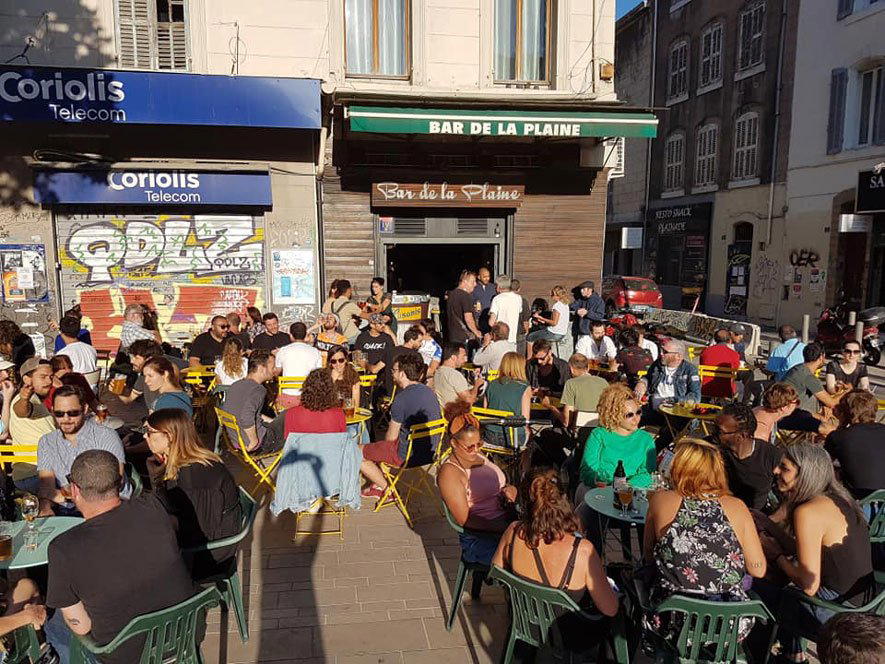
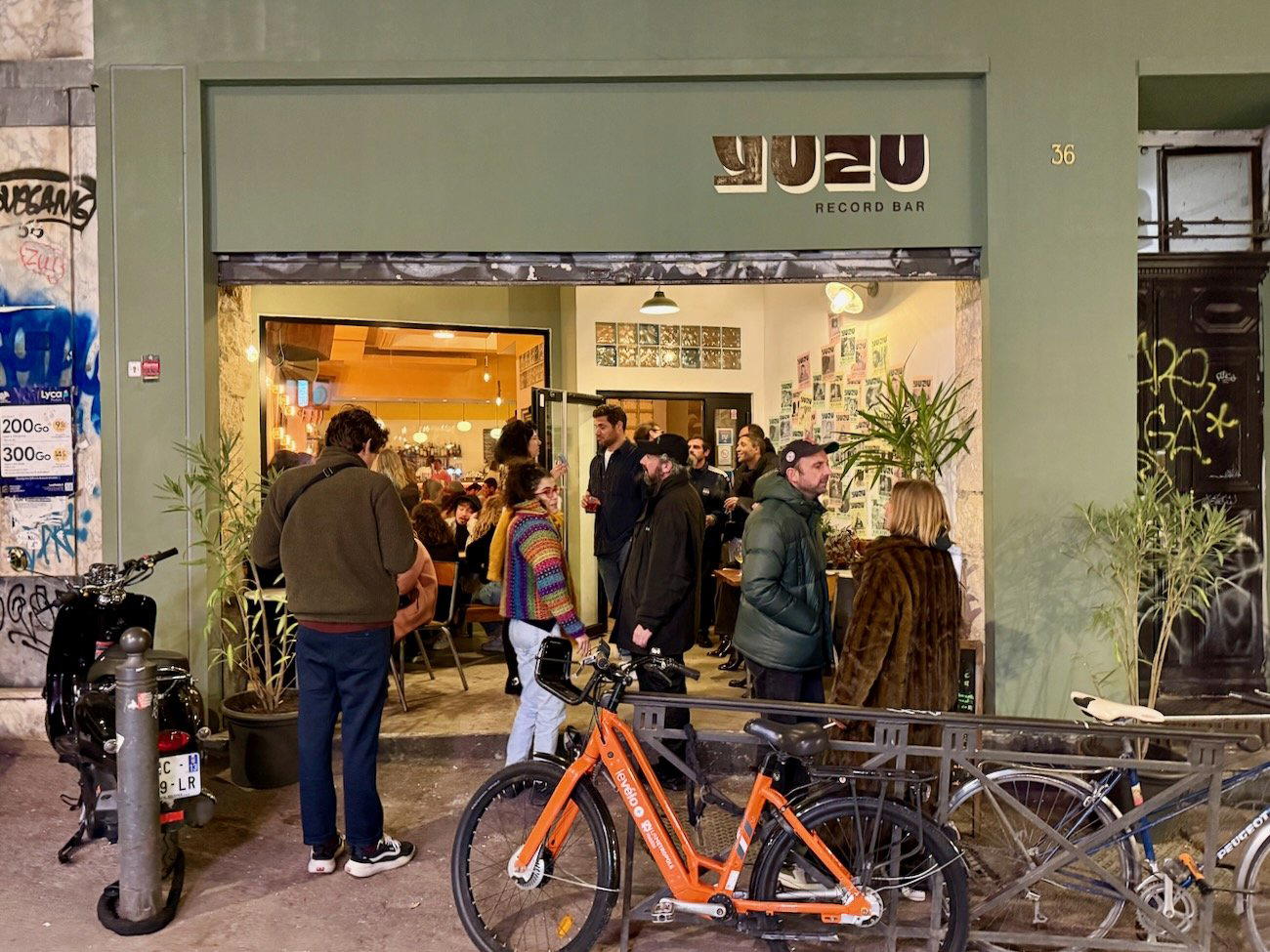
Bars in Marseille
Browse all →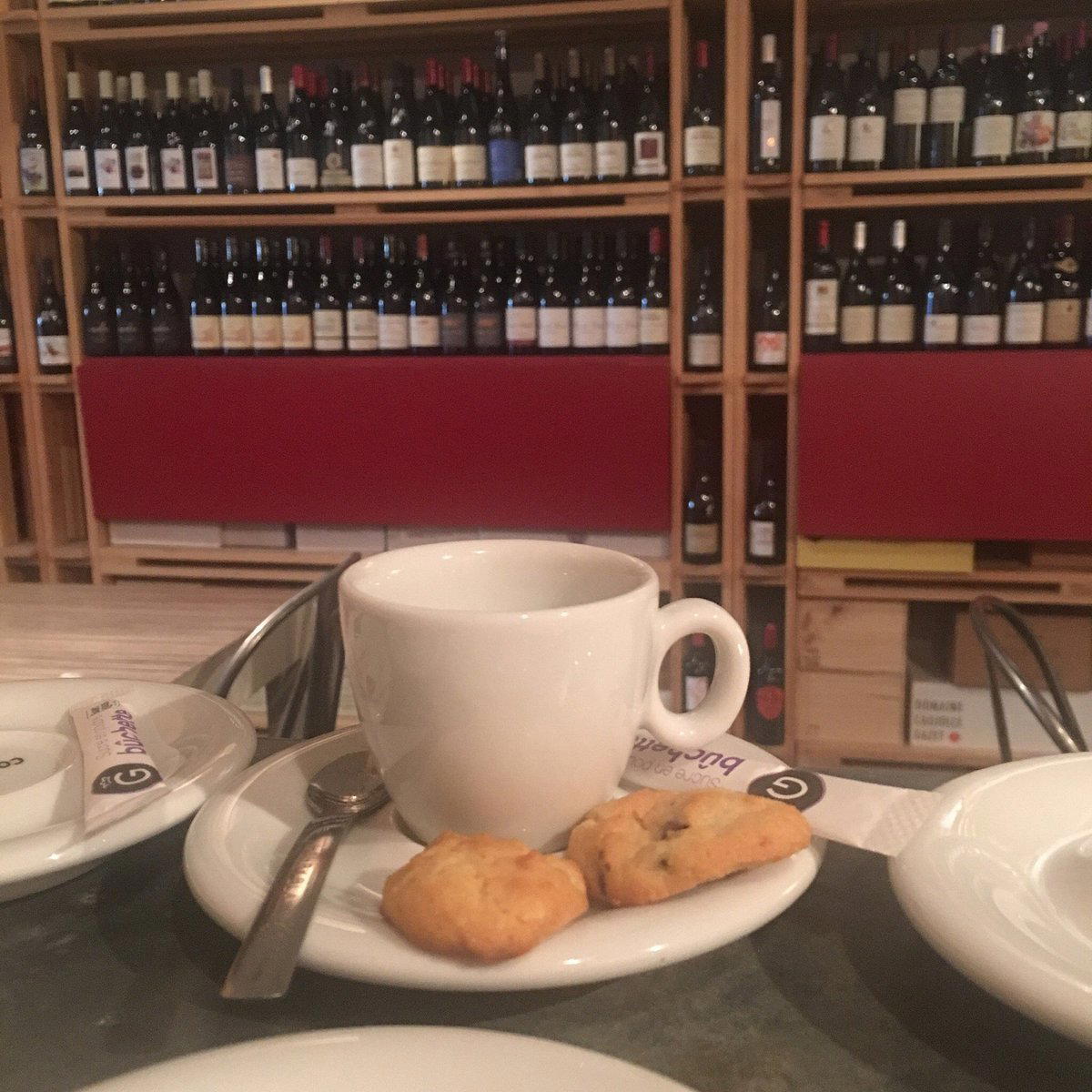
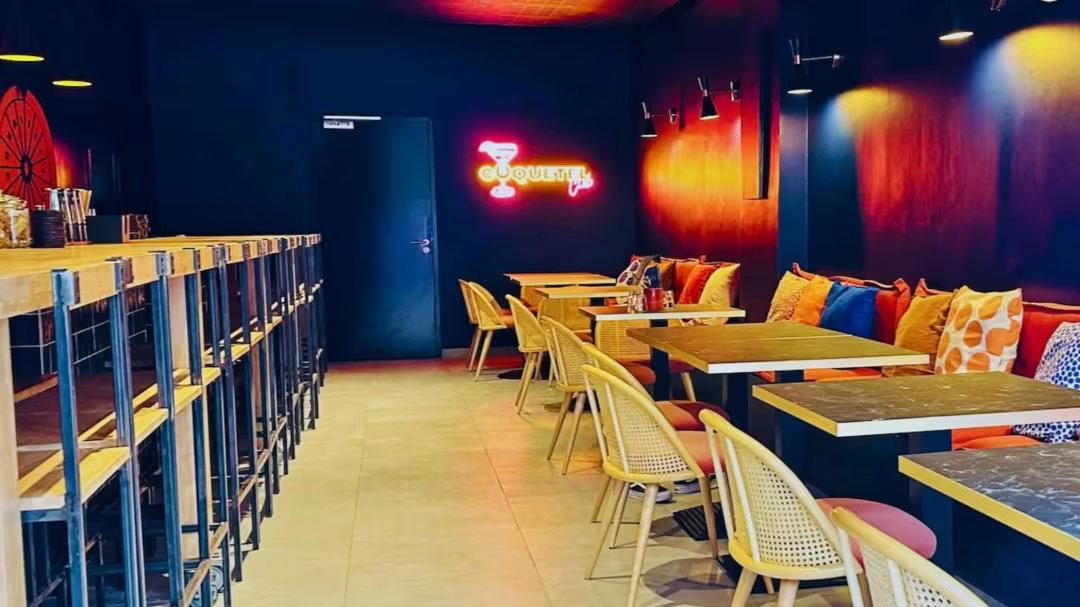
Hotels in Marseille
Browse all →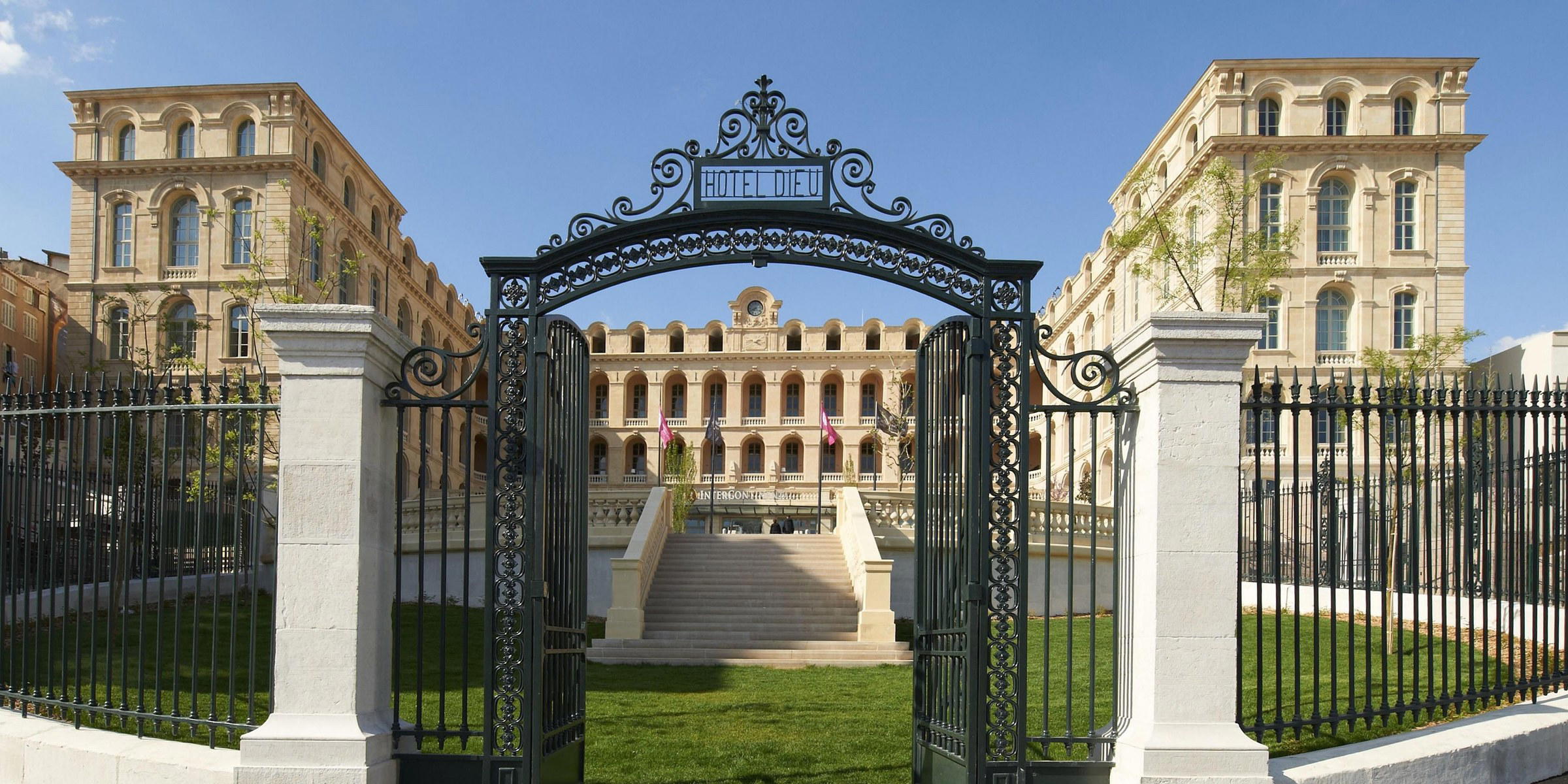

At a Glance
- Modern
- Elegant
- Cozy
- Intimate
- Date Night
- Special Occasion
- Business Dinner
- Group Dining
- Solo
- Standalone
- Design Destination
- Natural Wine
- Extensive Wine List
- Local Sourcing
- Farm To Table
- Sustainable Seafood
- Natural Wine
Current opening hours
- Monday
- 12:15–1:30 pm, 7:30–9 pm
- Tuesday
- 12:15–1:30 pm, 7:30–9 pm
- Wednesday
- 12:15–1:30 pm
- Thursday
- 12:15–1:30 pm, 7:30–9 pm
- Friday
- 12:15–1:30 pm, 7:30–9 pm
- Saturday
- Closed
- Sunday
- Closed
Hours can change for holidays and private events. Last verified .
A discreet, contemporary dining room with parquet floors, globe lighting and bare walls that create a sober yet elegant setting, warmed by attentive service and a relaxed, intimate atmosphere.