Bell & Gray belongs to the newer Tbilisi dining conversation around sourcing, produce, and a more international style of city restaurant. Its position on Shota Rustaveli Avenue puts it in the capital’s central cultural corridor, where hotel dining, wine bars, and independent kitchens compete for the same evening crowd rather than separate audiences.
Pearl is the En Primeur Club membership app — saves, bookings, and concierge access live there. Same editors, same standards.
- Address
- 31 Shota Rustaveli Ave, T'bilisi 0108
- Directions
- Get directions
 Saves & bookings on Pearl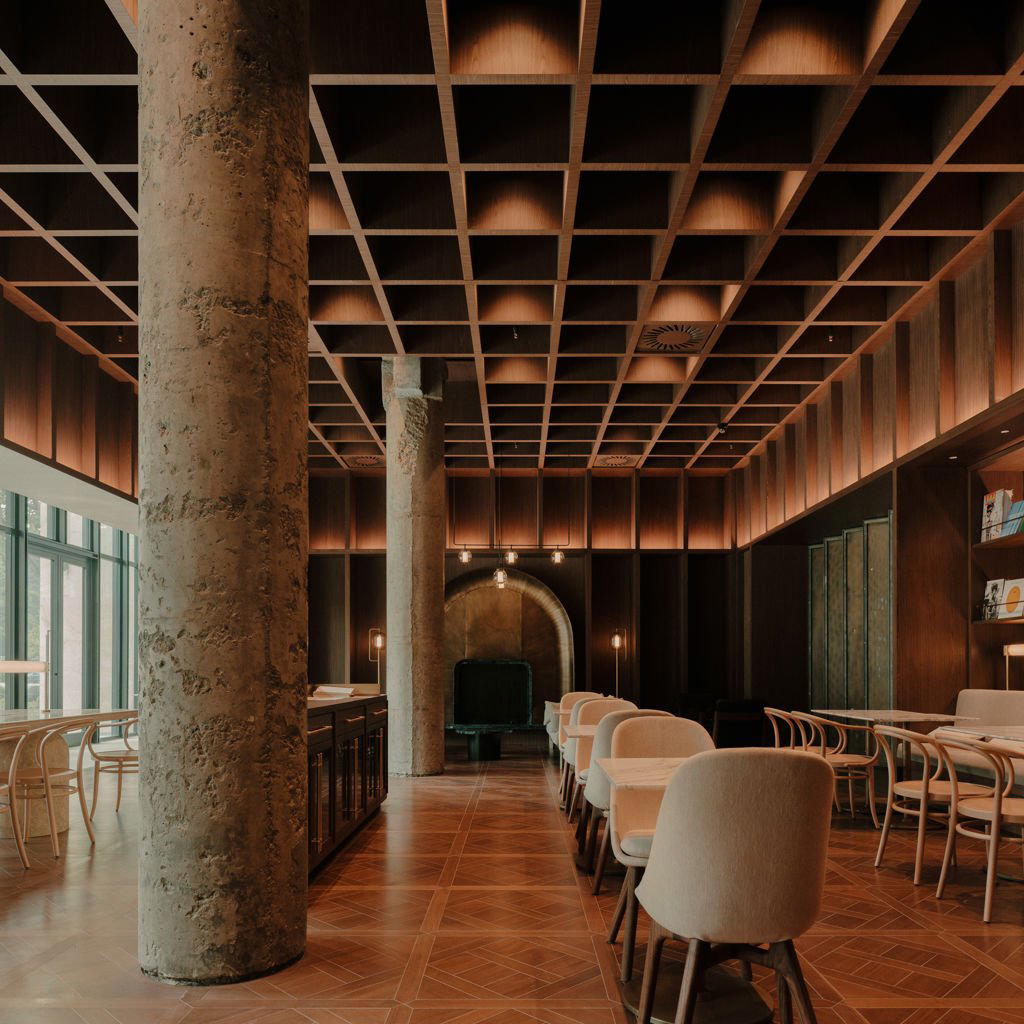
Approaching dinner in central Tbilisi often means moving through layers: theatre façades, apartment balconies, late traffic, wine bars filling before the first proper seating. Bell & Gray sits inside that urban rhythm rather than apart from it, which matters in a city where restaurants are judged as much by their relationship to the street as by the plate. The useful question is not whether it fits an old postcard version of Georgian hospitality, but how it reads inside Tbilisi’s current dining shift: more polished rooms, broader culinary references, and a sharper interest in where ingredients come from.
Rustaveli dining is moving beyond the supra script
Tbilisi’s dining identity is still anchored by the supra table: shared plates, clay vessels, walnut pastes, herbs, breads, grilled meats, and wine poured with ceremony rather than restraint. Yet the capital’s central restaurant scene has become more varied. A guest can move from Georgian revival cooking at Alubali to Japanese-leaning formats such as Akura San, then on to cocktail-led rooms like Apotheka or pan-Asian casual addresses including Asian Corner. That range has changed the terms of a central Tbilisi dinner. The benchmark is no longer only generosity; it is editing, sourcing, and whether the kitchen can make local produce feel intentional without turning every plate into heritage theatre.
Bell & Gray is useful through that lens. With no public awards trail shaping the narrative, the restaurant has to be read by category rather than trophy count: a central Tbilisi address competing in the same evening economy as hotel restaurants, contemporary Georgian rooms, and cosmopolitan kitchens. Ingredient sourcing is the right frame for the city at large. Georgia has enviable raw material, from herbs and stone fruit to dairy, walnuts, beans, freshwater fish, mountain vegetables, and qvevri wine culture. The stronger modern restaurants are not abandoning that base; they are tightening it, presenting it with less folklore and more control.
Ingredient identity matters more than imported polish
The risk for international-style restaurants in Tbilisi is easy to spot: rooms can look global while the cooking loses its reason for being in Georgia. The better version uses the city’s supply lines as an argument. Seasonal produce from regional markets, local cheese traditions, Georgian herbs, and the country’s deep wine vocabulary give chefs material that does not need decorative excess. Bell & Gray’s editorial relevance sits in that conversation, where the value of a meal depends on whether sourcing feels like structure rather than garnish.
That point separates contemporary Tbilisi from cities where luxury dining often arrives through imported templates. Georgian food culture already has fermentation, clay, smoke, fresh herbs, natural acidity, and long-table ritual built into it. A restaurant working in a more polished urban mode does not need to imitate Paris, Istanbul, or Copenhagen to feel current. It needs discipline: fewer gestures, clearer product choices, and a room that lets Georgian ingredients carry weight without constant explanation.
Nearby comparisons clarify the spectrum. Philosophico, Laan Thai, REPUBLIC, Alubali, and Salobie Bia each occupy different parts of Tbilisi’s dining map, from Georgian reference points to international formats and high-traffic central rooms. Bell & Gray belongs in the part of that map where the guest is likely choosing between a composed restaurant evening and the looser energy of a wine-led Georgian meal. For travellers building several nights in the capital, that distinction is practical: one night can carry the traditional table, another can test how the city’s contemporary kitchens handle restraint.
How to place it in a Tbilisi itinerary
For a first-time visitor, Bell & Gray makes more sense after at least one Georgian meal rooted in the classics. That order gives the room context. Without it, the significance of a more edited restaurant in Tbilisi can be missed; with it, the contrast becomes the point. The city rewards comparison, and the broader EP Club map is useful for building that sequence across Tbilisi restaurants, Tbilisi bars, Tbilisi hotels, Tbilisi wineries, and Tbilisi experiences.
The wider Georgian circuit also matters. Dining in the capital reads differently after seeing how regional addresses handle wine, landscape, and produce, from Doli in Telavi and Chateau Buera in Napareuli to Askaneli Terrassa in Batumi, Crowne Plaza BORJOMI in Borjomi, Gazaphkhuli in Chiatura, and Chiko (ჩიკო) in ასპინძა. Those comparisons show why Tbilisi’s central restaurants are under pressure to do more than look polished. They have to translate a country of strong food regions into a capital-city format.
International references can help, but only if used carefully. The discipline behind a sake-focused room such as Jōdo Saké Bar in Los Angeles or the narrow-format clarity of Onigiri Time in Pasadena points to a broader lesson: a good modern restaurant does not need to explain everything. It needs a coherent frame, a supply logic, and enough restraint to let the material speak. In Tbilisi, that material is already unusually strong.
Bell & Gray is therefore not the place to measure Georgia by abundance alone. It is better read as part of the capital’s move toward edited, ingredient-aware dining: central, contemporary, and most interesting when judged against the city’s own produce culture rather than an imported luxury checklist.
How It Stacks Up
Comparable venues by cuisine and price in the same metro.
| Venue | Cuisine |
|---|---|
| Bell & Gray | This venue |
Continue exploring
More in Tbilisi
Restaurants in Tbilisi
Browse all →

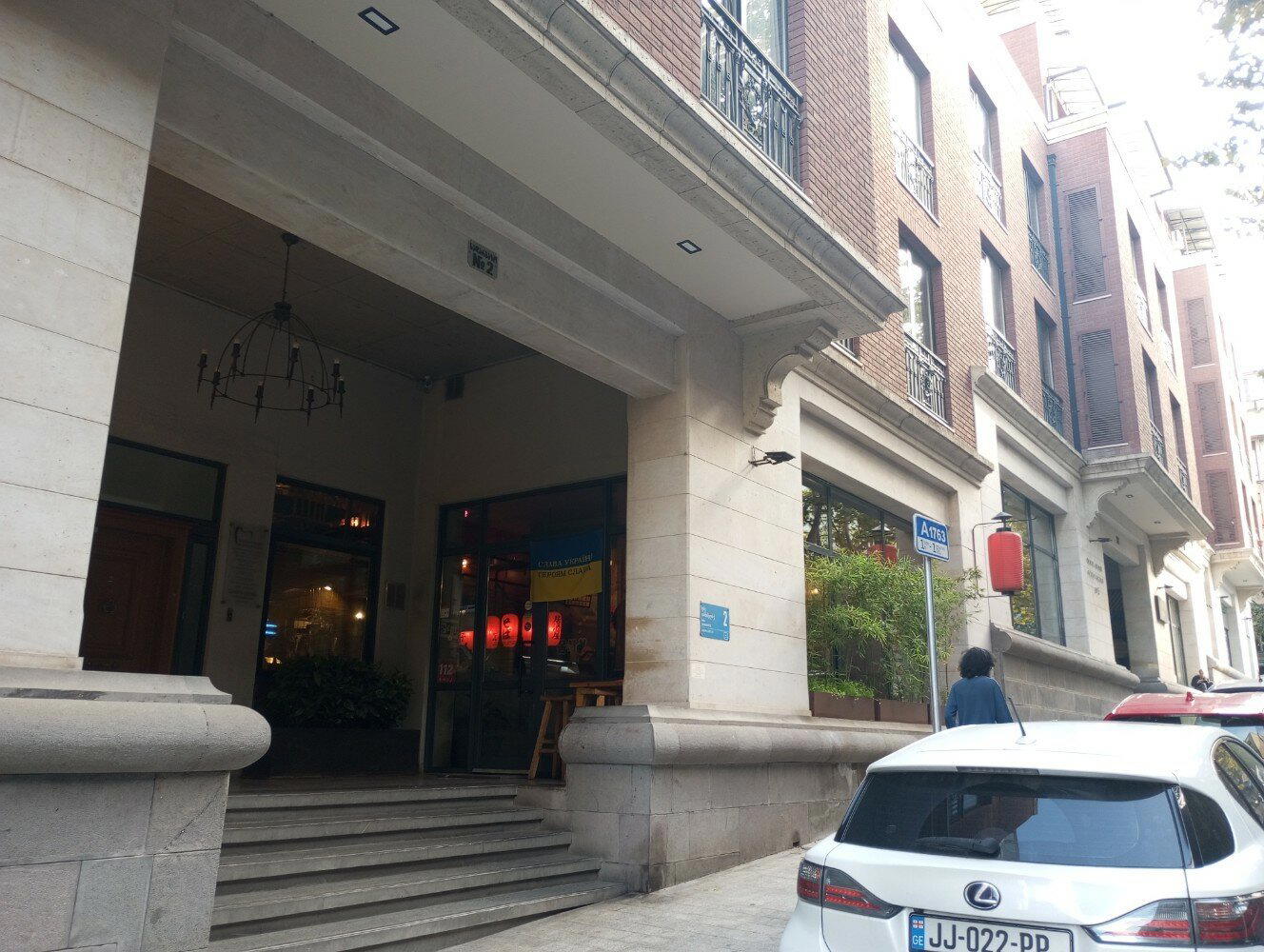
Bars in Tbilisi
Browse all →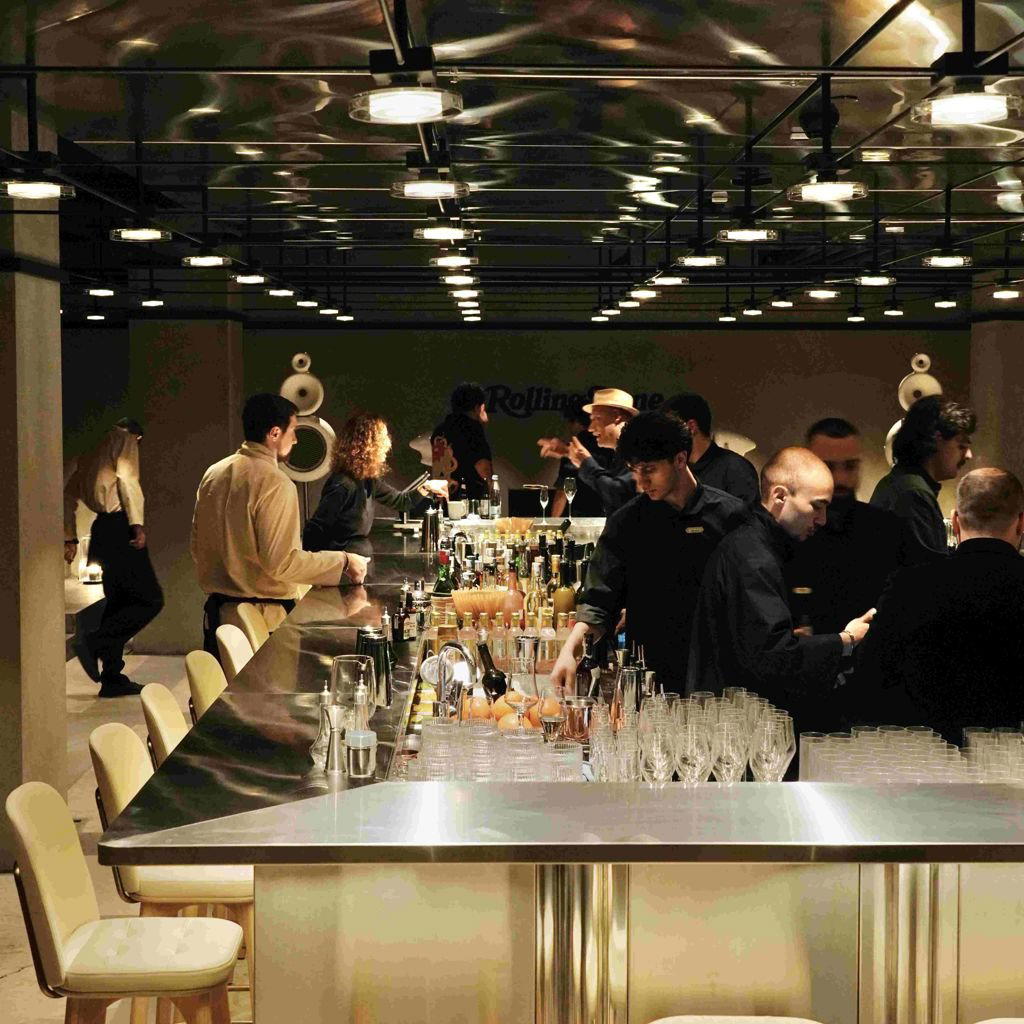
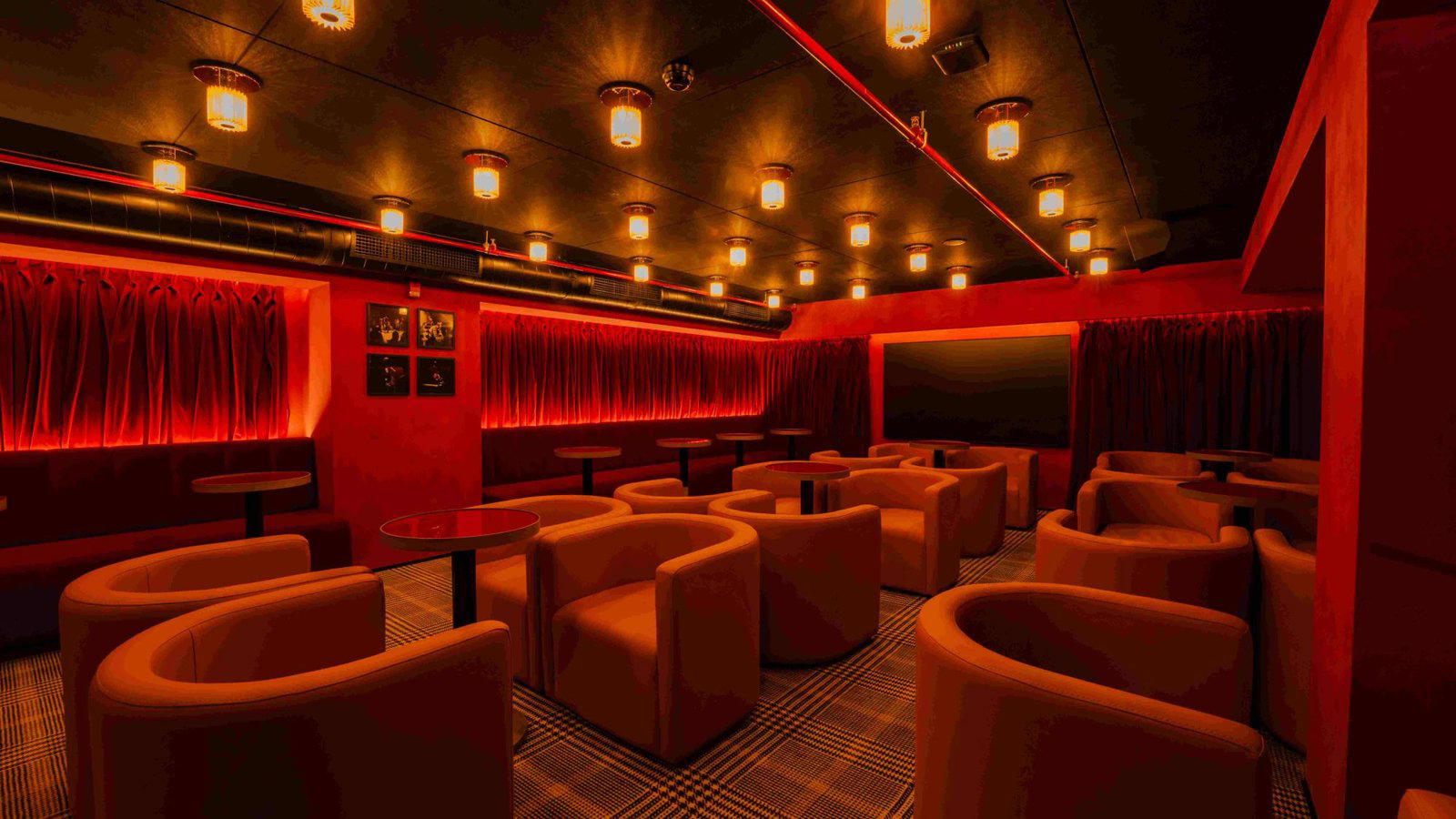
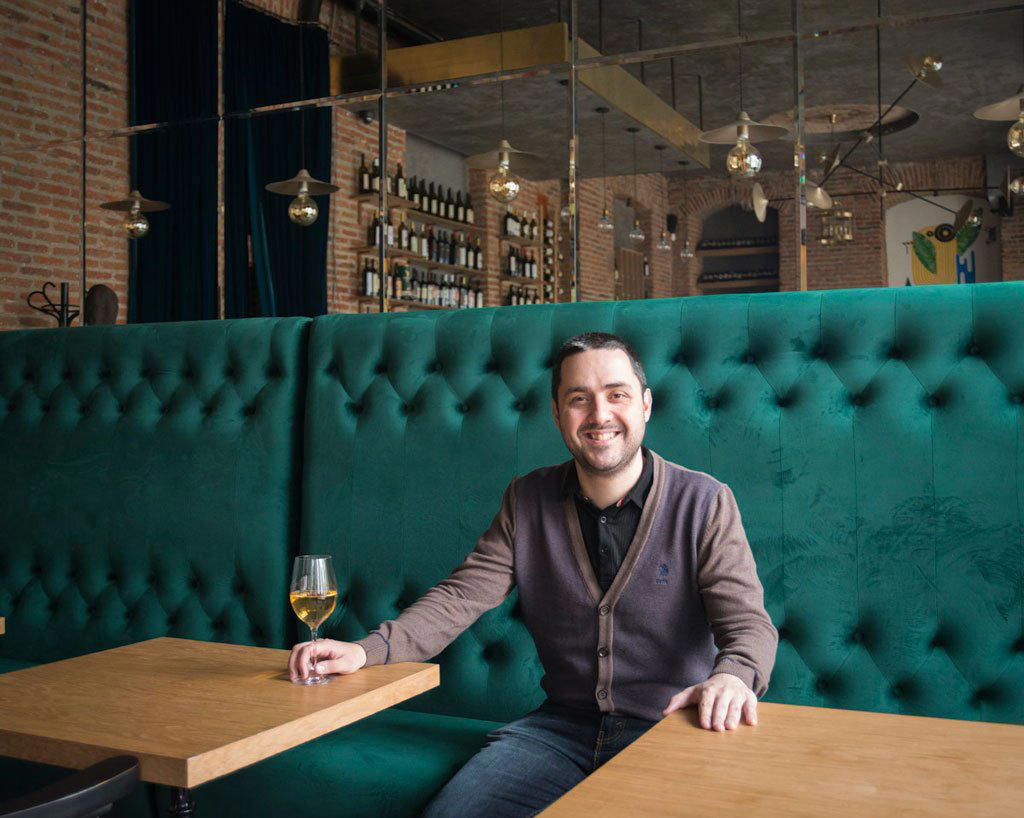
Hotels in Tbilisi
Browse all →



At a Glance
- Modern
- Cozy
- Trendy
- Sophisticated
- Casual Hangout
- After Work
- Brunch
- Late Night
- Design Destination
- Hotel Restaurant
- Craft Cocktails
- Street Scene
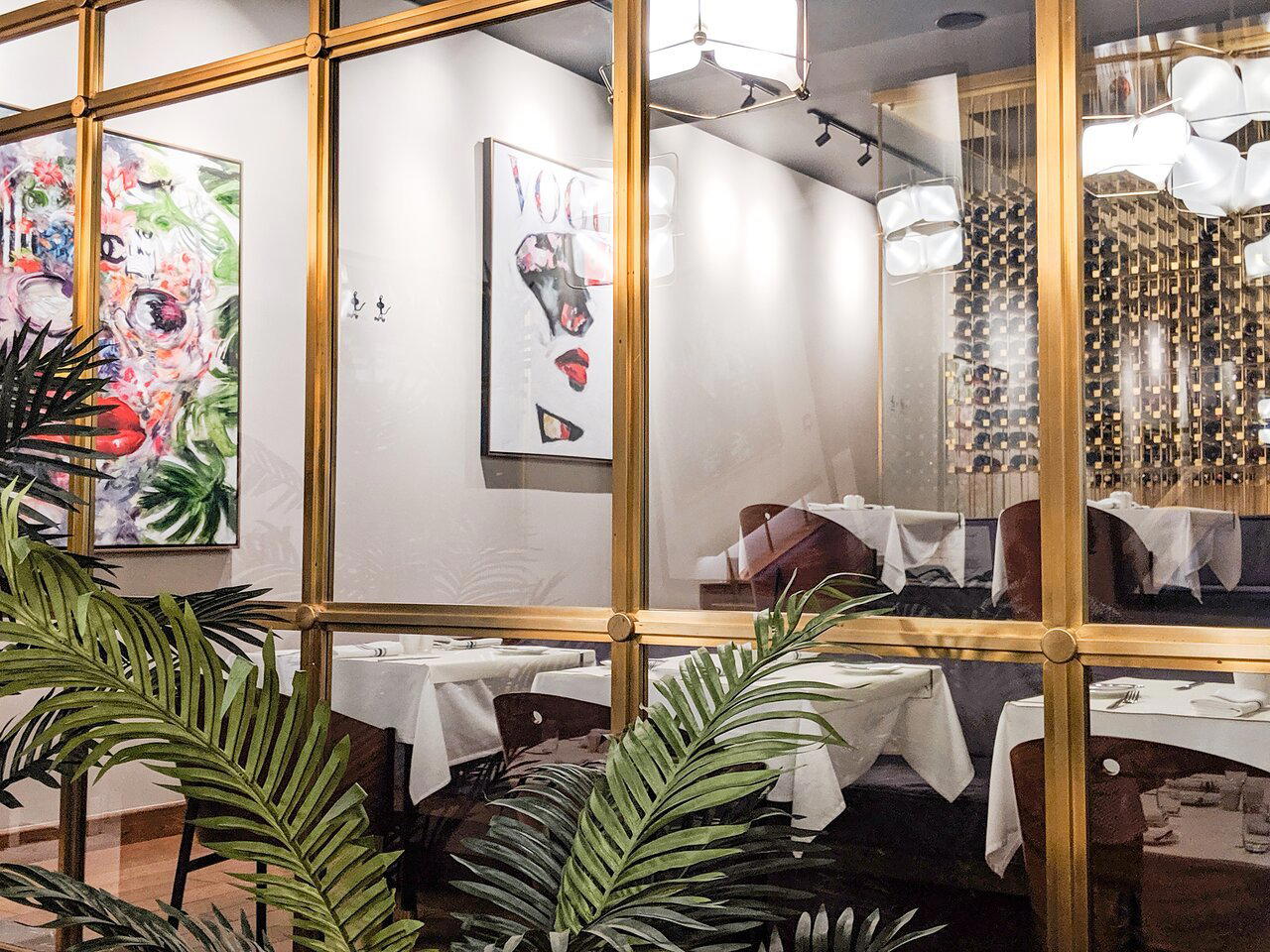
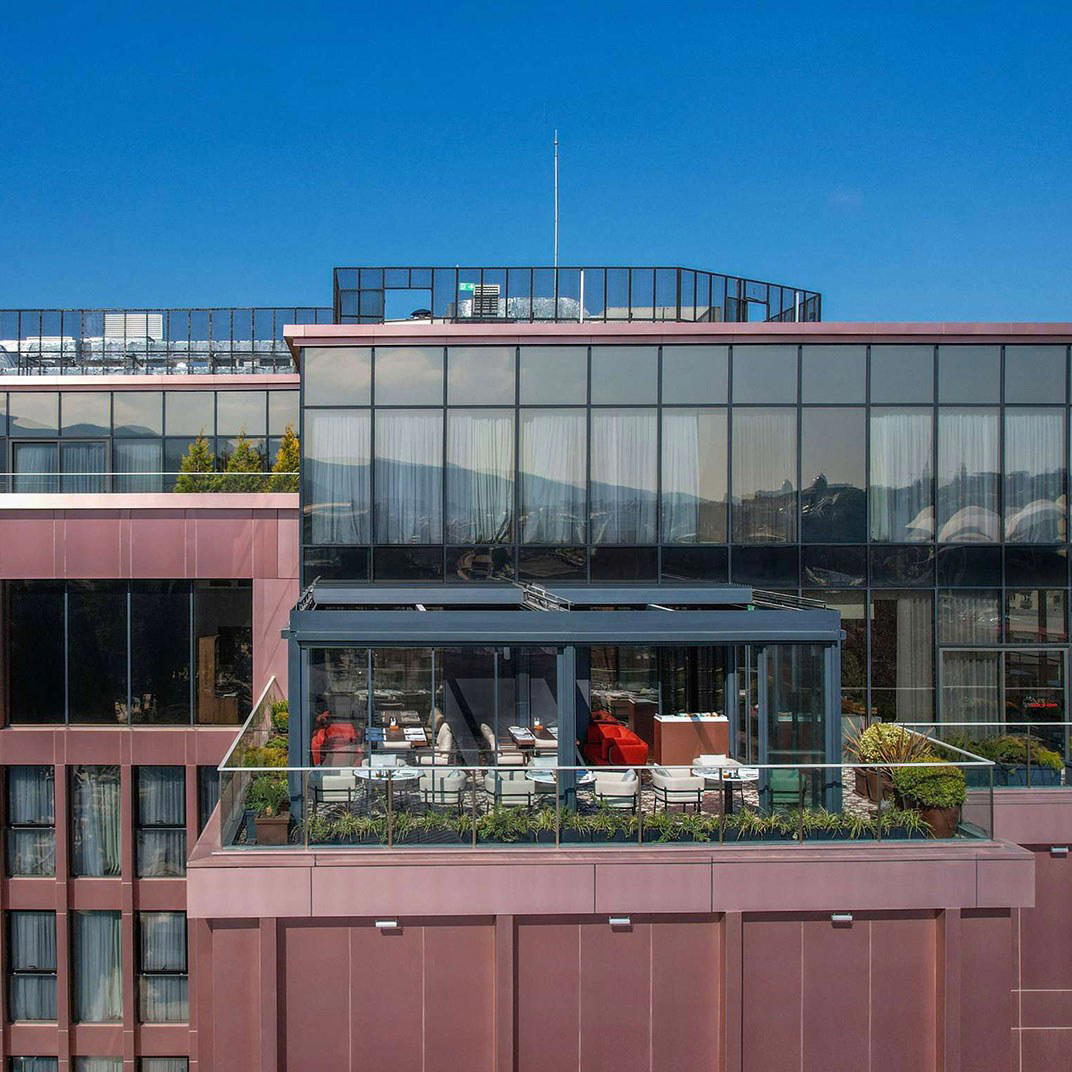
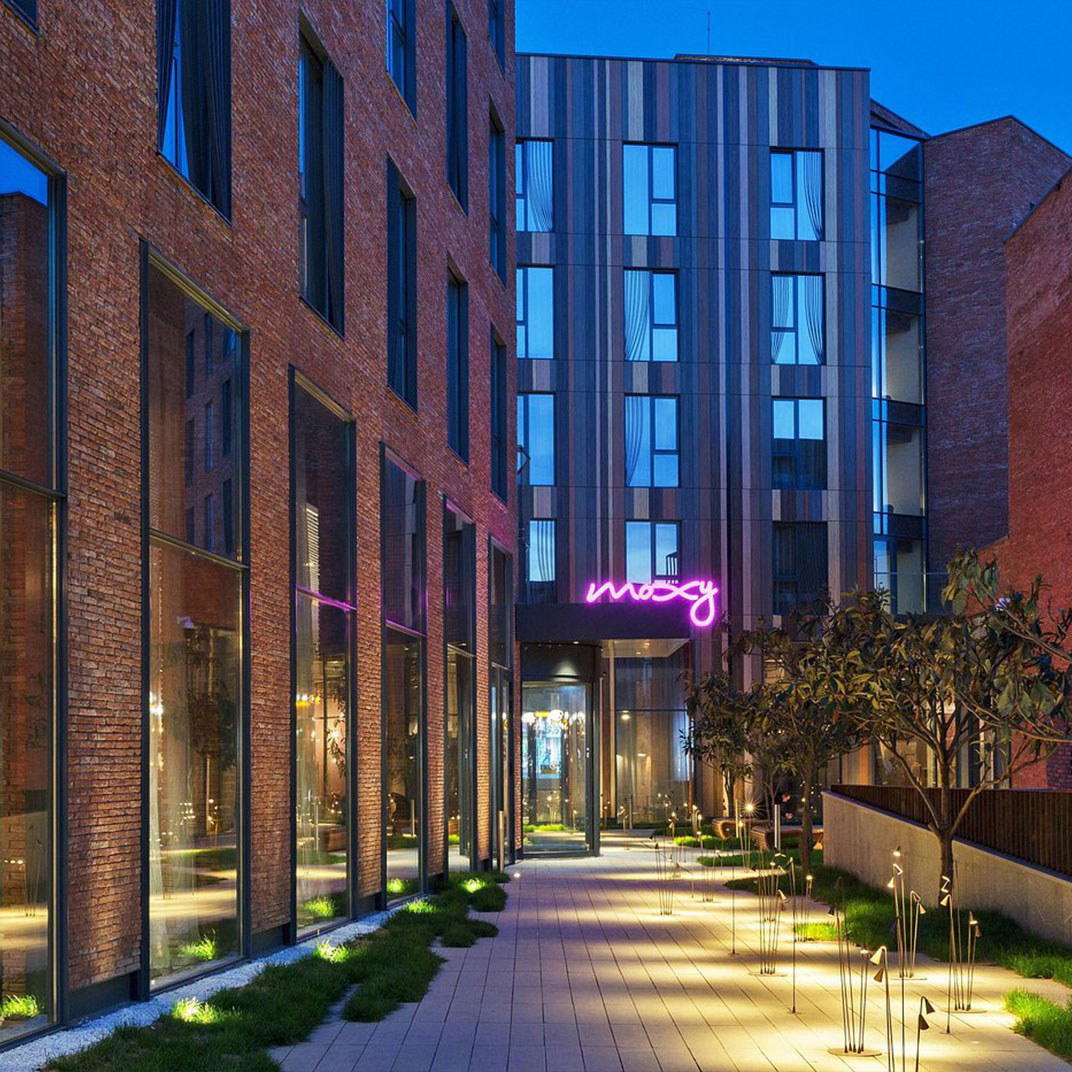
Chic, lively, and stylish, with cozy seating and a fireplace that creates a relaxed day-or-night atmosphere.