Beija Flor
Beija Flor occupies a specific corner of Long Island City's dining scene, where Queens' cross-borough ambitions meet a format built around multi-course progression. The address on 29th Street places it outside Manhattan's premium dining cluster, a geographic choice that says something about who the kitchen is cooking for and how the meal is meant to unfold.
Pearl is the En Primeur Club membership app — saves, bookings, and concierge access live there. Same editors, same standards.
- Address
- 38-02 29th St, Long Island City, NY 11101
- Phone
- +17186062468
- Website
- beijaflor.nyc
- Directions
- Get directions
 Saves & bookings on Pearl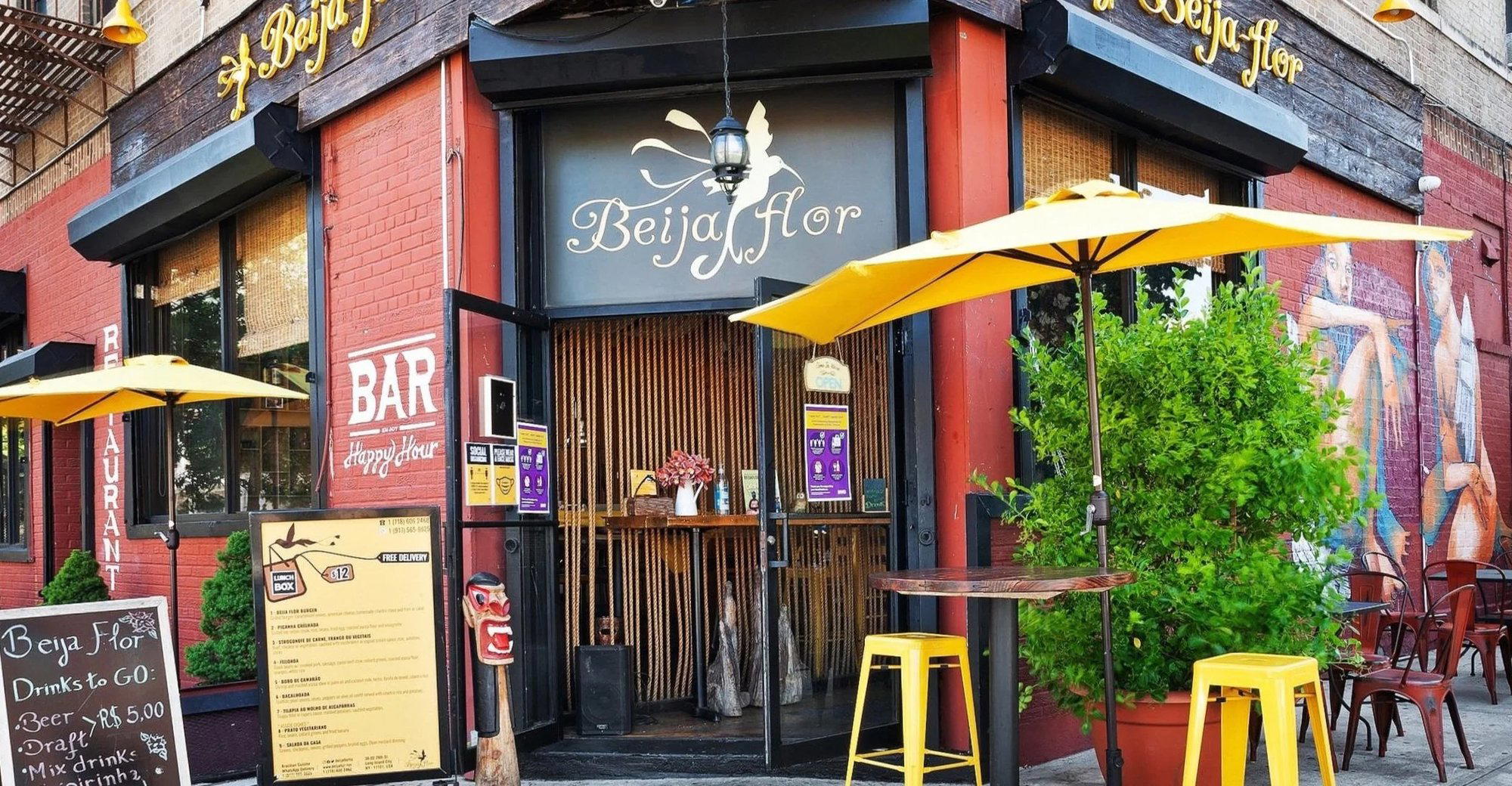
Long Island City and the Case for Dining Across the Bridge
New York's premium dining conversation has long defaulted to a Manhattan shorthand: the $$$$ tasting counters of Midtown and the West Village, the Michelin-decorated rooms along the Upper East Side corridor. That geography has shifted in measurable ways over the past decade, with Queens absorbing serious culinary ambition that once had nowhere to land outside the island. Long Island City, specifically, has become a proving ground for restaurants that want proximity to Manhattan foot traffic without Manhattan rents structuring every decision on the menu. Beija Flor is a Brazilian restaurant at 38-02 29th St, Long Island City, NY 11101, with a $25 average price per person,100 reviews.
The comparison set for a room like this is not direct. Manhattan's top tier, places like Le Bernardin, Atomix, Eleven Madison Park, Masa, and Per Se, operate in a price and recognition bracket where the room itself is part of the offering. The LIC tier operates differently. The value proposition is different, the demographic draw is different, and the kitchen's relationship to the menu is different because the constraints are different. Understanding Beija Flor means understanding that alternative logic first.
The Architecture of a Meal: How the Progression Builds
Multi-course sequencing, as a format, has been through several cycles of fashion and backlash in American dining. The early-2000s era produced tasting menus that ran to twenty-plus courses as a signal of ambition. The correction that followed favored restraint, fewer courses, sharper editing, and a return to the idea that a meal should build toward something rather than simply accumulate. The restaurants that have held critical attention across that arc, from The French Laundry in Napa to Smyth in Chicago to Lazy Bear in San Francisco, are the ones that understood sequencing as a narrative discipline rather than a showcase of technique for its own sake.
In that context, the tasting progression format demands a specific kind of kitchen logic. Each course has to earn its position: the opening courses establish register and season, mid-meal courses carry the structural weight, and the close resolves something that was set up earlier. Restaurants that do this well, like Single Thread Farm in Healdsburg or Blue Hill at Stone Barns in Tarrytown, tend to have strong sourcing relationships and a kitchen culture that prioritizes editorial control over the arc of the meal. That discipline is as much a philosophical commitment as a culinary one.
Beija Flor, positioned in Long Island City rather than a Manhattan tasting-menu corridor, brings that progression format to a borough that has historically been underserved by it. The geographic remove from Manhattan's saturated fine dining market creates conditions where a kitchen can develop a voice without competing directly against the rooms that set the city's critical benchmarks.
Placing Beija Flor in the Broader American Fine Dining Conversation
The American tasting menu has diversified considerably from its French-influenced roots. Regional identities have sharpened: Addison in San Diego draws on Southern California produce and Spanish technique. Providence in Los Angeles has built a seafood-forward identity rooted in California coastal sourcing. Emeril's in New Orleans carries the weight of a city's culinary identity in its format. The Inn at Little Washington in Washington represents the longer arc of American fine dining's relationship with European classicism. What these rooms share is a legible point of view about place, season, and the shape of a meal.
New York's answer to that regional specificity has often been cosmopolitan by default: the city absorbs global technique and presents it without a singular local identity. That has produced extraordinary rooms, but it has also created space for kitchens that do claim a more specific identity, whether rooted in a particular cuisine tradition, a neighborhood demographic, or a format philosophy. The restaurant's position in Queens, a borough with among the more concentrated and diverse immigrant food cultures in the country, creates context for a kitchen that could draw on that specificity in meaningful ways.
The international comparison is also instructive. Fine dining rooms in Italy, from Dal Pescatore in Runate to Atelier Moessmer Norbert Niederkofler in Brunico, have built global recognition by being deeply specific about place and ingredient rather than broadly ambitious. Frasca Food and Wine in Boulder has done something similar in an unlikely American city. The pattern suggests that geographic remove from a major culinary capital is not necessarily a disadvantage; it can sharpen identity when the kitchen commits to it.
Visiting: What to Know Before You Go
The 29th Street address puts the restaurant in Long Island City, accessible from Manhattan via the 7 train to Queensboro Plaza or Court Square, a journey of roughly ten to fifteen minutes from Midtown. The neighborhood's restaurant density has grown in the past several years, making the area more viable as a destination rather than a detour. For readers building a New York dining itinerary, our full New York City restaurants guide maps the broader landscape across boroughs and price tiers.
Reservations are recommended. Budget: Expect about $25 per person. Dress: Casual. Getting There: 7 train to Queensboro Plaza or Court Square from Midtown Manhattan.
Cuisine and Recognition
Comparable venues nearby, for context on price, style, and recognition.
| Venue | Cuisine | Price | Notes |
|---|---|---|---|
| Beija FlorThis venue — the venue you are viewing | Brazilian | $$ | Not listed |
| Serafina Long Island City | Italian Classics & Craft Cocktails | $$ | Queensbridge-Ravenswood-Dutch Kills |
| Jabä | Modern Taiwanese | $$ | Upper East Side-Lenox Hill-Roosevelt Island |
| Pierre Loti | Mediterranean Wine Bar with Turkish Influences | $$ | East Midtown-Turtle Bay |
| Cibo | Northern Italian Pizza & Pasta | $$ | Murray Hill-Kips Bay |
| Ahimsa | Authentic Indian Vegetarian | $$ | Murray Hill-Kips Bay |
Continue exploring
More in New York City
Restaurants in New York City
Browse all →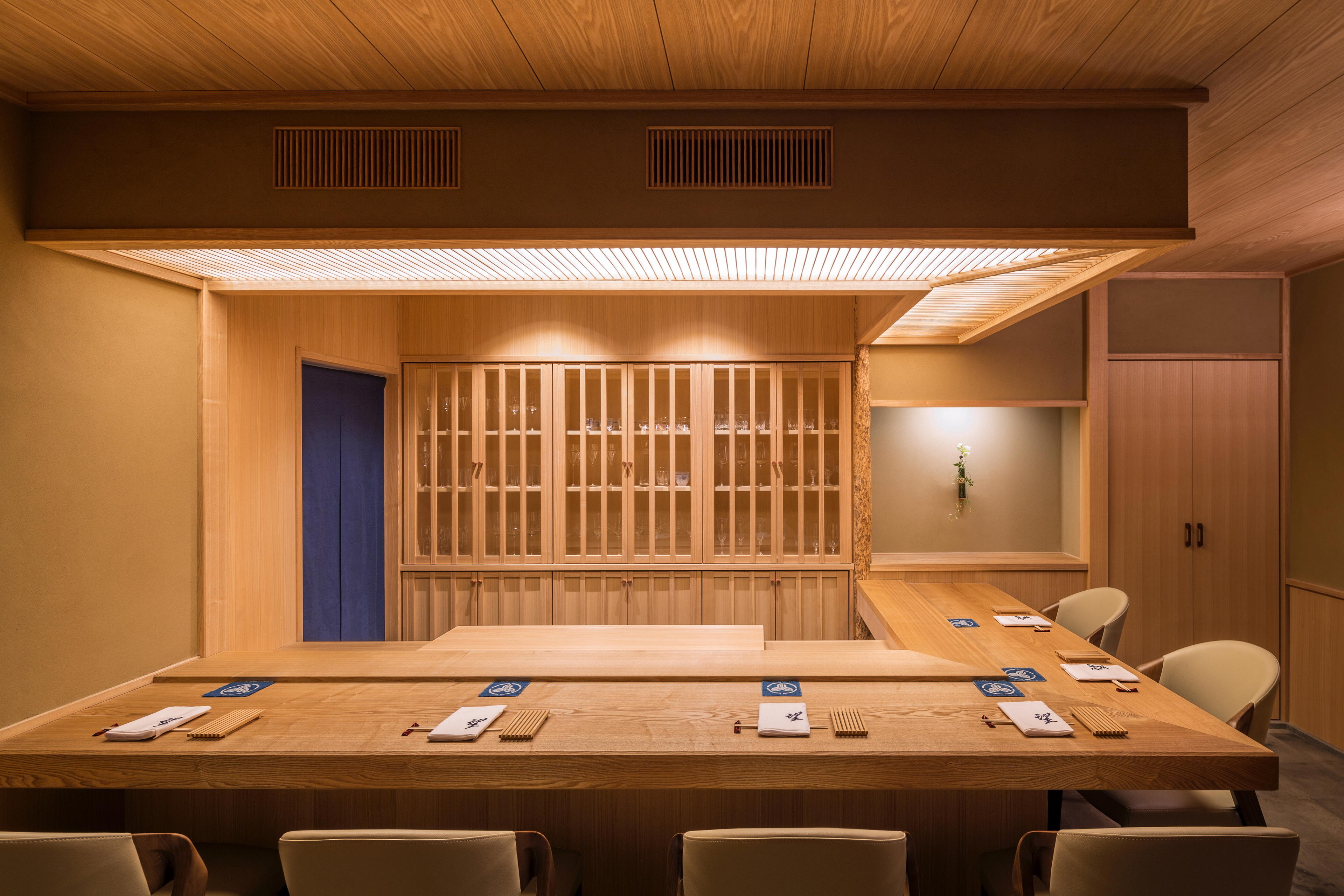
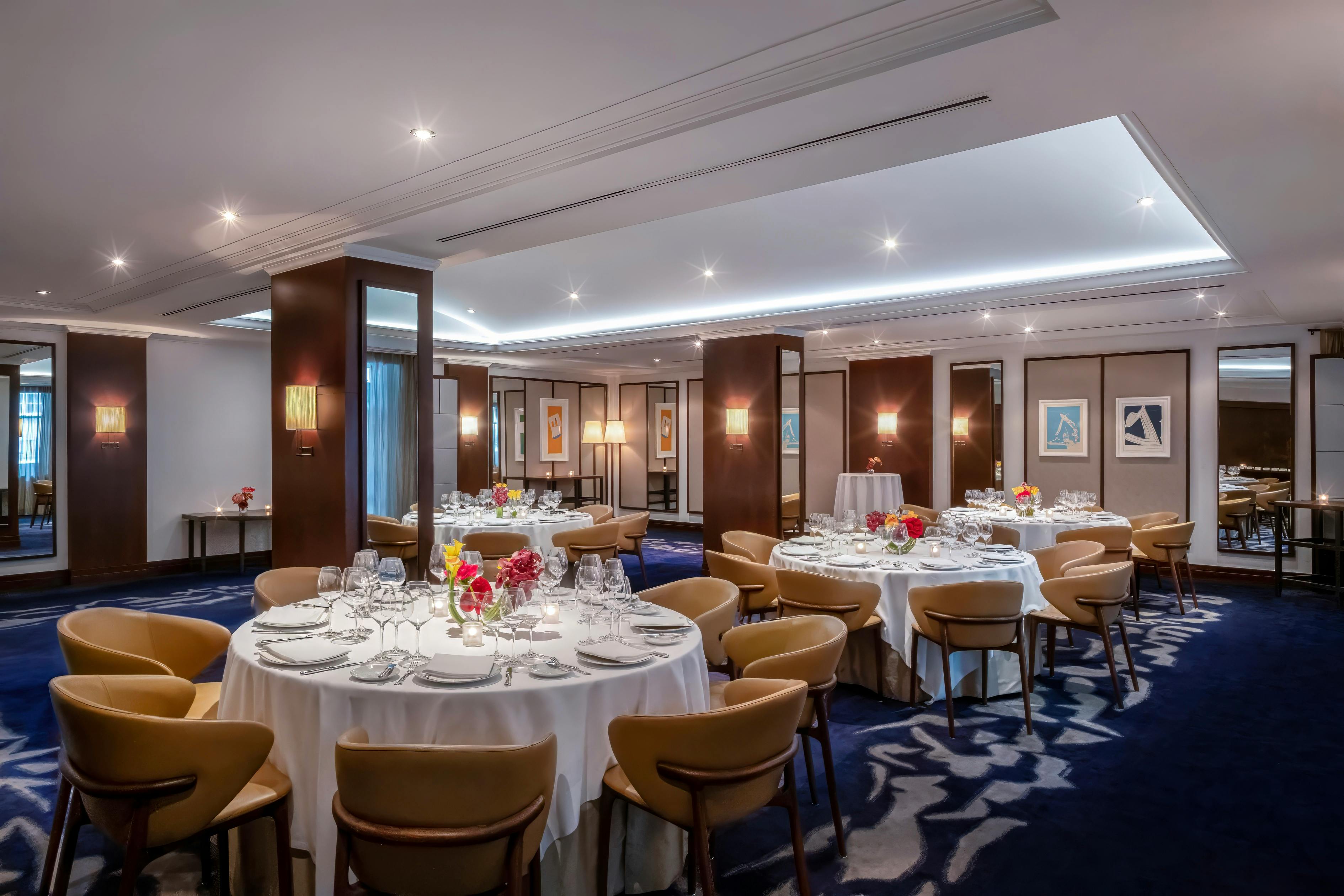
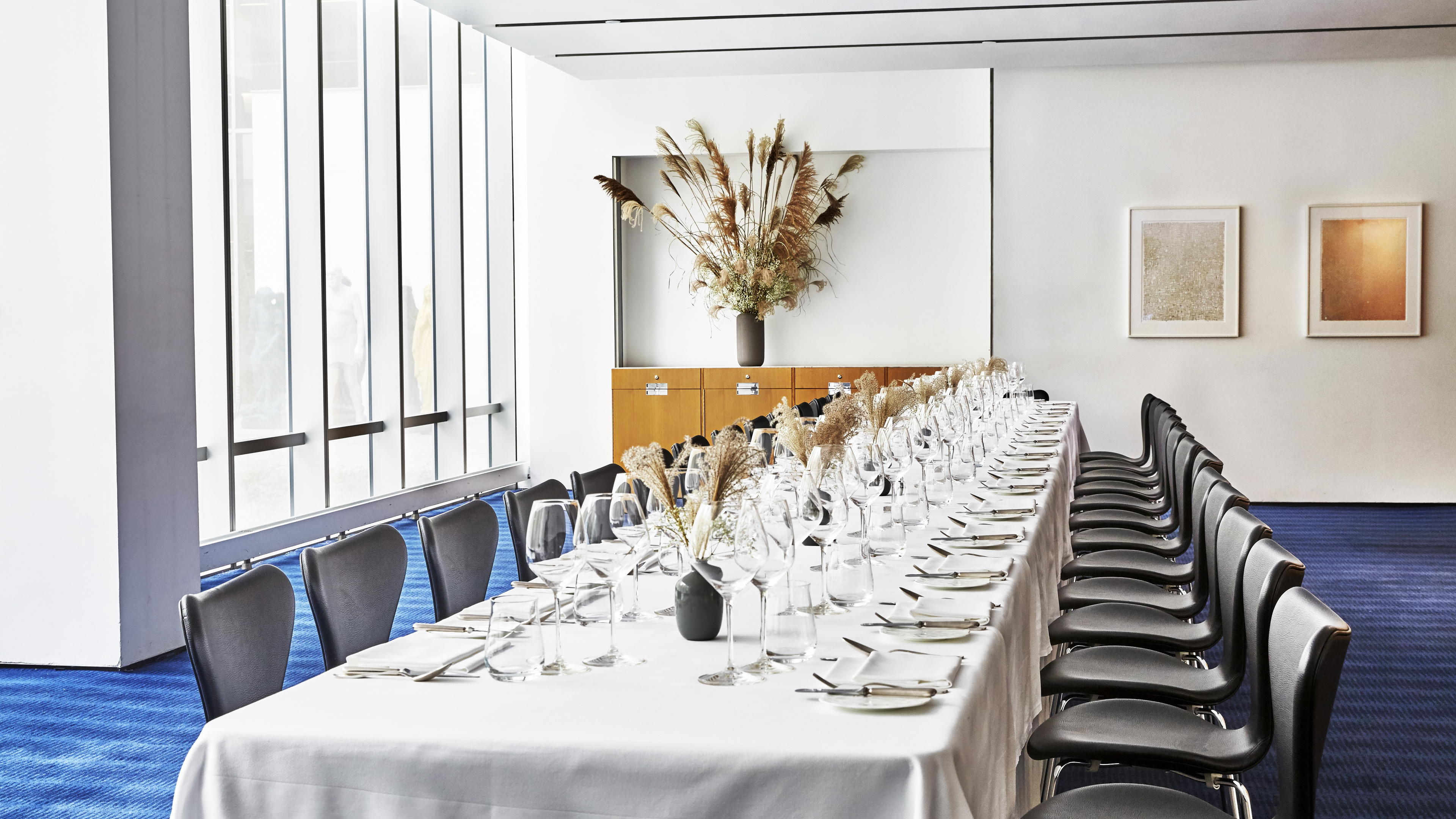
Bars in New York City
Browse all →

Hotels in New York City
Browse all →





At a Glance
- Lively
- Cozy
- Group Dining
- Casual Hangout
- Late Night
- Live Music
- Craft Cocktails
Current opening hours
- Monday
- 11 AM–11 PM
- Tuesday
- 11 AM–11 PM
- Wednesday
- 11 AM–11 PM
- Thursday
- 11 AM–11 PM
- Friday
- 11 AM–3 AM
- Saturday
- 11 AM–3 AM
- Sunday
- 12 PM–12 AM
Hours can change for holidays and private events. Last verified .
Lively and welcoming with family-run service, featuring live music and a cozy interior.