Our verdict
On Rue de Ménilmontant in Paris's 20th arrondissement, Becquetance occupies territory that the city's premium dining map has historically underserved. The address alone signals an editorial position: this is not the 8th or the 1st, and the cooking reflects that shift toward neighbourhood-led, technique-informed French dining that has gradually redefined where serious meals happen in Paris.

Pearl is the En Primeur Club membership app — saves, bookings, and concierge access live there. Same editors, same standards.
- Address
- 67 Rue de Ménilmontant, 75020 Paris, France
- Phone
- +33140302297
- Hours
- Mon ClosedTue 7 PM–12 AMWed–Fri 12–3 PM, 7 PM–12 AMSat 7 PM–12 AMSun Closed
- Website
- instagram.com
- Directions
- Get directions
The 20th Arrondissement and the Slow Redrawing of Paris's Dining Map
For decades, the gravitational pull of Parisian fine dining ran through the 8th arrondissement and its satellites: the grand rooms of the Champs-Élysées corridor, addresses like Le Cinq at the Four Seasons George V, and the trophy institutions of the Left Bank. The 20th was not part of that conversation. Ménilmontant, Belleville, and the streets climbing toward Père Lachaise were known for affordability, multiculturalism, and the kind of neighbourhood bistro that fed local families rather than international expense accounts. That picture has changed, slowly but measurably, as a cohort of serious kitchens has moved into arrondissements where rent permits ambition without the overhead of Place Vendôme. Becquetance, at 67 Rue de Ménilmontant, is part of that repositioning.
The address matters as an editorial signal. Serious cooking in unfashionable postcodes is no longer an anomaly in Paris; it is increasingly the model for chefs who want to work at a high level without the institutional weight that comes with 1st or 8th arrondissement real estate. The analogy is not perfect, but the broader pattern is visible across European cities: Lazy Bear in San Francisco demonstrated how supper-club energy could be channelled into a disciplined, reservation-only format in a neighbourhood that hospitality guides had overlooked. Paris is running a version of the same story.
Technique Meets Territory: The Logic of Local Ingredients and Imported Methods
The most interesting thread in contemporary French cooking is not about stars or scores; it is about the tension between classical French technique — developed in grand kitchens over two centuries — and the ingredients and producers that now command the same prestige as the methods used to transform them. This is the register in which a restaurant like Becquetance operates, and it connects to a broader French tradition of treating geography as both larder and argument.
That tradition has deep roots. Bras in Laguiole built its reputation on Aubrac plateau ingredients processed through a personal idiom of technique. Mirazur in Menton, ranked among the world's most recognized tables, anchors its menu in the microclimate of the French-Italian border. Flocons de Sel in Megève treats Alpine produce as the primary creative constraint. The common logic across these addresses is that technique serves product, and product is defined by place. A Ménilmontant address does not carry the same landscape signals as the Aubrac or the Ligurian hills, but Paris itself has a supply chain: the Île-de-France market gardeners, the Seine-et-Marne grain producers, the Normandy dairies within three hours of the Périphérique. The question any serious Paris kitchen must answer is how it positions itself within that supply geography.
The restaurants at the top of the Paris pecking order answer that question in different ways. Arpège famously pivoted toward vegetable-forward cooking sourced from its own garden. Alléno Paris au Pavillon Ledoyen pursues an extraction-and-concentration technique that treats French produce as raw material for a precision-engineered vocabulary. Kei applies Japanese precision to French ingredients in a way that reframes both traditions simultaneously. Each represents a different answer to the same problem: what does French fine dining say when it is not performing classicism for its own sake?
Ménilmontant as a Dining Neighbourhood
The physical approach to Becquetance along Rue de Ménilmontant places the restaurant in a street context that is still visibly mixed-use and locally oriented. The 20th does not present itself as a dining destination in the way that the Marais or Saint-Germain do; there are no hotel concierges routing guests here by default, and the foot traffic is residential rather than touristic. That is an asset as much as a liability. Tables in neighbourhoods like this tend to be populated by Parisians rather than visitors, which shifts the social register of the room and the feedback loop between kitchen and clientele.
French regional tradition of serious cooking in non-metropolitan settings offers instructive comparisons. Auberge du Vieux Puits in Fontjoncouse operates in a village of fewer than two hundred inhabitants and draws destination diners regardless. Auberge de l'Ill in Illhaeusern has held its place as an Alsatian reference point across decades without the benefit of metropolitan adjacency. Georges Blanc in Vonnas and Troisgros in Ouches have sustained multi-generational authority from Burgundy and the Loire respectively. The lesson is that address and arrondissement are not determinative of culinary seriousness, though they do shape who walks through the door without prior knowledge.
In Paris specifically, the 20th now sits alongside the 11th and the 10th as arrondissements where food-literate diners make deliberate choices rather than default ones. That deliberateness is a precondition for the kind of restaurant Becquetance appears to be.
Placing Becquetance in the Broader French Conversation
The French institutional dining tradition, represented by houses like Paul Bocuse in Collonges-au-Mont-d'Or, Michel Guérard in Eugénie-les-Bains, or La Table du Castellet, is not the competitive set for a restaurant on Rue de Ménilmontant. These are temples that carry the weight of their own histories. The more relevant peer group for Becquetance is the cohort of Paris restaurants that operate with serious intent in non-obvious locations, pricing themselves below the grand palace tier but above the neighbourhood bistro, and drawing an audience that reads menus carefully. Within Paris's broader scene, detailed in our full Paris restaurants guide, this is the tier that has shown the most creative movement in recent years.
The connection to internationally framed technique is worth noting. Le Bernardin in New York offers a reference point for how French classical rigour can be sustained at high volume in a non-French context; the inverse dynamic, importing technical discipline into a neighbourhood Paris setting, is what the more interesting tables in the 20th are attempting. L'Ambroisie, at the other end of the formality spectrum, remains the benchmark for French classicism in the city at its most composed and uncompromising. Becquetance operates without that institutional heritage, which is both the constraint and the opportunity.
Planning Your Visit
Address: 67 Rue de Ménilmontant, 75020 Paris. Arrondissement: 20th, reachable via Ménilmontant or Gambetta on Métro Line 2, or Père Lachaise on Lines 2 and 3. Reservations: Contact details are not currently listed publicly; check directly with the restaurant or via current Paris dining platforms for availability. Timing: As with most neighbourhood-oriented Paris restaurants operating at a serious level, midweek lunch services tend to offer the leading availability and, occasionally, shorter menus at accessible price points. Dress: The 20th arrondissement dining register is generally relaxed compared to palace restaurants; smart-casual is appropriate. Budget:
Frequently asked questions
Where is Becquetance located?
Becquetance is located at 67 Rue de Ménilmontant, 75020 Paris, France, Paris.
How does Becquetance compare to other restaurants in Paris's 20th arrondissement?
The 20th arrondissement, centred on neighbourhoods like Ménilmontant and Belleville, has built a reputation for independent, chef-driven restaurants that operate outside the infrastructure of Paris's traditionally dominant dining corridors. Without current award citations on record, its standing in that group is best assessed through recent Paris dining press rather than institutional rankings.
What should I eat at Becquetance?
What the restaurant's position on Rue de Ménilmontant in the 20th arrondissement does signal is a cooking sensibility rooted in neighbourhood sourcing rather than the prestige-ingredient showcasing common to 8th arrondissement rooms. Confirm the current menu directly with the restaurant before visiting.
Should I book Becquetance in advance?
Becquetance is at 67 Rue de Ménilmontant, 75020 Paris, a stretch that draws a locally loyal crowd alongside visitors coming specifically for the neighbourhood's evolving dining scene. Restaurants of this type in Paris's eastern arrondissements tend to fill quickly, particularly on Thursday through Saturday evenings. check the venue's official channels to confirm reservation policy and availability.
What do critics highlight about Becquetance?
The restaurant sits within a broader conversation about the 20th arrondissement's emergence as a serious dining address, a shift that has drawn editorial attention to several Ménilmontant addresses in recent years. Check current Paris food press for the most up-to-date critical positioning.
Can Becquetance adjust for dietary needs?
No formal dietary policy is documented in the available venue data for Becquetance. The practical step is to contact the restaurant at 67 Rue de Ménilmontant, 75020 Paris when making your reservation and state requirements clearly at that point, which is standard practice across Paris's neighbourhood dining rooms.
Category Peers
Comparable venues nearby, for context on price, style, and recognition.
| Venue | Cuisine | Price | Notes |
|---|---|---|---|
| BecquetanceThis venue — the venue you are viewing | Modern French Bistro | $30–50 | Not listed |
| Chez Lui | French Bistro | $20–30 | 11th Arr. - Popincourt |
| Café Charlot | French Brasserie & Cafe | $20–30 | Le Marais |
| Derrière | Classic French Brasserie | $30–50 | Marais (3rd arrondissement) |
| La French Guinguette | Traditional French Bistro | $30–50 | Sainte-Avoie |
| Vagenende | Classic French Brasserie | $50–100 | Saint-Germain-des-Prés |
Continue exploring
More in Paris
Restaurants in Paris
Browse all →
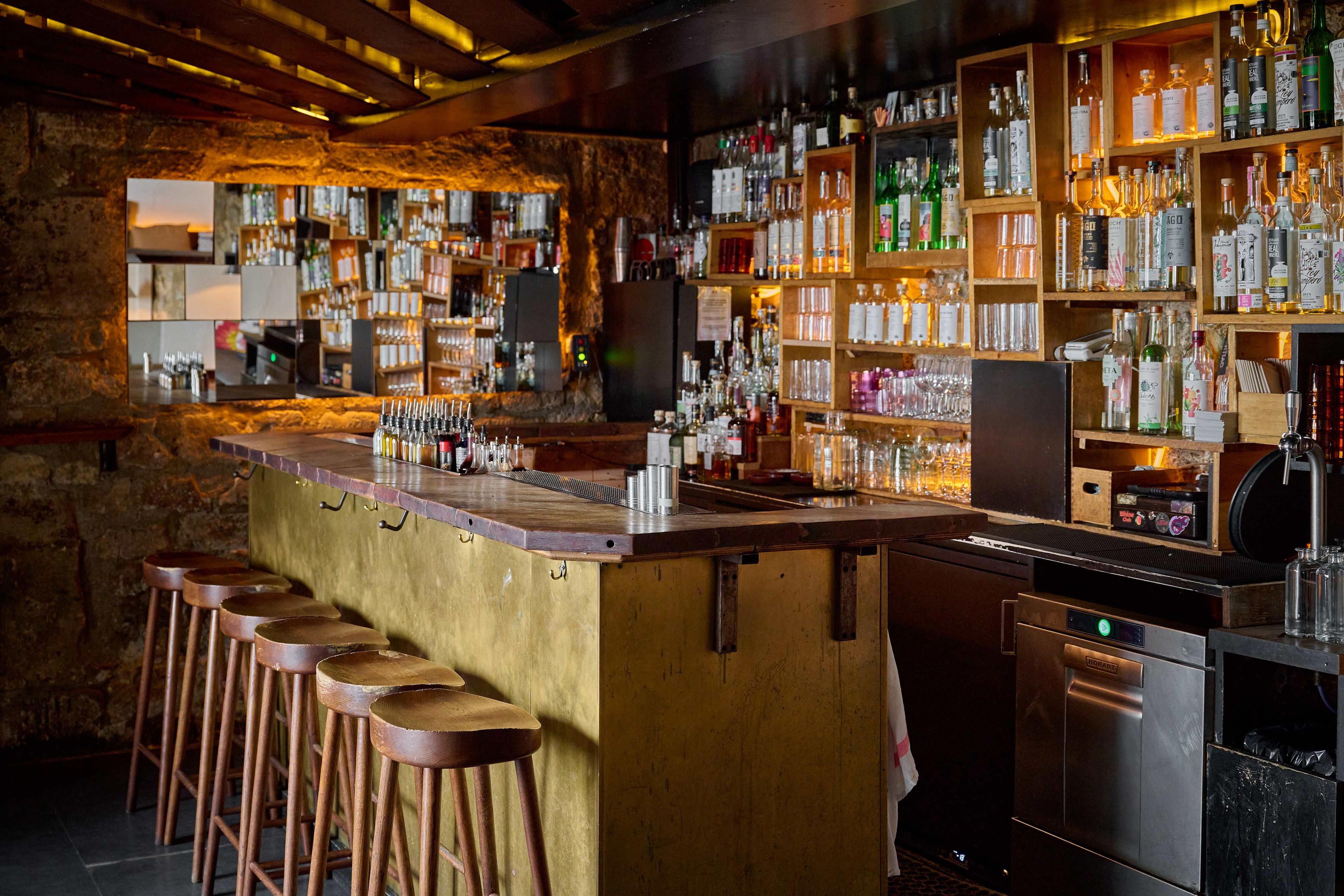
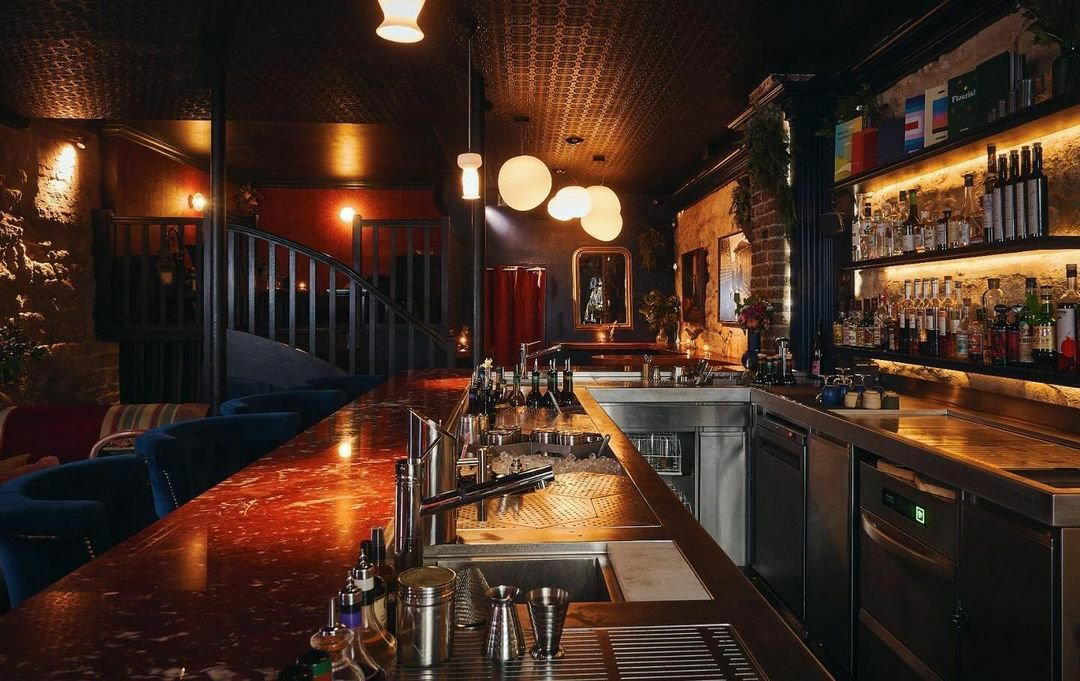
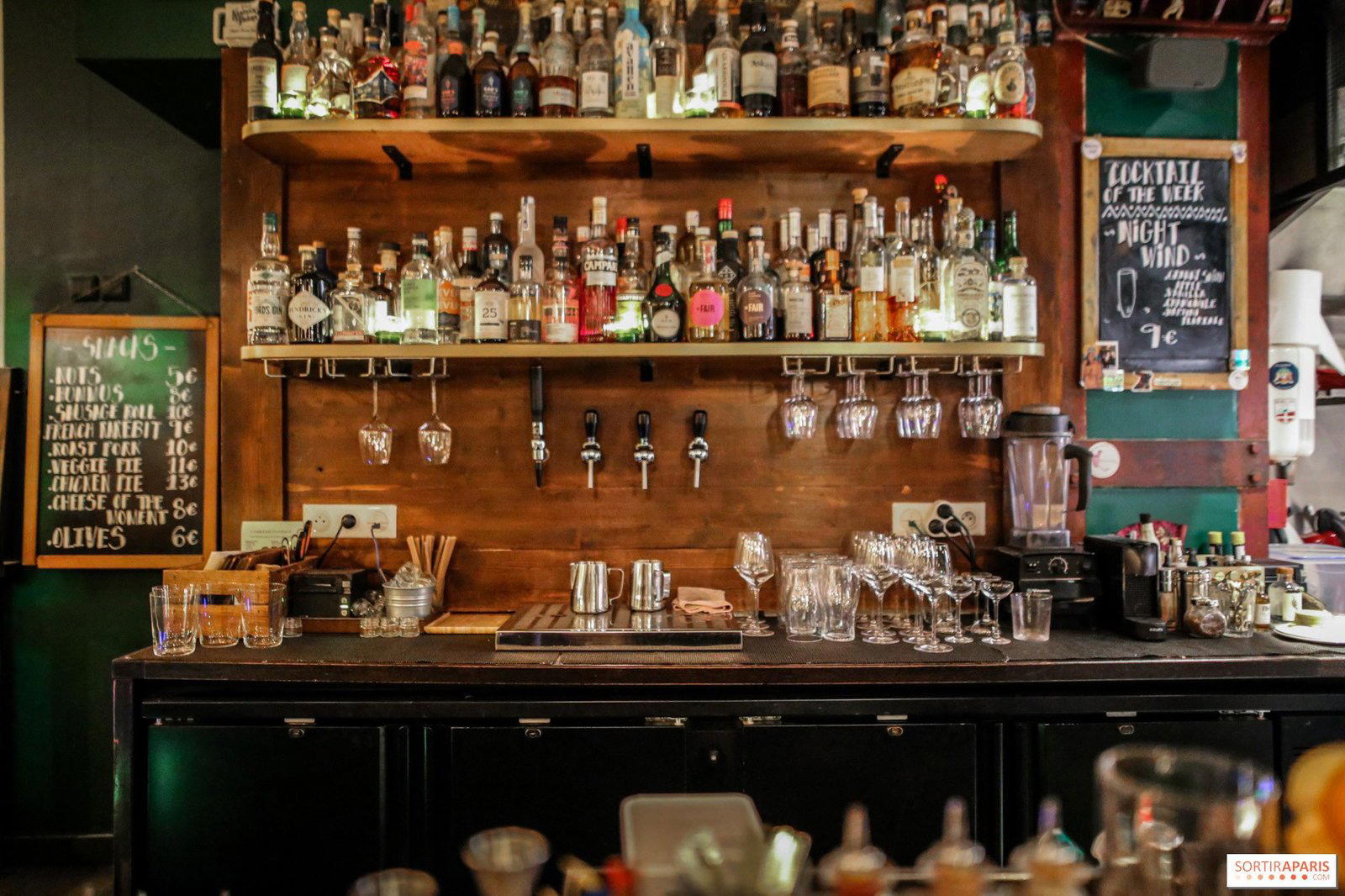
Bars in Paris
Browse all →
Hotels in Paris
Browse all →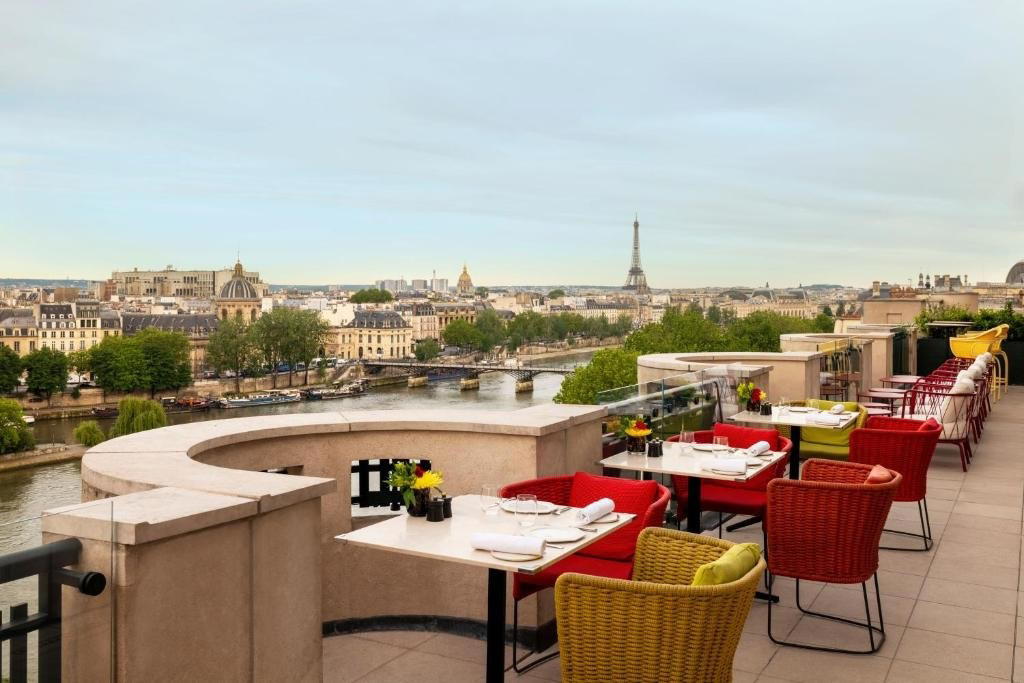



Details
- Cozy
- Modern
- Intimate
- Date Night
- Casual Hangout
- Open Kitchen
- Natural Wine
- Organic
- A La Carte
- Prix Fixe
- Natural Wine
Current opening hours
- Monday
- Closed
- Tuesday
- 7 PM–12 AM
- Wednesday
- 12–3 PM, 7 PM–12 AM
- Thursday
- 12–3 PM, 7 PM–12 AM
- Friday
- 12–3 PM, 7 PM–12 AM
- Saturday
- 7 PM–12 AM
- Sunday
- Closed
Hours can change for holidays and private events. Last verified .
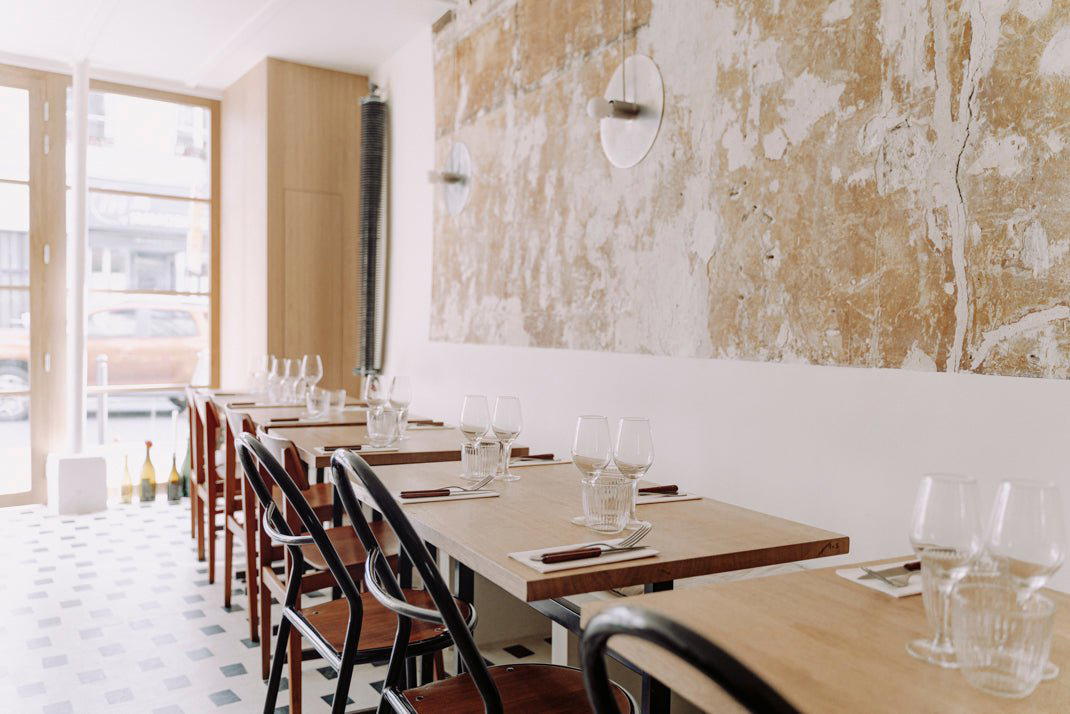
Cosy atmosphere with natural wood decor, white tones, and blonde wood creating a welcoming, stylish, and warm neighborhood feel.