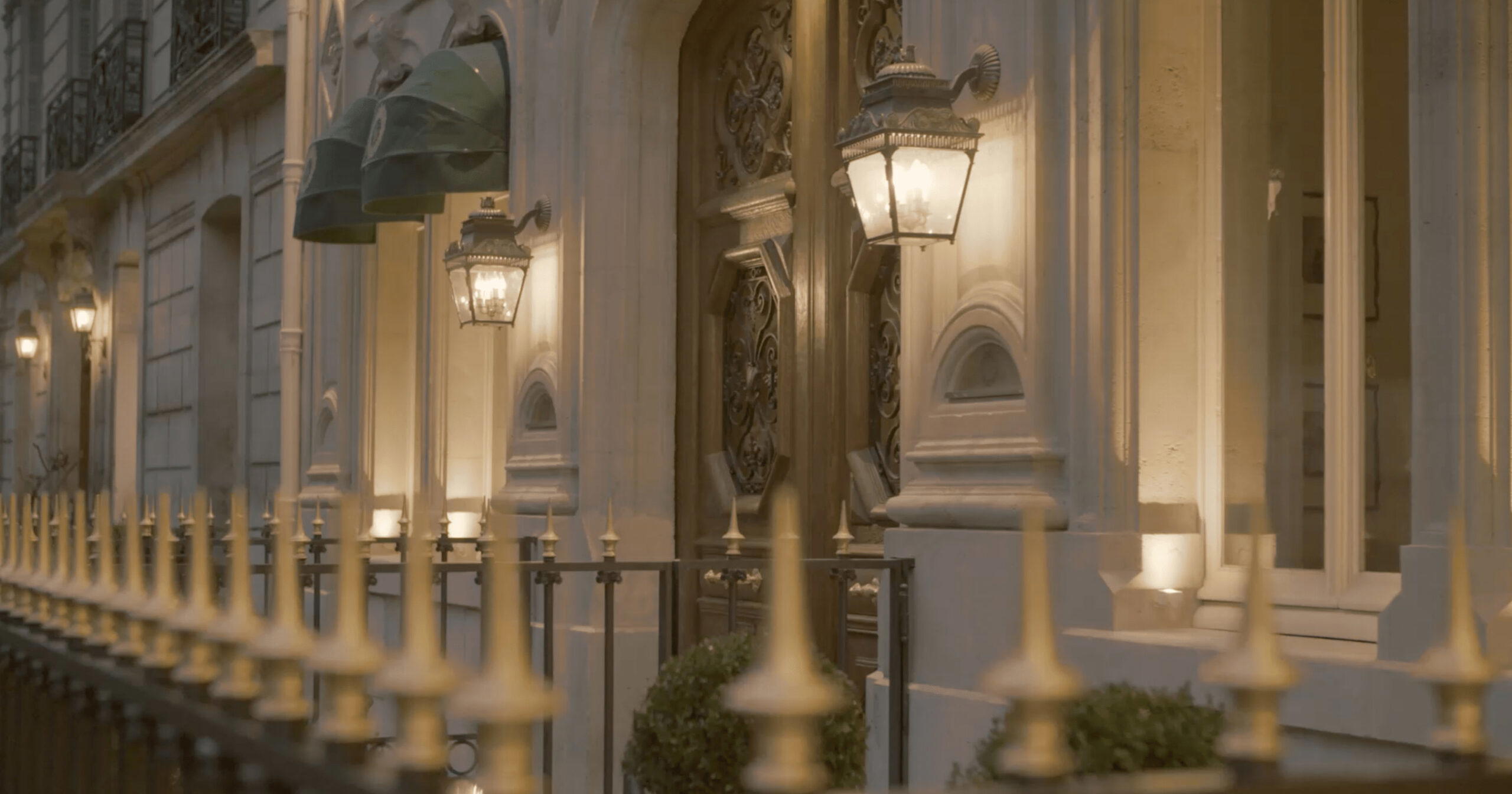
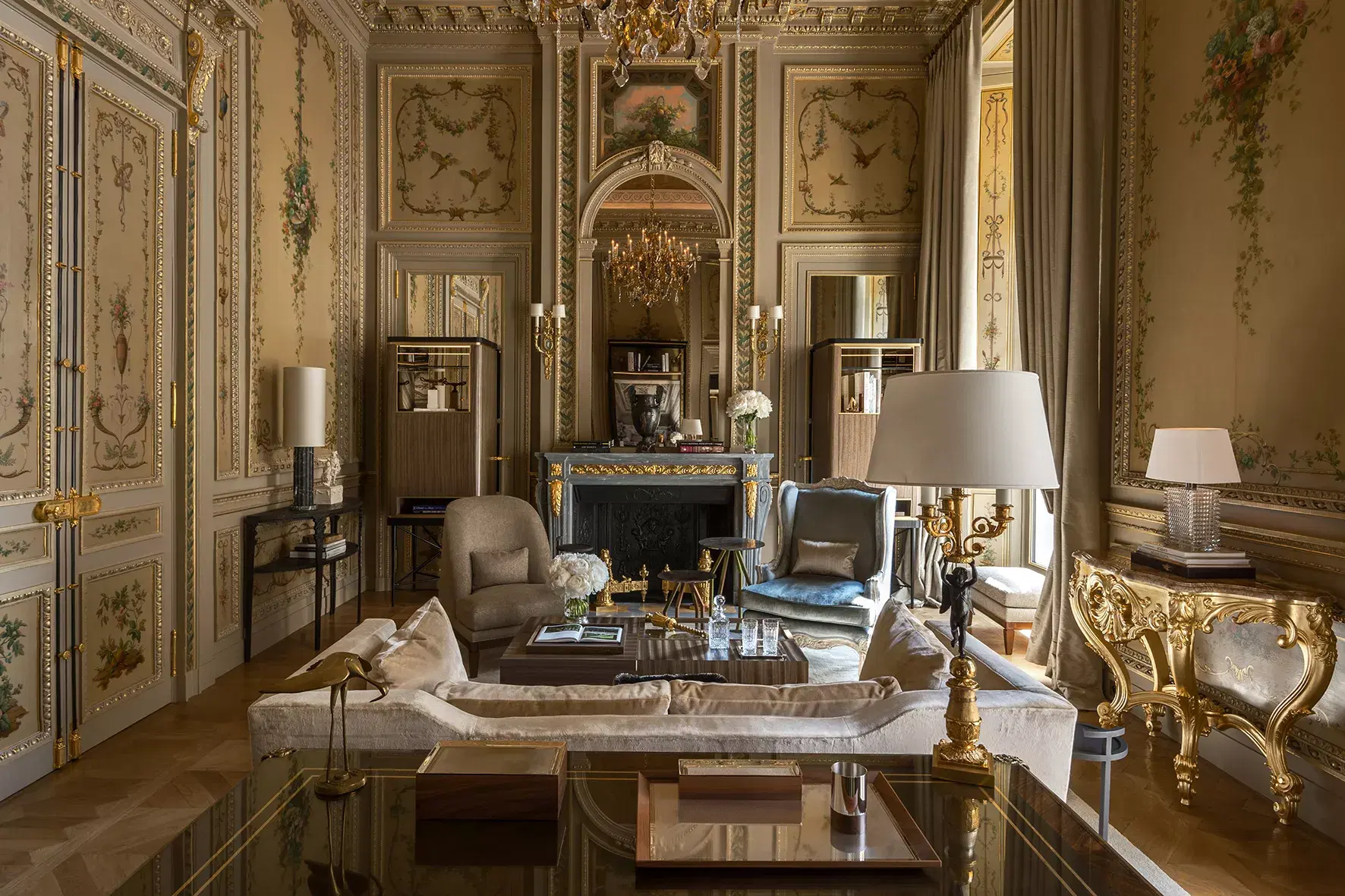
On the Rue des Saussaies in the 8th arrondissement, Beauvau Saint-Honoré occupies one of Paris's quieter addresses within one of its most charged dining districts. The restaurant sits in a tier of French fine dining defined by classical technique and considered progression through a meal, placing it in the same conversation as the 8th's most established tables.
Pearl is the En Primeur Club membership app — saves, bookings, and concierge access live there. Same editors, same standards.
- Address
- 4 Rue des Saussaies, 75008 Paris, France
- Phone
- +33144940309
- Directions
- Get directions
 Saves & bookings on Pearl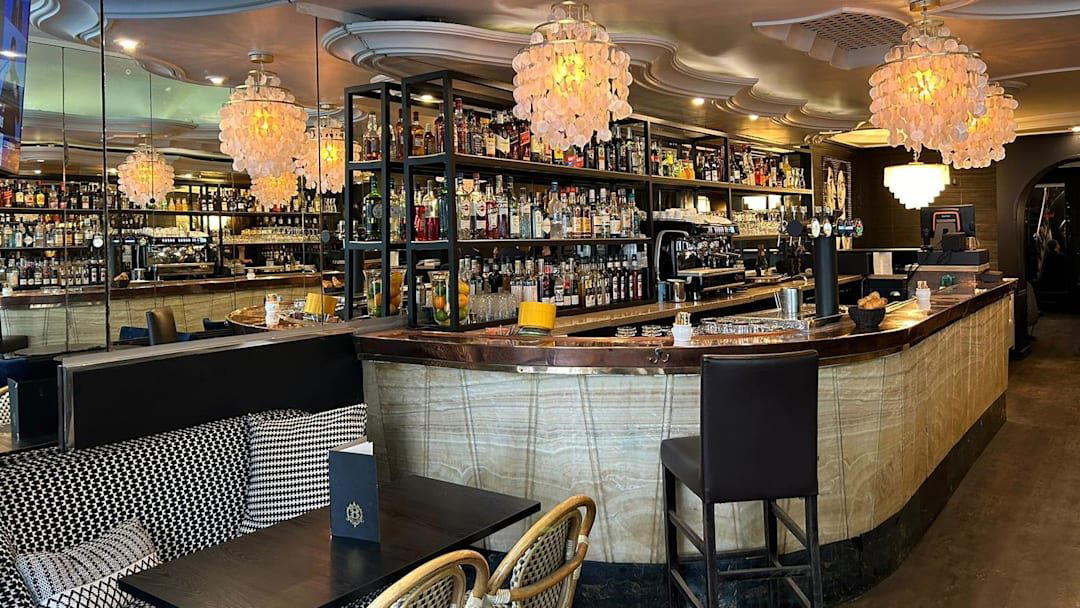
The Rue des Saussaies Address in Context
The 8th arrondissement carries fine-dining pressure per square kilometre than almost anywhere in France. The streets between the Champs-Élysées and the Faubourg Saint-Honoré hold tables that include Le Cinq at the Four Seasons Hôtel George V and Alléno Paris au Pavillon Ledoyen, the latter operating at the outer edge of creative ambition in this city. Against that backdrop, the Rue des Saussaies, a short street running north from the Élysée Palace perimeter, is comparatively understated. It is the kind of address that does not announce itself.
Beauvau Saint-Honoré draws its identity from that address: a restaurant in the orbit of the city's most storied dining corridor without sitting at its most trafficked node. That position, between the well-worn grandeur of the quarter and its quieter residential edges, defines the frame within which the cooking should be read.
How a Meal Moves Here: The Logic of Progression
French fine dining at this level in the 8th has historically committed to multi-course structure as a form of argument, not just abundance. The meal is designed to move, from restraint to richness, from single-ingredient precision to layered composition. This is the tradition that L'Ambroisie on the Place des Vosges has maintained for decades, and that Kei inflects with Japanese technique in the 1st arrondissement.
At Beauvau Saint-Honoré, the tasting progression follows the grammar of classical French service: the early courses establish the kitchen's technical register, the middle courses carry the weight of the meal's central statement, and the closing sequence, cheese, pre-dessert, dessert, serves both as resolution and as the space where a kitchen can show its range without the pressure of the main course. It reflects a tradition shared by houses further afield, from Bras in Laguiole to Auberge de l'Ill in Illhaeusern, where the meal's pacing is as deliberate as its ingredients.
The opening amuse-bouches in restaurants of this type function as a kind of overture: small, technically dense, designed to signal the kitchen's sensibility before the first course proper. In the French classical mode, this means precision in temperature, seasoning, and timing compressed into two or three bites. The courses that follow typically build in richness and complexity, with the kitchen's most composed and ambitious plates reserved for the third and fourth positions. What distinguishes one table from another at this tier is how the kitchen handles the transitions and whether each course feels necessary rather than cumulative.
The 8th's Fine-Dining comparable set
Paris's fine-dining scene has not homogenised despite the concentration of talent in a handful of arrondissements. The 8th alone contains tables working across distinct registers: grand hotel dining in the palace tradition, independent creative kitchens pushing technique, and restaurants that hold classical French service as their central argument. Beauvau Saint-Honoré sits in the classical-French current, which in the current Paris market means it operates in a smaller niche than it might have twenty years ago, when this was the dominant mode.
The shift is visible in French fine dining nationally. Houses like Troisgros in Ouches and Les Prés d'Eugénie in Eugénie-les-Bains have maintained their standing by deepening a regional and personal culinary identity over decades. In Paris, the challenge is different: the city's density of talent means that classical technique alone is no longer sufficient to hold attention. The tables that have maintained prestige in this city's recent cycles, from Arpège in the 7th to particularly recognised addresses in the 8th, have done so through specificity of point of view rather than breadth of offering.
Beyond France, the same structural question plays out in restaurants with comparable ambitions. Le Bernardin in New York built its identity on singular focus within a French technical tradition. Mirazur in Menton anchored its standing in a specific geography and a seasonal calendar tied to it. The restaurants that hold their position longest tend to be those that answer the question of what makes this meal, at this table, in this city, coherent and necessary.
The Saint-Honoré Neighbourhood as Dining Context
The Faubourg Saint-Honoré and the streets immediately around it have long attracted a clientele comfortable with the format of formal French dining: long lunches, extended dinner sittings, wine lists priced to match the room. The neighbourhood's restaurants operate with that expectation in the room. This is not the Paris of natural wine bars in the 10th or the experimental kitchens that have moved into the 11th and 18th arrondissements. The Rue des Saussaies address places the restaurant within a more conservative dining culture, one where the vocabulary of luxury is well-established and the diner arrives with clear expectations about format and register.
That does not mean the neighbourhood is static. The broader current of French fine dining, evidenced by the trajectory of houses like Flocons de Sel in Megève, Georges Blanc in Vonnas, and Auberge du Vieux Puits in Fontjoncouse, shows that particularly durable tables are those that have found a clear relationship between place, product, and the logic of the meal. The 8th, and the Saint-Honoré quarter specifically, provides a particular kind of place: formal, historically weighted, and expectation-laden. The restaurants that work leading in this environment are those that satisfy those expectations while giving the diner a reason to choose this table over its neighbours.
Tables working in comparable registers across France include Paul Bocuse's Auberge du Pont de Collonges and La Table du Castellet, both of which represent the French classical tradition in regional contexts. Outside France, Lazy Bear in San Francisco offers an instructive contrast: a tasting-progression format built on a different set of cultural references but with the same commitment to the meal as a sequenced, intentional experience.
Planning Your Visit
Cost and Credentials
Comparable venues nearby, for context on price, style, and recognition.
| Venue | Cuisine | Price | Notes |
|---|---|---|---|
| Beauvau Saint-HonoréThis venue — the venue you are viewing | Not listed | $$$ | Not listed |
| Les Poulettes Batignolles | Not listed | $$$ | Batignolles-Monceau, French-Catalan Bistro |
| Pasco | Not listed | $$$ | Gros-Caillou, Mediterranean-Influenced French Bistronomic |
| A Casaluna | Palais-Royal, Modern Corsican | $$$ | Not listed |
| Lipp | Not listed | $$$ | Saint-Germain-des-Prés, Traditional Alsatian Brasserie |
| Le Buci | Not listed | $$$ | Saint-Germain-des-Prés, Traditional French Brasserie |
Continue exploring
More in Paris
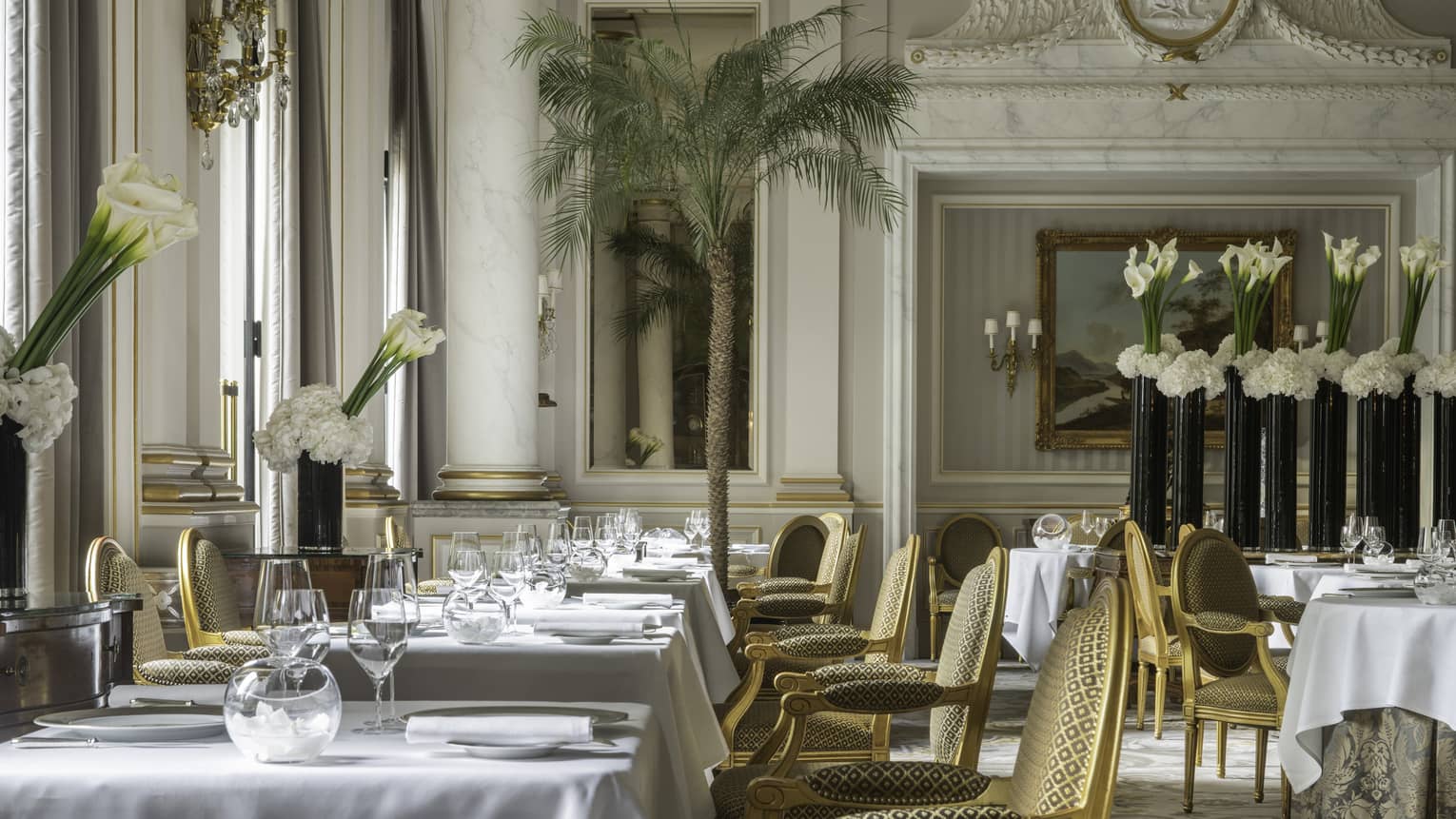
Restaurants in Paris
Browse all →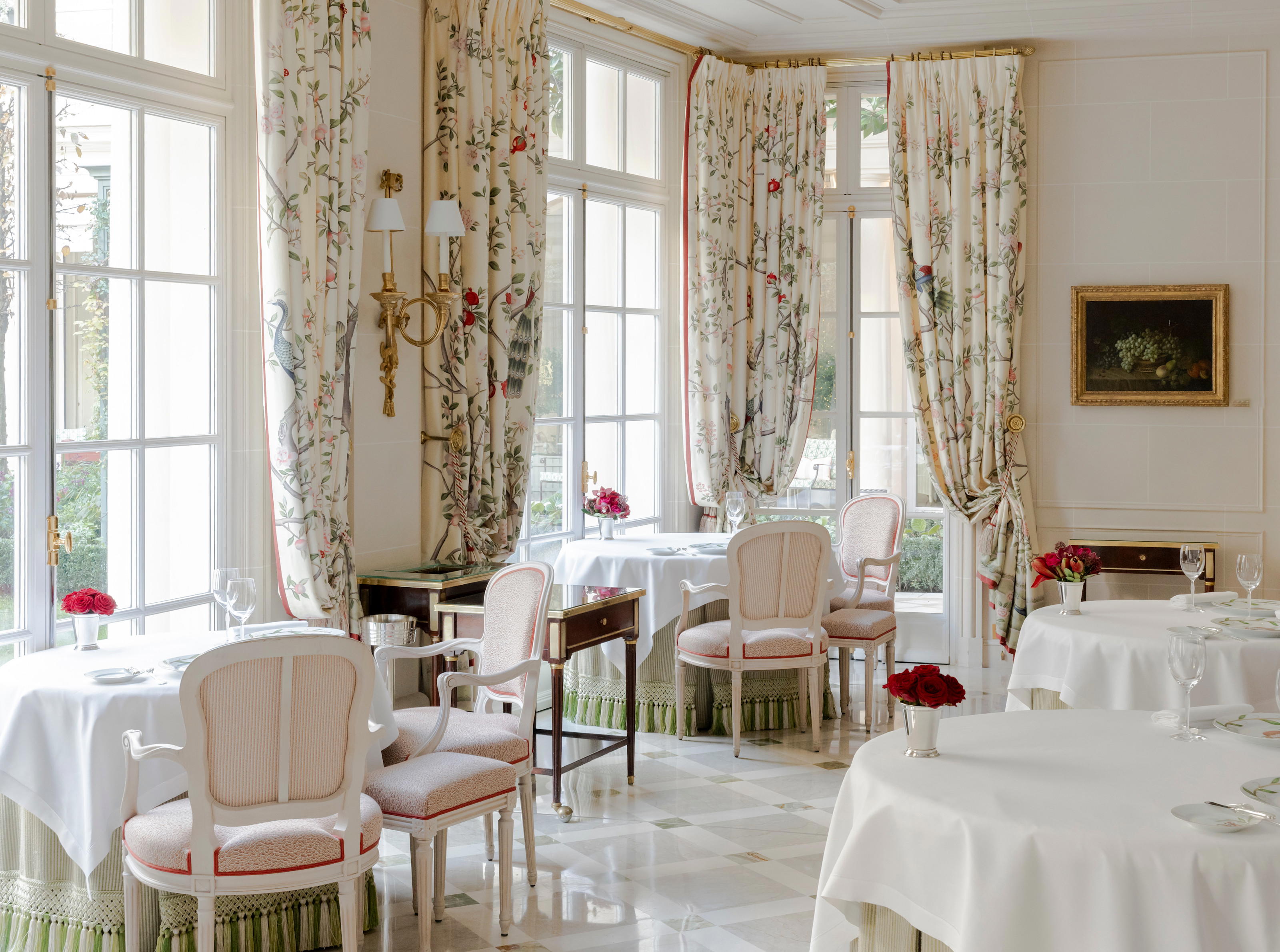

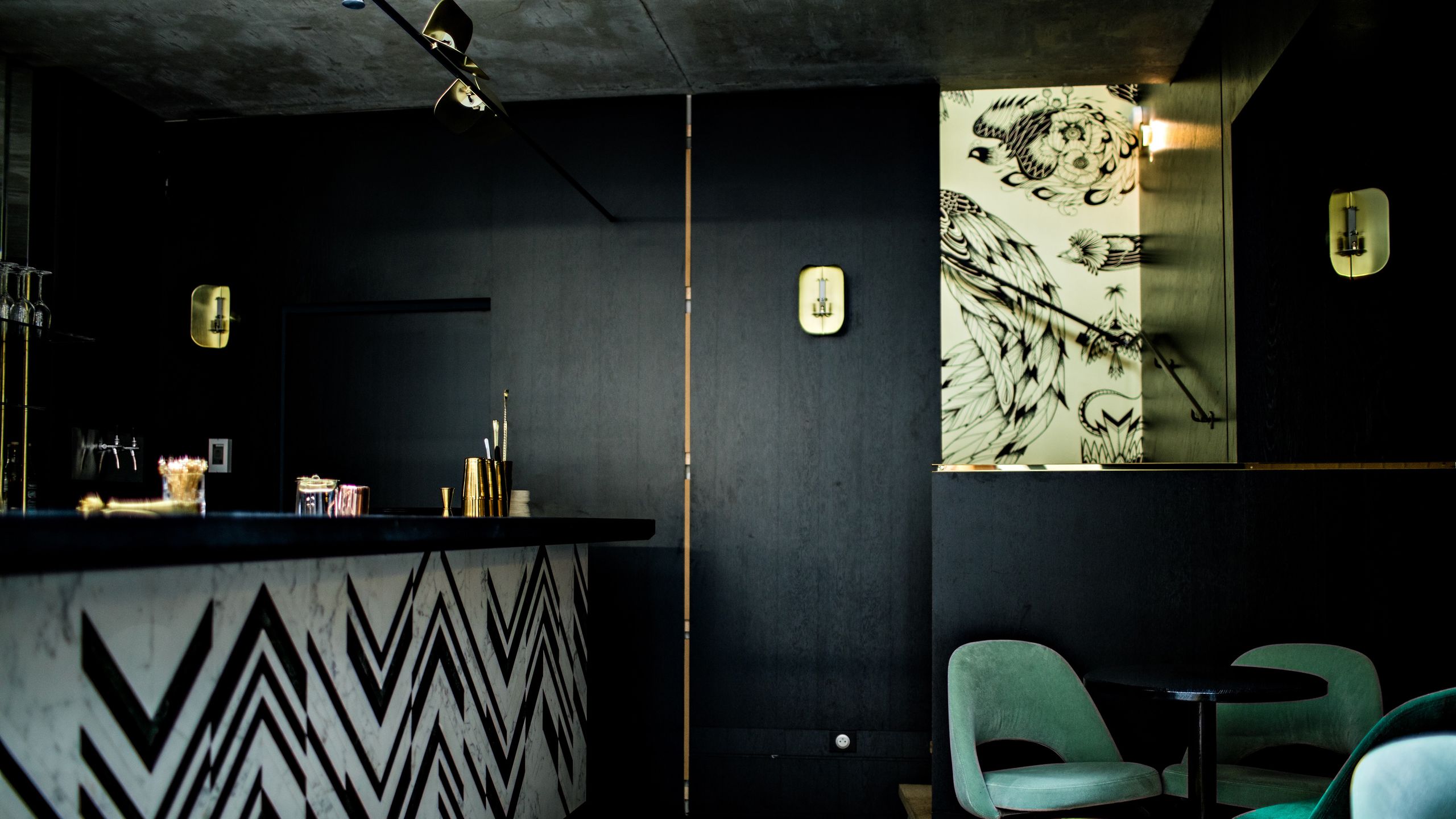
Bars in Paris
Browse all →
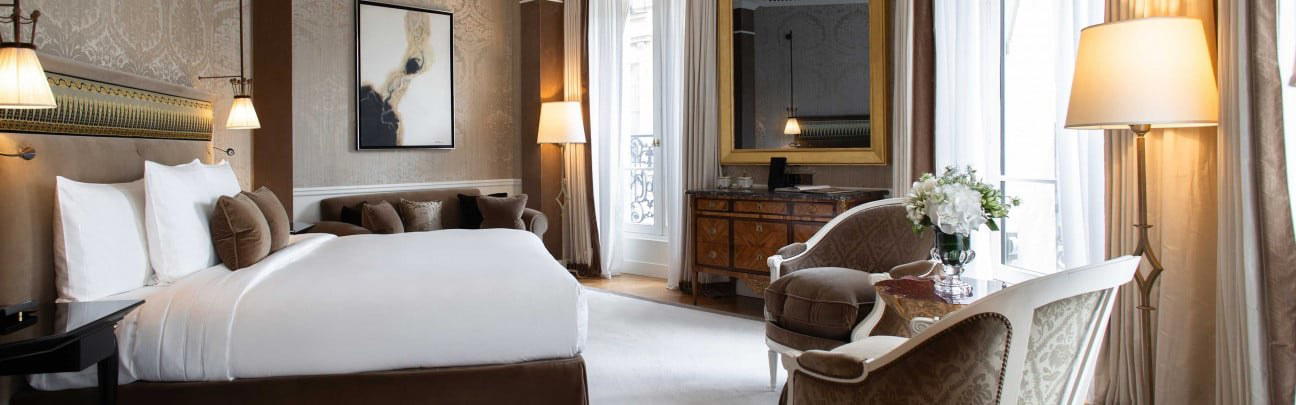
Hotels in Paris
Browse all →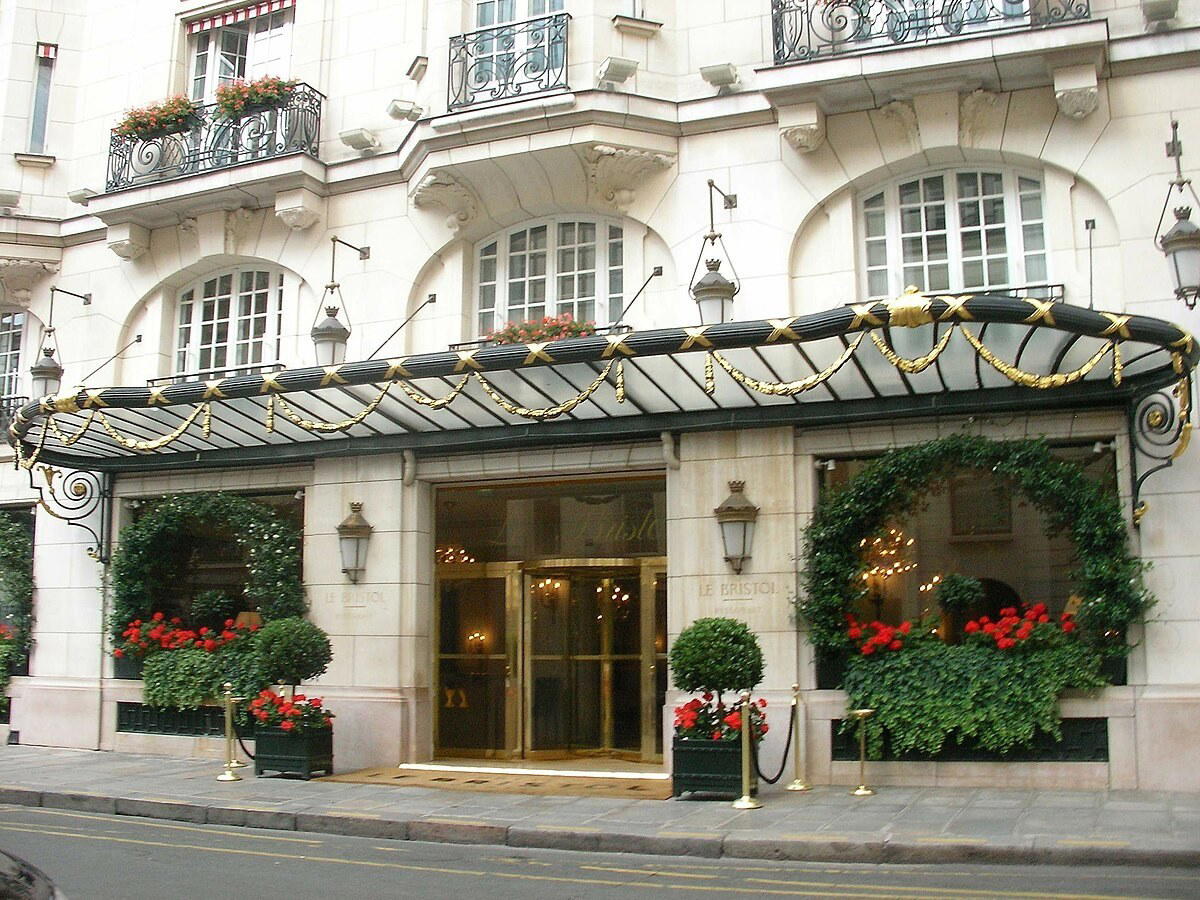
At a Glance
- Cozy
- Elegant
- Date Night
- Business Dinner
- Standalone
Current opening hours
- Monday
- 7 AM–12 AM
- Tuesday
- 7 AM–12 AM
- Wednesday
- 7 AM–12 AM
- Thursday
- 7 AM–12 AM
- Friday
- 7 AM–12 AM
- Saturday
- 10:30 AM–12 AM
- Sunday
- Closed
Hours can change for holidays and private events. Last verified .
Chic, cozy and chaleureux atmosphere with friendly service.