Beau Site
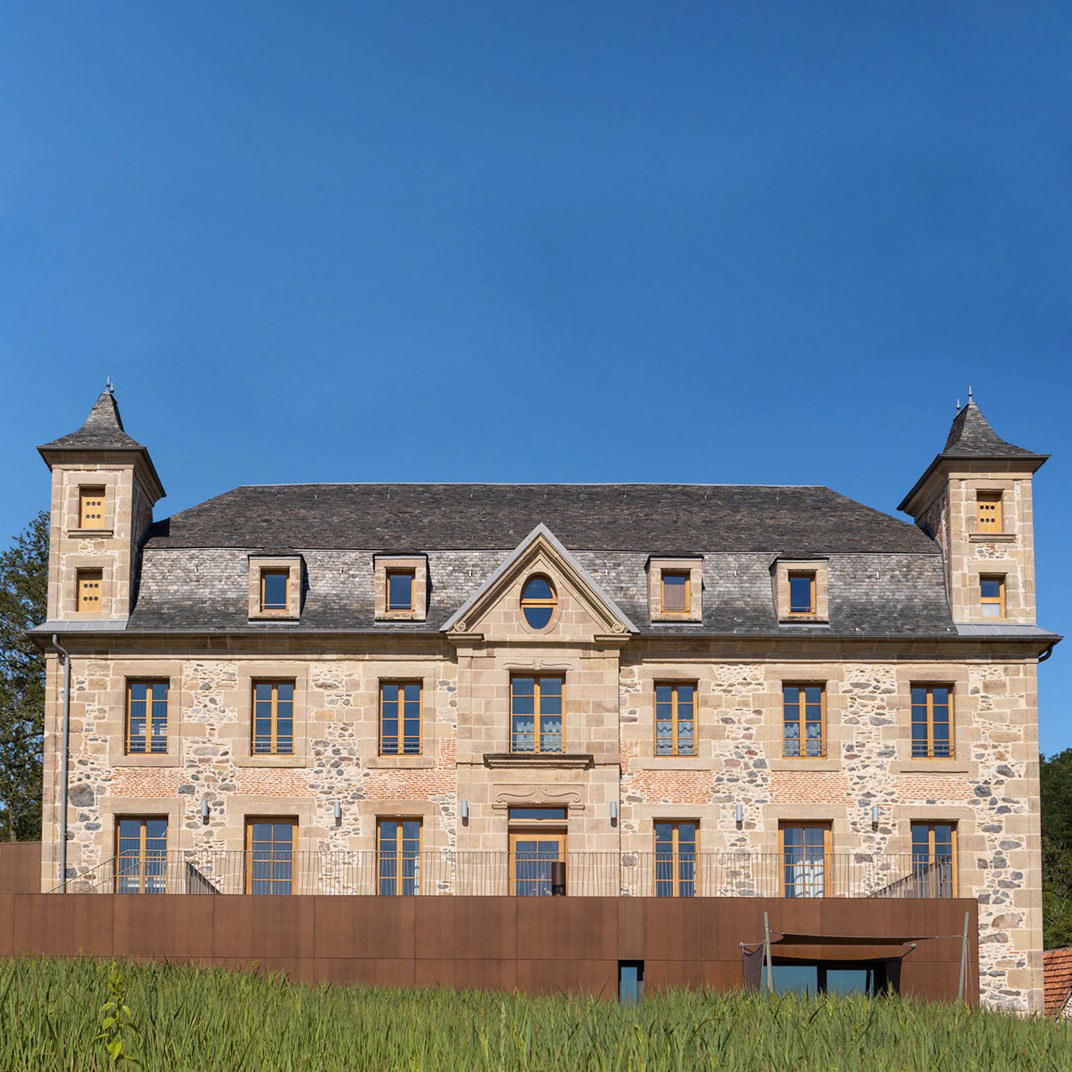
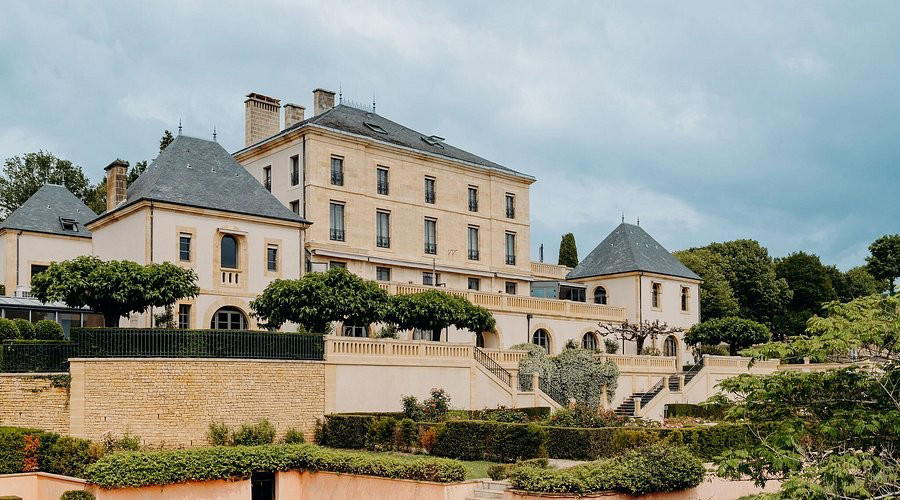
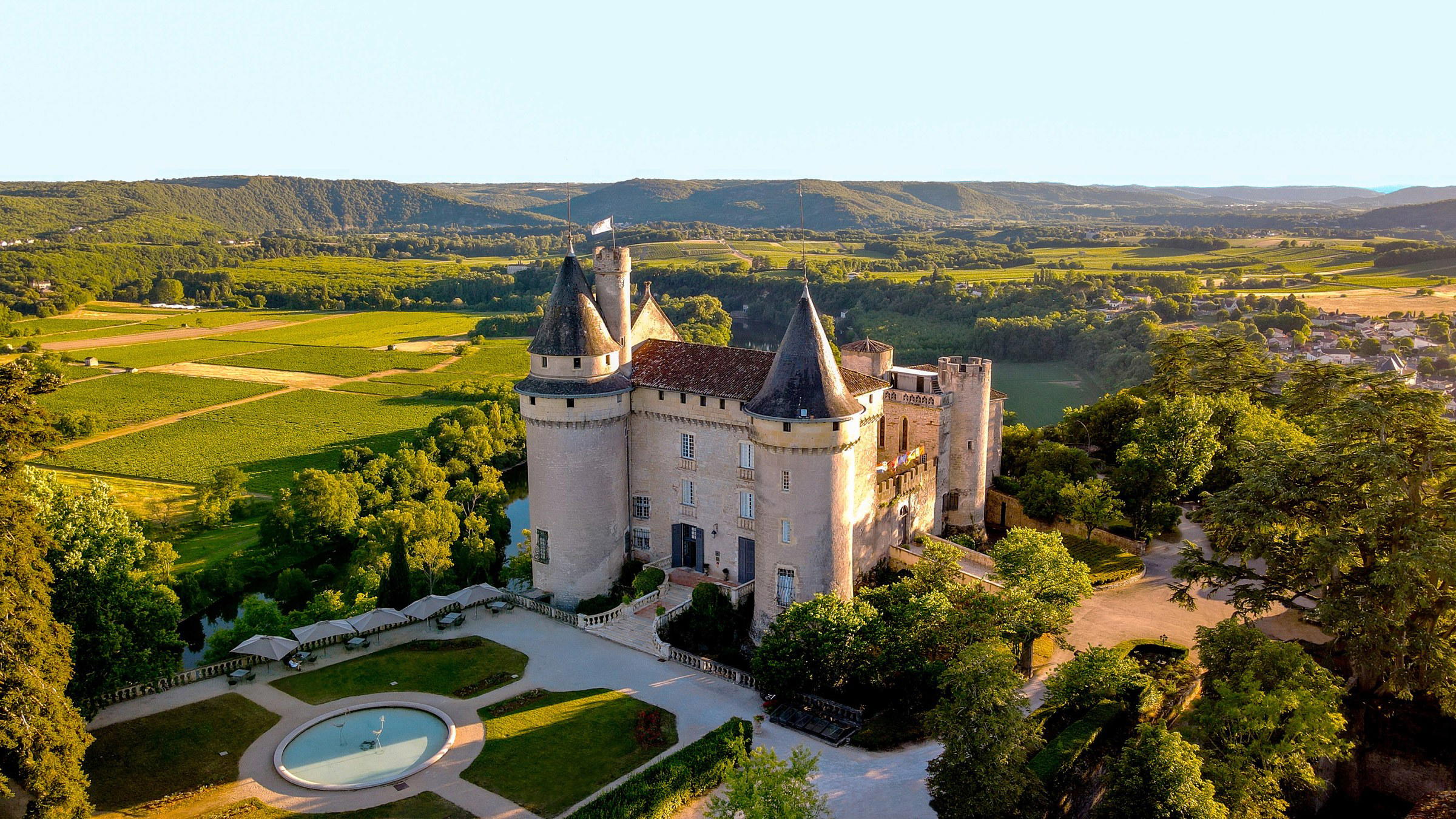
Beau Site sits within Rocamadour's medieval citadel, one of the Lot valley's most historically loaded addresses. Dining here means engaging with the deep larder of the Quercy plateau, black truffles, walnut oil, duck confit traditions, in a setting where the pilgrimage town's limestone architecture does more atmospheric work than any interior designer could. A reference point for understanding regional French cooking on its own terms.
 Discover on Pearl
Pearl is the En Primeur Club membership app — saves, bookings, and concierge access live there. Same editors, same standards.
- Address
- Cité Médiévale, 46500 Rocamadour, France
- Phone
- +33565336308
- Website
- beausite-rocamadour.com
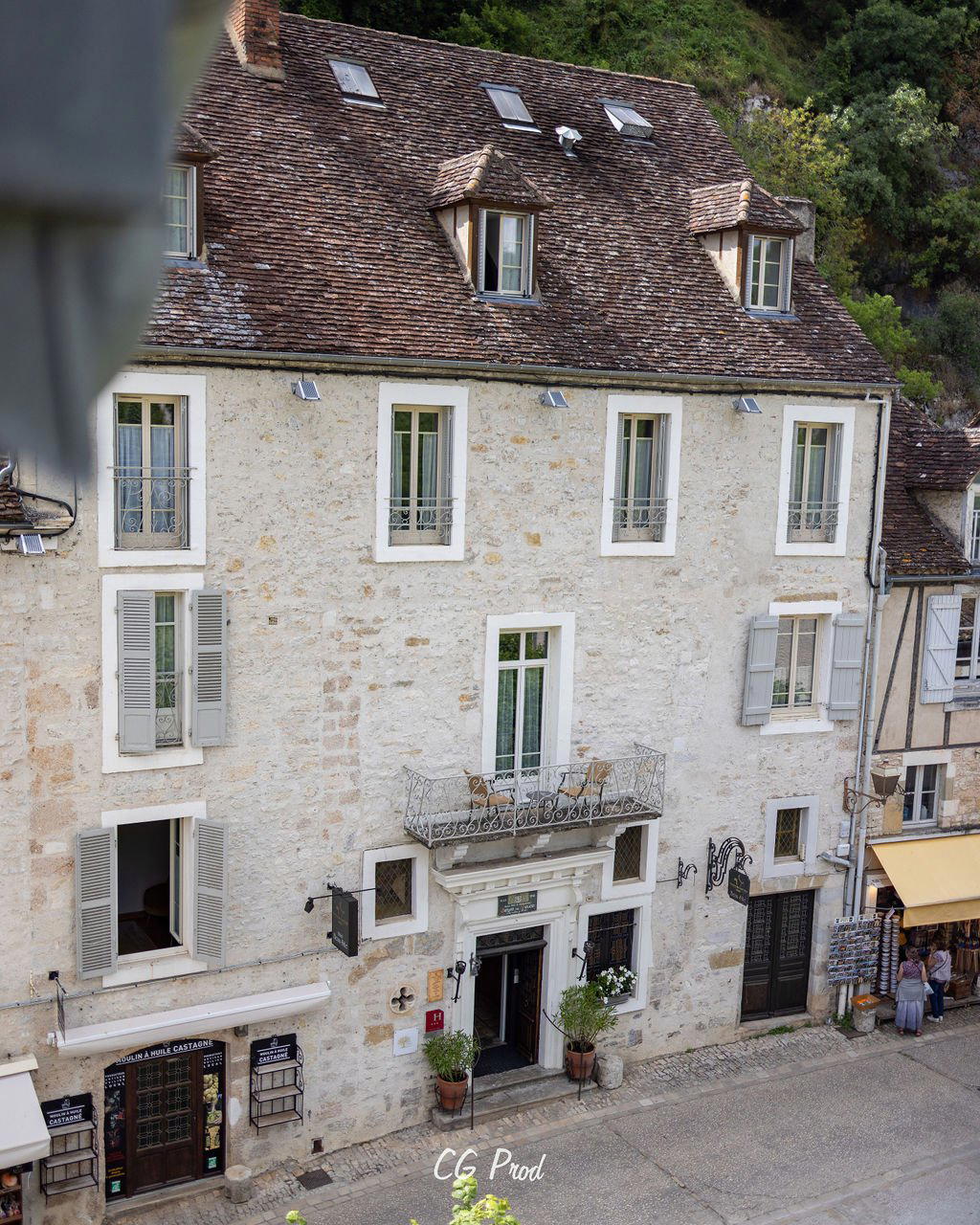
Stone, Altitude, and the Weight of Place
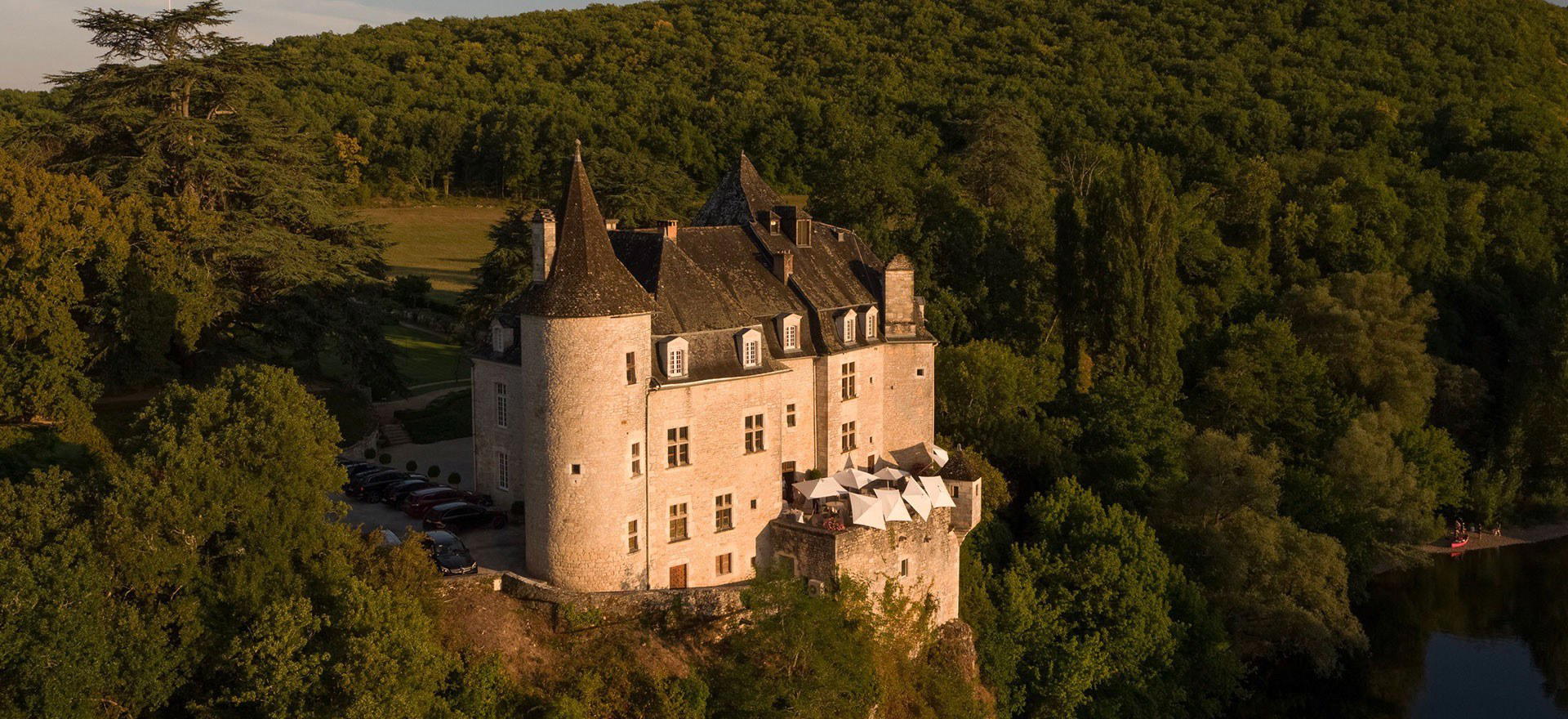
Approaching Rocamadour from the valley floor, the town appears implausible: a vertical stack of chapels, ramparts, and stone facades pressed into a cliff face above the Alzou canyon. The medieval citadel at the top of that climb, where Beau Site sits on the main street of the Cité Médiévale, carries the kind of atmospheric pressure that few French dining addresses can match. The pilgrimage routes that have converged here since the twelfth century shaped not just the architecture but the agricultural hinterland that feeds it, and that hinterland is, in many ways, the real subject of a meal in this part of the Lot.
France's most celebrated destination restaurants, Mirazur in Menton, Alléno Paris au Pavillon Ledoyen, Troisgros in Ouches, trade on accumulated culinary capital and tasting-menu ambition. The auberge tradition of the Quercy plateau operates differently. Here, the authority comes from geography: from a limestone causse that produces some of France's most characterful lamb, from river valleys threaded with walnut groves, and from a truffle culture that predates the Périgord's promotional machine. Beau Site holds a position inside that tradition, in a town that draws visitors from across Europe without needing a Michelin endorsement to fill its tables.
The Quercy Larder: What the Plateau Puts on the Table
The culinary identity of the Lot department runs through a small cluster of ingredients that the region has refused to surrender to modernisation. Rocamadour cheese, a tiny disc of raw goat's milk, PDO-protected since 1996, is the most famous export, and any serious kitchen in the citadel works with producers from the limestone plateau surrounding the town rather than sourcing from further afield. The cheese appears across the region at various stages: fresh and lactic in spring, firmer and more peppery as summer progresses, and fully aged into something almost nutty by autumn.
The black truffle circuit of the Lot and the neighbouring Dordogne extends into this territory, with markets at Lalbenque (one of the most significant truffle trading floors in France, operating on Tuesday afternoons from November through March) providing the seasonal backbone of regional winter menus. Duck and goose, prepared as confit or as foie gras in its various forms, remain the fat-forward foundation that distinguishes Quercy cooking from the lighter register of, say, alpine French cooking in Megève. Walnut oil, pressed cold from the Périgord noir varieties grown on hillside terraces, threads through salads and sauces in a way that signals local sourcing more reliably than any menu note about farm relationships.
For context on what ingredient-driven regionalism looks like when pushed to its highest expression in rural France, Bras in Laguiole, roughly two hours east on the Aubrac plateau, remains the reference. Michel and Sébastien Bras built an entire culinary language around a single upland landscape. The auberge tradition of the Quercy doesn't operate at that level of self-consciousness, but it draws from the same underlying logic: that the most compelling version of French regional cooking is the one that couldn't exist anywhere else.
Atmosphere Inside the Cité Médiévale
The Cité Médiévale street that runs through Rocamadour's upper town is narrow enough that summer tourism creates a genuine bottleneck. By early evening, when the coach groups have descended to the valley and the light turns the cliff face amber, the character of the place shifts considerably. The medieval wall fabric, tight-packed limestone, worn doorframes, the occasional iron bracket that once held a lantern, does the atmospheric work that purpose-built restaurant interiors in Paris spend considerable money trying to approximate.
Dining at an address like Beau Site means accepting that the setting is doing significant editorial work on the experience. This is neither a criticism nor uncritical praise: the medieval citadel of a UNESCO-listed pilgrimage town provides a context that few restaurant spaces in France can replicate, and the honest version of that is to say so plainly. The relevant comparison class is not Le 1947 à Cheval Blanc in Courchevel or L'Oustau de Baumanière in Les Baux, those are resort-destination restaurants built around technical ambition and luxury positioning. Beau Site belongs to a different category: the historically embedded French hotel-restaurant where place and table are inseparable propositions.
Further afield in the tradition of destination French auberges, Auberge du Vieux Puits in Fontjoncouse, Auberge de l'Ill in Illhaeusern, and Georges Blanc in Vonnas each represent what happens when the auberge format accumulates generational depth and serious culinary ambition side by side. Les Prés d'Eugénie in Eugénie-les-Bains and Maison Lameloise in Chagny occupy similar positions in their own regional contexts.
Planning Your Visit
Rocamadour sits in the Lot department of the Occitanie region, roughly an hour and a half south of Brive-la-Gaillarde by car and two hours northeast of Cahors. The town has no train station; the nearest rail access is Rocamadour-Padirac, about four kilometres from the village, served by limited connections on the Brive-Toulouse line. Most visitors arrive by car, which also allows access to the surrounding plateau and its producers.
Quick Comparison
Comparable venues nearby, for context on price, style, and recognition.
| Venue | Cuisine | Price | Awards | Notes |
|---|---|---|---|---|
| Beau SiteThis venue — the venue you are viewing | Traditional French Regional Bistro | $$$ | , | |
| Restaurant du Château | Traditional Regional Quercy Cuisine | $$$ | , | Rocamadour historical district |
| Madam | Seasonal French Bistronomy | $$$ | , | Baladou |
| Bistrot C.Forget | Bistronomic French Regional | $$$ | , | near Brassens market |
| Restaurant Sixty-two | Modern Southwestern French | $$$ | , | Capitole / Arnaud Bernard / Carmes |
| Coté vin | French Wine Bar with Tapas | $$$ | , | Capitole / Arnaud Bernard / Carmes |
Continue exploring
More in Rocamadour
Restaurants in Rocamadour
Browse all →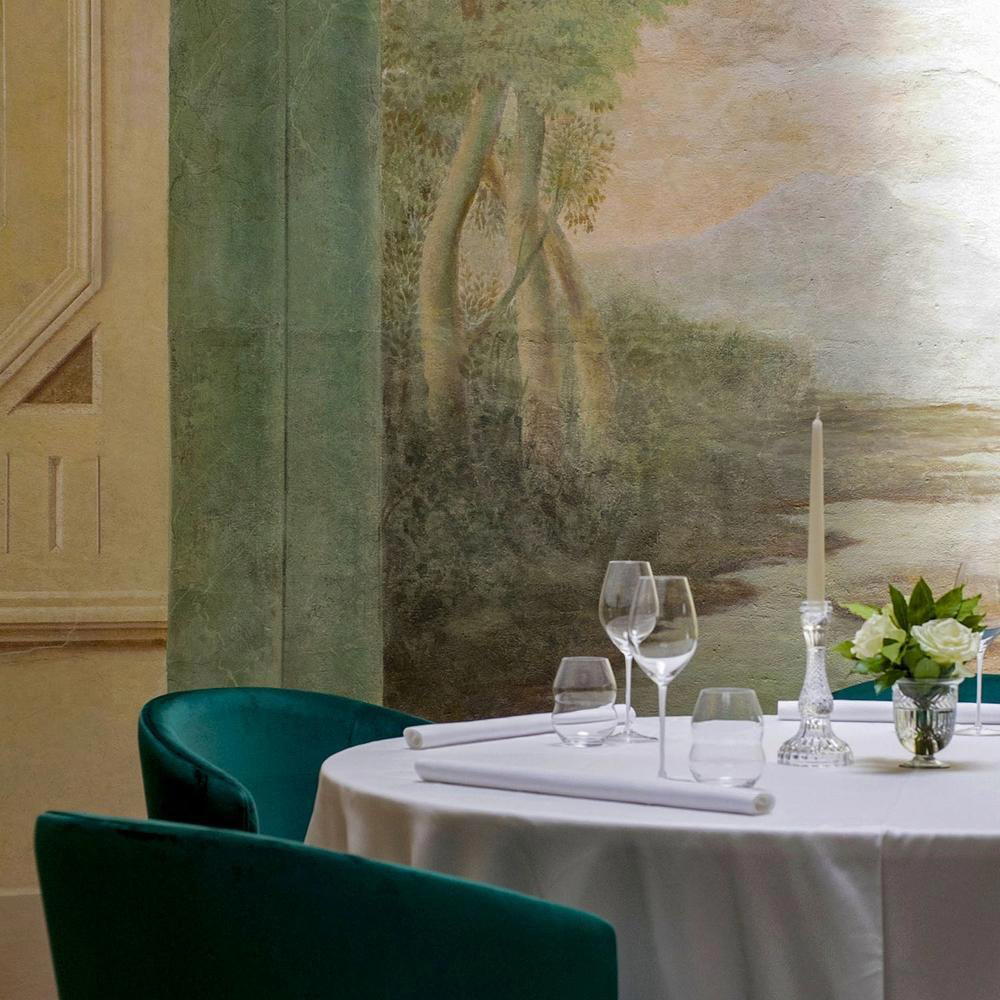
At a Glance
- Scenic
- Romantic
- Classic
- Rustic
- Date Night
- Special Occasion
- Terrace
- Historic Building
- Panoramic View
- Hotel Restaurant
- Local Sourcing
- Mountain
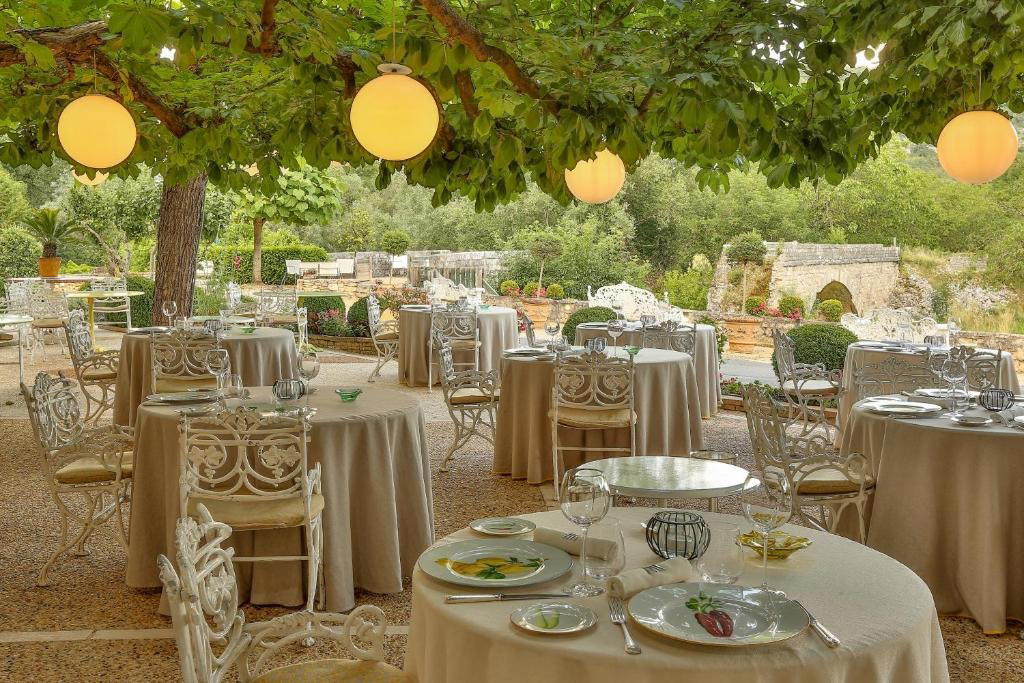
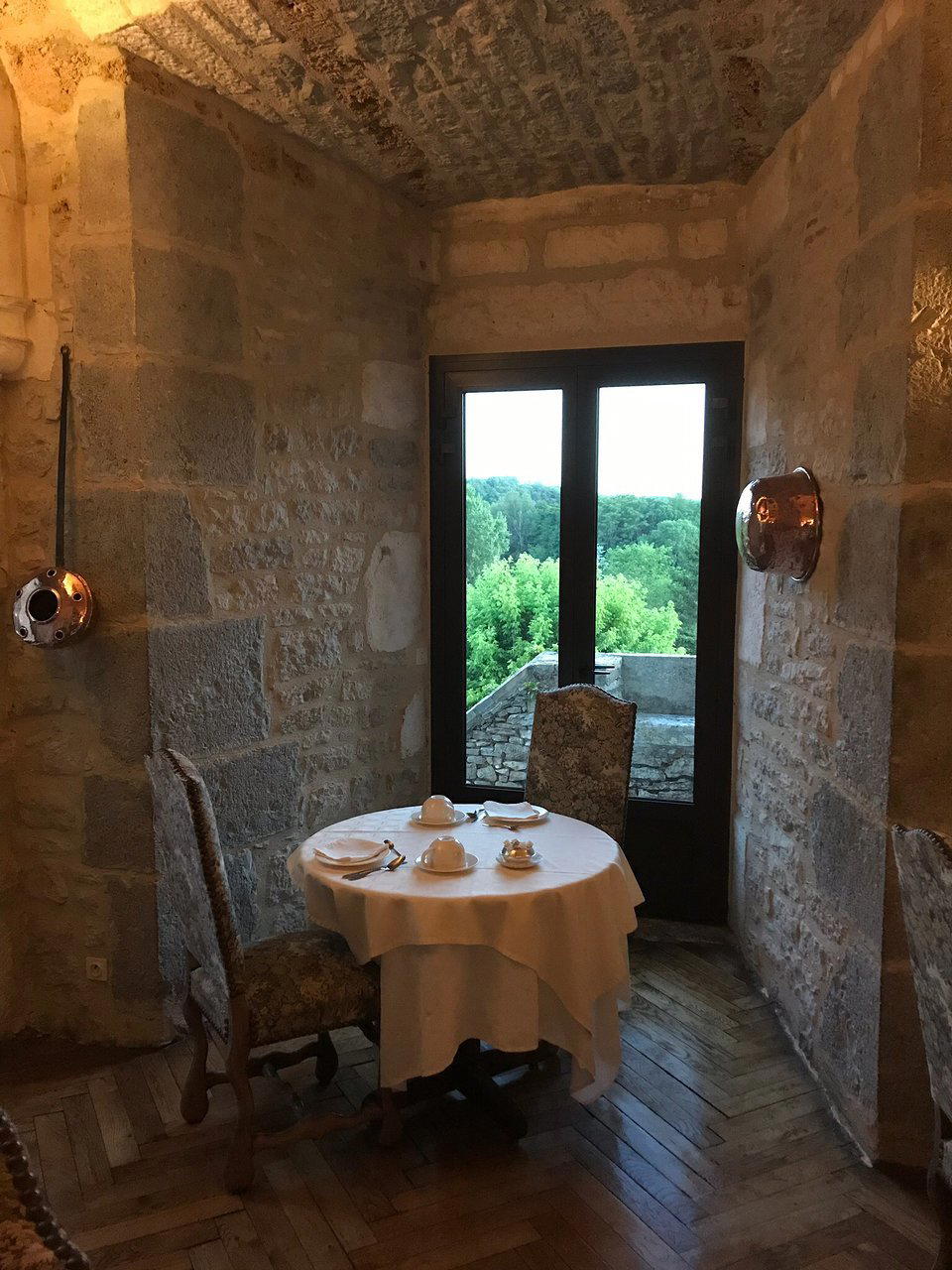
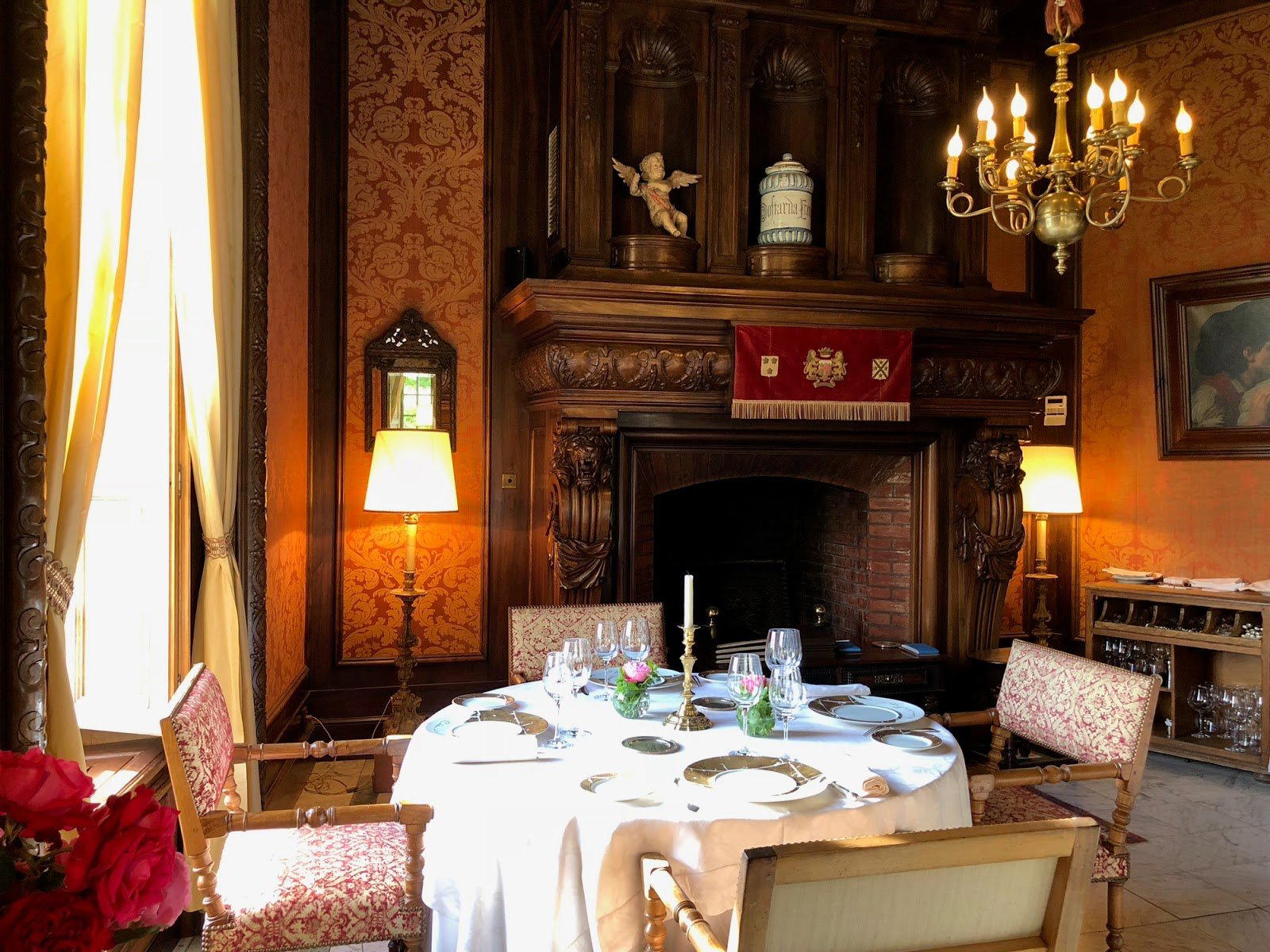
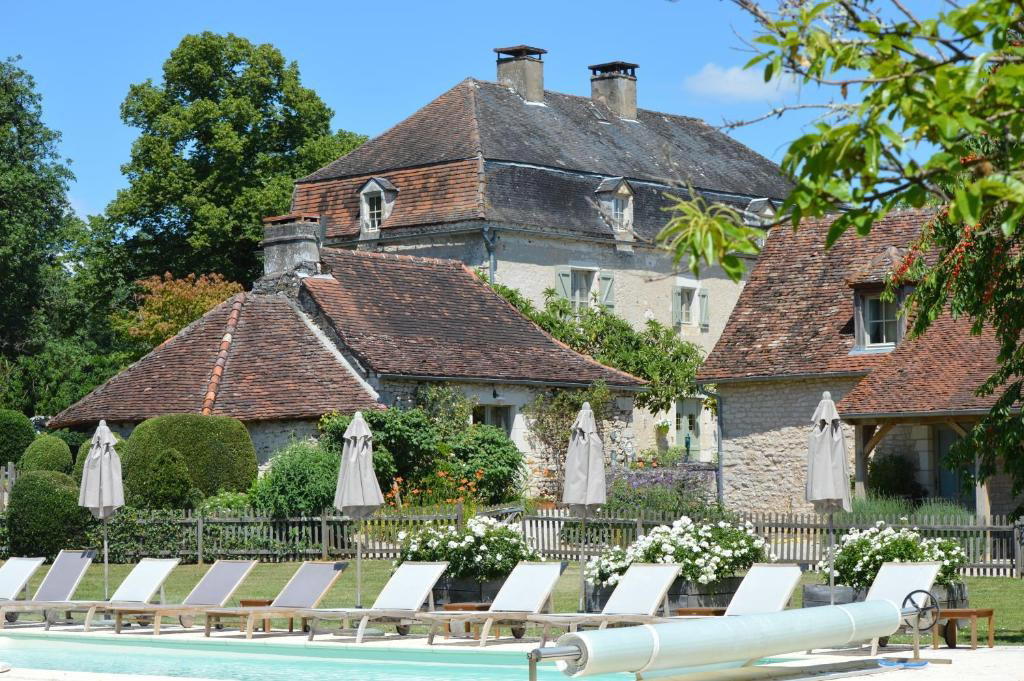
Pleasant terrace shaded by trees overlooking the valley, refined dining room in historic setting with warm, welcoming atmosphere.