Our verdict
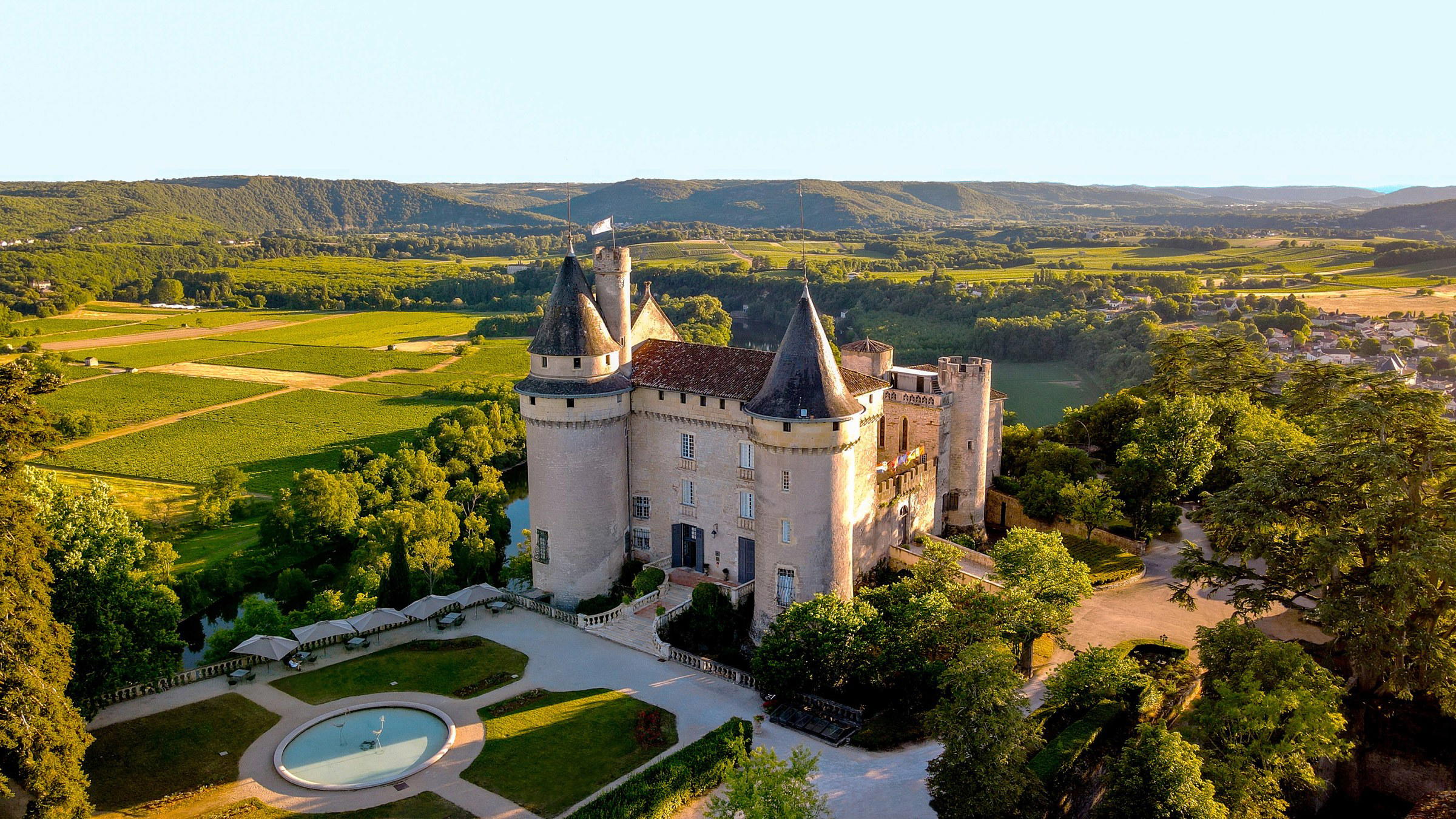
Madam sits along the Route de Martel in Baladou, a village in the Lot department where the Quercy plateau meets the Dordogne valley. The address places it squarely in one of France's most agriculturally serious regions, where duck confit, walnut oil, and black truffle have shaped local cooking for centuries. For visitors moving through the rural southwest, it represents a reason to slow down in a part of France that rewards exactly that.

Pearl is the En Primeur Club membership app — saves, bookings, and concierge access live there. Same editors, same standards.
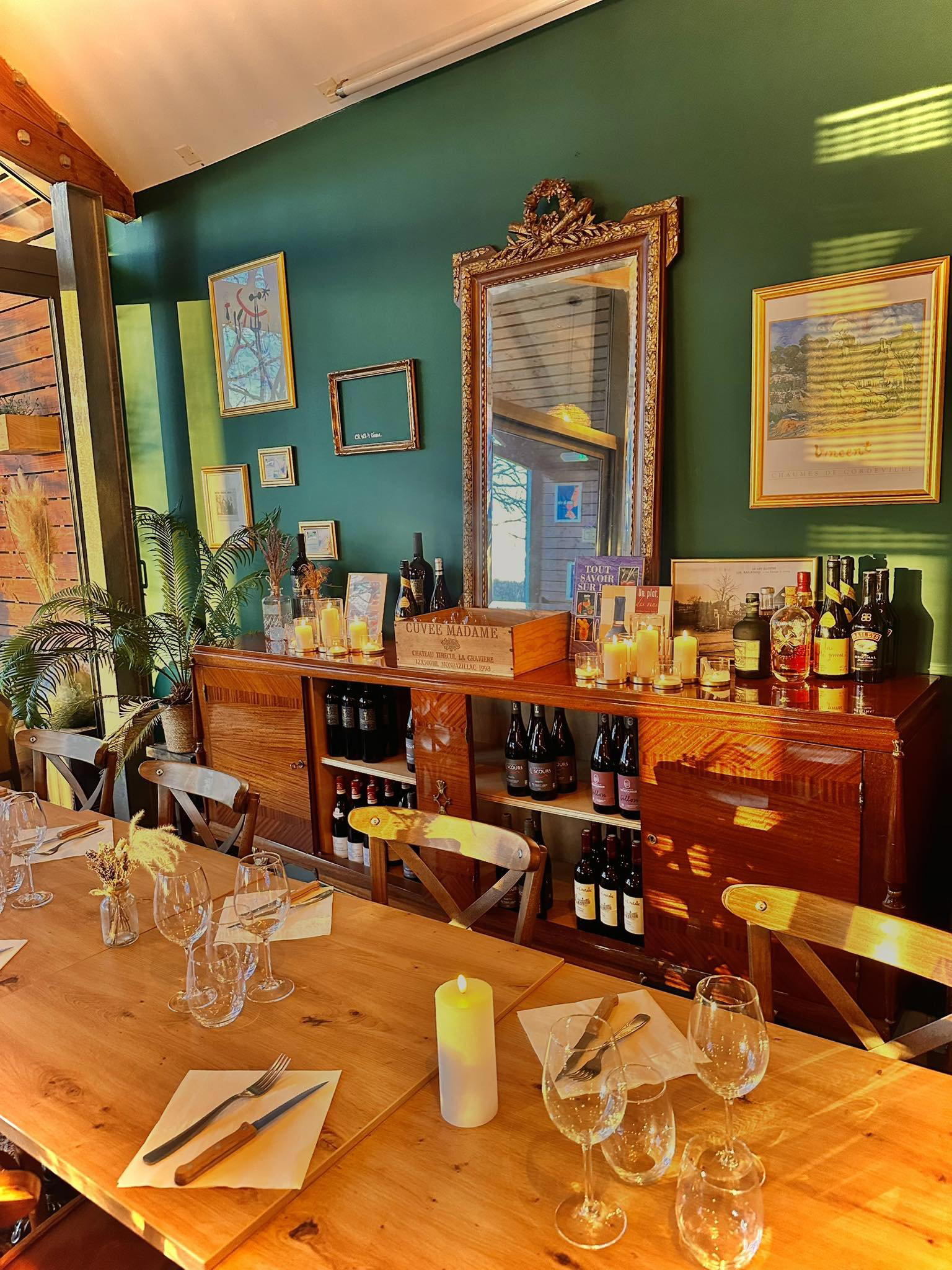
Where the Lot Teaches Restraint
The Route de Martel threads through limestone country between the Dordogne and the Célé, a corridor of France where the cooking vocabulary is older than most restaurant concepts. Baladou sits in this stretch of the Lot department, a département that rarely appears on the international fine-dining circuit yet supplies ingredients to tables far more celebrated than its own. Walnut groves, duck farms, black truffle grounds around Lalbenque, and the alluvial gardens of the valley floor produce raw material that chefs in Paris and Lyon source by name. Madam, at 99 Route de Martel, occupies this geography directly.
In a region where provenance is the baseline, not the differentiator, a restaurant's relationship with its supply chain matters more than any single technique. The kitchens that earn lasting attention in rural southwestern France tend to be the ones that treat local sourcing as a structural commitment rather than a menu note. That principle has shaped the most respected tables in the broader Massif Central and Midi-Pyrénées corridor, from Bras in Laguiole, where the connection to Aubrac terrain defines every plate, to Auberge du Vieux Puits in Fontjoncouse, where a remote village address became an asset rather than an obstacle. Madam enters this conversation from Baladou's particular patch of the southwest.
The Lot's Ingredient Logic
Understanding what makes a Quercy address meaningful requires some grounding in the region's agricultural specificity. The Lot is not homogeneous terrain. The causse, the dry limestone plateau, produces lamb with a mineral quality that differs noticeably from lowland breeds. The river valleys below grow tobacco, sunflowers, and market vegetables in alluvial soil that retains moisture through dry summers. Duck production in the Périgord Noir to the northwest and the Gascony farmland to the southwest creates overlapping supply that Lot restaurants can access with short logistics chains. Black truffles from the Quercy appellation, centred around Lalbenque's famous Tuesday market from November through March, represent one of France's most commercially significant truffle zones outside Provence.
A table in Baladou therefore sits at a genuine crossroads of southwestern French produce. The question that shapes any serious assessment of a restaurant in this location is not whether good ingredients are available but how deliberately they are used and how transparently the sourcing philosophy is communicated to the guest. At houses like Flocons de Sel in Megève or Mirazur in Menton, geographic specificity of ingredient is woven into the entire experience. The rural southwest has its own version of that argument to make, and Baladou is positioned to make it.
Rural France's Dining Register
Villages of Baladou's scale occupy a particular register in French dining culture. They are not destination restaurant towns in the way that Laguiole or Vonnas have become, yet they support eating establishments that serve a layered clientele: local trade, passing travellers on the D roads, and visitors making a slower circuit through the Lot and Dordogne. The format that survives in these settings tends toward the practical and seasonal, where a short menu changes with what the surrounding farms can supply that week rather than with what a test kitchen has engineered over months.
This is the model that has kept rural French cooking honest in a way that urban fine dining sometimes struggles to replicate. The multi-course precision of Alléno Paris au Pavillon Ledoyen or the product-centred intensity of AM par Alexandre Mazzia in Marseille operate in a different economy of ambition. Rural tables like those found along the Route de Martel answer to a different set of pressures, and the best of them produce cooking that reflects their geography more accurately than any urban interpretation could. For context on how French regional cooking at its most grounded has been recognised internationally, see our coverage of Auberge de l'Ill in Illhaeusern and Georges Blanc in Vonnas, both of which built reputations from provincial addresses over decades.
Planning a Visit to Baladou
Baladou is most practically reached by car. The nearest significant rail connection is Brive-la-Gaillarde, approximately 30 kilometres to the north, with TGV services connecting to Paris Austerlitz. From Brive, the D38 and D840 provide a direct southwest route into the Lot valley and on to the Route de Martel. Rocamadour, the pilgrimage town and regional draw, lies roughly 25 kilometres southeast, making Baladou a plausible base or stopping point for visitors touring the upper Lot. The truffle season between November and March adds a specific temporal argument for visiting in colder months, when Quercy black truffle is at its most concentrated and local menus reflect it directly. Summer visits follow a different logic, with river tourism on the Dordogne and Célé pushing visitor numbers upward and the surrounding countryside in active agricultural production. For those building a broader southwest France itinerary, our full Baladou restaurants guide maps the local options in more detail. Travellers extending further afield might also consider Christopher Coutanceau in La Rochelle on the Atlantic coast or L'Oustau de Baumanière in Les Baux for the Provençal counterpart to this kind of regionally anchored cooking. If the comparison set extends to France's most recognised regional tables internationally, Paul Bocuse - L'Auberge du Pont de Collonges and Troisgros - Le Bois sans Feuilles in Ouches offer a longer historical frame for what provincial ambition looks like at its most sustained. For reference points further afield, Le Bernardin in New York City and Atomix in New York City demonstrate how ingredient sourcing discipline translates across entirely different urban contexts, a useful contrast when thinking about what geographical rootedness actually demands of a kitchen. See also Assiette Champenoise in Reims and Au Crocodile in Strasbourg for the Alsace and Champagne register of French regional seriousness, and La Marine in Noirmoutier-en-l'île for the Atlantic island approach to hyper-local sourcing.
Frequently asked questions
Is Madam good for families?
Baladou is a small village on the Route de Martel in the Lot, and addresses at this scale tend to operate in a relaxed, unhurried register that suits families who are comfortable with a slower pace. The rural setting and modest village size mean the environment is low-key rather than formal. That said, specific family facilities at Madam are not documented, so it is worth making contact before visiting with young children.
What's the overall feel of Madam?
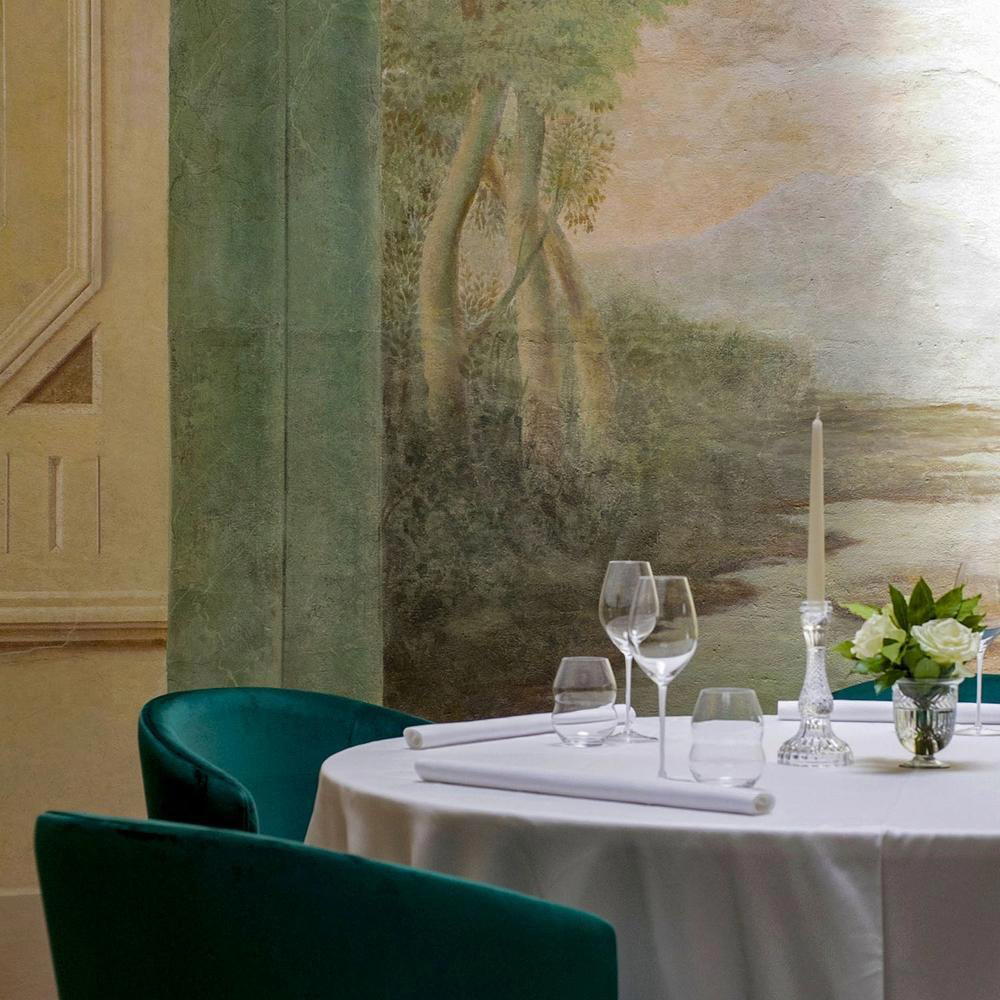
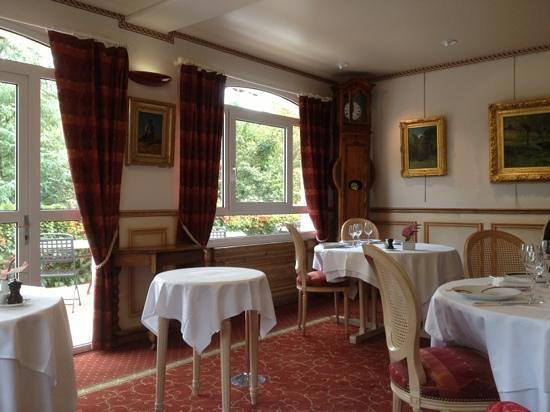
Madam sits at 99 Route de Martel in Baladou, a limestone-country village between the Dordogne and the Célé in the Lot. The feel is shaped by its geography: this is rural southwest France, where dining tends toward the grounded and unfussy rather than the theatrical. Villages of Baladou's scale typically offer a sense of local routine rather than destination spectacle.
What makes dining in Baladou different from eating in larger Lot towns like Figeac or Cahors?
Baladou, at 99 Route de Martel in the Lot, is a village rather than a market town, which means a restaurant here draws from a very local customer base and operates without the tourism infrastructure that shapes menus in Cahors or Figeac. The Quercy limestone plateau and the Dordogne valley immediately to the north define what is available and what gets cooked, with less pressure to perform for outside expectations. That insularity, where it exists, tends to keep the cooking tethered to what the land actually produces.
Where do I go for Madam?
Madam is located at 99 Rte de Martel, 46600 Baladou, France, Baladou.
Is Madam reservation-only?
For a village address in the Lot at 99 Route de Martel, Baladou, arriving without prior contact is a risk — rural French restaurants at this scale frequently run limited covers and may close without notice outside peak season. Attempting contact locally before making the drive is advisable.
What's the standout thing about Madam?
Location is the clearest credential on record: Baladou sits along the Route de Martel in the Lot, a corridor of France where the cooking tradition predates most contemporary restaurant movements. The village itself is small enough that a restaurant here exists primarily for the region rather than for passing trade, which tends to produce a different kind of sincerity than you find in better-signposted towns.
In Context: Similar Options
Comparable venues nearby, for context on price, style, and recognition.
| Venue | Cuisine | Price | Awards | Notes |
|---|---|---|---|---|
| MadamThis venue — the venue you are viewing | Seasonal French Bistronomy | Not listed | Not listed | Not listed |
| Maison Blanche | Modern French Fine Dining | Not listed | Not listed | 8th arrondissement |
| Capelo | Bistronomic Périgourdine | Not listed | Not listed | Périgueux |
| Cabanoix et Châtaigne | French Market Bistro | $20–30 | Not listed | Domme |
| Momento | Modern French-Mexican Fusion | $50–100 | Star Wine List | Bué |
| Né de la mer | French Seafood Bistro | $30–50 | Not listed | historic district |
Continue exploring
More in Baladou
Restaurants in Baladou
All restaurants in Baladou →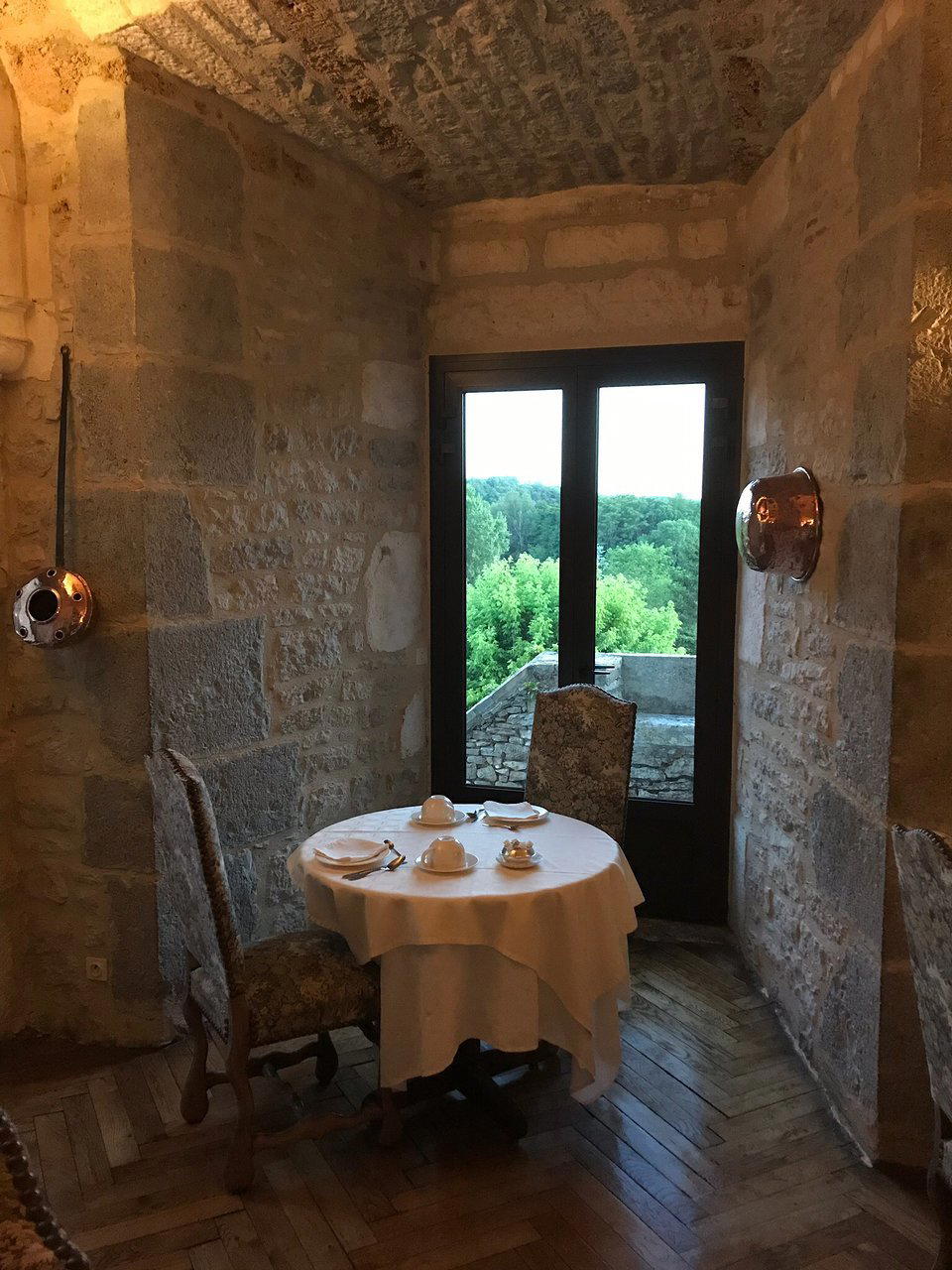
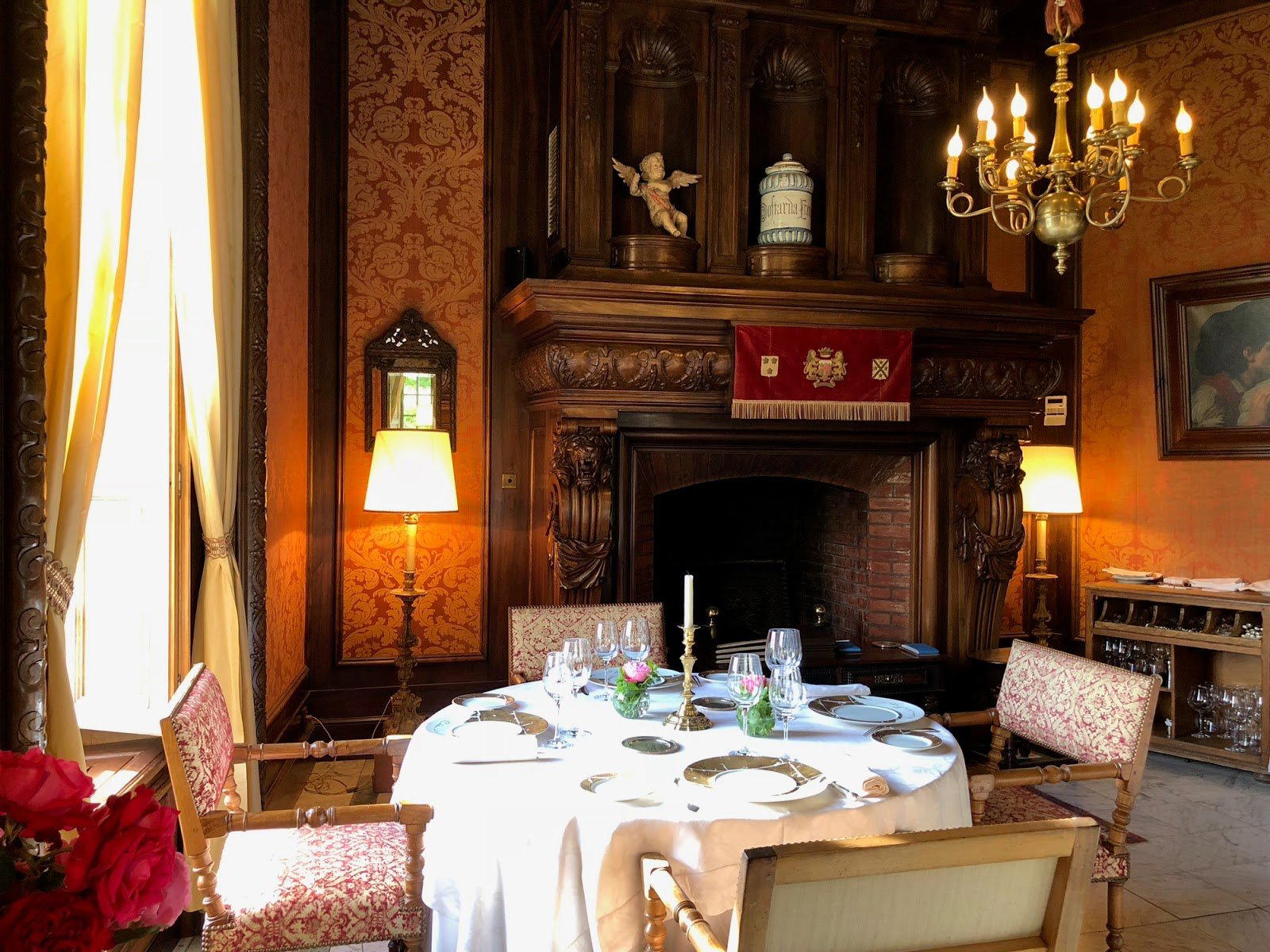
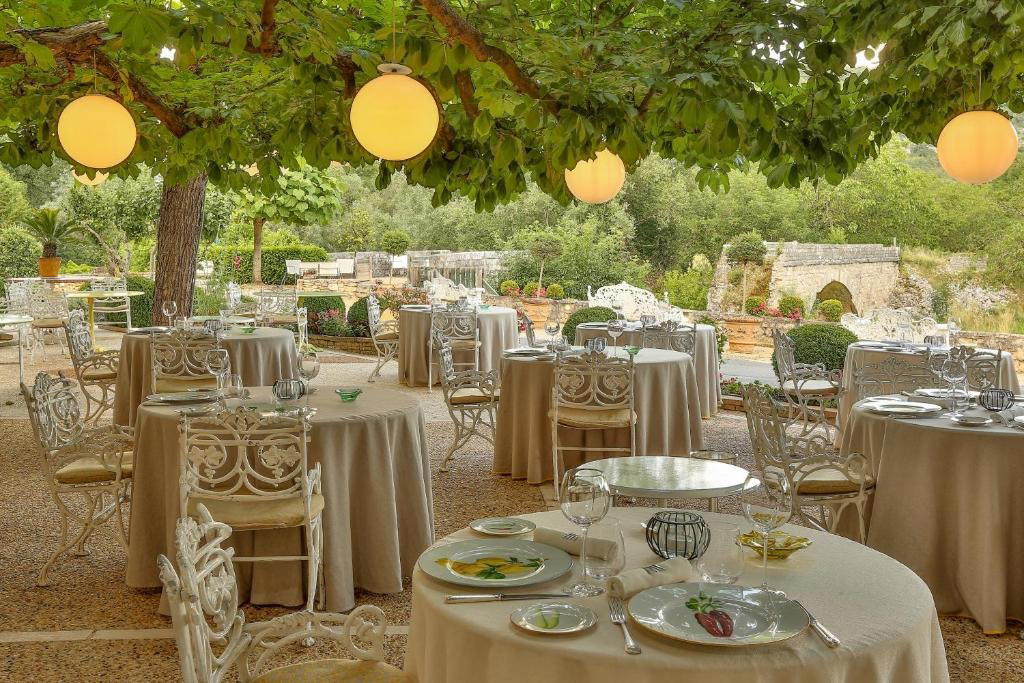
Bars in Baladou
Browse all →

Details
- Cozy
- Warm
- Elegant
- Date Night
- Special Occasion
- Standalone
- Local Sourcing
- A La Carte
Current opening hours
- Monday
- Closed
- Tuesday
- Closed
- Wednesday
- 12–3 PM
- Thursday
- 12–3 PM
- Friday
- 12–3 PM, 7–11 PM
- Saturday
- 12–3 PM, 7–11 PM
- Sunday
- 12–3 PM
Hours can change for holidays and private events. Last verified .
Warm and welcoming with a cozy, hearty atmosphere.