Bistrot C.Forget
Our verdict
On the Avenue de Paris in Brive-la-Gaillarde, Bistrot C. Forget occupies the kind of address that anchors a neighbourhood rather than chasing attention. The bistrot format here follows a tradition deeply rooted in the Corrèze: produce-led cooking where the sourcing logic matters as much as what appears on the plate. For visitors to the Dordogne and Quercy borderlands, it offers a grounded entry point into the region's larder.

Pearl is the En Primeur Club membership app, where members save venues, book tables and use the concierge.

Avenue de Paris and the Corrèze Bistrot Tradition
The avenue de Paris runs through Brive-la-Gaillarde as one of those wide, unhurried French thoroughfares that still carries the rhythm of a market town rather than a transit corridor. Restaurants along it tend to reflect the city's self-image: provincial in the leading sense, anchored to local producers and seasonal calendars rather than trend cycles. Bistrot C. Forget sits at number 53 in that context, part of a dining culture in Brive that has always defined itself more by what the Corrèze and its neighbouring departments put on the table than by imported technique or cosmopolitan ambition.
That matters in a city where the underlying larder is serious. The Corrèze produces some of the most respected veal and poultry in France, Quercy lamb arrives from less than an hour south, walnuts and cèpes from the Périgord overlap the department's eastern edge, and the Dordogne river basin contributes freshwater fish to tables that know how to use them. A bistrot format here, if it takes sourcing seriously, has access to the kind of regional supply chain that larger city restaurants spend considerable effort replicating from a distance.
What the Bistrot Format Signals in This Context
Across France, the term bistrot carries a range of implications depending on city and price tier. In Paris, it has been applied to everything from neighbourhood zinc counters to stripped-back neo-bistrot destinations with natural wine lists and serious kitchen pedigrees. In a mid-sized provincial city like Brive, the bistrot designation means something more specific: a commitment to approachability, to menus that rotate with the market rather than following a fixed creative programme, and to portions that are meant to satisfy rather than provoke.
That positions Bistrot C. Forget differently from the more formal end of Brive's dining offer. La Table d'Olivier operates at the modern cuisine tier (€€€), and En Cuisine and Inspyration occupy the contemporary mid-range. Chez Francis holds the traditional end of the spectrum, and Bistrot Chambon operates in a comparable format tier. Within that map, C. Forget reads as a neighbourhood-anchored address: not a destination for the city's formal occasion dining, but the kind of place that sustains a regular following precisely because it doesn't ask much of the diner beyond showing up hungry.
Ingredient Sourcing and the Logic of the Corrèze Table
The broader French bistrot revival of the last decade has put ingredient sourcing at the centre of how these restaurants are discussed and evaluated. Where a bistrot sources its meat, whether its cheeses come from regional affineurs, and how closely its menu follows actual seasonal availability have become markers that distinguish serious operators from those trading on the format's goodwill. In the Corrèze context, that conversation is inseparable from geography.
Brive sits at the meeting point of three major French culinary zones: the Périgord to the west, Quercy to the south, and the Massif Central uplands to the east. Each contributes differently. The Périgord's duck and foie gras tradition is well documented, and proximity to Sarlat means access to some of the most established duck producers in France. Quercy lamb, raised on the limestone causses, has protected designation status. The Corrèze's own beef and veal industries have earned consistent recognition in French agricultural circles. A kitchen in Brive that uses its position intelligently is working with one of the more concentrated regional larders in southern France.
For diners accustomed to the grand table format, where sourcing is narrated course by course and produce provenance becomes part of the menu text, the bistrot approach can seem underspecified. But the tradition it draws from is older than the contemporary sourcing conversation: the Corrèze bistrot has always cooked this way because the supply was local by default, not by design. That continuity, where regional produce arrives through established market relationships rather than curated farm partnerships, is its own form of credibility.
To understand how seriously French regional kitchens can carry that tradition at its most rigorous, it helps to place Brive within the broader national context. Houses like Bras in Laguiole or Les Prés d'Eugénie in Eugénie-les-Bains have built international reputations on the premise that provincial French produce, handled with discipline and local knowledge, requires no cosmopolitan supplement. Troisgros in Ouches and Auberge de l'Ill in Illhaeusern similarly anchor their identities to specific regional supply chains. At the formal end of French dining, Alléno Paris, Mirazur in Menton, Flocons de Sel in Megève, Paul Bocuse, Georges Blanc in Vonnas, and La Table du Castellet each demonstrate how deeply French fine dining remains anchored to its regional supply. Even internationally, ingredient-driven formats like Le Bernardin in New York and Lazy Bear in San Francisco operate on sourcing logic that French provincial kitchens established long before it became a global restaurant idiom. The bistrot format simply compresses that logic into a more direct, less mediated version of the same argument: the produce is the point.
Planning a Visit to Brive
Brive-la-Gaillarde is accessible by TGV from Paris in under three hours, and sits on direct rail lines from Bordeaux and Toulouse, making it a practical stop on a wider southwest France itinerary rather than a dedicated destination. The city's weekly market, held at Les Halles, is the most efficient way to read the seasonal supply before sitting down anywhere on the dining circuit. For a fuller picture of where C. Forget fits within the local offer, the EP Club Brive-la-Gaillarde guide maps the full dining range across format and price tier.
As with most neighbourhood bistrots operating without a central reservations platform, contact via the listed address at 53 Avenue de Paris is the practical starting point. Lunch service on market days tends to draw the highest demand from local regulars, which is as reliable a proxy for kitchen quality as any formal metric.
Frequently asked questions
Where is Bistrot C. Forget located?
Bistrot C. Forget is located at 53 Av. de Paris, 19100 Brive-la-Gaillarde, France, Brive-la-Gaillarde.
Is Bistrot C. Forget a good option for a stopover meal when travelling through Corrèze by train?
Brive-la-Gaillarde sits on direct TGV and regional rail lines connecting Paris, Bordeaux, and Toulouse, making it a practical midpoint for travellers crossing the southwest. Bistrot C. Forget is located at 53 Avenue de Paris, which places it on one of the town's main arteries and within reach of the station for a lunch or dinner stop. The bistrot format is well-suited to the kind of unhurried, single-sitting meal that makes a rail layover worthwhile rather than incidental.
What do regulars order at Bistrot C. Forget?
The bistrot format on Avenue de Paris in Brive-la-Gaillarde points toward the kind of Corrèze-rooted cooking that puts seasonal, regionally sourced produce at the centre of the plate. In this part of southwest France, that typically means duck-based preparations, walnut-dressed salads, and slow-cooked cuts that reflect the local market calendar. Specific menu items for Bistrot C.
How far ahead should I plan for Bistrot C. Forget?
Brive-la-Gaillarde is a market town with a tight concentration of neighbourhood restaurants, and well-regarded bistrots on the main avenues tend to fill quickly on market days and weekends. No confirmed booking window is documented for Bistrot C. Forget at 53 Avenue de Paris, so contacting the venue directly before your visit is advisable, particularly if you are arriving by TGV and working to a fixed schedule.
Comparable Venues
Comparable venues nearby, for context on price, style, and recognition.
| Venue | Cuisine | Price | Awards | Notes |
|---|---|---|---|---|
| Bistrot C. ForgetThis venue (the venue you are viewing) | Bistronomic French Regional | $30–50 | Not listed | Not listed |
| Moon | Modern French Bistro | $50–100 | Michelin Plate | Brive-la-Gaillarde |
| En Cuisine | Modern French Bistro | $50–100 | Michelin Plate | Brive-la-Gaillarde |
| Chez Francis | Traditional French Bistro | $50–100 | Michelin Plate | historic town center |
| Bistrot Chambon | Traditional French Bistro | $20–30 | Not listed | central Brive-la-Gaillarde |
| Inspyration | Eco-Responsible French Gastronomy | $30–50 | Michelin Bib Gourmand | Brive-la-Gaillarde |
Continue exploring
More in Brive-la-Gaillarde

Details
- Cozy
- Rustic
- Elegant
- Date Night
- Special Occasion
- Open Kitchen
- Extensive Wine List
- Local Sourcing
- A La Carte
- Vegetarian Friendly
Current opening hours
- Monday
- Closed
- Tuesday
- Closed
- Wednesday
- 7:15–9 PM
- Thursday
- 12–1:30 PM, 7:15–9 PM
- Friday
- 12–1:30 PM, 7:15–9 PM
- Saturday
- 12–1:30 PM, 7:15–9 PM
- Sunday
- 12–1:30 PM
Hours can change for holidays and private events. Hours as of .
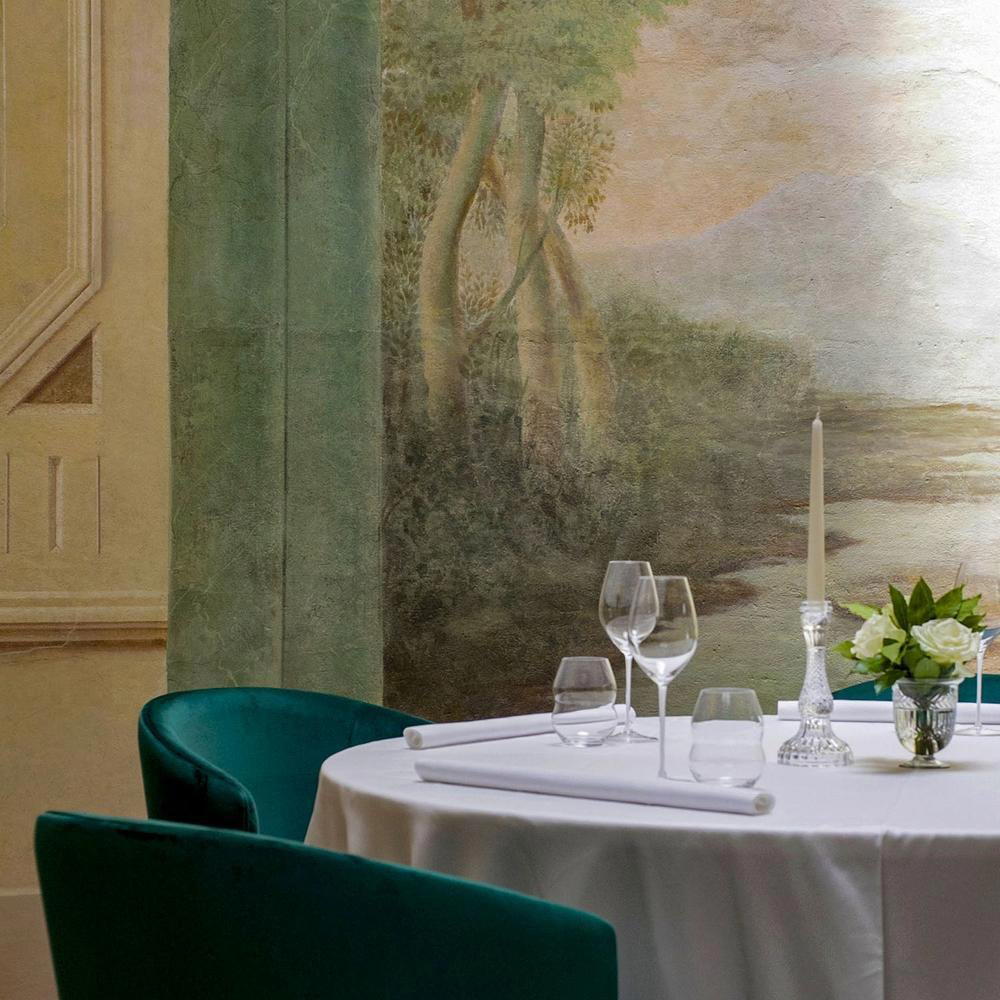
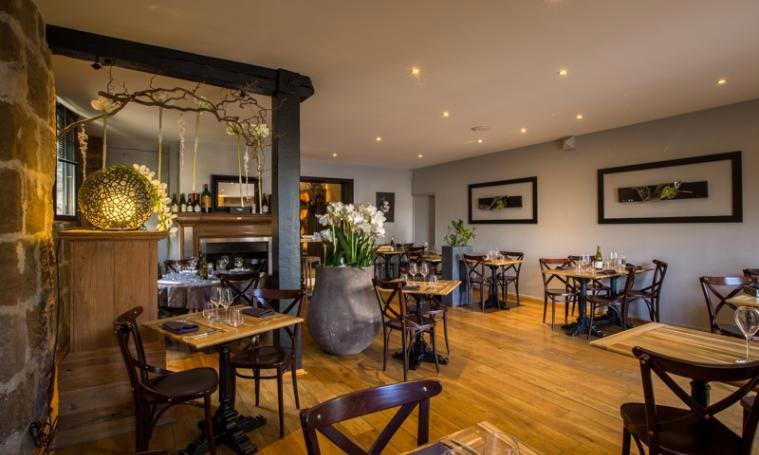
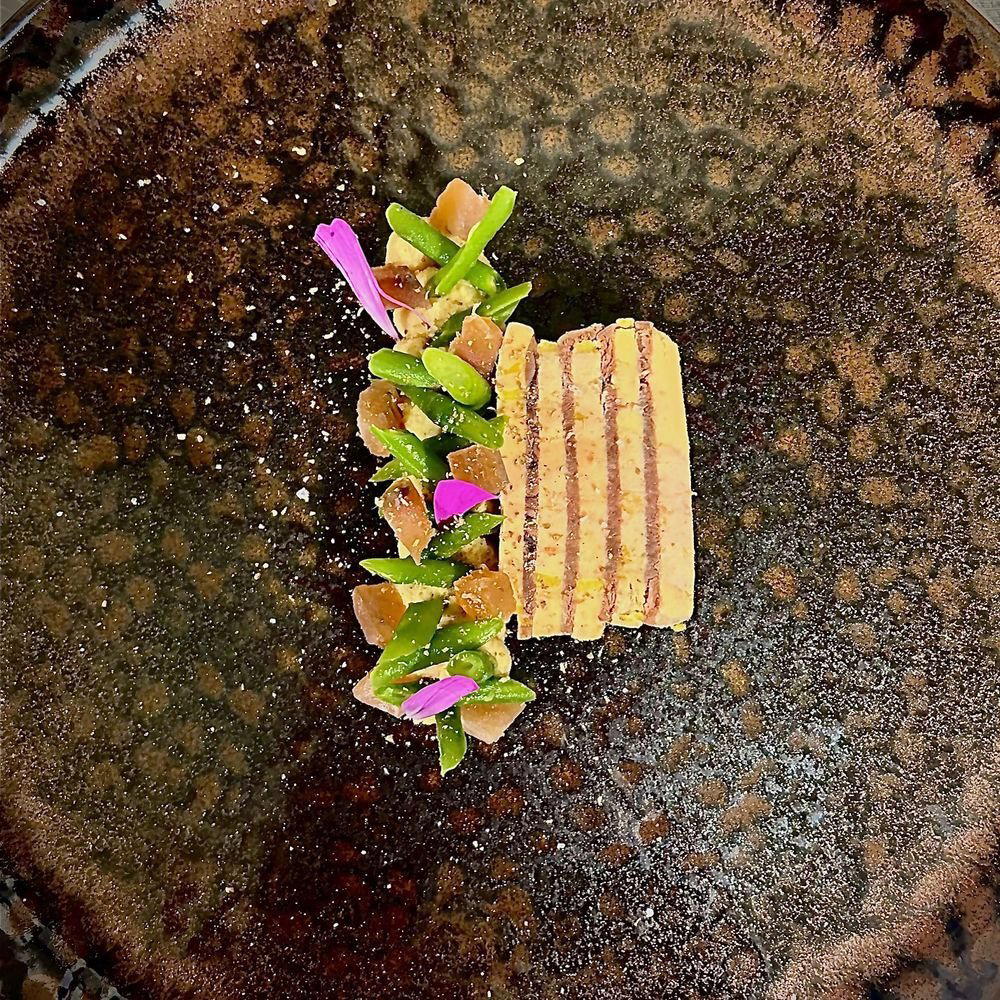
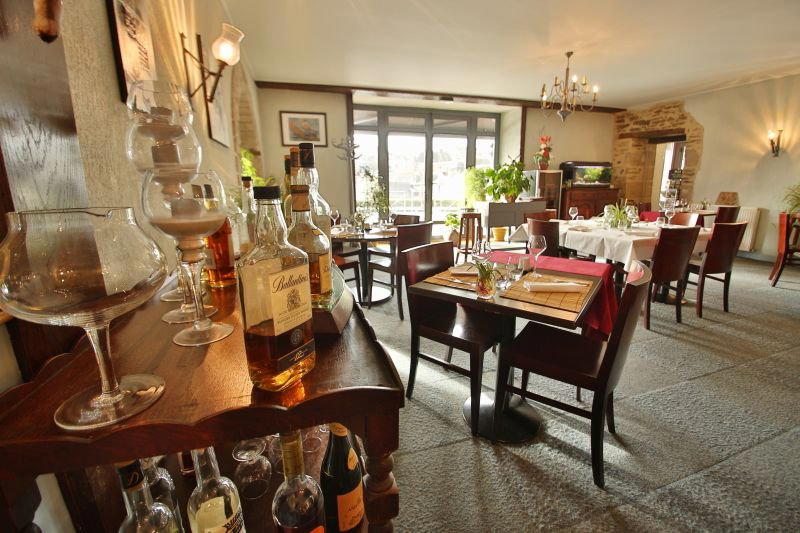
Chaleureux bistro atmosphere with a focus on terroir and tradition.