Restaurant du Château
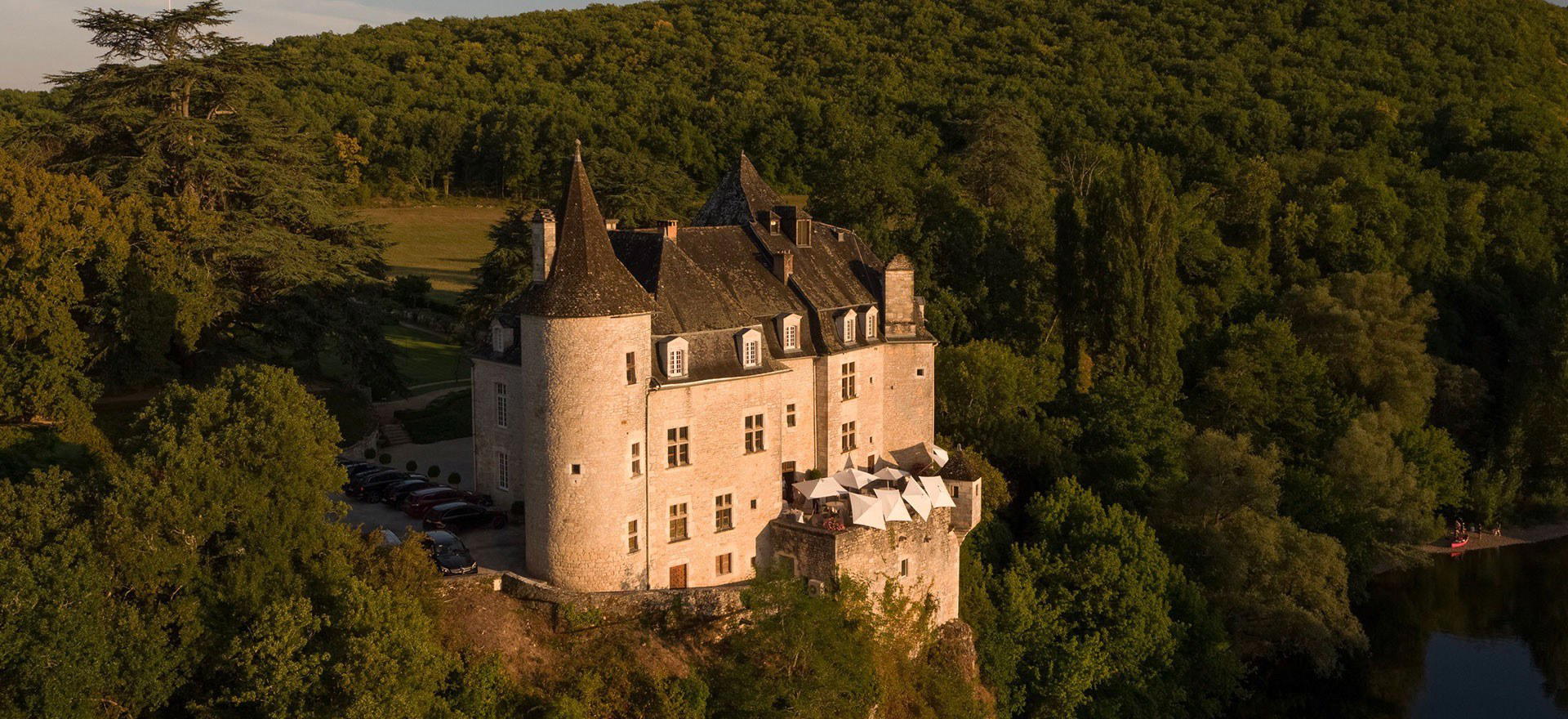
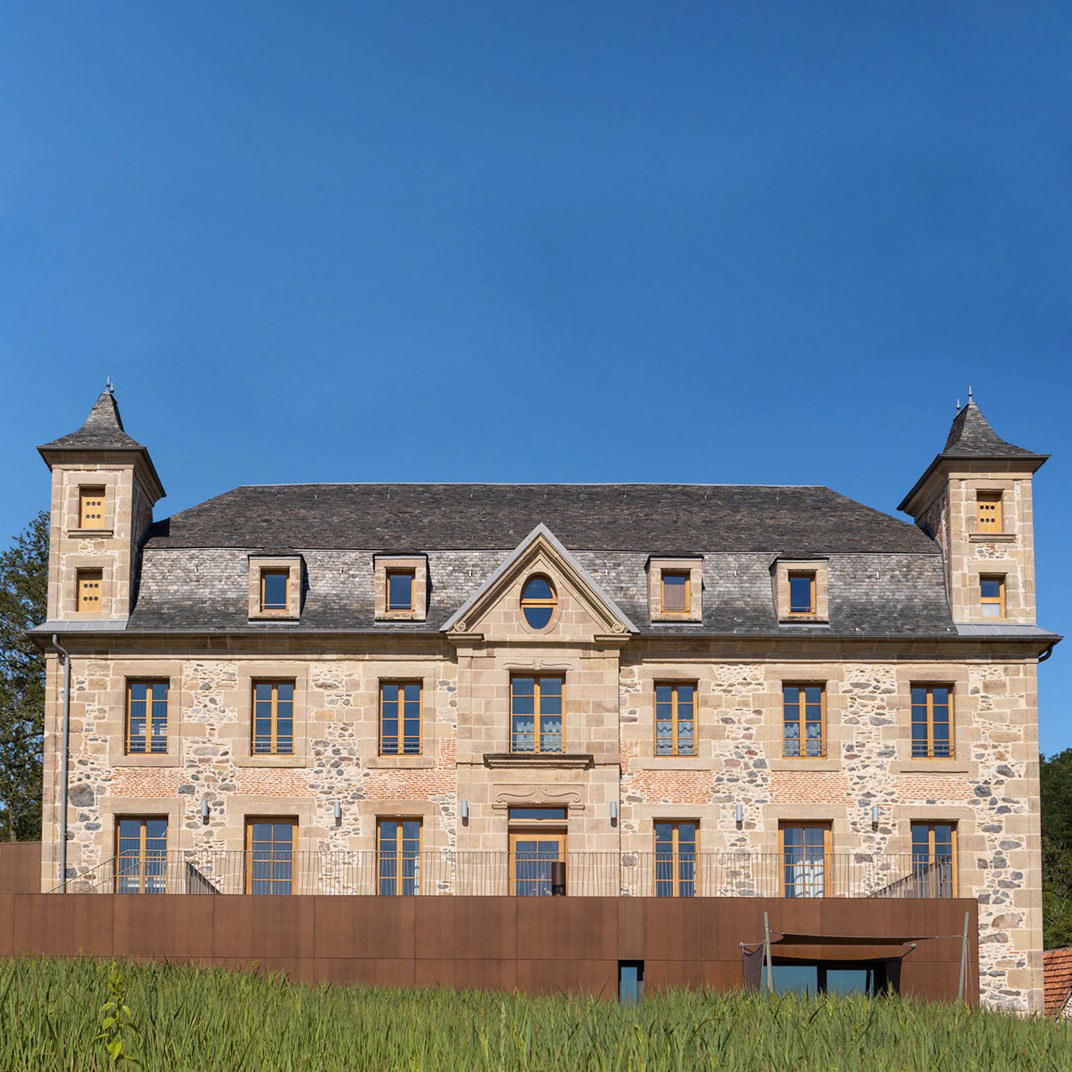
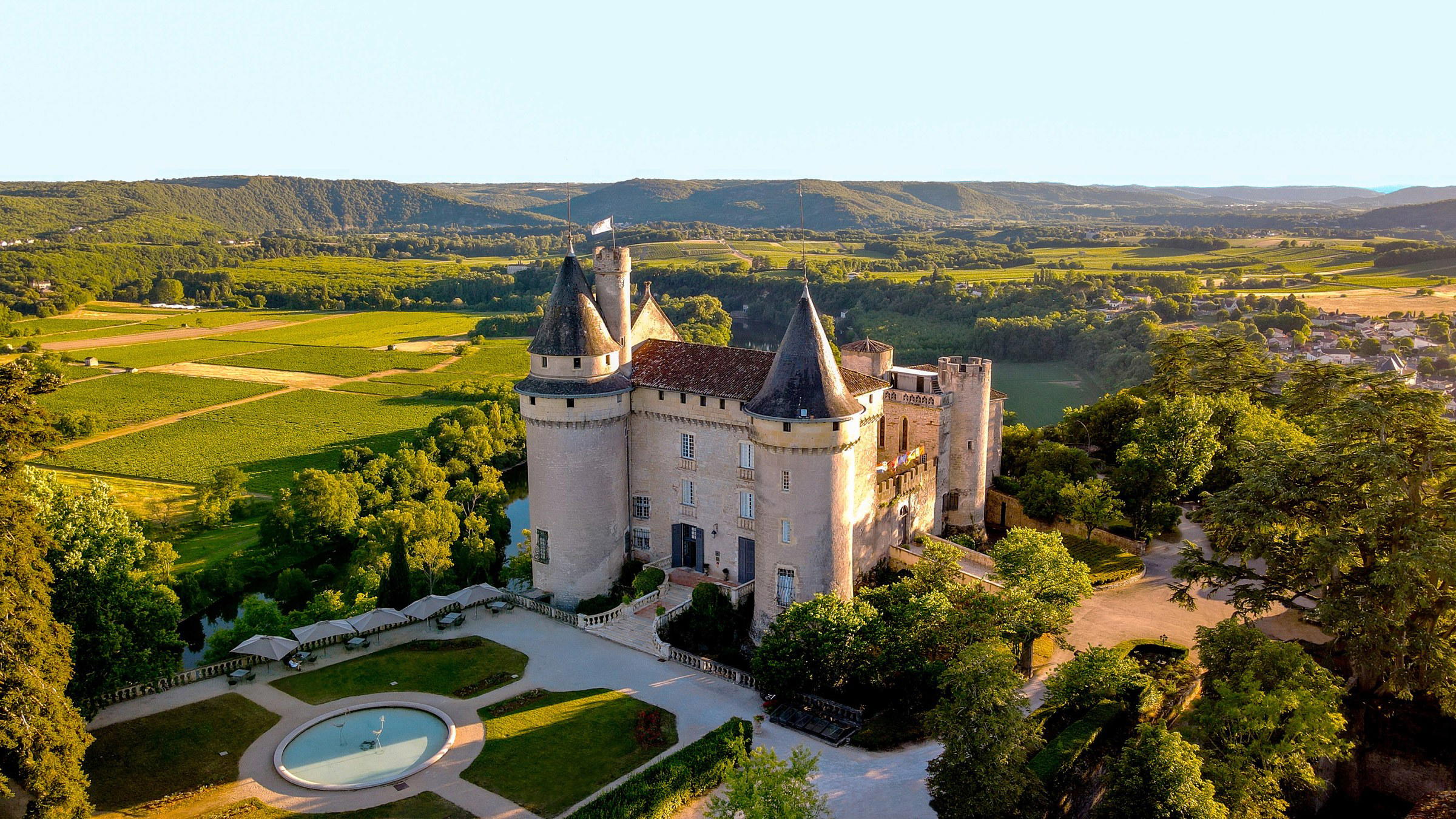
Positioned inside the medieval castle complex above Rocamadour's pilgrimage town, Restaurant du Château occupies one of the Lot department's more arresting dining settings. The kitchen draws on the agricultural traditions of the Quercy plateau, lamb, walnut, truffle, foie gras, placing it squarely in the regional canon. For visitors making the ascent to the château, a meal here frames the landscape as much as it frames the menu.
 Discover on Pearl
Pearl is the En Primeur Club membership app — saves, bookings, and concierge access live there. Same editors, same standards.
- Address
- Le Château, 46500 Rocamadour, France
- Phone
- +33565336222
- Website
- hotelchateaurocamadour.com
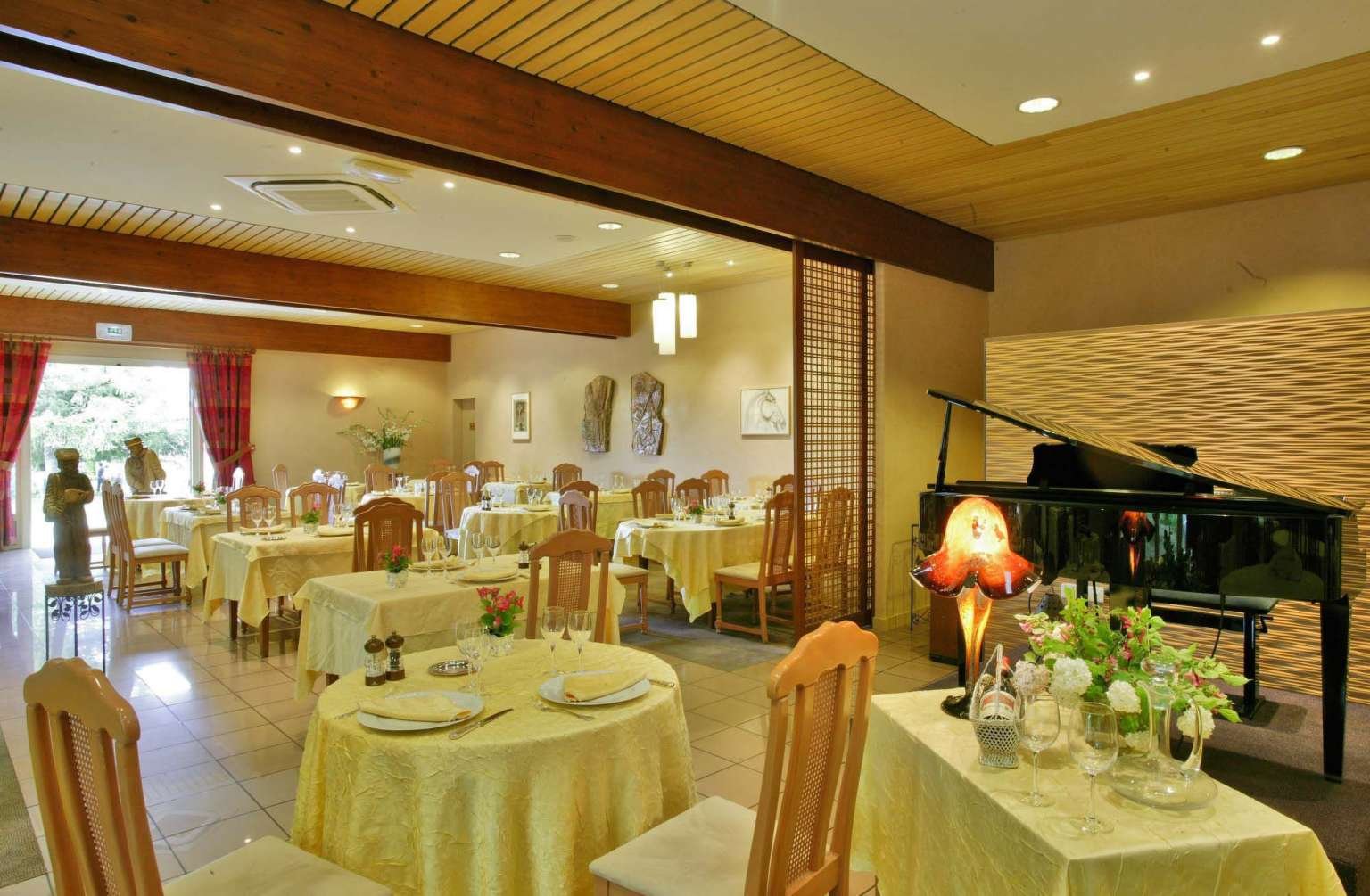
Stone, Altitude, and the Quercy Table
The approach to Rocamadour does most of the editorial work before you even sit down. The village climbs a near-vertical cliff face above the Alzou canyon, its tiers of medieval architecture stacked against limestone so pale it reads almost white in afternoon light. The château sits at the summit, above the sanctuaries, above the pilgrimage crowds below, and the restaurant that carries its name occupies one of the more geographically specific dining rooms in the south of France. The Lot department does not generate the international recognition of, say, the Côte d'Azur or the Loire, but for those who make the drive through the Quercy plateau's oak-covered causses, the reward is a regional food culture that has remained unusually coherent.
Restaurants at this altitude and altitude of setting, literally perched above a UNESCO-listed pilgrimage site, often fall into the trap of coasting on the view. The more interesting question at Restaurant du Château is whether the kitchen treats its immediate geography as a larder or as a backdrop. In the Quercy tradition, that distinction matters enormously: the plateau has produced identifiable, quality-controlled ingredients for centuries, and a serious kitchen in this corner of France has a strong argument for cooking almost entirely within its own terroir.
What the Plateau Puts on the Plate
The Quercy and its surrounding Lot-et-Garonne and Aveyron borderlands form one of France's more cohesive ingredient territories. Rocamadour's most famous export is not its pilgrimage history but the cheese that carries its name: Rocamadour AOC, a small disc of raw goat's milk aged minimally on straw, with the sharpness of the Lot's wild herbs folded into its paste. A cheese course here that does not include it would be a missed opportunity, and, at any restaurant serious about local provenance, it almost certainly appears.
Beyond the cheese, the Quercy plateau's culinary identity rests on a short list of ingredients with long histories. Quercy lamb, raised on the dry limestone causses where sparse vegetation produces meat with a particular concentration of flavour, carries Label Rouge classification. Black Périgord truffles push into the territory from the west, and foie gras, both duck and goose, remains a staple of the region's table, prepared with a directness that resists the more intricate constructions fashionable in three-star kitchens like Alléno Paris au Pavillon Ledoyen in Paris or Mirazur in Menton. Walnuts from the Périgord Noir, saffron grown in small quantities in the Quercy hills, and the region's own Cahors wine, built on Malbec, structured and dark, complete the larder. A kitchen that sources from this territory does not need to reach far for coherence.
This is the tradition in which Restaurant du Château sits. Provincial restaurants operating in this register, rooted in a defined terroir, cooking without the abstraction that marks the creative tier of French haute cuisine, occupy a different position from the Michelin-decorated destination restaurants that draw international pilgrims of a different kind. For comparison, Bras in Laguiole, roughly 120 kilometres to the southeast, has spent decades making the case that Aveyron's austere upland plateau can support world-documented fine dining. Restaurant du Château operates at a different register, closer in spirit to the auberge tradition than to the destination-restaurant circuit, which is precisely its utility for a certain kind of traveller.
The Setting as a Primary Condition of the Meal
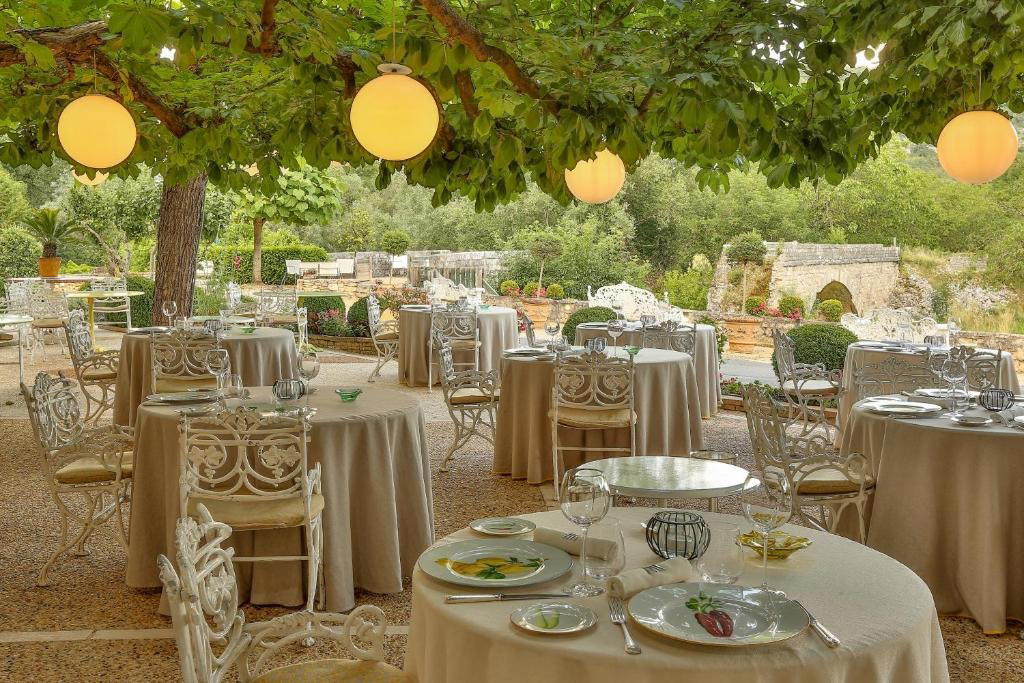
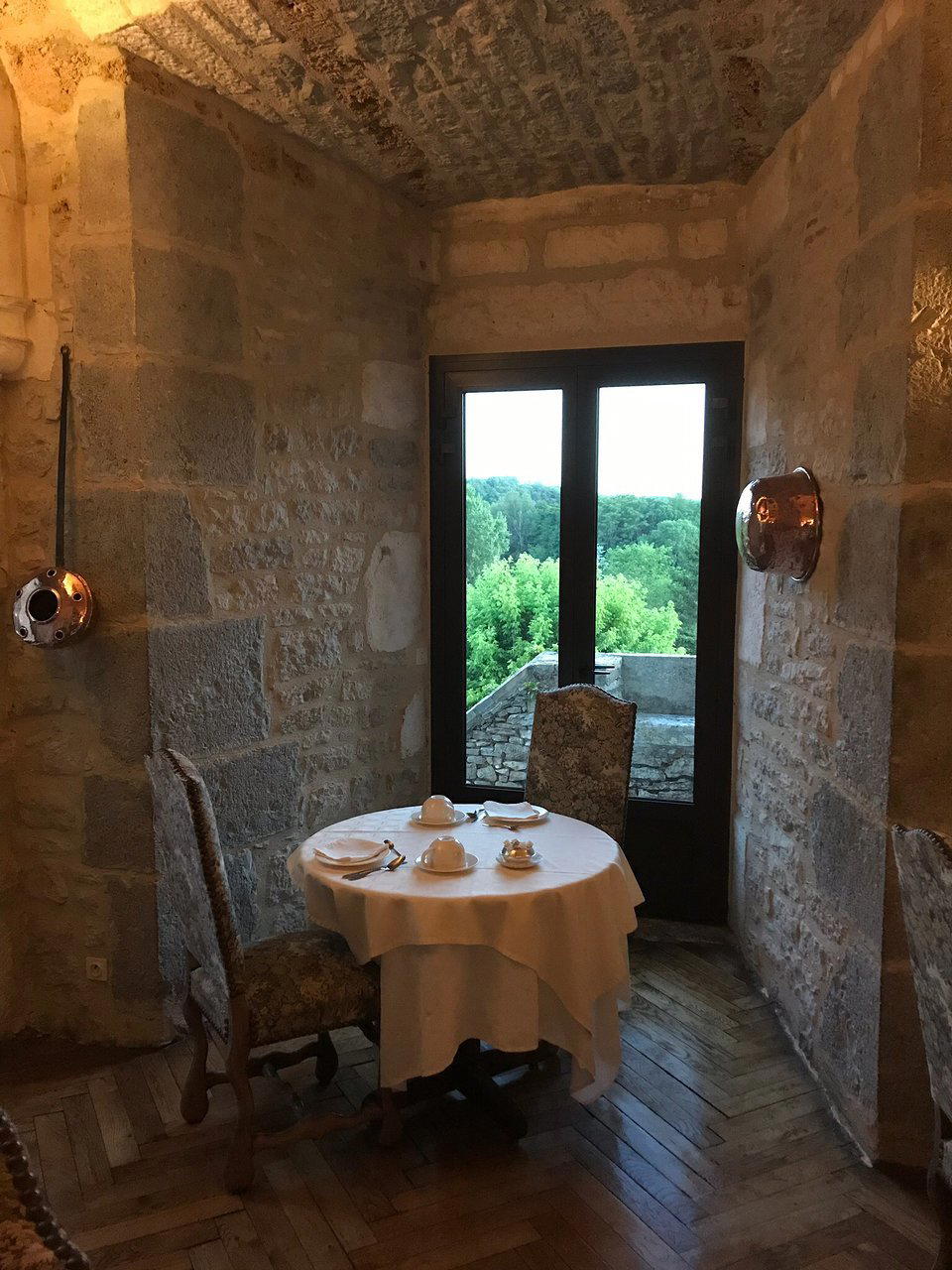
Dining rooms at the summit of Rocamadour look out over the Alzou valley, and the quality of that view shifts entirely with the hour. Morning light arrives from the east across flat causses; by late afternoon, the canyon below fills with shadow while the limestone above still holds warmth. For lunch in high summer, the terrasse, if available, positions the meal against open sky and valley depth in a way that indoor photographs rarely convey. Visiting in shoulder season, April through early June, or September through October, reduces the village's considerable pilgrim and tourist traffic while keeping the restaurant in operation and the landscape at its most atmospheric.
The physical environment connects directly to the provenance argument. A meal eaten within sight of the plateau that supplies the lamb and the walnut orchards closes a loop that urban fine dining can only approximate. The tradition of eating close to source, codified in France's AOC and Label Rouge systems and practised at a quieter register in restaurants like this one, is one of the more durable ideas in European food culture. It also makes the meal legible in a way that elaborate tasting menus sometimes resist: you know where you are, you know what grows here, and the plate confirms both.
For a broader view of how this fits within the wider regional and national scene, Auberge de l'Ill in Illhaeusern represents the auberge tradition at its most decorated, while Auberge du Vieux Puits in Fontjoncouse shows how a similarly remote French village can anchor a destination-level kitchen. In that national context, Rocamadour and Restaurant du Château represent an earlier, less mediated version of provincial French dining, where geography and season do the structuring rather than a chef's editorial agenda.
Planning the Visit
Rocamadour sits roughly 55 kilometres south of Brive-la-Gaillarde and about 60 kilometres north of Figeac, accessible by car via the D673 or D840 through the causses. The château level is reached by lift from the pilgrimage town below or by climbing the monumental staircase on foot, a detail that shapes both the mood of arrival and the practicality of the visit. The restaurant is positioned for guests already committed to the upper village, which means building time to explore the sanctuaries and ramparts before or after eating makes sense logistically.
Comparable Venues
Comparable venues nearby, for context on price, style, and recognition.
| Venue | Cuisine | Price | Awards | Notes |
|---|---|---|---|---|
| Restaurant du ChâteauThis venue — the venue you are viewing | Traditional Regional Quercy Cuisine | $$$ | , | |
| Beau Site | Traditional French Regional Bistro | $$$ | , | Cité Médiévale |
| Atelier de Candale | Seasonal French wine‑country restaurant in the vineyards | $$$ | , | Saint-Laurent-des-Combes / Saint-Émilion vineyards |
| Barbaque Victor Hugo | French Steakhouse Grill | $$$ | , | Capitole / Arnaud Bernard / Carmes |
| Les Impulsifs | Modern Bistronomic French | $$$ | , | Capitole / Arnaud Bernard / Carmes |
| Maison Blanche | Modern French Fine Dining | $$$ | , | 8th arrondissement |
Continue exploring
More in Rocamadour
Restaurants in Rocamadour
Browse all →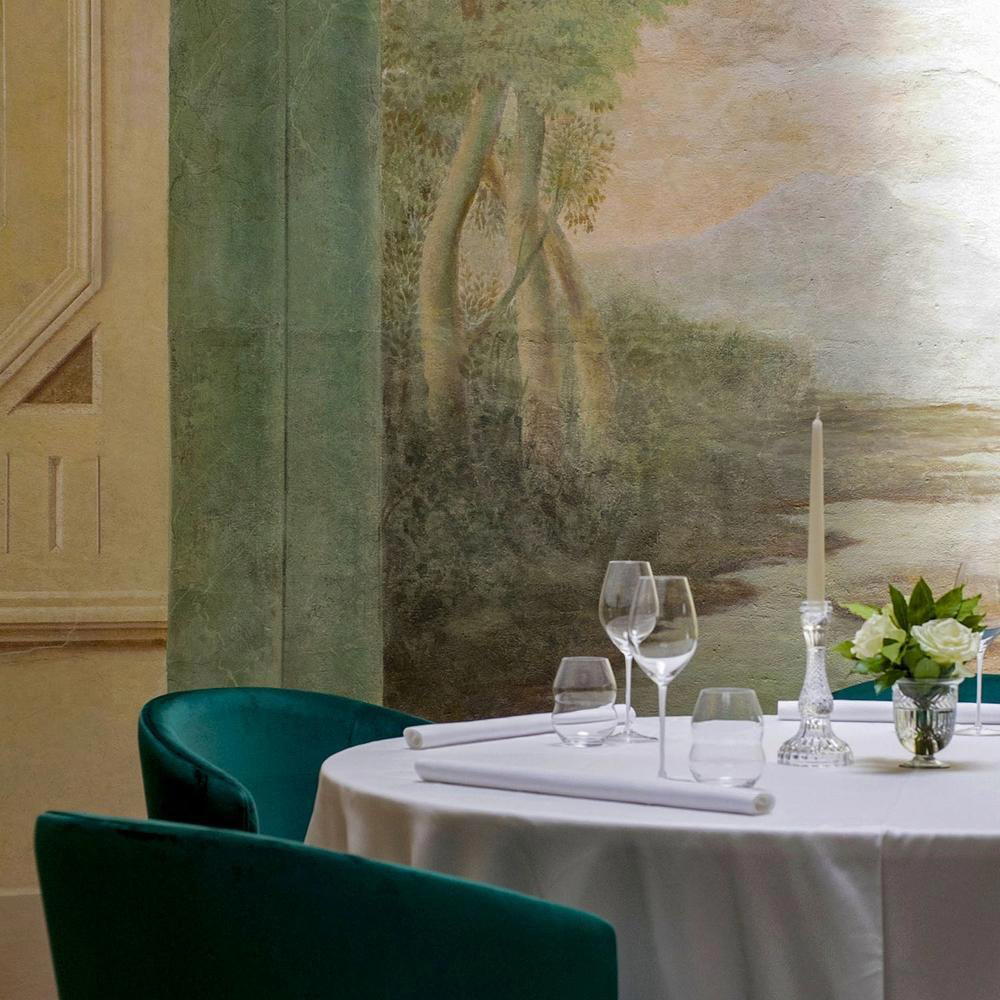
At a Glance
- Classic
- Elegant
- Romantic
- Scenic
- Date Night
- Family
- Group Dining
- Special Occasion
- Terrace
- Hotel Restaurant
- Historic Building
- Beer Program
- Local Sourcing
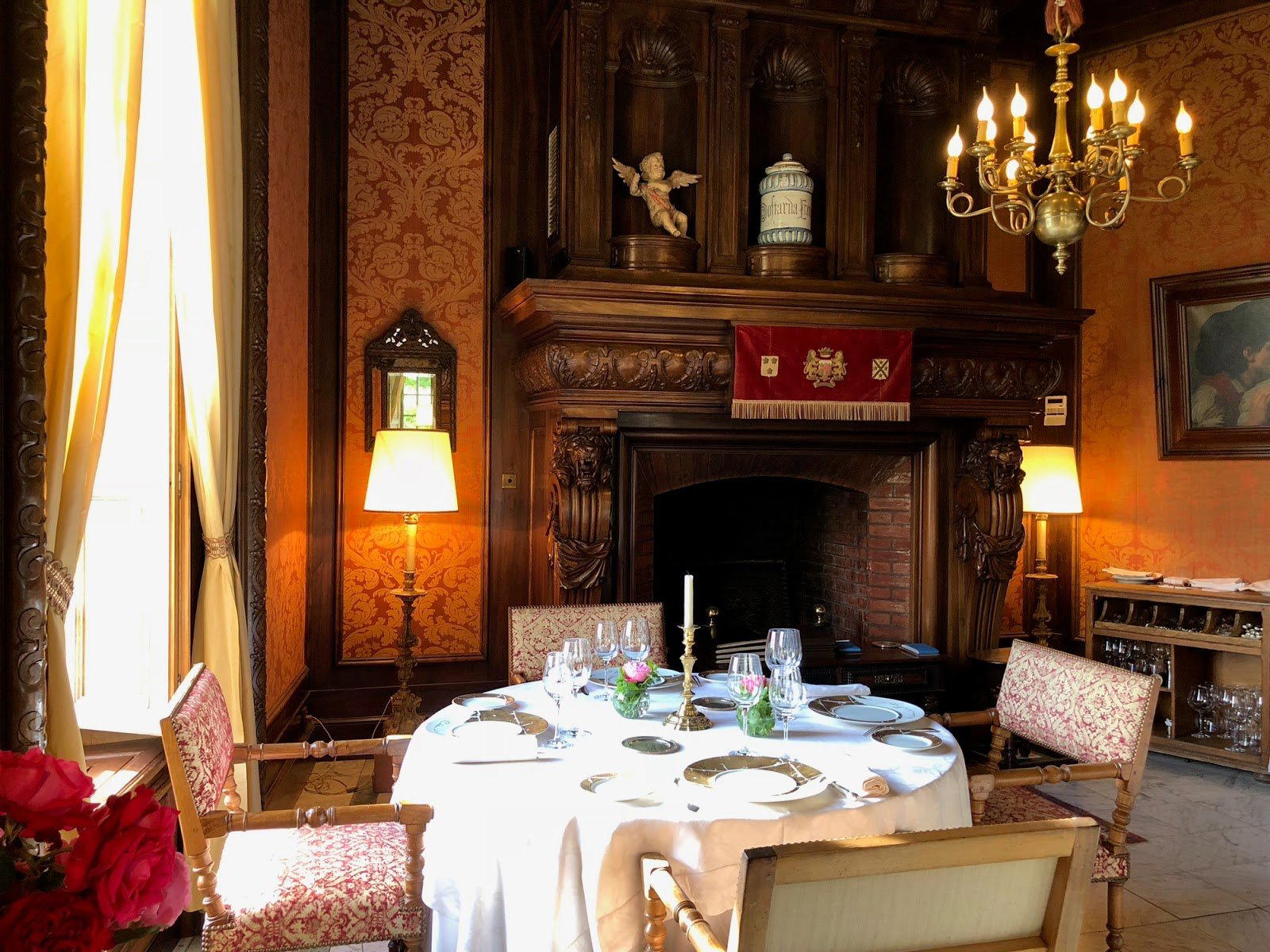
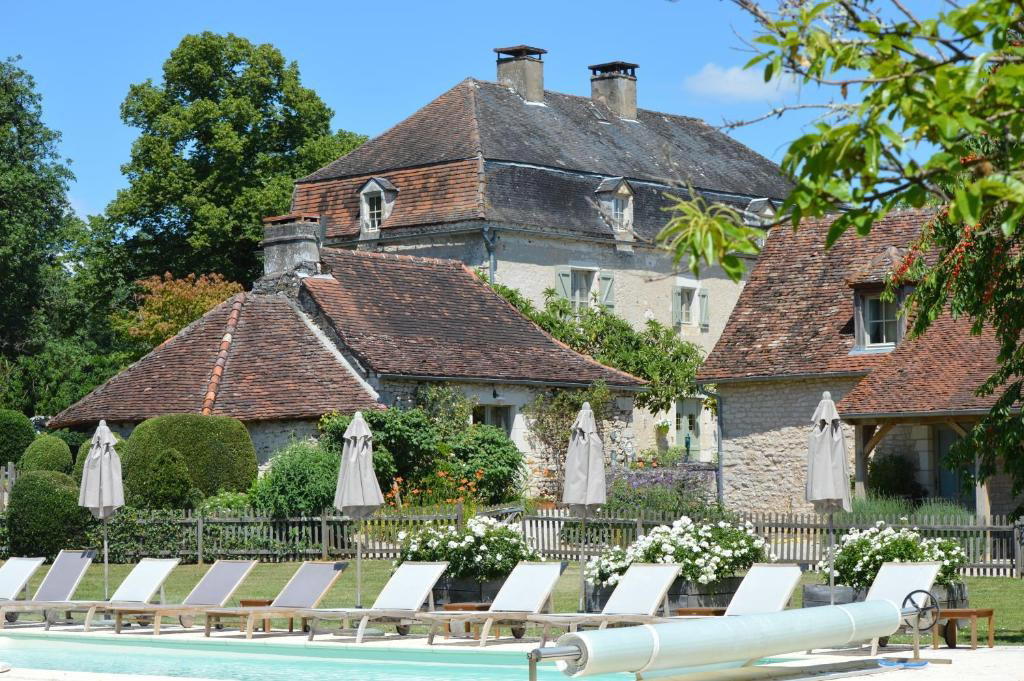
Pleasantly tranquil and tastefully decorated dining room with air conditioning; warm and convivial atmosphere enhanced by a shaded terrace with oak and ash trees.