Our verdict
Coté vin occupies a specific register in Toulouse's wine-bar dining scene, where the glass and the plate carry equal editorial weight. It sits closer to the neighbourhood cave à manger tradition than to the city's formal gastronomic circuit anchored by addresses like Michel Sarran and Py-r. For visitors calibrating their Toulouse itinerary, it represents a lower-intensity, higher-frequency style of dining.
Where the Wine Bar Format Does Its Quiet Work in Toulouse
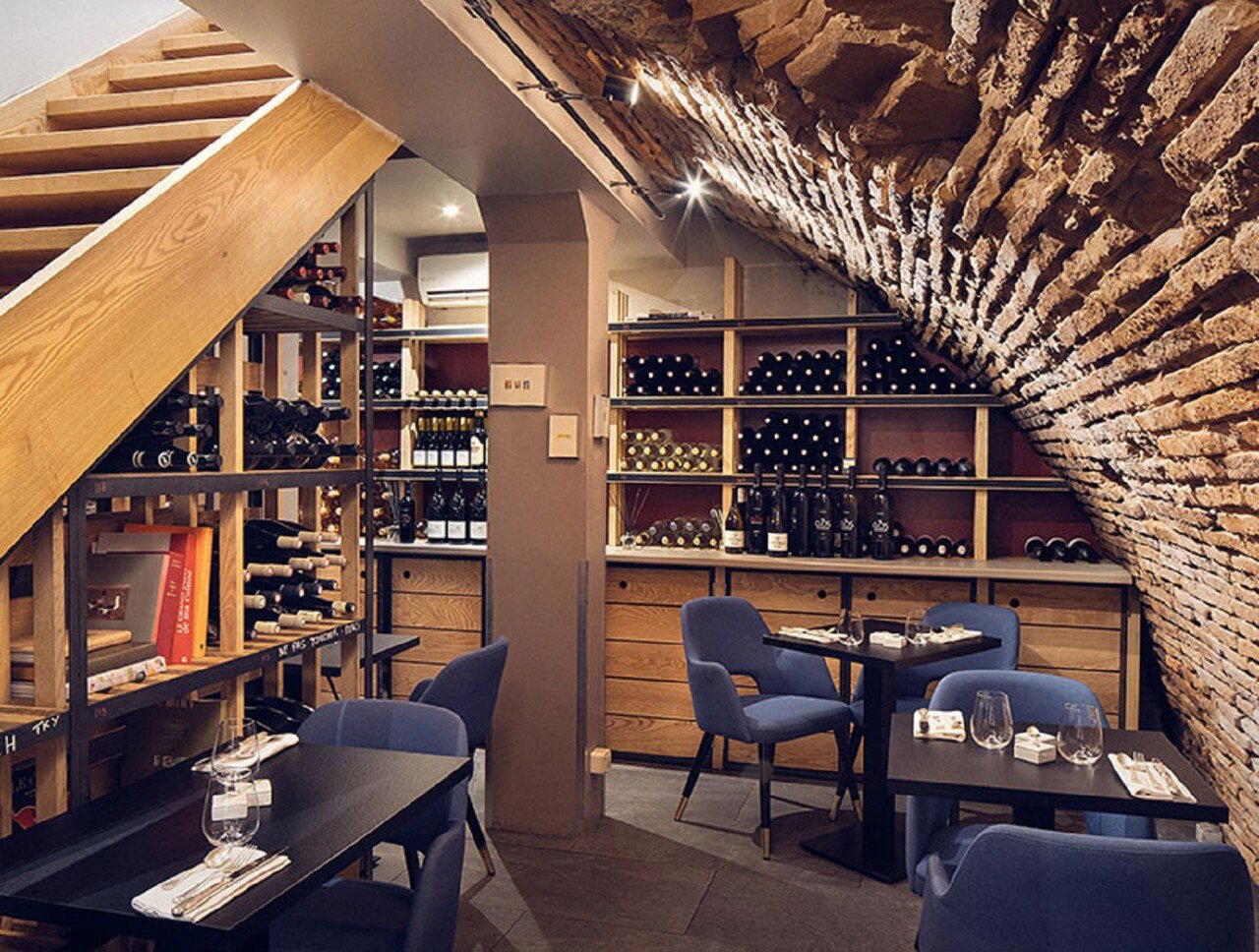
There is a particular kind of room that defines the better end of French wine-bar dining: low ceilings or exposed stone, tables close enough to overhear the next conversation, a chalkboard that changes without ceremony, and a counter where bottles are the architecture. Coté vin, in Toulouse's 31000 postal district, operates within this tradition rather than against it. The format itself carries meaning here. In a city where the prestige dining circuit runs through multi-course tasting menus at addresses such as Michel Sarran and Py-r, the wine-bar register represents a deliberate counterweight: fewer courses, shorter commitments, and a room designed for return visits rather than single-occasion ceremony.
That physical informality is the point. The cave à manger tradition across France has always prioritised the container as much as the contents: a space that signals you have permission to linger, to order another glass, to treat the meal as social event rather than performance. Coté vin's position in Toulouse maps onto this broader national pattern, where the wine bar has evolved from simple retail annex into a genuine dining format with its own competitive logic.
Reading Toulouse's Dining Tiers from the Wine Bar Up
Toulouse's restaurant scene stratifies clearly once you account for the role wine plays in each tier. At the formal end, addresses like Acte 2 Yannick Delpech, SEPT, and Agapes integrate wine as a pairing element within structured menus. The wine bar tier inverts this hierarchy: the bottle selection drives the identity, and the food is framed around what the glass needs rather than the other way around. This is not a diminishment. It reflects a different kind of editorial decision by the kitchen, one that prioritises compatibility and informality over architectural tasting progression.
Within that wine-bar tier, Toulouse benefits from proximity to some of France's most coherent wine-producing regions. The Southwest's appellations, from Madiran and Cahors to Gaillac and Fronton, give a locally oriented cave à manger a distinctive sourcing logic that distinguishes it from Parisian equivalents leaning on Burgundy or Bordeaux.
The Physical Register of a Room Built Around Wine
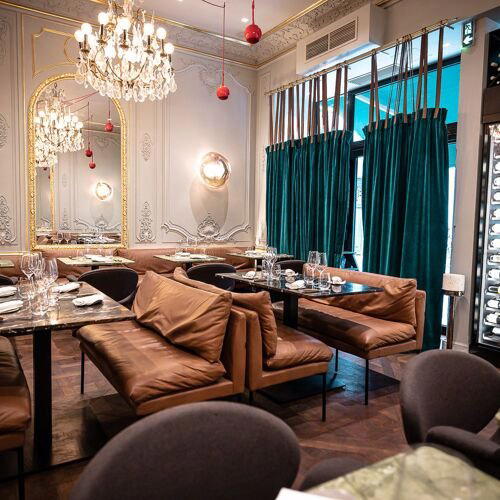
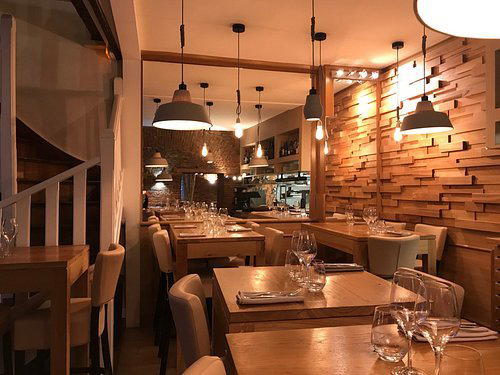
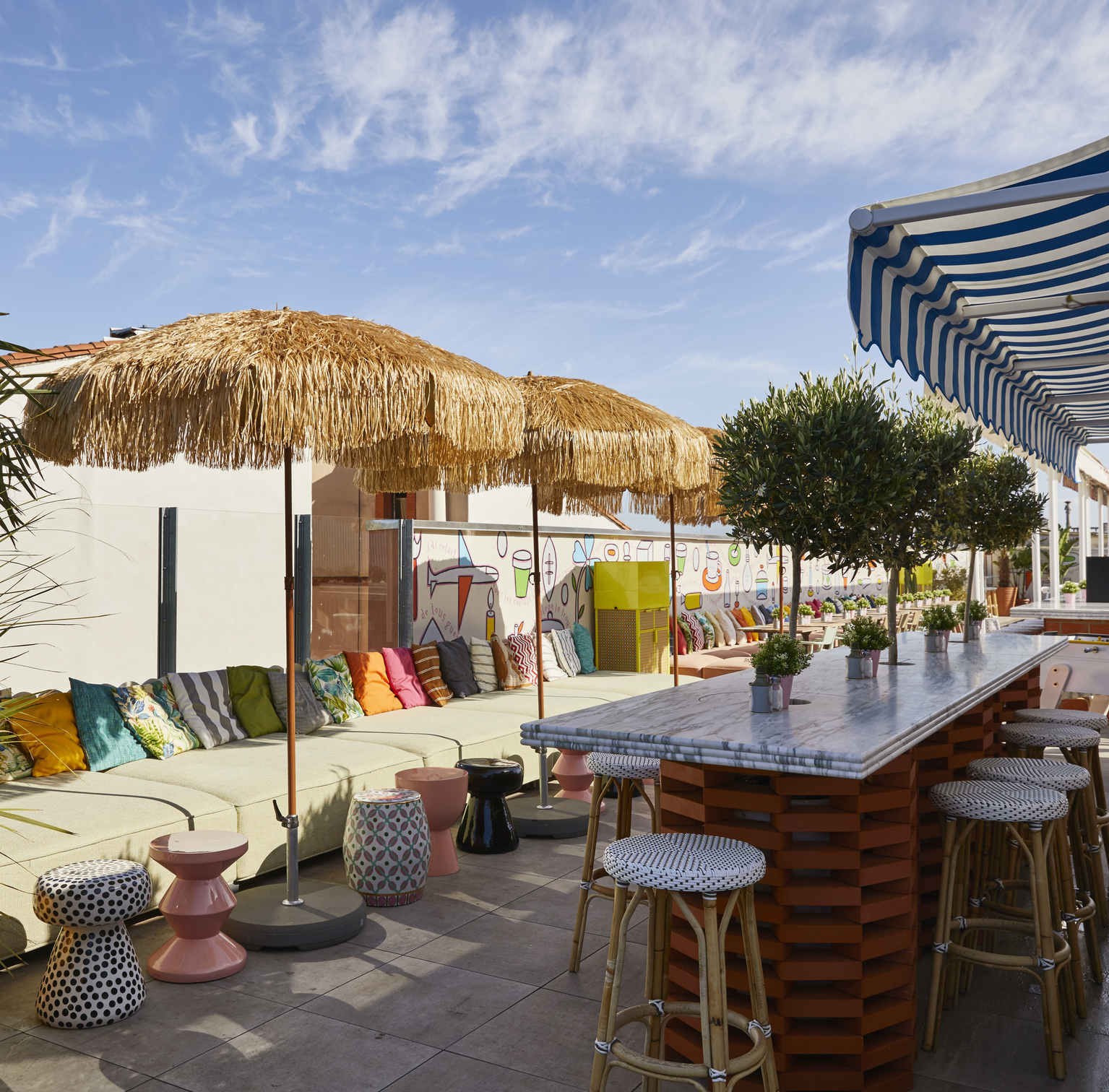
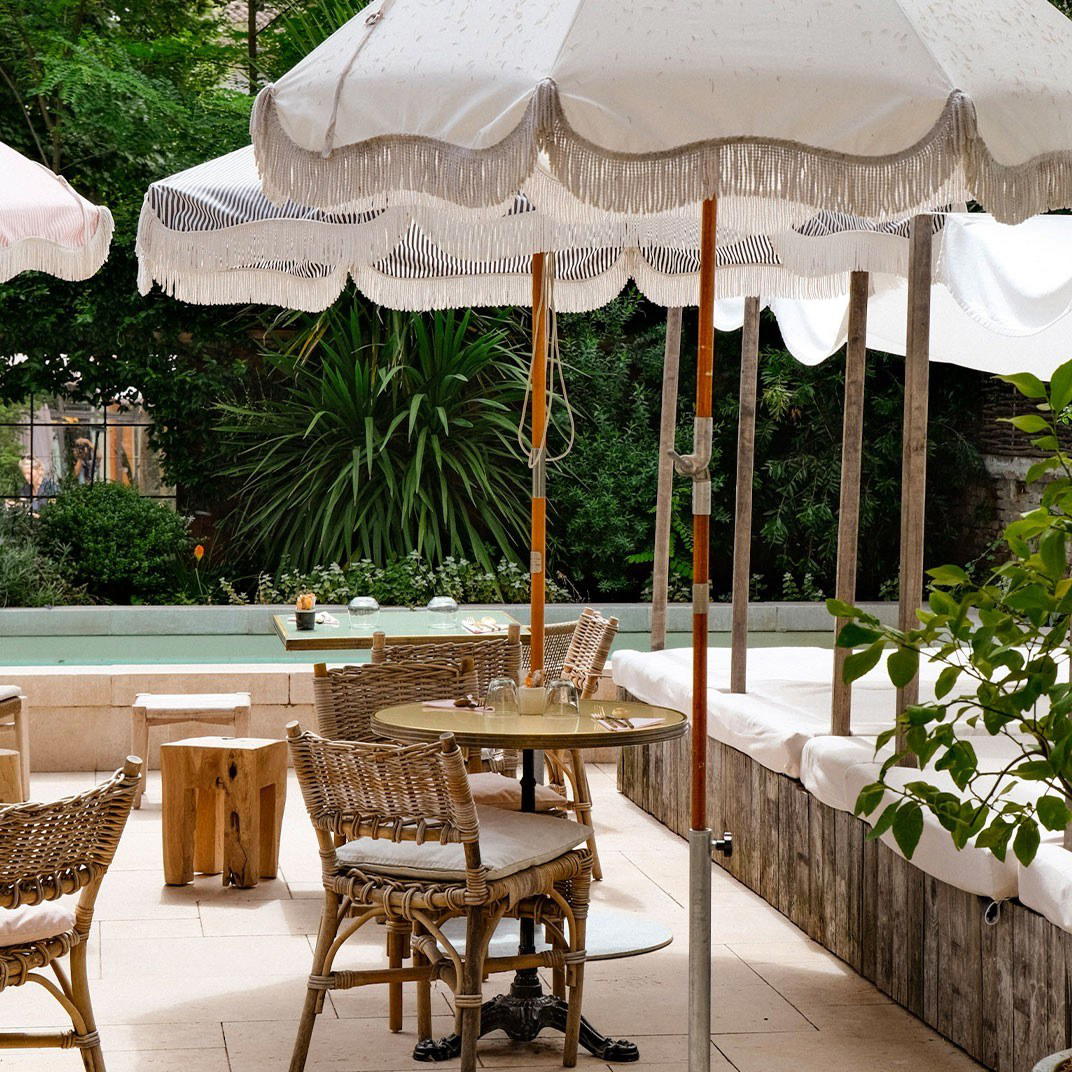
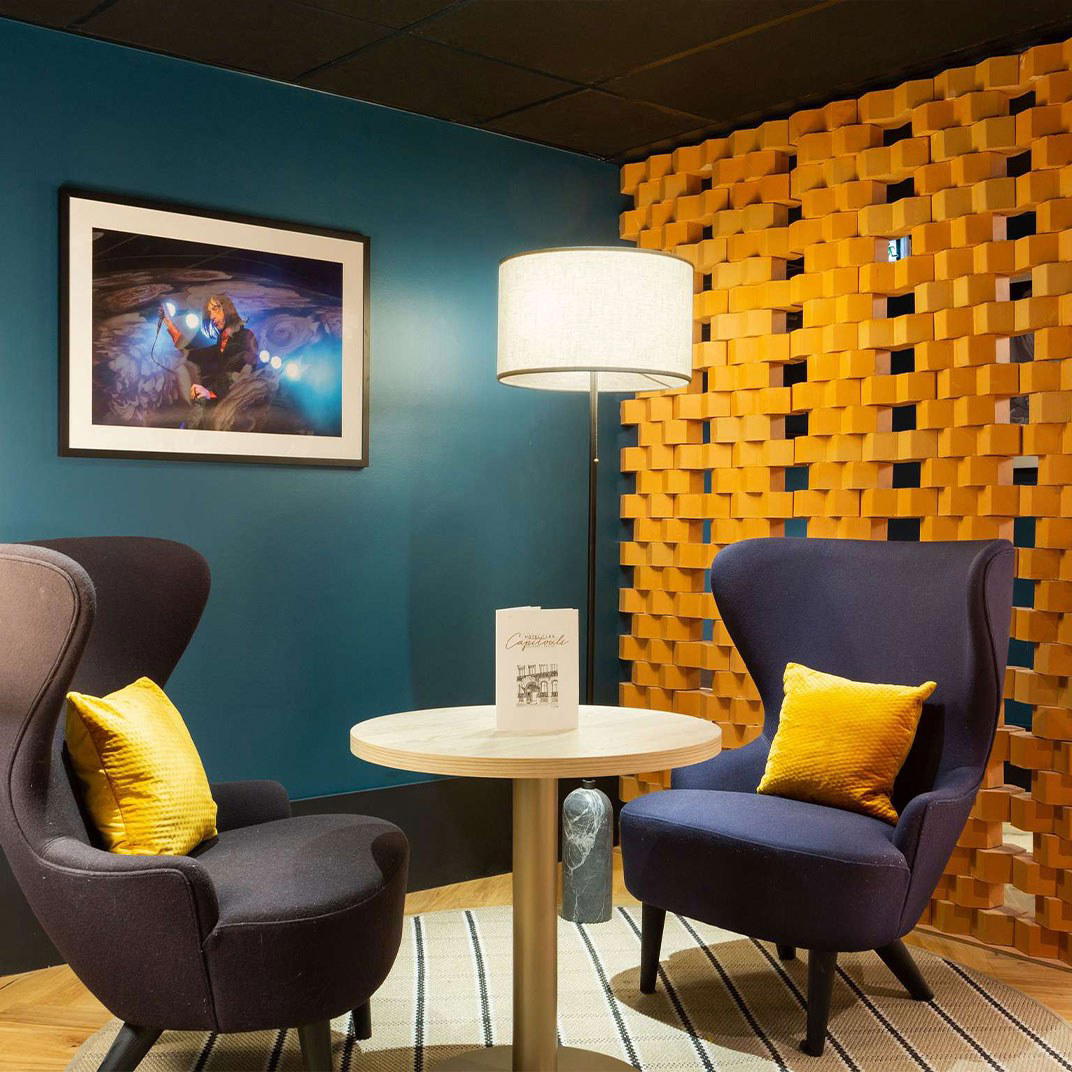
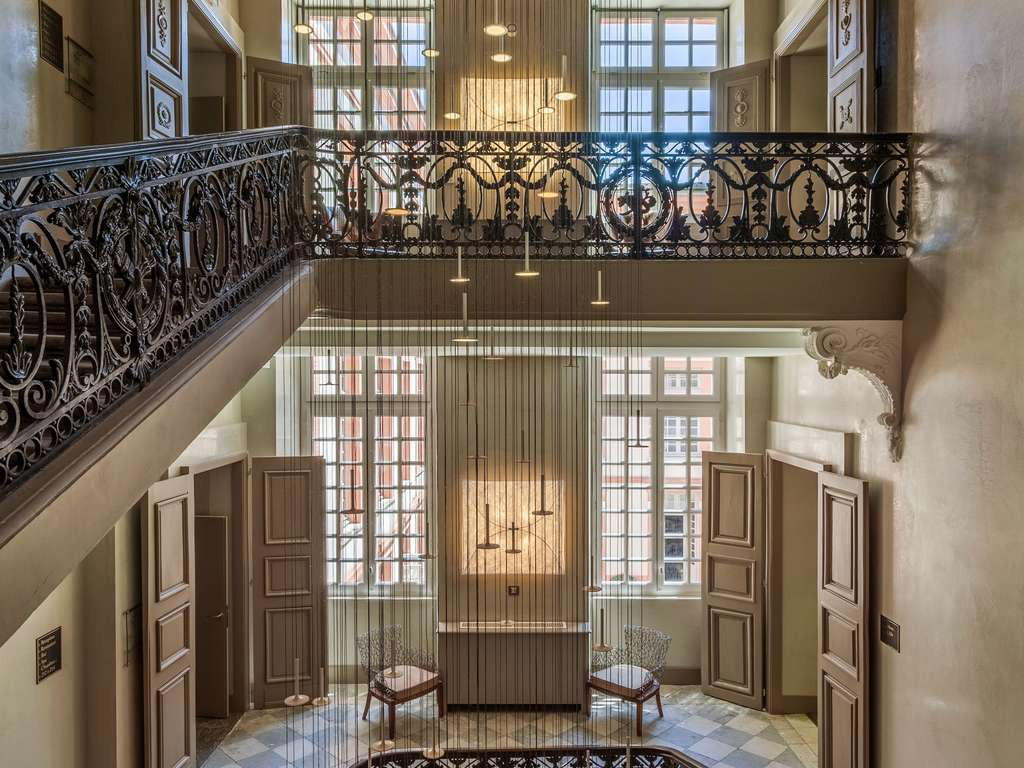
The design language of French wine-bar dining has its own grammar, and it communicates clearly to regulars without needing explanation. Bottle storage as wall treatment, counter seating that creates a secondary social tier alongside table dining, glassware chosen for function over statement: these are signals of a room that prioritises the drinking occasion. The cave à manger at its most considered is also a space that manages acoustic intimacy differently from formal dining rooms, where silence marks seriousness. Here, ambient noise is part of the contract.
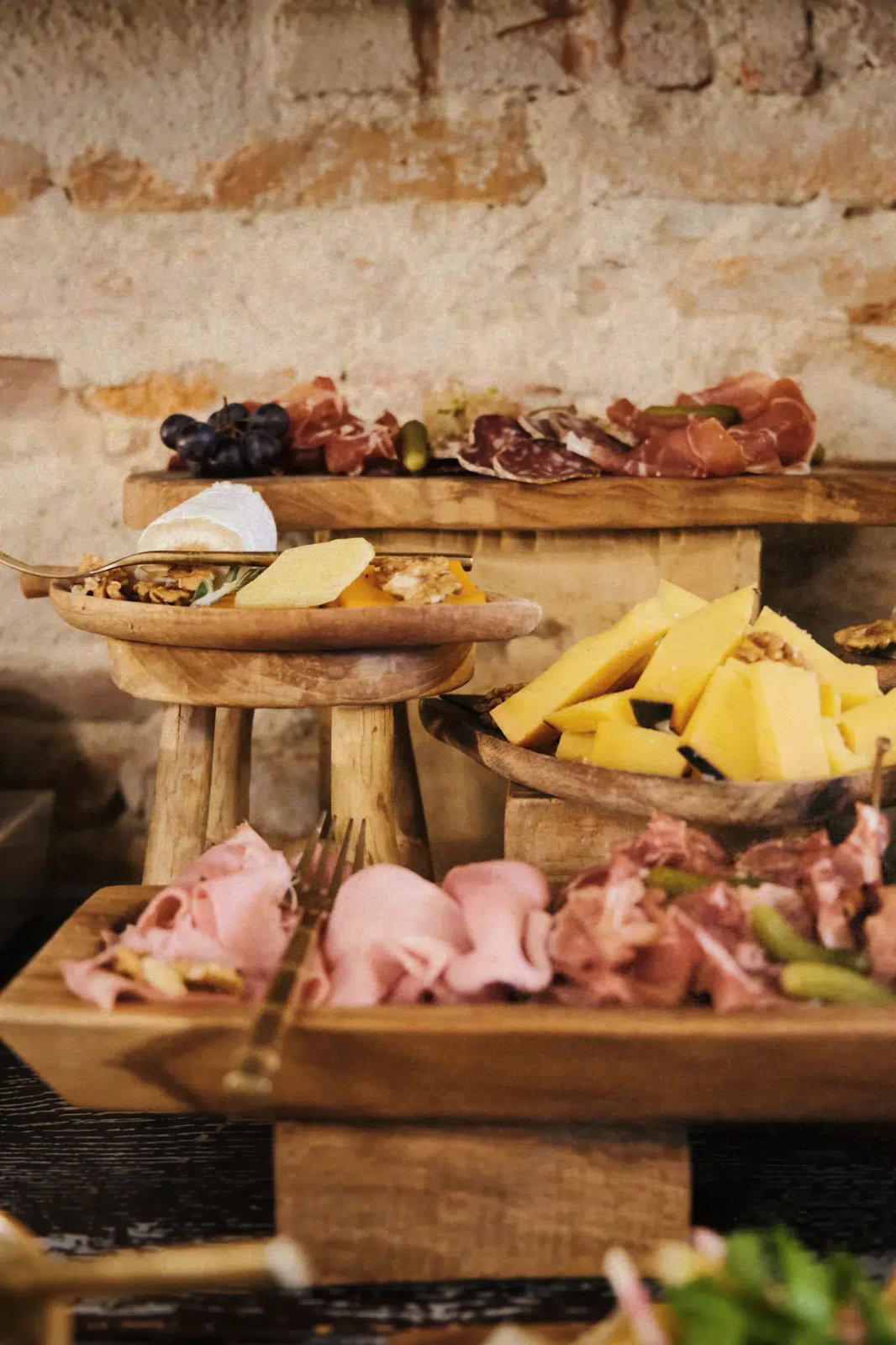
That spatial informality also affects how the food arrives and in what sequence. Sharing plates, charcuterie boards, and small dishes designed for pairing rather than standalone narrative are the structural vocabulary of this format. The meal is assembled by the guest rather than delivered in a fixed order by the kitchen. For visitors arriving from France's more architecturally composed dining rooms, such as Flocons de Sel in Megève or Mirazur in Menton, the shift in register requires a corresponding shift in expectations. The wine bar is asking a different question of the evening.
France's most decorated formal addresses, from Alléno Paris au Pavillon Ledoyen and Troisgros in Ouches to Paul Bocuse's Auberge du Pont de Collonges and Auberge de l'Ill in Illhaeusern, share almost no structural DNA with the cave à manger format. That contrast is not a hierarchy so much as a reminder that French dining has always operated in parallel registers, and that the informal end of the spectrum has its own rigour.
Planning a Visit: What the Format Implies Logistically
Wine-bar addresses in French cities typically operate on tighter reservation windows than their formal counterparts, partly because tables turn faster and partly because walk-in culture remains stronger. The address falls within Toulouse's central 31000 district, which places it within reasonable distance of the city's main transport and hotel infrastructure.
For visitors building a broader Toulouse itinerary, the wine-bar register pairs well with a single formal dinner at a higher-tier address. The full Toulouse restaurants guide covers the range of options across price points and formats, and positions the city's dining scene in its regional context. Southwest France also supports day-trip dining decisions: Bras in Laguiole, Les Prés d'Eugénie in Eugénie-les-Bains, and La Table du Castellet are all within the region's gravitational pull for serious diners. Internationally, the cave à manger format finds loose equivalents in addresses like Le Bernardin in New York City and Lazy Bear in San Francisco, though those operate in substantially different price and formality registers. The broader French comparison set includes Georges Blanc in Vonnas, another address that illustrates how the French provinces sustain serious dining ambition outside Paris.
Frequently asked questions
What's the address for Coté vin?
Coté vin is located at 31000 Toulouse, France, Toulouse.
How does Coté Vin fit into the broader Toulouse wine-bar scene?
Toulouse sits at the western edge of France's southwestern wine corridor, with proximity to appellations including Fronton, Gaillac, and Cahors giving local wine bars a distinct regional angle absent from Paris equivalents. Coté Vin operates within this context, where the bar à vin format in the city tends to foreground southwestern producers alongside a small food menu. For visitors comparing addresses across Toulouse, the format here signals a wine-first rather than kitchen-first priority.
What do regulars order at Coté vin?
At wine-bar addresses in French cities like Toulouse, regulars typically anchor their meal around a glass or small carafe chosen to match a plate rather than the reverse. The format at this type of Haute-Garonne address usually favours concise, market-driven plates over full multi-course menus.
Should I book Coté vin in advance?
Wine bars operating in Toulouse's central districts tend to carry small dining rooms, which means covers fill quickly, particularly Thursday through Saturday evenings. No reservation window or online booking link is currently listed for Coté Vin, so contacting the venue directly is the safest approach. Walking in mid-week at opening is generally the most reliable fallback at addresses of this format.
What do critics highlight about Coté vin?
No formal award record or documented critical coverage is held in the current venue file for Coté Vin. In Toulouse's dining tier structure, wine-bar addresses that hold critical attention are typically noted for the quality of their selection by the glass and the coherence between bottle list and plate. Until attributed coverage surfaces, the strongest orientation comes from the wine-bar format itself and the address's position within the Haute-Garonne dining circuit.
A Tight Comparison
A quick peer reference to anchor this venue in its category.
| Venue | Cuisine | Price | Awards | Notes |
|---|---|---|---|---|
| Coté vinThis venue (the venue you are viewing) | French Wine Bar with Tapas | Not listed | Not listed | Not listed |
| Michel Sarran | Modern French Gastronomy with Mediterranean & Southwest Influences | $50–100 | 1 Michelin Star · Les Grandes Tables du Monde Member | French, Creative |
| Py-r | Modern French Fine Dining | $150–200 | 2 Michelin Stars · La Liste Top Restaurants | Creative |
| Acte 2 Yannick Delpech | Modern French Gastronomy | $100–150 | 1 Michelin Star · Gault & Millau Chef's Restaurant | Modern Cuisine |
| Chez Loustic | Modern French Bistro | $30–50 | Michelin Bib Gourmand | Modern Cuisine |
| L'Air de Famille | French Bistrot | $30–50 | Michelin Bib Gourmand | Traditional Cuisine |
Continue exploring
More in Toulouse
Restaurants in Toulouse
All restaurants in Toulouse →
Bars in Toulouse
All bars in Toulouse →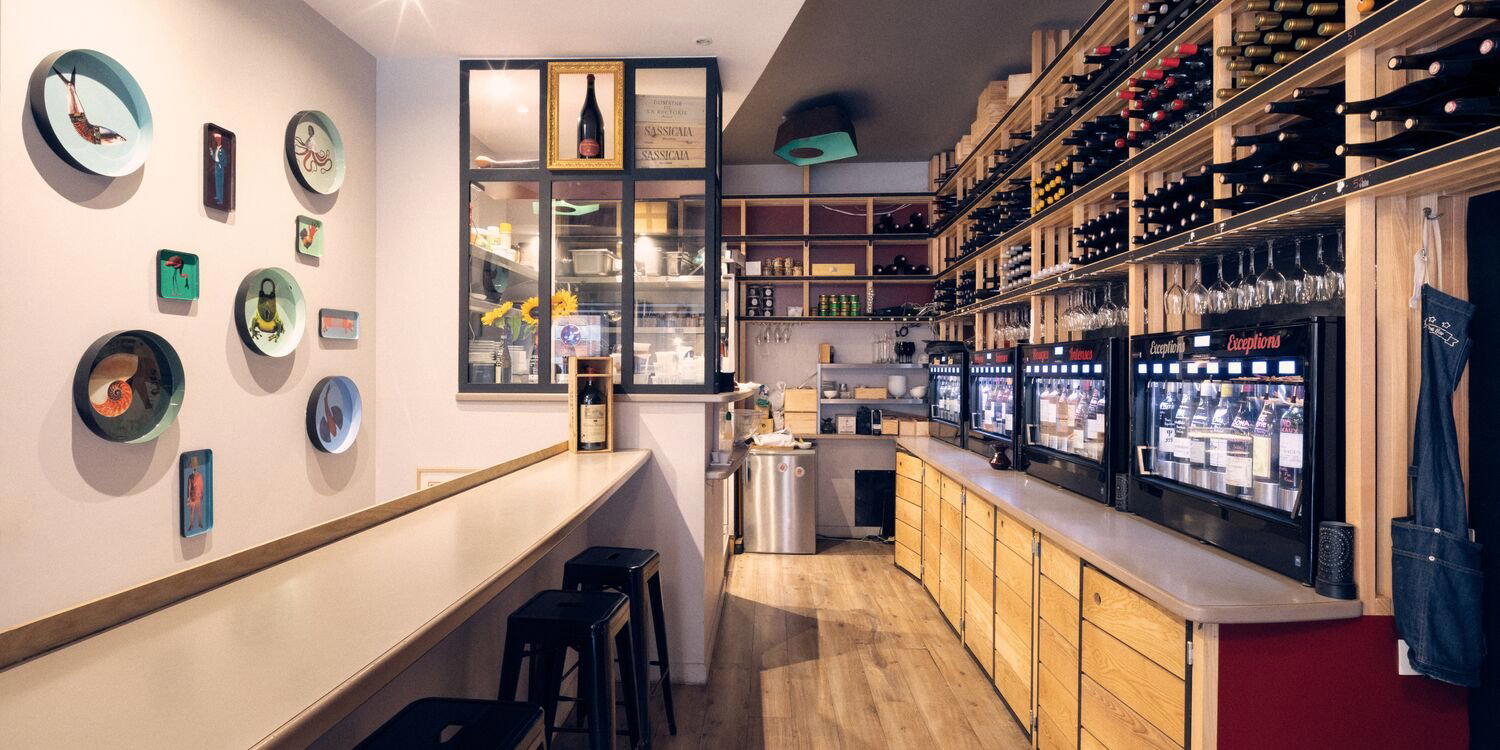
Hotels in Toulouse
All hotels in Toulouse →
Wineries in Toulouse
Browse all →
Details
- Cozy
- Elegant
- Date Night
- Brunch
- Casual Hangout
- Terrace
- Extensive Wine List
- Small Plates
- A La Carte
- Wine
Chaleureuse ambiance blending vintage charm and contemporary elegance.