Base Camp
Base Camp occupies a corner of the Mission District at 2400 Folsom St, where the neighbourhood's evolving dining character plays out in compact, focused form. The address places it firmly within a San Francisco dining tier that has shifted considerably over the past decade, as the city's independent restaurant scene has consolidated around fewer, more deliberate operators. Details on current format, hours, and booking are best confirmed directly with the venue.
Pearl is the En Primeur Club membership app — saves, bookings, and concierge access live there. Same editors, same standards.
- Address
- 2400 Folsom St, San Francisco, CA 94110
- Phone
- +14156545349
- Website
- basecampsf.com
- Directions
- Get directions
 Saves & bookings on Pearl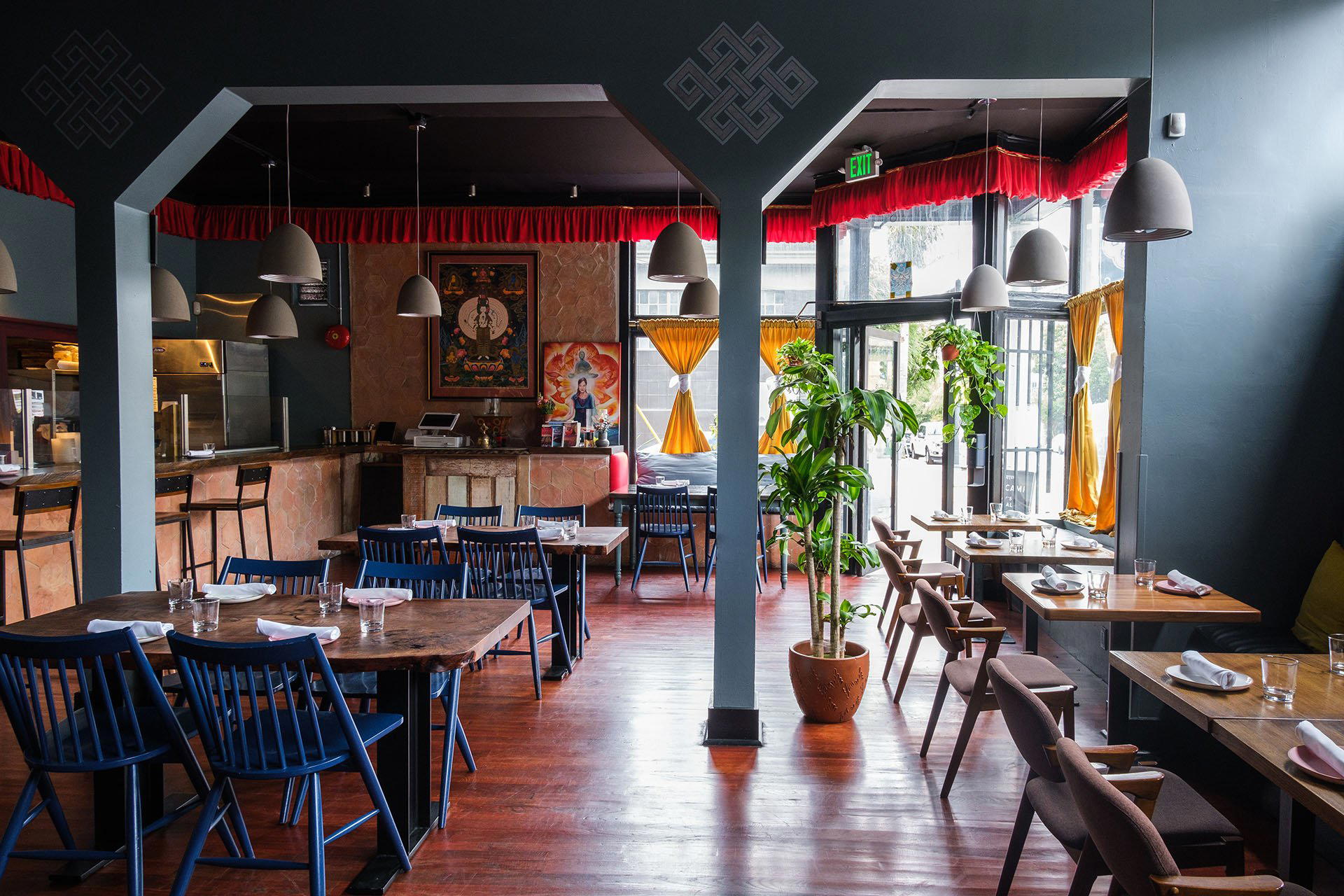
The Mission at a Corner: What 2400 Folsom Tells You About San Francisco Dining Now
The Mission District has been through more reinvention cycles than almost any other San Francisco neighbourhood. What began as a working-class Latino corridor, then absorbed a wave of tech-era dining rooms in the 2010s, has since contracted and re-sorted itself into something harder to categorise. The restaurants that survived the pandemic's thinning, the post-pandemic labour reckoning, and the ongoing cost pressures of operating in California's most expensive city are not necessarily the loudest or the decorated. They are, more often, the ones that found a specific register and held it. Base Camp, at the corner of Folsom and 20th, sits inside that story.
The address itself is instructive. Folsom Street runs through a stretch of the Mission that is neither the heavily trafficked Valencia corridor nor the quieter residential blocks further east. It occupies a middle ground that has historically supported neighbourhood-first operations rather than destination dining, the kind of place that builds its audience block by block rather than through press cycles. That positioning shapes expectations before you walk in.
How the Mission's Independent Dining Scene Reshaped Around Fewer Anchors
San Francisco's broader dining evolution over the past fifteen years is well-documented: a surge of ambitious openings in the early 2010s, consolidation after 2016, a near-collapse of the mid-market restaurant tier during the pandemic, and a slow rebuilding since 2022. The venues that held their ground through those phases tend to share certain characteristics. They are not necessarily chasing the award circuits occupied by Lazy Bear, Atelier Crenn, Benu, or Quince, all of which operate at the $$$$ tier with formal tasting structures and national recognition. Nor are they the casualised fast-casual formats that colonised lower price points. Especially interesting layer among the current San Francisco scene is the one in between: independent, neighbourhood-anchored, with enough culinary seriousness to draw beyond a purely local audience.
That middle ground is where the Mission's character most clearly expresses itself. Unlike the Financial District or SoMa, where dining rooms are built around corporate expense accounts and pre-theatre windows, the Mission's restaurants have always had to earn a genuinely mixed audience. The neighbourhood's demographic complexity has historically produced a dining culture less susceptible to pure trend-chasing, which is part of why certain operators here have shown more durability than their equivalents in more fashionable zip codes.
Evolution Over Destination: The Venue That Changes Without Broadcasting It
The editorial angle that matters for Base Camp is not a single moment of origin but the quieter arc of adaptation. Restaurants at this address and in this neighbourhood niche tend not to announce reinventions with press releases. They shift menus seasonally, adjust formats in response to staffing and supply realities, and recalibrate their audience relationship through consistency rather than spectacle. That is a different kind of evolution from the high-profile pivots at places like Saison, which moved from pop-up to fire-focused fine dining over a compressed timeline, or from the structured reinventions visible at comparable American restaurants like Smyth in Chicago or Blue Hill at Stone Barns in Tarrytown.
Across American dining more broadly, the past five years have seen a sorting between venues that pursued formal recognition, venues that retreated into pure neighbourhood service, and a smaller cohort that maintained culinary ambition without the overhead structures those ambitions usually require. The last category is the hardest to sustain and, when it works, the interesting to follow. Whether Base Camp belongs clearly to that cohort requires direct engagement with the current operation, but the address and the neighbourhood context position it within that possibility.
Where Base Camp Fits in San Francisco's Wider Dining Geography
San Francisco's serious dining is more geographically dispersed than cities like New York or Chicago, where award-circuit restaurants cluster in a handful of districts. Here, Michelin-starred and critically recognised venues distribute across the Mission, Hayes Valley, the Marina, downtown, and the outer neighbourhoods. Single Thread Farm in Healdsburg and The French Laundry in Napa extend the Bay Area's serious dining geography further into Wine Country, creating a regional context that San Francisco's independent restaurants operate within but do not necessarily compete against directly. The comparison set for a Mission neighbourhood operator is closer to its own block than to those Napa benchmarks.
Further afield, American fine dining's current moment is characterised by a tension between formal European-influenced tasting formats, visible at venues like Le Bernardin in New York and The Inn at Little Washington, and more casual but technically serious American formats, represented by Frasca Food and Wine in Boulder, Atomix in New York, Addison in San Diego, Providence in Los Angeles, and Emeril's in New Orleans. Internationally, the farm-anchored, produce-led approach represented by venues like Atelier Moessmer Norbert Niederkofler in Brunico has influenced how American chefs think about sourcing and menu construction. These are the currents that flow through the better Mission kitchens, whether or not they surface in formal recognition.
Planning a Visit: What to Know Before You Go
The restaurant is recommended for reservations and serves casual Nepalese fare at 2400 Folsom St, San Francisco, CA 94110. Hours are Mon to Thu 12 to 3 PM and 5 to 9 PM, Fri and Sat 12 to 3 PM and 5 to 10 PM, and Sun 12 to 3 PM and 5 to 9 PM.
| Venue | Neighbourhood | Format | Price Tier | Booking Lead Time |
|---|---|---|---|---|
| The restaurant | Mission (Folsom/20th) | Confirm directly | Not confirmed | Confirm directly |
| Lazy Bear | Mission | Tasting menu / communal | $$$$ | Several weeks |
| Atelier Crenn | Marina | Tasting menu | $$$$ | 1-3 months |
| Benu | SoMa | Tasting menu | $$$$ | 1-3 months |
| Saison | SoMa | Tasting menu / à la carte | $$$$ | Varies |
Recognition, Side-by-Side
Comparable venues nearby, for context on price, style, and recognition.
| Venue | Cuisine | Price | Notes |
|---|---|---|---|
| Base CampThis venue — the venue you are viewing | Nepalese | $$ | Not listed |
| Pica Pica Arepa Kitchen | Venezuelan Arepas | $$ | Mission |
| Paulie's Pickling | Cali-Jewish Deli & Pickles | $$ | Bernal Heights |
| Mashaallah Halal Pakistani Food | Halal Pakistani | $$ | South of Market |
| Kayah | Authentic Burmese & Southeast Asian | $$ | Mission Bay |
| Paprika | Czech-Hungarian Comfort Food | $$ | Mission |
Continue exploring
More in San Francisco
Restaurants in San Francisco
Browse all →
Bars in San Francisco
Browse all →
Hotels in San Francisco
Browse all →
At a Glance
- Cozy
- Trendy
- Casual Hangout
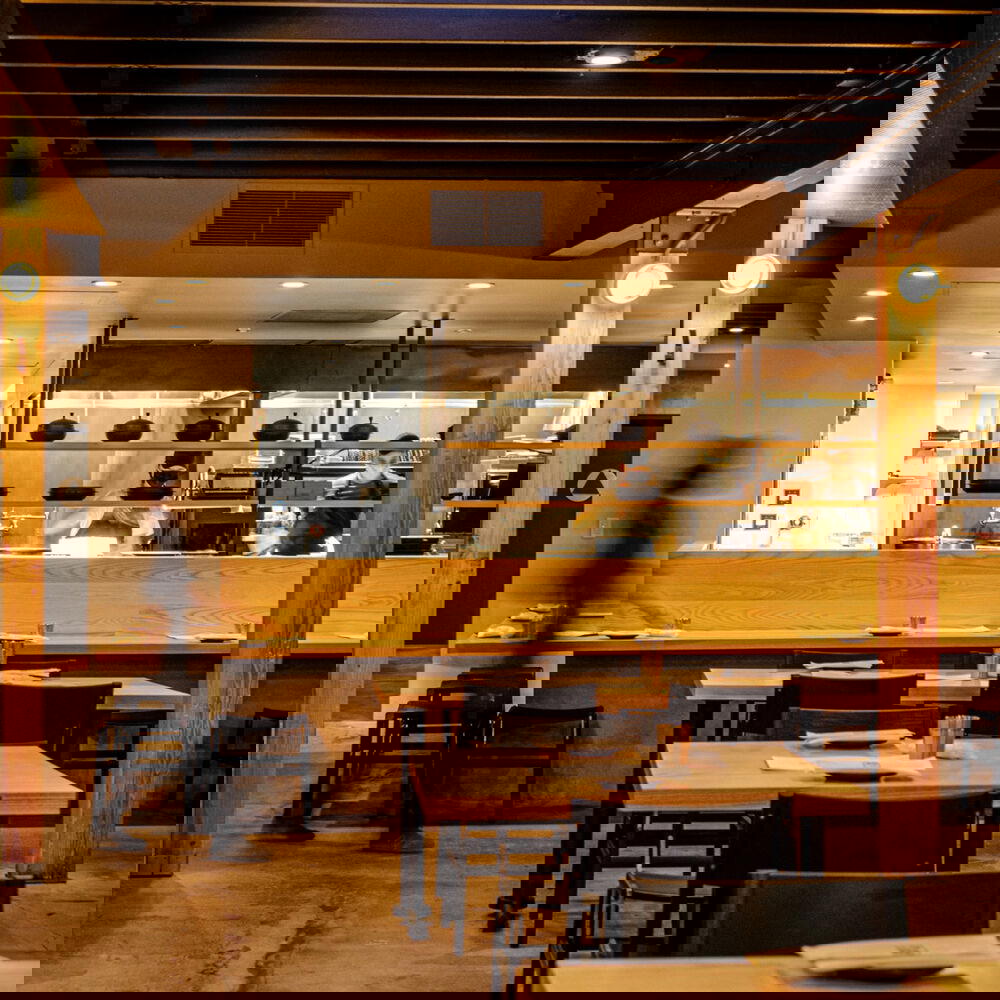
- Open Kitchen
- Local Sourcing
Current opening hours
- Monday
- 12–3 PM, 5–9 PM
- Tuesday
- 12–3 PM, 5–9 PM
- Wednesday
- 12–3 PM, 5–9 PM
- Thursday
- 12–3 PM, 5–9 PM
- Friday
- 12–3 PM, 5–10 PM
- Saturday
- 12–3 PM, 5–10 PM
- Sunday
- 12–3 PM, 5–9 PM
Hours can change for holidays and private events. Last verified .
Warm and inviting atmosphere with moderate noise levels, praised for great hospitality.