Pica Pica Arepa Kitchen

Diners, Drive-Ins and Dives Featured Restaurant
Our verdict
On Valencia Street in the Mission, Pica Pica Arepa Kitchen brings Venezuelan cooking to one of San Francisco's most food-saturated corridors. The arepa, corn-based, gluten-free by tradition, endlessly adaptable in filling, anchors a menu that sits well outside the Bay Area's dominant Californian and tasting-menu registers. A practical, neighbourhood-rooted stop for anyone tracking the city's Latin American dining conversation.

Pearl is the En Primeur Club membership app, where members save venues, book tables and use the concierge.
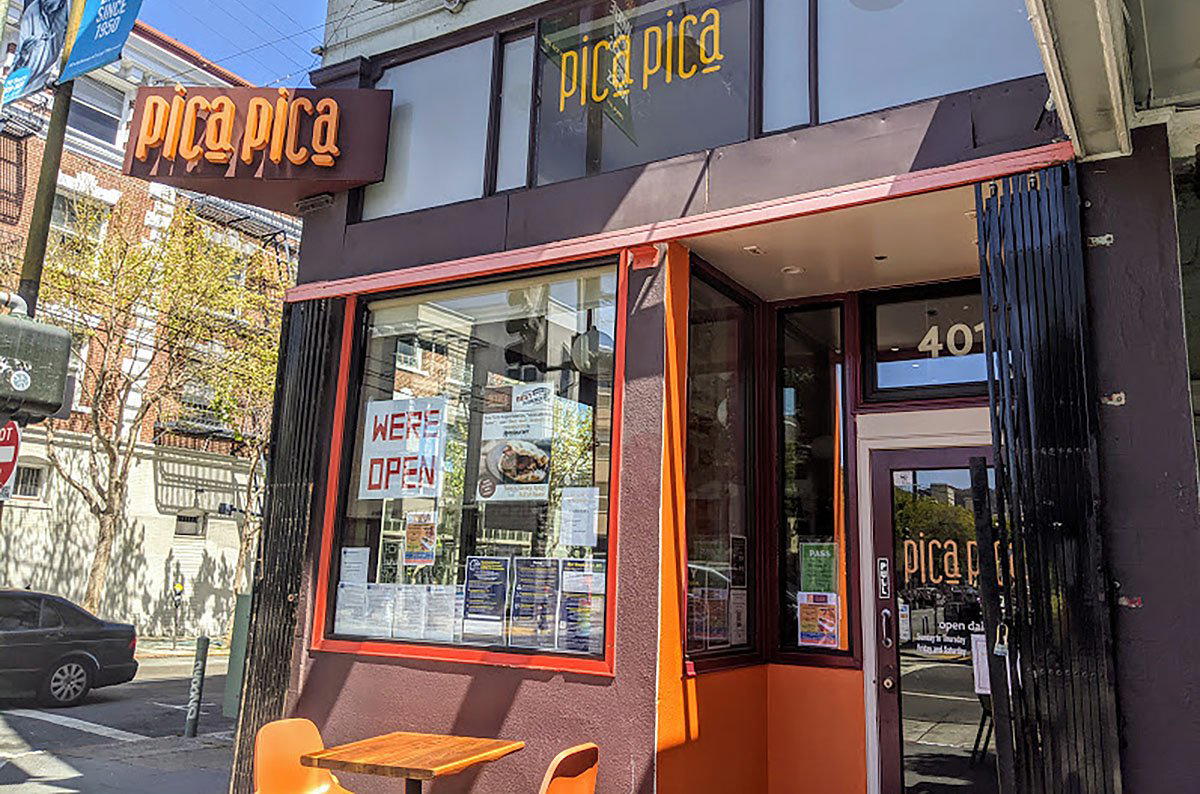
Valencia Street and the Mission's Latin American Thread
Valencia Street has never been a single-cuisine corridor. It absorbs taquerias, Ethiopian spots, wine bars, and omakase counters within the same few blocks, and that density is what makes the Mission a more reliable dining destination than most of San Francisco's tighter, theme-driven neighbourhoods. Pica Pica Arepa Kitchen, at 401 Valencia St, occupies a position in that mix that most of the street's other restaurants do not: it holds a claim on Venezuelan cuisine in a city where that tradition is considerably underrepresented relative to Mexican, Peruvian, and Colombian cooking.
The arepa is the structural and cultural anchor of Venezuelan street food. Made from precooked white corn flour, pressed into a round, grilled or baked, then split and filled, it differs from the Mexican tortilla and the Colombian version of its own name in texture, thickness, and preparation method. San Francisco's Californian-cuisine establishment, the tasting-menu tier occupied by Lazy Bear, Atelier Crenn, Benu, Quince, and Saison, operates in a completely different register. Pica Pica does not position itself against that tier and should not be read alongside it.
What the Mission Corridor Means for the Experience
The Mission's character along Valencia is shaped by foot traffic patterns that differ from the Financial District or SoMa. Lunch service on this stretch draws a mix of local residents, remote workers from the neighbourhood's many co-working spaces, and visitors working through the corridor's density. Dinner shifts that composition toward a more intentional dining crowd, but the format here, counter-style ordering, quick service, casual seating, means the room does not build toward a destination-dining atmosphere in the way that tasting-menu rooms do.
That is a deliberate structural choice, not a limitation. Arepa kitchens in Caracas and Maracaibo operate on speed and consistency: the arepera model is built on high-turnover service with a focused, repeatable menu. Pica Pica translates that model to a San Francisco neighbourhood context, where the surrounding streets include some of the city's longest-standing neighbourhood restaurants and some of its most recent arrivals. Being on Valencia means being in proximity to serious food conversation, even if the format itself is relaxed.
For anyone building a broader San Francisco itinerary, the Mission's daytime and early-evening hours work differently from downtown. Checking our full San Francisco restaurants guide before mapping a day's eating will help sequence the Mission stop correctly relative to higher-commitment dinners elsewhere.
The Arepa in the Context of American Latin Dining
Venezuelan food's visibility in the United States expanded significantly in the 2010s, tracking Venezuelan emigration patterns that increased in that decade. Cities with larger Venezuelan communities, Miami, Houston, New York, developed denser arepa kitchen scenes earlier than San Francisco. In the Bay Area, the format remained thinner on the ground, which means Pica Pica operates in a category with fewer direct local competitors than a taqueria or a Peruvian cevicheria would face.
The arepa's structural advantage in the American market is that it is naturally gluten-free by traditional preparation, which gives it a practical appeal beyond its cultural authenticity. That crossover positioning has helped arepa kitchens attract audiences that might not otherwise seek out Venezuelan food specifically. It also explains why the format has found traction in health-conscious urban markets like San Francisco's Mission district, where dietary considerations often factor into weekday lunch decisions.
The broader American fine-dining conversation, venues like Le Bernardin in New York City, Alinea in Chicago, or The French Laundry in Napa, operates at a remove from the neighbourhood fast-casual tier. But that distance is not hierarchy so much as category. The same traveller who books Single Thread Farm in Healdsburg or Providence in Los Angeles on a longer West Coast itinerary may want a low-effort, high-flavour daytime stop in the Mission, and Pica Pica fills that gap in the day's structure.
Planning Your Visit
Valencia Street address puts Pica Pica within walking distance of the Mission's main cluster of bars, coffee shops, and independent retail. The 16th Street BART station is the closest transit point, making the location accessible from downtown San Francisco without a car. Given the casual format, the venue suits daytime visits and early dinners more naturally than late-evening plans. Reservations: Walk-in format; no advance booking required based on the counter-service model. Dress: Casual; the neighbourhood standard on Valencia is relaxed. Budget: In line with fast-casual Mission pricing, positioned well below the city's tasting-menu tier. Dietary: The arepa base is traditionally gluten-free, making this a practical option for non-gluten diners; confirm current filling options directly.
Frequently asked questions
at Pica Pica Arepa Kitchen?
Arepa is the primary vehicle for every order here. Venezuelan arepas are filled rather than folded or wrapped, and the filled format means the choice of protein or vegetable filling determines the character of the meal. In the Venezuelan tradition, shredded beef (pabellón-style), black beans, and white cheese are the foundational combinations. At an arepa kitchen rooted in that tradition, those fillings represent the most direct read on what the kitchen does at its core.
Can I walk in to Pica Pica Arepa Kitchen?
Counter-service format at a venue like this is designed for walk-in traffic. Valencia Street in the Mission draws consistent foot traffic throughout the day, so peak lunch hours on weekdays and weekends can mean a short queue. The format moves quickly by design. San Francisco's Mission district operates on a different pace than the city's tasting-menu rooms, where the Addison or Blue Hill at Stone Barns tier requires months of advance planning.
What's the signature at Pica Pica Arepa Kitchen?
Signature of any serious arepa kitchen is the arepa itself: its texture (crisp shell, soft interior), the quality of the corn flour, and the calibration of the fillings. Venezuelan cuisine also includes tequeños (cheese-filled fried dough), cachapas (sweet corn pancakes), and patacones (fried plantain rounds) as supporting formats. Venues in this tradition that hold their position in competitive urban markets like San Francisco do so on the consistency and authenticity of those foundational items rather than on novelty additions.
Is Pica Pica Arepa Kitchen good for vegetarians?
Venezuelan cuisine has a substantial vegetarian tradition within its street-food canon. Black beans with white cheese, sweet plantains, and avocado are standard components that appear across arepa fillings without meat. If your visit is driven by a vegetarian diet, the arepa format accommodates that more naturally than many Latin American traditions that rely heavily on meat-based preparations.
Is Pica Pica Arepa Kitchen one of the few Venezuelan restaurants in San Francisco?
Venezuelan restaurants remain relatively scarce in San Francisco compared to the city's Mexican, Salvadoran, and Peruvian Latin American representation. That scarcity reflects the historical pattern of Venezuelan immigration to the US, which concentrated earlier in Miami, New York, and Houston before spreading to West Coast cities. Pica Pica's presence on Valencia Street gives the Mission one of its more distinct Latin American dining positions, a cuisine that does not duplicate what the surrounding blocks already offer. For anyone tracking the city's full Latin American dining range, it sits in a category with limited direct competition at the neighbourhood level, which is a more useful frame than comparing it to the Michelin-tracked tier that includes venues like Atomix in New York City or Bacchanalia in Atlanta.
Accolades, Compared
Comparable venues nearby, for context on price, style, and recognition.
| Venue | Cuisine | Price | Awards | Notes |
|---|---|---|---|---|
| Pica Pica Arepa KitchenThis venue (the venue you are viewing) | Venezuelan Arepas | $20–30 | Diners, Drive-Ins and Dives Featured Restaurant | Not listed |
| Gada | Tunisian raclette sandwich shop | $20–30 | Not listed | Castro |
| Burma Superstar | Authentic Burmese | $20–30 | Not listed | Inner Richmond |
| Dandelion Chocolate | Bean-to-Bar Chocolate Café | $10–20 | Not listed | Mission |
| August West Wine | Wine Bar Small Plates | $50–100 | Not listed | Bayview Hunters Point |
| Bi-Rite Creamery | Artisanal Ice Cream & Baked Goods | $1–10 | Not listed | Mission |
Recognition history
Dated appearances from independent guides and award organizations, with the underlying list record or original source where available.
Diners, Drive-Ins and Dives Featured Restaurant
Diners, Drive-Ins and Dives · 2026 Diners, Drive-Ins and Dives Featured Restaurants
Continue exploring
More in San Francisco
Restaurants in San Francisco
All restaurants in San Francisco →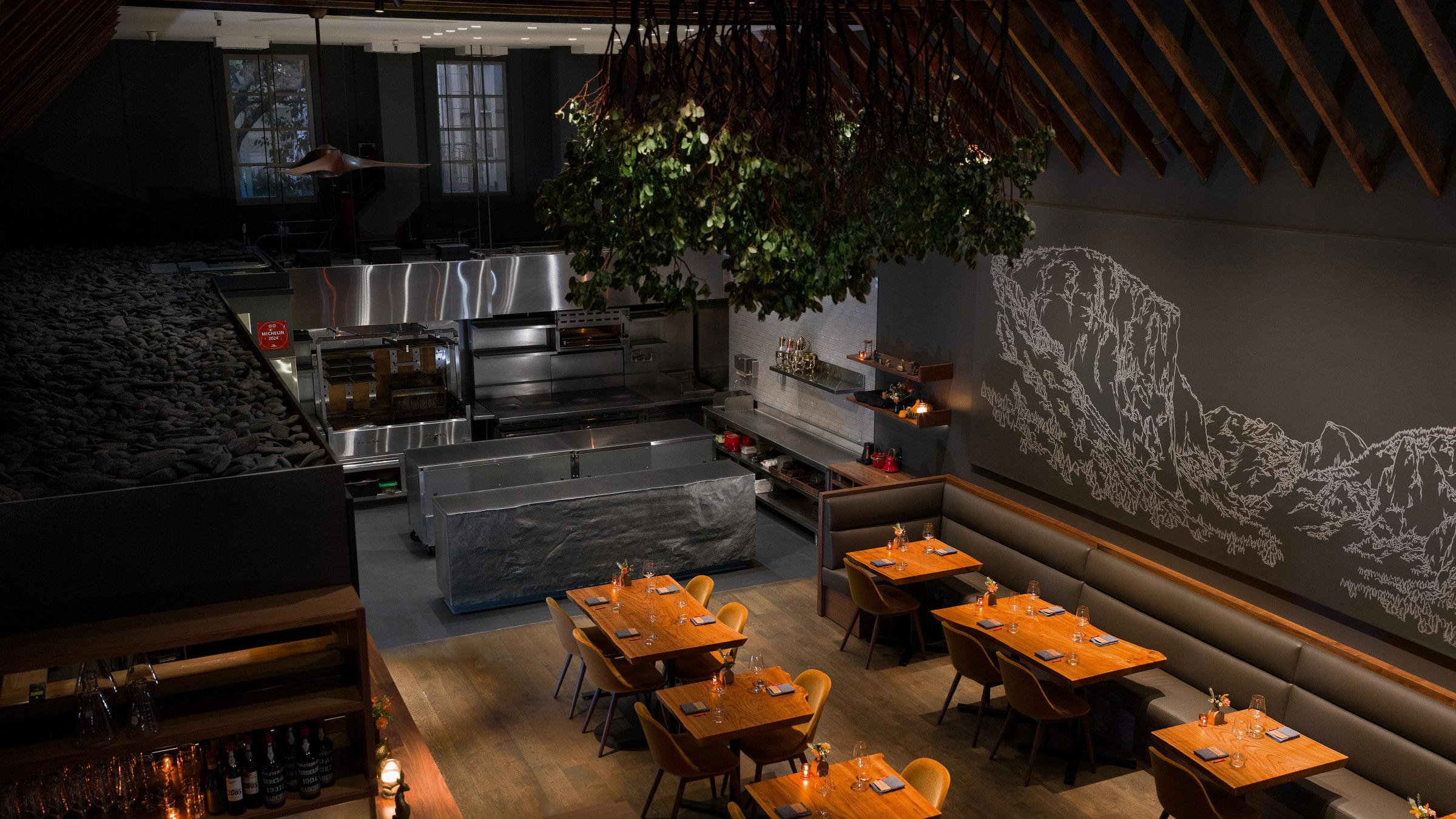
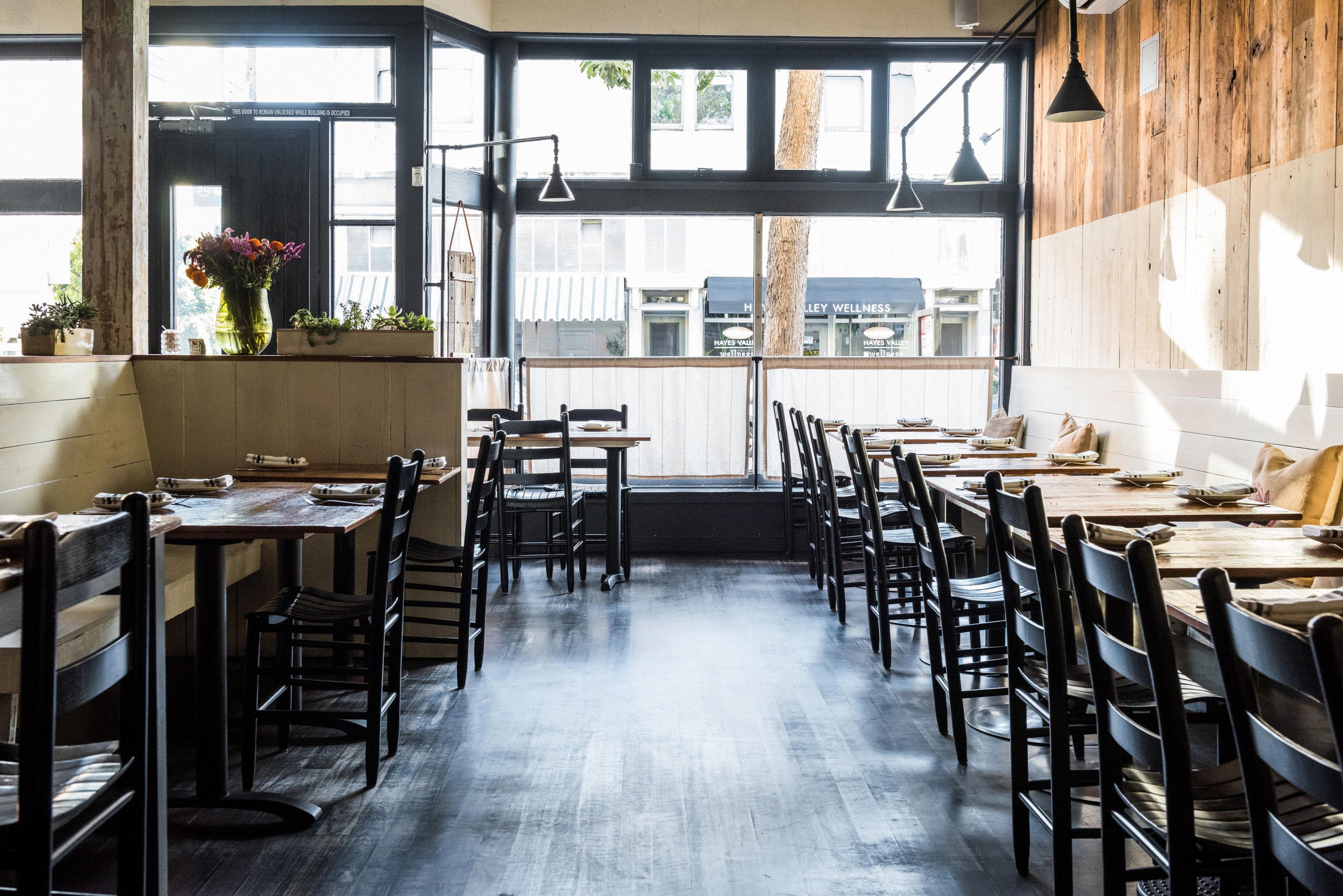
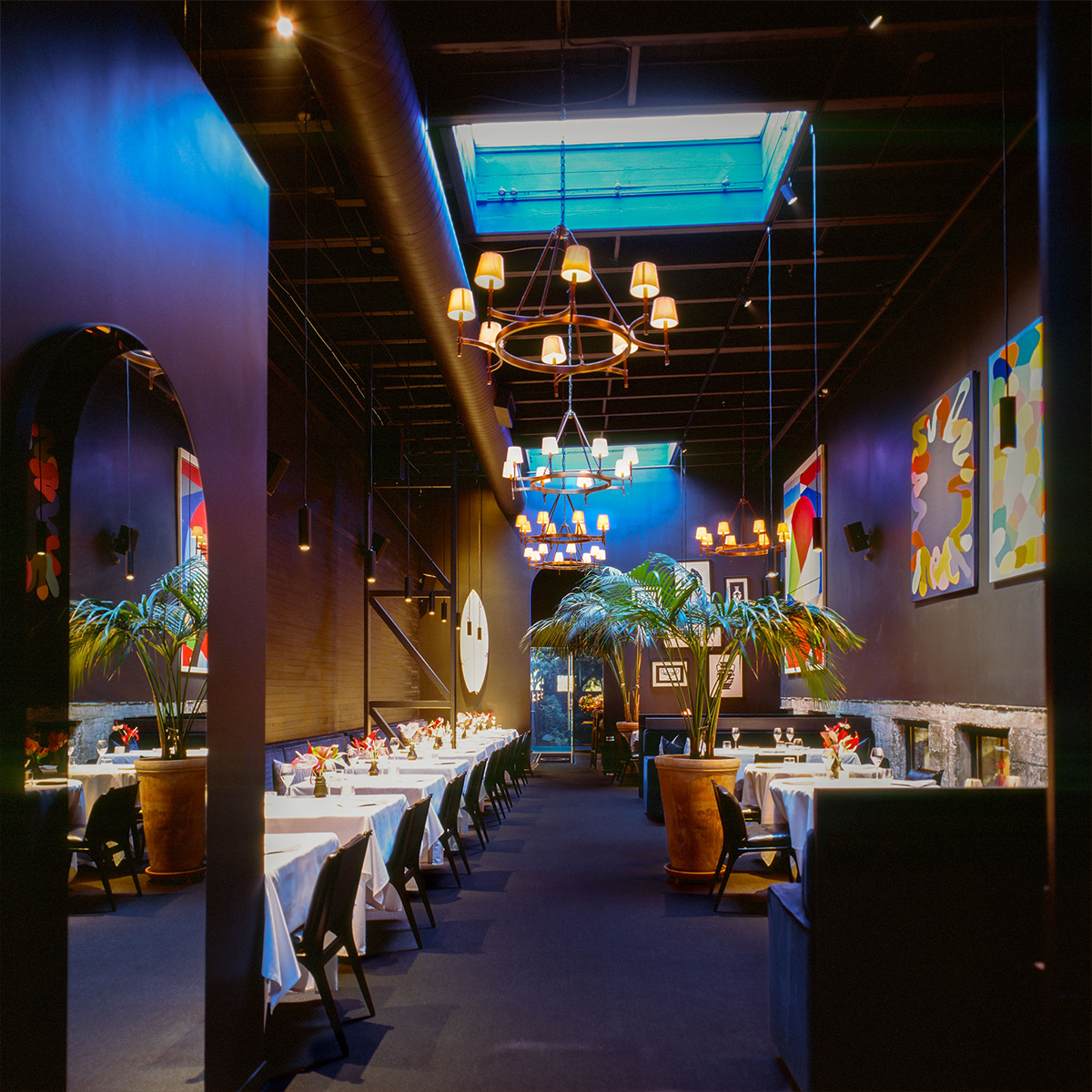
Bars in San Francisco
All bars in San Francisco →


Details
- Trendy
- Cozy
- Casual Hangout
- Open Kitchen
- A La Carte
- Small Plates
- Gluten Free Options
- Vegetarian Friendly
- Vegan Options
Current opening hours
- Monday
- 11 AM–8 PM
- Tuesday
- 11 AM–8 PM
- Wednesday
- 11 AM–8 PM
- Thursday
- 11 AM–8 PM
- Friday
- 11 AM–9 PM
- Saturday
- 11 AM–9 PM
- Sunday
- 11 AM–8 PM
Hours can change for holidays and private events. Hours as of .
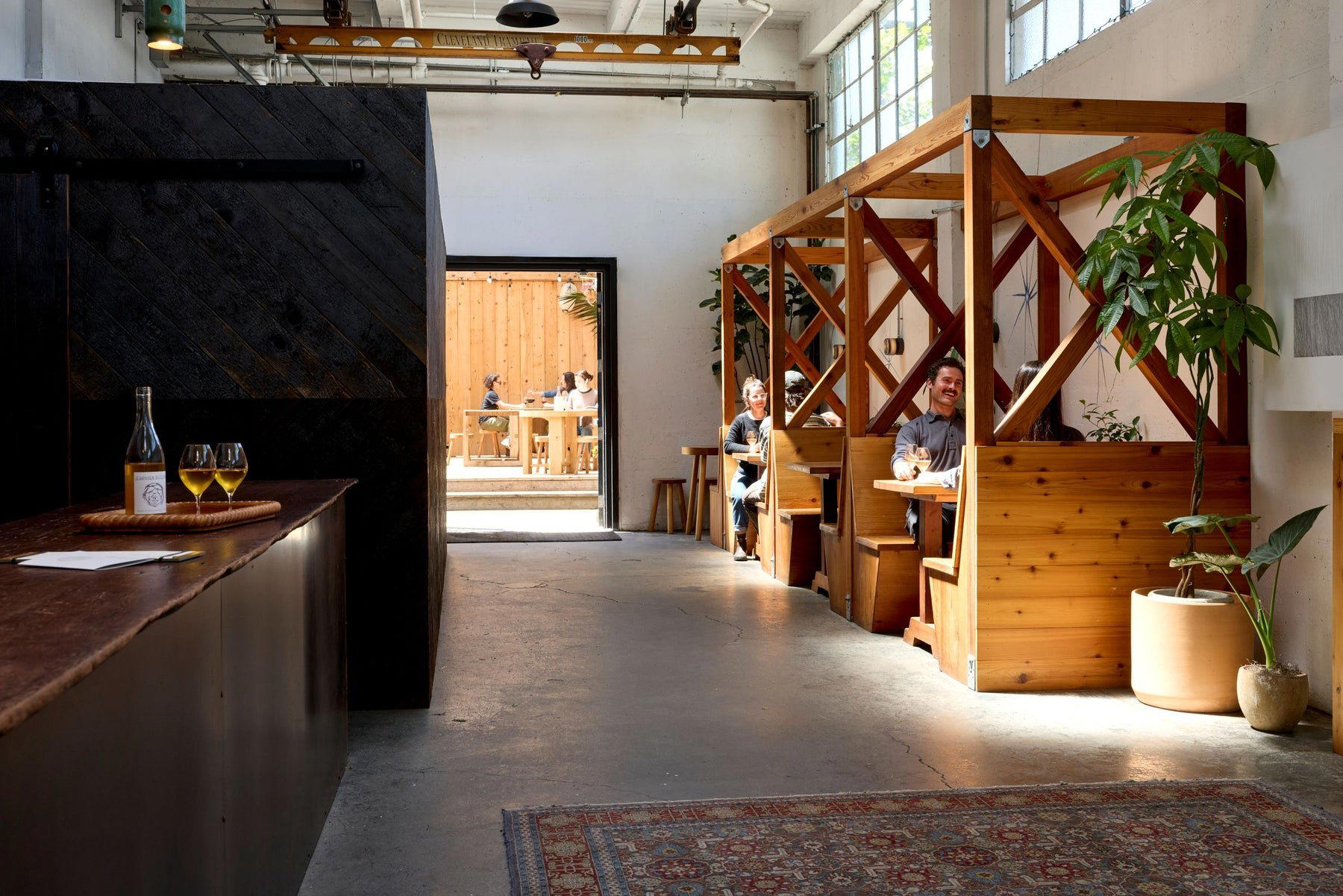
Casual, fast-casual atmosphere reminiscent of an airport chain but with lively, fresh Venezuelan flavors.