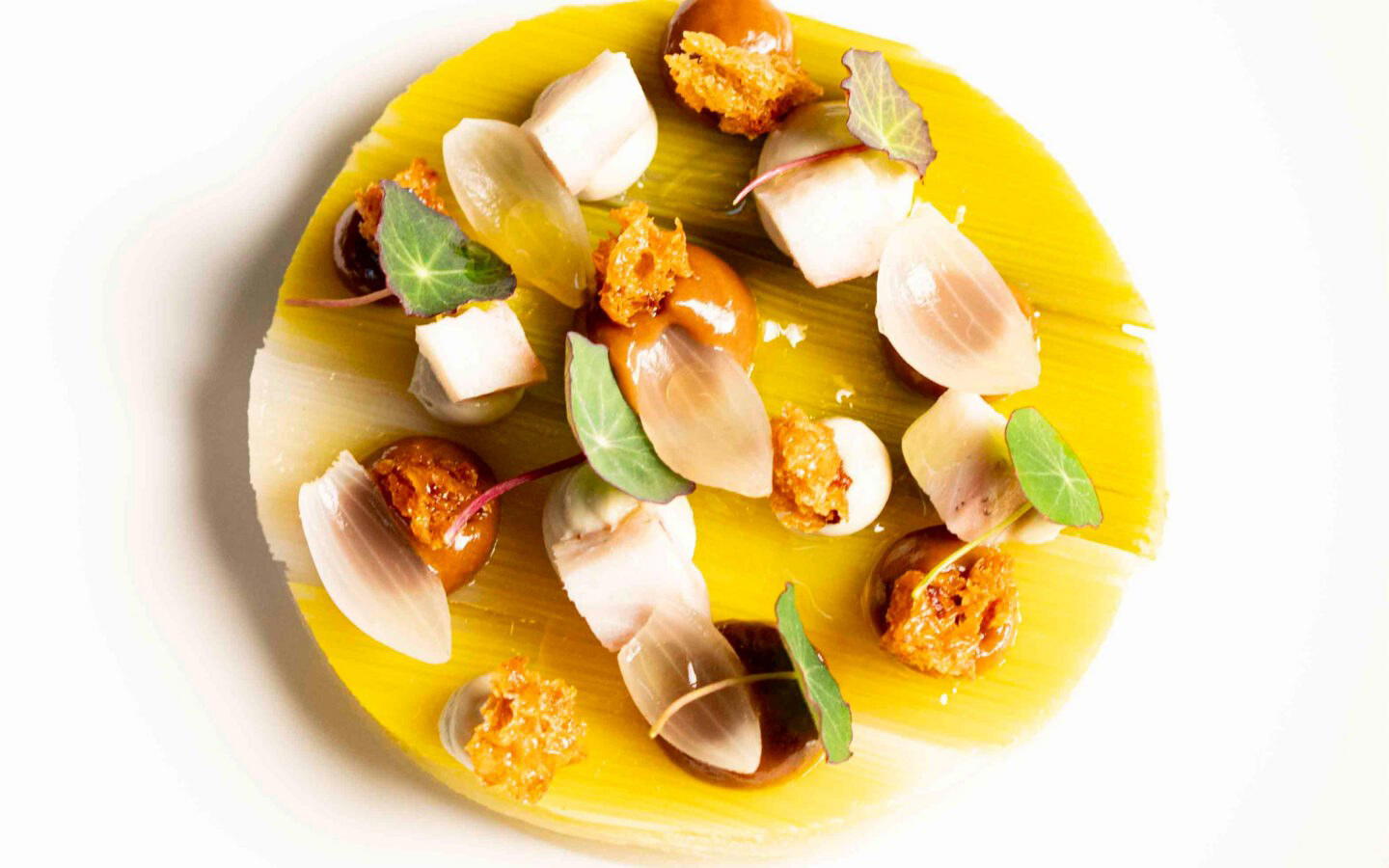
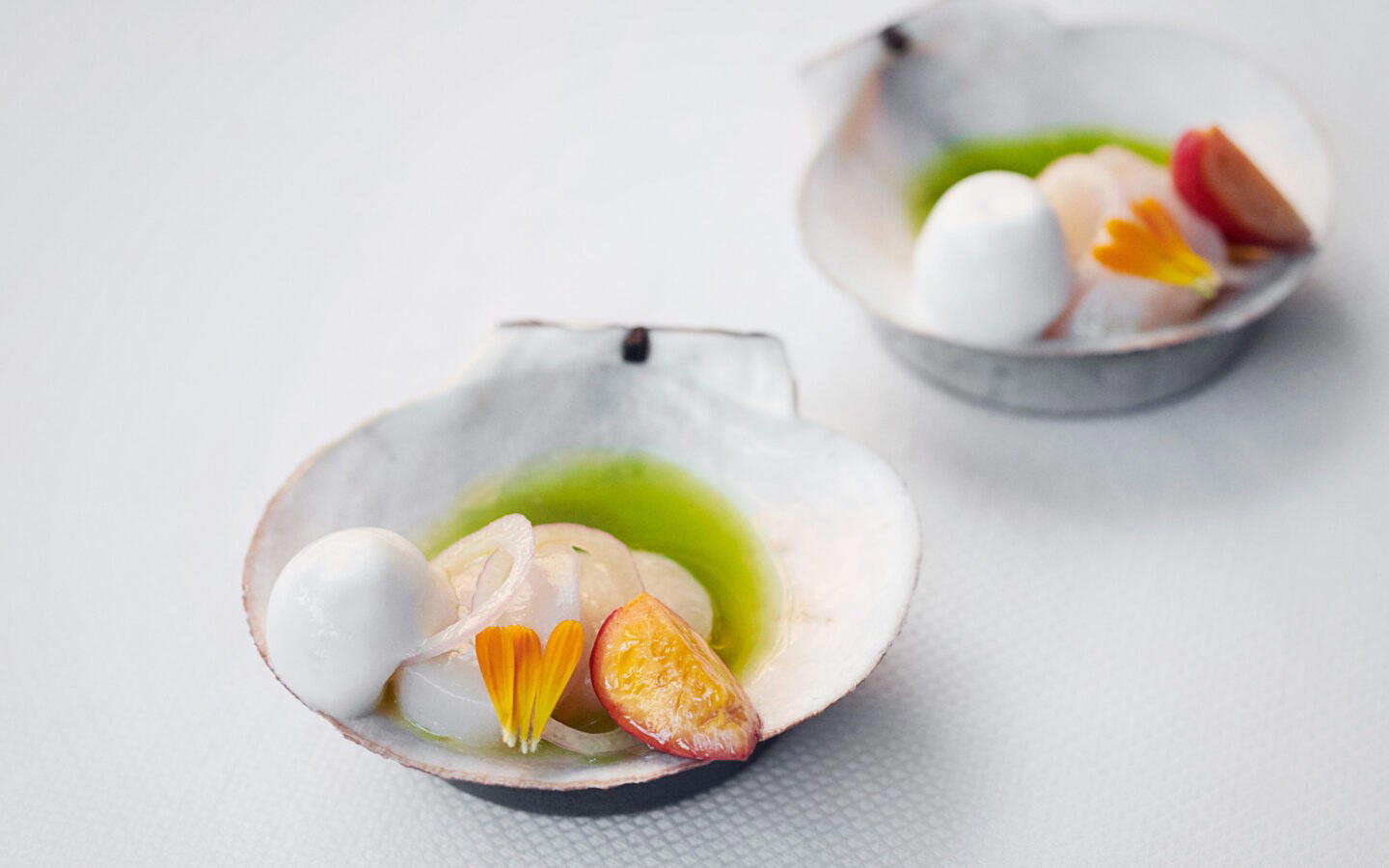
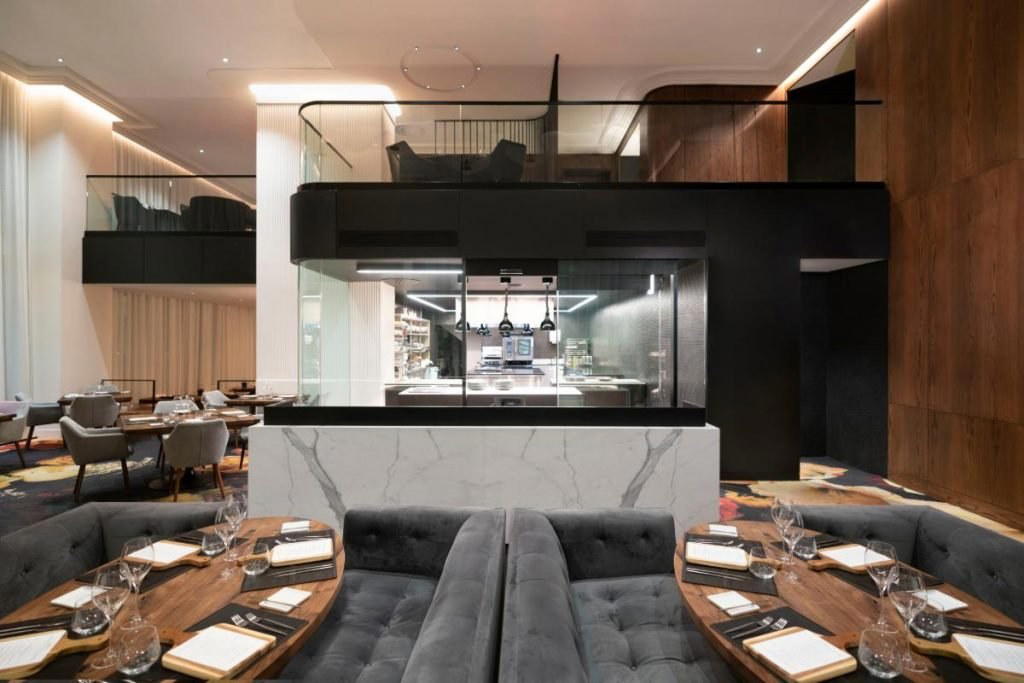
Tucked into Old Montreal's Rue St-Paul Ouest, BARROCO occupies the storied stone-and-timber register that defines the neighbourhood's dining character. The room sets a tone of composed warmth before the first course arrives, and the kitchen works through a multi-course format that rewards guests who let the progression unfold at its own pace. For the Old Port dining tier, it represents a considered alternative to the city's louder prestige addresses.
Pearl is the En Primeur Club membership app — saves, bookings, and concierge access live there. Same editors, same standards.
- Address
- 312 Rue St-Paul Ouest, Montréal, QC H2Y 2A3, Canada
- Phone
- +1 438 812 7852
- Website
- barroco.ca
- Directions
- Get directions
 Saves & bookings on Pearl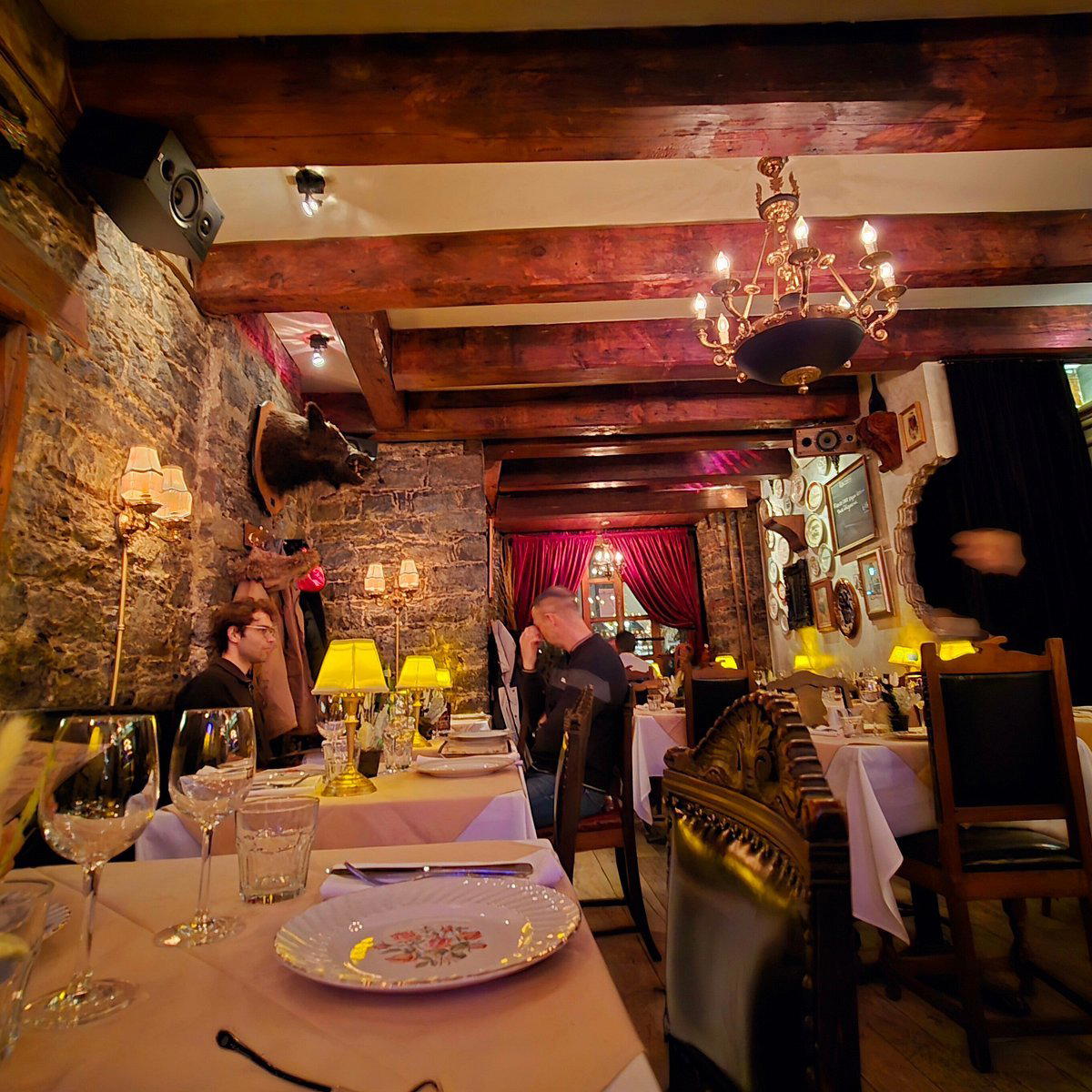
Old Montreal's Stone-Room Dining and Where BARROCO Fits
Rue St-Paul Ouest is the axis around which Old Montreal's serious dining has organised itself for decades. The street's 17th- and 18th-century stone buildings impose a particular atmospheric logic on every restaurant that occupies them: low ceilings, exposed timber, candlelight that bounces off walls thick enough to muffle the outside world entirely. The format suits multi-course, unhurried eating in a way that a glass-and-steel room simply cannot replicate. BARROCO, at 312 Rue St-Paul Ouest, sits squarely inside that tradition, drawing on the physical character of the address before the kitchen has sent out a single course.
Old Montreal's dining tier runs from the tourist-facing bistro economy on the lower end up through a cluster of destination-level addresses that compete for a more deliberate, reservation-driven clientele. BARROCO operates in the latter bracket. That positioning places it in the same general conversation as Jérôme Ferrer - Europea and Mastard, both of which anchor Montreal's modern cuisine tier, though each occupies a different register of formality and culinary language. BARROCO's address on St-Paul gives it a neighbourhood identity those uptown addresses don't share.
The Atmosphere Before the First Course
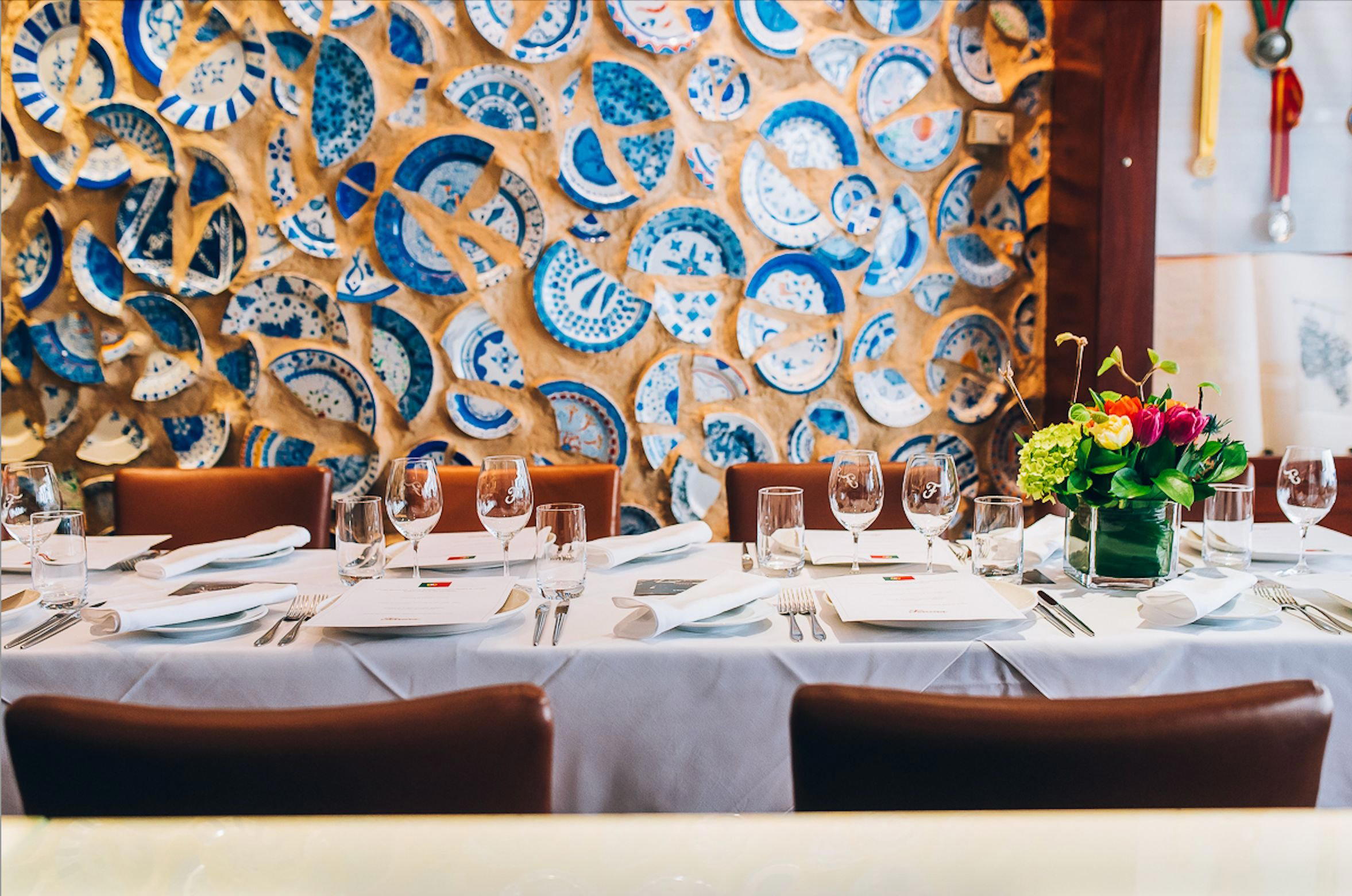
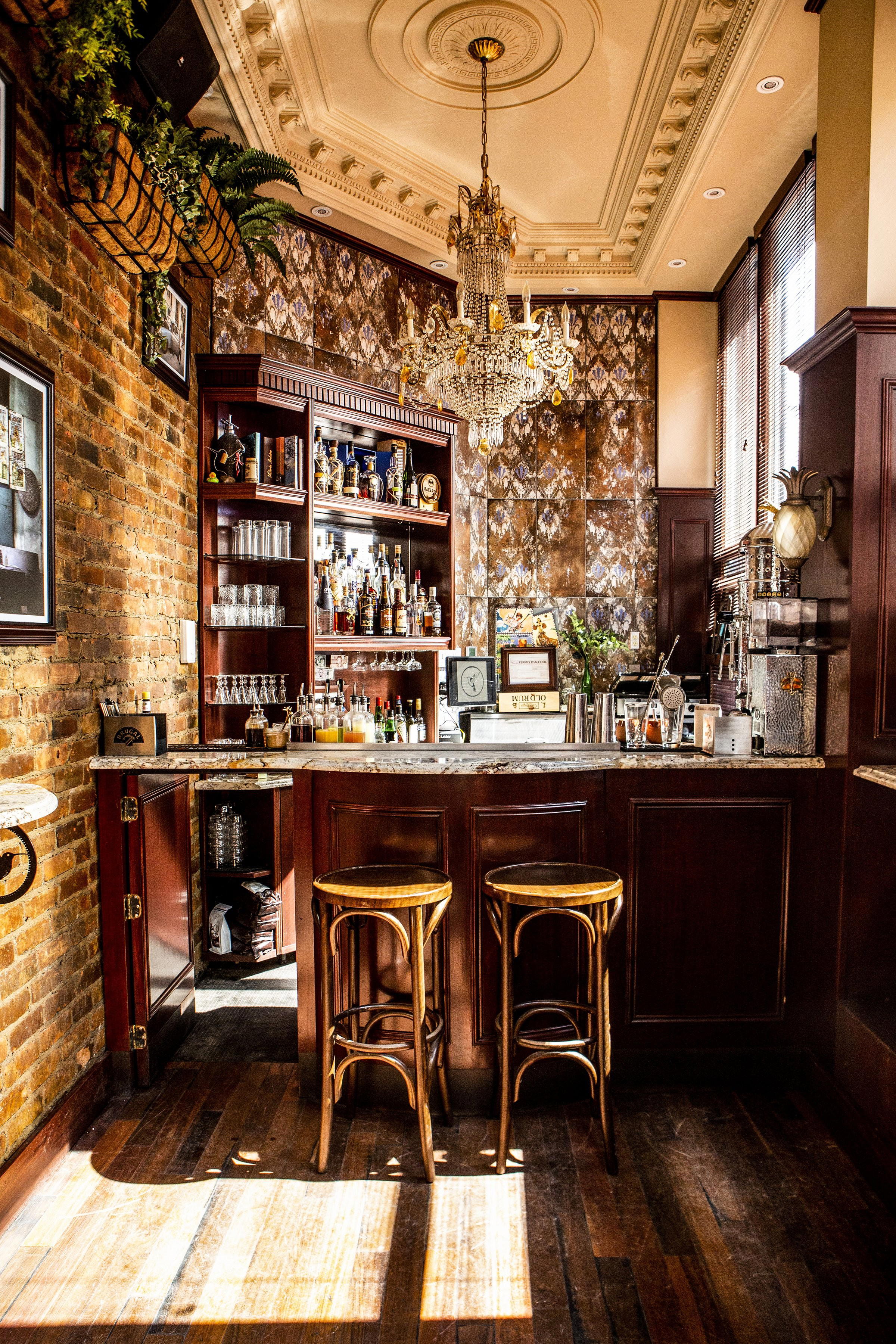
Approaching from the street, the building announces itself through its materiality rather than its signage. The stone facade is the same warm grey-beige that characterises this block's architecture, unchanged in its broad strokes since the 18th century. Inside, the eye adjusts from the brightness of the cobblestoned street to a room where the ambient light is deliberately low and the texture of the walls does most of the decorative work. Old Montreal's leading dining rooms understand that the architecture is the design brief, and the interiors that work here tend to work because they resist the impulse to impose a separate aesthetic identity onto spaces that already have one.
That atmospheric groundwork matters because it frames how a multi-course progression feels. A meal structured around sequenced courses requires a room that permits a certain psychological slowing-down. The Old Montreal stone-room tradition provides that. By the time the kitchen begins to pace its output, the room has already done the work of separating the diner from the city's ambient pace outside.
How the Progression Moves
Multi-course dining in Montreal sits in an interesting position relative to the city's broader restaurant culture. The city has built a reputation for accessible, technique-forward cooking at price points that undercut comparable experiences in Toronto or New York, and venues like Sabayon have developed loyal followings precisely because they deliver sophisticated sequencing without importing the full formality overhead of a classical French progression. BARROCO's format follows a similar logic: the progression is the point, but the room and the pacing encourage engagement rather than ceremony.
A well-executed multi-course progression works as a narrative. The opening courses establish register and signal the kitchen's sensibility. Middle courses carry the structural weight, where technique and ingredient sourcing are most exposed. The final courses resolve the meal's internal logic. Restaurants that get this right tend to produce the kind of memory that attaches to a place rather than to any single dish, which is the more durable commercial asset in a dining culture where menus rotate seasonally. 3 Pierres 1 Feu and Abu el zulof represent other points on Montreal's broader dining map where distinct culinary traditions meet the city's appetite for food that justifies a full evening's commitment.
Montreal's Competitive Context at This Tier
Montreal's premium dining addresses have been benchmarked against a national field that has grown substantially more competitive over the past decade. Tanière³ in Quebec City has set a new standard for locally-rooted tasting menu work in the province, while Alo in Toronto has long operated as the national reference point for French-influenced multi-course dining in Canada. Further afield, Restaurant Pearl Morissette in Lincoln and Eigensinn Farm in Singhampton have built reputations for destination dining that requires real commitment from the guest. Fogo Island Inn's dining room operates at the extreme end of this logic, where geography itself becomes part of the proposition.
Against that national spread, Montreal's advantage remains its density. The city supports multiple serious dining addresses within a walkable radius, which means a guest can build a trip around several distinct experiences rather than committing an entire visit to a single destination. Old Montreal specifically has enough critical mass of quality addresses that BARROCO's position on St-Paul places it within easy reach of the broader neighbourhood's offer. For a broader orientation across the city's dining, our full Montreal restaurants guide maps the competitive set more comprehensively.
For international reference points, the structural logic of BARROCO's setting and approach places it in conversation with European-influenced rooms rather than the high-concept contemporary formats that dominate lists. Le Bernardin in New York operates at a different price tier and scale, but it represents the reference class for what it looks like when a room and a kitchen create a unified dining logic. Lazy Bear in San Francisco takes the opposite approach, building communal-table informality into a progression format. BARROCO's stone-room setting lands somewhere in the register between those poles.
Canadian Comparators Worth Knowing
For guests building a broader Canada dining itinerary, several other addresses reward attention. AnnaLena in Vancouver and Cafe Brio in Victoria anchor the West Coast's more ingredient-led approach, while Narval in Rimouski represents Quebec's regional dining outside Montreal. The Pine in Creemore and Busters Barbeque in Kenora illustrate how destination dining has extended well beyond the major urban centres. Each represents a different argument about what Canadian cooking can mean at a serious level.
Planning a Visit
BARROCO sits at 312 Rue St-Paul Ouest in the heart of Old Montreal, a neighbourhood that rewards arriving on foot from the Old Port area. The address is walkable from the major hotel clusters on St-Paul and Place d'Armes. For reservations and current hours, contacting the restaurant directly or checking their website will give the most current availability; the neighbourhood's dining addresses operate on varying seasonal schedules, and advance booking for weekend tables in the summer and autumn peak periods is advisable. Old Montreal's dining rooms at this tier tend to fill on Thursday through Saturday well ahead of the week, so planning two to three weeks out for prime times is a reasonable baseline.
Reputation Context
A quick peer list to put this venue’s basics in context.
| Venue | Cuisine | Price | Awards |
|---|---|---|---|
| BARROCOThis venue — the venue you are viewing | Not listed | Not listed | Not listed |
| L’Express | French Bistro | $$ | Not listed |
| Schwartz’s | Delicatessen | $ | Not listed |
| Toqué | French | $$$$ | Not listed |
| Jérôme Ferrer - Europea | Modern Cuisine | $$$$ | Michelin 1 Star |
| Mastard | Modern Cuisine | $$$ | Michelin 1 Star |
At a Glance
- Cozy
- Elegant
- Intimate
- Rustic
- Sophisticated
- Date Night
- Special Occasion
- Historic Building
- Craft Cocktails
- Extensive Wine List
- Local Sourcing
Current opening hours
- Monday
- 6–10:30 PM
- Tuesday
- 6–10:30 PM
- Wednesday
- 6–10:30 PM
- Thursday
- 6–10:30 PM
- Friday
- 5:30–11 PM
- Saturday
- 5:30–11 PM
- Sunday
- 6–10:30 PM
Hours can change for holidays and private events. Last verified .
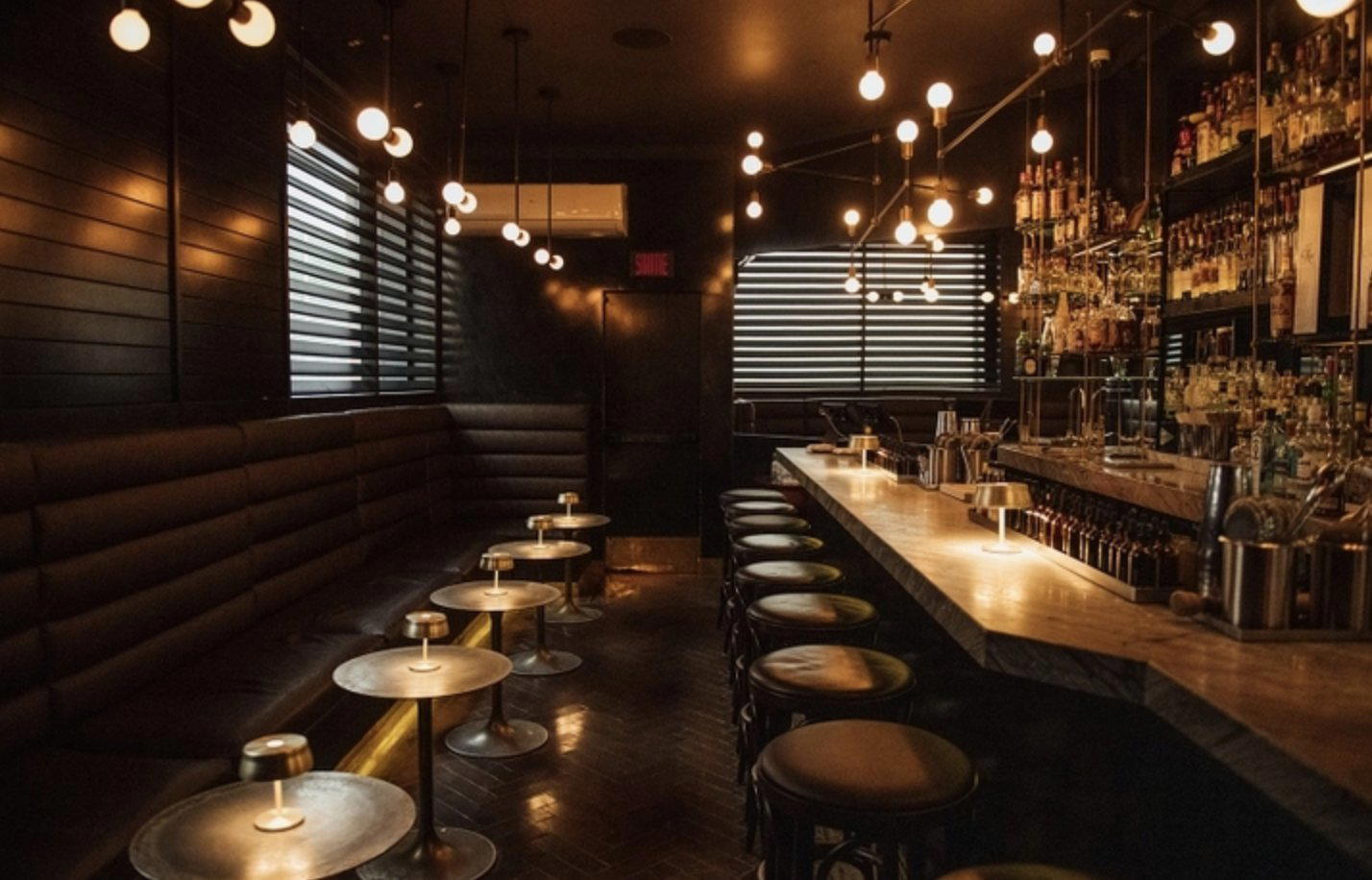
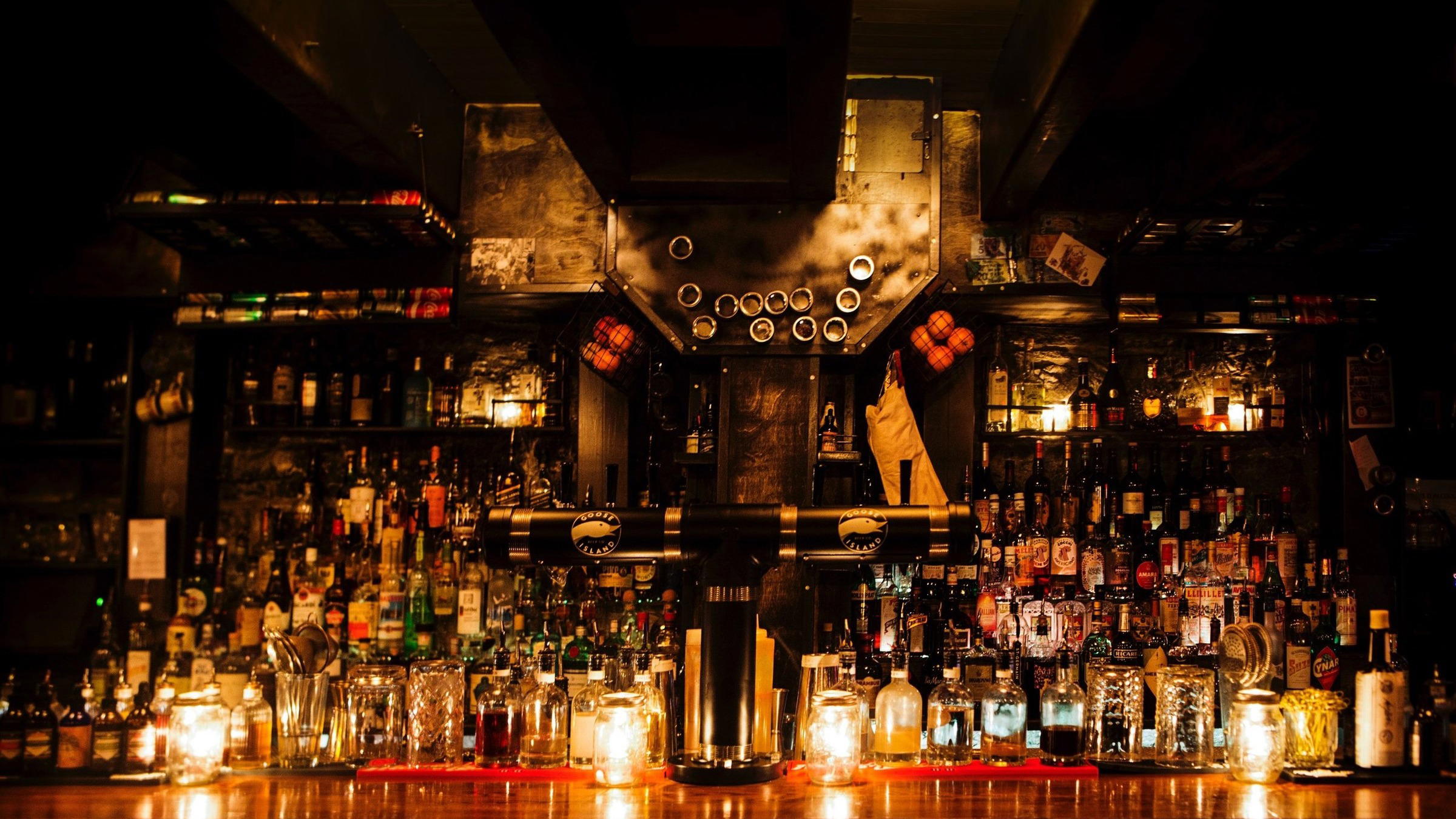
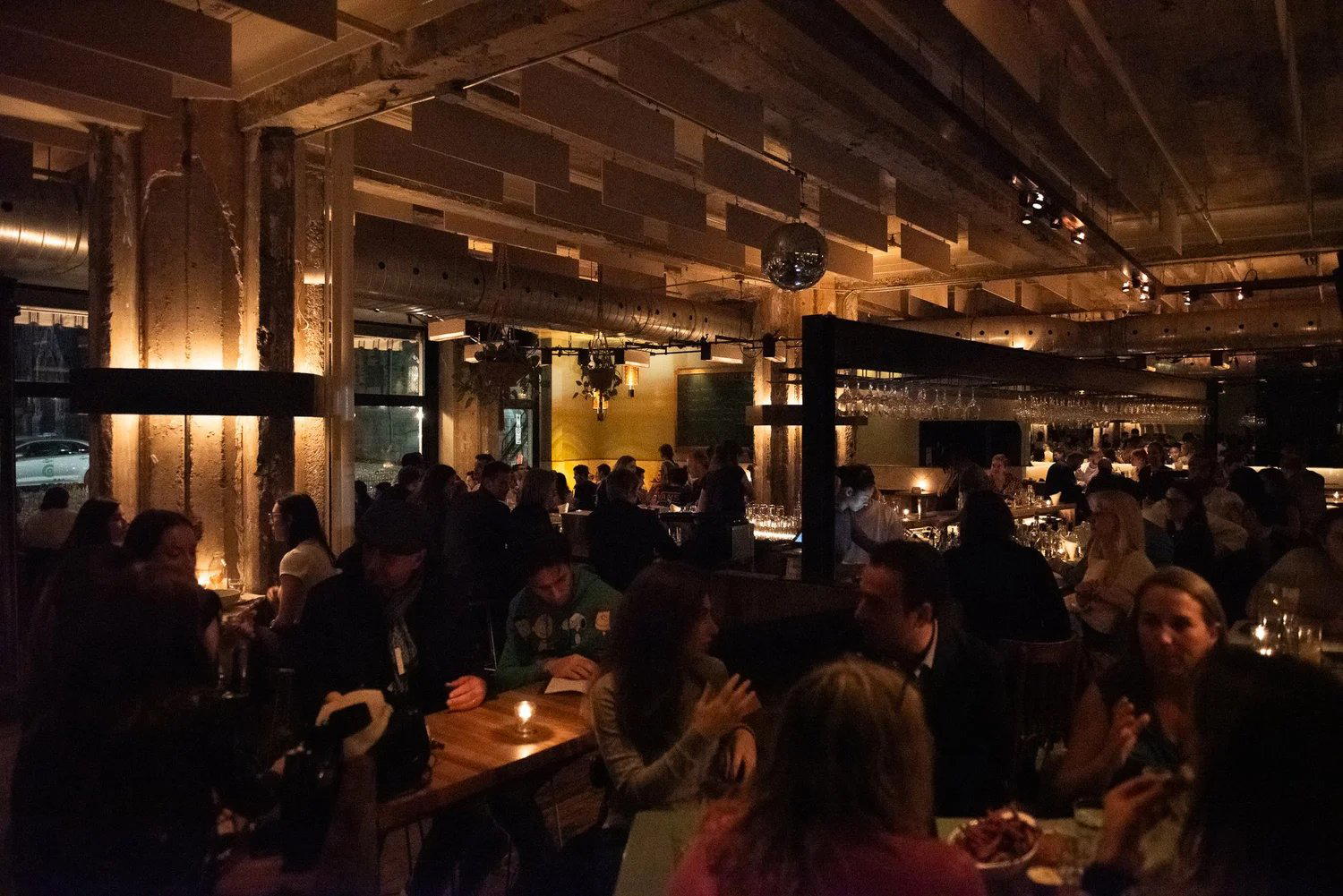
Warm and cozy with dim lighting, exposed stone walls, beamed ceilings, and eclectic antiques creating an intimate, rustic yet elegant atmosphere.
Know Before You Go
- Getting there
- 312 Rue St-Paul Ouest, Montréal, QC H2Y 2A3, Canada