BareBurger
BareBurger in Astoria, Queens has operated as one of New York's clearest examples of the organic, ethically sourced burger format, building a menu around certified ingredients at a time when fast-casual sustainability claims were rare. Located at 33-21 31st Ave, it sits in a neighbourhood that has grown into a genuine alternative to Manhattan dining, offering a grounded, ingredient-focused counter to the city's higher-stakes restaurant scene.
Pearl is the En Primeur Club membership app — saves, bookings, and concierge access live there. Same editors, same standards.
- Address
- 33-21 31st Ave, Astoria, NY 11103
- Phone
- +17187777011
- Website
- bareburger.com
- Directions
- Get directions
 Saves & bookings on Pearl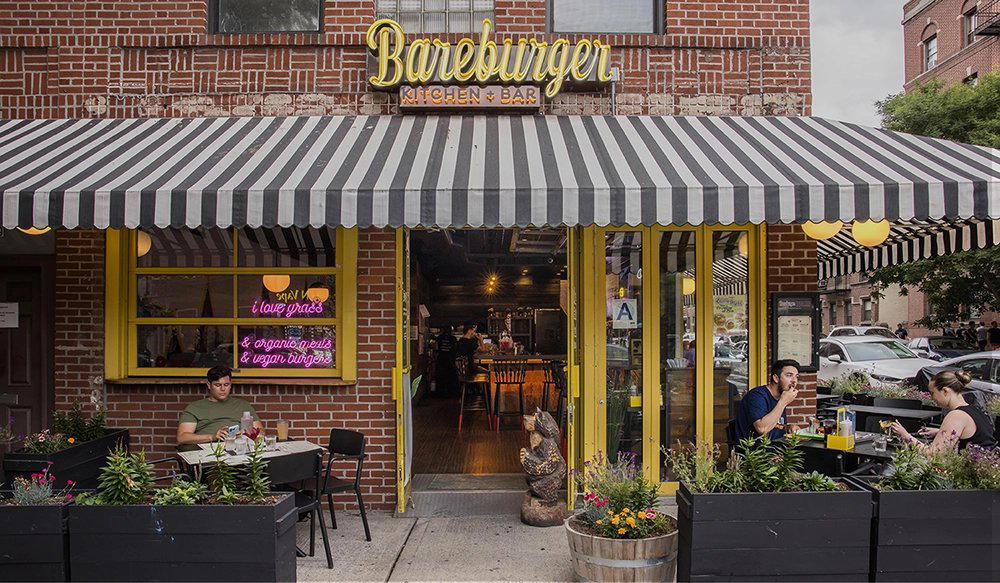
Where the Organic Burger Movement Took Hold in New York
The fast-casual burger category in America has long operated on volume economics: commodity beef, centralised supply chains, and margins built on scale. When BareBurger opened its Astoria location at 33-21 31st Ave, it positioned itself against that logic, committing to certified organic, free-range, and humanely raised proteins at a price point that sat well below the white-tablecloth sustainability standard set by places like Blue Hill at Stone Barns in Tarrytown or Single Thread Farm in Healdsburg. The argument BareBurger was making, and continues to make, is that ethical sourcing does not require a tasting-menu format or a three-digit bill to be credible.
That argument has broader relevance across the American dining scene. Restaurants such as Smyth in Chicago and Providence in Los Angeles have embedded farm relationships and sustainable sourcing into fine-dining frameworks. Lazy Bear in San Francisco and Addison in San Diego have done the same at the upper end of the price register. BareBurger occupies a different tier entirely, where the sourcing story is the product rather than a chapter in a larger tasting narrative.
Astoria as a Dining Destination in Its Own Right
Queens has functioned for decades as New York City's most genuinely diverse borough for eating, and Astoria in particular has built a neighbourhood dining identity that does not depend on Manhattan proximity for validation. The stretch of 31st Avenue where BareBurger sits has drawn a mix of long-established Greek institutions and newer casual operators who have found that Astoria's residents expect ingredient quality without the premium that a Midtown or West Village address would demand. The outer boroughs represent a meaningful counterpoint to the concentrated fine-dining belt of Manhattan, where places like Le Bernardin, Atomix, Masa, Per Se, and Eleven Madison Park define the city's upper register.
The contrast matters editorially. A city's food culture is not measured only by its Michelin-starred counters. It is also measured by whether sustainability and sourcing ethics have migrated from the fine-dining tier into everyday formats. Astoria, with its mix of working neighbourhoods and food-aware residents, is one of the places in New York where that migration is visible on the street level.
The Sourcing Framework That Defines the Format
The organic and ethical sourcing model that BareBurger applies to a burger format is not cosmetic. Certified organic beef requires producers to meet USDA National Organic Program standards, which prohibit synthetic pesticides and fertilisers in feed crops, eliminate the use of growth hormones and antibiotics, and mandate outdoor access for livestock. Free-range and humanely raised certifications layer additional welfare standards on leading. For a fast-casual operator, meeting those standards across a menu that includes multiple protein options, including plant-based alternatives, represents a supply chain commitment that is structurally more demanding than a conventional burger chain.
Internationally, the farm-to-format model at the casual end of the market has precedents: in the UK, operations built around regenerative farming have tried to prove that affordable price points and transparent supply chains are compatible. In the American context, where the fast-food sector is dominated by volume-first economics, BareBurger's sourcing position is a meaningful departure. It is the same logic that underpins the tasting-menu approach at places like The French Laundry in Napa or The Inn at Little Washington, applied to a format that most diners access weekly rather than annually.
Sustainability in the Casual Register: What It Actually Means
It is worth being precise about what sustainability means in a fast-casual burger context. At the fine-dining level, restaurants like Emeril's in New Orleans or Frasca Food and Wine in Boulder have built supplier relationships over years, often dealing directly with named farms. At the casual level, the mechanisms are different: operators work through certified distributors, rely on third-party verification rather than direct farm visits, and standardise across multiple locations.
The credibility of a casual operator's sustainability claim rests primarily on certification rigour and menu consistency, not on the kind of named-farm storytelling that drives the narrative at high-end venues. BareBurger's reliance on certified organic standards provides a verifiable framework that distinguishes it from competitors whose sourcing language is aspirational rather than documented. That is a structural distinction rather than a matter of scale or prestige. For comparison, the sourcing philosophy that defines Atelier Moessmer Norbert Niederkofler in Brunico or Dal Pescatore in Runate operates through deep regional specificity; BareBurger operates through category certification at a different scale and price tier, but with the same underlying logic of documented sourcing over vague claims.
What to Order and When to Go
What the format reliably delivers is a burger built on certified organic beef (or alternative proteins) across a menu that has historically included bison, elk, and plant-based options alongside conventional beef, a range that reflects both sourcing ambition and an awareness that the sustainability conversation in protein includes more than just organic cattle.
The area is a reasonable addition to any itinerary that combines outer-borough eating with a serious interest in how New York's food culture functions outside its most celebrated addresses.
Planning Your Visit
Address: 33-21 31st Ave, Astoria, NY 11103. Reservations: Walk-in friendly. Dress: Casual. Budget: About $20 per person.
Category Peers
Comparable venues nearby, for context on price, style, and recognition.
| Venue | Cuisine | Price | Notes |
|---|---|---|---|
| BareBurgerThis venue — the venue you are viewing | Organic Grass-Fed Burgers | $$ | Not listed |
| Melt Shop | Grilled Cheese Sandwiches | $$ | Midtown-Times Square |
| Bea | American Comfort Food | $$ | Hell's Kitchen |
| Kings of Kobe | American Wagyu Burgers & Steakhouse | $$ | Hell's Kitchen |
| Dallas BBQ Chelsea | American BBQ | $$ | Chelsea-Hudson Yards |
| Little Skips East | Modern Cafe with Vegetarian & Asian Influences | $$ | Bushwick (East) |
Continue exploring
More in New York City
Restaurants in New York City
Browse all →
Bars in New York City
Browse all →
Hotels in New York City
Browse all →






At a Glance
- Casual
- Trendy
- Casual Hangout
- Group Dining
- Open Kitchen
- Beer Program
- Organic
- Local Sourcing
Current opening hours
- Monday
- 12–10 PM
- Tuesday
- 12–10 PM
- Wednesday
- 12–10 PM
- Thursday
- 12–10 PM
- Friday
- 12–10 PM
- Saturday
- 12–10 PM
- Sunday
- 12–9 PM
Hours can change for holidays and private events. Last verified .
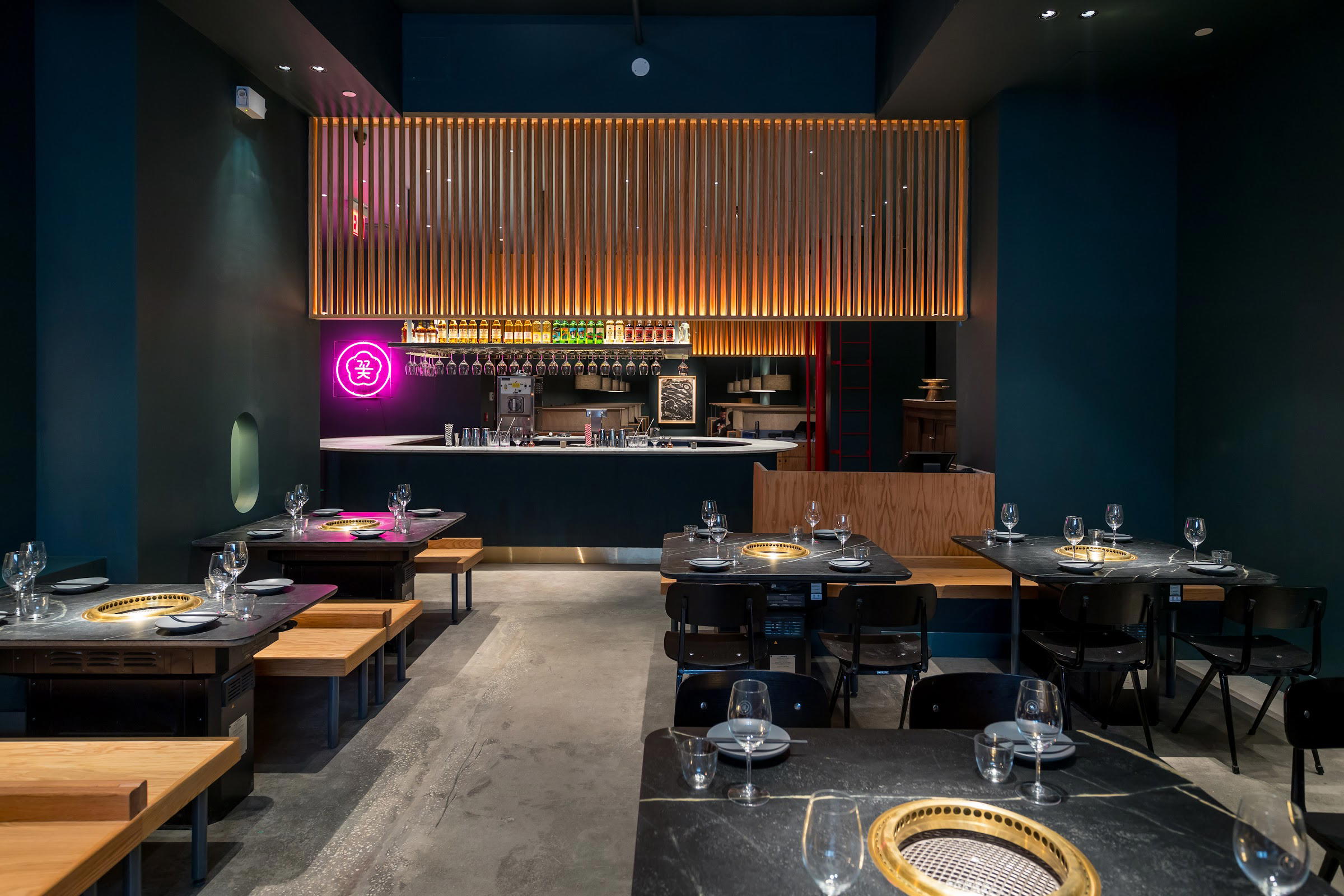
Casual atmosphere with eco-friendly decor using salvaged lumber tables and recycled tin ceilings, emphasizing a relaxed better-burger vibe.