Melt Shop
Our verdict
Melt Shop at 135 W 50th St plants a comfort-food counter in the middle of Midtown Manhattan's lunch circuit, where pressed sandwiches and melts compete for wallet share against the neighborhood's higher-ticket dining rooms. The format is built for speed and repetition rather than occasion dining, which makes it a different proposition from the tasting-menu tier a few blocks away. For a quick, wallet-conscious midday stop in the 50s, it fills a practical gap.

Pearl is the En Primeur Club membership app, where members save venues, book tables and use the concierge.

The menu
What to order
- Biggie Melts
- Fried Chicken Melt
- Chicken Bacon Ranch
A Midtown Melt Counter in a Neighborhood Built for Expense-Account Dining
West 50th Street sits at the gravitational center of Manhattan's corporate dining belt, where lunch crowds pour out of Rockefeller Center offices and nearby towers at noon with a narrow window and a range of budgets. The block supports everything from prix-fixe rooms used for client entertainment to fast-casual counters built around throughput. Melt Shop at 135 W 50th St occupies the latter tier, offering grilled and pressed sandwiches to a crowd that is, by neighborhood default, comparing it against time and convenience as much as against other restaurants. That context matters, because the Midtown lunch market is one of the most competitive in American dining, and surviving it requires a clear format proposition rather than culinary ambition.
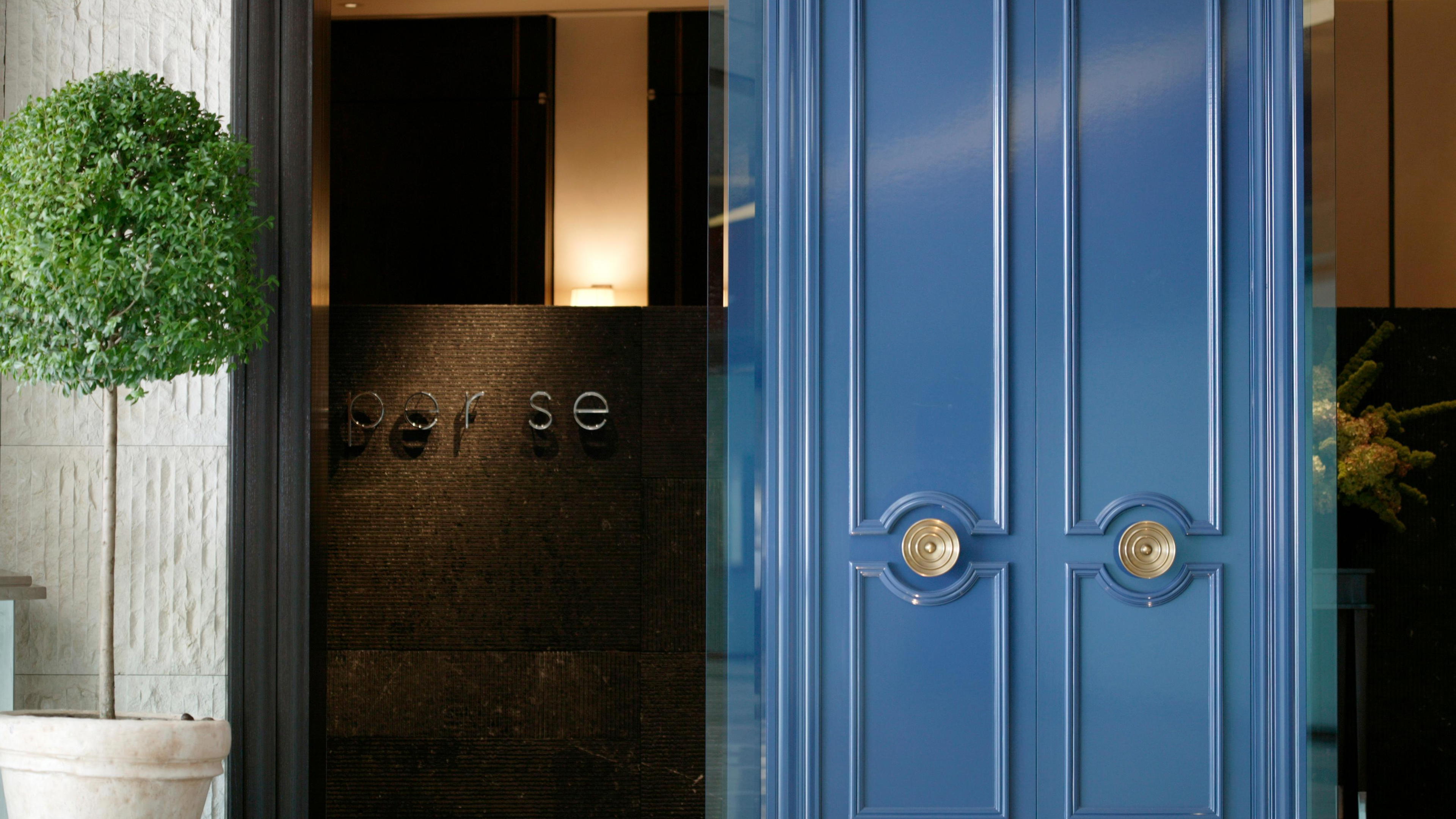
In a corridor where Le Bernardin and Per Se represent the ceiling of occasion spending, and where Eleven Madison Park, Atomix, and Masa set the register for multi-course ambition downtown, Melt Shop is making a different argument entirely. Its proposition is not refinement but repetition: a format you return to on a Tuesday because it works, not one you plan around for months. That distinction is worth stating plainly, because misreading the category leads to the wrong expectations.
The Lunch-Dinner Divide, and Why It Defines the Experience
Comfort-food sandwich concepts in dense urban cores tend to live or die on lunch service. The format at Melt Shop is calibrated for the midday window: fast decision-making, a menu structured around familiar references, and a pace that works for people who need to be somewhere else by 1:15pm. The surrounding blocks of Midtown are not a dinner destination in the way that the Meatpacking District or the West Village function after dark, which means the daytime and evening dynamics at a counter like this diverge sharply.
At lunch, Midtown's volume absorbs quick-service concepts with ease, and the foot traffic from Rockefeller Center alone keeps counters at capacity during the peak hour. Evening service in this part of the 50s is thinner, with commuters heading home and tourists gravitating toward Times Square. That shift means the lunch hour is the operating core, and the experience there, in terms of pace, crowd, and energy, is substantively different from a quieter early-dinner visit. Readers planning around the lunch-dinner divide should know that the daytime window is when the format reads most coherently, surrounded by the professional crowd it was designed to serve.
This dynamic is not specific to Melt Shop. Across the broader US comfort-food casual segment, from New Orleans to San Francisco, the operators who succeed at lunch-first formats tend to double down on speed and menu legibility rather than trying to convert the space into an evening destination with a different personality. The ones that try to be two different restaurants in one address often underperform at both.
Where This Fits in New York's Casual Dining Circuit
New York's fast-casual sandwich market is genuinely contested. The city has supported artisan cheese-pull formats, regional specialty bread programs, and ingredient-sourcing narratives across multiple neighborhoods. In that context, a pressed-sandwich counter in Midtown reads as functional rather than destination-oriented, which is its honest identity. Destination casual dining in New York increasingly means a specific culinary point of view, a neighborhood tie, or a format novelty that generates its own press. Melt Shop is operating in a different register: reliable, accessible, and built for repetition.
For the full picture of where New York's dining scene sits across price points and formats, our full New York City restaurants guide maps the competitive set from quick-service through the tasting-menu tier. If the 50s are your neighborhood for the day and you are looking at the broader range, the guide provides the context for calibrating expectations across category and spend level.
Readers who travel between US cities and want to benchmark this kind of comfort-casual format against regional peers might look at how the segment operates in other markets. Smyth in Chicago and Providence in Los Angeles represent the fine-dining end of their respective cities, but the gap between those rooms and the quick-service tier in each market illustrates how broadly the American dining spectrum runs. At the international end of that spectrum, Atelier Moessmer Norbert Niederkofler in Brunico and Dal Pescatore in Runate anchor a completely different category conversation, as does The French Laundry in Napa, Blue Hill at Stone Barns in Tarrytown, Addison in San Diego, Single Thread Farm in Healdsburg, The Inn at Little Washington, and Frasca Food and Wine in Boulder. The point is that American dining in 2024 runs a very long range, and placing any venue correctly within it produces more useful decisions than assessing it in isolation.
Planning Your Visit
Address: 135 W 50th St, New York, NY 10019. Reservations: Walk-in format; no booking required, consistent with the fast-casual model. Timing: The lunch window on weekdays is the primary service period; arrive before 12:30pm if peak-hour queues are a concern. Budget: Pricing sits well below the expense-account tier of surrounding Midtown restaurants, making it a practical choice for a low-commitment midday stop. Dress: No code; business casual from nearby offices is the ambient standard during lunch hours.
Frequently asked questions
What should I expect atmosphere-wise at Melt Shop?
The atmosphere tracks the Midtown corporate lunch rhythm: fast, functional, and dense at peak hours. The surrounding neighborhood on W 50th St draws office workers from Rockefeller Center and the broader Sixth Avenue corridor, so the room operates at high tempo from midday. It is not a lingering-lunch environment in the way that a formal dining room in this city might be. New York's casual counter segment, from the West Village to Midtown, generally runs at this pace, and Melt Shop sits squarely within that pattern rather than against it.
What dish is Melt Shop famous for?
Melt Shop's format centers on grilled and pressed sandwiches, which is the defining category the concept was built around. The specific menu details and signature items are best confirmed directly with the venue, as offerings in fast-casual formats frequently rotate or vary by location. What is consistent across this segment in New York is that the cheese melt format, a pressed sandwich with a strong dairy component, is the anchor reference point, and the brand's identity is built around that category rather than around a single dish.
What's the ideal way to book Melt Shop?
Melt Shop operates as a walk-in counter rather than a reservation-based dining room, which reflects the fast-casual format. In Midtown Manhattan, that means the practical booking strategy is timing: arriving before the noon-to-1pm window on weekdays avoids the heaviest office-lunch volume. For a neighborhood where venues like Per Se require advance planning weeks out, Melt Shop's no-reservation format is its clearest logistical differentiator.
How does Melt Shop compare to other comfort-food options in the Midtown 50s?
The W 50th St block and the surrounding Rockefeller Center area support a dense mix of fast-casual and sit-down formats, which means Melt Shop is competing primarily on speed and format familiarity rather than on culinary differentiation. Within the comfort-food sandwich category in Manhattan, the market has expanded significantly over the past decade, with specialty operators bringing regional bread and ingredient narratives into neighborhoods that previously ran on delis and corporate lunch chains. Melt Shop's position is toward the accessible, quick-service end of that spectrum, which makes it practical for a time-pressured midday stop but less compelling as a dinner or occasion destination in a city with as many options as New York.
The Essentials
Comparable venues nearby, for context on price, style, and recognition.
| Venue | Cuisine | Price | Notes |
|---|---|---|---|
| Melt ShopThis venue (the venue you are viewing) | Grilled Cheese Sandwiches | $10–20 | Not listed |
| Barking Dog Hell's Kitchen | American Comfort Food | $20–30 | Hell's Kitchen, American Comfort Food |
| Lady Blue | American Small Plates & Cocktails | $30–50 | Hell's Kitchen, American Small Plates & Cocktails |
| Butterfield 8 | American Gastropub | Not listed | Midtown-Times Square, American Gastropub |
| Dallas BBQ Chelsea | American BBQ | $20–30 | Chelsea-Hudson Yards, American BBQ |
| Little Ruby's SoHo | Australian Café & American Comfort Food | $20–30 | SoHo-Little Italy-Hudson Square, Australian Café & American Comfort Food |
Continue exploring
More in New York City
Restaurants in New York City
All restaurants in New York City →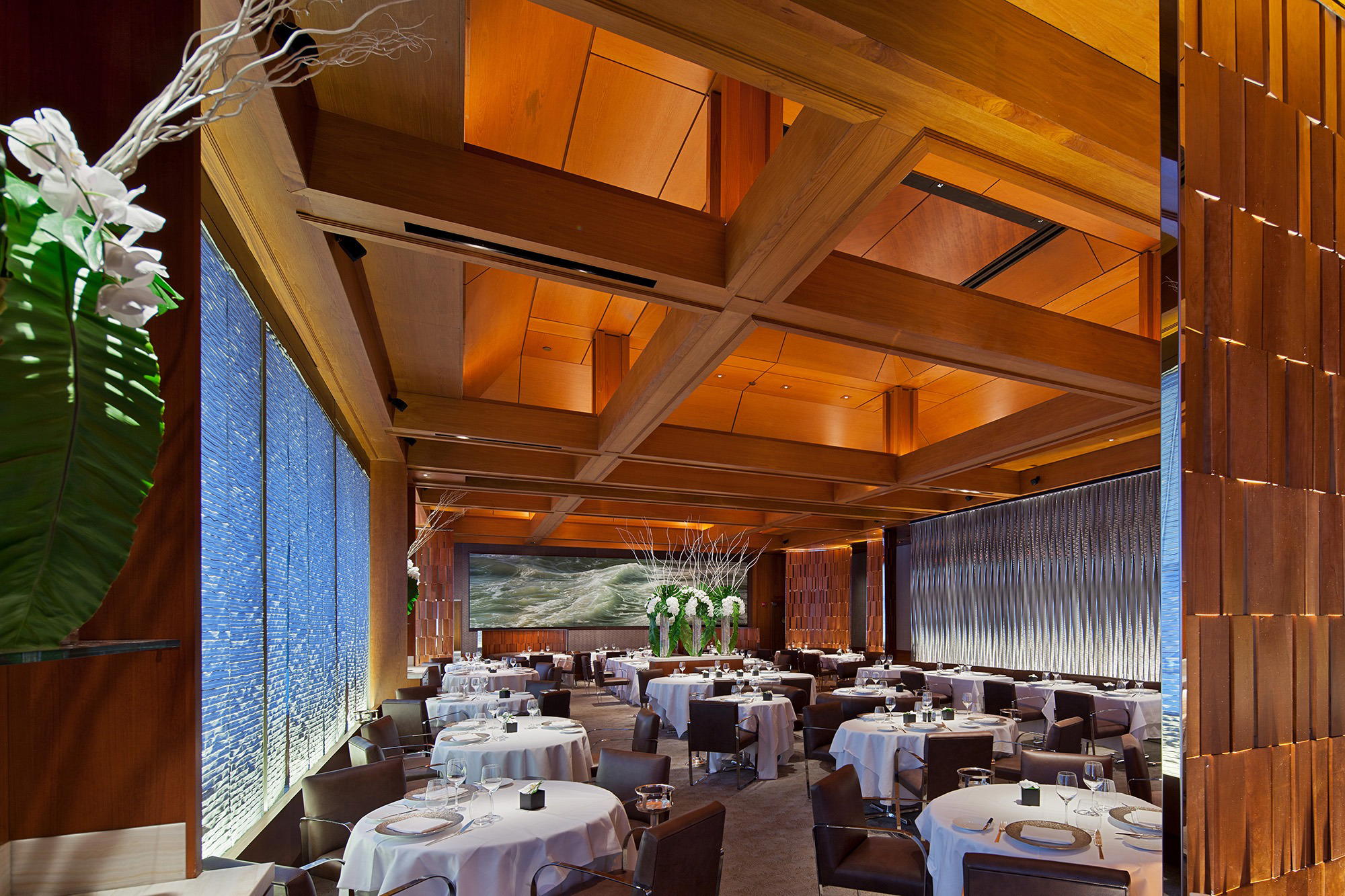
Bars in New York City
All bars in New York City →





Details
- Trendy
- Lively
- Cozy
- Casual Hangout
- After Work
- Open Kitchen
- Beer Program
- A La Carte
- Vegetarian Friendly
Current opening hours
- Monday
- 7 AM–9 PM
- Tuesday
- 7 AM–9 PM
- Wednesday
- 7 AM–9 PM
- Thursday
- 7 AM–9 PM
- Friday
- 7 AM–9 PM
- Saturday
- 10:30 AM–9 PM
- Sunday
- 10:30 AM–9 PM
Hours can change for holidays and private events. Hours as of .
Playful fast-casual space with bright yellow picnic tables, tongue-in-cheek wall witticisms, and a high-ceilinged corridor featuring reclaimed oak and yellow bricks.