Barbetta


Wine Spectator Best of Award of Excellence
Our verdict
One of the oldest Italian restaurants in New York City, Barbetta has occupied its West 46th Street townhouses since 1906. The wine program, overseen by director Geza Horvath, spans 2,160 selections and over 11,000 bottles with particular depth in Tuscany and Piedmont. Ranked by Opinionated About Dining in both 2024 and 2025, it holds a specific place in the Theatre District's dining tier.

Pearl is the En Primeur Club membership app, where members save venues, book tables and use the concierge.
The menu
What to order
- Agnolotti
- Risotto with White Truffle
- Slow Roasted Piemontese Rabbit
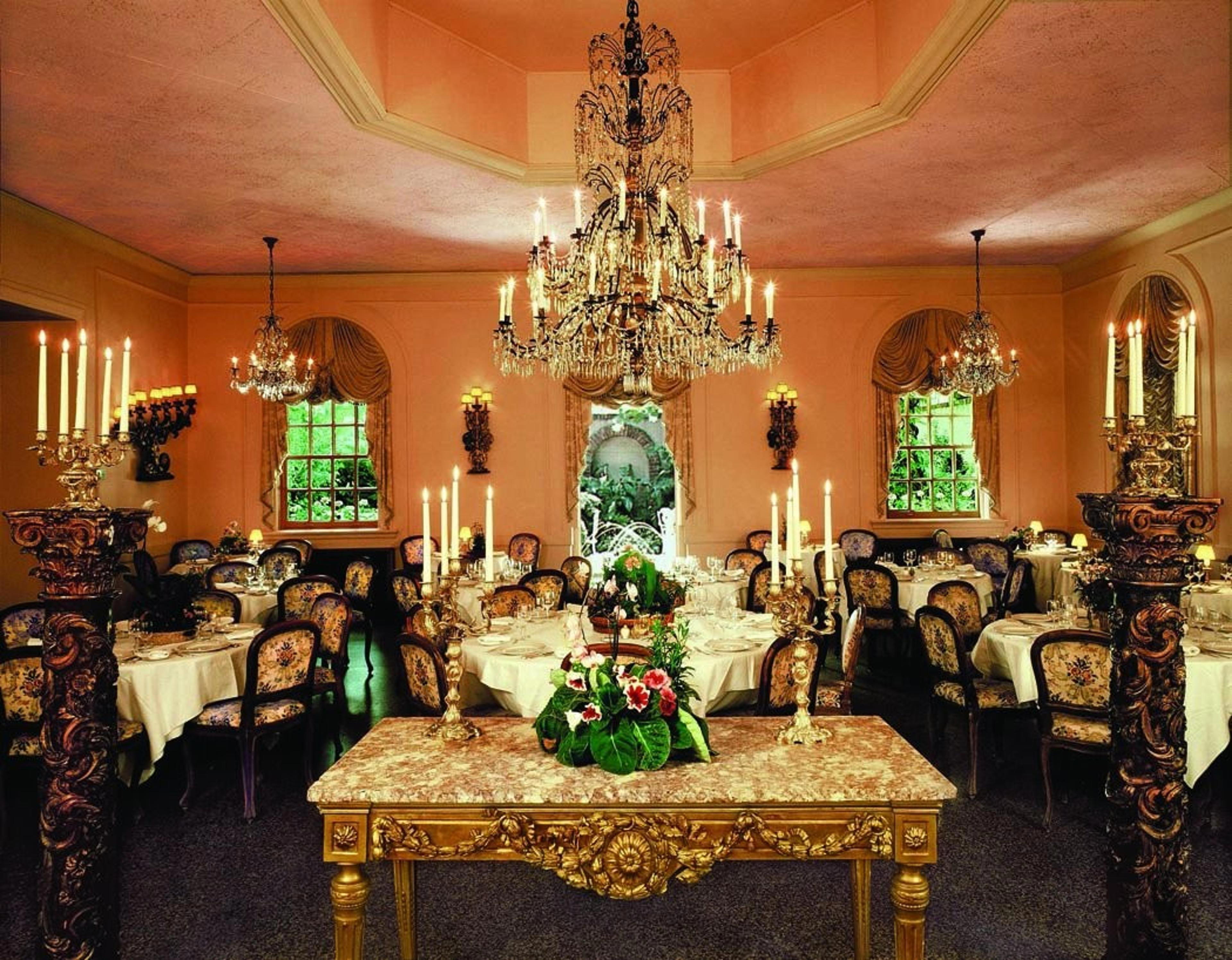
A Dining Room That Predates the Modern Restaurant Scene
West 46th Street between Eighth and Ninth Avenues has housed Barbetta since 1906, making it one of the longest-running Italian restaurants in New York. The occasion-dining segment in any major city tends to rotate: restaurants open with ambition, earn their moment, and eventually give way to whatever the next generation decides fine dining should look like. Barbetta has survived at least six such cycles. That kind of continuity is not nostalgia, it is evidence of a format that keeps meeting a need, particularly for meals that require a room with weight and history behind them.
The address itself matters. Restaurant Row on 46th Street was built for pre-theatre and celebration dining, a corridor where the pace of the meal has always been tied to curtain times and anniversaries. Barbetta fits that context precisely: its hours run Tuesday through Saturday, with dinner service beginning at 4 pm and extending to 11 or 11:30 pm on weekends, and lunch offered Wednesday and Saturday from 11:30 am. There is no Sunday or Monday service, which keeps the weekly volume deliberate rather than relentless.
The Case for Occasion Dining in a Historic Room
Italian fine dining in New York has fractured into several distinct tiers. At the upper end, restaurants like Ai Fiori pursue northern Italian precision with Michelin recognition and prix-fixe formats. In the mid-tier, Via Carota and Altro Paradiso have built loyal followings around Roman and contemporary Italian cooking with a deliberately casual register. Babbo occupies a different kind of prestige, built on a specific chef identity and years of critical momentum.
Barbetta sits outside all of those comparative sets. Its frame of reference is not the last decade of New York Italian but the tradition of grand-room dining that preceded the open-kitchen era entirely. When a meal needs to feel like an event, a milestone birthday, a business dinner where the room does part of the work, a pre-theatre occasion that should feel distinct from a quick prix-fixe, the question of which Italian restaurant in Midtown can hold that weight has a short list of answers. Barbetta's longevity and Opinionated About Dining recognition (ranked #575 in North America for 2025, up from #445 in 2024) position it as a reference point in that conversation, not merely a survivor of it.
For international comparison, Italian restaurants like 8½ Otto e Mezzo Bombana in Hong Kong and cenci in Kyoto show how Italian dining traditions translate across contexts when the room and the program both carry conviction. Barbetta works from the same premise, just with over a century of downtown New York beneath it.
The Wine Program as the Central Argument
Any honest accounting of Barbetta has to start with the cellar. Wine director Geza Horvath oversees a list of 2,160 selections backed by an inventory of 11,655 bottles, with stated depth in Tuscany and Piedmont. The pricing tier sits at $$$, meaning the list carries significant numbers of bottles above $100, and the corkage fee for outside bottles is $45. That combination of scale and regional specificity puts the program in a category few New York Italian restaurants can match on raw depth alone.
Piedmont and Tuscany are the right regions to anchor a serious Italian wine program. Barolo and Barbaresco from the former, Brunello and high-end Sangiovese from the latter, represent Italy's most age-worthy and collector-relevant wines. A cellar with over 11,000 bottles in those regions suggests vertical depth, the kind of inventory that makes it possible to have a conversation about a producer across multiple vintages, not just to order what arrived last quarter. For a milestone dinner where the wine is as much the occasion as the food, that depth is the point.
The Kitchen and What It Represents
Chef Rocky Marentek leads the kitchen, operating within the Italian format that Barbetta has always maintained. The cuisine pricing sits at $$, a typical two-course meal in the $40–$65 range before beverages and tip, which positions the food as significantly more accessible than the wine program's upper reaches. The overall dining experience therefore skews wine-forward: the food cost is approachable, but a table that commits to the list can spend considerably more. This is a sensible structure for the occasion-dining segment, where the bottle often becomes the anchor of the celebration rather than an afterthought to the tasting menu.
The restaurant draws a comparison to Ammazzacaffè in the Italian-in-New-York conversation, though the two operate at different scales and with different audience assumptions. Where newer Italian formats in the city chase downtown energy, Barbetta's proposition is consistent: a formal room, a serious cellar, and a meal that doesn't need to perform novelty to justify itself.
Planning the Visit
Barbetta is at 321 West 46th Street, on the block that has defined Theatre District dining for decades. Dinner runs from 4 pm on Tuesday, Thursday, and Friday, and from 4 pm on Saturday, with service extending to 11:30 pm Friday and Saturday nights. Lunch is available Wednesday and Saturday from 11:30 am to 2 pm. The restaurant is closed Sunday and Monday. For pre-theatre timing, the early dinner window aligns with most Broadway schedules in the surrounding blocks.
Given the wine program's depth and the occasion-dining context, reservations are advisable particularly for weekend evenings and for groups planning to spend time on the wine list.
Owner Laura Maioglio has maintained the restaurant's direction across its most recent decades. The combination of her stewardship, Horvath's wine program, and Marentek's kitchen gives the operation a stable principal structure, which, for a celebration dinner where consistency matters as much as ambition, is relevant information.
For broader context on where Barbetta sits in New York's dining scene, see our full New York City restaurants guide. If you're planning an extended visit, our New York City hotels guide, bars guide, wineries guide, and experiences guide cover the full range. For occasion dining at this level across other American cities, Emeril's in New Orleans, Lazy Bear in San Francisco, Alinea in Chicago, Single Thread Farm in Healdsburg, The French Laundry in Napa, and Providence in Los Angeles represent reference points across different formats and price tiers.
Frequently asked questions
Is Barbetta a family-friendly restaurant?
At the $$ food price point for a Midtown Italian room with a formal character, Barbetta is oriented toward adult celebration dining rather than family meals with children.
What's the vibe at Barbetta?
If you want a contemporary downtown Italian room with casual energy, Barbetta is not that. If your occasion calls for a historic New York dining room with serious wine credentials, the Opinionated About Dining rankings and the 11,000-bottle cellar signal the register, then the format fits directly.
What should I eat at Barbetta?
The kitchen operates in the Italian tradition under Chef Rocky Marentek, and the cuisine pricing at $$ suggests a menu built around two-course accessibility. Given the wine program's depth in Tuscany and Piedmont under director Geza Horvath, the more productive question for most tables at Barbetta is what to drink, the food is the frame, and the cellar is the occasion.
Peers in This Market
A quick peer list to put this venue’s basics in context.
| Venue | Cuisine | Price | Awards | Notes |
|---|---|---|---|---|
| BarbettaThis venue (the venue you are viewing) | Piemonte Italian | $50–100 | Wine Spectator Best of Award of Excellence | Not listed |
| Le Bernardin | French Seafood Fine Dining | $300–500 | 3 Michelin Stars · World's 50 Best #13 | French, Seafood |
| Atomix | Modern Korean Tasting Menu | $300–500 | 2 Michelin Stars · World's 50 Best #7 | Modern Korean, Korean |
| Masa | Seasonal Hokkaido Tempura Omakase | $150–200 | Tabelog 100 #34 | Sushi, Japanese |
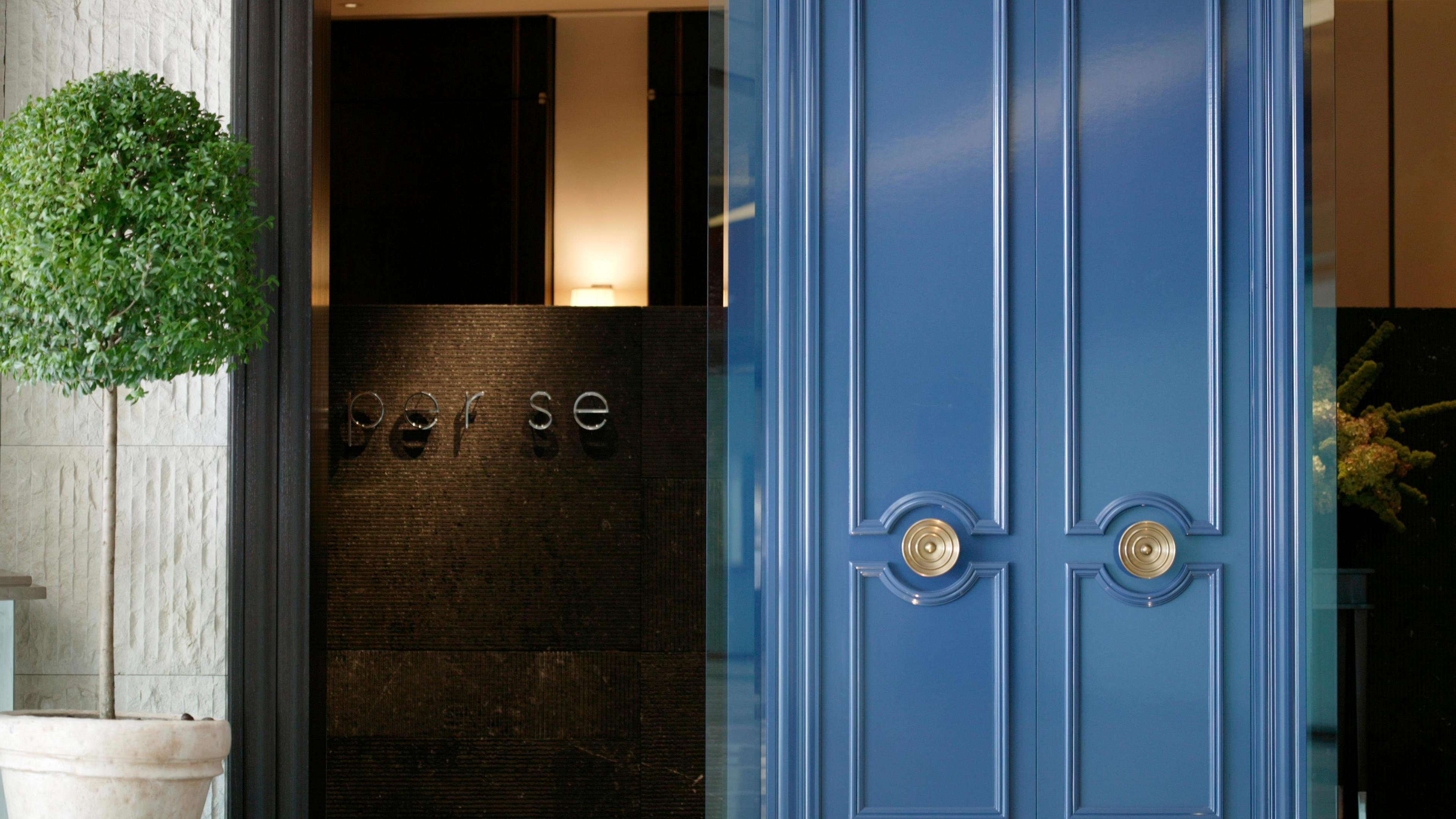
| Per Se | French Fine Dining Tasting Menu | $300–500 | 3 Michelin Stars · World's 50 Best #40 | French, Contemporary |
| Eleven Madison Park | Contemporary Plant-Based Fine Dining | $300–500 | 3 Michelin Stars · World's 50 Best #4 | French, Vegan |
Recognition history
Dated appearances from independent guides and award organizations, with the underlying list record or original source where available.
Opinionated About Dining Casual in North America Recommended
Opinionated About Dining
Wine Spectator Best of Award of Excellence
Wine Spectator
Full recognition history (4 entries)
Opinionated About Dining Casual in North America Ranked #575
Opinionated About Dining
Opinionated About Dining Casual in North America Ranked #445
Opinionated About Dining
Continue exploring
More in New York City
Restaurants in New York City
All restaurants in New York City →
Bars in New York City
All bars in New York City →




Barbetta
The wine
Barbetta holds the Wine Spectator Best of Award of Excellence, which Wine Spectator gives to lists of usually 350 or more selections.
- Wine program
- Deep wine list
- Wine Spectator
- Wine Spectator Best of Award of Excellence
- Selections
- 2,160
- Bottles in cellar
- 11,655
- List strengths
- Tuscany, Piedmont, Italy
- Wine director
- Geza Horvath
- Extensive wine list
Details
- Romantic
- Elegant
- Classic
- Intimate
- Sophisticated
- Date Night
- Special Occasion
- Business Dinner
- Garden
- Private Dining
- Historic Building
- Extensive Wine List
- Garden
Current opening hours
- Monday
- Closed
- Tuesday
- 4:30–11 PM
- Wednesday
- 12–2 PM, 4:30–11 PM
- Thursday
- 4:30–11 PM
- Friday
- 4–11:30 PM
- Saturday
- 12–2 PM, 4:30–11:30 PM
- Sunday
- Closed
Hours can change for holidays and private events. Hours as of .
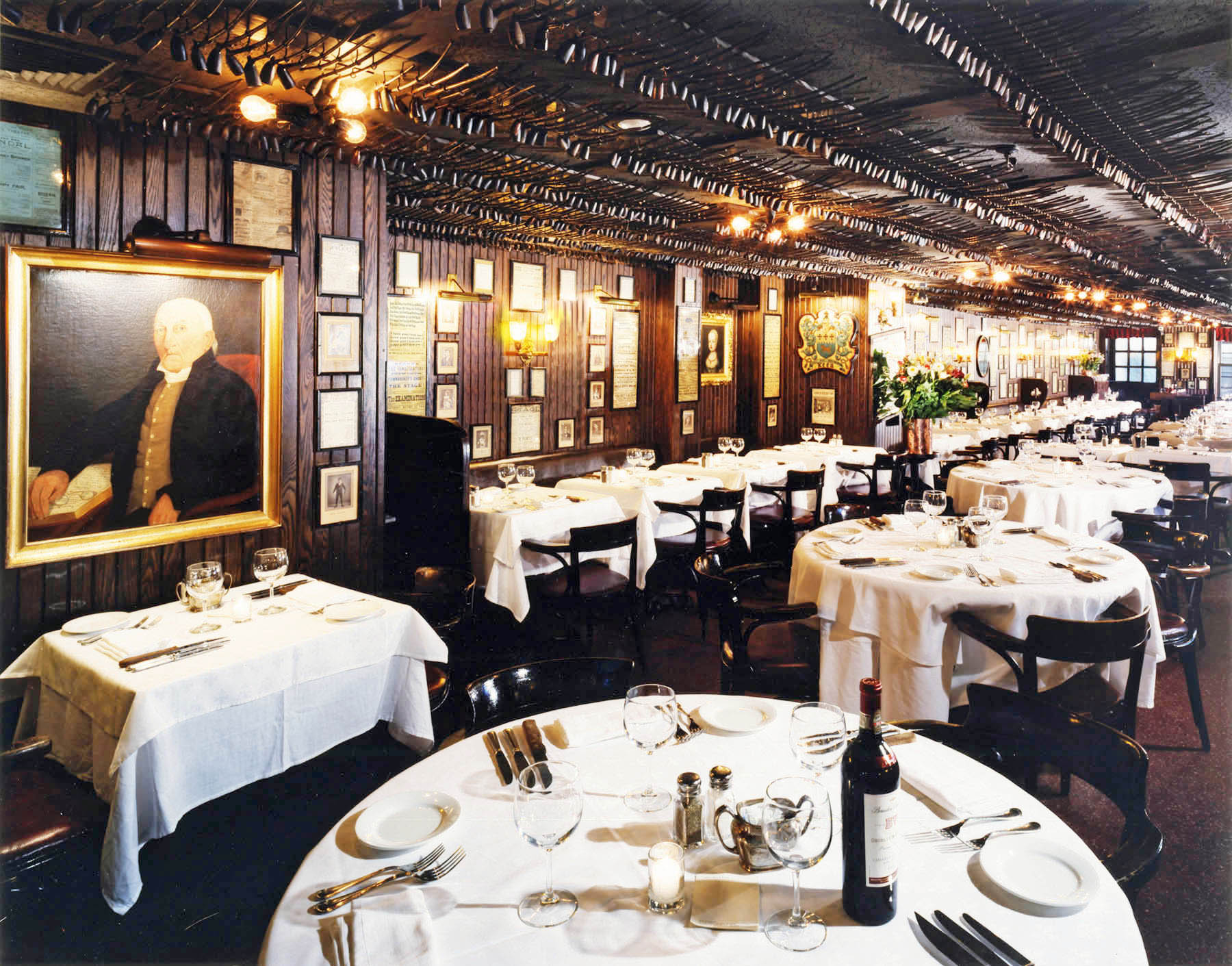
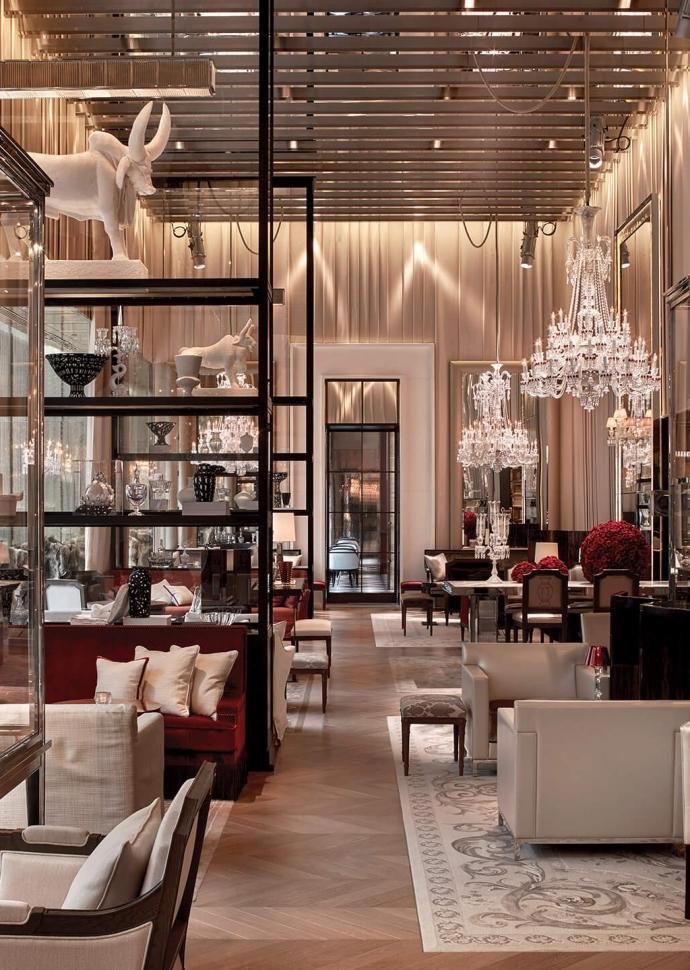
Elegant and classic with ornate decor, chandeliers, soft jazz, and a lush garden patio; old-world charm evoking history and tradition.